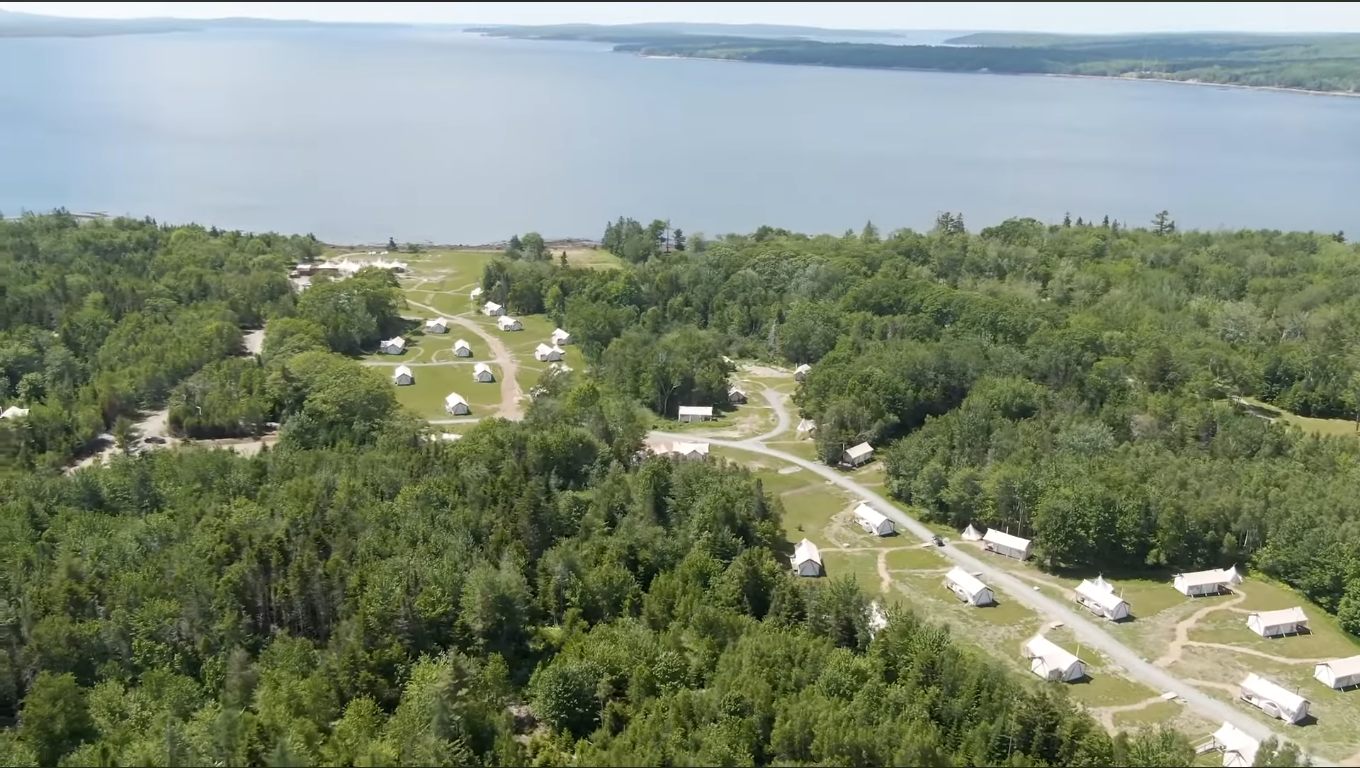
If you’ve ever wanted to experience Acadia’s stunning coastline and mountain views without giving up your comfortable bed, glamping Acadia National Park style might be exactly what you’re looking for.
I’ll be honest—when I first heard about glamping, I thought it sounded a bit over-the-top. But after spending a soggy weekend in a leaky tent a few years back, I started seeing the appeal of something a little more… comfortable. And Maine’s coast? It can get chilly and damp, even in summer.
Table of Contents
Why Acadia Works So Well for Glamping
Acadia’s where granite mountains crash into the Atlantic. You’ve got Cadillac Mountain (first sunrise spot in the U.S. for part of the year), 150+ miles of trails, and coastline that’ll make you stop mid-hike just to stare.
Here’s the thing though—3.5 million people visit every year. Campgrounds book up months out. Glamping near Acadia National Park solves that problem. You skip the campsite lottery and the gear hassle.

Best Glamping Options Near Acadia
When you’re looking at Acadia National Park glamping options, you’ll find several types scattered around the area. Here’s what I’ve learned works best:
Canvas Tents (Safari-Style)
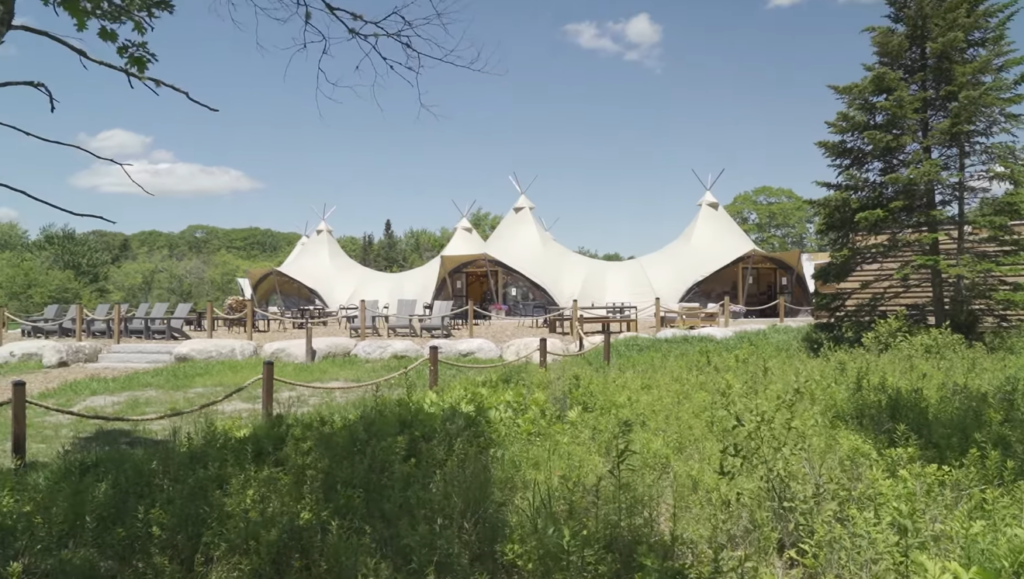
- Not your dad’s camping tent. Think sturdy canvas walls, actual beds with real mattresses, sometimes electricity and heat. Around Bar Harbor, you’ll find these from May through October.
- I stayed in one last fall. The bed didn’t deflate at 2 AM. The blankets didn’t smell like mildew. Small victory, but after years of regular camping, it felt huge.
- Terramor Outdoor Resort does these well—heated canvas tents with private decks, about 10 minutes from the park entrance. You’re paying $300-400 in peak season, but you’re also not assembling poles in the rain.
- You can book these safari-style canvas tents directly through Under Canvas, the official provider for luxury glamping near Acadia National Park.
Luxury Yurts
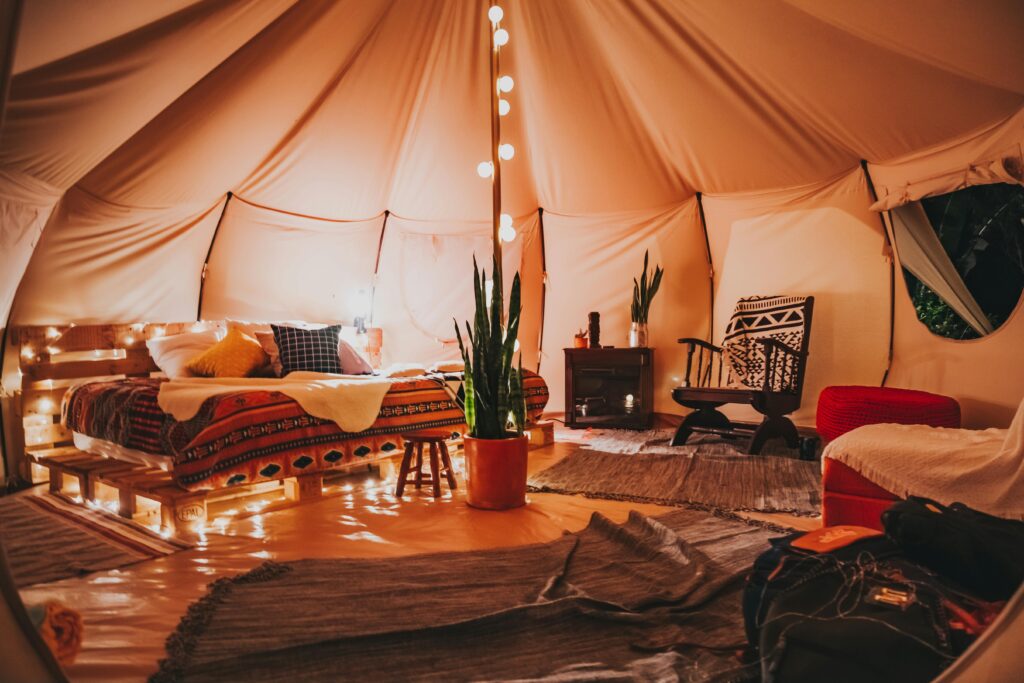
- These round structures handle Maine weather better than tents. Wind and rain? No problem. The circular design just works.
- Most sleep 4-6 people with separate sleeping spots. The best glamping in Acadia National Park often means yurts with skylights. Stargazing from your bed beats standing outside in the cold.
Tiny Houses and Cabins
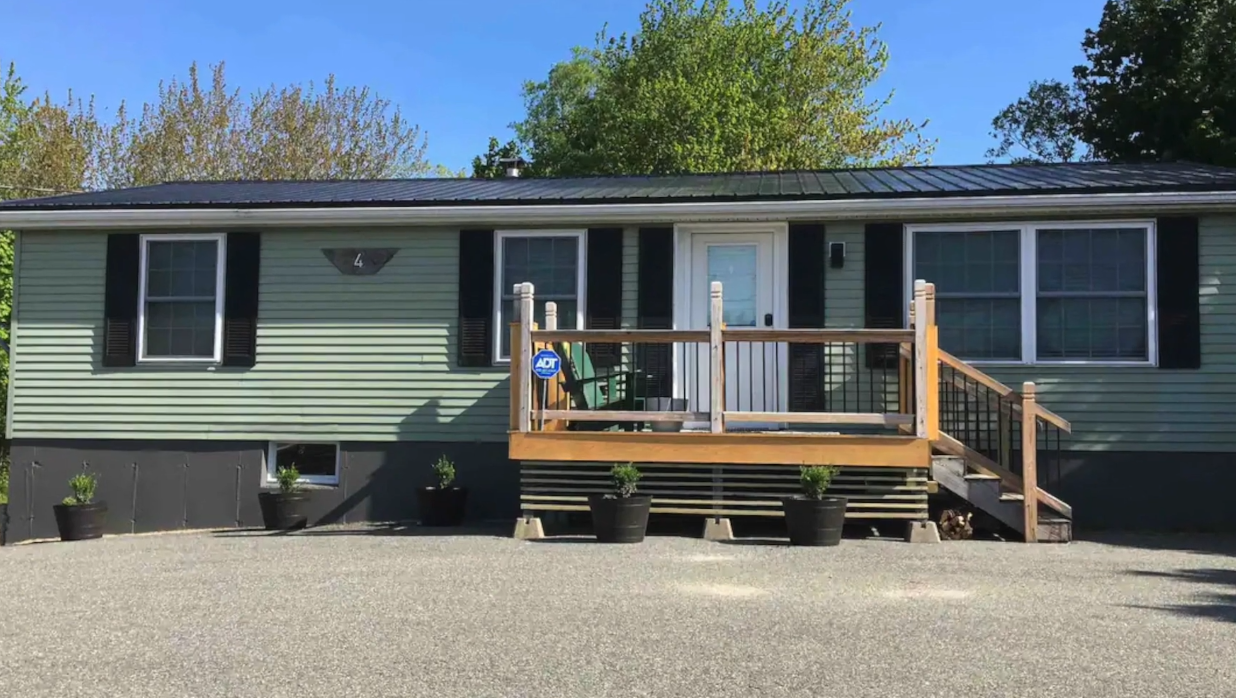
- Want actual walls? Some glamping spots offer tiny houses with full bathrooms, kitchenettes, heat, and decks. After hiking Precipice Trail, a hot shower isn’t just nice—it’s necessary.
- Properties near Sullivan and Hancock run $200-250 per night. Better prices than Bar Harbor, but you’ll drive 30-40 minutes to reach the park.
Where to Find Glamping in Acadia National Park Area
The park itself doesn’t offer glamping—those campgrounds are old-school tent and RV sites only. But when you’re figuring out where to stay in Acadia National Park area with actual comfort, the towns surrounding Mount Desert Island have you covered.
Bar Harbor (8-15 minutes to park entrance)
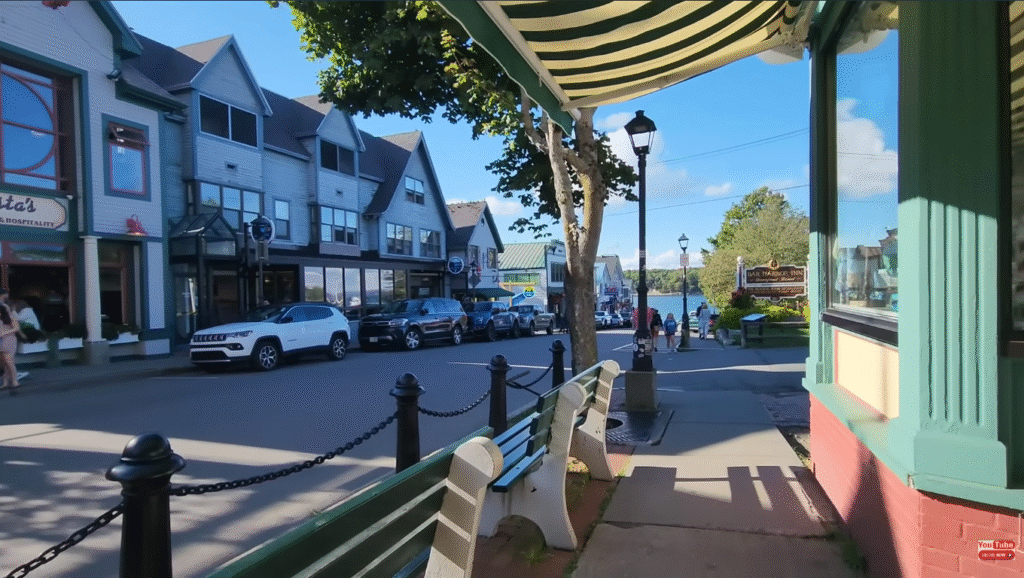
This is glamping central. You’ll find the most options here, from canvas tents to luxury yurts. The location’s hard to beat—you’re close enough to pop back for a midday rest, but also walking distance to downtown when you don’t feel like cooking over a fire.
Drive times matter when you’re planning your days: 15 minutes to Jordan Pond for that famous popover lunch, 10 minutes to Sand Beach if the kids want to swim, 20 minutes to Cadillac Mountain’s summit road for sunrise. After a long day hiking, those short drives home make a real difference.
The downside? Bar Harbor gets crowded. Summer weekends feel like a small city, and you’ll hear traffic noise from many glamping sites. You’re also paying top dollar here—easily $50-100 more per night than other areas.
Southwest Harbor/Bass Harbor (the quieter side)
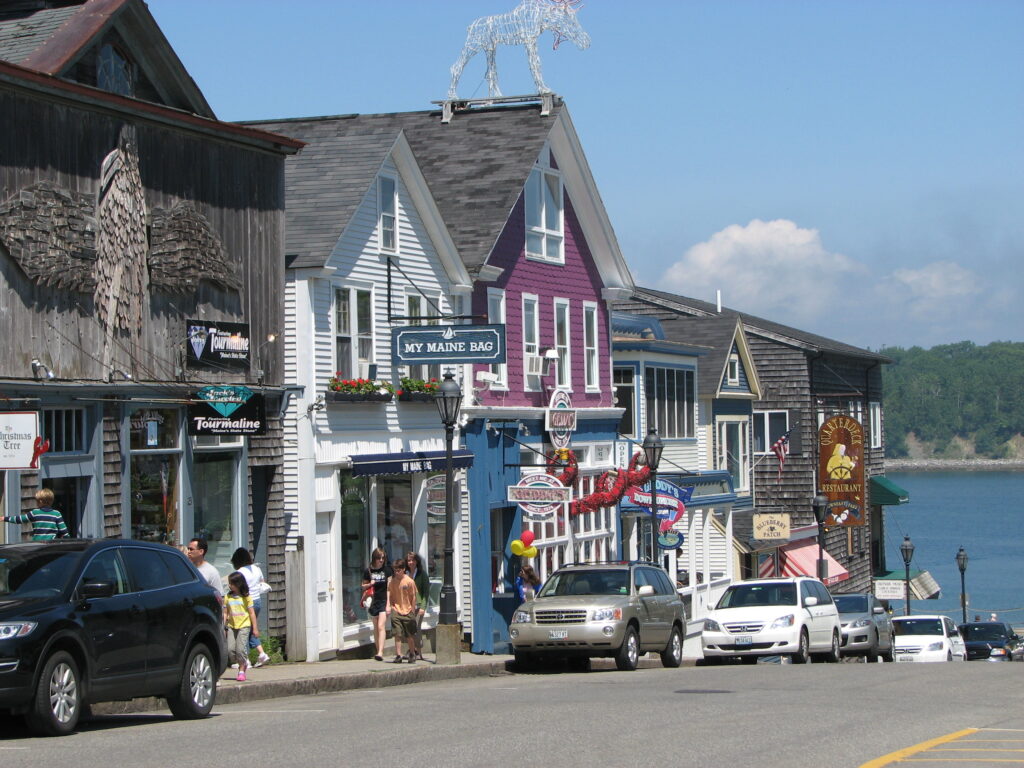
Cross to the western side of Mount Desert Island and things calm down considerably. Fewer tourists, less traffic, more locals. The glamping spots here tend to have more space between sites, which I appreciated after staying elbow-to-elbow in Bar Harbor.
The sunsets over the water on this side are spectacular—we’d sit by our fire pit watching the sky turn orange and purple over the harbor. You’re 30-40 minutes from popular spots like Jordan Pond and Cadillac Mountain, but honestly? The peace and quiet make that drive worthwhile. Plus Southwest Harbor has its own charm—real fishing boats, locals who actually live there year-round, less tourist trap energy.
Ellsworth and Trenton (20-30 minutes out)
These mainland towns sit right before you cross the bridge to Mount Desert Island. You’re looking at 20-30 minute drives to reach the park, which sounds like a lot until you see the prices—often $100-150 less per night than Bar Harbor for similar setups.
You’ll definitely need a car (no walking to restaurants here), but if you’re budget-conscious or visiting during peak season when everything else is booked, these spots work well. Ellsworth has full grocery stores, gas stations, and regular amenities. It feels less “vacation-y” but more practical, especially if you’re staying a week and need to stock up on supplies.
The commute cuts into your morning if you want Cadillac sunrise—you’re waking up even earlier. But for afternoon hikes and evening activities? The distance barely matters.
What You’re Actually Getting
Standard glamping near Acadia National Park setup:
- Already assembled shelter (hallelujah)
- Real bed with clean linens
- Furniture that’s not inflatable
- Fire pit with first bundle of wood included
- Bathroom access (might be shared)
Upgraded spots add:
- Private bathroom with hot shower
- Electricity and good lighting
- Mini fridge
- Coffee maker (bring your own beans)
- Outdoor grill
- Sometimes breakfast stuff
You’re between camping and a rustic cabin. Still outdoors, still hearing birds at dawn, still smelling campfire. Just without the back pain and wet sleeping bag.
Pricing Reality Check
Let’s talk money. Glamping in Acadia National Park area isn’t cheap compared to regular camping.
- Regular Acadia campsites: $30-40 per night Glamping: $150-400+ depending on setup and season
- Worth it? Depends what you value. If you camp all the time and love it, probably not. If you’re testing outdoor life with skeptical family members or celebrating something special, the premium makes sense.
- Weekend minimums are real—2 nights usually, 3 during peak foliage (mid-October). Most want 50% deposit upfront, rest due 30 days before arrival.
Best Times for Acadia Glamping
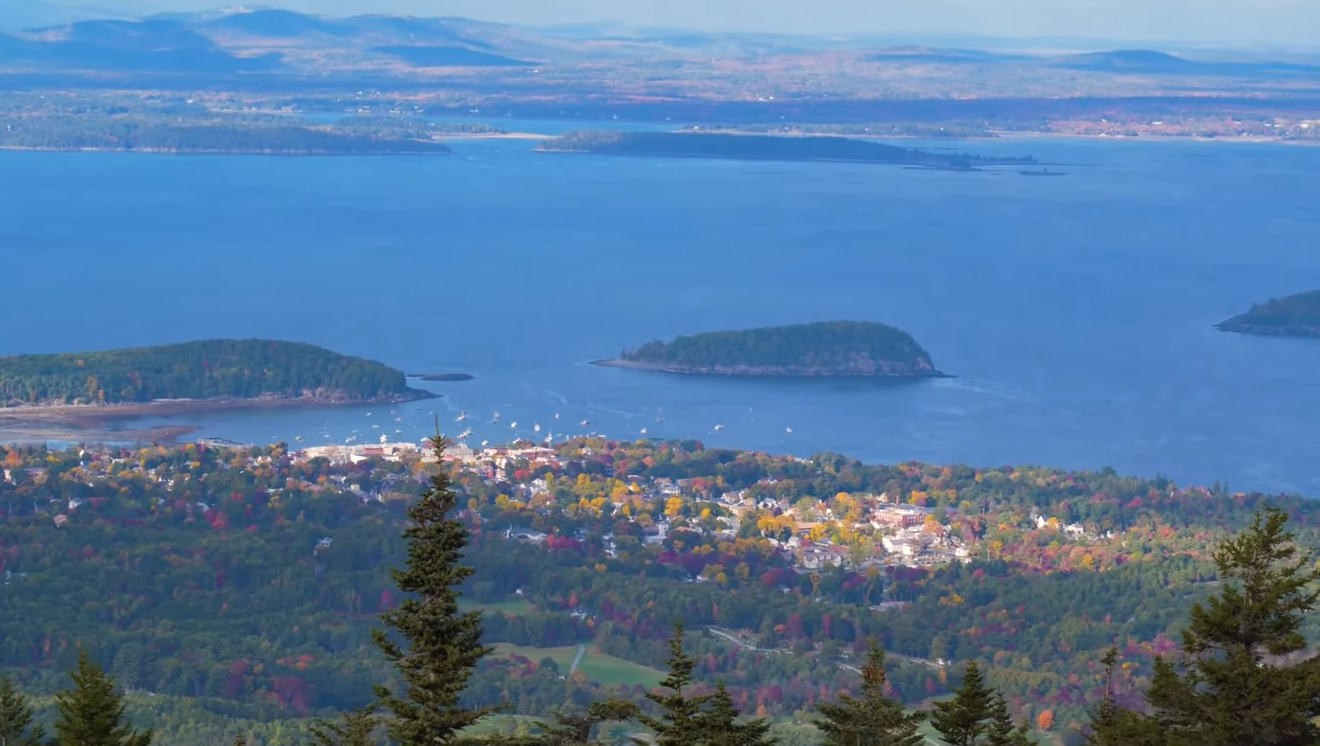
The best time to go to Acadia National Park depends on what you want and what crowds you’ll tolerate.
Summer (June-August)
- Warmest option. Days hit 70-80°F, nights drop to the 50s. Also most crowded and expensive. Book 3-4 months ahead minimum.
- Perfect conditions for all the things to do in Acadia National Park—swimming at Sand Beach, biking carriage roads, hiking without freezing.
- Fair warning: June brings blackflies. Maine blackflies are vicious. Pack serious bug spray. The DEET kind, not the cute organic stuff.
Fall (September-October)
- This is my favorite. Acadia National Park fall foliage peaks mid-October—mountains turn red and gold, it’s ridiculous. Days are 50-65°F, nights 35-45°F. Crowds thin after Labor Day.
- Watching sunrise over those colors from your glamping deck? I’m not typically sappy, but it’s something else.
- Pack layers. Serious layers. Fleece, rain jacket, winter hat for early mornings. I learned this the hard way at 5 AM on Cadillac Mountain.
Spring (May-early June)
- Better rates, fewer humans. But weather’s a gamble. I’ve watched 45-degree mornings turn into 70-degree afternoons within hours.
- Spring does mean rushing water if you want to check out Acadia National Park waterfalls. Summer dries some spots to a trickle.
Winter
- Most glamping closes November-April. Acadia stays open, but Maine winters are brutal. Regular below-freezing temps.
What You Should Pack (Even for Glamping)
Don’t pack like you’re hitting a hotel. Even glamping needs real gear:
Must-haves:
- Warm layers (fleece or down jacket—nights get cold)
- Rain jacket (weather changes in minutes)
- Hiking boots that won’t destroy your feet
- Bug spray with DEET (June-August especially)
- Sunscreen
- Water bottles you can refill
- Headlamp (you’ll need it even with electricity)
Food situation:
Most sites don’t include meals. Check if yours has a kitchenette or just a fire pit. Hannaford Supermarket in Bar Harbor is 5 minutes from most glamping—stock up there. Quieter side? Nearest grocery is Southwest Harbor.
Leave at home:
- Tent and sleeping bags (duh)
- Camping stove if your site has a grill
- Books and games (you’ll be too tired from hiking)
Can You Bring Your Dog?
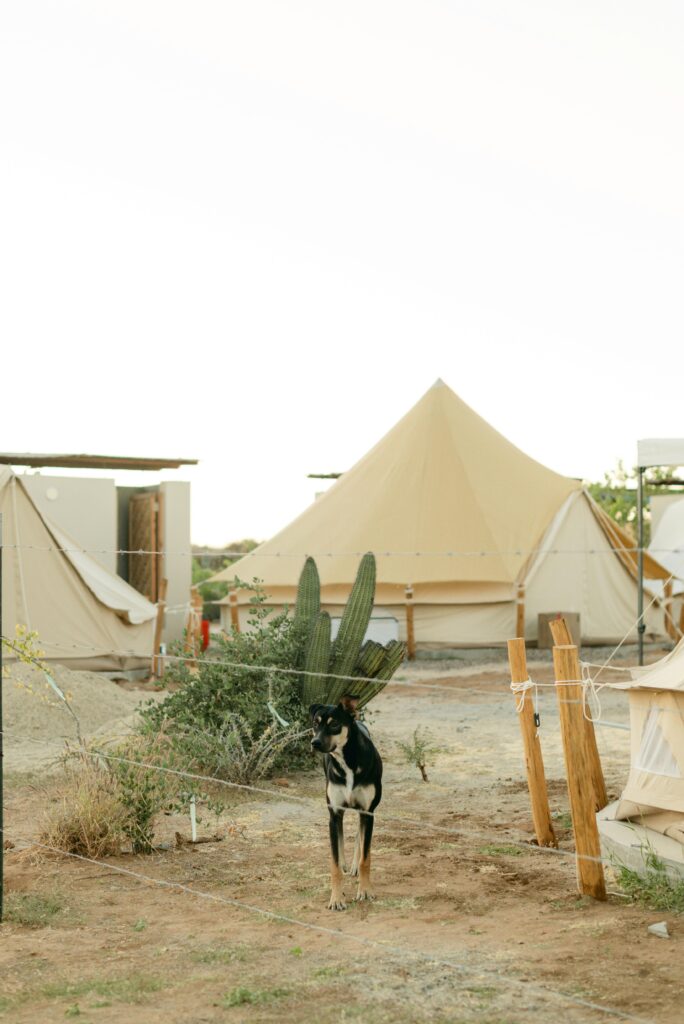
About half the glamping spots welcome dogs. Usually costs $25-50 per pet per night. Some have size limits (under 50 lbs is common).
Inside Acadia, dogs can use most carriage roads and some trails. But they’re banned from Sand Beach, Echo Lake Beach, and ladder trails like Precipice and Beehive. Six-foot leash required everywhere.
I’ve watched people try sneaking dogs onto banned trails. Rangers will fine you. Don’t be that person.
What to Do During Your Glamping Acadia National Park Stay
One of the best parts about glamping Acadia National Park style is having a comfortable base while you explore. You’re not exhausted from sleeping on rocky ground, so you can actually enjoy the park instead of just surviving it.
Morning Adventures
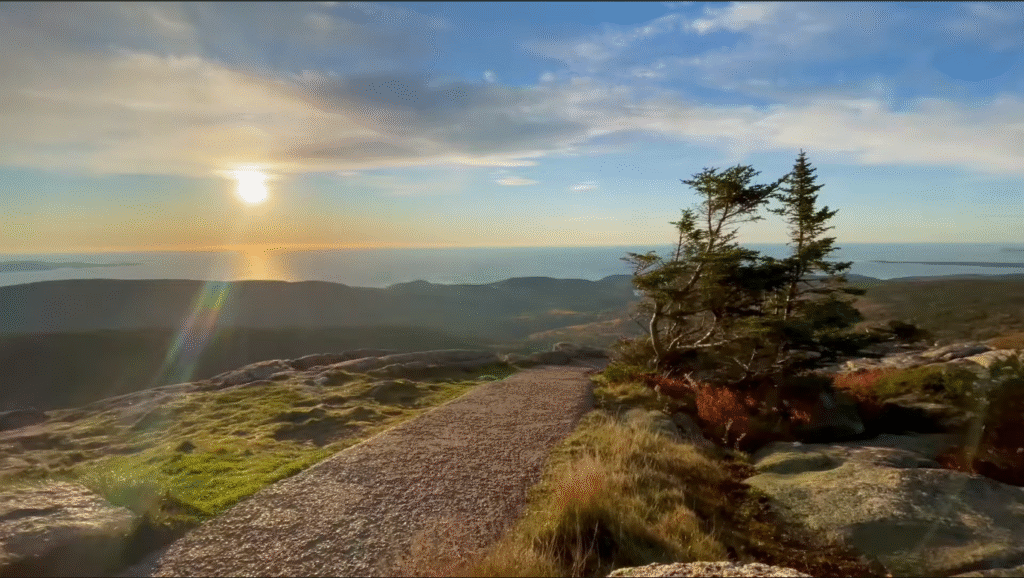
Wake up actually rested—this is the whole point of glamping. If you’re chasing that famous Cadillac Mountain sunrise, give yourself 30-40 minutes from most glamping spots. The drive up the summit road takes time, and parking fills fast even at 5 AM.
Not a sunrise person? No judgment. Ease into your morning with coffee on your private deck, watching mist lift off the trees. Then head to the carriage roads for a peaceful bike ride before the crowds arrive. The cool morning air and quiet trails make this my favorite time to explore.
Daytime Exploration
- For the adventurous: Precipice Trail will get your heart racing—iron rungs bolted into cliff faces, exposed ledges, incredible views. If heights make you queasy, skip it. This isn’t the trail to test your fear of heights.
- For easier days: Ocean Path delivers stunning coastal views without the climbing. It’s mostly flat, paved, and you can walk as much or as little as you want. Perfect after a big hiking day when your legs need a break.
- Jordan Pond Loop sits right in the middle—2.5 miles around crystal-clear water, mostly flat boardwalks and packed gravel. Beautiful without being difficult. Stop at Jordan Pond House afterward for their famous popovers if you’re hungry.
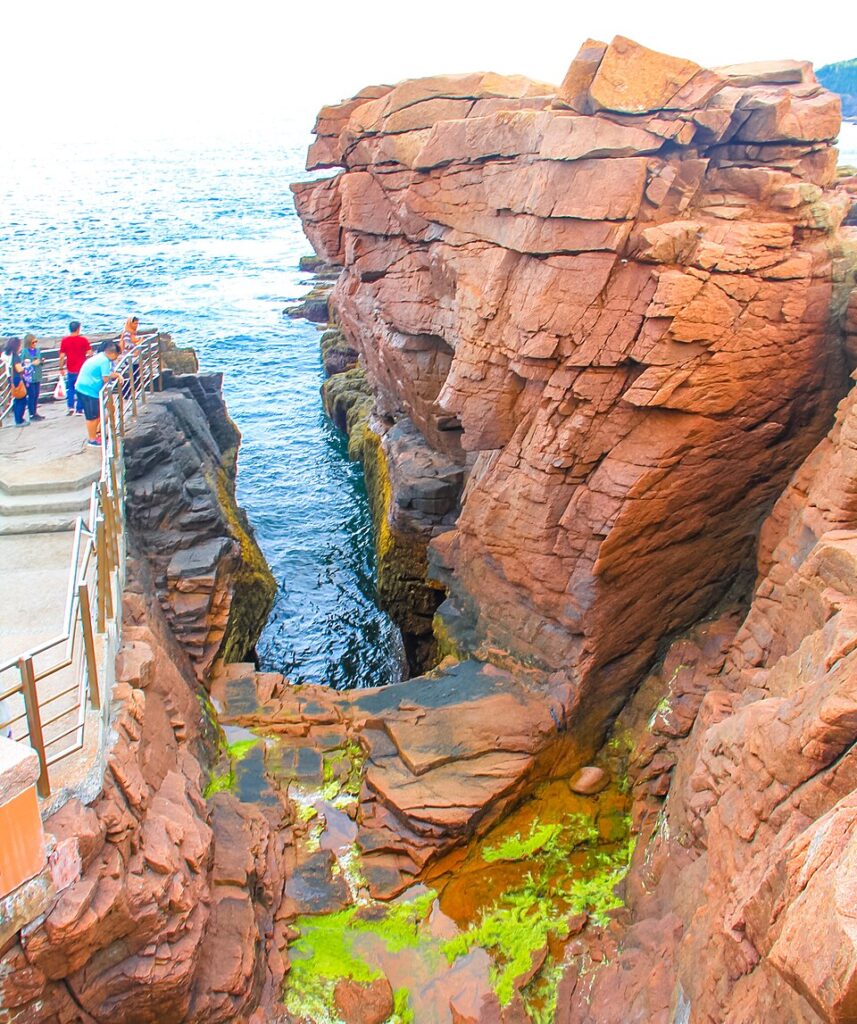
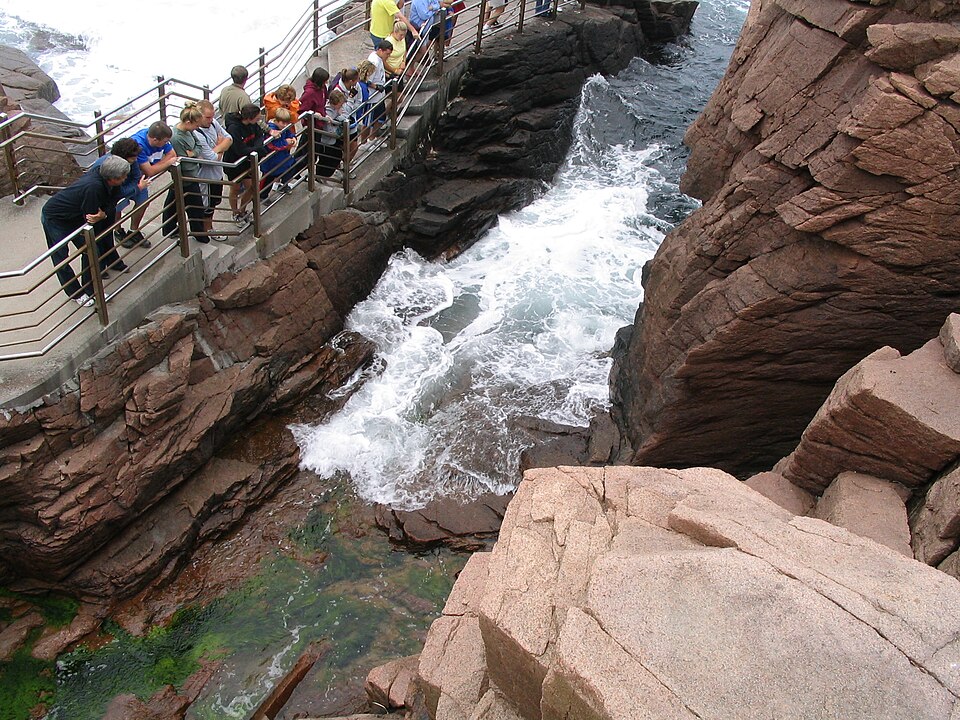
- Thunder Hole impresses at high tide when waves crash into the narrow inlet and explode upward. At low tide? It’s just a hole in the rocks. Check tide charts before you drive over—timing matters here.
Here’s what tent campers can’t do: come back to your glamping site midday to rest, maybe take a quick shower, recharge your phone, grab a snack in actual comfort. You can. This flexibility changes how much you can pack into a day without burning out.
Evening Relaxation
After a full day hiking the Beehive Trail or kayaking around the islands, that real bed and hot shower feel earned. Your muscles will thank you.
Sit by your fire pit as the sun sets without worrying about assembling a tent in the dark or realizing you forgot the rain fly. Cook dinner over the fire or just roast marshmallows—no pressure to do camping “right” because you’ve already got your comfortable sleeping situation handled.
This is when glamping really shines. You get the campfire experience, the outdoor evening, the stars overhead—but you’re going to sleep well tonight, not tossing on an air mattress that’s slowly deflating.
Food and Dining Options, Glamping Acadia National Park
Cooking at your site
Use that grill or fire pit—it’s half the fun of glamping. S’mores aren’t optional here. Most general stores near glamping sites stock all the fixings, plus hot dogs, burger patties, and those thick-cut steaks that taste better over wood smoke.
I’ve cooked some of my best meals over a campfire—nothing fancy, just corn on the cob wrapped in foil and fresh lobster rolls from the market. Something about eating outside after a long hike makes everything taste better.
Bar Harbor restaurants
When you’re too tired to cook or just want a break from campfire meals, Bar Harbor’s restaurant scene delivers.
Side Street Café (49 Rodick St, Bar Harbor, ME 04609, United States)
- This tiny breakfast spot fills up fast, and for good reason. Their blueberry pancakes use Maine wild blueberries, not the frozen kind. The wait can stretch to 45 minutes on summer weekends, so get there when they open at 7:30 AM or expect to stand outside scrolling your phone.
💬 Guest Review by Ls1987
“Excellent food, atmosphere, and service! Highly recommend! Side salads were great as were the chicken and burgers we had.”TripAdvisor Rating: ⭐⭐⭐⭐ 4.5/5 (4,607+ reviews)
👉 Read more on TripAdvisor
Geddy’s (19 Main St, Bar Harbor, ME 04609, United States)
- Casual pub right in the middle of downtown with outdoor seating that’s perfect for people-watching. Their fish tacos are solid, portions are generous, and they don’t rush you out even when it’s busy. Good spot when you’re tired and just want reliable food without the fuss.
Jordan’s Restaurant (80 Cottage St, Bar Harbor, ME 04609, United States)
- Real Maine diner that’s been around since 1976. Locals actually eat here, which tells you something. Their lobster stew is the real deal—thick, creamy, loaded with lobster meat. Cash only, so hit the ATM first.
Pro tip: Make dinner reservations in the morning, seriously. I learned this after walking into six packed restaurants at 7 PM in July with a hangry family. Now I call around 10 AM while having coffee at the glamping site. Saves massive frustration.
Grocery runs
Hannaford Supermarket (86 Cottage St, Bar Harbor) is your main supply hub—about 5 minutes from most Bar Harbor glamping sites. Full-service grocery with decent prices, good produce, and a prepared foods section with sandwiches that’ll work for trail lunches. Stock up here for breakfast supplies, snacks, and anything you’ll cook at your site.
If you’re staying on the Southwest Harbor side, there’s a smaller grocery store in town that covers the basics. Prices run slightly higher, but it beats driving 30 minutes back to Bar Harbor for eggs and coffee.
Cell Service Reality
Service is spotty. Verizon works best, AT&T’s okay, T-Mobile struggles. Inside the park, expect to lose signal completely in many spots.
Glamping sites claim “WiFi” but that could mean anything from fast internet to barely loading email. Need it for work? Call and ask about actual speeds. Don’t trust the listing.
Honestly though? This is good. You’re here to disconnect. Leave the laptop behind.
Weather Reality Check
Maine coastal weather is moody as hell. Four seasons in one day, especially spring and fall.
Temperature averages:
- Summer: 70-80°F days, 50-60°F nights
- Fall: 50-65°F days, 35-45°F nights
- Spring: 45-65°F days, 30-45°F nights
Rain and fog: Expect rain about 1 in 3 days during summer. Fog rolls in regularly, especially mornings. It burns off by late morning usually, but not always. I’ve hiked in fog so thick I couldn’t see 20 feet ahead—spooky but also kind of magical.
Pack for rain. Your entire trip will be miserable if you don’t.
Practical Tips from Someone Who’s Been Glamping Acadia National Park
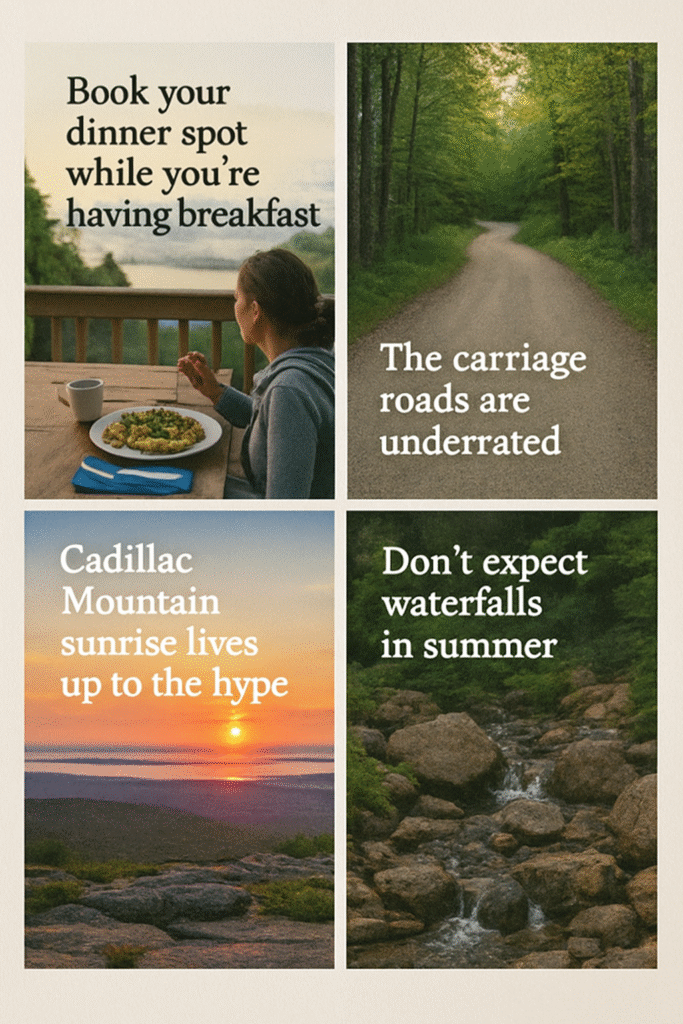
Book your dinner spot while you’re having breakfast.
- Seriously. Bar Harbor restaurants pack out fast, especially in summer. I learned this after wandering around hungry at 7 PM with a cranky family, getting turned away from place after place. Now I call the morning of—saves a lot of frustration.
The carriage roads are underrated.
- Everyone obsesses over the hiking trails, but these gravel paths are perfect when your legs are tired or you’re traveling with different fitness levels. Rent bikes in Bar Harbor and cruise around—you get amazing views without huffing up mountains. My kids loved this way more than I expected.
Cadillac Mountain sunrise lives up to the hype.
- Yeah, your alarm goes off at 4:30 AM. Yeah, you’ll question your life choices in the dark. But standing on that summit watching the sun rise over the Atlantic? It quiets your brain in a way that’s hard to find anywhere else. Pack hot coffee in a thermos—trust me on this. The summit’s freezing even in July, and that first sip while the sky turns pink makes the early wake-up worth it.
Don’t expect waterfalls in summer.
- If you’re chasing waterfalls, come in spring or right after a good storm. Summer dries most of them to disappointing trickles. I dragged my family to three “waterfall” spots in August once—basically looked at wet rocks. Check recent conditions before you make the drive.
Parking is a competitive sport here.
- Jordan Pond and Sand Beach lots fill completely by 9 AM during peak season. Get there by 8 if you’re driving, or skip the stress entirely and take the free Island Explorer shuttle. It runs all over the island and honestly beats circling for parking in the heat.
Glamping Acadia National Park: Is This Right for You?
Glamping works if you:
- Want outdoors without buying gear
- Like comfort but still want nature
- Travel with people who have different camping tolerance
- Don’t mind paying extra for convenience
- Have young kids who need decent sleep
Skip it if you:
- Camp regularly with your own gear
- Want total wilderness isolation (you’ll have neighbors)
- Are on a tight budget
- Think you’ll be “roughing it” (you won’t)
- Want to stay inside park boundaries (all glamping is outside)
Booking Your Spot
Most use Hipcamp, Airbnb, or their own sites. Read reviews carefully. Not all “glamping” means the same quality.
Red flags:
- Cleanliness complaints
- “Not as pictured”
- Host doesn’t respond
- Hidden fees
- Noise from other sites
Book 4-6 months ahead for summer and fall. Last-minute options exist but locations and dates are usually less ideal.
Cancellation policies vary wildly. Some refund fully up to 30 days out. Others keep your deposit no matter what. Read the fine print—Maine weather can force reschedules.
Conclusion
Glamping Acadia National Park style isn’t for everyone. It splits the difference between tent camping and hotels—you’re still outside, still cooking over fire, still waking up to birdsong. Just with a bed that doesn’t wreck your back. I’ve done both. Tent camping when I was younger and didn’t mind the discomfort. Glamping now with family who have different tolerance levels. Both work, depending on what you need.
After a full day scrambling up the Beehive Trail or biking Jordan Pond, that comfortable bed stops feeling like luxury and starts feeling like smart planning. You wake up day two actually wanting to hike again instead of limping to the car. The prices aren’t small—$150 to $400 per night makes you pause. But if it means your family enjoys Acadia instead of everyone being miserable, the math shifts. I’ve watched camping trips turn into arguments about forgotten gear and cold nights.
Nobody gives out awards for suffering through outdoor trips. If glamping gets you into one of America’s most beautiful parks without the usual camping headaches, it’s working. Book early for fall foliage—October weekends disappear fast. Pack serious layers because Maine weather changes hourly. Lower your expectations about “luxury”—you’re getting a good tent with a real bed, not a resort.
But after a long day breathing ocean air and climbing granite? That’s more than enough. You’ll sleep well, wake up ready for more, and remember the beautiful parts instead of just the uncomfortable ones.
That’s what matters.
FAQ
No, Acadia doesn’t offer glamping within park boundaries. All glamping sites are located in surrounding towns like Bar Harbor, Southwest Harbor, Ellsworth, and Trenton—typically 10-40 minutes from park entrances.
Expect $150-400+ per night depending on the type (canvas tents, yurts, or tiny houses) and season. Peak times like summer and fall foliage (mid-October) cost most. Traditional campsites run only $30-40 per night.
Fall (September-October) offers the best experience—stunning foliage, comfortable temperatures, and fewer crowds. Summer (June-August) is warmest but most crowded and expensive. Spring has lower rates but unpredictable weather.
No. Glamping sites provide beds, linens, and furniture. You should bring warm layers, rain jacket, hiking boots, bug spray, sunscreen, and food. Most sites don’t include meals or camping equipment like tents or sleeping bags.
About half of glamping properties allow dogs, usually with a $25-50 per night pet fee. Inside Acadia National Park, dogs are permitted on most carriage roads and some trails but banned from Sand Beach and ladder trails like Precipice.