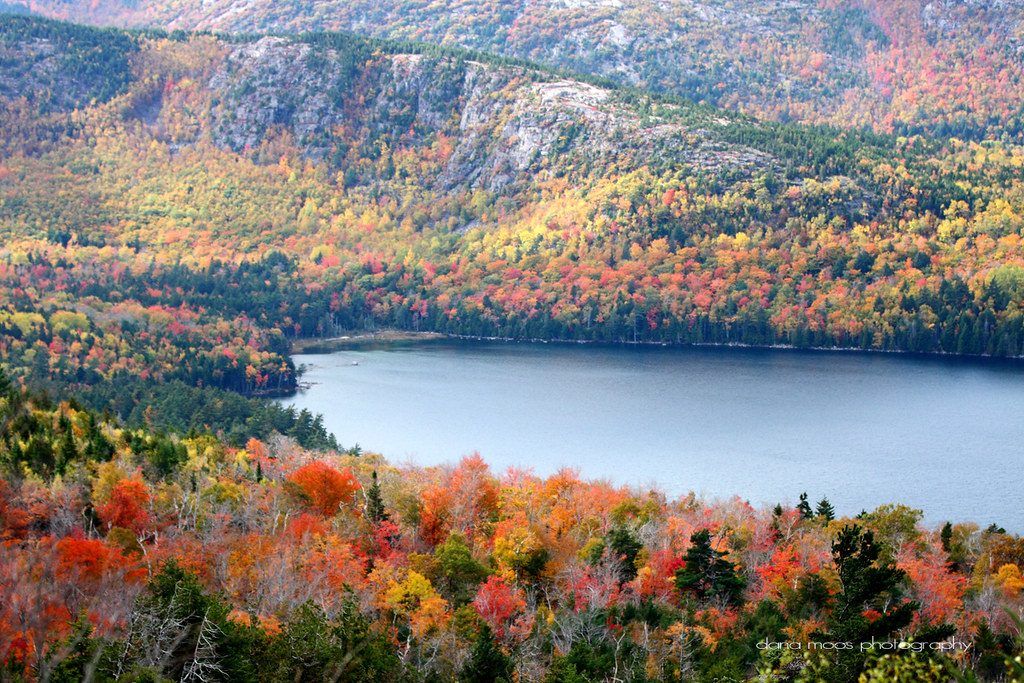
My first October morning on Cadillac Mountain changed everything. As the sun rose over the Atlantic, I watched the landscape explode into crimson, gold, and orange—colors so vivid they felt unreal. Right then, I got it. This is why people book trips a year in advance for Acadia National Park fall foliage.
What makes Acadia different? Simple. Where else can you watch brilliant autumn colors cascade down granite mountains straight into the deep blue ocean? Vermont and New Hampshire have gorgeous forests, sure. But they don’t have this. The way fiery maples contrast against dark evergreens and coastal cliffs—it’s pure magic you won’t find anywhere else in New England.
Here’s the thing: experiencing Acadia’s fall colors at their peak isn’t just about showing up in October. You need the right timing, you need to know the quiet spots when crowds overwhelm popular viewpoints, and honestly, you need realistic expectations about what October in coastal Maine actually looks like.
This guide gives you everything—when to visit, where to find those breathtaking views, and how to make the most of your autumn adventure. I’m sharing what actually works, not just the glossy travel magazine version. And if you’re looking to explore beyond fall foliage, check out our guide to Acadia National Park waterfalls and discover more things to do in Acadia National Park year-round.
Ready to plan your autumn adventure?
Table of Contents
When to Visit for Peak Fall Foliage
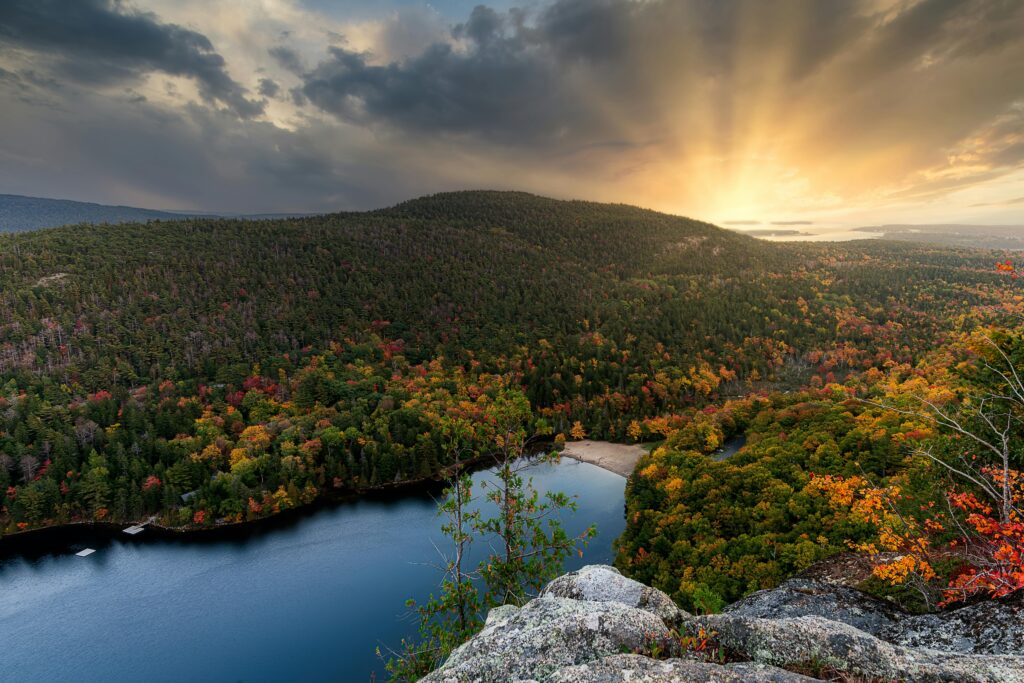
Timing your Acadia National Park fall visit correctly can mean the difference between witnessing nature’s most spectacular show and catching mostly bare branches. The peak fall foliage window in Acadia is frustratingly narrow—typically spanning just two to three weeks in early to mid-October.
The typical progression looks like this:
- Late September (September 25-30): Early hints of color begin appearing, especially at higher elevations. You’ll see scattered yellows and oranges, but most trees remain green. This is actually a lovely time to visit if you want to avoid crowds while still catching some autumn beauty.
- Early October (October 1-10): The sweet spot. Peak colors usually arrive during the first full week of October, though this varies by 5-7 days depending on the year’s weather patterns. Maples explode into brilliant reds and oranges, birches glow golden yellow, and the forest reaches its most vibrant state.
- Mid-October (October 11-20): You’re either catching the tail end of peak colors or experiencing them at their absolute best, depending on how that particular autumn has unfolded. By October 15th, some leaves have usually started falling, though plenty of color remains.
- Late October (October 21-31): Past peak. Many deciduous trees have dropped their leaves, revealing the evergreen framework underneath. There’s still beauty here—the landscape takes on a rustic, earthy quality—but it’s not the explosive color show of earlier weeks.
Elevation matters significantly.
The highest point of Cadillac Mountain at 1,530 feet starts displaying colors during the last week of September before the coastal regions. Your trip to the area will allow you to witness different stages of foliage development between elevated and lower-lying areas.
The appearance of fall colors during this season depends on the specific weather conditions that occur. The combination of warm September weather and cool October days with cold nights produces the most vibrant autumn colors. The duration of fall season shortens when frost appears before its time but the autumn foliage stays less vibrant when normal autumn temperatures persist.
The National Park Service operates official foliage reports which they update every week during autumn. The Acadia National Park website together with their social media platforms enable users to access real-time photos and current foliage conditions. The Maine Fall Foliage Report along with other local resources provide essential information about regional foliage conditions.
The most favorable time to witness peak fall colors occurs during the first week of October starting from October 1st through October 7th. You should reserve your accommodations during these dates at least 8 to 12 months before your trip.

Why Acadia National Park’s fall foliage is Unique
Acadia stands as my top choice for fall foliage destinations after exploring dozens of locations throughout New England. The coastal mountains at Acadia form a distinct environment which exists only in this location because Vermont’s Green Mountains and New Hampshire’s White Mountains lack its specific natural features.
The special arrangement of elements creates visual effects which exist nowhere else. You find yourself on a pink granite cliff while watching waves hit rocky shores while mountains behind you display their autumn colors of autumn reds and golds that reach toward the perfectly blue October sky. The unique combination of ocean and mountains and forest creates the distinctive beauty of Acadia.
The diverse tree species in Acadia create an extraordinary visual display. The forests of Acadia display a diverse range of deciduous hardwoods which include sugar maples and red maples and yellow birch and beech and multiple oak species while evergreen trees like red spruce and balsam fir and white pine maintain their dark green color. The evergreen trees create a perfect background for autumn colors because they stay green throughout the season.
The park contains multiple granite cliffs and visible rock formations which function as natural boundaries to create better visual appeal. The pink and gray stone elements in the landscape enhance autumn colors through a process that would not occur in forests without these stone features. The combination of golden sunlight with colorful trees and rock faces produces a breathtaking visual effect.
Somes Sound functions as the only fjord located on the East Coast of the United States which produces perfect autumn mountain reflections during peaceful weather conditions. The glacially shaped coastline of this area combines with its deciduous forest to create a unique landscape that exists only at this northern oceanic location.
The oceanfront location allows guests to see autumn leaves while they experience the ocean’s distinct maritime aroma through the fresh air. The ocean light creates an effect that makes colors more intense while producing atmospheric conditions which cannot be found in inland areas.
Best Places to See Acadia National Park Fall Foliage
Cadillac Mountain Summit
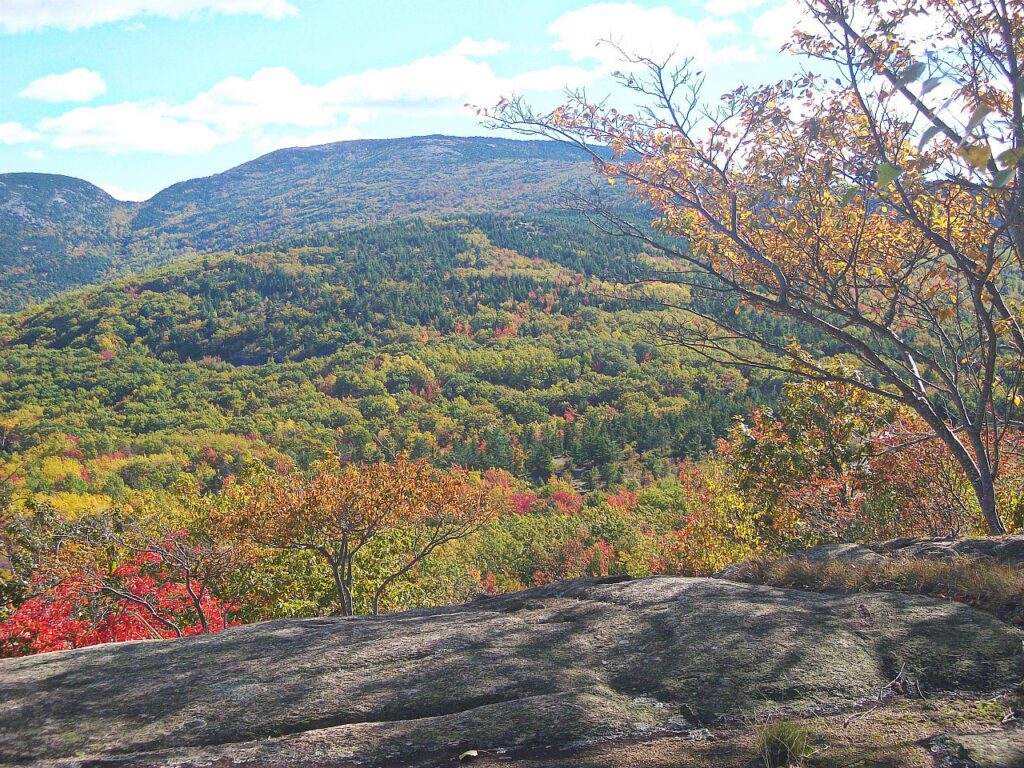
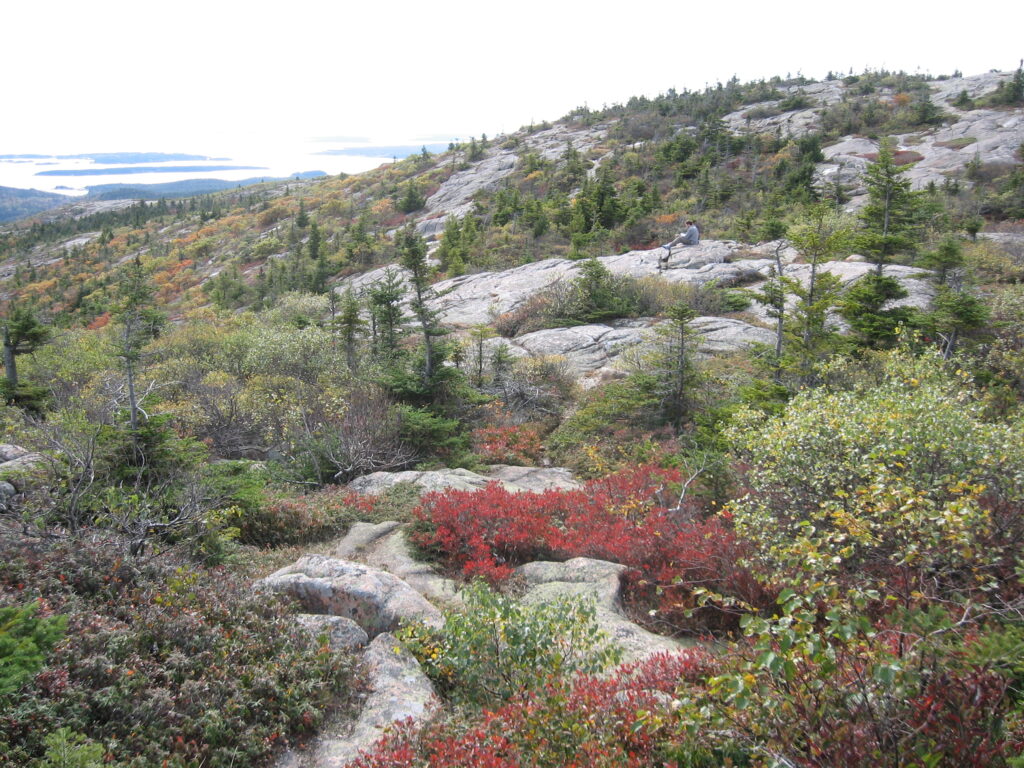
The 360-degree panorama from Acadia’s highest peak is simply unmatched during fall foliage season. From the summit, you’re looking out over a tapestry of autumn colors stretching to the horizon, with the Atlantic Ocean providing that stunning blue backdrop.
Sunrise at Cadillac during peak foliage is legendary—and I mean that literally, as photographers and nature lovers have made it famous. Watching the first light of dawn illuminate the autumn landscape while standing above a sea of fog is an experience that stays with you forever.
- Important logistics: Cadillac Mountain requires vehicle reservations from May through October (typically 6:00 AM to 5:00 PM). Book these on Recreation.gov exactly two months in advance when they become available. They sell out within minutes for peak foliage dates, so set an alarm and be ready exactly when reservations open.
- Photography tip: The summit gets packed, even at sunrise. Arrive at least 30 minutes before your target photography time to secure a good spot. Bring layers—it’s significantly colder and windier at the top.
If you can’t get a Cadillac reservation, don’t despair. The views from Beech Mountain or Penobscot Mountain rival Cadillac’s beauty with far fewer people.
Explore Cadillac Mountain Location on Google map
💬 Guest Review by Shannon R
“Absolutely breathtaking views of the fall foliage and sea!! Truly magnificent! Very enjoyable hiking and site-seeing! .”TripAdvisor Rating: ⭐⭐⭐⭐ 4.8/5 (3,789+ reviews)
👉 Read more on TripAdvisor
Park Loop Road Scenic Drive
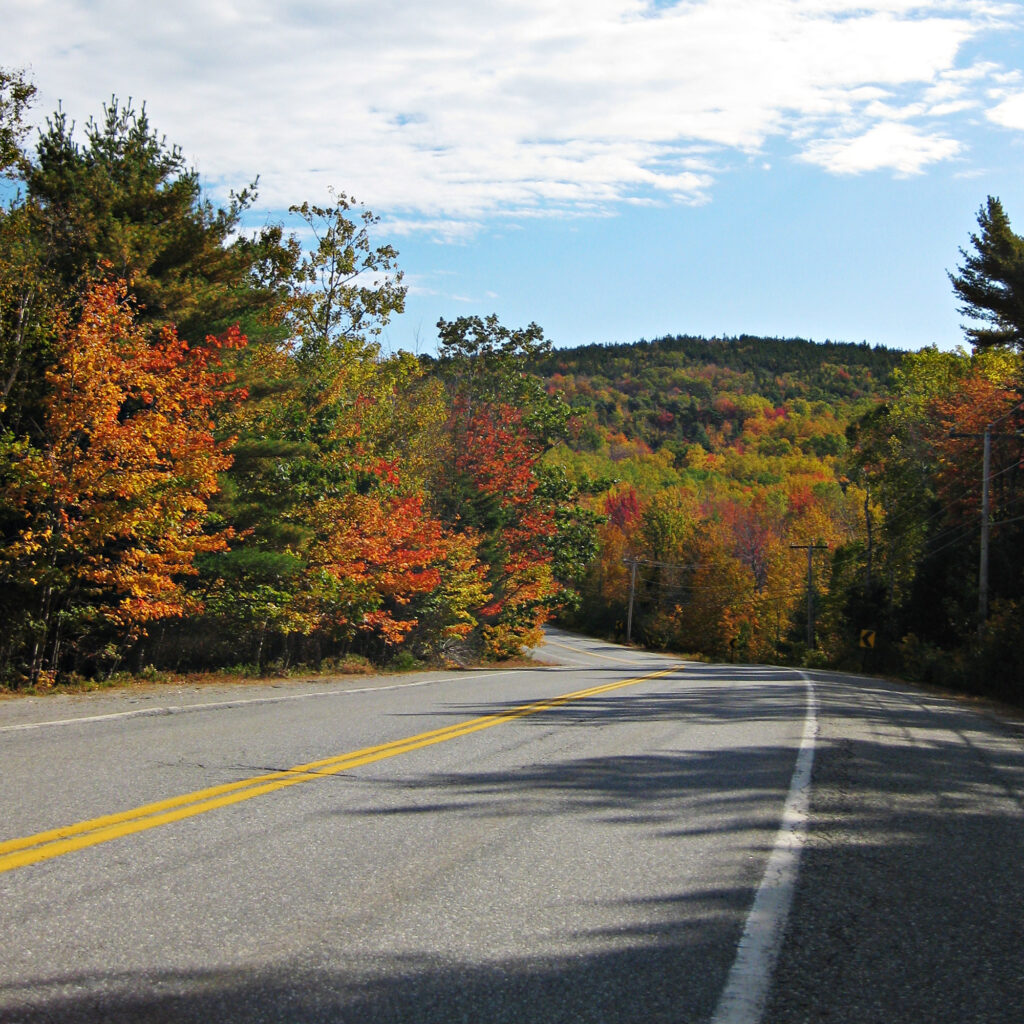
This 27-mile road is designed specifically for scenic viewing, and during fall foliage season, it becomes one of New England’s most spectacular drives. The route takes you through forests ablaze with color, past rocky coastlines, and up to mountain viewpoints.
Key stops along Park Loop Road:
- Sand Beach area: Brilliant colors frame the unique sandy beach, with mountains rising behind. The contrast between autumn foliage and ocean waves is particularly striking here.
- Thunder Hole: Fall colors provide a beautiful backdrop to the dramatic wave action. The parking area fills quickly, so arrive before 9 AM or after 4 PM.
- Otter Cliff: One of the highest Atlantic coastal headlands, offering sweeping views of ocean and forest. The autumn colors here seem to glow in afternoon light.
- Jordan Pond: Absolutely stop here. The views of the Bubbles (two rounded mountains) reflected in the pond with fall colors are iconic Acadia images.
- Bubble Rock pullout: Short walk to see the famous glacial erratic perched on a cliff edge, with autumn forest spreading below.
Plan for 3-4 hours to drive the loop with proper stops for photos and short walks. Go on weekday mornings if possible—weekends during peak foliage can involve significant traffic delays. The road is one-way for most of its length, which helps with flow but means you can’t easily backtrack.
Jordan Pond Path
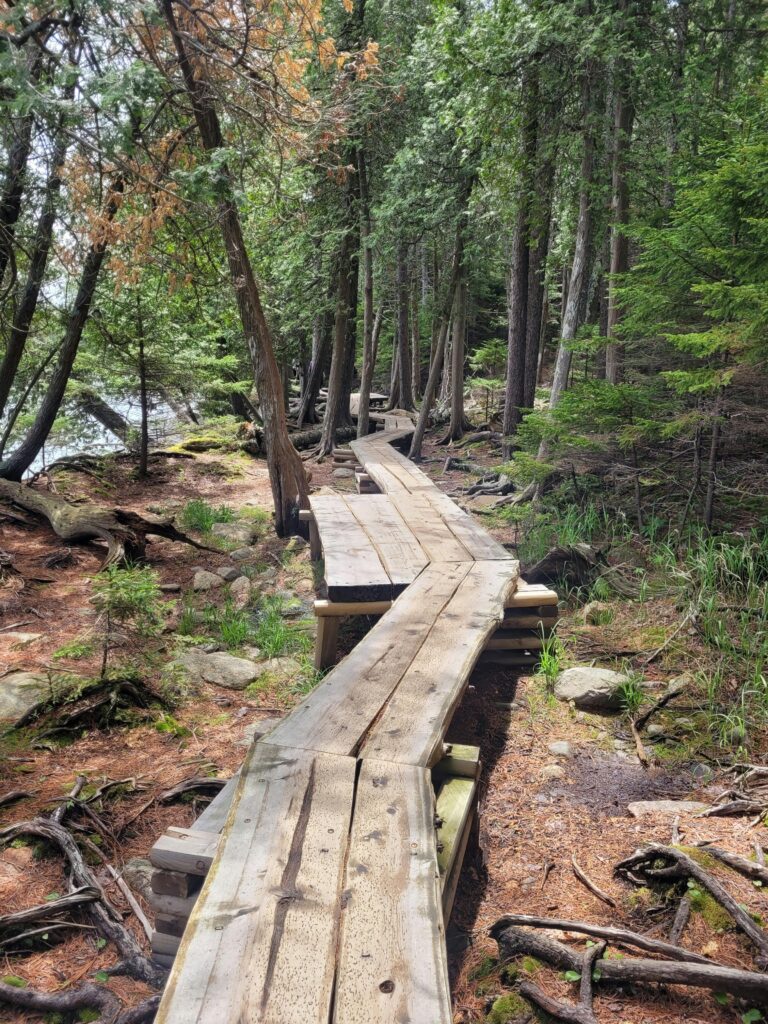
This relatively easy 3.3-mile loop around Jordan Pond is probably Acadia’s most photographed fall foliage spot, and for good reason. On calm days, the glassy water perfectly mirrors the Bubbles and their autumn-colored slopes, creating almost surreal symmetry.
The mostly level, well-maintained path makes this accessible for families with children and anyone who wants spectacular fall views without a strenuous hike. Wooden boardwalks carry you over wetland sections where maples and birches create natural archways of gold and red.
- Best viewing spots: The eastern shore offers the classic Bubbles reflection shot, especially early morning when the water is calmest. The southern end provides beautiful framing with trees leaning over the water.
After your walk, stop at the Jordan Pond House for their famous popovers on the lawn—though be prepared for waits during peak season. The views from their outdoor seating area, with autumn colors surrounding you, make the wait worthwhile.
Beech Mountain
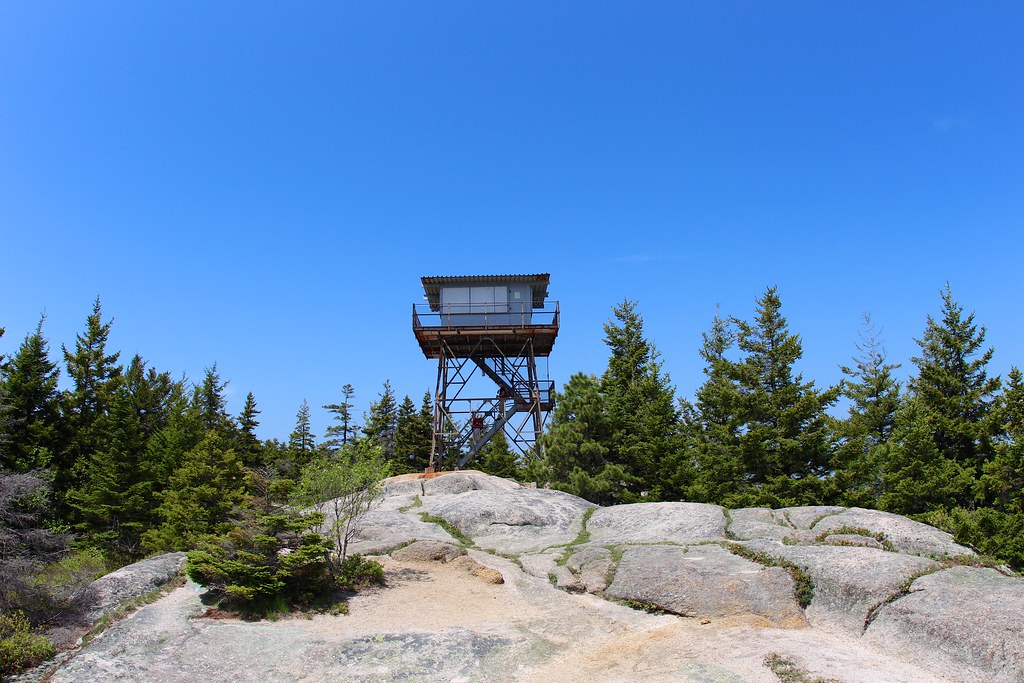
Beech Mountain is offered as a secondary choice for guests who cannot get reservations at Cadillac Mountain. The Beech Mountain Fire Tower offers views to the west, showing mountains and forests and ocean views as everything turns to fall colors in October.
The summit reaches 839 feet above sea level which allows visitors to access it through multiple trails of moderate difficulty. The Beech Mountain Loop trail extends 1.2 miles while climbers need to ascend 500 feet of elevation which most people can handle.
The peaceful atmosphere at Beech Mountain stands out to me as its main attraction. The number of visitors at Beech Mountain remains low compared to Cadillac Mountain which welcomes hundreds to thousands of people each day. The autumn forest allows you to experience total silence while you listen to leaves move through the wind and take photos without any distractions from the background.
The sunset at this location creates an amazing visual effect. The mountain views from the west allow you to witness the sunset as the sun sets behind the mountains while everything becomes illuminated by golden light. The fire tower offers panoramic views of the surrounding landscape when it remains open to visitors.
Somes Sound Overlook
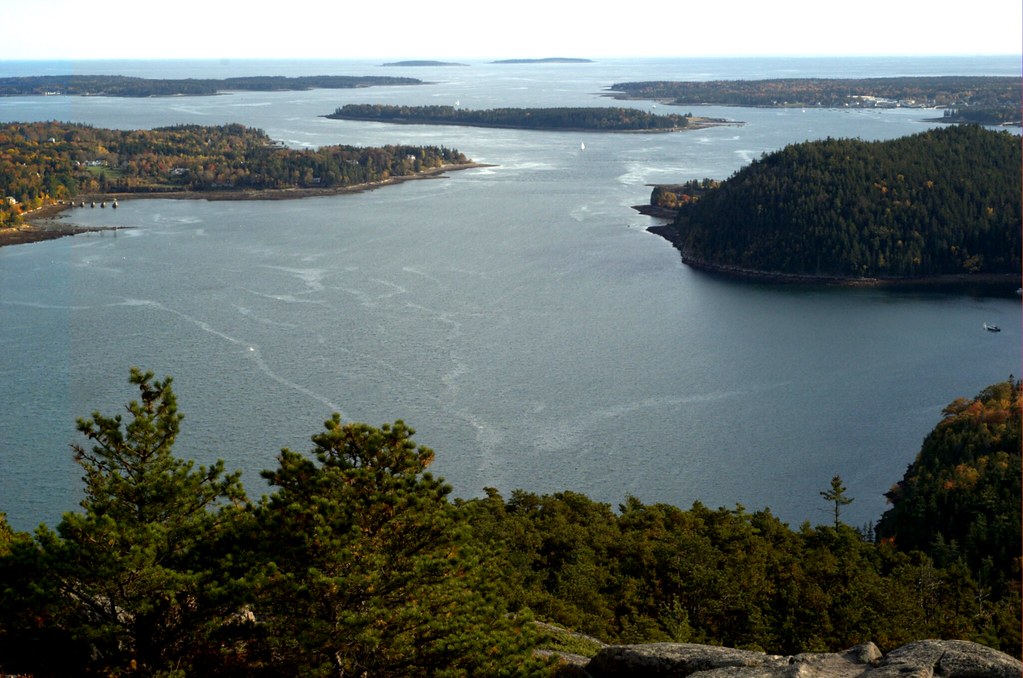
This easily accessible viewpoint off Route 102 offers stunning views of Somes Sound—that only East Coast fjord I mentioned—surrounded by autumn-colored mountains. The scene is quintessentially Maine: steep, forested slopes plunging to deep blue water, with fall colors intensifying the drama.
The overlook requires just a short walk from the parking area, making it perfect for a quick stop during your exploration of Acadia’s “quiet side.” I’ve watched sailing boats glide through the sound against the backdrop of October colors and felt completely at peace.
- Best time: Late afternoon for optimal lighting on the mountains across the sound.
Bass Harbor Head Lighthouse
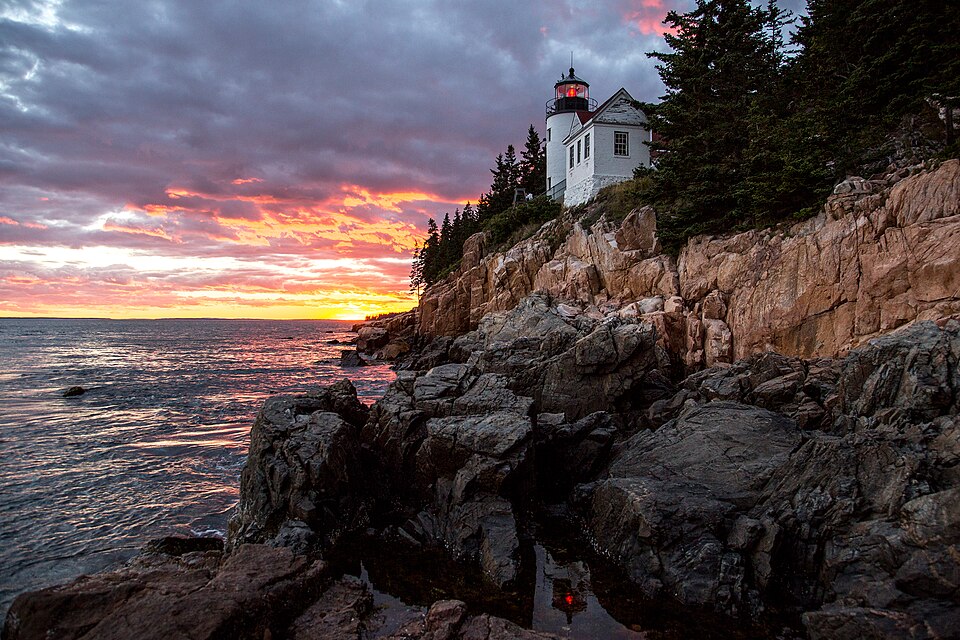
The Maine lighthouse which attracts the most photographers becomes even more stunning when autumn foliage surrounds it. The traditional camera position from the rocks at the base of the lighthouse shows the white structure against the autumnal forest colors.
The path leading to the viewing rocks features a dangerous steep descent which becomes dangerous when the ground is wet. The challenging path leads to obtaining a stunning point of view. The lighthouse faces the rocky coastline where waves strike the shore through autumn leaves to create an authentic Maine setting.
The sunset rocks draw many photographers who aim to document this special time. The lighthouse receives magical illumination during sunset when autumn foliage creates a breathtaking backdrop.
Carriage Roads
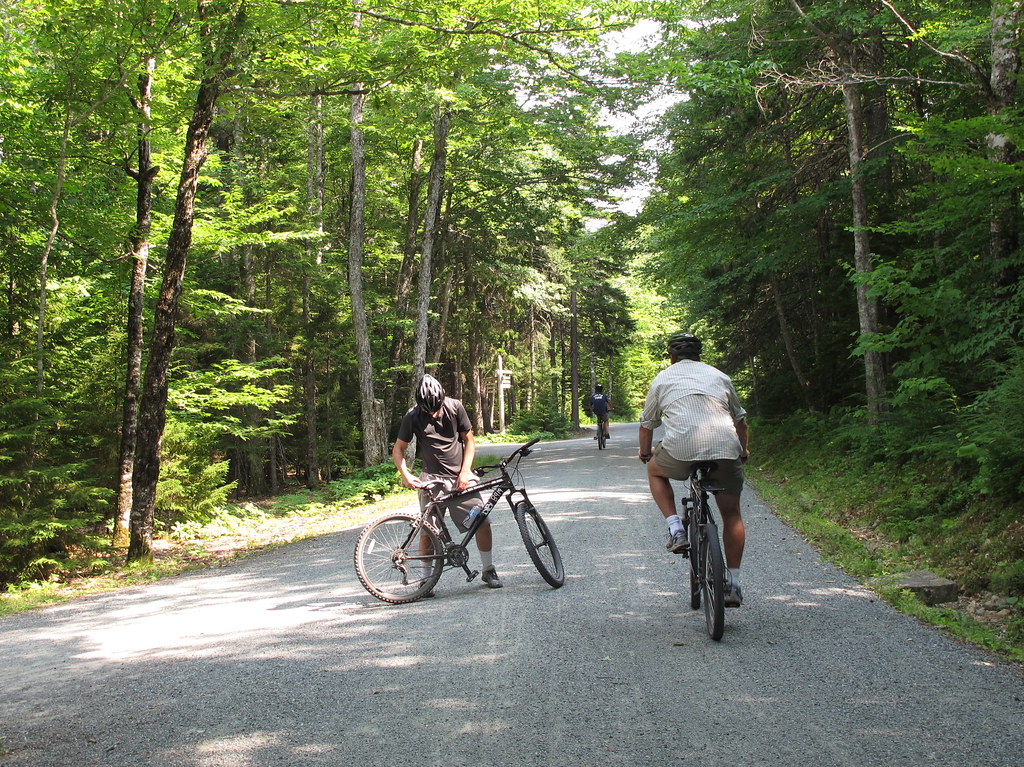
John D. Rockefeller Jr. gifted Acadia with 45 miles of carriage roads—crushed stone paths perfect for biking, walking, or horseback riding through the autumn forest. These car-free routes offer peaceful immersion in peak fall colors.
The carriage roads wind through forests, cross beautiful stone bridges, and provide access to lakes and ponds. During October, you’re cycling or walking through tunnels of gold, red, and orange, with only the sound of leaves crunching beneath you.
Recommended loops for fall foliage:
- Around Eagle Lake (5.6 miles): Relatively flat with beautiful water views and forest sections. The reflections in Eagle Lake rival Jordan Pond’s beauty with far fewer people.
- Witch Hole Pond Loop (3.2 miles): Shorter option perfect for families. The pond views framed by autumn colors are lovely, and you can often spot wildlife.
- Hadlock Brook Loop (3.5 miles): Includes views of waterfalls (more impressive in spring, but still pretty) and passes under several historic stone bridges draped in fall color.
Rent bikes in Bar Harbor—several shops offer rentals, and some provide delivery to carriage road access points. The crushed stone surface is comfortable for hybrid or mountain bikes but challenging on road bikes.
Acadia’s “Quiet Side”
When the crowds on Mount Desert Island’s eastern side become overwhelming, escape to the western “quiet side” and Schoodic Peninsula. These areas offer equally beautiful fall foliage with a fraction of the visitors.
- Seawall area: The campground and picnic areas provide forest walks where you’ll see brilliant colors with almost nobody around. The contrast between autumn forest and rugged coastline remains striking.
- Schoodic Peninsula: This section of Acadia National Park sits on the mainland, completely separate from Mount Desert Island. The Schoodic Loop Road offers spectacular ocean and forest views with very light traffic. The autumn colors here are just as vibrant, and you might have entire viewpoints to yourself.
- Western Mountain area: Trails like the Western Mountain Loop or Long Pond provide backcountry experiences where you can truly escape and immerse yourself in the autumn forest.
Best Hiking Trails for Fall Foliage
Want to work a bit harder for your autumn views? These trails combine excellent fall foliage with rewarding summits and varied terrain.
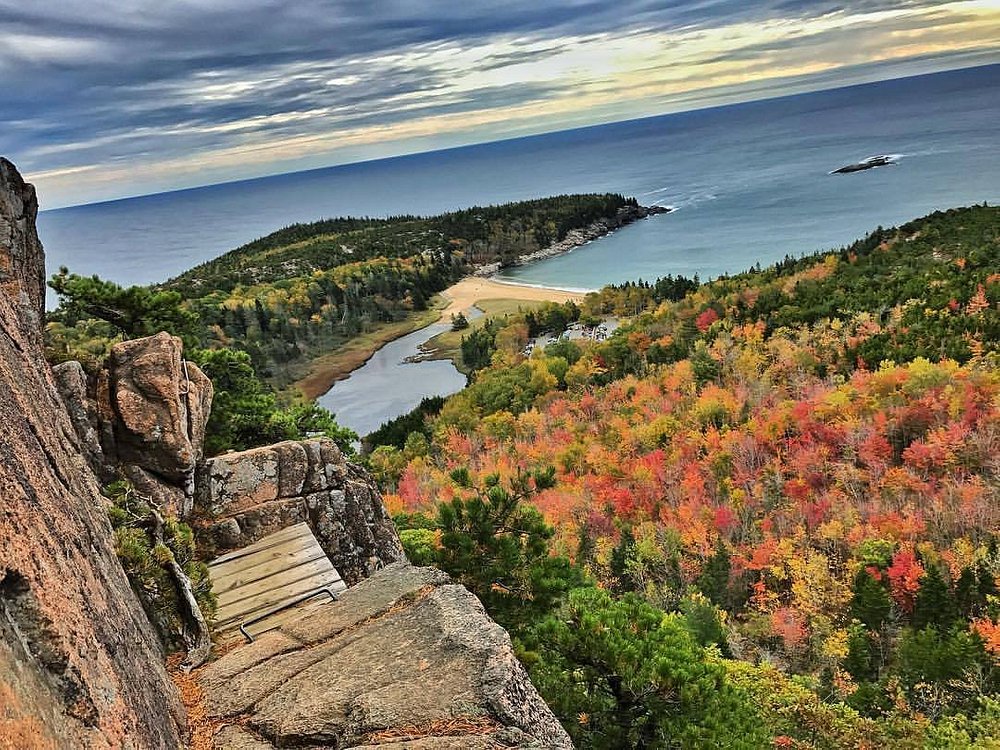
- Beehive Trail (1.4 miles, challenging): Iron rungs and ladders carry you up exposed cliff faces to a summit with 360-degree views of autumn colors. Not for those with height fears, but absolutely thrilling. The autumn forest spreading below you looks like a colorful quilt.
- Precipice Trail (1.6 miles, very challenging): Similar to Beehive but more extreme—this is Acadia’s most challenging trail. The summit views during fall foliage season are extraordinary. Typically closes in spring/summer for falcon nesting but usually reopens by peak foliage season.
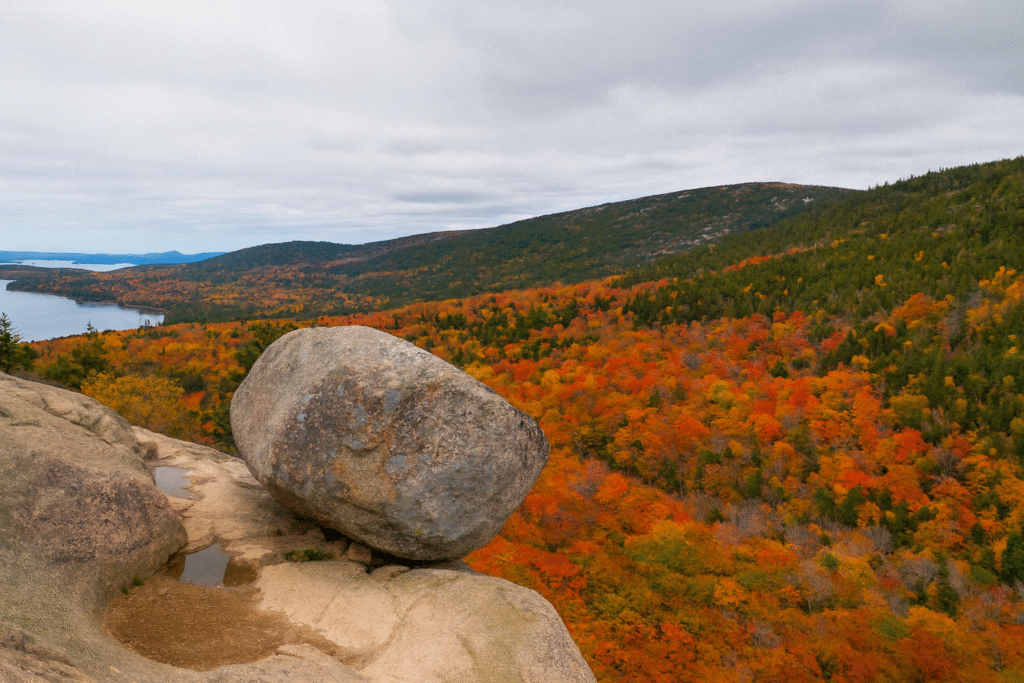
- South Bubble Trail (1 mile, moderate): Short but steep climb to views of Jordan Pond and the famous Bubble Rock. The autumn colors reflected in Jordan Pond from this elevation are spectacular. This is one of my favorite quick hikes for maximum fall color payoff with minimal time investment.
- Gorham Mountain (1.8 miles, moderate): Offers variety—forested sections with excellent fall colors, rocky scrambles, and a summit with ocean views. You’re experiencing multiple Acadia ecosystems in one relatively short hike. Cadillac Mountain looms nearby, often displaying peak colors at different times than lower elevations.
- Ocean Path (2 miles, easy): This mostly flat trail hugs the coastline between Sand Beach and Otter Point, offering constant views of waves crashing against pink granite with autumn colors as a backdrop. Perfect for those who want spectacular fall scenery without the climb.
- Penobscot Mountain (3.4 miles, challenging): The summit provides 360-degree panoramas rivaling Cadillac’s, with far fewer people. The trail passes through beautiful forest sections and over exposed granite, giving you intimate forest fall color experiences and sweeping vistas.
Photography Tips for Acadia National Park Fall
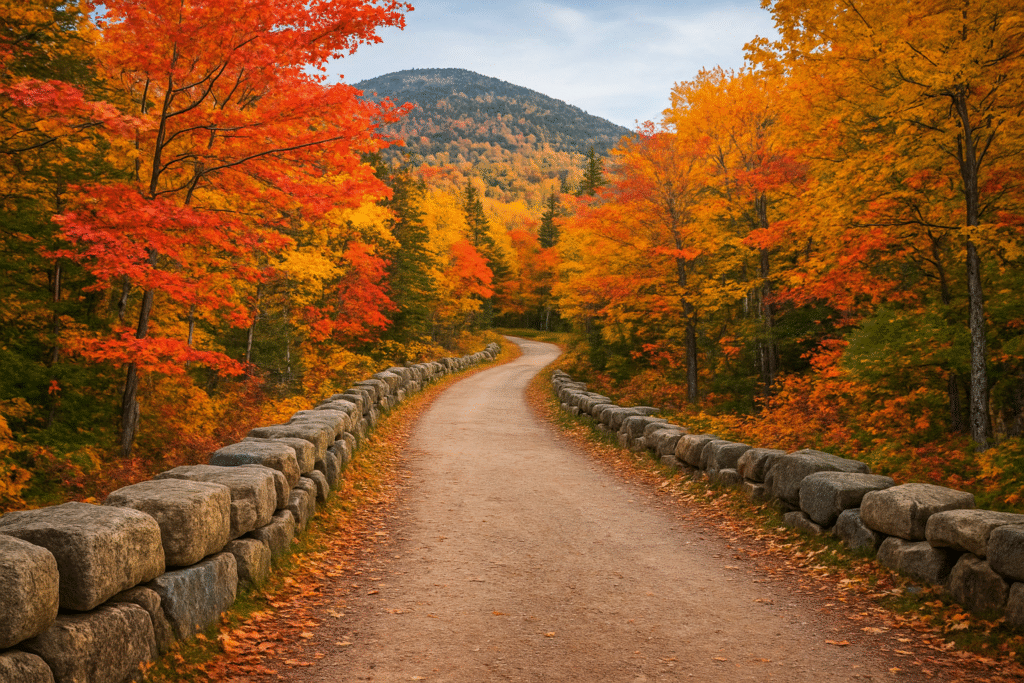
I’ve learned through trial, error, and many hours waiting for perfect light what actually works for fall foliage photography in Acadia.
Time of day matters immensely. Golden hour (the first hour after sunrise and last hour before sunset) provides the warm, directional light that makes fall colors absolutely glow. Midday overhead sun tends to wash out colors and create harsh shadows. Overcast days, surprisingly, can be excellent—the even light saturates colors beautifully without harsh contrasts.
Composition techniques that work:
- Use foreground elements: Place colorful branches, rocks, or water in your foreground to create depth. The granite boulders scattered throughout Acadia make excellent foreground subjects with autumn forest behind.
- Include water for reflections: Jordan Pond, Eagle Lake, and smaller ponds throughout the park offer mirror surfaces on calm mornings. Arrive early before wind picks up.
- Frame with evergreens: Use dark green spruce or pine branches to frame your shots of autumn colors—the contrast makes fall colors pop even more.
- Ocean backdrop: Acadia’s unique asset. Position yourself so autumn colors are between you and the blue ocean for distinctly Maine imagery.
- Camera settings: Shoot in RAW format for maximum editing flexibility. Use a polarizing filter to reduce glare on water and intensify colors. For landscape shots with maximum sharpness throughout, use f/8 to f/11. Consider bracketing exposures—the contrast between bright autumn colors and dark evergreens or rock shadows can challenge your camera’s dynamic range.
- Weather considerations: Morning fog can be your friend, creating atmospheric, moody images. Light rain intensifies colors on leaves. Don’t pack away your camera just because conditions aren’t “perfect”—some of the most compelling fall foliage images happen in imperfect weather.
What Trees Create Acadia’s Fall Colors
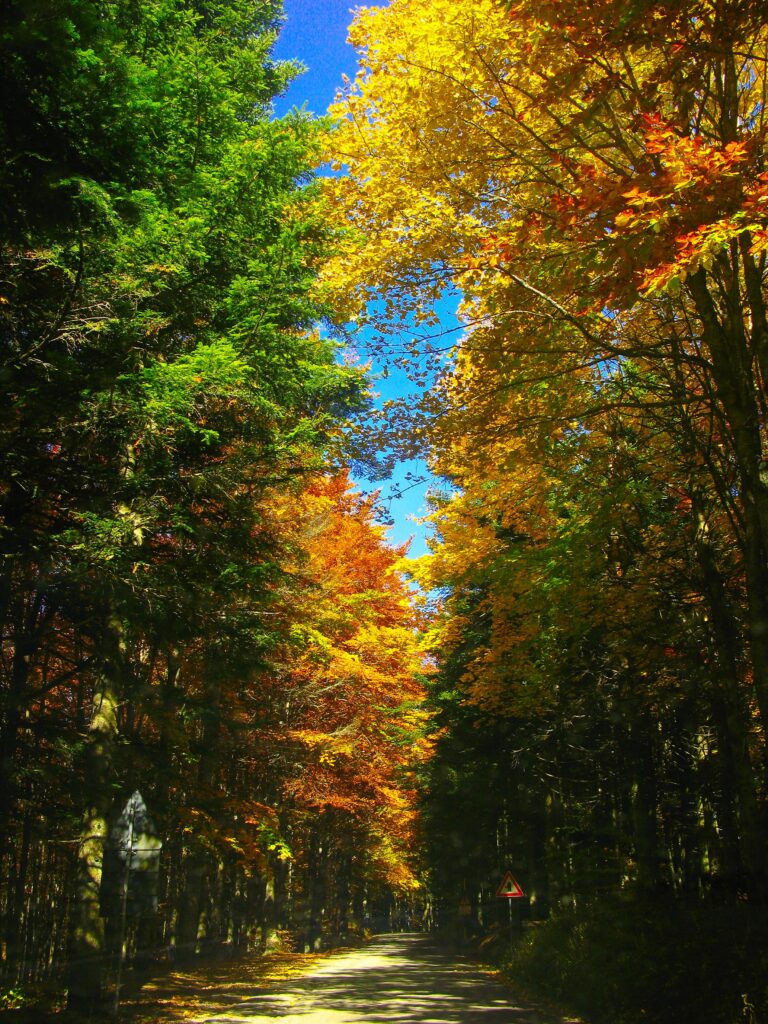
Understanding what you’re seeing enhances appreciation. Acadia’s autumn palette comes from several key species:
- Sugar maples produce the most vibrant oranges and reds—they’re the stars of the show. When conditions are right, sugar maples glow like they’re lit from within.
- Red maples contribute deep scarlet and crimson tones. They often turn earlier than sugar maples, sometimes beginning their color change in late September.
- Yellow birch and paper birch provide the golden yellows that balance the warmer tones. Their papery bark—white or yellowish-bronze—creates beautiful contrast with colorful leaves.
- American beech turns copper, tan, and bronze—more subtle than maples but essential to the overall palette. Beech leaves often persist into winter, providing interest even after other trees are bare.
- Oak species (red oak, white oak) turn russet brown and burgundy. They change later and hold their leaves longer, extending the season slightly.
- Evergreens (red spruce, balsam fir, white pine) don’t change color but provide the crucial dark green backdrop that makes deciduous colors appear even more brilliant.
The mix is what matters. Acadia’s forests contain all these species intermingled, creating complex, layered coloration rather than monochrome hillsides.
Planning Your Acadia National Park Fall Visit
Successfully experiencing Acadia’s fall foliage requires advance planning—more than you probably think.
- Accommodations: Book 8-12 months ahead for peak foliage dates. Bar Harbor and Southwest Harbor book solid for early October by late winter. Expect premium pricing—hotels charge their highest rates during foliage season. Consider staying in Ellsworth (15-20 minutes from the park) for more availability and lower costs.
- Park entrance: Acadia charges $30 per vehicle (7-day pass) or $55 for an annual pass. If you plan multiple visits, the annual pass pays for itself quickly. You can purchase passes online in advance or at park entrance stations.
- Parking strategies: Arrive at popular trailheads and viewpoints before 8 AM or after 4 PM. The window from 9 AM to 3 PM is chaos during peak foliage weekends. Some lots fill completely, forcing you to wait or leave.
- Island Explorer shuttle: This free, propane-powered shuttle system serves major park destinations from late June through October. During fall foliage season, using the shuttle eliminates parking stress and lets you enjoy the scenery rather than drive. Routes connect Bar Harbor with most major park attractions.
- Weather preparation: October weather in coastal Maine is unpredictable. Pack layers—mornings might be in the 30s, afternoons in the 60s. Bring rain gear. Windbreakers are essential, especially at higher elevations where wind chill can be significant. Waterproof hiking boots provide comfort on wet trails.
- Crowd management reality check: Be honest with yourself—Acadia during peak foliage is extremely crowded. Popular trails, parking lots, and viewpoints feel packed. Accept this reality and plan accordingly with early starts, weekday visits when possible, and backup plans for when your first-choice locations are full.
Things to Do Beyond Leaf Peeping
Acadia National Park showcases its peak fall colors but visitors can experience additional autumn activities throughout the surrounding area.
- Bar Harbor hosts multiple October events which include art exhibitions and food celebrations. The Bar Harbor Chamber of Commerce maintains a calendar which shows all upcoming events.
- Multiple orchards located within 30 minutes of Acadia provide visitors with the opportunity to harvest their own apples and experience autumn on the farm. The combination of apple picking in the morning and hiking through autumn leaves in the afternoon makes for an ideal day.
- The lobster season reaches its peak during October in Maine. The lobster meat reaches its peak sweetness when the water temperature drops. Local restaurants serve lobster rolls and steamed lobster dinners and lobster mac and cheese to their customers. The authentic lobster dining experience at Thurston’s Lobster Pound in Bernard and Beal’s Lobster Pier in Southwest Harbor provides visitors with an exceptional taste of Maine lobster.
- The craft brewery scene in Maine operates at its best during this time. Multiple breweries located in Bar Harbor and Ellsworth and surrounding areas provide perfect locations to visit after completing your morning hikes. The combination of autumn beers with scenic views of fall foliage creates an excellent experience.
- The Down East coast of Maine becomes accessible for exploration when you choose to stay longer. The easternmost point of the United States in Lubec welcomes visitors while they discover charming fishing towns and experience peaceful coastal landscapes during autumn. The Mid-Coast region between Camden and Rockland provides various locations to witness fall foliage.
The complete guide to things to do in Acadia National Park provides detailed information about all park activities and attractions that go far beyond just viewing fall foliage
Conclusion
Acadia National Park fall foliage represents autumn New England at its absolute finest—brilliant colors cascading down granite mountains to meet the Atlantic Ocean, creating scenes you won’t find anywhere else. The mix of deciduous hardwoods and evergreen conifers against pink granite cliffs and deep blue water elevates this beyond typical fall foliage destinations.
Success requires planning. Book accommodations 8-12 months ahead for early October dates. Secure Cadillac Mountain reservations exactly when they become available. Accept that crowds are part of the peak foliage experience and plan accordingly with early starts and weekday visits when possible.
Target the first two weeks of October for your best odds of catching peak colors, but remain flexible—nature doesn’t follow calendars precisely. Monitor foliage reports as your trip approaches and adjust expectations based on that particular year’s conditions.
Prepare for variable October weather with layers, rain gear, and waterproof boots. Diversify your experience by combining scenic drives, moderate hikes, and carriage road exploration. Don’t forget to venture beyond Mount Desert Island to the quiet side and Schoodic Peninsula when popular areas feel overwhelming.
Most importantly, embrace the experience with realistic expectations. Some mornings will be foggy. Some viewpoints will be crowded. Weather might not cooperate perfectly. The colors might be good rather than exceptional. None of this diminishes the fundamental beauty of Maine’s coastal mountains dressed in autumn splendor.
For me, standing atop Cadillac Mountain watching sunrise illuminate the October landscape, or cycling through golden tunnels of trees on quiet carriage roads, or catching that perfect moment when Jordan Pond mirrors the autumn Bubbles—these experiences stay with you forever.
Acadia’s fall foliage is worth the effort, the crowds, the expense, and the planning. Book early, pack appropriately, and prepare for one of New England’s most spectacular natural displays.
FAQ
The peak fall colors usually appear from late September to mid-October, with the brightest foliage often around the first two weeks of October.
Yes—October is one of the best months to visit thanks to stunning foliage, cooler temperatures, and fewer summer crowds.
Acadia is famous for its rugged coastline, granite peaks, iconic sunrise views from Cadillac Mountain, and historic carriage roads that attract hikers and photographers from around the world.
One of Acadia’s most unique natural phenomena is the Thunder Hole effect, where waves crash into a narrow inlet and create a thunder-like boom during the right tide conditions.
Must-do activities include watching sunrise on Cadillac Mountain, exploring Park Loop Road, hiking Jordan Pond Path, visiting Thunder Hole, and photographing Bass Harbor Head Lighthouse.