
Standing at the base of the Beehive Trail, looking up at those iron rungs bolted into sheer granite, you’ll probably ask yourself: “What am I doing here?” It’s a perfectly reasonable question. Beehive Acadia isn’t your average nature walk – it’s a vertical adventure that demands respect, preparation, and honestly, a bit of courage.
Here’s what you need to know upfront: this 0.8-mile trail packs 700+ feet of elevation gain into one of the most exhilarating hiking experiences on the East Coast. You’ll be climbing exposed cliff faces using metal rungs and ladders, with the Atlantic Ocean sprawling beneath you. It’s spectacular. It’s challenging. And yes, it can be dangerous if you’re not prepared.
Beehive trail acadia deaths have occurred over the years – mostly from falls during wet conditions or when hikers ignored warning signs. We’re not mentioning this to scare you off, but because respecting this trail is the first step to enjoying it safely. According to the National Park Service, the trail requires “good physical condition and proper equipment.”
So should you hike it? If you’re comfortable with heights, have decent upper body strength, and the weather’s cooperating – absolutely. The views from the summit are worth every nervous grip on those iron rungs. But if you’re bringing young kids, dealing with a fear of heights, or the rocks are wet? There are plenty of other amazing Acadia hikes that’ll give you jaw-dropping views without the white-knuckle moments.
Let’s break down everything you need to know to make the Beehive Trail Acadia National Park experience unforgettable for all the right reasons.
Table of Contents
What Makes the Beehive Trail Acadia’s Most Thrilling Hike
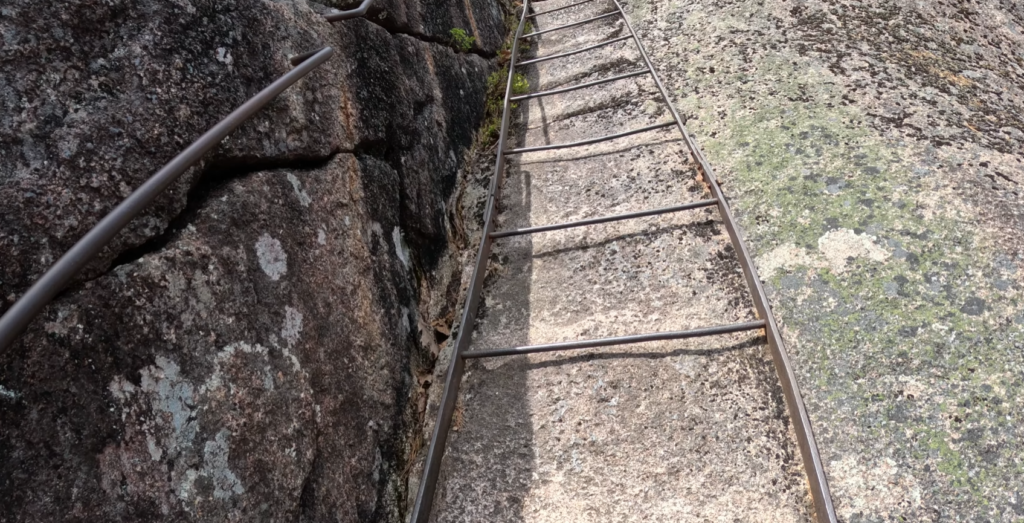
The Beehive Trail earned its name honestly – the mountain’s rounded granite dome really does look like a massive beehive from certain angles. But it’s what’s on that dome that gets people talking: a ladder and iron rung system that turns hiking into something closer to mountaineering.
Here are the stats that matter:
- Distance: 0.8 miles one way (1.6 miles round trip via Bowl Trail descent)
- Elevation gain: 520 feet
- Time: 1.5-2.5 hours total (depending on your pace and summit hangout time)
- Difficulty: Strenuous with significant exposure
- Trail type: Iron rung ladder climbing on exposed cliff faces
What sets the Beehive Trail Acadia apart from other hikes isn’t just the height – it’s the exposure. You’re climbing up near-vertical sections with nothing but air between you and the rocks below. The Park Service installed iron rungs, railings, and ladders decades ago, turning what would be a technical rock climb into something ambitious hikers can tackle.
Think of it as Precipice Trail’s slightly less terrifying younger sibling. Precipice gets more attention for being Acadia’s most challenging trail, but Beehive offers similar thrills in a more manageable package. According to TripAdvisor user reviews, most hikers rate this as “hard” but achievable with proper preparation.
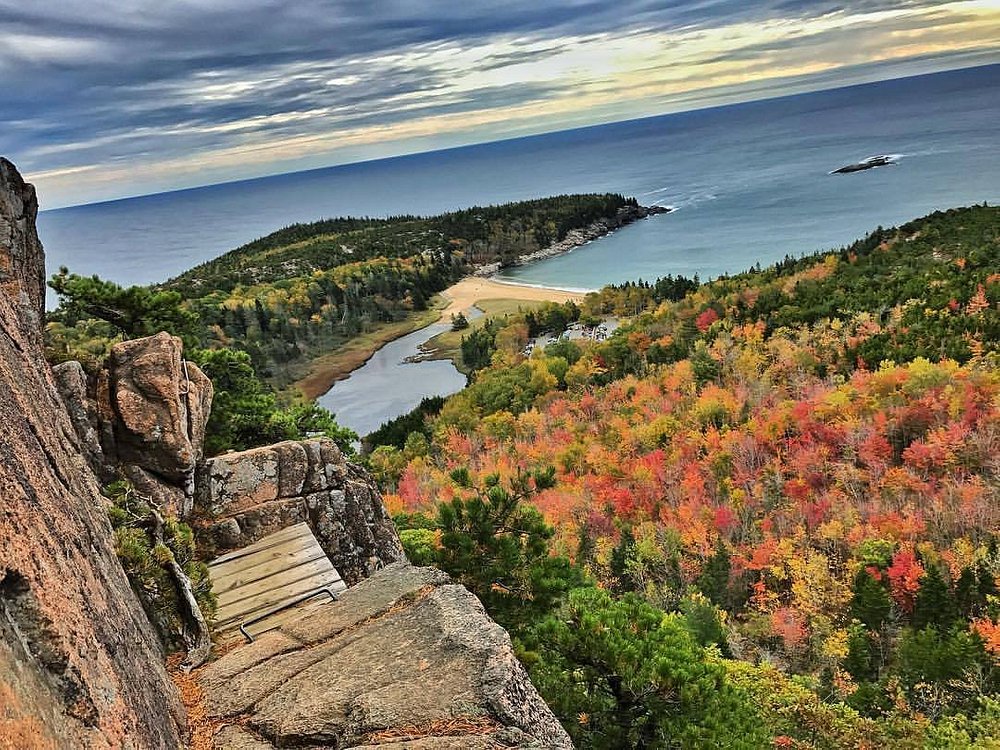
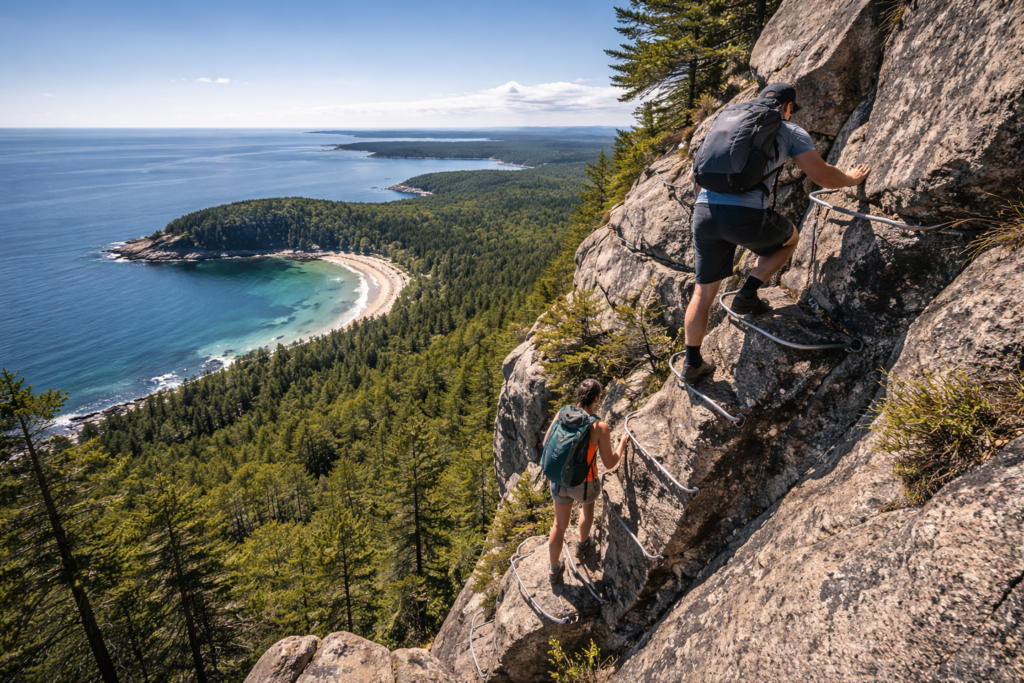
The summit rewards your effort with 360-degree views: the Atlantic Ocean stretching to infinity, Sand Beach curving below, the Bubbles mountains rising across the valley, and on clear days, you can see Mount Desert Island’s entire eastern coastline. It’s the kind of view that makes you forget how sweaty and nervous you were ten minutes ago.
If you’re exploring various Acadia hikes, the Beehive offers something unique – that perfect intersection of manageable distance, significant challenge, and absolutely stunning payoff. Just don’t expect your legs to let you forget about it the next day.
Watch The Video Beehive Trail

Beehive Trail Safety: The Honest Truth You Need
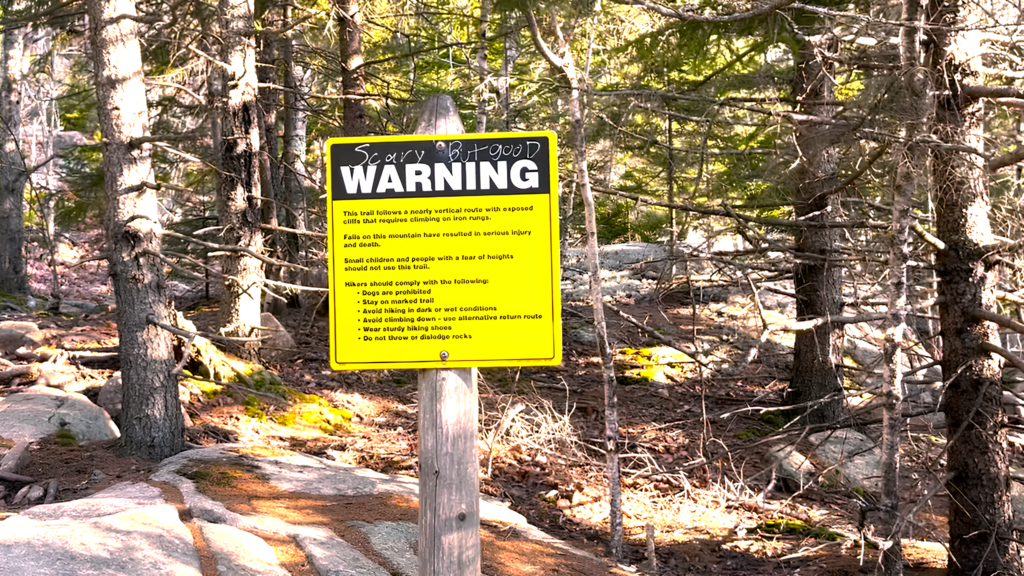
Let’s talk about what nobody wants to discuss but everyone needs to hear: yes, people have died on this trail. Not many, but enough that we need to be straight with you about the risks.
Beehive trail acadia deaths have primarily occurred during or after rain, when the granite becomes slick, or when hikers ignored warning signs about their own limitations. The National Park Service hiking safety guidelines emphasize that exposed trails like the Beehive require honest self-assessment.
Here’s who should absolutely skip this trail:
- Anyone with acrophobia (fear of heights) – no shame in this, the exposure is real and intense
- Children under 12 – even confident kids can panic on exposed sections
- Anyone in wet conditions – granite + water = ice rink levels of slippery
- Hikers with mobility issues – the iron rungs demand full range of motion
- Your dog – seriously, no pets allowed, and for good reason
Real risks you need to understand:
The exposed climbing sections mean a fall could be fatal. The iron rungs require three-point contact and focused attention – this isn’t the time to be fiddling with your phone for photos. Weather changes fast on the coast, and what starts as a beautiful morning can turn into a dangerous situation if clouds roll in and you can’t see where to place your feet.
Check the current trail conditions before you go. The Park Service closes the trail when conditions are unsafe, usually after heavy rain or during high winds. If you arrive and see a closure sign, respect it. Those signs exist because of the accidents we mentioned earlier.
When is the best time to attempt this? Dry, clear days between late spring and early fall. The Best Time to Go to Acadia National Park typically runs May through October, and that’s your window for Beehive as well. Morning hours offer the best conditions – the rock’s had time to dry from any overnight dew, and afternoon thunderstorms haven’t built up yet.
One more critical point: coming down is often harder than going up. Your legs are tired, you’re looking down at the exposure you managed to ignore on the way up, and descending requires more precise foot placement. We’ll cover the Bowl Trail descent option later, but know that most accidents happen on the descent.
None of this should terrify you if you’re a reasonably fit hiker comfortable with heights. But if you’re reading this thinking “hmm, I’m not sure,” listen to that voice. Acadia National Park has dozens of incredible trails that don’t require iron rung climbing.
Step-by-Step: What to Expect on the Beehive Acadia Trail
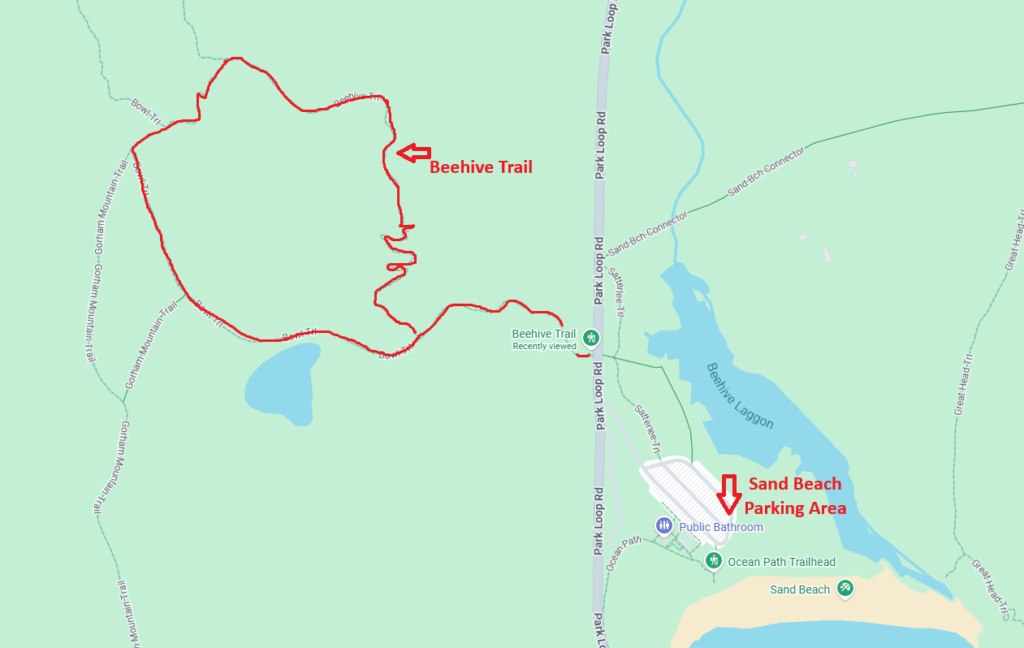
Let’s walk through exactly what you’re getting into, section by section.
The Trailhead: Sand Beach Parking Area
Start at the Sand Beach parking lot (gets packed by 9 AM in summer, so arrive early). The Beehive trailhead is clearly marked near the east end of the beach. You’ll see that warning sign immediately – read it, take it seriously, and make your go/no-go decision right there.
Section 1: The Warmup (First 0.3 miles)
The trail starts gently enough through the forest. You’re gaining elevation, but it’s standard hiking – roots, rocks, nothing too dramatic. Use this section to get your legs warmed up and your breathing steady. The trees provide shade, which you’ll appreciate on hot days.
Section 2: The Transition (Next 0.1 miles)
You’ll break out of the trees and hit your first section of exposed granite. The trail’s still manageable here, but you’re getting your first taste of what’s coming. The views start opening up – you can see Sand Beach below and the ocean beyond.
Section 3: The Iron Rungs (The Main Event)
Here we go. This is what you came for, and it’s every bit as intense as you’ve heard.
The iron rungs require:
- Three-point contact at all times – two hands and a foot, or two feet and a hand
- Looking at what’s directly in front of you – resist the urge to look down
- Deliberate, controlled movements – no rushing, no panicking
- Upper body engagement – you’ll pull yourself up on some sections
The rungs are solid – they’ve been there for decades and are regularly inspected. They’re spaced for average adult stride, though shorter hikers might need to stretch a bit. Your hands will get a workout gripping the metal, which is why we recommend gloves (more on that in the gear section).
The exposure is real. You’re climbing up a near-vertical face with hundreds of feet of air beneath you. If you’re good with heights, it’s exhilarating. If you’re discovering you’re not as comfortable with heights as you thought… well, you can’t really turn around easily at this point. Commit to looking forward and up, focus on the next rung, and keep moving.
The most exposed section comes about two-thirds of the way up. There’s a traverse across the cliff face where you’re truly hanging off the side of the mountain. This is where people pause, take deep breaths, and remind themselves why they thought this was a good idea. Take your time here – there’s no prize for speed.
Section 4: The Summit (0.8 miles)
You made it. The summit plateau is a relatively flat area where you can finally stop gripping metal and just breathe. The views? Absolutely worth every nervous moment.
From the top you’ll see:
- Sand Beach and Great Head curving along the coast
- The Bubbles mountains across the valley
- Champlain Mountain rising nearby
- Atlantic Ocean stretching to the horizon
- On clear days, Cadillac Mountain and the entire eastern MDI coastline
Spend some time up here. You earned it. Take photos (carefully – keep your phone secured). Eat a snack. Let your heart rate come back down.
The Descent: Bowl Trail
Here’s a crucial tip most guides don’t emphasize enough: Take the Bowl Trail down. Seriously. Descending the iron rungs you just climbed is significantly harder on your nerves, your legs, and your safety margin.
The Bowl Trail loops around the back of the Beehive, offering a gradual, conventional hiking descent through the forest. It’s longer (adds about 0.4 miles) but infinitely less stressful. You’ll rejoin the main trail and end up back at Sand Beach parking.
Some experienced hikers do descend via the iron rungs, and if you’re confident and conditions are perfect, you can try it. But for most people, especially first-timers, the Bowl Trail is the smart move.
Best Time to Hike the Beehive Acadia Trail
Timing can make the difference between an incredible experience and a miserable (or dangerous) one.
Seasonal Considerations:
Spring (May-June):
- Trail typically opens in late April or early May
- Cooler temperatures make the climb more comfortable
- Fewer crowds early in the season
- Watch for lingering ice in shaded sections through early May
- Peregrine falcon closures possible (Precipice Trail closes, but occasionally affects Beehive)
Summer (July-August):
- Peak season = peak crowds
- Arrive before 8 AM or accept waiting in line at bottlenecks
- Hot, exposed granite can be brutal midday
- Afternoon thunderstorms are common – check weather before you go
- The ocean views are stunning, but bring extra water
Fall (September-October):
- Absolutely magical if you time it right
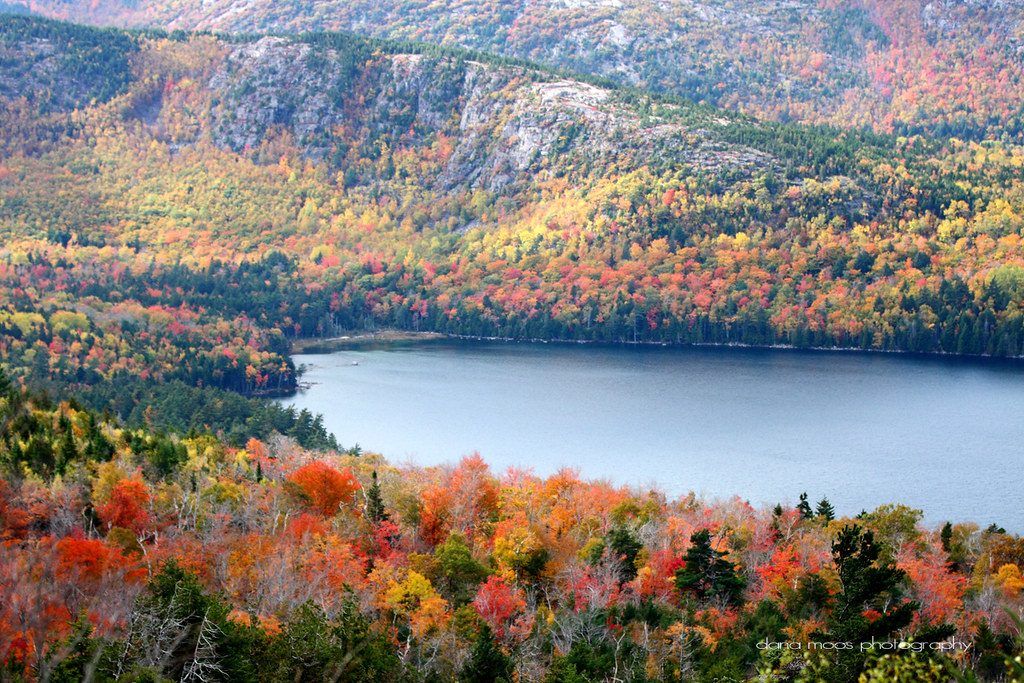
- Acadia National Park Fall Foliage typically peaks late September to mid-October
- The views with autumn colors are unmatched
- Cooler temps make the physical effort more manageable
- Still crowded during peak foliage weekends
- Trail usually stays open through October
Winter (November-April):
- CLOSED. Period.
- Acadia National Park Winter conditions make this trail deadly
- Ice on granite = no amount of experience makes this safe
- Don’t even think about it
Time of Day Strategy:
Early morning (7-9 AM): Best option
- Cooler temperatures
- Better light for photos
- Fewer people (especially on weekdays)
- Rock has dried from overnight dew by 8 AM usually
Late morning to afternoon (10 AM-3 PM): Avoid if possible
- Hottest temperatures on exposed rock
- Crowds peak
- Afternoon storms more likely in summer
Late afternoon/evening (4-6 PM): Second-best option
- Crowds thinning out
- Cooler temperatures
- Beautiful light for summit photos
- Make sure you have enough daylight for the full hike (2-2.5 hours)
Weather Considerations:
Check Acadia’s current conditions the morning of your hike. What you’re watching for:
- Rain or recent rain – wait at least a full day after rain for the rock to dry completely
- High winds – exposed sections become dangerous
- Fog – you need visibility to navigate the iron rungs safely
- Thunderstorms – never worth the risk on an exposed trail
If conditions look questionable, there’s no shame in postponing or choosing one of the many other Acadia hikes that are safer in marginal weather.
Essential Gear for Beehive Acadia
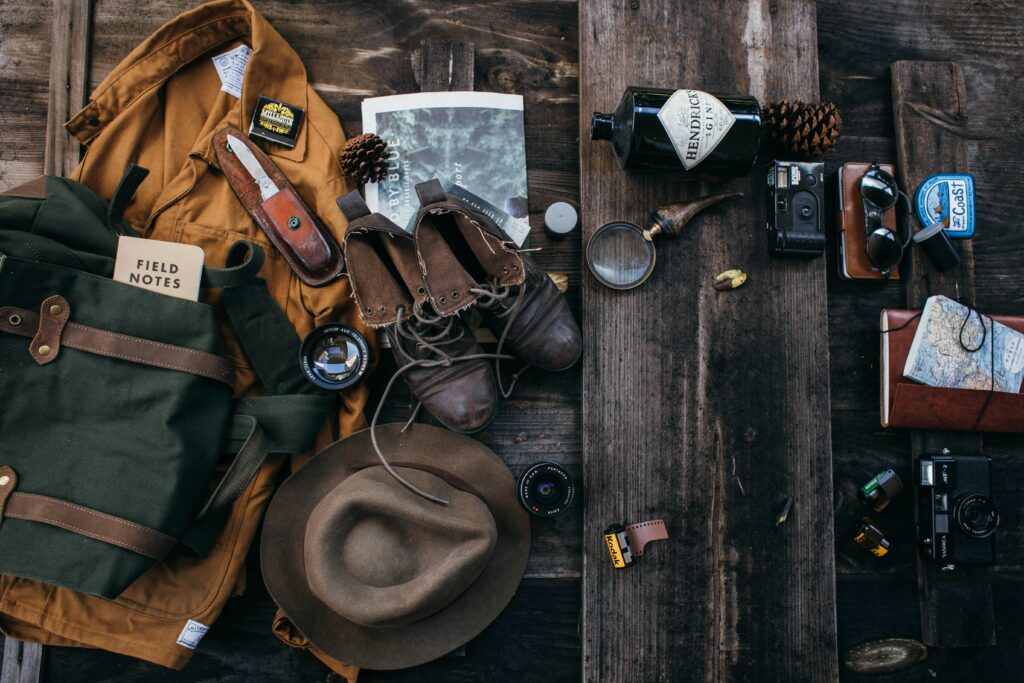
The Beehive Trail isn’t a technical climb requiring specialized equipment, but the right gear makes a massive difference in safety and comfort.
The Non-Negotiables:
1. Proper Footwear (This is Critical)
- Hiking boots with ankle support – not running shoes, not sandals, not “hiking sneakers”
- Aggressive tread for gripping granite
- Already broken in – new boots = blisters = misery on the descent
- Your feet will be placed at awkward angles on rungs; ankle support prevents rolls
2. Lightweight Gloves
- Seriously underrated piece of gear
- Metal rungs get hot in summer, cold in shoulder seasons
- Protects your hands during the constant gripping
- Fingerless work gloves or light climbing gloves work perfectly
- Your hands will thank you
3. Water (At Least 1 Liter)
- The climb is short but intense
- Exposed sections = full sun = dehydration
- No water sources on trail
- You want enough for summit break plus descent
4. Small Daypack
- Emphasis on SMALL – big backpacks throw off your balance on the rungs
- 15-20L is plenty
- Should fit snugly against your back, not swinging around
- Hip belt to keep it stable during climbing sections
Highly Recommended:
5. Sun Protection
- Sunscreen – you’re on exposed granite in full sun
- Hat – one that won’t blow off in wind
- Sunglasses with a secure strap
- The summit is brutally sunny with no shade
6. Basic First Aid
- Band-aids for hot spots before they become blisters
- Pain reliever for inevitable muscle soreness
- Any personal medications
7. Snacks
- Energy bars, trail mix, something with salt
- You’ll want calories at the summit
- Don’t bring anything that’ll melt in the heat
8. Phone/Camera
- With a SECURE strap or wrist loop
- Dropped phones are common on this trail
- Consider a chest mount if you want hands-free photos
What NOT to Bring:
❌ Large backpacks – they’ll throw off your balance and catch on rocks
❌ Trekking poles – useless on iron rungs, just something extra to manage
❌ Your dog – not allowed, period
❌ Flip flops or sandals – you’ll see people attempting this; don’t be that person
❌ Cotton clothing – “cotton kills” is real when you’re sweating on granite
❌ Excessive camera gear – one phone or small camera is enough
Clothing Strategy:
- Moisture-wicking layers – you will sweat
- Long pants recommended – protection from scrapes on rock
- Light jacket in your pack – summit can be windy and cooler
- Secure pockets – stuff falls out easily when you’re climbing
Following the Leave No Trace principles, pack out everything you bring in. There are no trash cans on the trail, and the summit isn’t the place to leave your granola bar wrapper.
The Beehive Trail isn’t gear-intensive, but the right basics make the difference between an epic adventure and a regrettable experience.
Before and After: Maximizing Your Beehive Acadia Experience
The Beehive Trail Acadia National Park experience doesn’t have to start and end with the climb itself. Smart planning before and after makes for a much better day.
Before the Hike: Warm Up Right
Don’t roll out of bed and immediately start climbing iron rungs. Your body (and your nerves) need a warm-up.
Great pre-Beehive options:
- Walk Sand Beach (literally right there at the trailhead) – 10 minutes strolling the beach gets your muscles loose
- Ocean Path Trail – short, flat, gorgeous coastal walk that wakes up your legs
- Light stretching in the parking lot – focus on ankles, calves, and shoulders
Mental preparation matters too. Take a few minutes to visualize the climb, remind yourself of your capabilities, and commit to turning back if you’re genuinely uncomfortable. That mental clarity makes the actual climb smoother.
After the Hike: Recovery and Celebration
Your legs will be shaky, your hands will be tired, and you’ll be running on adrenaline. Here’s how to transition from summit high to the rest of your day:
Immediate Post-Hike (0-30 minutes):
- Stretch – your calves and quads just did serious work
- Rehydrate – drink water even if you’re not thirsty
- Snack – replenish what you burned (you earned those calories)
Extended Recovery Options:
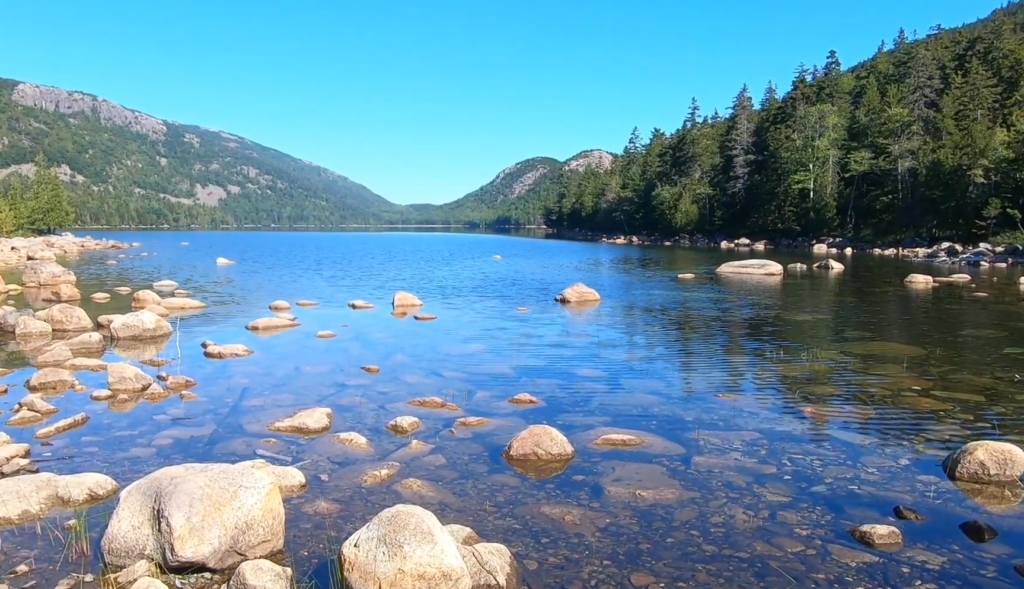
Jordan Pond Path is perfect for a cool-down walk. The Jordan Pond Path Trailhead is just a short drive from Sand Beach, and the flat, easy 3.3-mile loop around the pond lets your legs recover while still enjoying Acadia’s beauty. The views of the Bubbles mountains reflecting in the pond are postcard-perfect, and it’s the complete opposite of the Beehive’s intensity.
Reward yourself with popovers at Jordan Pond House. It’s become an Acadia tradition, and after conquering the Beehive, you’ve definitely earned the carbs and the relaxation on their lawn.
Explore nearby waterfalls if you still have energy. Several Acadia National Park Waterfalls are within easy driving distance, offering a completely different type of beauty without requiring any more strenuous hiking.
Photography Tips:
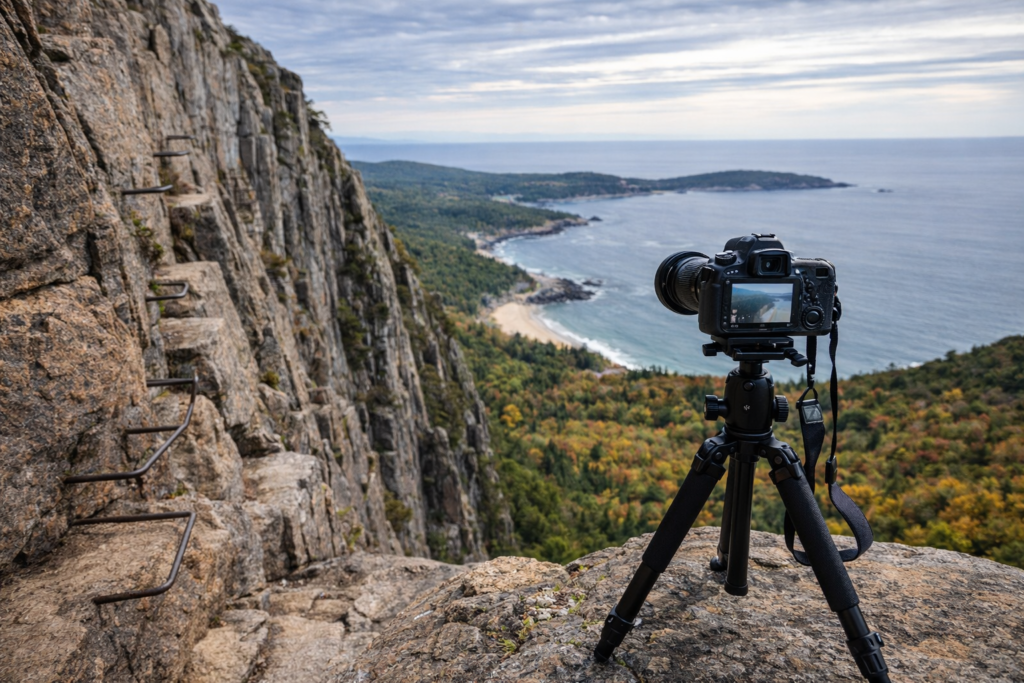
The Beehive offers incredible photo opportunities, but timing and technique matter:
Best photo spots:
- From Sand Beach looking up – captures the scale of what you’re about to climb
- Mid-climb looking back – shows the exposure and ocean views (but be SAFE – don’t lean back for the shot)
- Summit panoramas – take time to get the full 360-degree experience
- From the Bowl Trail looking at the cliff face – shows the route you just conquered
Photography safety rules:
- Never compromise your three-point contact for a photo
- Secure your camera/phone with a strap
- Don’t back up on the summit for a wider shot – the edges are closer than they look
- Consider taking video during the climb if photos feel too risky
Making it a Multi-Day Experience:
If you’re planning extended time in the area, consider Glamping Near Acadia National Park for an early start on the Beehive. Getting to the trailhead by 7:30 AM means beating the crowds and the heat, and that requires either staying close or being very motivated.
The Beehive is intense but short. Most visitors have plenty of energy left for other activities, so plan a full day that includes the climb but doesn’t end there. Acadia has too much to offer to spend the rest of your day just recovering from one trail.
Beehive Acadia Trail Alternatives (If You’re Not Quite Ready)
Not everyone needs to climb the Beehive, and that’s completely fine. Acadia offers incredible experiences without the exposure and iron rungs.
For Views Without Exposure:
- Ocean Path Trail – Flat, easy, stunning coastal scenery. You get Atlantic Ocean views, Thunder Hole, and Otter Cliff without any climbing.
- Gorham Mountain Trail – Moderate climb with excellent summit views but nothing exposed or requiring iron rungs. Great confidence builder if you’re working up to the Beehive.
- Cadillac Mountain Summit – Drive up, walk the summit loop, enjoy the highest point on the Atlantic coast without any technical hiking.
For Families with Kids:
Jordan Pond Path – Already mentioned, but worth repeating. Flat, easy, family-friendly, and beautiful. The Jordan Pond Path Trailhead makes a great plan B if the Beehive isn’t appropriate for your group.
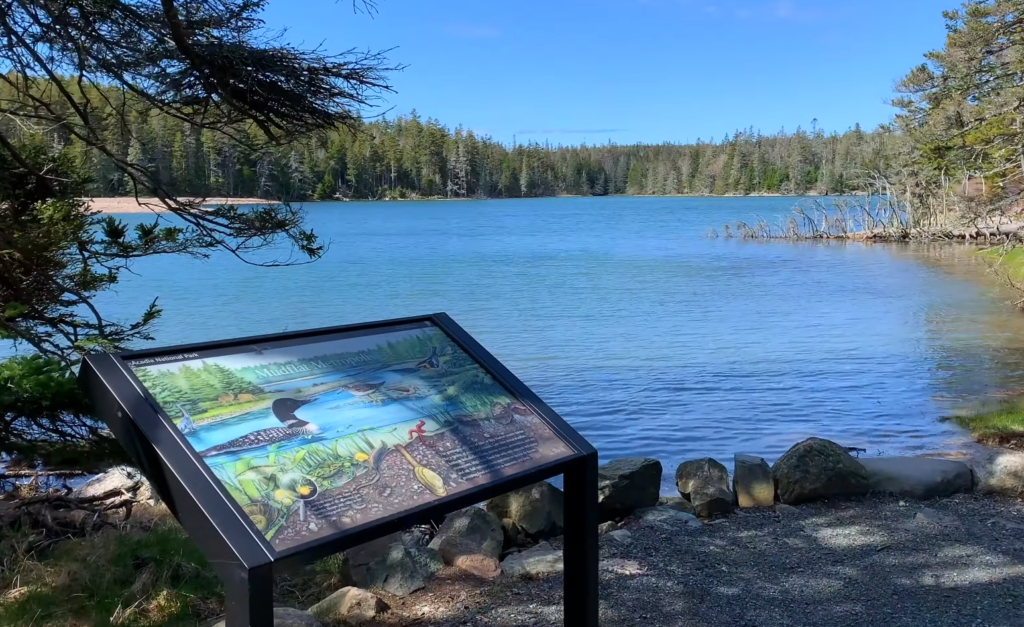
- Ship Harbor Trail – Easy loop on the quiet side of Mount Desert Island. Kids love the tide pools and forest exploration.
Thrill-Seekers Who Want More:
- Precipice Trail – If you crushed the Beehive and want the next level, Precipice is significantly more exposed, longer, and more challenging. It’s closed in spring/summer for peregrine falcon nesting, but when open, it’s the ultimate Acadia climbing experience.
If You Want the Beehive Experience Without the Hardest Parts:
Consider hiking up the Bowl Trail to see the Beehive from behind, then viewing the iron rung sections from a distance. You get a sense of the trail without committing to the exposure. Some people use this as a scouting mission to decide if they want to come back and do the full climb.
Check out our comprehensive Acadia Hikes guide for dozens more options across all difficulty levels. The park has over 120 miles of hiking trails – there’s genuinely something for everyone.
Should You Hike the Beehive Trail? Your Decision Framework
You’ve got all the information. Now let’s help you make the call.
You’re Ready for the Beehive If:
✅ You’re comfortable with heights and exposure
✅ You have decent upper body strength for pulling yourself up
✅ You’re in reasonable physical condition (no need to be an athlete, but not sedentary)
✅ The weather is dry and clear
✅ You’re genuinely excited about the challenge, not just checking a box
✅ You can respect your limits and turn back if needed
Skip the Beehive (For Now) If:
❌ You have any fear of heights – it will not get better halfway up
❌ You’re bringing young children (under 12)
❌ Weather is questionable – wet rock, high winds, or storms in the forecast
❌ You’re recovering from injury or have mobility limitations
❌ You’re feeling pressured by others rather than personally motivated
❌ You haven’t hiked regularly and this would be your first challenging trail
The Bottom Line:
Prepared + confident = amazing experience.
Unprepared + overconfident = dangerous situation.
The Beehive Trail Acadia National Park delivers exactly what it promises: an intense, exposed climb with incredible rewards for those ready to tackle it. It’s not the most dangerous trail in the world, but it demands respect and appropriate preparation.
Listen to your gut. If something feels off – the weather, your energy level, your mental state – there’s no shame in choosing a different hike. Acadia National Park will still be there tomorrow, next month, next year. The Beehive isn’t going anywhere.
For those who do climb it with proper preparation, the Beehive creates one of those hiking memories that sticks with you. You’ll remember the nervous excitement at the first rung, the moment you looked back and realized how high you’d climbed, the satisfaction of standing on that summit, and probably how your legs felt the next day.
Ready to explore more of what Acadia offers? Check out our other guides covering everything from peaceful waterfall walks to challenging summit climbs. There’s a reason this park draws over three million visitors a year – and you’ve just learned about one of its most iconic experiences.
Frequently Asked Questions About Beehive Acadia Trail
The Beehive Trail is considered a challenging hike due to steep drops, iron rungs, and exposed cliffs, making it best suited for confident hikers comfortable with heights.
Most hikers complete the Beehive Trail in 1–2 hours, depending on pace, weather, and how long they spend enjoying the summit views.
The Precipice Trail is generally considered the hardest and most intimidating hike in Acadia because of sustained exposure and vertical climbing.
Young children are not recommended on the Beehive Trail due to steep cliffs and exposure—often 12+ is suggested for safety and confidence.
Yes—if you’re prepared and comfortable with heights, the Beehive offers thrilling climbing sections and incredible coastal views for a short, memorable hike.