I’ll never forget standing on Cadillac Mountain one October morning, watching the sunrise paint the foliage-covered landscape in shades of amber and crimson while a cool mist rolled off Frenchman Bay. That moment crystallized something I’d suspected after multiple visits to Acadia National Park: timing isn’t just important here—it’s everything.
Determining the best time to go to Acadia National Park depends entirely on what kind of experience you’re seeking. The park that welcomes sun-soaked families in July becomes an entirely different place come October’s peak foliage, and different still during January’s snow-hushed solitude. Choosing when to visit can mean the difference between fighting crowds on Precipice Trail or having Sand Beach virtually to yourself.
This guide breaks down every season in Acadia—not just with weather data and crowd statistics, but with the real, practical insights that come from experiencing this 49,000-acre paradise in every condition imaginable. Whether you’re a photographer chasing fall colors, a family planning a summer vacation, or a hiker seeking spring Acadia National Park Waterfalls, you’ll discover the best time to go to Acadia National Park for your specific needs.
Table of Contents
Understanding Acadia’s Seasons at a Glance
Before determining the best time to go to Acadia National Park for your trip, it’s essential to understand how dramatically this coastal Maine destination transforms throughout the year. Acadia experiences four distinct seasons, each offering unique advantages and challenges. Unlike many national parks out West, Acadia’s coastal location creates microclimates that can surprise unprepared visitors—it might be 75°F inland while the summit of Cadillac Mountain sits shrouded in 55°F fog.
Quick Seasonal Overview:
- Spring (April-May): 40-65°F, moderate crowds, rushing waterfalls
- Summer (June-August): 60-80°F, peak crowds, all facilities open
- Fall (September-November): 45-70°F, heavy crowds in October, spectacular foliage
- Winter (December-March): 20-40°F, minimal crowds, limited access
The park sees over 3.8 million visitors annually, with roughly 60% arriving between June and October. Understanding these patterns helps you decide whether you want to embrace the energy of peak season or seek the tranquility of shoulder months.
Fall in Acadia (September – November): Peak Season Magic
For many travelers, fall represents the best time to go to Acadia National Park. From mid-September through early November, the park undergoes a transformation that draws visitors from around the world—and for good reason.
Why Fall Steals the Show
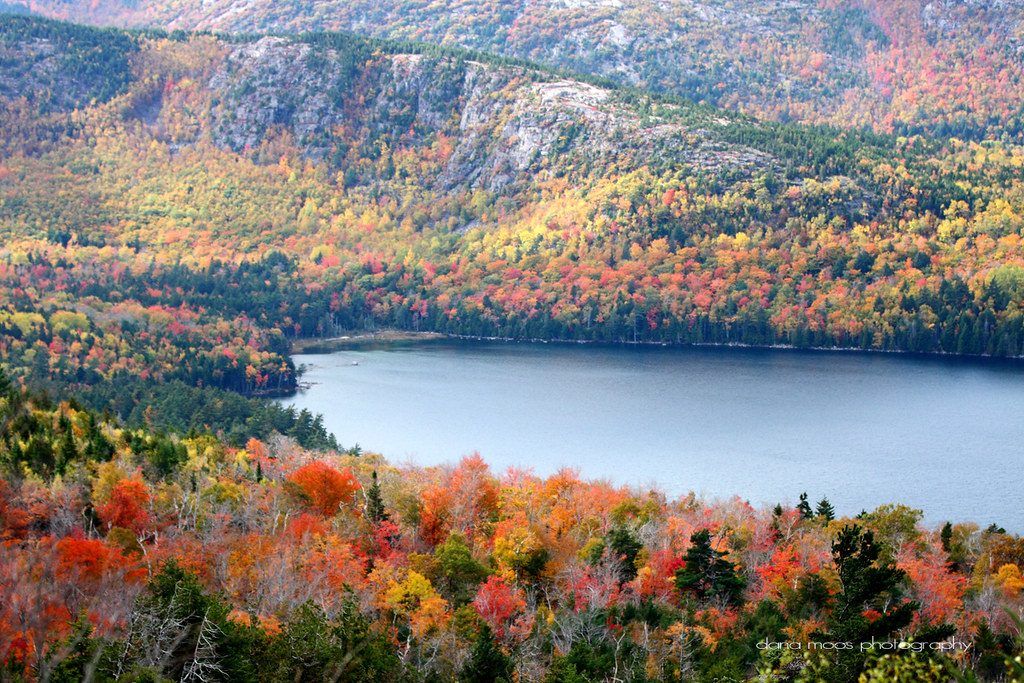
The fall foliage in Acadia isn’t just beautiful; it’s cinematic. Maple, birch, and oak trees explode into reds, oranges, and golds, creating a tapestry that contrasts dramatically with the deep blue Atlantic and granite peaks. The colors typically peak between October 10-20, though this varies by elevation and weather patterns.
What makes fall especially magical is the quality of light. The sun sits lower in the sky, casting that golden-hour glow for much longer periods. Morning fog frequently blankets the valleys, creating ethereal scenes as you hike above the clouds on trails like Beech Mountain or Cadillac Summit Loop.
If you’re considering fall as the best time to go to Acadia National Park for your photography goals, I highly recommend checking out detailed information about Acadia National Park Fall Foliage timing and the best viewpoints to maximize your leaf-peeping experience.
The September Sweet Spot
I’ve been to Acadia in September three times now, and it’s become my favorite month. Early September still feels like summer—60s and 70s during the day—but the crowds thin out noticeably after Labor Day. The kids are back in school, which changes everything.
What surprised me most? The ocean’s actually swimmable. I went to Sand Beach in mid-September last year and the water wasn’t pleasant, exactly, but it wasn’t the brutal shock you get in July either. A few people were actually swimming, not just dipping toes and running out screaming.
The leaves start turning up on Cadillac first. You’ll see hints of orange and red at higher elevations while everything below is still green. It’s like watching fall arrive in real-time. This timing—when you get fall colors without the madness—might genuinely be the best time to visit Acadia National Park if you hate crowds.

October: Beautiful But You’ll Pay For It
Columbus Day weekend in Acadia taught me a lesson. I couldn’t find parking anywhere on the Park Loop Road before 9 AM. Thunder Hole had a line of people waiting to take the same photo. It was gorgeous, don’t get me wrong—the foliage was incredible—but I spent half the day just trying to find places to park.
Hotels were booked solid when I tried reserving in August. The ones with availability wanted $300+ per night for places that cost $120 in June.
My fix: I went back on a Tuesday in late October. Still beautiful, noticeably fewer people, and I actually got to enjoy the trails instead of hiking in a single-file line. Mornings were cold—I’m talking low 40s—but once the sun came up, it warmed to the 60s. Perfect hiking weather, actually.
November: I Tried It Once
I’ll be honest—November in Acadia is an acquired taste. I went the week before Thanksgiving thinking I’d have the place to myself. I did. Because it was 38°F, drizzling, and most of Bar Harbor was closed.
But here’s the thing: without leaves on the trees, I noticed viewpoints I’d walked past a dozen times in summer. The landscape looks completely different—all exposed granite and dramatic coastline. A photographer I met on Gorham Mountain said he only shoots Acadia in November for that exact reason. The moodiness, the gray skies against dark rock.
Would I recommend it? Only if you’re okay with unpredictable weather and bringing your own food because half the restaurants are shut down. But if you want Acadia practically empty, November absolutely delivers that.
Fall Verdict:
- Best for: Photographers, leaf peepers, hikers, couples seeking romantic getaways
- Pros: Stunning foliage, comfortable hiking temps, active wildlife, excellent photography light
- Cons: October crowds rival summer, higher accommodation costs, advance booking essential
- Insider tip: Visit the last week of September or first week of November for 80% of the beauty with 40% of the crowds
Summer in Acadia (June – August): Classic Park Experience
Many families consider summer the best time to go to Acadia National Park, and it’s easy to understand why. Summer delivers exactly what most people imagine when they picture a national park vacation: warm sunshine, accessible trails, long days for exploration, and every facility operating at full capacity.
The Warmest, Longest Days
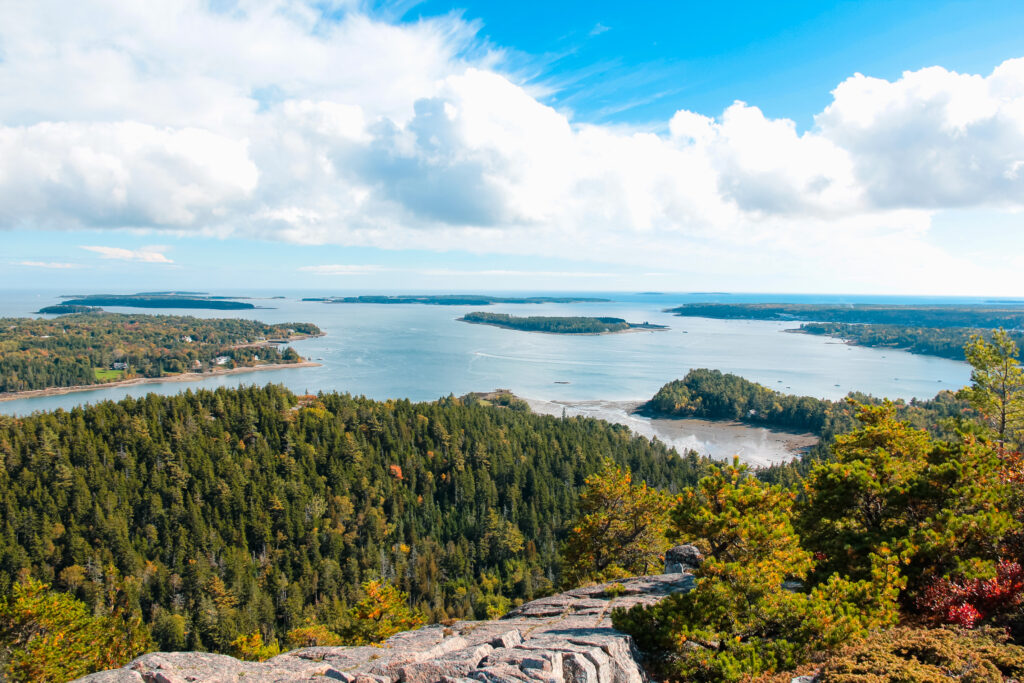
With temperatures ranging from 60-80°F and daylight lasting until nearly 9 PM in late June, summer provides maximum flexibility for activities. You can start with sunrise from Cadillac Mountain (the first place to see sunrise in the United States from October through March), hike all day, enjoy an afternoon at Sand Beach, and still catch sunset from Bass Harbor Head Lighthouse.
This extended daylight means you can realistically experience multiple activities in a single day without feeling rushed. If you’re trying to decide how to fill those long summer days, exploring all the diverse things to do in Acadia National Park can help you craft the perfect itinerary and confirm whether summer is indeed the best time to go to Acadia National Park for your interests.
June: The Underrated Month
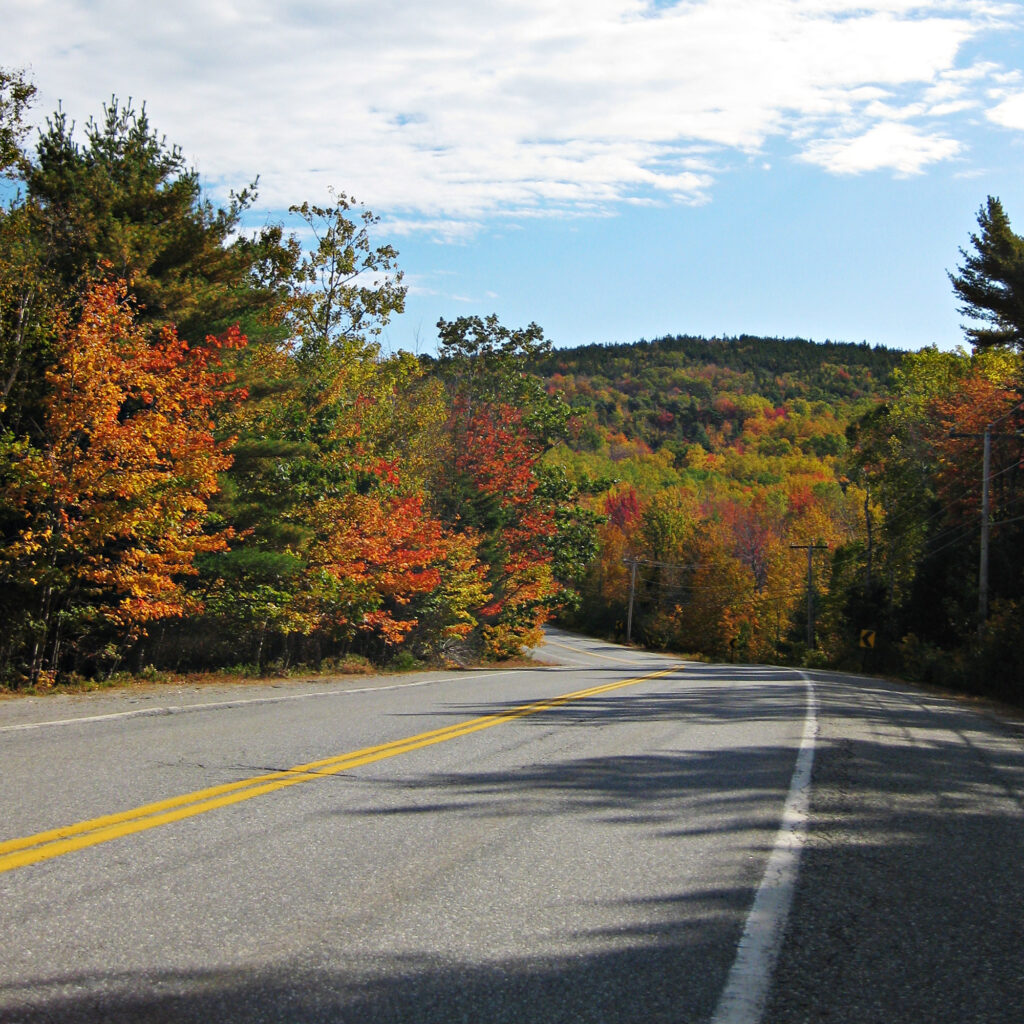
Here’s something interesting—June gets weirdly overlooked when people research the best time to go to Acadia National Park. Early June has way fewer visitors than July or August, but the weather’s nearly identical. Slightly cooler, sure—usually 60-70°F instead of pushing 80—but that’s hardly a downside.
The catch? Blackflies and mosquitoes are vicious. I mean really vicious, especially on inland trails and anywhere shaded. Bug spray isn’t optional. I’ve learned to save beach time for afternoons when the breeze keeps the bugs somewhat reasonable.
Late June brings wild lupines blooming everywhere—purple flowers lining roadsides and trails. It’s also when the Park Loop Road typically opens completely, assuming winter didn’t trash anything that needs extra repair time.
July and August: Peak Everything
Acadia National Park experiences its most popular season during these months because it brings both the hottest weather and the longest days of the year. The Park Loop Road operates as a slow-moving traffic jam while Jordan Pond House prepares hundreds of popovers for customers and trailheads reach their capacity before 8 AM.
The peak summer season brings extended waiting times for Thunder Hole and Cadillac Summit parking spots and major trailheads. The Island Explorer shuttle operates as your primary transportation option because it runs frequently to areas where parking is not available. The beach reaches its maximum capacity throughout the day while Precipice Trail (when accessible) and other popular trails experience heavy traffic similar to peak traffic hours.
Summer provides families with children the perfect time to visit Acadia National Park because all programs run daily and every business and dining option remains open and the ocean water reaches its highest temperature of 60-65°F. The park provides excellent services to families who must visit during summer because their children are in school.
Summer Verdict:
- Best for: Families with children, first-time visitors, beach lovers, active adventurers
- Pros: Best weather reliability, all facilities open, extensive ranger programs, warmest ocean temps, longest daylight
- Cons: Significant crowds, highest accommodation costs, parking challenges, advance reservations essential
- Insider tip: Stay midweek if possible; weekends see 30-40% more visitors. Use the free Island Explorer shuttle system aggressively—it’s efficient and reduces stress dramatically.
Spring in Acadia (April – May): Nature’s Awakening
When discussing the best time to go to Acadia National Park, spring might be the season that deserves more attention. While it lacks the dramatic draw of fall foliage or summer’s reliable warmth, it offers something increasingly precious: space to breathe.
The Shoulder Season Secret
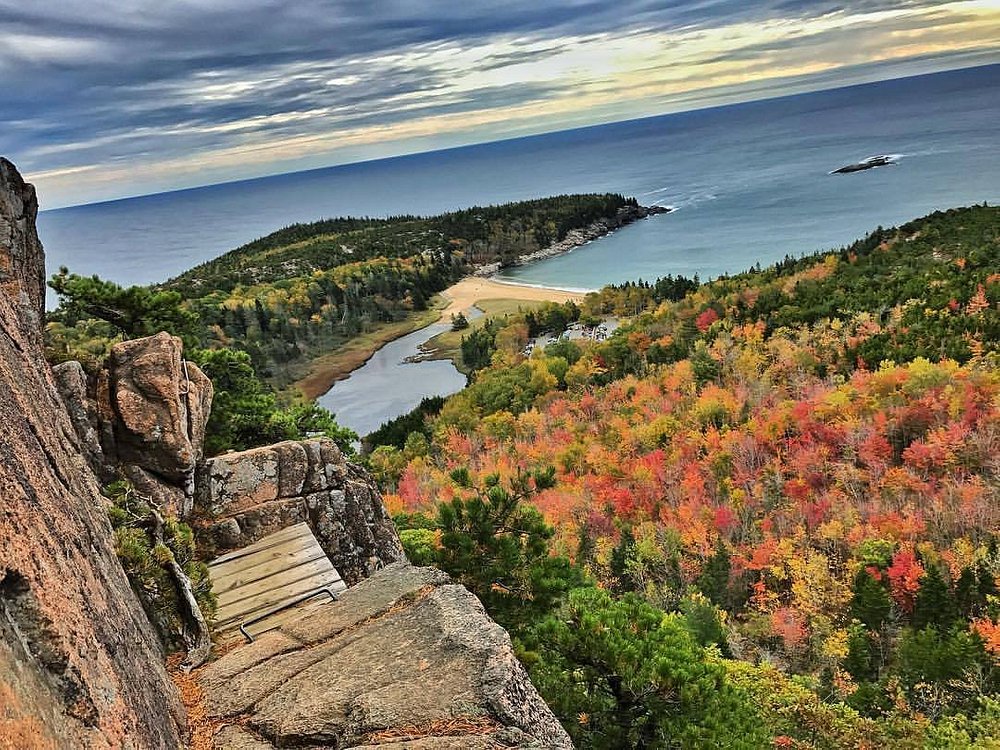
April’s when Acadia shakes off winter. Snow melts from lower trails (though Cadillac’s summit can stay white into early May), and the park starts feeling alive again. Temps bounce between 40-60°F, but here’s the thing—you genuinely can’t predict what you’ll need. I’ve packed a winter coat one day and stripped down to a t-shirt the next.
What spring in Acadia lacks in consistent warmth, it makes up for in water. This is waterfall season. Snowmelt and spring rains turn every stream into something worth seeing. If you’re into chasing waterfalls, this is hands-down the best time to visit Acadia for that—the cascades are absolutely ripping.
Late April through May is peak spring. Trees explode in that bright lime-green color that only happens with new leaves. Wildflowers pop up everywhere. And the birds? They show up in serious numbers.
May’s Sweet Spot
Birdwatchers descend on the park during migration season—warblers, thrushes, the works. I’m not even a hardcore birder, but watching waves of migrating species come through is pretty cool.
By mid-May, you’re looking at temps in the 60s fairly often. The ocean’s still freezing (45-50°F)—nobody’s swimming unless they’re extremely committed—but hiking conditions are nearly perfect. Cool enough that you’re not dying on uphill sections, warm enough that you’re comfortable standing still at viewpoints.
Budget travelers, pay attention: late May might be your best time to go to Acadia National Park. Better weather than April, way fewer crowds than summer, and significantly cheaper accommodations.
The Trade-offs
Spring weather in Maine doesn’t play fair. Yesterday’s sunny 65°F afternoon becomes today’s 45°F rainstorm. I don’t care what the forecast says—bring layers and rain gear. Always.
Some facilities stay closed until late May or early June. A few trails might be muddy or still recovering from winter damage. It’s not resort-ready yet.
But the crowds? Maybe 30-40% of summer madness. Those popular hiking trails that need 8 AM parking in July? You can roll up at 10 AM in May and find spots. Hotels and campgrounds are easier to book and noticeably cheaper.
Spring Verdict:
- Best for: Waterfall enthusiasts, birdwatchers, budget travelers, solitude seekers, photographers
- Pros: Powerful waterfalls, spring wildflowers, migrating birds, minimal crowds, lower prices, beautiful new foliage
- Cons: Unpredictable weather, some facilities closed, chilly ocean temps, muddy trails possible
- Insider tip: Late May offers the best weather reliability while maintaining shoulder-season advantages. Book accommodation after checking the 10-day forecast for flexibility.
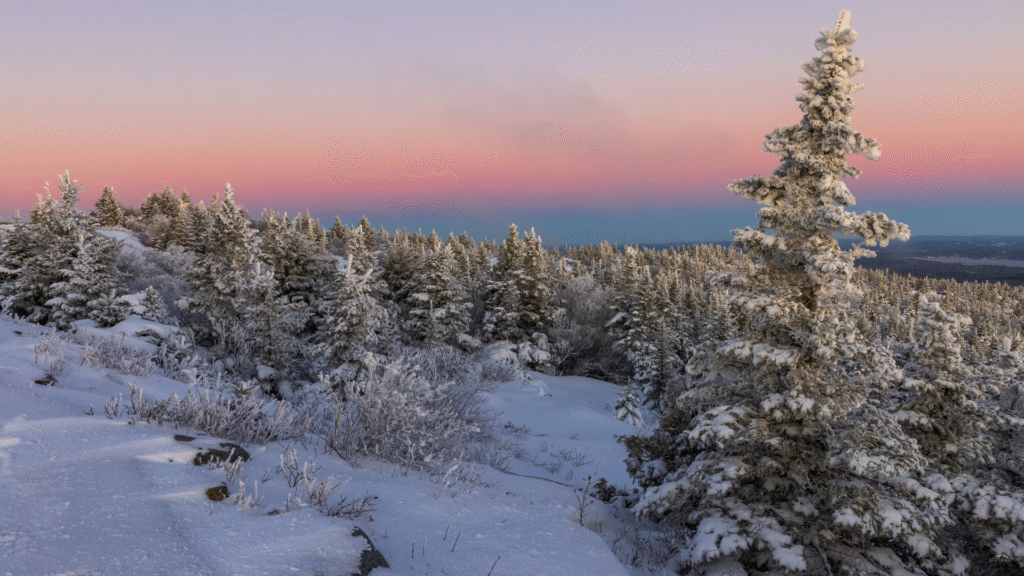
Winter in Acadia (December – March): Solitude & Snow
For adventurous souls who don’t mind the cold, Acadia National Park Winter presents an unconventional answer to the question of the best time to go to Acadia National Park. This season transforms the landscape into something that most visitors never witness.

The Quietest Season
Something dramatic happens in winter—the crowds vanish. We’re talking 95% fewer visitors than summer. I once snowshoed the carriage roads for an entire afternoon and saw exactly two other people.
The Park Loop Road shuts down around December and doesn’t reopen until mid-April. Instead of cars, you get cross-country skiers and snowshoers gliding along in silence. Want Cadillac Mountain to yourself? Winter’s your shot. You’ll have to hike up (no driving), but that’s why nobody’s there.
Temps hover between 20-40°F, but don’t let those numbers fool you. On windy summits, it feels way colder. The ocean doesn’t usually freeze completely, but the ice formations along the shore? Wild. They rebuild themselves with every tide.
Winter Activities
Those 45 miles of carriage roads turn into perfect winter trails when there’s enough snow. Rockefeller designed them with gentle grades, so you’re not gasping uphill the whole time. After a fresh snowfall, it’s all granite and evergreens—looks like an old photograph come to life.
Blackwoods Campground stays open if you’re tough enough for winter camping. The hiking’s incredible, but bring microspikes. Icy trails without them? That’s a recipe for a bruised tailbone. Trust me.
The Reality Check
Let’s be real: winter in Acadia isn’t the best time to visit for most people. Visitor centers close. Restrooms close. Bar Harbor rolls up the sidewalks—half the restaurants and hotels don’t bother opening.
You’re on your own out here. Pack extra food, extra layers, a headlamp, emergency blanket. Check the forecast twice.
Weather doesn’t mess around in winter. I’ve watched perfectly calm mornings turn into white-out blizzards by 2 PM. This isn’t “let’s go for a nature walk” territory—it’s legitimate backcountry conditions that’ll humble you fast if you’re unprepared.
Winter Verdict:
- Best for: Winter sports enthusiasts, solitude seekers, experienced winter hikers, photographers
- Pros: Total solitude, unique winter beauty, free park entry, carriage roads for skiing, pristine snowscapes
- Cons: Most roads closed, limited services, challenging weather, requires specialized gear, dangerous conditions possible
- Insider tip: Late February through March offers improving daylight and slightly warmer temps while maintaining winter solitude. Always check weather and tell someone your plans.
Month-by-Month Breakdown: Your Planning Calendar
Still trying to pinpoint the best time to go to Acadia National Park for your specific travel dates? Here’s a detailed month-by-month breakdown to help you understand exactly what to expect:
April
40-55°F
6.5 hours gain
Low
What to Expect
April: 40-55°F | 6.5 hours daylight gain | Low crowds
- Park awakening from winter; some facilities still closed
- Peak waterfall flow from snowmelt
- Unpredictable weather; pack for all conditions
- Budget-friendly rates
May: 50-65°F | Longest daylight gains | Low-moderate crowds
- Spring wildflowers and migrating birds
- Trail conditions improve significantly
- Ocean still very cold (45-50°F)
- Excellent value and availability
June: 60-70°F | Longest days (15+ hours) | Moderate crowds
- Most facilities open for season
- Blackflies and mosquitoes active
- Wild lupines blooming
- Good weather reliability improves
July: 65-80°F | Peak daylight | Heavy crowds
- Warmest, most stable weather
- All facilities fully operational
- Parking extremely challenging
- Premium pricing
August: 65-75°F | Still long days | Heavy crowds
- Continued excellent weather
- Ocean warmest (60-65°F)
- Blueberries ripe along trails
- Final full month before crowds ease
September: 55-70°F | Daylight decreasing | Moderate-heavy crowds
- Early fall colors at higher elevations
- Comfortable hiking temperatures
- Crowds decrease after Labor Day
- Sweet spot for many visitors
October: 45-60°F | Shorter days | Heavy crowds (peak foliage)
- Peak foliage typically mid-month
- Columbus Day weekend busiest
- Advance booking essential
- Premium pricing returns
November: 35-50°F | Rapidly shortening days | Low crowds
- Late fall colors/bare trees
- Many facilities closing
- Unpredictable weather increases
- Budget-friendly again
December-March: 20-40°F | Shortest days | Very low crowds
- Winter recreation only
- Most facilities closed
- Specialized gear required
- Free park entry, minimal services
Best Time to Go to Acadia National Park for Specific Experiences
The answer to “what’s the best time to go to Acadia National Park” changes dramatically depending on your priorities. Here’s how to match your interests with the ideal season:
Best Time for Hiking
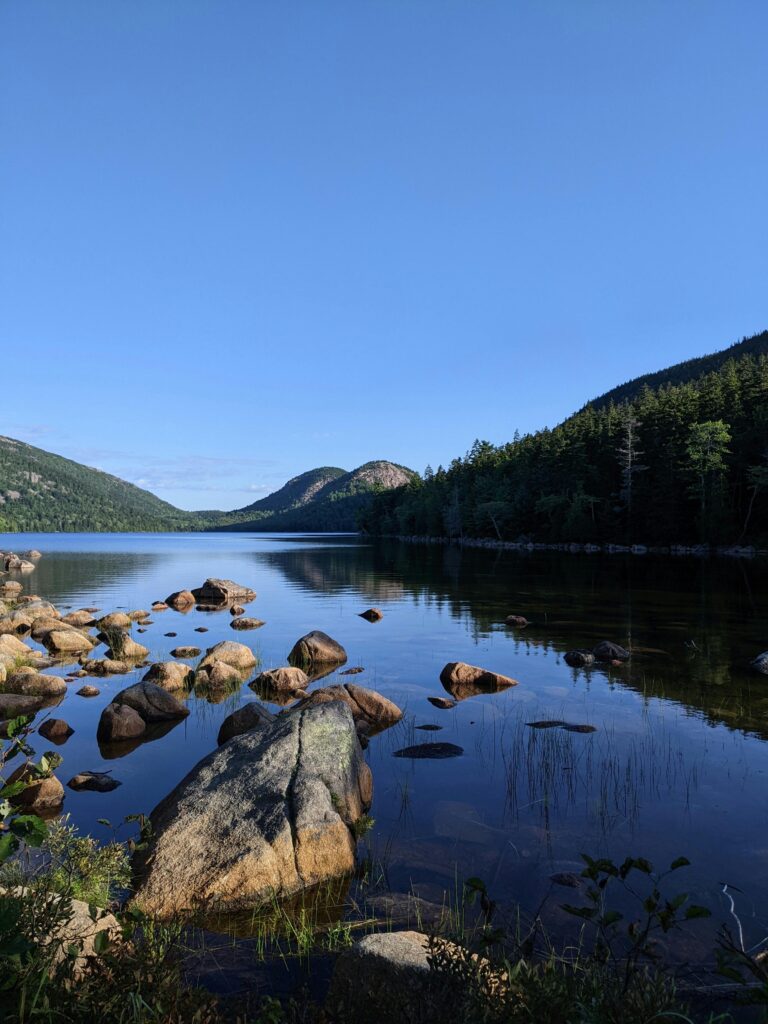
- Late May through September offers optimal trail conditions. May and September provide cooler temperatures ideal for strenuous climbs, while July and August guarantee dry trails but hotter conditions. If you’re primarily interested in hiking, the best time to go to Acadia National Park is late May or September for comfortable temperatures and manageable crowds.
Best Time for Wildlife Watching
- May through June for migratory birds; September through October for active mammals preparing for winter. Early morning hours regardless of season increase wildlife encounters. Peregrine falcons nest on cliffs from April through August, sometimes closing popular climbing routes like Precipice Trail.
Perfect Time for Photography
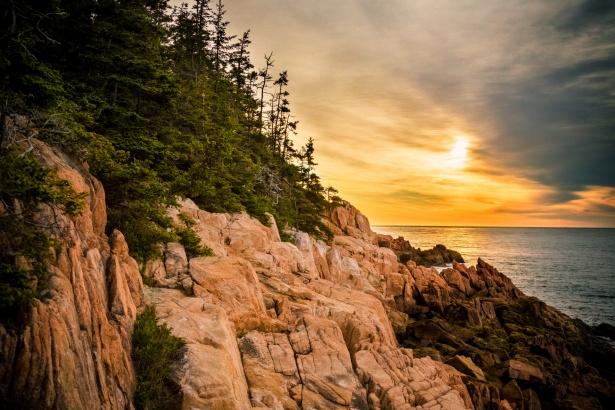
- October for fall foliage; May for spring blooms; winter for snow-covered landscapes. The “golden hours” around sunrise and sunset are more dramatic in fall and winter when the sun sits lower. Morning fog occurs most frequently in September and October, creating ethereal conditions. For landscape photographers, the best time to go to Acadia National Park is undoubtedly mid-October.
Best Time for Avoiding Crowds
- April, May, November, and winter months see the fewest visitors. Even during peak seasons, weekdays see 30-40% fewer visitors than weekends. Arriving before 8 AM or after 3 PM during summer and October reduces parking frustrations significantly. If solitude is your priority, the best time to go to Acadia National Park is May or November.
Best Time for Budget Travel
- November through April offers the lowest rates, with May and September providing good value during pleasant conditions. Midweek stays cost less than weekends even during peak season. Camping costs significantly less than hotels, and the Island Explorer shuttle is free, helping budget-conscious travelers. Budget travelers will find the best time to go to Acadia National Park is late April through May.
Suitable Time for Families with Kids
- July and August remain most practical for school schedules. All facilities operate, ranger programs run daily, and weather is most reliable. The Jordan Pond House popovers become a family tradition for many. If you have flexibility, late August combines good weather with slightly reduced crowds. For families, the best time to go to Acadia National Park typically falls in July or August despite the crowds.
Planning Your Trip: Practical Considerations
Once you’ve identified the best time to go to Acadia National Park for your needs, the next crucial decisions involve accommodation and logistics. During peak seasons (July-August and October), booking well in advance—ideally 6-9 months ahead—is essential for securing quality lodging at reasonable rates.
The question of where to base yourself has significant implications for your experience, regardless of when you determine is the best time to go to Acadia National Park. Bar Harbor offers the most amenities and easiest access to the park, but also the highest prices and crowds. Southwest Harbor provides a quieter alternative with excellent access to the less-visited western side of Mount Desert Island. For detailed guidance on finding the perfect location for your stay, check out this comprehensive guide to where to stay in Acadia National Park.
Reservation Systems You Should Know
Acadia uses a vehicle reservation system for Cadillac Summit Road during peak months (typically May through October). These reservations ($6 plus park entrance fee) sell out quickly but aren’t always necessary—you can still hike to the summit without a reservation. The reservation system helps manage crowds but adds a planning layer for those wanting to drive up.
Campground reservations at Blackwoods and Seawall open on a rolling basis at recreation.gov and fill quickly for summer and October dates. Book exactly when your dates become available (typically 6 months in advance) for best selection.
What to Pack for Each Season
- Spring/Fall: Layers are essential. Base layer, insulating mid-layer, waterproof shell. Temperatures can swing 20-30°F between morning and afternoon. Pack for cold, wet conditions and you’ll be prepared.
- Summer: Light, breathable clothing, but always carry a fleece or light jacket—coastal weather changes fast. Sun protection becomes crucial. Bug spray for June. A light rain jacket fits in any daypack.
- Winter: Serious cold-weather gear including insulated jacket, waterproof shell, thermal base layers, winter boots, hat, gloves. Microspikes or crampons for icy trails. Emergency shelter and fire-starting materials.
- All Seasons: Sturdy hiking boots (trails are rocky), daypack, water (more than you think—Maine’s humidity causes dehydration), snacks, basic first aid, map, and fully charged phone (though reception can be spotty).
Final Verdict: What’s the Best Time to Go to Acadia National Park?
After exploring every season, weather pattern, and visitor experience, here’s the honest truth: the best time to go to Acadia National Park depends entirely on what you value most in a national park experience.
- Choose Fall (September-October) if: You want the iconic Acadia experience, don’t mind crowds, can book far in advance, and want photography that will make your friends jealous. Fall delivers Acadia at its most photogenic. For many, this is simply the best time to go to Acadia National Park, period.
- Choose Summer (June-August) if: You’re traveling with kids, want guaranteed warm weather, need all facilities operational, or are a first-time visitor wanting the full national park experience. Yes, there are crowds, but there are crowds for good reason. Summer is the best time to go to Acadia National Park for families.
- Choose Spring (April-May) if: You want solitude, love waterfalls, enjoy birdwatching, are budget-conscious, or prefer cool hiking temperatures. Spring offers tremendous value for those willing to accept weather variability. May might just be the best time to go to Acadia National Park for value-seekers.
- Choose Winter (December-March) if: You’re an experienced winter recreationist seeking true wilderness solitude, or you want to experience a side of Acadia that 95% of visitors never witness. Winter is the best time to go to Acadia National Park for adventurers who crave solitude.
My personal recommendation?
If this is your first visit and you’re flexible on dates, aim for late September or early October. You’ll experience the fall beauty that makes Acadia famous, weather remains comfortable for hiking, and while crowds exist, they’re manageable with smart planning (weekday visit, early starts, Island Explorer shuttle use). This represents the best time to go to Acadia National Park for most first-time visitors.
For return visits, explore shoulder seasons. That’s when you’ll discover the Acadia that locals cherish—quieter trails, easier logistics, and the satisfaction of experiencing a national park on your own terms rather than the crowd’s schedule.
Your Acadia Adventure Awaits
That October morning on Cadillac Mountain changed how I thought about timing. As the fog peeled back to reveal islands dotting Frenchman Bay, I stopped obsessing over finding the “perfect” time to visit Acadia. The truth is simpler: the best time is whenever works for you.
Each season here feels like a different park. Summer’s warm and everything’s open, but you’ll share it with everyone. Fall? The foliage is stunning—probably why I picked October. Spring brings quiet trails and migrating birds. Winter’s gorgeous if you don’t mind the cold and limited access.
I’ve stopped telling people there’s one ideal window. A family visiting in July with their kids will have an amazing time at ranger programs and Sand Beach. Someone hiking solo in May gets the solitude I crave. Cross-country skiers in February experience something I’ll probably never see.
My foggy sunrise was perfect because I love cool weather and autumn colors. But your perfect Acadia moment might happen in a completely different season, and that’s the point. Pick a time that fits your schedule and what you actually enjoy—not what some article says is “best.”
Book your trip, pack accordingly, and go. Acadia’s been impressing visitors for over a century. It’ll deliver something special whenever you show up.