You know that feeling when you see something so stunning it doesn’t quite seem real? That’s exactly what happened when I first spotted Ometepe Island rising from the middle of Lake Nicaragua. Two perfect volcanic cones piercing through the clouds, connected by a thin strip of land. I actually thought my travel buddy had Photoshopped the picture she showed me.
Spoiler alert: It’s 100% real, and it’s even more incredible in person.
Ometepe Island Nicaragua isn’t your typical tropical getaway. This is a place where howler monkeys wake you at dawn, where you can hike an active volcano before lunch, and where the concept of “rushing” simply doesn’t exist. After spending nearly two weeks exploring every corner of this volcanic paradise, I’m convinced it’s one of Central America’s most underrated destinations.
Here’s everything you need to know about visiting Ometepe Island – the good, the muddy, and the absolutely unforgettable.
Table of Contents
What Exactly is Ometepe Island?
Let’s get the basics straight. Ometepe Island sits smack in the middle of Lake Nicaragua (the largest lake in Central America, by the way). The name comes from the Nahuatl words “ome” (two) and “tepetl” (mountain) – literally “place of two mountains.”
And those two mountains? They’re volcanoes. Big ones.
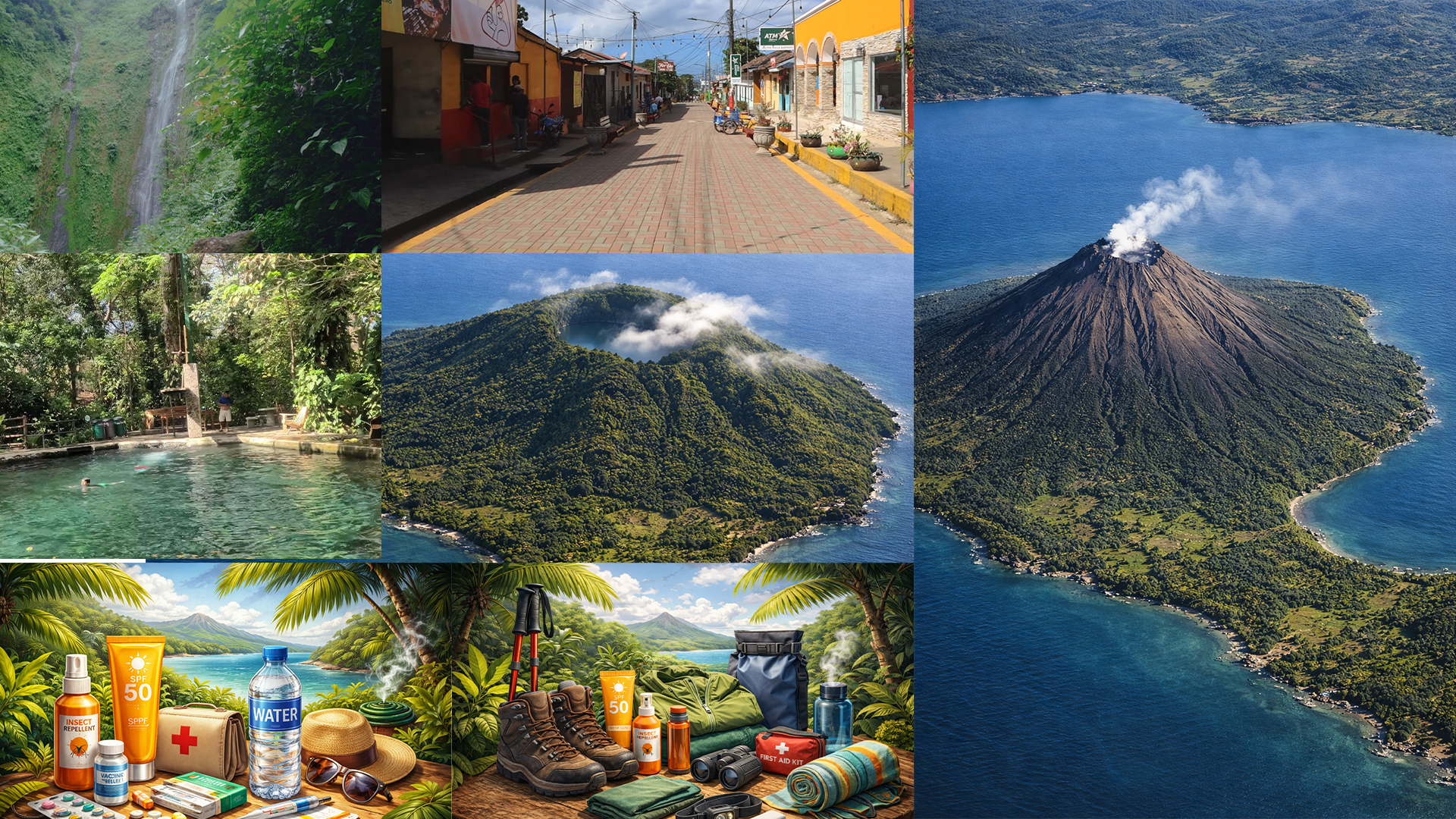
Volcán Concepción dominates the northwest side, rising 1,610 meters (5,282 feet) above the lake. It’s active, symmetrical, and honestly looks like something a kid would draw when asked to sketch a volcano. The last significant eruption was in 2010, though it still rumbles and smokes occasionally – just to keep things interesting.
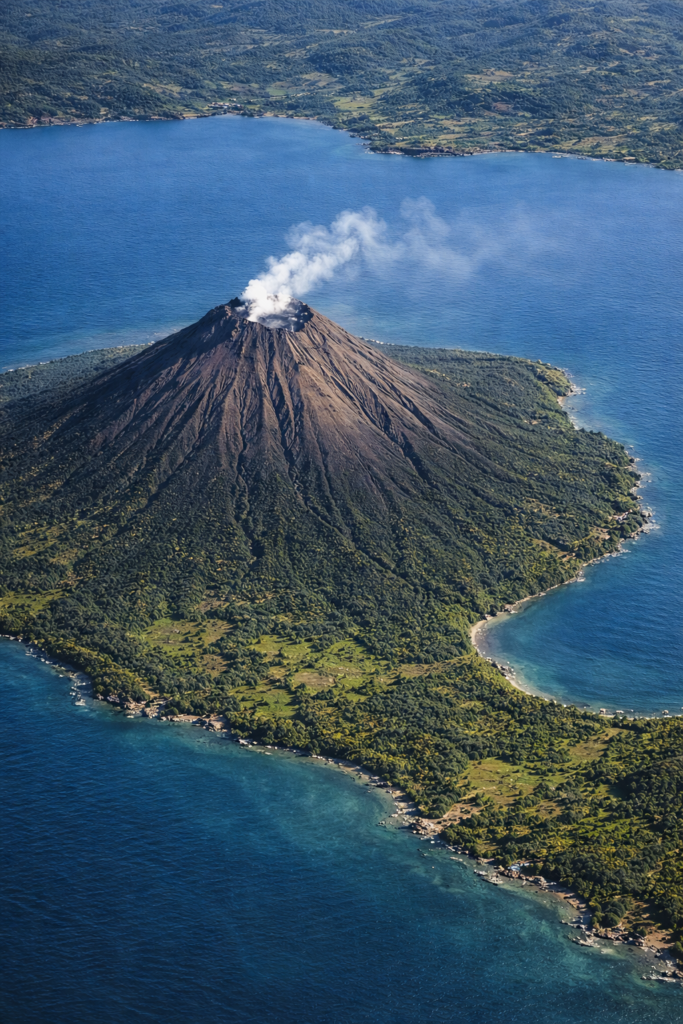
Volcán Maderas on the southeast side is the gentler sibling. At 1,394 meters (4,573 feet), it’s dormant, covered in cloud forest, and has a misty crater lake at the summit. Think less “explosive fire mountain” and more “mystical jungle giant.”
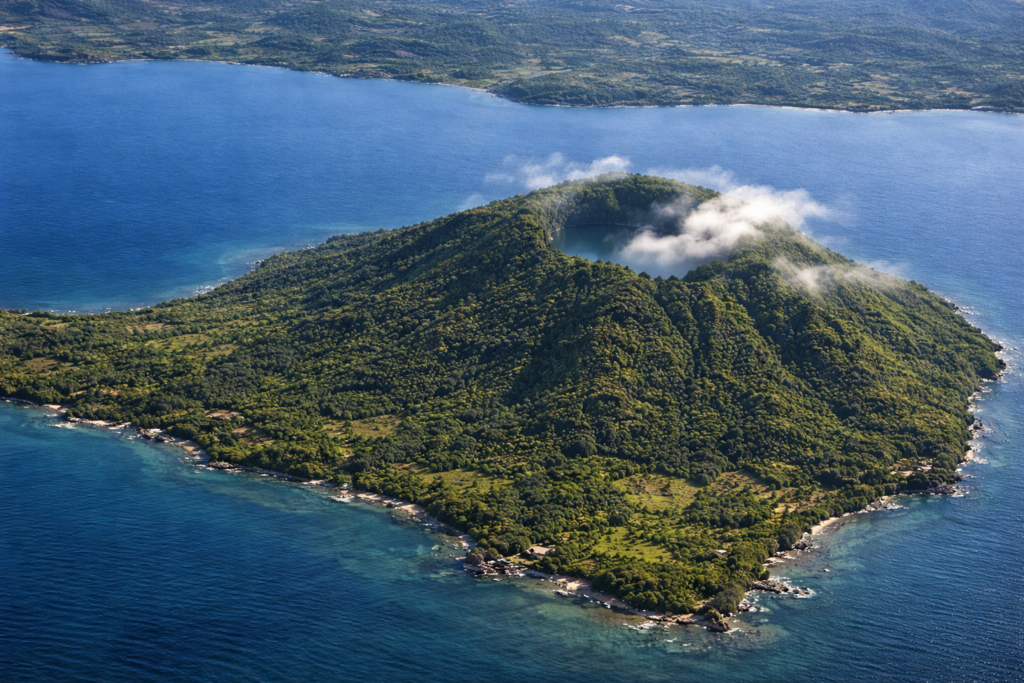
These two volcanoes are connected by a flat, narrow isthmus called Istián. The whole island covers about 276 square kilometers (107 square miles), making it the world’s largest volcanic island in a freshwater lake.
In 2010, UNESCO designated Ometepe as a Biosphere Reserve, recognizing its unique ecosystems – from wetlands and tropical rainforests to rare cloud forests that are supposedly the most ecologically valuable in all of Nicaragua. Around 42,000 people call the island home, mostly concentrated in two main towns: Moyogalpa and Altagracia.
But here’s what the facts don’t tell you: Ometepe Island has this magnetic quality. The volcanic soil is so fertile that mangoes literally fall from trees faster than locals can collect them. The pace of life moves at “island time” (which makes regular island time look rushed). And there’s this palpable sense that you’ve stumbled onto somewhere genuinely special – before the rest of the world figures it out.
Getting to Ometepe Island Nicaragua: The Ferry Adventure
I’m not going to sugarcoat this: getting to Ometepe Island requires a bit of effort. But honestly? The journey is half the fun.
The San Jorge Ferry Route
The only practical way onto the island is by ferry from San Jorge, a small port town near Rivas. Here’s what you need to know:
Ferry frequency: Boats run multiple times daily (roughly every 1-2 hours during peak times). I didn’t book in advance – just showed up about 30 minutes before departure and bought tickets at the dock.
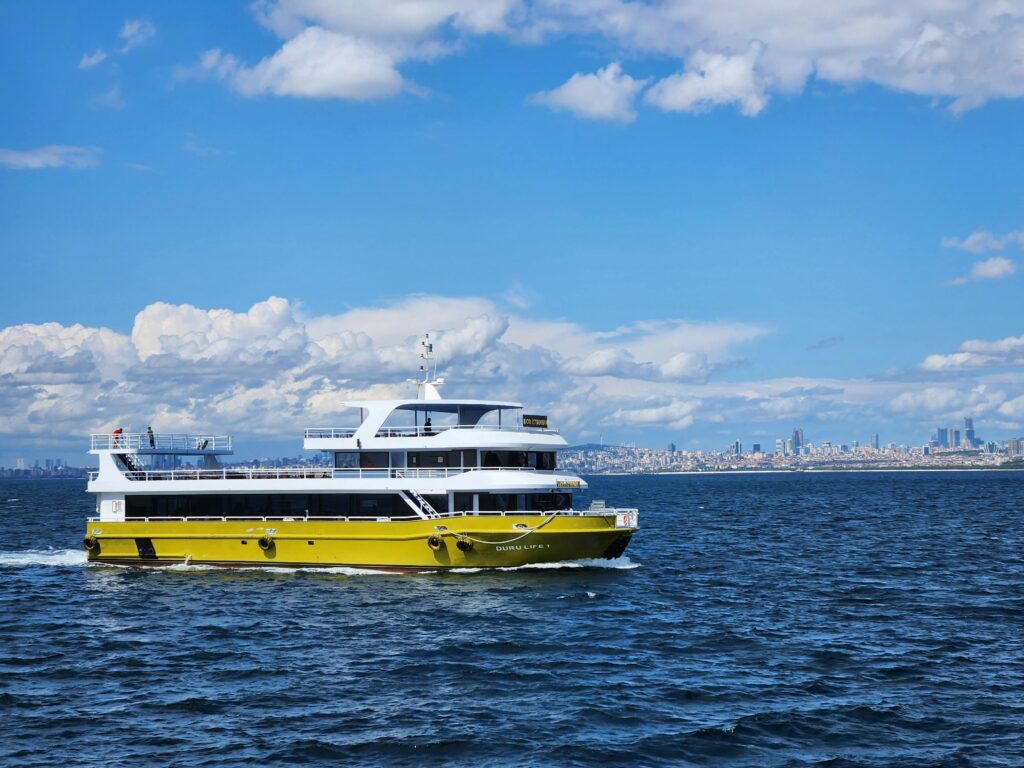
- Cost: Around $2-3 per person including the tourist tax. Ridiculously cheap, right? If you’re bringing a vehicle, expect to pay significantly more ($15-50 depending on size).
- Duration: The crossing takes about an hour. Sometimes more if the lake is choppy (which it often is).
Two destinations: Ferries dock at either Moyogalpa (the main port town, northwest side) or San José del Sur (quieter, southeast side). Moyogalpa is better if you want immediate access to transportation rentals. San José del Sur is closer to Maderas volcano and the more remote beaches.
Real Talk About the Ferry
The boats range from “reasonably comfortable” to “barely seaworthy bucket with an engine.” I’m not exaggerating. On my first crossing, I was on a newer vessel with proper seating. Coming back? Let’s just say I understood why locals were clutching rosaries.
If you’re prone to seasickness, take medication beforehand. Lake Nicaragua can get surprisingly rough, and that one-hour crossing can feel eternal when you’re turning green. I watched a backpacker spend the entire journey hanging over the side. Not fun.
Pro tip: Sit on the upper deck if available. Better views, fresher air, and if you do feel queasy, you’re already outside.
Getting to San Jorge
- From Managua: The capital is about 2-3 hours away by bus or private shuttle. Chicken buses (the colorful old school buses) are cheapest ($2-3) but crowded and hot. Tourist shuttles run $15-25 per person and are significantly more comfortable. I splurged on the shuttle – my sanity thanked me.
- From Granada: About 90 minutes by bus or shuttle. Most hostels in Granada can arrange transport.
- From San Juan del Sur: Roughly 1-1.5 hours to San Jorge. This was my route, and it’s an easy taxi ride ($25-35 for the car) or you can catch a local bus.
You can check updated ferry schedules through Nicaragua’s tourism ministry, though honestly, schedules are more “suggestions” than “promises.” Arrive with flexibility.
The Alternative: Flying In
There’s actually an Ometepe Airport that opened in 2014. You can fly from Managua or even El Salvador. Sounds fancy, right?
Here’s why almost nobody does this: it’s expensive (several hundred dollars versus a few bucks for the ferry), flights are infrequent and unreliable, and honestly, you’d miss out on that dramatic first view of the volcanoes rising from the water. The ferry arrival is an experience in itself.
When Should You Visit Ometepe Island?
I visited in February (dry season) and again briefly in June (rainy season). They’re completely different experiences.
Dry Season (November – April)
This is peak season for good reason. The weather is glorious. Sunny days, clear skies, and those Instagram-worthy volcano views happen almost daily.
Pros:
- Perfect hiking conditions – the trails aren’t muddy death traps
- Better chance of summit views (clouds often block them in rainy season)
- Easier to get around on unpaved roads
- Ideal for beach time and swimming
Cons:
- More tourists (though Ometepe Island Nicaragua is still blissfully uncrowded compared to other Central American hotspots)
- Slightly higher accommodation prices
- Dustier roads
- Can get genuinely hot – we’re talking mid-30s°C (mid-90s°F)
Rainy Season (May – October)
Don’t automatically write this off. I actually loved certain aspects of visiting in June.
Pros:
- Lush, green landscapes – everything is incredibly vibrant
- Fewer tourists means better deals and more authentic interactions
- Waterfalls are fuller and more impressive
- Cooler temperatures
Cons:
- Afternoon downpours are basically guaranteed (plan morning activities)
- Muddy trails make volcano hikes significantly harder
- Some dirt roads become nearly impassable
- Higher chance of cloudy summit views
- Mosquitoes are fierce
My recommendation? If you’re set on hiking both volcanoes and want reliable weather, go dry season (especially January-March). If you’re more interested in the cultural experience, don’t mind occasional rain, and want better deals, rainy season can be wonderful – just pack accordingly.
Hurricane consideration: September and October bring higher hurricane risk. While Ometepe Island is relatively protected, severe weather can disrupt ferry service and make roads dangerous.
Getting Around Ometepe Island: Transportation That Actually Works
Here’s something they don’t tell you in guidebooks: Ometepe Island is WAY bigger than it looks on a map. The main “highway” circling Concepción is about 50km, and many attractions are connected by rough, unpaved roads that turn into adventure courses after rain.
You absolutely need your own transportation. Walking or relying on sporadic buses will severely limit what you can see.
Motorbike/Scooter (My Choice)
This is hands-down the most popular option for travelers. Rental costs $15-25 per day depending on the bike quality and your negotiation skills.
Why I loved it:
- Total freedom to explore at your own pace
- Can handle most roads (even some rough ones)
- Parking is easy everywhere
- Feels adventurous riding with volcanoes looming overhead
- Cheap fuel (gas costs almost nothing)
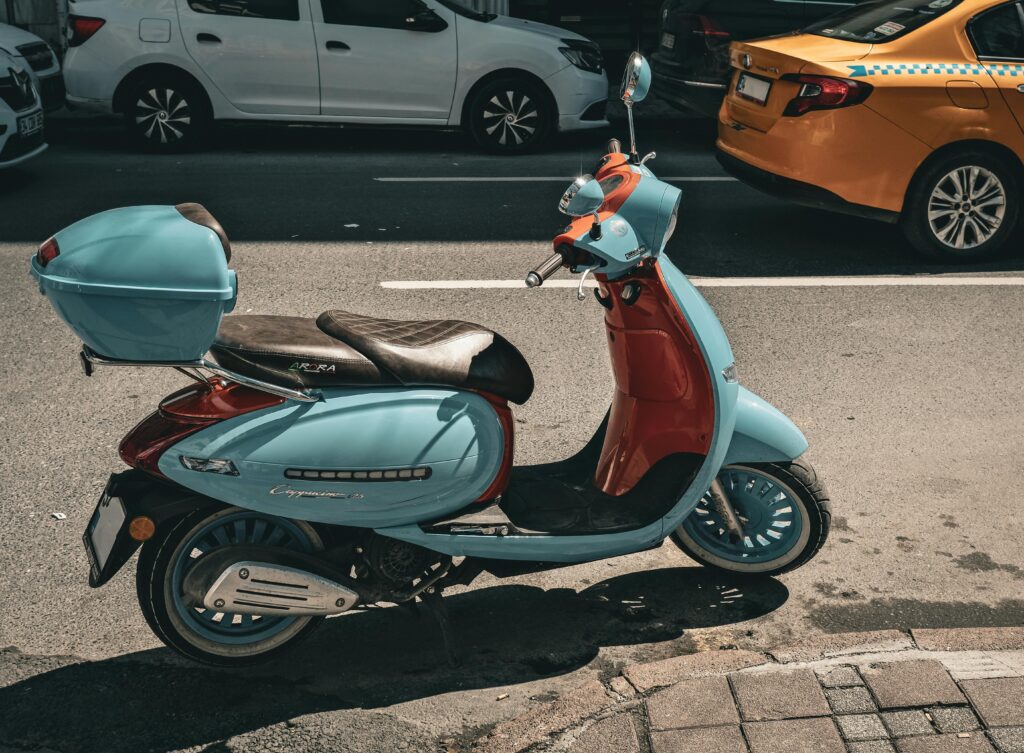
The reality check: Many roads on Ometepe Island are unpaved, rocky, and sometimes treacherous. I’m a confident rider and still had sketchy moments. I met countless travelers nursing road rash from spills on gravel roads.
If you’ve never ridden a motorbike, Ometepe is NOT the place to learn. The combination of loose gravel, random potholes, wandering livestock, and unpredictable drivers creates genuine hazards. I watched one German guy bail at low speed on a patch of sand and still needed stitches.
Essential tips:
- Test the brakes before leaving the rental shop
- Wear closed-toe shoes (seriously, flip-flops are asking for trouble)
- Drive slowly on unpaved sections – especially downhill
- Watch for loose sand patches
- Fill up on gas – there aren’t many stations
ATV/Quad
If you’re nervous about two-wheeled balance or traveling with a partner, ATVs are brilliant. They cost $35-60 per day but offer more stability and can bash through rougher terrain.
The downside? They guzzle more gas and are less nimble in traffic. But for couples or those wanting extra safety, they’re worth the premium.
Car Rental
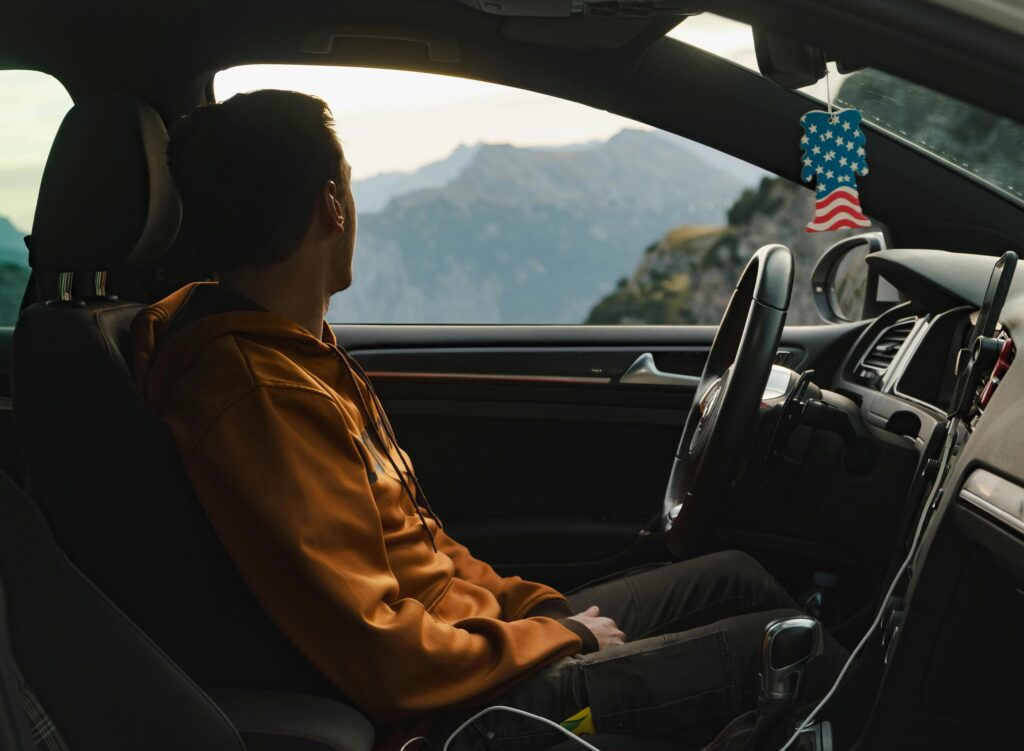
Possible but uncommon. Costs around $50-80 per day and requires a bit of hunting to find rental agencies. The advantage is protection from sun and rain, plus you can carry more gear. The disadvantage is many of the coolest spots require navigating roads barely wide enough for a motorcycle.
Bicycle
Some budget travelers rent bikes for $5-10 per day. I have massive respect for anyone who does this, but wow, it’s tough. The island is hillier than it looks, distances are significant, and the midday heat is brutal.
One couple I met cycled everywhere and loved it – they were also marathon runners who found our motorbike pace “lazy.” Know your fitness level honestly.
Hitchhiking
Surprisingly common and generally safe on Ometepe Island. Locals are incredibly friendly, and many travelers rely on rides from passing trucks. I picked up hitchhikers several times on my motorbike. That said, having your own transportation gives you way more flexibility.
Top Things to Do on Ometepe Island Nicaragua
This is where Ometepe Island really shines. The diversity of activities is remarkable for an island this size.
1. Hike Volcán Concepción (If You Dare)
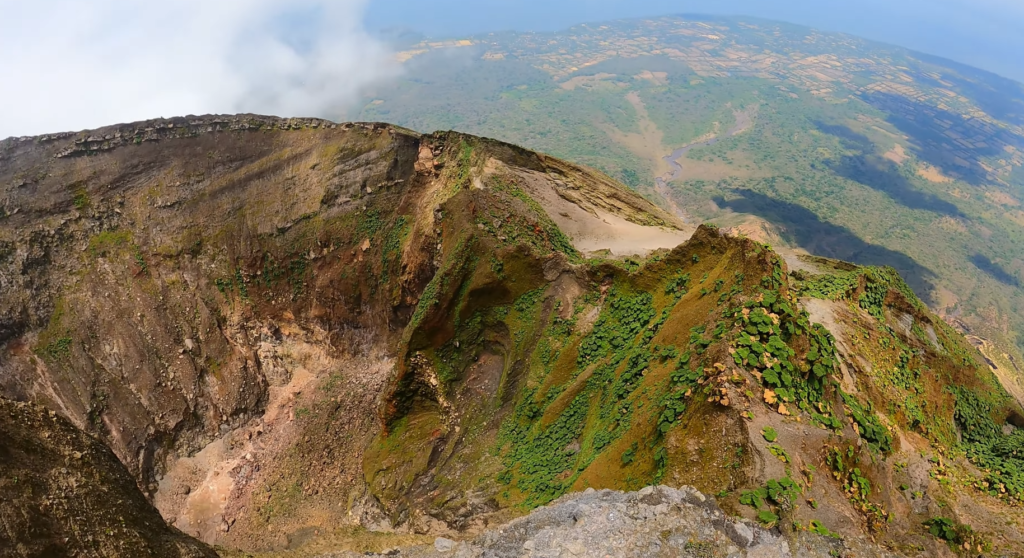
Let me be brutally honest: this was one of the most physically demanding hikes I’ve ever done. And I’ve climbed Kilimanjaro.
Volcán Concepción isn’t technically difficult – there’s no scrambling or special equipment needed. But it’s relentlessly steep, takes 8-10 hours round trip, and the final section through loose volcanic rock tests your willpower.
You’re legally required to hire a guide (around $25-35 per person plus the guide typically expects a tip). Most tours start around 5-6 AM to avoid the worst heat and afternoon clouds.
What to expect:
- First 2-3 hours: relatively pleasant hiking through farmland and forest
- Middle section: steep switchbacks that never seem to end
- Final push: scrambling over loose volcanic scree at altitude
- Summit (if you’re lucky): 360° views over Lake Nicaragua, both volcanoes visible, absolutely mind-blowing
I say “if you’re lucky” because clouds frequently obscure the summit. We had perfect conditions – clear skies and views for days. The French couple behind us summited the next day in total whiteout. Hiking lottery.
Honest assessment: Only attempt this if you’re genuinely fit. I saw multiple people turn back partway up, completely exhausted. Bring at least 3-4 liters of water, serious sun protection, good hiking shoes, and snacks. The sun exposure is intense.
My verdict: Incredibly rewarding but prepare yourself mentally for sustained suffering. The final view makes every sweaty minute worth it.
2. Volcán Maderas: The Cloud Forest Alternative
If Concepción is the island’s show-off peak, Maderas is the mystical, moody sibling. This hike is shorter (6-8 hours round trip) but in some ways more challenging.
The trail winds through gorgeous cloud forest – think massive trees dripping with moss, non-native birds calling from the canopy, and frequent wildlife sightings. The summit crater holds a mysterious lagoon that’s almost always shrouded in mist.
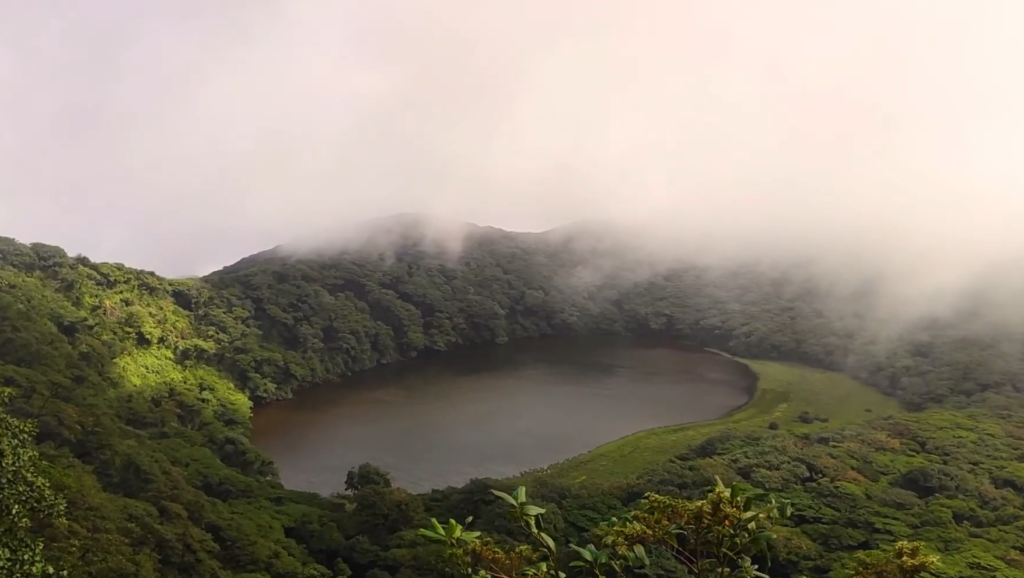
The catch? MUD. Holy hell, the mud. Even in dry season, sections of this trail become slip-and-slide courses. In rainy season? Forget it – you’ll need to crawl in places. I’m talking thigh-deep mud that sucks shoes off feet.
Guides are required here too (similar prices to Concepción). Book through your accommodation or any tour shop in Moyogalpa or Balgüe.
Essential gear:
- Hiking boots with serious tread (regular sneakers will destroy your experience)
- Clothes you don’t mind ruining
- Waterproof bag for your stuff
- Trekking poles help immensely
Despite the mud-wrestling, I loved this hike. The cloud forest is hauntingly beautiful, and the crater lake has this otherworldly quality. Plus, you’ll almost certainly see howler monkeys.
Pro tip: Start early. The later you go, the muddier it gets as other hikers churn up the trail.
3. Ojo de Agua: Natural Spring Perfection
After those brutal volcano hikes, you’ll worship Ojo de Agua. These crystal-clear natural spring pools fed by volcanic aquifers are absolutely heavenly.
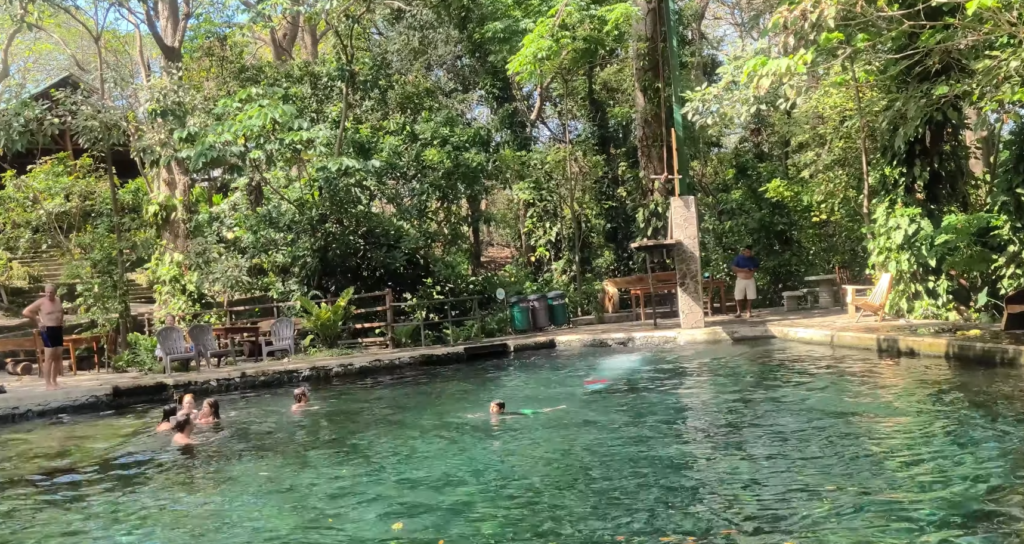
Entry costs $10, but $5 of that becomes a voucher for the on-site restaurant – essentially making it a $5 entrance fee if you’re grabbing lunch or drinks (which you will, because the food is solid and the coconut rum smoothies are dangerous).
The main pool is huge and stays a refreshing cool temperature year-round. There’s a rope swing, slack lines strung between trees, plenty of hammocks, and a smaller, slightly warmer pool off to the side.
Why I kept returning:
- Perfect reset after hiking or exploring
- Genuinely beautiful grounds with tons of shade
- Good vibe – mix of locals and travelers
- Howler monkeys literally swing in the trees above you (happened twice during my visits)
- Open until 7 PM, so you can catch golden hour
Timing tip: Visit on weekdays or early mornings. Weekends get packed with local families (still fun but louder and more crowded). We went at 8 AM on a Tuesday and had the place nearly to ourselves for an hour.
Don’t expect “pristine natural wonder” vibes – it’s more developed with concrete edges and facilities. But the water quality is incredible, and it’s hands-down the best swimming spot on Ometepe Island.
4. San Ramón Waterfall: Rainforest Reward
This 3km uphill hike through dense rainforest leads to a gorgeous waterfall with a swimming hole. It takes most people about 1-1.5 hours each way, and it’s ALL uphill going in.
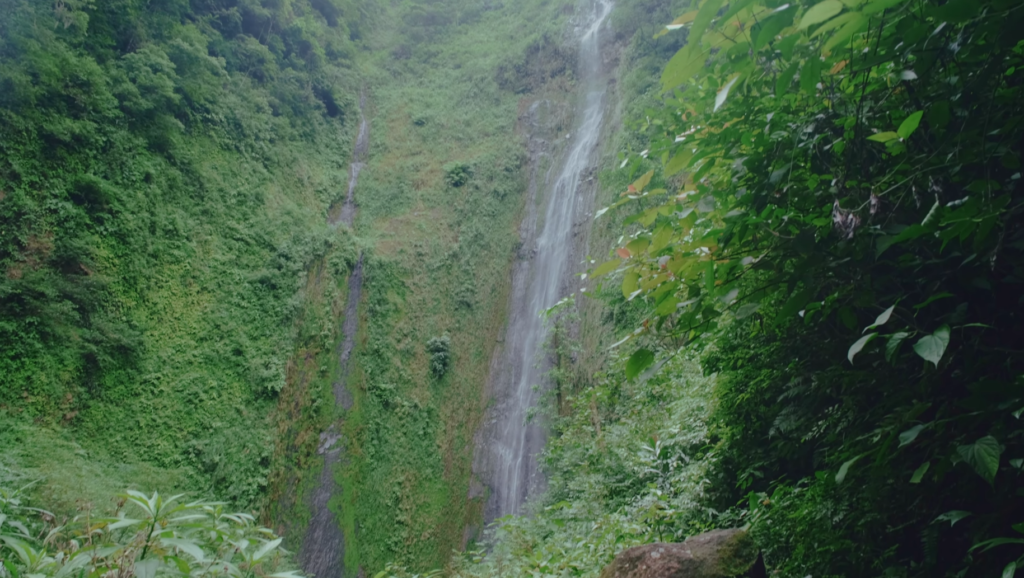
- Entrance fee: $2-3 (collected at a small station at the trailhead)
The trail starts relatively flat but quickly turns into a steady climb. You’re hiking through proper jungle – huge trees, unbelievable bird sounds, and if you’re lucky, wildlife sightings. I saw a troop of howler monkeys, several iguanas, and countless butterflies.
The waterfall itself drops about 40 meters into a clear pool that’s perfect for swimming. The water is cold (refreshingly so after that sweaty hike), and there’s not much room to change – wear your swimsuit under your clothes.
Real talk: The waterfall is pretty but not spectacular. If you’ve seen major waterfalls elsewhere, this won’t blow your mind. The hike itself through the rainforest is actually the highlight.
Best time: Go in the afternoon after morning volcano hikes or beach time. The canopy provides shade, making it bearable even in midday heat.
What to bring:
- Swimsuit already on
- Towel
- Lots of water (2+ liters – the climb back down is still tough)
- Bug spray (mosquitoes love this trail)
- Waterproof phone case if you want photos at the falls
One warning: some tour companies try to sell this as a $25 ATV tour to the waterfall. You don’t need it. The trail is easy to find (it’s off the main road near Maderas), and the hike itself is half the experience. Save your money.
5. Kayaking Río Istián: Wildlife Safari by Water
This was my surprise favorite activity on Ometepe Island. The Río Istián isn’t really a river – it’s more like a flooded wetland created by Lake Nicaragua’s rising and falling water levels.
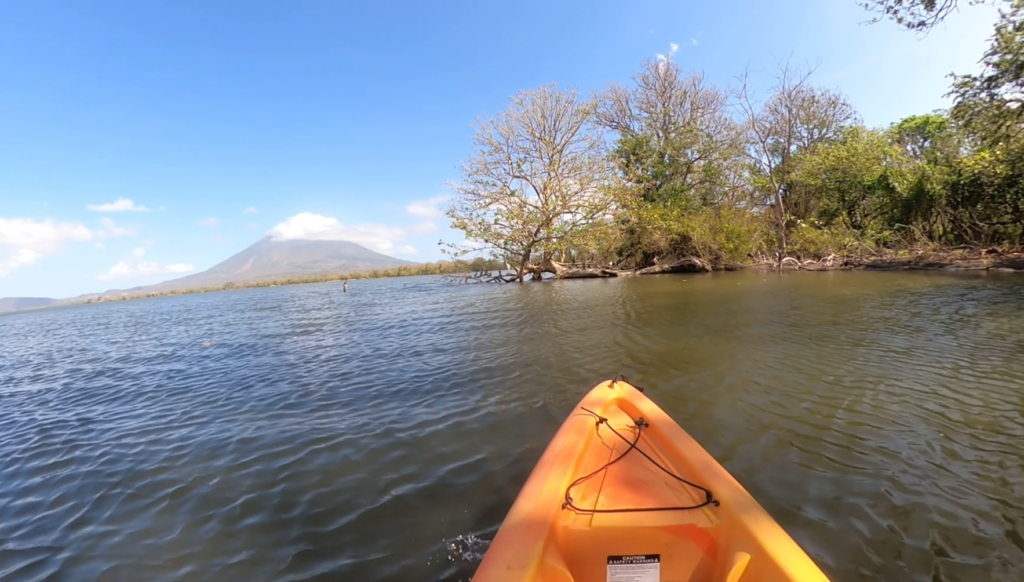
We booked with Caiman Tours Rio Istian (found them on Google Maps) for $10-15 per person for a 2-2.5 hour guided kayak tour. Worth every penny.
What we saw:
- A massive caiman sunbathing on a log (terrifying and awesome)
- Multiple troops of howler monkeys swinging directly overhead
- Bright blue kingfishers darting across the water
- White-faced capuchin monkeys
- Jesus Christ lizards running on water
- Countless tropical birds I couldn’t identify
The guide was incredible – spotting animals I would’ve completely missed and explaining the ecosystem. The wetlands feel completely untouched, with thick mangroves creating natural tunnels and mirror-like water reflecting everything.
Logistics:
- Book at least a day ahead (they run multiple tours daily)
- Bring binoculars if you have them
- Waterproof bag for camera/phone
- Sun protection (you’re exposed on the water)
- Insect repellent (mosquitoes around mangroves)
Important: Our guide tried upselling us on other tours (normal), including an ATV trip to San Ramón Falls. Politely decline if you’re not interested – they’re great kayak guides but the hard-sell can get annoying.
Best time is early morning (6-7 AM start) when wildlife is most active. We did an afternoon tour and still saw tons, but mornings are supposedly even better.
6. Playa Santo Domingo: Beach Between Volcanoes
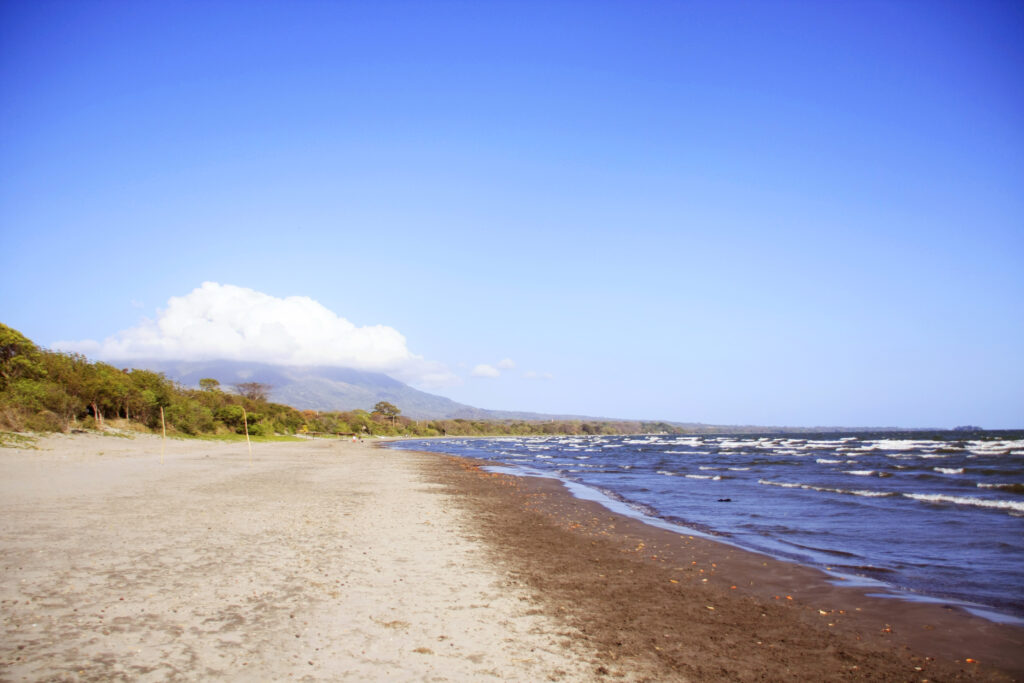
Playa Santo Domingo sits on the isthmus connecting the two volcanoes – meaning you get views of BOTH while lounging on black volcanic sand.
The beach itself is long, surprisingly pretty (for a lake), and almost always has a nice breeze. The sand gets scorching hot by midday (seriously, wear sandals), but the water is perfect for swimming.
What’s there:
- Multiple beachfront restaurants and bars
- Kayak and paddleboard rentals
- Volleyball nets
- Hammocks and beach chairs (usually free if you buy something)
Kitesurfing capital: The consistent winds make this a popular spot for kitesurfing. Several schools offer lessons ($40-60 for a 2-hour intro session).
We spent an entire afternoon here doing absolutely nothing, and it was glorious. Grabbed ceviche and cold Toña beers at one of the beach shacks, floated in the lake, napped in hammocks. Peak Ometepe Island experience.
Weekend warning: Gets crowded with local families on Saturdays and Sundays. Still enjoyable but loses that deserted-beach tranquility.
7. Punta Jesús María: Walking on Water
This narrow sandbar extends nearly a kilometer into Lake Nicaragua, and walking along it genuinely feels like walking on water – lake on both sides, volcanoes in the distance, absolutely surreal.
- Getting there: About 5km from Moyogalpa on a paved-then-dirt road. Easy to find on any map app.
The “beach” here is really just this long, thin strip of sand. During dry season when water levels are lower, it extends furthest. In rainy season, parts can be submerged.
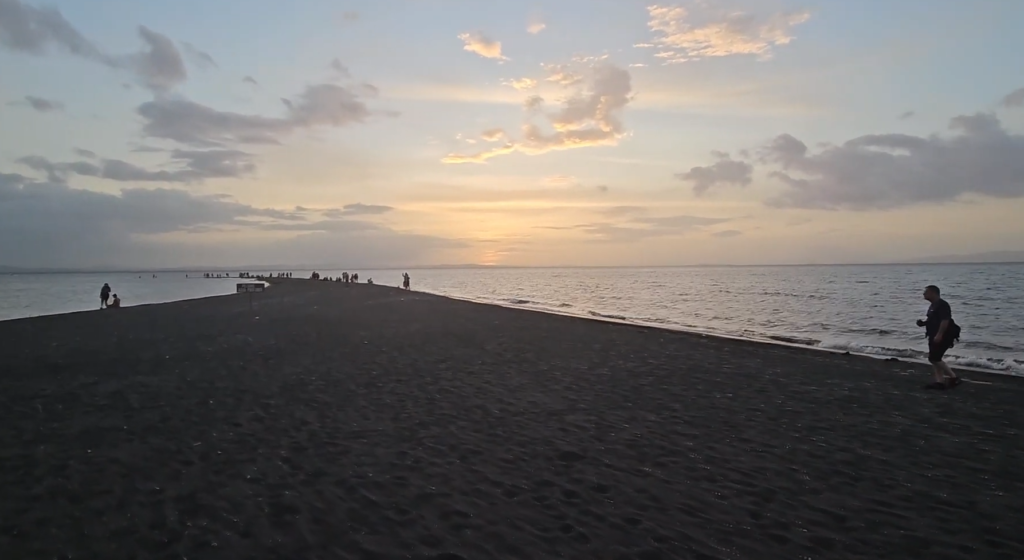
Best time: SUNSET. Hands down. The golden hour here with both volcanoes silhouetted is magical. We timed it perfectly and watched the sky turn every shade of pink and orange imaginable.
When we visited, a local festival was happening – food stalls, live music, families everywhere. Pure serendipity and gave us a window into local island life.
Pro tip: Bring sandals you can get wet. The sand is hot, and you’ll want to wade into the water.
8. Museum El Ceibo: Pre-Columbian History
If you have even a passing interest in archaeology, stop at Museum El Ceibo. This small but well-curated museum houses one of the best collections of pre-Columbian artifacts in Nicaragua.
- Entrance: $8 including a guided tour through both exhibition halls
The collection includes pottery dating back over 3,000 years, stone statues, petroglyphs, and relics from various indigenous groups that inhabited Ometepe Island centuries ago. The Ometepe period artifacts (1350-1550 AD) are particularly impressive.
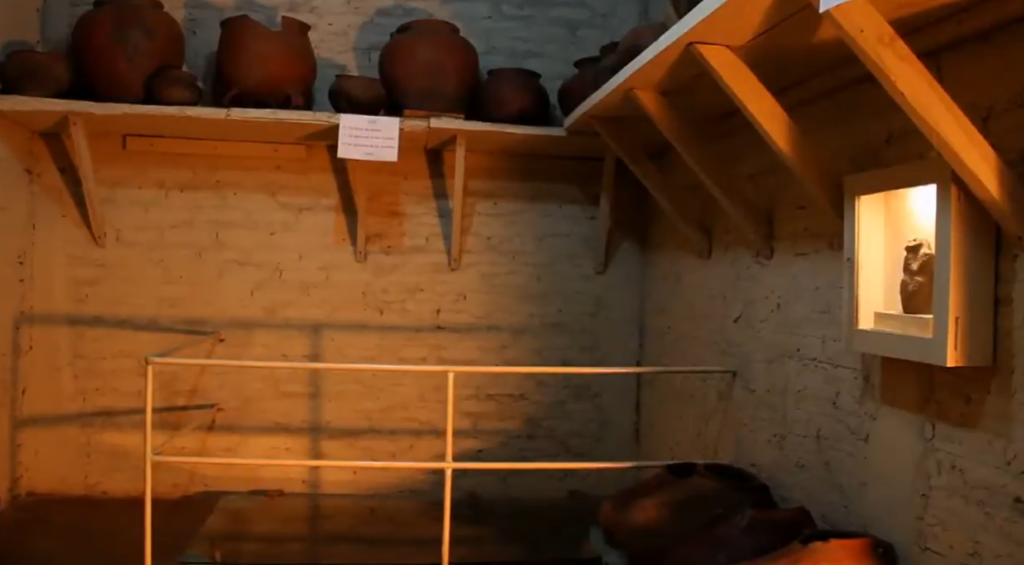
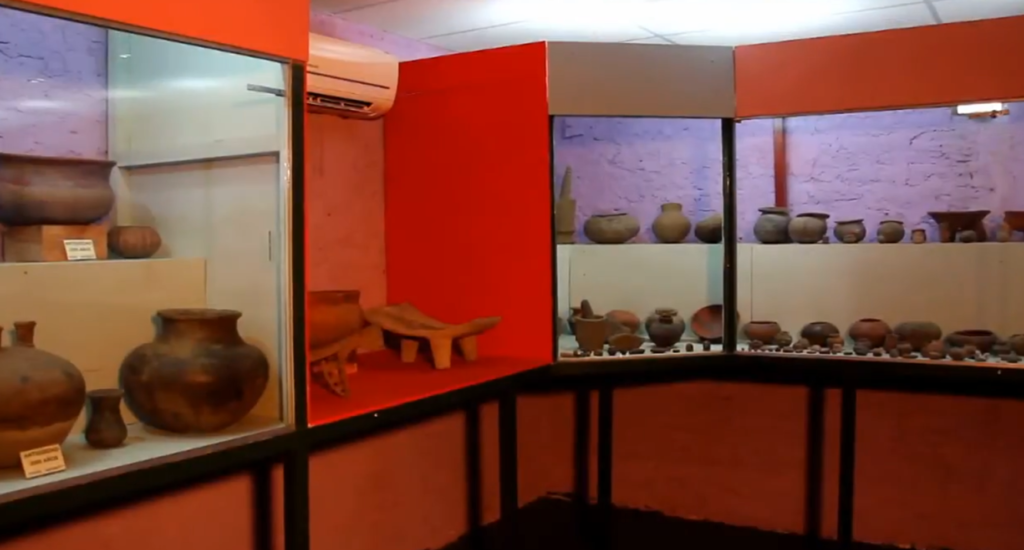
Our guide was passionate and knowledgeable, explaining the historical significance of each piece. The tour takes about 30-45 minutes, after which they offer samples of local liquors (which were… interesting).
Bonus: There’s also a small exhibit on Nicaragua’s currency history – surprisingly fascinating.
Honestly, it’s not the British Museum, but for a small island museum, the quality and preservation of artifacts is remarkable. If you’re driving between Moyogalpa and Balgüe, it’s an easy 30-minute stop.
9. El Pital Chocolate Paradise: Cacao and Chill
Tucked into the jungle on Maderas side, El Pital Chocolate Paradise is part organic cacao farm, part eco-lodge, part bohemian hangout – and it’s absolutely wonderful.
You can tour the small cacao plantation, learn the bean-to-bar chocolate-making process, and taste their creations. Tours cost around $3-5 and are totally worth it.
But honestly? Just come to hang out. The cafe serves excellent food, the chocolate drinks are incredible (try the rainbow cacao – it’s like drinking magic), and the hammocks overlooking Lake Nicaragua are prime relaxation territory.
They also offer yoga classes if that’s your thing. We just grabbed lunch, bought some chocolate bars to take home, and lounged for hours.
- Sustainability note: This is a community project focused on permaculture and eco-tourism. They use renewable energy and work directly with local farming families. Supporting them directly benefits the island community.
- Getting there: On a rough road near Balgüe. The drive is an adventure itself – bumpy as hell but doable on a motorbike or ATV.
10. Charco Verde Nature Reserve: Monkeys and Myths
This small nature reserve on the western shore has hiking trails around Laguna Charco Verde, forest paths, and lakefront areas perfect for spotting howler monkeys.
- Entrance: $2-3
The reserve is part of Hotel Charco Verde’s property, but you don’t have to be a guest to visit. Several short trails wind through the forest (the longest is maybe 2km), all clearly marked.
Reality check: Some online reviews rave about this place; others say it’s underwhelming and poorly maintained. My experience fell somewhere in the middle.
We saw several troops of howler monkeys (they’re LOUD – you’ll hear them before you see them), walked to a viewpoint called Mirador del Diablo with decent lake views, and explored the lagoon area. It took maybe 90 minutes total.
Is it worth a special trip? Probably not. But if you’re passing by or staying nearby, it’s a pleasant stop. The legend of the lagoon (ask locals about it – involves jealousy, murder, and a haunting) adds some mystique.
Better alternative: If wildlife is your priority, the Río Istián kayak tour offers better sightings in a more spectacular setting.
Where to Stay on Ometepe Island Nicaragua
Accommodation on Ometepe Island ranges from backpacker hostels to boutique eco-lodges. Your choice depends on which volcano you want to base yourself near.
Moyogalpa (Northwest – Concepción Side)
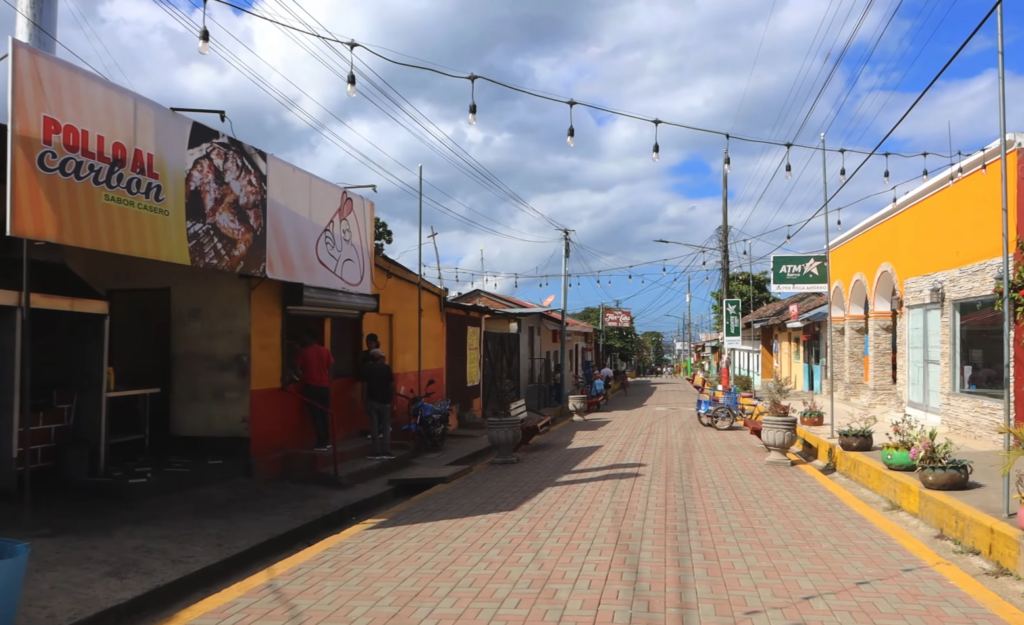
The main port town where most ferries dock. It’s the largest town on the island (though still tiny by any standard).
Pros:
- Easy ferry access
- Most transportation rental shops
- Better restaurant selection
- More “town” amenities (ATMs, pharmacies, etc.)
Cons:
- Least scenic part of the island
- Can feel a bit chaotic with ferry traffic
- Farther from best beaches and nature spots
- Budget pick: Hotel Ometepetl has clean rooms from $15-20, helpful staff, and you can literally walk from the ferry. Nothing fancy but solid backpacker choice.
- Mid-range: Several decent guesthouses in the $30-50 range line the streets behind the main strip.
Balgüe (Southeast – Maderas Side)
This tiny village on the slopes of Maderas is where I spent most of my time – and I’m convinced it’s the best area on Ometepe Island.
Why I loved Balgüe:
- Surrounded by lush nature
- Close to best activities (San Ramón Falls, petroglyphs, Maderas hike)
- More tranquil, “real island” vibe
- Home to El Pital Chocolate Paradise
- Better restaurants somehow
The trade-off: It’s farther from everything. You need reliable transportation to explore from here.
Where I stayed: Totoco Eco-Lodge – and I can’t recommend it enough. Bungalows with the most wild volcano views, infinity pool, onsite restaurant, and a genuine commitment to sustainability. Rooms run $40-80 depending on type.
Some toilets are dry compost (part of their eco-approach), which takes minor adjusting. The access road is properly rough. But waking up to Concepción looming outside your window? Worth every bump.
- Budget alternative: Finca Magdalena is a working farm with basic accommodations from $10-20. Rustic but authentic experience.
- Luxury pick: Hacienda Mérida consistently gets rave reviews. Beautiful property, pool, great food, rooms $60-120. If you want comfort without sacrificing the island experience, this is it.
Santo Domingo Beach Area (Central Isthmus)
If beach access is your priority, base yourself near Playa Santo Domingo.
- Best option: Villa Paraiso offers beachfront bungalows and a pool. Pricier ($70-100) but the location is unbeatable. Wake up, walk 30 seconds, you’re on the beach with views of both volcanoes.
- Mid-range: Several smaller hostels and guesthouses dot the area in the $20-40 range. Many have beach access or are a short walk away.
Santa Cruz Area
The southwestern area has some quirky, more secluded options.
Unique pick: Bamboo Garden offers luxury tents for an elevated glamping experience ($50-80). Not for everyone, but travelers I met who stayed there raved about it.
Booking Strategy
- High season (December-April): Book ahead, especially for nicer places in Balgüe. Everything fills up around Christmas and Easter.
- Low season: You can definitely roll up without reservations and find something. We found better deals negotiating in person during June.
- WiFi reality: Most places have WiFi, but it’s generally slow and spotty. If you need to work remotely, manage expectations. The island isn’t exactly digital-nomad infrastructure ready.
Where to Eat on Ometepe Island
Food on Ometepe Island Nicaragua is simple, fresh, and heavily focused on whatever’s growing locally (which is a LOT thanks to that volcanic soil).
Must-Try Spots
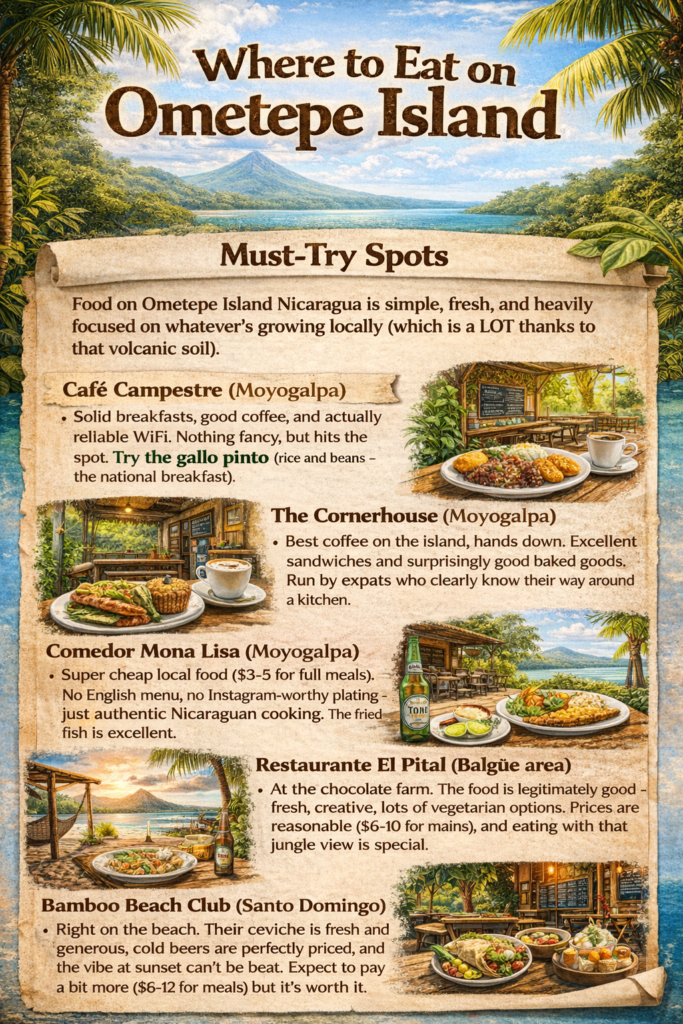
- Café Campestre (Moyogalpa): Solid breakfasts, good coffee, and actually reliable WiFi. Nothing fancy but hits the spot. Try the gallo pinto (rice and beans – the national breakfast).
- The Cornerhouse (Moyogalpa): Best coffee on the island, hands down. Excellent sandwiches and surprisingly good baked goods. Run by expats who clearly know their way around a kitchen.
- Comedor Mona Lisa (Moyogalpa): Super cheap local food ($3-5 for full meals). No English menu, no Instagram-worthy plating – just authentic Nicaraguan cooking. The fried fish is excellent.
- Restaurante El Pital (Balgüe area): At the chocolate farm. The food is legitimately good – fresh, creative, lots of vegetarian options. Prices are reasonable ($6-10 for mains), and eating with that jungle view is special.
- Bamboo Beach Club (Santo Domingo): Right on the beach. Their ceviche is fresh and generous, cold beers are perfectly priced, and the vibe at sunset can’t be beat. Expect to pay a bit more ($8-12 for meals) but it’s worth it.
- Café Olé (Balgüe): Tiny spot with incredible breakfast burritos and smoothie bowls. The owner is lovely, and the portions are huge.
Food Reality Check
Don’t come to Ometepe Island expecting diverse international cuisine or Michelin-level cooking. Most restaurants serve variations of chicken, fish, rice, beans, plantains, and fresh fruit.
But here’s the thing: the quality is generally high BECAUSE everything is so fresh and local. That mango in your smoothie was probably picked this morning. The fish was swimming in the lake yesterday. The coffee beans grew on the island.
Some tips:
- Many places close early (8-9 PM) – don’t wait until you’re starving
- Cash is king (very few places take cards)
- “Vegetarian” options exist but aren’t always clearly marked – just ask
- Portion sizes are often generous
- Service moves at island pace – relax and enjoy it
Grocery Stores
Both Moyogalpa and Altagracia have small supermarkets if you’re self-catering. Selection is limited but you’ll find basics. Several mini-marts scattered around the island sell snacks, water, and essentials.
Pro tip: Stock up on water before heading to remote areas. Staying hydrated in the heat is crucial, and not every place sells cold drinks.
Practical Tips for Visiting Ometepe Island
Money Matters
- ATMs: Available in Moyogalpa and Altagracia, but they run out of cash frequently (especially weekends and holidays). We found empty ATMs twice. Withdraw what you need as soon as you arrive.
- Credit cards: Rarely accepted outside of nicer hotels. Bring enough cash for your entire stay. This is very much a cash economy.
- Costs: Budget travelers can survive on $20-30/day including accommodation. Mid-range travelers will spend $50-75/day. The island is genuinely affordable.
Packing Essentials
After two weeks on Ometepe Island, here’s what I actually used:
Must-haves:
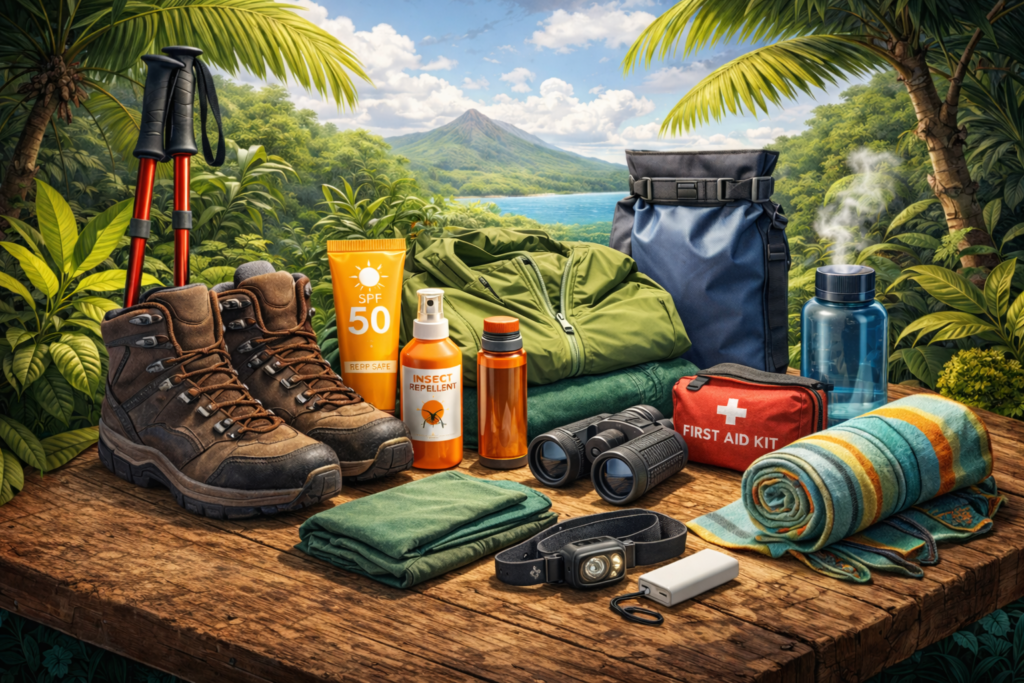
- Hiking boots (seriously, don’t skip this)
- Reef-safe sunscreen (you’ll burn otherwise)
- Bug spray with DEET (mosquitoes are aggressive)
- Reusable water bottle (you’ll drink liters daily)
- Headlamp (power outages happen, some areas have no streetlights)
- Rain jacket (even in dry season, occasional showers happen)
- First aid kit with blister treatment
- Quick-dry clothes
- Waterproof bag for electronics
Nice to have:
- Binoculars for wildlife
- Trekking poles for volcano hikes
- Sarong (beach, picnics, temple covers, emergency towel)
- Portable power bank (electricity can be inconsistent)
Leave at home:
- Fancy jewelry
- Expensive camera gear (unless you’re comfortable with risk)
- Heels or dress shoes
- Your expectations of 5-star luxury
Safety Real Talk
Ometepe Island Nicaragua is generally very safe. I never felt threatened, locals are incredibly friendly, and crime rates are low compared to mainland Nicaragua.
That said, use common sense:
What to watch for:
- Motorbike theft happens occasionally – use quality locks
- Petty theft from unlocked rooms – always lock up
- Don’t walk barefoot at night (scorpions, snakes exist)
- Watch your belongings at the beach
- Be cautious on dirt roads after dark
Things that freaked me out but were fine:
- The ferry looking like it might sink (it didn’t)
- Howler monkeys sounding like demons (they’re just loud)
- Concepción smoking slightly (it’s been doing this for years)
- Complete darkness in rural areas (bring a headlight)
Travel insurance: Get it. Medical facilities on the island are basic. Serious injuries require evacuation to Managua. One traveler I met got dirt in her eye while motorbike riding and needed hospital care in Rivas. Her insurance covered everything.
Phone and Internet
- Cell coverage: Works in towns and along main roads (Claro and Movistar are main carriers). Gets spotty in remote areas and on volcano trails.
- WiFi: Available at most accommodations and restaurants but almost universally slow. Streaming video is basically impossible. WhatsApp messages work fine. Video calls are hit-or-miss.
If you need to actually work, prepare for frustration. This is a place to disconnect.
Language
Spanish is essential. Very few locals speak English outside of tourist-oriented businesses. Learning basic phrases makes everything easier and gets you better interactions.
Critical phrases:
- “¿Cuánto cuesta?” (How much?)
- “¿Dónde está…?” (Where is…?)
- “No entiendo” (I don’t understand)
- “Una cerveza más, por favor” (One more beer, please – you’ll use this)
Most Ticos I met were incredibly patient with terrible Spanish and appreciated any effort.
Health Precautions

- Vaccinations: Hepatitis A and Typhoid are recommended. Yellow fever isn’t required or necessary for Nicaragua.
- Malaria/Dengue: Ometepe is in a malaria zone, though risk is relatively low. Dengue is the bigger concern. Use insect repellent religiously, especially dawn and dusk.
- Water: Don’t drink tap water. Bottled water is cheap and available everywhere. Brush teeth with bottled water too.
- Sun: The equatorial sun is no joke. I burned despite using SPF 50 because I didn’t reapply enough. Wear a hat, cover up during midday.
- Stomach issues: Bring anti-diarrheal medication just in case. Most travelers are fine, but the combination of new foods, heat, and different water can upset sensitive stomachs.
How Long Should You Stay on Ometepe Island?
This is the question everyone asks. Here’s my honest breakdown:
Minimum: 3 days (2 nights)
- Day 1: Arrive, get oriented, short activities like Ojo de Agua
- Day 2: One volcano hike OR combination of smaller activities
- Day 3: Beach time, departure
You’ll see highlights but feel rushed.
Sweet spot: 4-5 days (3-4 nights)
- Enough time to hike one or both volcanoes without killing yourself
- Actually relax and enjoy the island pace
- Explore multiple areas
- Have a proper beach day
- My recommendation for most travelers
Extended: 7-10 days This is what I did, and I regret nothing. You can:
- Hike both volcanoes with rest days between
- Take Spanish lessons
- Really explore by motorbike
- Form connections with locals
- Find your favorite swimming spots
- Work through that book you’ve been meaning to read
- Actually decompress
Living there: weeks+ Multiple travelers I met had arrived for “a few days” weeks earlier and kept extending. Ometepe Island has that effect. If you’re doing long-term Central America travel, it’s an excellent place to slow down.
Final Thoughts: Is Ometepe Island Nicaragua Worth It?
Here’s the truth: Ometepe Island isn’t for everyone.
If you need luxury hotels, reliable internet, diverse dining options, nightlife, or perfectly paved roads – this isn’t your place. If unpredictability stresses you out, if you need everything planned and confirmed, if you can’t handle heat and mosquitoes, maybe skip it.
But if you want somewhere that feels genuinely different? Where nature dominates and life moves at a human pace? Where you can climb an active volcano in the morning and swim in volcanic springs by afternoon? Also Where locals actually want to chat rather than just sell you stuff?
Ometepe Island Nicaragua delivers something increasingly rare in modern travel: authentic adventure without the Instagram tourism circus that’s consumed so many “secret” destinations.
Two weeks there reset my brain in ways a beach resort never could. I hiked until my legs screamed, swam in crystal-clear springs, watched sunsets that looked Photoshopped, and spent hours in hammocks doing absolutely nothing.
The island isn’t perfect. The roads are rough. The ferry is sketchy. You’ll get muddy and sweaty and possibly sunburned. But that’s exactly what makes it memorable.
- My final verdict: If you’re traveling through Nicaragua and skip Ometepe, you’re missing something special. It deserves those 4-5 days minimum. Maybe more.
Just don’t tell too many people. Let’s keep this one relatively quiet a bit longer.
FAQ About Ometepe Island
Yes, Ometepe Island is worth visiting for its twin volcanoes, nature, wildlife, and relaxed island atmosphere.
Take a ferry from San Jorge, Nicaragua to Moyogalpa or San José del Sur on Ometepe Island.
Hike the volcanoes, swim at Ojo de Agua, see petroglyphs, kayak, and explore local villages.
Hike the volcanoes, swim at Ojo de Agua, see petroglyphs, kayak, and explore local villages.
Hike the volcanoes, swim at Ojo de Agua, see petroglyphs, kayak, and explore local villages.