
Let me tell you something—I thought I knew Aruba. White sand beaches, crystal-clear water, endless piña coladas by the pool. That was my Aruba until a local friend looked at me one morning and said, “You haven’t really seen Aruba yet.” That’s how I ended up bouncing along a dusty trail in a UTV, heading into Arikok National Park Aruba. And honestly? It completely changed how I see this island.
Covering nearly 20% of Aruba, Arikok National Park is the side of the island most tourists miss—and that’s their loss. This isn’t manicured resort territory. This is raw, rugged, breathtaking wilderness. We’re talking ancient caves with petroglyphs that’ll give you goosebumps, limestone cliffs that drop dramatically into turquoise water, and hidden natural pools that feel like your own private slice of paradise.
After exploring every corner of this 7,907-acre wonderland, I’m convinced it’s the best thing you can do in Aruba. So grab a cold drink, get comfortable, and let me share everything you need to know about visiting Arikok National Park Aruba—from scoring tickets to choosing the perfect tour.
Table of Contents
What Makes Arikok National Park Special
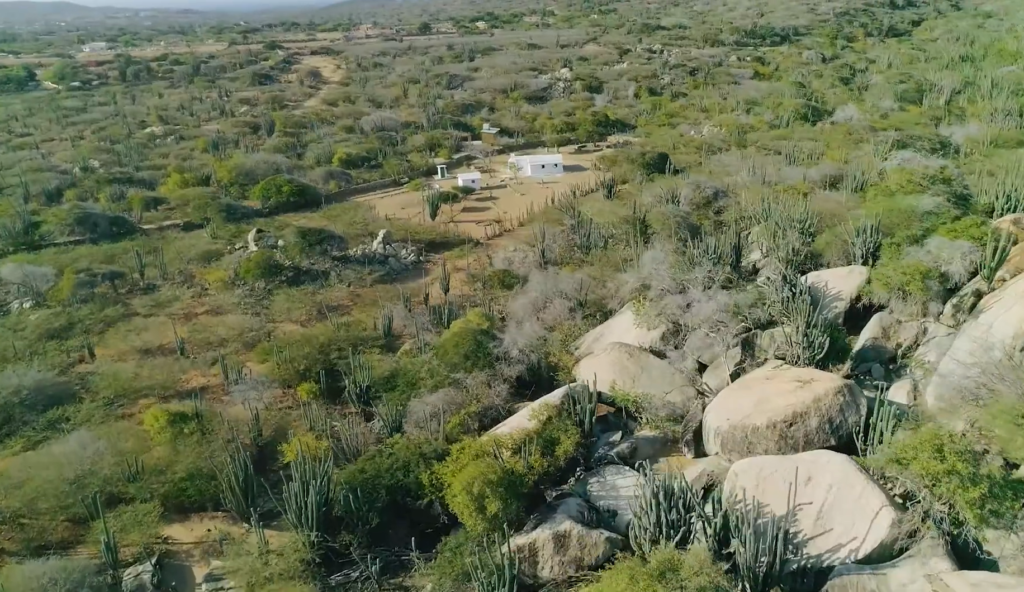
Arikok National Park Aruba isn’t just another tourist attraction—it’s a 7,907-acre (32 square kilometers) protected area that showcases the island’s authentic natural beauty. Established in 2000, the park preserves Aruba’s unique geological formations, indigenous flora and fauna, and important cultural heritage sites.
What struck me most during my first visit was how dramatically different the landscape is from the resort-lined beaches. Here, you’ll find:
- Dramatic limestone cliffs rising from turquoise waters
- Ancient caves with Arawak Indian petroglyphs
- Rugged desert terrain dotted with divi-divi trees bent by trade winds
- Secluded natural pools perfect for a refreshing dip
- Coastal hiking trails offering panoramic ocean views
The park represents three distinct geological formations: the limestone terrace in the north, volcanic formation in the middle, and the Batholith formation in the southeast. This diversity creates landscapes that feel almost otherworldly.
Getting Your Arikok National Park Tickets
Let’s talk practicalities. Arikok National Park tickets are straightforward and reasonably priced, especially considering what you’re getting access to.
Ticket Prices and Options
Current admission fees:
- Adults: $15 USD
- Children (ages 0-17): Free
- Annual pass: $50 USD (great value if you’re staying longer)
You can purchase your tickets at:
- The visitor center at the park entrance (San Fuego)
- Online through the official Arikok National Park Foundation website (recommended to skip lines)
- Through tour operators when booking guided experiences
Pro tip: Buy your tickets online before you arrive. During peak season (December through April), the entrance can get busy, and having your ticket ready saves precious exploration time.
The ticket includes access to all hiking trails, beaches, and attractions within the park. It’s valid for one full day, so plan to arrive early to maximize your experience.
What Your Ticket Supports
Your Arikok National Park tickets directly fund conservation efforts, trail maintenance, wildlife protection programs, and educational initiatives. It feels good knowing your visit helps preserve this incredible ecosystem for future generations.
Best Arikok National Park Aruba Tours
While you can absolutely explore independently, taking one of the Arikok National Park tours offers distinct advantages—especially if it’s your first visit. Knowledgeable guides share insights about the geology, history, and ecology that you’d otherwise miss.
Types of Tours Available
1. UTV/ATV Adventures
The most popular choice, and for good reason. These off-road adventures let you cover significant ground while having an absolute blast. We’ll dive deeper into these in the next section.
2. Guided Hiking Tours
Perfect for nature enthusiasts who want to learn about the park’s biodiversity. These typically last 3-4 hours and focus on specific trails like the Cunucu Arikok Trail or coastal routes.
3. Jeep Tours
Similar to UTV tours but more comfortable for those who prefer not to drive themselves. Great for families with younger children or visitors who want a more relaxed pace.
4. Private Tours
Want a personalized experience? Private Arikok National Park tours allow you to set your own pace and focus on your specific interests—whether that’s photography, bird watching, or geological formations.
5. Sunrise/Sunset Tours
These specialty tours time your visit for magical lighting. Watching the sun rise over the Boca Prins dunes or set behind the Natural Bridge ruins is unforgettable.
Choosing the Right Tour
Consider these factors:
- Physical fitness level – Some tours involve significant hiking
- Time available – Tours range from 3 hours to full-day adventures
- Group size preference – Small group or private?
- Interests – Nature, adventure, photography, or history?
- Budget – Prices typically range from $75 to $200+ per person
I personally recommend starting with a guided tour on your first visit. You’ll get oriented to the park layout, learn the history, and discover spots you might have missed exploring alone. Then, if you fall in love with the place (which you will), consider returning independently.
The Ultimate Aruba Arikok National Park UTV Tour Experience
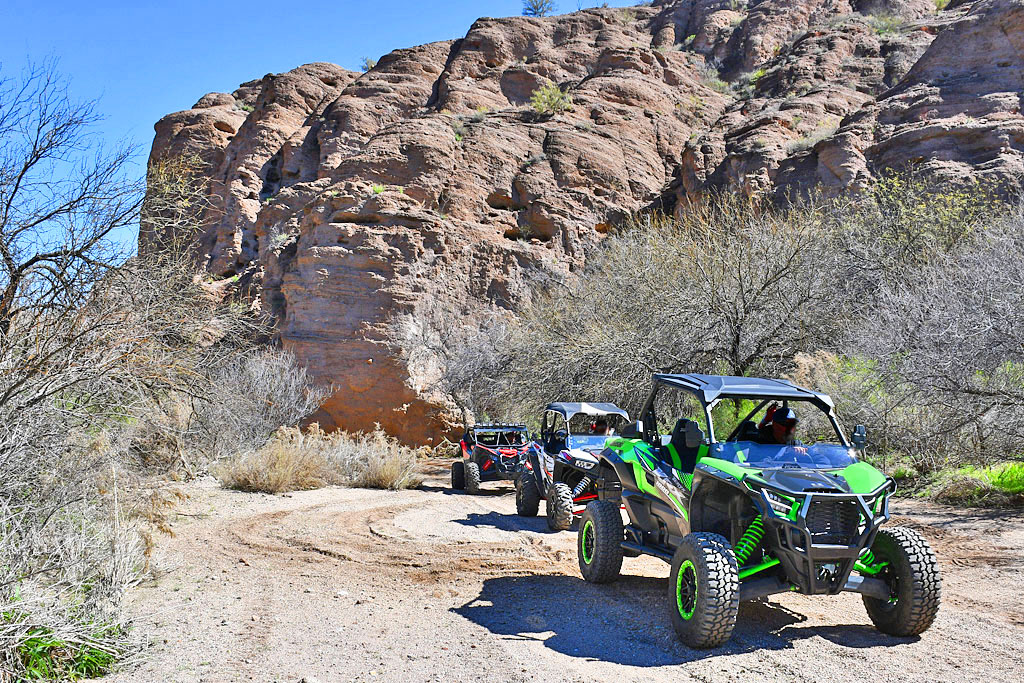
Okay, let’s talk about what many consider the highlight of visiting the park—the Aruba Arikok National Park UTV tour. This is adventure tourism at its finest.
Why Choose a UTV Tour?
UTVs (Utility Terrain Vehicles) are purpose-built for off-road exploration. Unlike regular vehicles, they handle the park’s rugged trails with ease while giving you that thrilling, wind-in-your-hair experience. Here’s why they’re so popular:
- Cover more ground – See multiple attractions in one tour (3-4 hours typically)
- Pure adventure – Navigating rocky trails and desert terrain is exhilarating
- Perfect for couples – Most UTVs seat two people
- Photo opportunities – Stop whenever something catches your eye
- No experience needed – Most tours provide brief training sessions
What to Expect on an Aruba Arikok National Park UTV Tour
Before you start:
- Safety briefing and equipment fitting (helmets, sometimes goggles)
- Quick driving tutorial on how to operate the UTV
- Assignment of your vehicle (driver must be 18+ with valid license)
During the tour: Your guide leads the convoy, stopping at key locations including:
- Natural Pool (Conchi) – A stunning rock formation creating a natural swimming hole
- Fontein Cave – Explore ancient limestone caves with indigenous petroglyphs
- Boca Prins – Dramatic sand dunes meeting the wild Atlantic coast
- Daimari Beach – Pristine, often-deserted beach perfect for photos
- Scenic viewpoints – Multiple stops for panoramic coastal views
The entire experience typically lasts 3-4 hours, covering approximately 20-25 miles through diverse terrain.
Choosing Your UTV Tour Operator
Not all Aruba Arikok National Park UTV tours are created equal. Here’s what to look for:
Safety record and equipment:
- Well-maintained UTVs (Polaris and Can-Am are popular brands)
- Quality safety gear provided
- Licensed, insured operators
- Good safety briefings
Tour quality:
- Knowledgeable, engaging guides
- Reasonable group sizes (smaller is better)
- Adequate time at each stop
- Water and sometimes snacks included
Reviews and reputation:
- Check TripAdvisor, Google reviews
- Look for consistent positive feedback
- Pay attention to comments about guide quality
Popular operators include:
- ABC Tours Aruba
- De Palm Tours
- Adventure Tours Aruba
- Aruba Off-Road Adventures
Price range: Expect to pay $120-180 per person for a quality 3-4 hour tour, including park entrance, equipment, and guide.
UTV Tour Tips from Personal Experience
Book early – These tours fill up quickly, especially during high season. Book at least a week in advance, or even earlier during December-March.
Dress appropriately:
- Closed-toe shoes (sneakers or hiking shoes)
- Clothes you don’t mind getting dusty
- Swimsuit under your clothes for the Natural Pool
- Long pants can help protect from dust and scratches
Bring:
- Sunscreen (reapply before starting)
- Sunglasses with strap
- Bandana or buff for dust protection
- Waterproof phone case
- Small backpack secured to the UTV
Pro tip: If you’re traveling with a partner, take turns driving and being passenger. The passenger gets better photos, while the driver has more fun!
Top Attractions Inside the Arikok National Park Aruba
Arikok National Park packs an incredible variety of natural wonders into its boundaries. Here are the must-see attractions:
Natural Pool (Conchi)
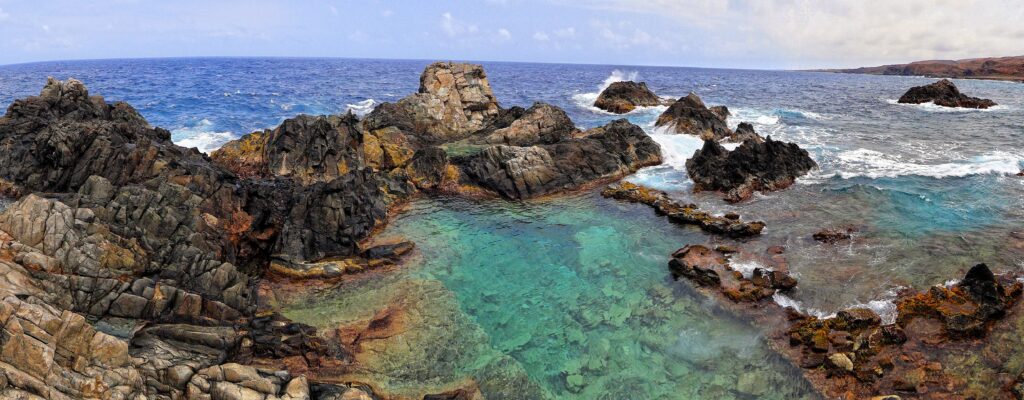
This is often the crown jewel of any visit. Conchi, or the Natural Pool, is a volcanic rock formation that creates a protected swimming area where you can safely enjoy the ocean despite the rough Atlantic surf pounding just feet away.
Getting there requires either a 4WD vehicle, UTV, or a challenging 1.5-hour hike. The journey is part of the adventure—you’ll traverse rocky trails with stunning coastal views.
Swimming tips:
- Visit early morning or late afternoon for fewer crowds
- Waves can be unpredictable; always be cautious
- Bring water shoes for the rocky bottom
- Don’t turn your back on the ocean
Fontein Cave
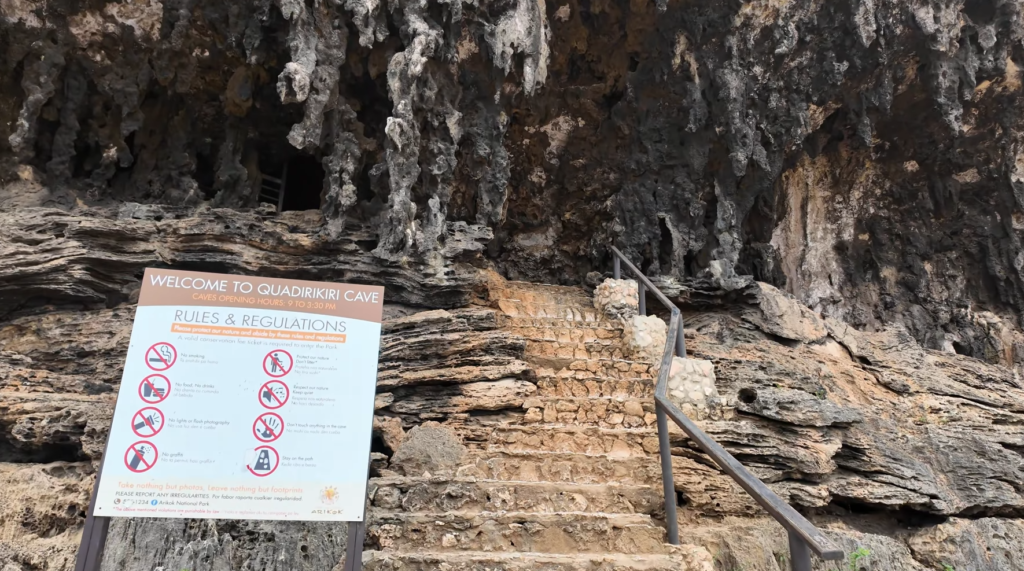
Step back in time at Fontein Cave, where you’ll find pre-Columbian Arawak Indian petroglyphs dating back centuries. The cave’s limestone formations are impressive, and the ancient drawings offer a tangible connection to Aruba’s indigenous inhabitants.
The cave stays naturally cool (a welcome relief from the island heat), and the mineral formations create interesting patterns on the walls. Your guide can point out the various petroglyphs and explain their significance.
Quadirikiri Cave
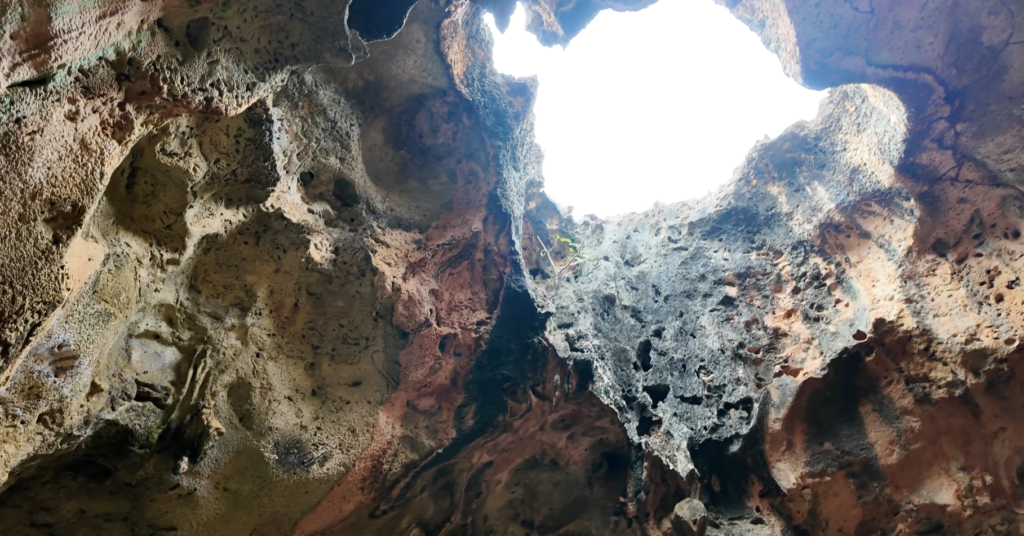
Another fascinating cave system, Quadirikiri Cave features two large chambers illuminated by natural light streaming through holes in the ceiling. The effect is magical—shafts of sunlight create spotlights on the cave floor, making it perfect for photography.
You might encounter the resident long-nose bats roosting in the darker areas. Don’t worry—they’re harmless and actually beneficial, feeding on insects.
Boca Prins
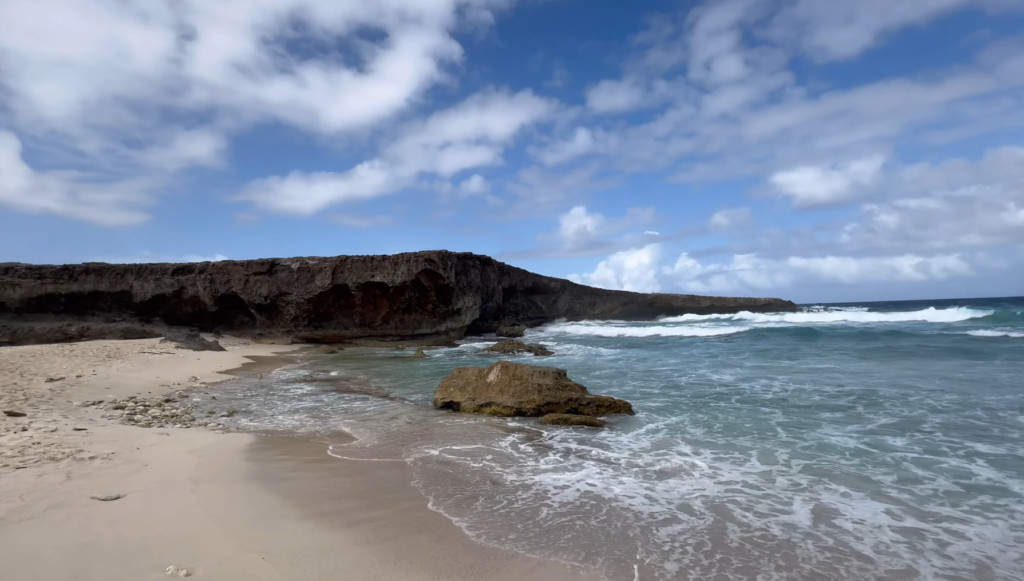
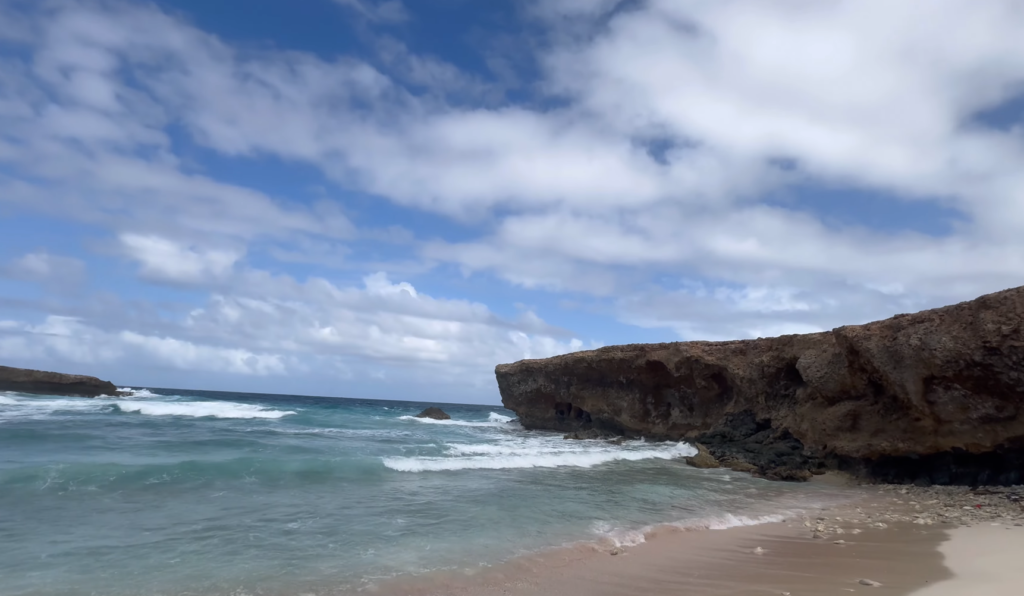
This is where Arikok National Park Aruba shows its wild side. Boca Prins features towering sand dunes meeting the turbulent Atlantic Ocean. The landscape feels almost Saharan, with rolling dunes contrasting against the turquoise water.
The powerful waves make swimming dangerous here, but the views are spectacular. Climb to the top of the dunes for panoramic vistas—just remember it’s easier going up than coming down through the soft sand!
Natural Bridge Ruins
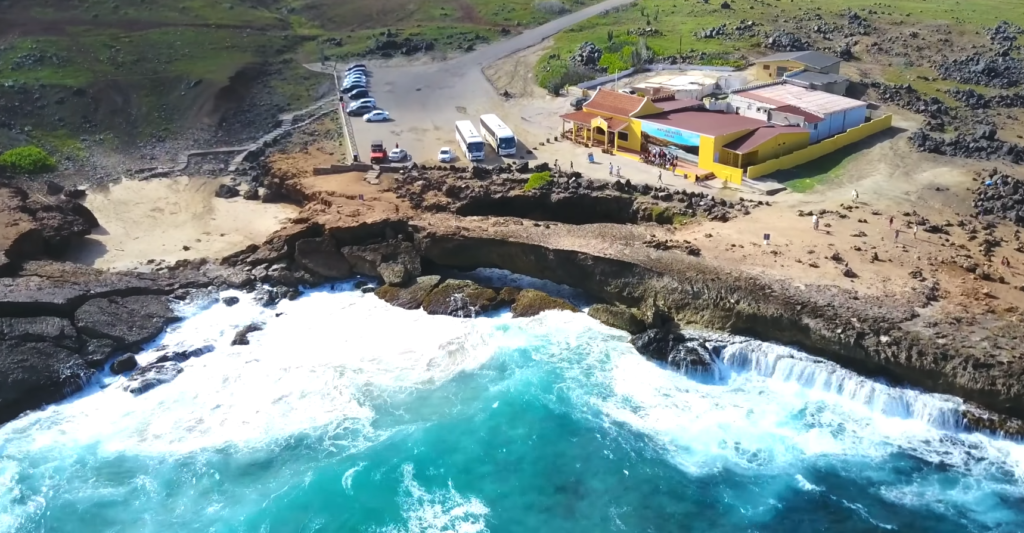
While the iconic Natural Bridge collapsed in 2005, the ruins remain impressive and the site still draws visitors. The smaller Baby Bridge nearby is still intact and offers great photo opportunities.
The coastal scenery here is dramatic—waves crash against the limestone cliffs, creating plumes of spray. It’s a reminder of nature’s power and the ever-changing landscape.
Dos Playa
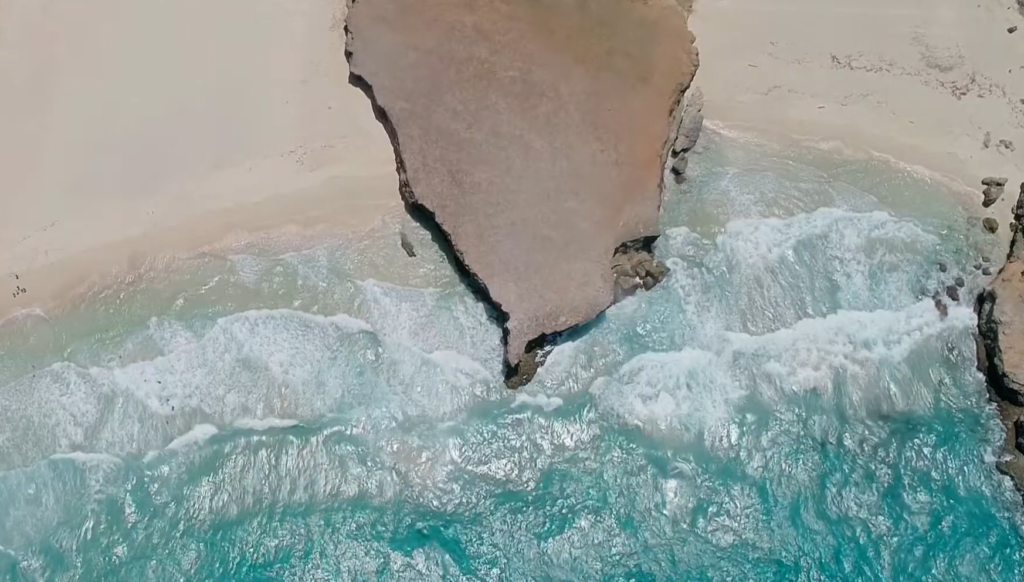
Two pristine beaches separated by rolling hills, Dos Playa offers a serene escape. The beaches are more suitable for walking and tide-pool exploration than swimming due to the strong currents, but they’re perfect for a quiet picnic or beach combing.
Sea turtles nest here during season (March-September), making it an important conservation area.
Cunucu Arikok
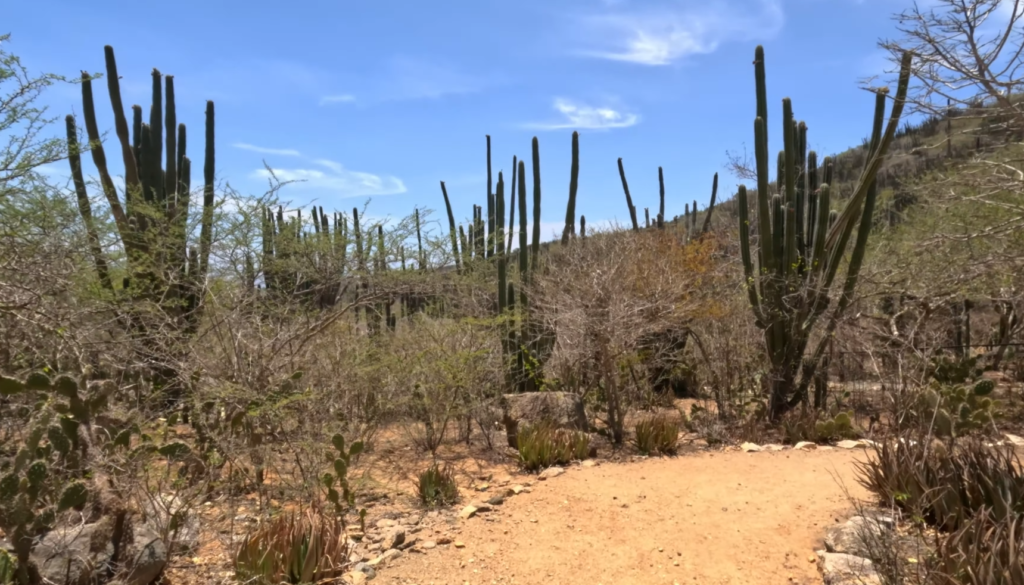
This traditional Aruban farmstead has been restored to show how locals lived in the past. You’ll see the old cunucu house (countryside dwelling), outdoor kitchen, and learn about traditional building techniques using natural materials.
It’s a nice cultural counterpoint to all the natural attractions and helps understand Aruba’s heritage.
Miralamar
One of the highest points in the park, Miralamar offers sweeping views across the island’s interior. The climb is moderate but rewarding, especially at sunset when the light paints the landscape in golden hues.
Wildlife and Flora You’ll Encounter
Arikok National Park is a biodiversity hotspot, home to species found nowhere else on Earth. Keep your eyes open for:
Birds
- Burrowing Owl (Shoco) – Aruba’s national symbol, these adorable owls nest in the ground
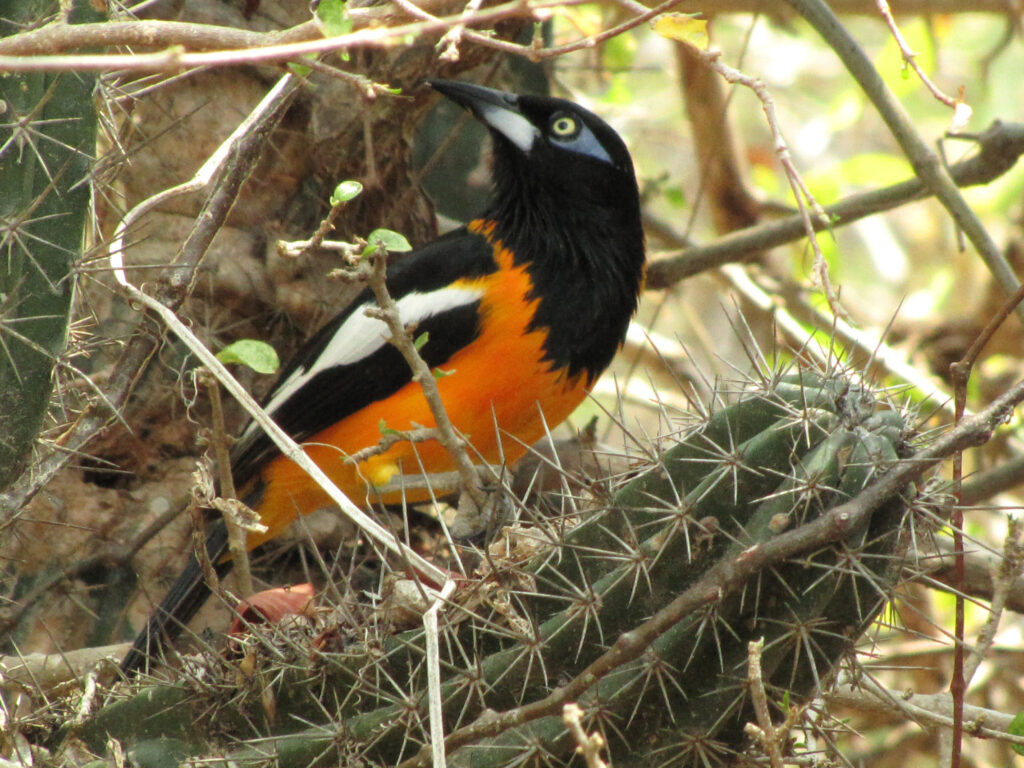
- Troupial – The national bird, with striking orange and black plumage
- Parakeets – Flocks often seen in the early morning
- Brown-throated Parakeet – Endemic subspecies
Reptiles
- Aruban Whiptail Lizard – Blue-tailed beauties found throughout the park
- Iguanas – Both green and black varieties basking on rocks
- Various gecko species – More visible at dusk
Mammals
- Long-nosed Bats – Cave residents
- Feral donkeys – Descendants of working animals, now roaming free
- Feral goats – Often spotted on hillsides
Flora
- Divi-divi trees – Iconic wind-sculpted trees pointing southwest
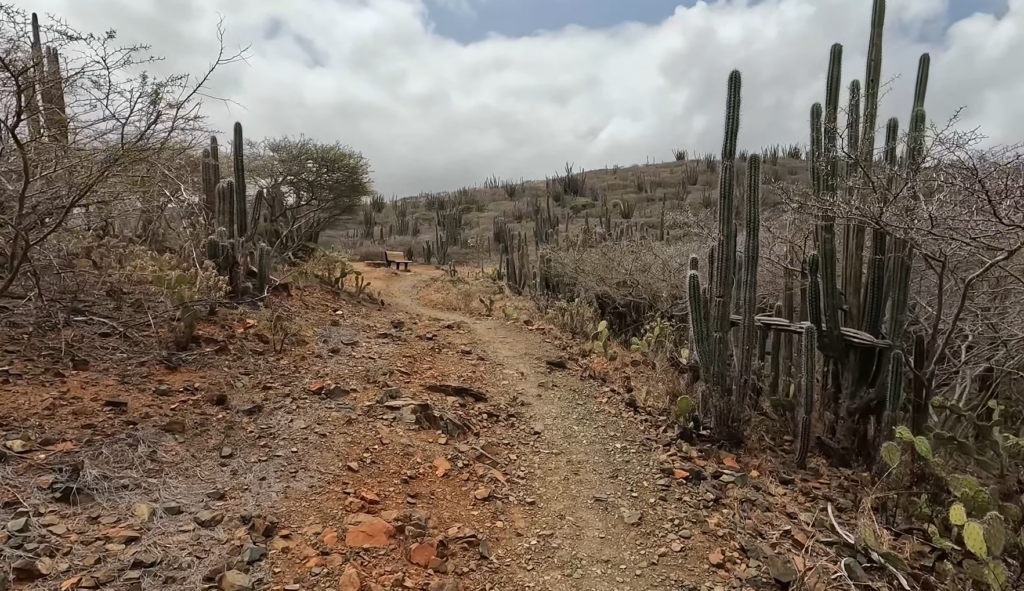
- Cacti – Multiple species including columnar cacti and prickly pear
- Aloe vera – Growing wild throughout the park
- Kibrahacha trees – Covered in yellow blooms during flowering season
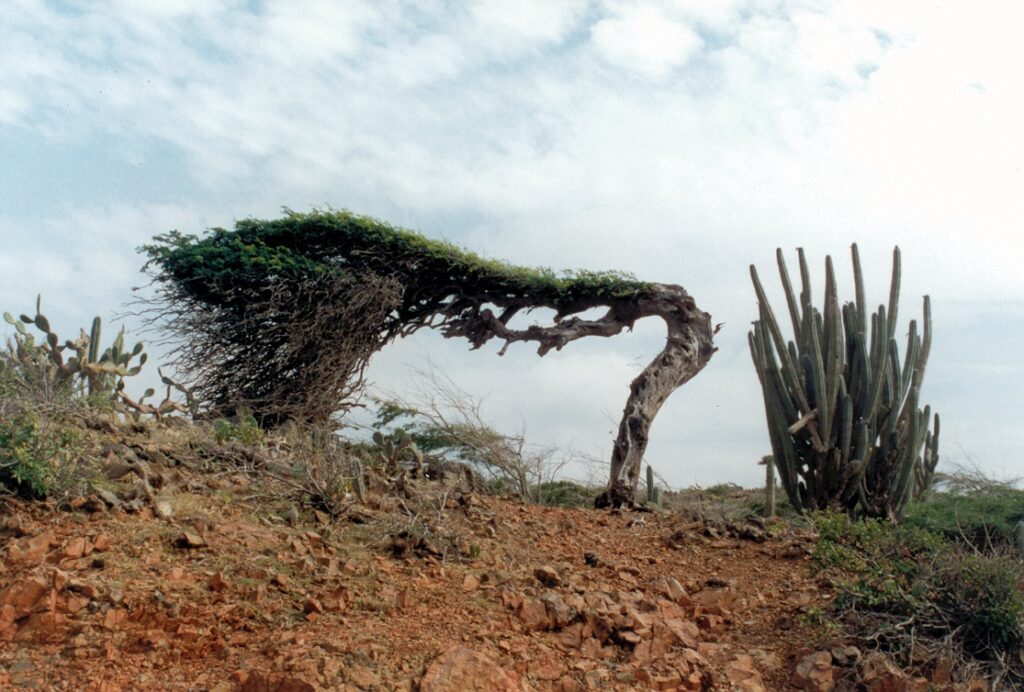
The park represents one of the best-preserved examples of Caribbean xeric scrubland, making it valuable for ecological research and conservation.
Best Time to Visit Arikok National Park Aruba
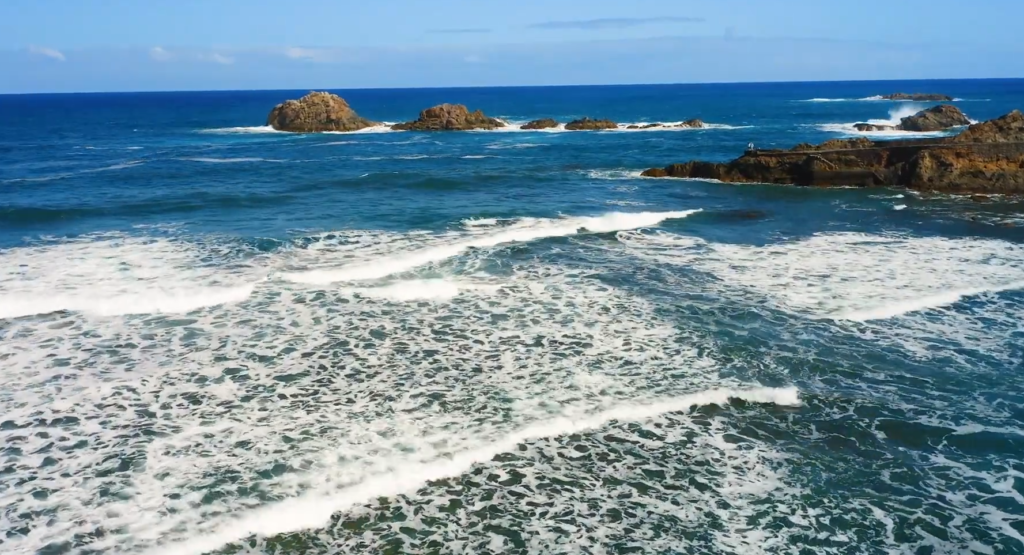
Arikok National Park Aruba is accessible year-round, but timing matters for the optimal experience:
Peak Season (December – April)
Pros:
- Perfect weather—warm, dry, comfortable
- All tours operating at full schedule
- Best conditions for photography
Cons:
- Larger crowds, especially at popular spots
- Higher tour prices
- Need to book further in advance
Off-Season (May – November)
Pros:
- Fewer visitors, more solitude
- Lower prices on tours
- Easier to book last-minute
Cons:
- Higher chance of rain (though Aruba is still dry by Caribbean standards)
- Some tour operators may have reduced schedules
- Can be hotter and more humid
Best Times of Day
- Early morning (8-10am) – Cooler temperatures, best lighting, fewer crowds
- Late afternoon (3-5pm) – Beautiful golden hour light, temperatures cooling
- Avoid midday – Hottest temperatures, harsh light for photography
My recommendation: Visit during shoulder season (April-May or November) for the best balance of good weather and fewer crowds. If visiting during peak season, book your Arikok National Park tours well in advance and aim for early morning starts.
What to Bring to Visit Arikok National Park, Aruba

Don’t let poor planning ruin your Arikok National Park adventure. Here’s your comprehensive packing list:
Essentials
- Plenty of water (at least 2 liters per person)
- Sunscreen (SPF 50+, reef-safe preferred)
- Hat or cap with brim
- Sunglasses with UV protection
- Closed-toe shoes (hiking shoes or sturdy sneakers)
- Cash (some vendors don’t accept cards)
Recommended
- Swimsuit (wear under clothes for Natural Pool)
- Quick-dry towel
- Light backpack
- Snacks (energy bars, fruit)
- First aid kit (bandages, pain relievers)
- Insect repellent
- Waterproof phone case or bag
- Camera with extra batteries
- Portable phone charger
For UTV Tours Specifically
- Bandana or buff (dust protection)
- Long, lightweight pants (optional but helpful)
- Secure bag that can be strapped down
- Wet wipes or hand sanitizer
Don’t Bring
- Valuables you don’t need
- Loose items that could blow away
- Heavy backpacks
- Expensive jewelry
Safety Tips and Important Information About Arikok National Park, Aruba
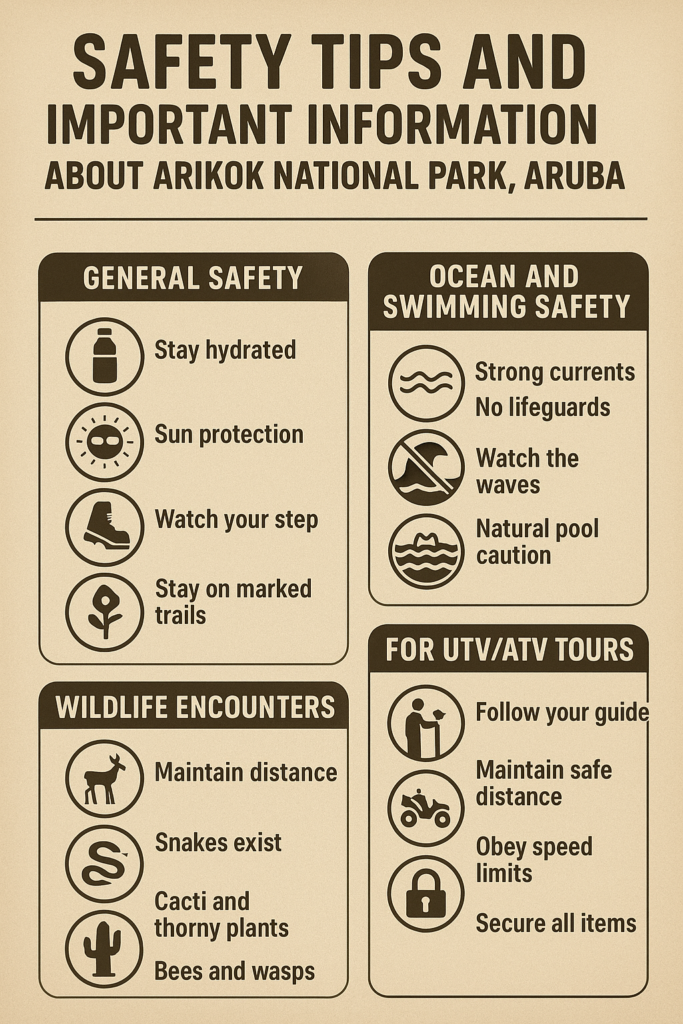
Keep these safety considerations in mind for Arikok National Park Aruba:
General Safety
- Stay hydrated – The arid climate is deceptive; drink water constantly
- Sun protection – Reapply sunscreen every 2 hours
- Watch your step – Rocky terrain, loose stones, cacti
- Stay on marked trails – Prevents erosion and protects wildlife
- Check weather – Flash floods can occur during heavy rain
- Tell someone your plans if hiking independently
Ocean and Swimming Safety
- Strong currents – Many areas unsuitable for swimming
- No lifeguards – You’re responsible for your own safety
- Watch the waves – Never turn your back on the ocean
- Natural Pool caution – Waves can surge unexpectedly
Wildlife Encounters
- Maintain distance – Don’t approach or feed animals
- Snakes exist but are rarely seen and non-venomous
- Cacti and thorny plants – Watch where you sit and step
- Bees and wasps – Present but generally non-aggressive
For UTV/ATV Tours
- Follow your guide – Stay in formation
- Maintain safe distance – From vehicle ahead
- Obey speed limits – Safety over thrills
- Secure all items – Cameras, phones, bags
Emergency Information
- Park Ranger Station: +297 585-1234
- Emergency Services: 911
- Nearest Hospital: Dr. Horacio Oduber Hospital in Oranjestad
The park has cell coverage in most areas, but some remote spots may have spotty service.
Final Thoughts: Why Arikok National Park Is Unmissable
After everything I’ve shared, I hope you’re as excited about Arikok National Park Aruba as I am. This isn’t just a park—it’s the soul of Aruba, showcasing the island’s raw, untamed beauty that exists beyond the resort bubble.
Whether you choose an adventurous Aruba Arikok National Park UTV tour, a guided hike, or independent exploration, you’re in for an experience that’ll become a highlight of your Aruba vacation. The combination of geological diversity, cultural heritage, unique wildlife, and stunning coastal scenery creates something truly special.
My personal recommendation: Start with a morning Arikok National Park tour that includes the major highlights and Natural Pool. This gives you orientation and context. If you have more time, return on another day to explore trails independently or focus on areas that particularly captivated you.
Don’t forget to purchase your Arikok National Park tickets in advance, pack smart, and bring an adventurous spirit. This is the Aruba experience that’ll have you planning your return trip before you even leave.
The park represents more than tourism—it’s conservation in action, preserving Aruba’s natural heritage for future generations. Your visit supports this vital work while creating memories that’ll last a lifetime.
So grab your hiking shoes, charge your camera, slather on that sunscreen, and get ready to discover the wild side of Aruba. Arikok National Park is waiting, and trust me—it won’t disappoint.
Ready to book your adventure? Visit the official Arikok National Park Foundation website or contact reputable tour operators directly. The adventure of a lifetime is just a ticket away!
Frequently Asked Questions About Arikok National Park Aruba
Yes! It’s Aruba’s top natural attraction with caves, hiking trails, natural pools, and stunning desert landscapes—a must-see if you want to experience the island’s wild side.
Hike scenic trails, explore ancient caves with petroglyphs, swim at the Natural Pool (Conchi), spot unique wildlife, and enjoy panoramic coastal views.
Arikok National Park is in northeastern Aruba, about 30 minutes from Palm Beach. It covers roughly 20% of the island.
Aruba is famous for white-sand beaches, turquoise waters, year-round sunshine, being outside the hurricane belt, and its friendly atmosphere.
Not required, but recommended. Some areas need a 4×4 vehicle, and guides help you find hidden spots and explain the park’s history better.