Home » Destinations » North America » United States » Portland, Maine: The Complete Travel Guide

Portland, Maine: The Complete Travel Guide

by World Travel Eye
Published: Updated:

Imagine walking down cobblestone streets where the salty ocean breeze mixes with the aroma of fresh lobster rolls and artisan coffee. Welcome to Portland, Maine—a city where maritime heritage meets modern culinary innovation, where historic lighthouses stand guard over working harbors, and where every corner reveals another reason why this coastal gem has become one of America’s most beloved travel destinations.

As someone who has explored countless coastal cities, I can tell you that Portland offers something truly special. This isn’t just another New England town; it’s a place where you can watch fishing boats unload their catch in the morning, enjoy a world-class meal at lunch, explore 19th-century architecture in the afternoon, and end your day with craft beer at one of the nation’s best breweries—all within walking distance.

Table of Contents

Why Portland, Maine Should Be Your Next Destination

Portland Maine holds the position as America’s leading travel destination because of its authentic attractions. The city of Portland contains 70,000 people within its borders while the surrounding metropolitan area has more than 550,000 residents. The city of Portland offers an excellent combination between its quaint small-town atmosphere and its contemporary urban features.

Portland keeps its genuine character which makes it different from all other cities. The city maintains its authentic nature because lobster fishermen continue their work at dawn and fishermen continue to sell their fresh catches at the docks. The city attracts James Beard Award-winning chefs who create outstanding food while its craft breweries operate as some of the top beer producers in America.

city functions as a global food destination which provides outstanding dining experiences that exceed its expected population growth. Food & Wine magazine has multiple times named Portland as one of America’s top food cities because of its exceptional dining options. The city contains more than 250 restaurants which range from basic lobster restaurants to upscale dining establishments.

Portland Maine Downtown wide picture

Planning Your Portland Maine Visit

Best Time to Visit Portland Maine

Choosing when to visit Portland Maine can make or break your trip. Here’s what each season offers:

Summer (June-August): Peak Season

  • Summer is the best time to visit Portland Maine for good reason. Temperatures hover in the comfortable 70s-80s°F, perfect for exploring without overheating. You’ll experience the Maine everyone dreams about—lobster rolls on sunny patios, ferry trips to islands, and long days exploring the Old Port in shorts and t-shirts.
  • The catch? Crowds and prices peak too. Hotels run $250-400+ per night, and popular restaurants need advance reservations. But most visitors find the vibrant atmosphere worth it.

Fall (September-October): The Sweet Spot

  • Many locals call fall the absolute best time to visit Portland. You get comfortable 50s-70s°F weather, gorgeous autumn colors, and fewer crowds. Even better—this is peak lobster season, with the freshest seafood at restaurants citywide.
  • By late September, summer tourists leave but great weather continues into October. You’ll snag restaurant tables easier and pay 20-30% less for hotels. Pack layers for cool evenings.

Spring (April-May): Budget-Friendly

  • Spring in Portland offers the lowest prices but unpredictable weather. You might get sunny 60-degree days or chilly rain. Hotels cost 40-50% less than summer, and you’ll have attractions mostly to yourself.
  • If you pack rain gear and stay flexible, spring delivers authentic Portland without tourist crowds.

Winter (November-March): Cozy Charm

  • Winter brings teens-40s°F temperatures and occasional snow, but don’t overlook it. The holiday season (November-December) transforms Portland Maine into a twinkling wonderland with festivals like the Sparkle Celebration.
  • January-March offers rock-bottom prices and cozy restaurant vibes. Perfect for budget travelers who enjoy craft beer by the fireplace while snow falls outside.

Getting to Portland Maine

Getting Around Portland

The ability to walk through Portland streets stands as one of the city’s most valuable features. Visitors can explore the entire downtown area including Old Port and Arts District through walking since the streets are designed for pedestrian travel. All main attractions and businesses are located within a 20-block radius which allows visitors to explore the area without needing a vehicle.

  • Walking: The best way to experience Portland is on foot. Visitors need to wear comfortable walking shoes because they will need them to navigate the historic cobblestone streets of the Old Port.
  • MetroBus: The public transportation system of Portland operates throughout the city at affordable prices. The METRO breez rapid transit system operates between downtown Portland and important locations throughout the city.
  • Biking: Portland provides its residents with bike-friendly roads and the Eastern Promenade Trail which offers beautiful views. Local shops offer bicycle rentals which enable visitors to discover both waterfront areas and residential districts.
  • Parking: Visitors who bring their cars can use the Fore Street Garage and Temple Street Garage which provide both short-term and extended parking options. The parking system operates through metered street spaces which enforce time restrictions.
Exploring Portland’s Neighborhoods

Understanding Portland’s distinct neighborhoods helps you plan your visit and choose where to stay. Each area has its own character and attractions.

Old Port Historic District

Portland Maine Old Port Historic District
drew_410

The Old Port functions as Portland’s central hub which welcomes most first-time visitors to the city. The historic waterfront district maintains its 19th-century architectural charm through its cobblestone streets and its dense collection of shops and restaurants and galleries.

The Old Port area extends from Commercial Street which runs along the waterfront up to Congress Street and from Union Street to Franklin Street. The Victorian-era brick buildings in the Old Port district emerged after the Great Fire of 1866 destroyed Portland which led to the construction of this historic waterfront area.

The Old Port area becomes an active space during daytime hours when visitors visit Sherman’s bookstore and explore local stores and spend time at neighborhood coffee shops. The neighborhood achieves its highest level of activity when restaurants unveil their outdoor dining spaces and bars begin serving patrons. The area contains multiple top-rated seafood restaurants which provide both basic lobster roll eateries and sophisticated Maine dining establishments.

The waterfront Commercial Street provides waterfront views of working fishing boats and ferry services to Casco Bay islands. The main street of Exchange Street runs through the district with its combination of restaurants and shops and nightlife establishments.

Portland Maine Arts District
Portland Maine Arts District

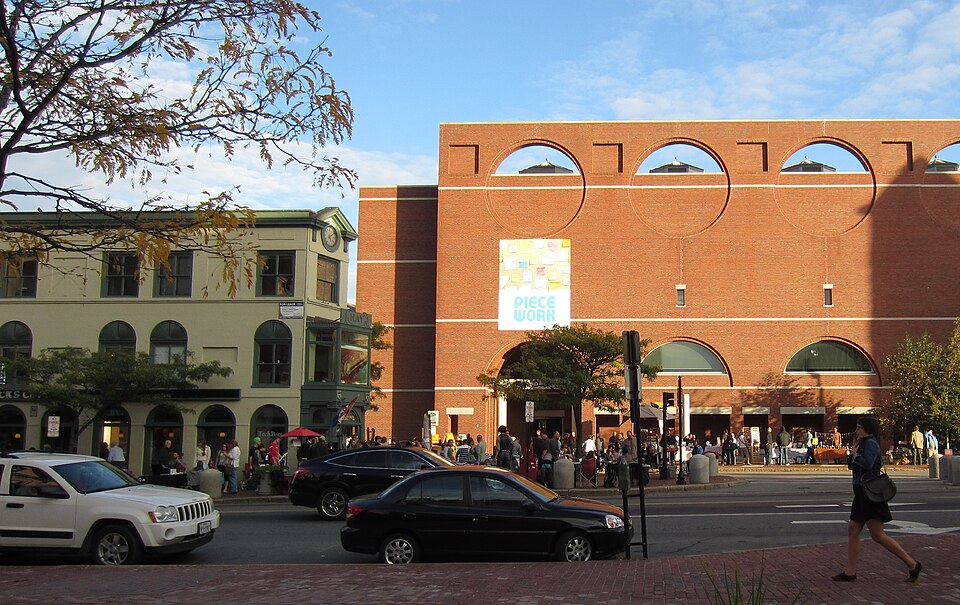
Just west of the Old Port, Portland’s Arts District centers around Congress Street and showcases the city’s cultural side. This neighborhood hosts the majority of Portland’s museums, theaters, and galleries.

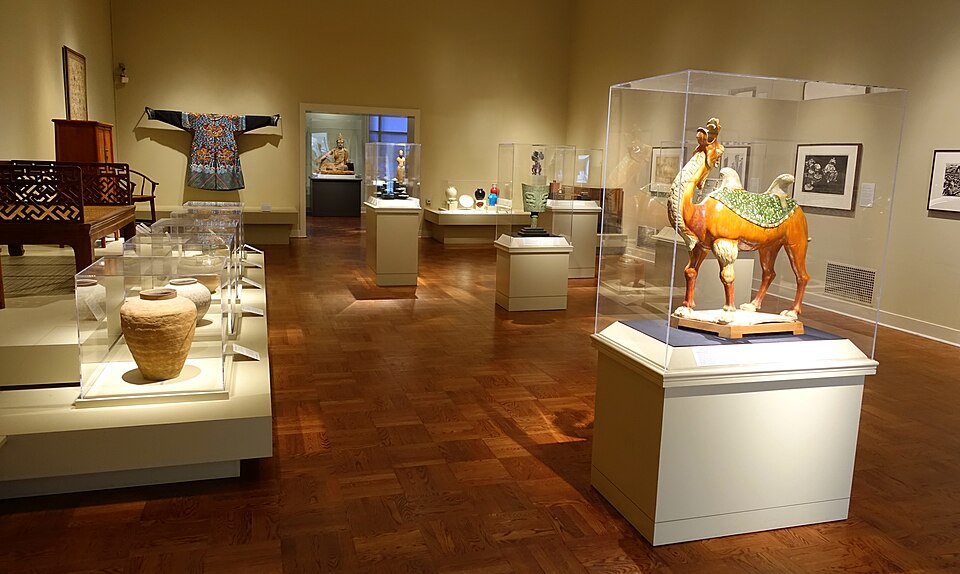
The Portland Museum of Art anchors the district, displaying impressive collections spanning three centuries. The nearby Maine College of Art adds youthful creative energy, while numerous small galleries showcase local artists’ work.

The Arts District comes especially alive during First Friday Art Walk (held the first Friday of each month), when galleries open their doors late, artists demonstrate their techniques, and the street fills with art enthusiasts.

This neighborhood also offers excellent dining options, typically with slightly less tourist foot traffic than the Old Port. You’ll find a mix of upscale restaurants, ethnic cuisine, and casual eateries, along with some of Portland’s best coffee shops.

East End and Munjoy Hill

Portland Maine Arts District East End and Munjoy Hill
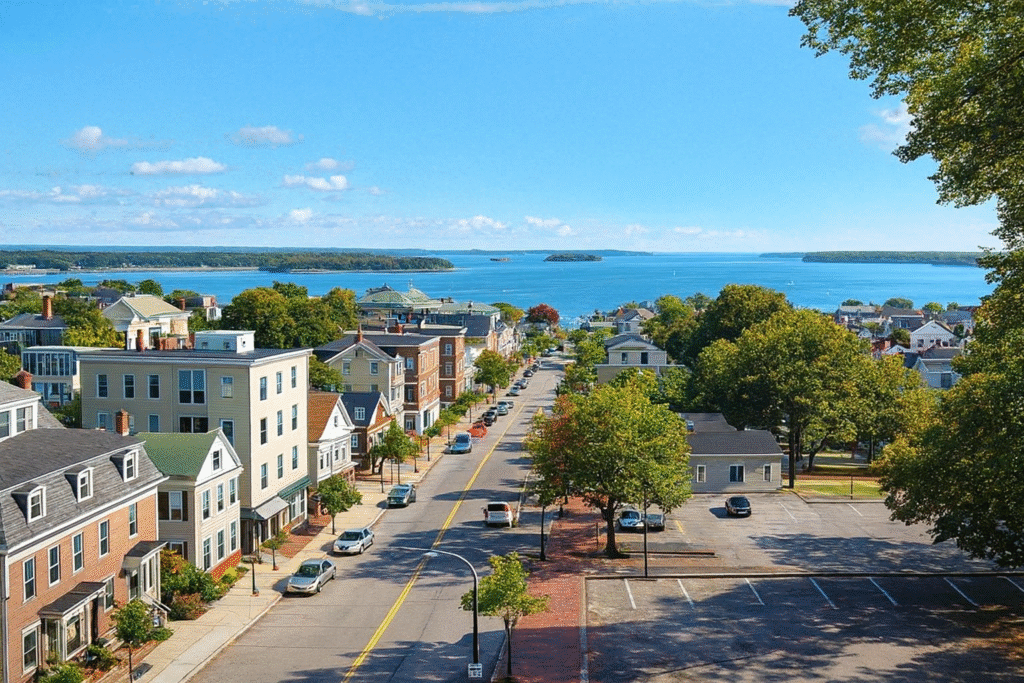
The East End and Munjoy Hill neighborhoods offer residents a residential experience which centers on neighborhood-based activities. The residential areas located east of the Old Port show how Portlanders live through their tree-lined streets and Victorian homes and their neighborhood restaurants that serve local residents.

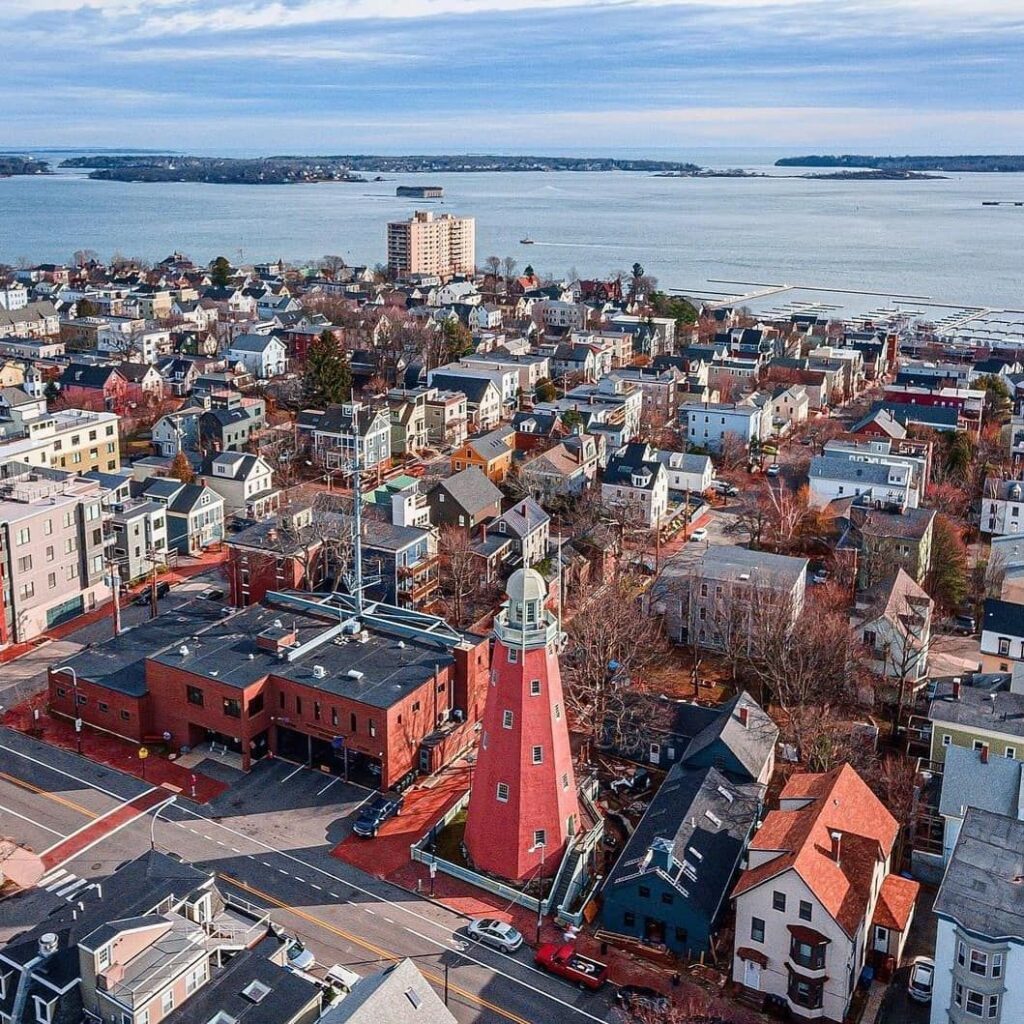
The eastern tip of Munjoy Hill provides visitors with breathtaking views through the Eastern Promenade. The Portland Observatory functions as the last surviving historic maritime signal tower from 1807 while offering visitors panoramic views of Portland and its harbor.

The neighborhood underwent major gentrification through the last few decades which attracted professional workers and artists as new residents. The neighborhood features local restaurants and coffee shops which residents love but visitors have not discovered yet. The East End Beach offers a tiny sandy area for swimming although visitors need to be willing to face Maine’s chilly ocean temperatures.

west end portland maine

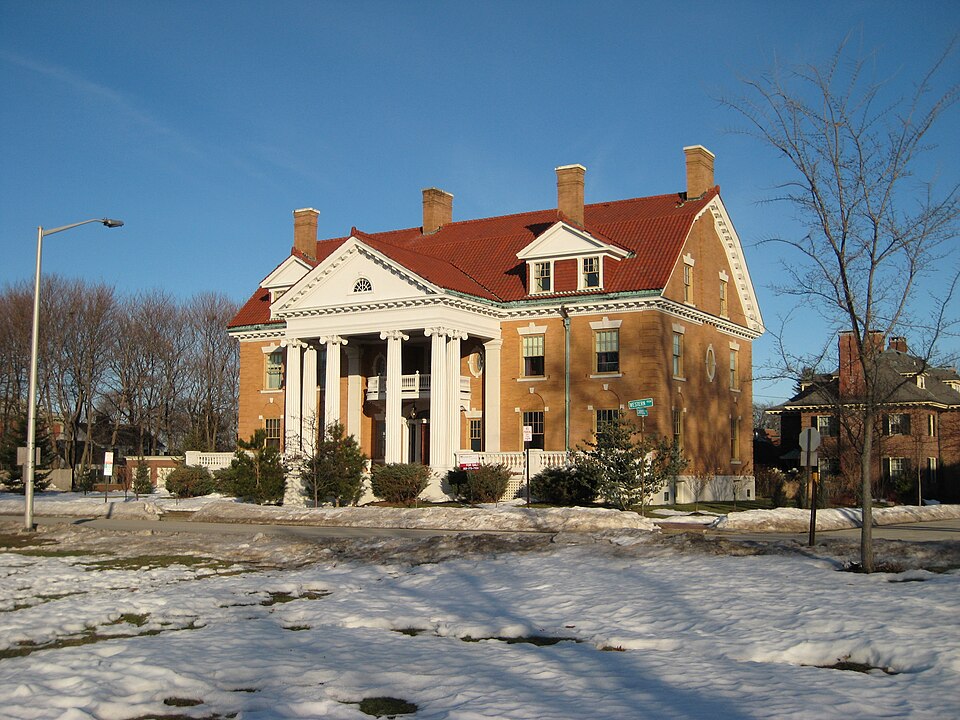
The West End showcases Portland’s most impressive Victorian architecture. This predominantly residential neighborhood features grand homes built during Portland’s prosperous shipping era, many now converted into apartments or restored as single-family residences.

The neighborhood centers around the Western Promenade, a park offering views toward the White Mountains. This area provides a quieter alternative to downtown, with neighborhood cafes, small restaurants, and a more relaxed pace.

The West End also borders Bramhall, a charming neighborhood with additional restaurants and the Spring Street corridor leading to the Maine Medical Center area.

The Waterfront portland maine

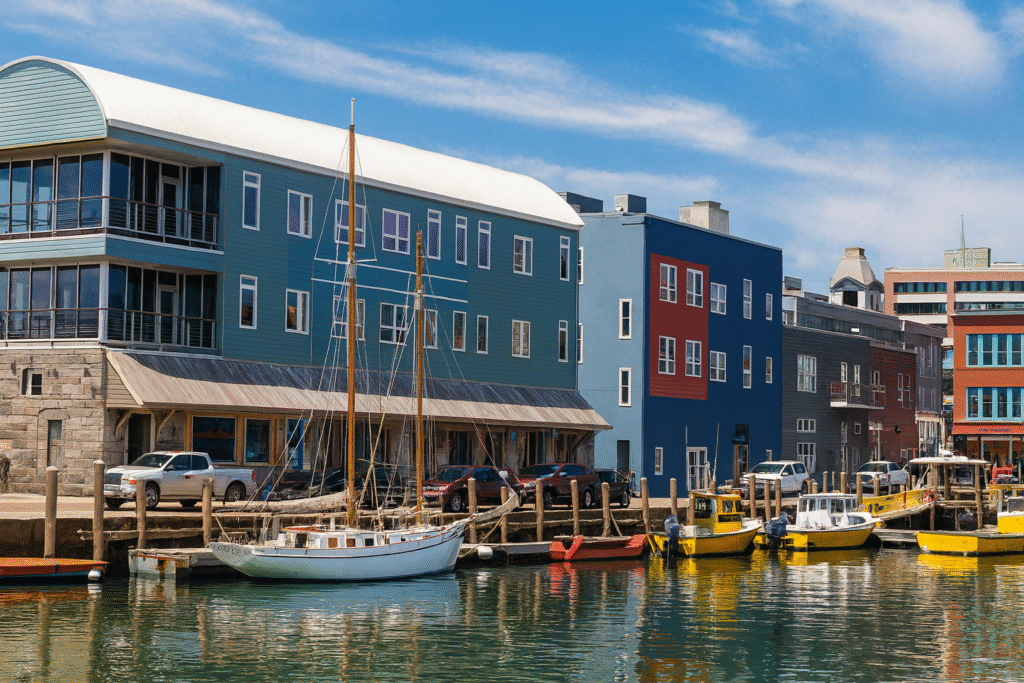
Portland’s working waterfront remains authentic and active, distinguishing it from many coastal cities where historic harbors have become purely tourist attractions. Along Commercial Street and the piers extending into the harbor, you’ll still see working lobster boats, fishing vessels unloading their catches, and the daily commerce of a genuine maritime economy.

The waterfront offers incredible atmosphere, particularly early morning when fishing boats depart or return with their catches. Several piers provide public access where you can watch maritime activity, and the Maine State Pier hosts the Casco Bay Lines ferry terminal, your gateway to island adventures.

Waterfront restaurants offer unbeatable harbor views, and many source their seafood directly from boats that dock steps away. This is also where you’ll catch whale-watching tours, harbor cruises, and fishing charters.

Must-See Portland Maine Attractions

Portland Head Light: Maine’s Most Photographed Lighthouse
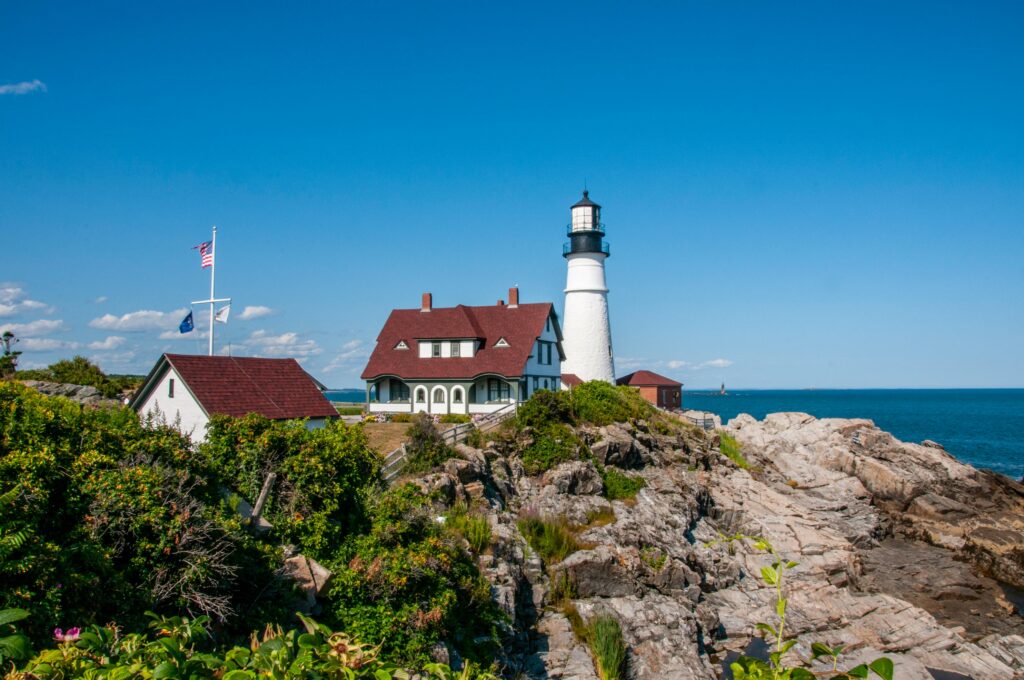
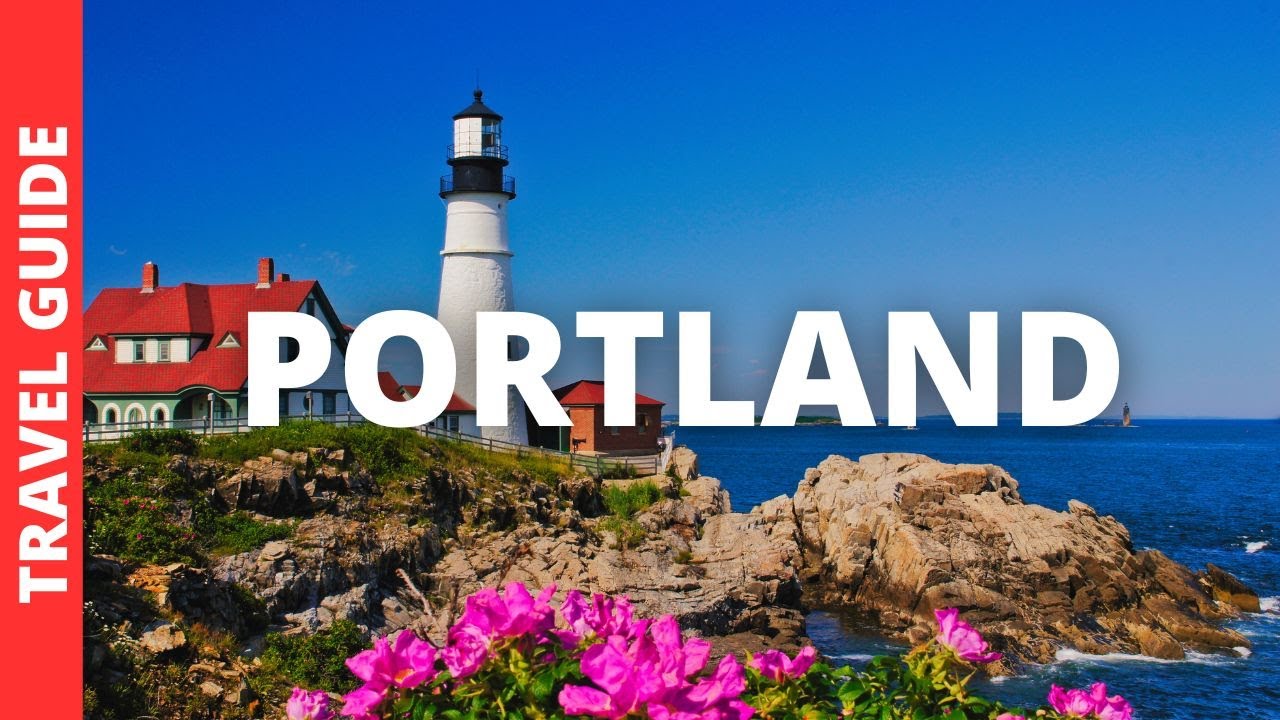
Every visitor to Portland Maine needs to experience Portland Head Light because it stands as the most photographed lighthouse across America. The Portland Head Light stands as a protective watchtower which has guarded Portland Harbor since 1791 and operates as the oldest operational lighthouse in Maine.

The Portland Head Light stands in Fort Williams Park of Cape Elizabeth which is only 15 minutes from downtown Portland and represents the entire romantic essence of Maine’s coastal heritage. The white tower stands against the rocky shoreline to produce pictures that appear on millions of postcards and calendars and social media platforms.

The lighthouse grounds offer visitors stunning views of Casco Bay and the extensive Atlantic Ocean. The lighthouse tower remains operational as an active navigation aid so visitors cannot access it but the former keeper’s house operates as a museum which displays lighthouse history and maritime artifacts. The museum provides visitors with interesting information about the lives of lighthouse keepers and their importance to Portland’s maritime past.

The lighthouse stands within Fort Williams Park which spans 90 acres and features rocky shoreline and walking trails and picnic spots and remnants of the former military base. Visitors commonly spend extended periods at this location to explore the coastline and capture different lighthouse perspectives and experience the breathtaking ocean scenery. The summer parking fee at this location remains affordable.

Photography tip: The best time to take photos of the lighthouse occurs when sunlight creates golden hour effects during morning or before sunset. The lighthouse takes beautiful photographs throughout every season because it looks great against summer grass and autumn sunlight and winter storms and spring wildflowers.

Explore Portland Head Light: Maine’s Google map Location

Wadsworth-Longfellow House portland maine
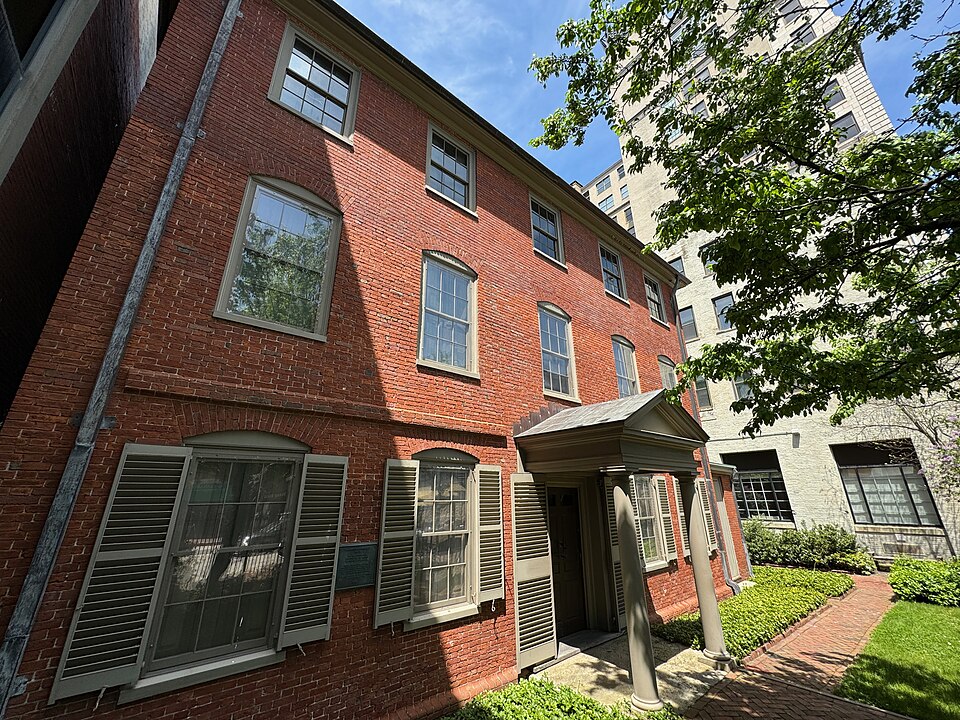
The Wadsworth-Longfellow House on Congress Street offers a fascinating glimpse into Portland’s past and the childhood home of one of America’s most famous poets, Henry Wadsworth Longfellow. Built in 1785, this is the oldest building on the Portland peninsula still standing on its original site.

The house museum preserves the home largely as it appeared when the Longfellow family lived there, with period furnishings, family possessions, and personal items that bring history to life. Knowledgeable guides lead tours that illuminate not just Longfellow’s life but also what daily existence was like in 19th-century Portland.

The adjacent garden provides a peaceful retreat in the heart of the city, planted with flowers and herbs typical of the period. The house also maintains an extensive research library for those interested in diving deeper into Portland and Maine history.

Explore Wadsworth-Longfellow House portland maine Google map Location

Victoria Mansion Portland maine
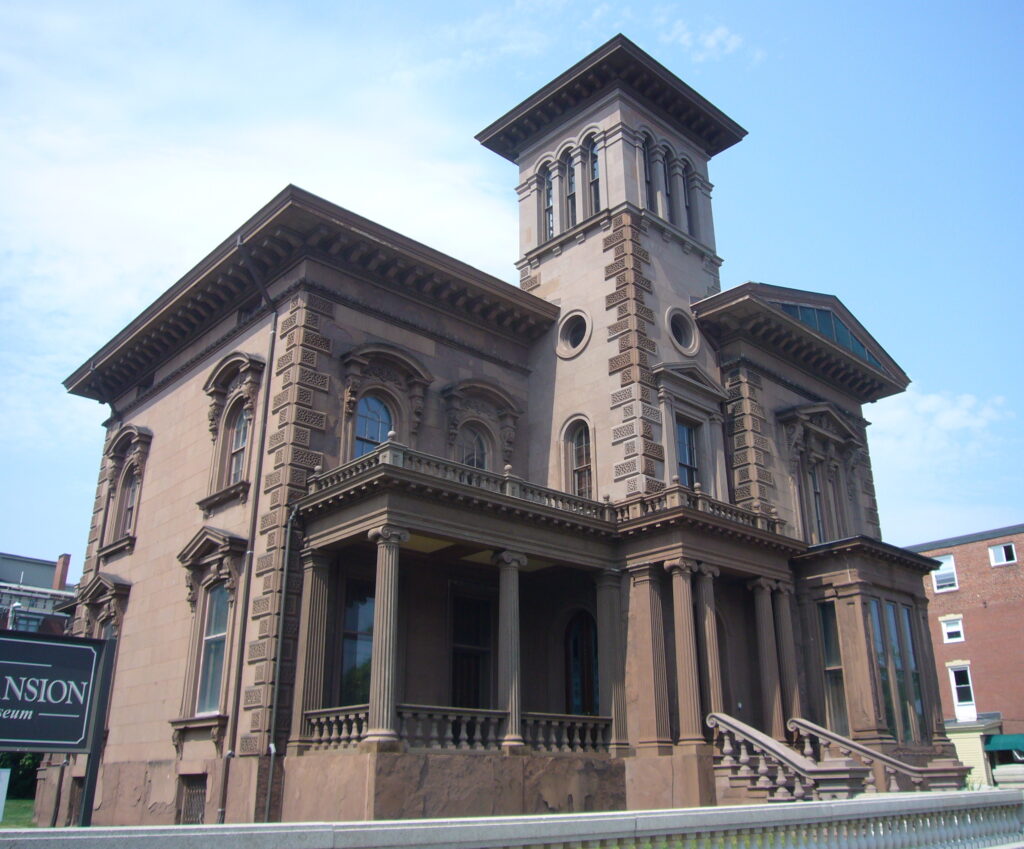
Victoria Mansion serves as one of the most outstanding examples of pre-Civil War residential architecture which exists throughout America. The 1860 Italian villa-style mansion presents extravagant interior spaces which resemble European royal palaces through their elaborate frescoes and stained glass and carved woodwork and preserved original furnishings.

The summer residence of New Orleans hotel owner Ruggles Morse received unlimited funding for its construction. The mansion contains an endless number of rooms which display beautifully made spaces with designs that appear impossible to achieve. The house becomes most enchanting when visitors experience its Victorian Christmas decorations which run from late November until early January.

Historic houses usually do not interest most visitors but Victoria Mansion surprises them with its exceptional preservation and its interior artistic value. The mansion exists as a secret treasure which Portland residents should discover.

Explore Victoria Mansion Portland maine Google map Location

Portland Museum of Art Portland maine

The Portland Museum of Art serves as Maine’s premier art institution, showcasing an impressive collection spanning three centuries of American and European art. The museum’s holdings include works by Winslow Homer (who had deep Maine connections), Andrew Wyeth, Edward Hopper, and Monet, among many others.

The museum complex includes buildings designed by noted architects, with the main building designed by I.M. Pei. Rotating exhibitions complement the permanent collection, ensuring there’s always something new to discover. The museum also hosts lectures, concerts, and special events throughout the year.

Don’t miss the museum’s Maine art galleries, featuring works that capture the state’s landscapes, maritime heritage, and cultural history. These collections provide wonderful context for understanding Maine’s artistic traditions.

The museum offers free admission on Friday evenings, making it accessible for budget-conscious travelers. Plan at least 2-3 hours to properly explore the galleries.

Explore Portland Museum of Art Google map Location

Children’s Museum & Theatre of Maine
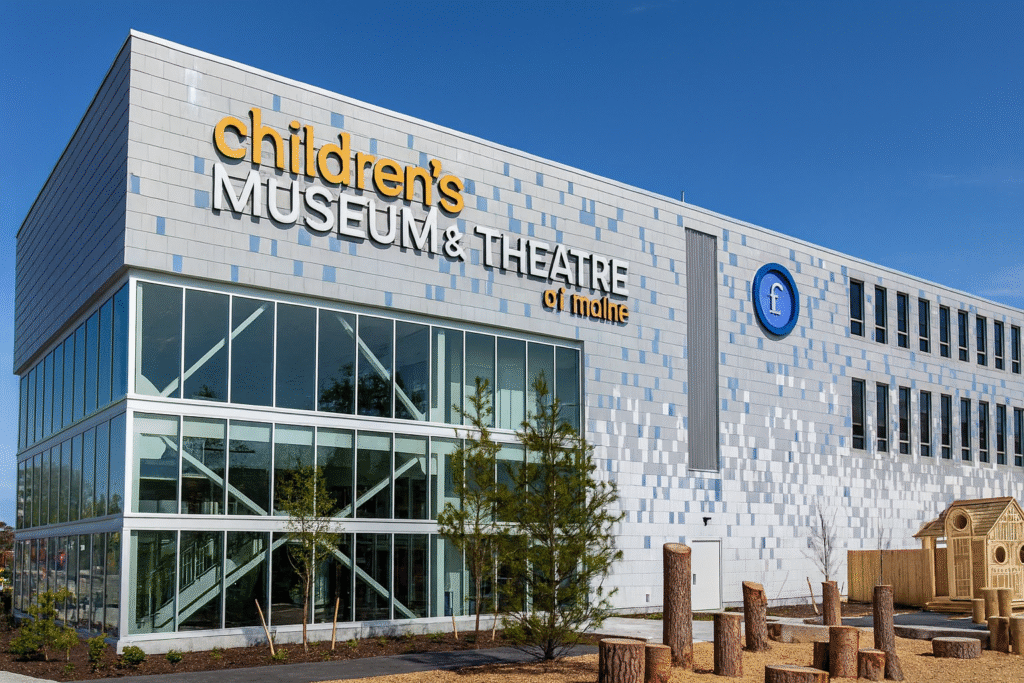
The Children’s Museum & Theatre of Maine stands as the top attraction for families with small children because it offers an interactive space that welcomes visitors under 10 years old. The museum provides children with hands-on activities that include operating a lobster boat and managing a grocery store and playing with water and performing imaginative activities.

The theater stage shows professional children’s performances which deliver content that helps children develop their minds and creative thinking abilities. The theater productions include interactive elements which enable all children to become active participants during the show.

The museum enables children to learn through interactive exhibits which promote exploration and problem-solving and creative thinking. The museum provides an ideal solution for rainy days and serves as a great escape from attractions that focus on adult interests.

Explore Children’s Museum & Theatre of Maine Google map Location

Eastern Promenade Trail

The Eastern Promenade Trail lets visitors explore Portland’s eastern waterfront by walking and biking through the area. The The 2.1-mile paved path extends from the Old Port to Back Cove while offering visitors breathtaking views of Casco Bay and its surrounding islands and maritime activities.

The trail leads visitors through East End Beach which stands as one of the few sandy beaches found inside Portland city limits before it climbs to the Eastern Promenade park located on Munjoy Hill. The promenade provides visitors with breathtaking views of the harbor because locals consider it their favorite spot to observe the sunrise over water.

The trail leads to the Back Cove Trail which extends 3.6 miles and attracts joggers and walkers and cyclists who enjoy its loop design. The trails provide visitors with outdoor exercise opportunities while they take in the beautiful scenery.

Casco Bay Islands

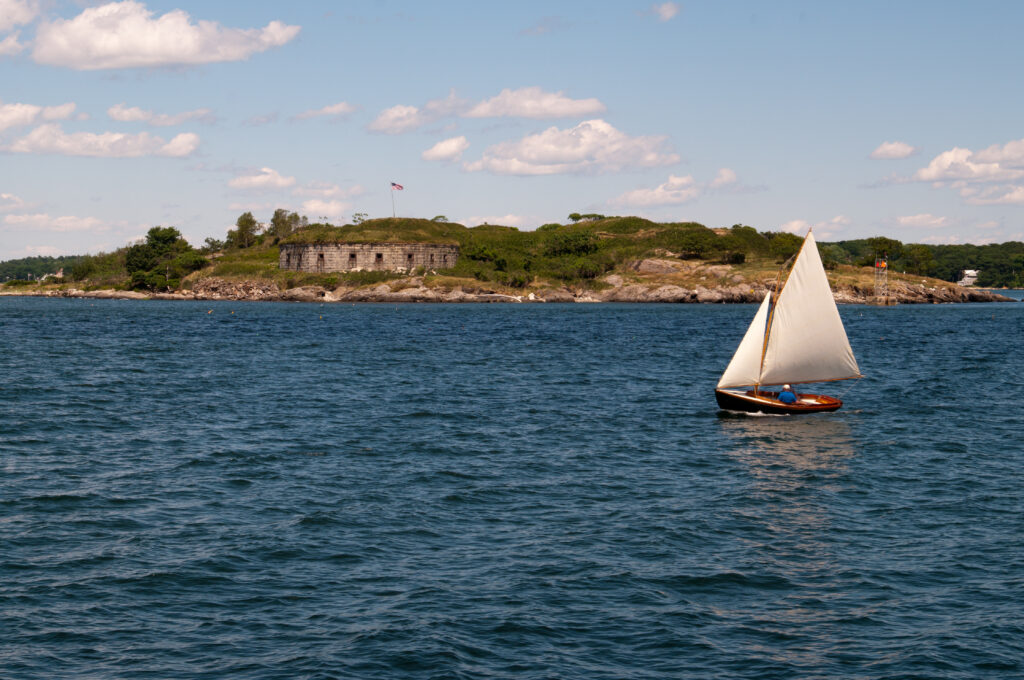
Just offshore from Portland, the Casco Bay Islands offer a completely different experience from the mainland. These islands, accessible via Casco Bay Lines ferries from the Old Port, range from seasonal communities to year-round neighborhoods, each with its own character.

Peaks Island, the most popular and most populated, lies just 15 minutes by ferry from Portland. Many visitors rent bikes or golf carts to explore the island’s quiet roads, rocky shores, and village center. The island offers casual dining, small shops, and beautiful walking trails around the perimeter.

Great Diamond Island features the historic Fort McKinley and a peaceful car-free environment perfect for walking. Long Island and Chebeague Island offer more rural experiences with beaches, hiking trails, and glimpses of island life largely unchanged for decades.

Ferry rides themselves provide wonderful opportunities to enjoy Casco Bay’s beauty. Pack a picnic and make a day of island hopping, or simply enjoy a round-trip ferry ride as a scenic cruise. The mail boat run serves all the islands and functions like a narrated harbor tour.

Portland’s World-Class Food Scene

Portland Maine’s food scene has earned national acclaim disproportionate to the city’s size. With a population of about 70,000, Portland manages to support an extraordinary culinary ecosystem that rivals cities many times larger. This is where farm-to-table isn’t a trendy catchphrase but a way of life, where chefs maintain direct relationships with farmers and fishermen, and where you can enjoy both traditional Maine lobster and innovative global cuisine.

Why Portland Became a Food Destination

  • Portland’s culinary rise comes from a mix of abundant natural resources and a community that values quality over pretension. Fresh Maine seafood, organic farms, artisan cheeses, and craft malt provide chefs with top-notch ingredients. Talented young chefs find Portland accessible compared to Boston or New York, allowing them to experiment and shine. From casual counters to James Beard-nominated restaurants, the city celebrates diversity in dining without unnecessary formality.

Lobster and Seafood: The Maine Experience

  • No visit is complete without tasting lobster in Portland. Traditional Maine-style lobster rolls—cold lobster lightly tossed in mayo on a buttered split-top bun—let the sweet flavor shine. Beyond lobster, enjoy New England clam chowder, fried clams, mussels, scallops, and fresh-caught fish. Waterfront restaurants offer a magical connection to the sea: you might watch lobstermen unload their catch and eat the results just hours later.

Fine Dining and Casual Favorites

  • Top Portland restaurants excel in seasonal, ingredient-driven menus. Fore Street and Central Provisions are James Beard favorites, offering unforgettable dishes without pretension. Reservations are essential, especially during summer weekends.
  • For casual dining, try Eventide Oyster Co. for a brown-butter lobster roll or The Holy Donut for creative potato-based donuts. Food trucks and neighborhood eateries also showcase authentic flavors from around the world, from Thai to Middle Eastern cuisine.

Coffee, Breakfast, and Brunch

  • Portland is a breakfast and coffee city. Local bakeries like Standard Baking Co. craft artisanal breads and pastries, while independent cafes such as Tandem Coffee Roasters serve excellent espresso and pour-over coffee. Weekend brunch is hugely popular—arrive early to avoid lines.

Craft Beverage Scene

  • Portland is also a nationally recognized craft beverage hub. Breweries like Allagash Brewing Company, Bissell Brothers, and Rising Tide offer tastings, flights, and casual taprooms. Local distilleries craft award-winning gin, vodka, whiskey, and rum, many with tours and tastings.

Where to Stay in Portland, Maine

Portland offers accommodations for every style and budget, from boutique hotels to historic inns and waterfront resorts.

Old Port Hotels

Staying in the Old Port puts you within walking distance of restaurants, shops, and the waterfront. Notable options include:

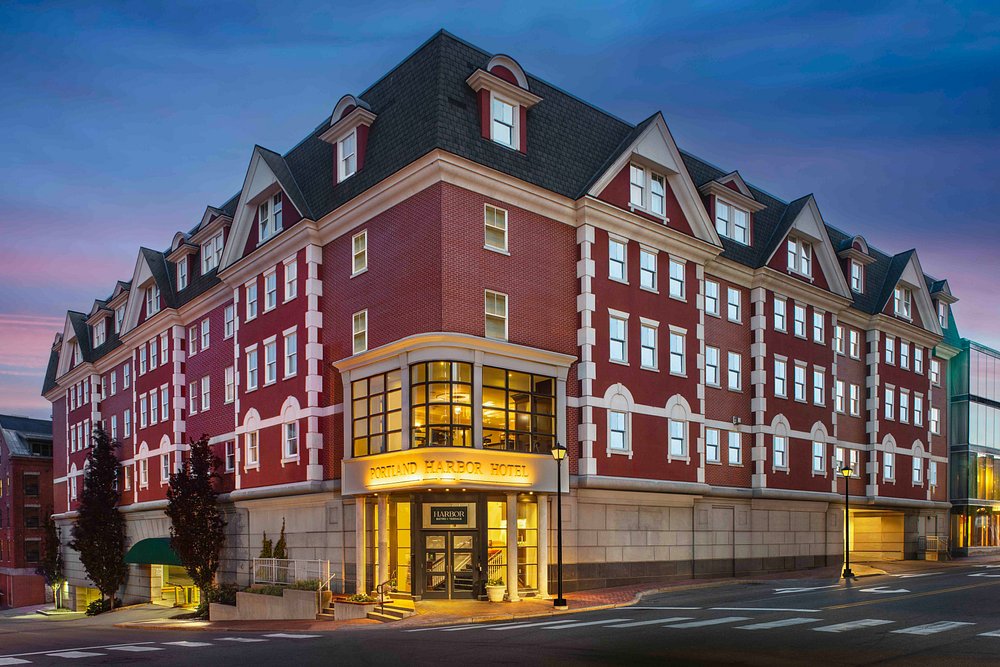
  • Portland Harbor Hotel – Modern rooms in a historic building, walking distance to Commercial Street.
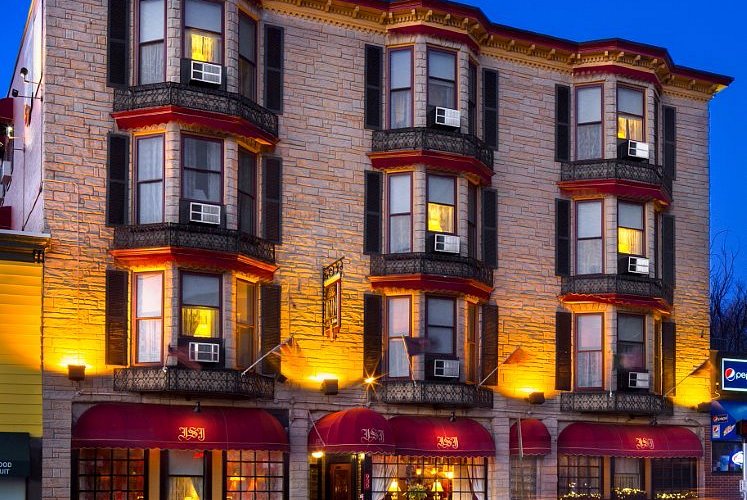
  • Inn at St. John – Cozy boutique experience with personalized service.

Tip: Old Port hotels can be noisy on weekends. Request a room facing away from the street for quiet evenings.

Waterfront Properties

Hotels along the harbor offer romantic views and easy access to Casco Bay. Consider:

  • Harborview Inn – Rooms with direct bay views; perfect for couples or photographers.
  • The Press Hotel – Stylish waterfront boutique with historic charm and modern amenities.

Arts District and Downtown

Hotels west of the Old Port, like Hampton Inn Portland Downtown, offer better value while keeping attractions within walking distance.

Budget-Friendly Accommodations

For affordable options, try Best Western Merry Manor or hotels in South Portland, just 10–15 minutes by car, offering lower rates without sacrificing convenience.

Unique Stays

  • Bed & Breakfasts in historic homes for a personal, local experience.
  • Vacation rentals in residential neighborhoods, perfect for families or groups.

Family-Friendly Portland

Portland is ideal for families thanks to its walkable layout and mix of activities.

Top Activities for Kids

  • Children’s Museum & Theatre of Maine – Hands-on exhibits for all ages.
  • Casco Bay Ferry & Peaks Island – Bike rides, quiet streets, and scenic exploration.
  • Portland Head Light & Fort Williams Park – Iconic lighthouse and open spaces for running and playing.
  • East End Beach – Small, safe beach within city limits; perfect for wading and sand play.

Tips for Visiting with Kids

  • Look for restaurants with kid-friendly menus; casual dining is abundant.
  • Cobblestone streets may be tricky for strollers—consider a child carrier for toddlers.
  • Summer is ideal for families but busy; spring and fall offer easier experiences.
  • Many parks, like Eastern Promenade Park, have playgrounds with spectacular views.

Practical Portland Maine Travel Information

Budget Planning

Portland offers experiences across various budgets:

Budget Travel: $100-150 per person per day

  • Budget hotel or hostel: $80-120
  • Casual meals: $30-40
  • Free activities (walking tours, beaches, parks)
  • Public transportation or walking

Mid-Range Travel: $200-300 per person per day

  • Mid-range hotel: $150-250
  • Mix of casual and nice restaurants: $60-80
  • Paid attractions and tours: $30-50
  • Some taxi/rideshare use

Upscale Travel: $400+ per person per day

  • Boutique hotel: $250-400+
  • Fine dining: $100-150+
  • Private tours, premium experiences: $100+
  • Convenient transportation

Local Tips and Etiquette

Portlanders appreciate environmental consciousness. Many restaurants have eliminated plastic straws and encourage reusable bags. Bring reusable water bottles and shopping bags.

Tipping follows standard U.S. customs: 18-20% at restaurants, $1-2 per drink at bars, 15-20% for rideshare drivers.

The city is generally casual—even nice restaurants rarely require formal dress codes. However, Portland leans slightly more dressed up than purely casual beachwear.

Seasonal Events and Festivals

Portland Maine hosts numerous annual events worth planning around:

  • Spring: Maine Restaurant Week (March) showcases the dining scene with special menus. The Chowder Festival lets you sample chowders from competing restaurants.
  • Summer: The Back Cove Festival (August) features music and Portland’s summer vibe. Resurgam Music & Arts Festival (June) celebrates music and arts. Maine Music Weekend (September) hosts performances across venues.
  • Fall: Harvest on the Harbor (late October) celebrates Maine’s food and beverage scene with tastings, dinners, and culinary events throughout the city.
  • Winter: The Sparkle Celebration (late November through December) transforms Portland into a holiday wonderland with lights, tree lighting ceremonies, and festive activities. Victorian Holiday at Victoria Mansion (Thanksgiving through early January) showcases the mansion in full period holiday decoration.

Weather and What to Pack

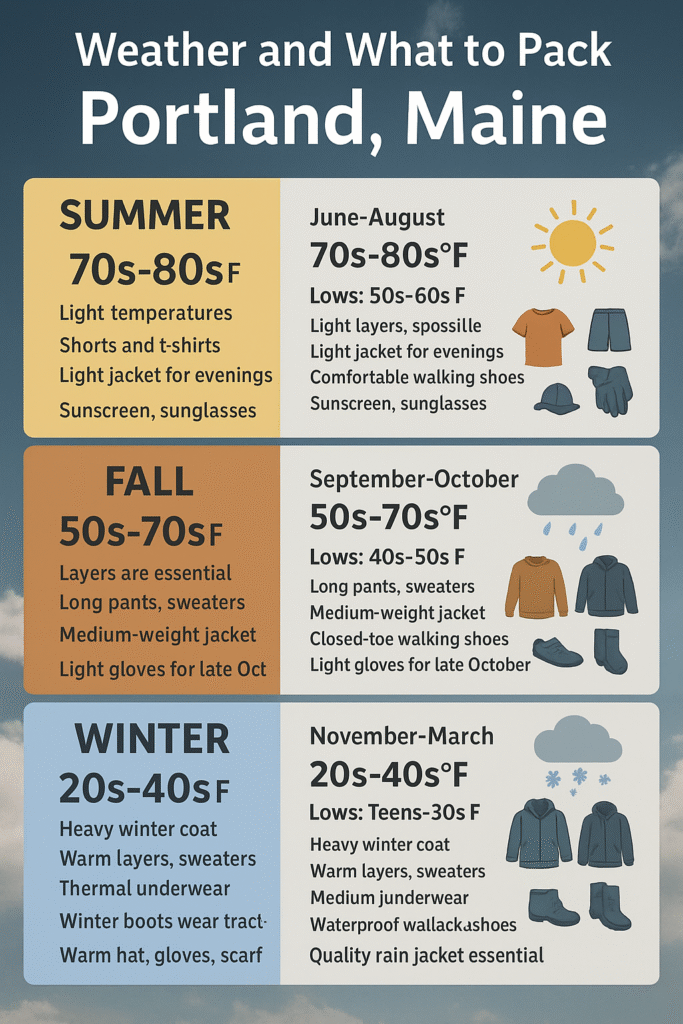
Portland Maine’s weather varies dramatically by season, requiring different packing strategies:

Summer (June-August)

  • High temperatures: 70s-80s°F
  • Lows: 50s-60s°F
  • Pack: Light layers, shorts and t-shirts, light jacket for evenings, comfortable walking shoes, sunscreen, sunglasses
  • Rain gear: Brief showers possible, bring a light rain jacket

Fall (September-October)

  • High temperatures: 50s-70s°F
  • Lows: 40s-50s°F
  • Pack: Layers are essential, long pants, sweaters, medium-weight jacket, closed-toe walking shoes, light gloves for late October
  • Rain gear: Pack a waterproof jacket as rain becomes more frequent

Winter (November-March)

  • High temperatures: 20s-40s°F
  • Lows: Teens-30s°F
  • Pack: Heavy winter coat, warm layers, sweaters, thermal underwear, winter boots with good traction (sidewalks can be icy), warm hat, gloves, scarf
  • Snow gear: If visiting during snowfall, waterproof boots essential

Spring (April-May)

  • High temperatures: 50s-60s°F
  • Lows: 40s-50s°F
  • Pack: Layers, mix of short and long sleeves, medium jacket, waterproof jacket, comfortable walking shoes that can handle wet conditions
  • Rain gear: Spring is Portland’s wettest season—quality rain jacket essential

Year-Round Essentials: Comfortable walking shoes (Portland involves lots of walking, often on cobblestones), reusable water bottle, camera or phone for photos, daypack for carrying layers and purchases.

Safety and Health Information

  • Portland Maine ranks as one of America’s safest cities, with crime rates well below national averages. The city maintains a welcoming, safe environment for tourists.
  • Standard city precautions apply: be aware of your surroundings, particularly late at night. Keep valuables secure and don’t leave items visible in parked cars. The Old Port can get crowded on weekend nights when bars close, but serious incidents are rare.
  • Maine Medical Center, located in Portland’s West End, provides full emergency services. Several urgent care facilities handle minor medical issues. Pharmacies throughout the city can address minor health needs.
  • Summer brings biting insects, particularly mosquitoes and occasionally black flies. Bring insect repellent if planning outdoor activities. Ticks exist in wooded and grassy areas—check yourself after hiking.

Accessibility Information

Portland has made significant strides in accessibility, though the historic nature of some areas presents challenges:

  • The Old Port’s cobblestone streets can be difficult for wheelchairs and those with mobility issues. Many buildings are historic with steps at entrances. However, most restaurants and shops have made accommodations, and newer construction follows ADA guidelines.
  • Public buildings, museums, and major attractions generally offer good accessibility. Portland Museum of Art, Children’s Museum, and most hotels provide accessible facilities.
  • Portland’s public buses are equipped with wheelchair lifts and accessibility features. Many tour companies offer accessible options—call ahead to confirm specific needs can be accommodated.
  • The Eastern Promenade Trail and Back Cove Trail are paved and relatively flat, making them accessible for most mobility devices. Some areas around Portland Head Light are accessible, though the rocky coastline presents natural barriers.

Digital Resources & Travel Apps

These tools make navigating Portland easier and help you plan with confidence:

  • Visit Portland (Official Site): Full guides on attractions, events, and dining. Download their free visitor handbook before your trip.
  • Portland Food Map: A highly trusted, community-updated map of Portland’s restaurants, cafes, breweries, and food shops.
  • Casco Bay Lines App: Real-time ferry schedules, delays, and ticketing for island trips.
  • MetroBus App: Track bus routes and estimated arrival times.
  • AllTrails: Detailed maps of Portland’s accessible and non-accessible walking paths, nature trails, and coastal viewpoints.
  • OpenTable & Resy: Essential for booking high-demand restaurants—especially on weekends and during peak months.

These digital tools save time, reduce trip stress, and help you experience Portland like a local.

Phone & Internet Connectivity

Portland offers excellent cell service across all major carriers. Free Wi-Fi is widely available in cafes, breweries, public spaces, and most hotels. For travelers needing workspace, the Portland Public Library provides free Wi-Fi and computer access, while many local coffee shops are laptop-friendly with reliable internet—ideal for remote workers or digital planners.

Money & Payment Tips

ATMs are easy to find, especially throughout the Old Port. Most businesses accept credit and debit cards, though some food trucks and small shops may prefer cash.
Useful things to know:

  • Standard tipping: 18–20% at restaurants.
  • Sales tax: 5.5% on most purchases.
  • Prepared food tax: 8% at restaurants and takeout spots.
  • Lodging tax: 9% in Portland.

Having a small amount of cash is helpful, but cards are accepted almost everywhere.

Language and Communication

Portland is predominantly English-speaking, though you’ll hear various languages in this diverse, welcoming city. Restaurant staff and hotel employees are accustomed to tourists and happy to answer questions.

Mainers are known for friendliness and helpfulness. Don’t hesitate to ask locals for recommendations—Portlanders take pride in their city and enjoy sharing their favorite spots. That said, Mainers also value a certain reserved politeness, so approach interactions with courtesy.

Why Portland Maine Should Be Your Next Destination

Portland, Maine is the kind of place that surprises you—in the best way possible. The more time you spend here, the more you realize this isn’t a city built for tourists; it’s a city built on genuine coastal life, creative energy, and community pride. After exploring everything Portland offers, the real question isn’t if you should visit—it’s how soon you can get here.

What sets Portland apart is its authenticity. The fishing boats you see pulling into the harbor at sunrise aren’t staged photo ops—they’re the heartbeat of the local economy. The chef-owned restaurants earning national praise do it through quality and passion, not gimmicks. Historic red-brick buildings aren’t preserved for show, but because Portlanders deeply value their heritage and identity.

Few cities blend old and new as seamlessly. One morning you might watch lobster boats unloading their catch, and by lunchtime you’re eating a James Beard–level meal made from that very seafood. In the afternoon, you’re strolling past 19th-century architecture, and later, sampling some of the country’s best craft beer—all within a beautifully walkable downtown.

Whether you’re craving a romantic coastal escape, a family-friendly adventure, or a culinary-focused getaway, Portland delivers an experience that feels both intimate and unforgettable. Many visitors come for a weekend and leave already planning their return. Portland has that effect—quietly memorable, deeply authentic, and impossible to forget.

Frequently Asked Questions About Portland Maine

1. Why is Portland, Maine famous?

Portland is famous for its historic Old Port district, iconic lighthouses, fresh lobster and seafood, and a thriving craft beer and food scene.

2. Is Portland, Maine a nice place to live?

Yes! Portland offers a high quality of life, walkable neighborhoods, excellent schools, a strong sense of community, and easy access to nature.

3. What is the biggest city in Maine?

Portland is the largest city in Maine by population, though Bangor and Lewiston are also major urban centers.

4. How to spend a day in Portland, Maine?

Start at Portland Head Light, explore the Old Port shops, enjoy a lobster lunch, stroll along the Eastern Promenade, and finish with a craft beer or sunset cruise.

5. What are fun things to do in Portland, Maine this weekend?

Check out the Saturday Farmers’ Market at Deering Oaks, go brewery hopping, take a Brunch Cruise on Casco Bay, or explore art walks and seasonal festivals.

You may also like

Leave a Comment

This website uses cookies to improve your experience. We'll assume you're ok with this, but you can opt-out if you wish. Accept Reject