
I’ll be completely honest with you—before I visited, I imagined Acadia National Park waterfalls would be disappointing trickles barely worth the hike. After all, this is a coastal park famous for its dramatic ocean cliffs and mountain views, not towering cascades. When friends asked about my trip, most were surprised to learn Acadia even had waterfalls.
Then I arrived in late April, just after three days of steady spring rain. The forests were absolutely glowing with that impossibly vibrant emerald green that only exists in New England springtime. Streams that appear as thin blue lines on maps were suddenly rushing torrents. And the waterfalls? They were absolutely beautiful—not in a thundering, Niagara Falls kind of way, but with an intimate, moss-covered, quintessentially Maine charm that completely won me over.
Here’s the important context that nobody tells you: waterfalls in Acadia National Park are highly seasonal. Visit during the right window (April through early June, or after substantial rain), and you’ll discover lovely cascades tumbling through lush forests. Visit during a dry August? You might find bare rock and disappointment.
What makes these waterfalls special is precisely their coastal park location. Where else can you hike to a waterfall in the morning, then spend the afternoon watching waves crash against granite cliffs at Thunder Hole? The combination of mountain streams, historic stone bridges, and easy accessibility creates an experience you won’t find in typical waterfall destinations.
This guide covers every significant waterfall in and near Acadia National Park, with realistic expectations, practical details, and honest advice about when to visit. Whether you’re planning things to do in Acadia National Park with kids or seeking peaceful forest hikes, I’ll help you decide which waterfalls are worth your time.
Table of Contents
Hadlock Brook Falls (Upper & Lower)
Two Waterfalls in One Memorable Hike
Hadlock Brook Falls is actually two distinct waterfalls—Upper and Lower—and together they form the crown jewel of all waterfalls in Acadia National Park. If you only have time to visit one waterfall during your Acadia trip, this should absolutely be it. At approximately 40 feet tall, Upper Hadlock Falls stands as the highest waterfall in the entire park, while Lower Hadlock Falls offers its own gentler beauty just a quarter-mile downstream.
Upper Hadlock Falls: The Main
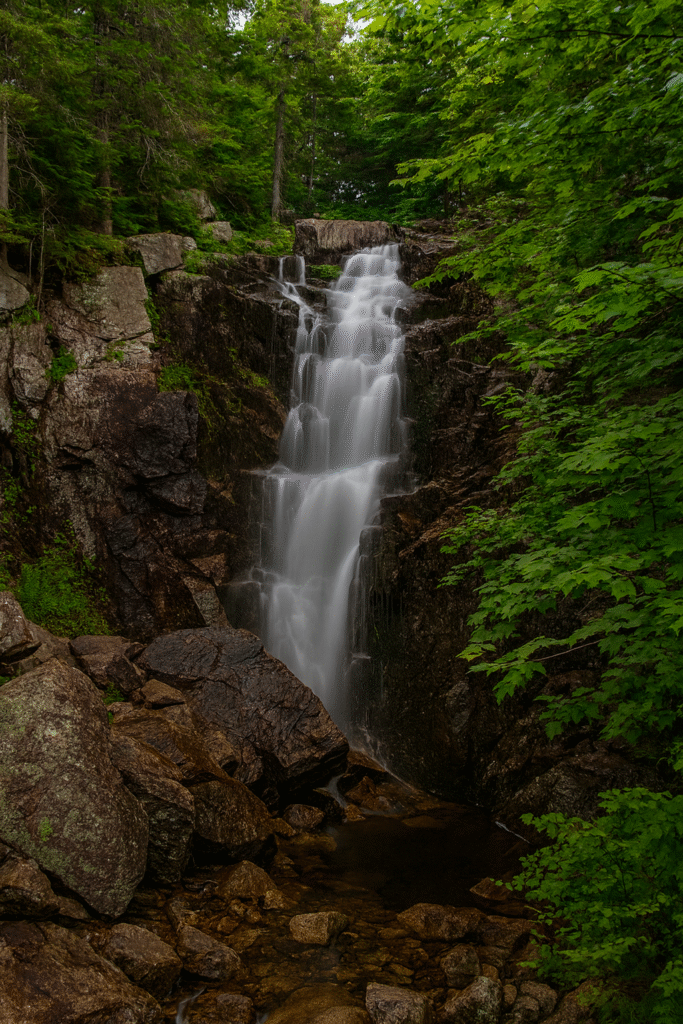
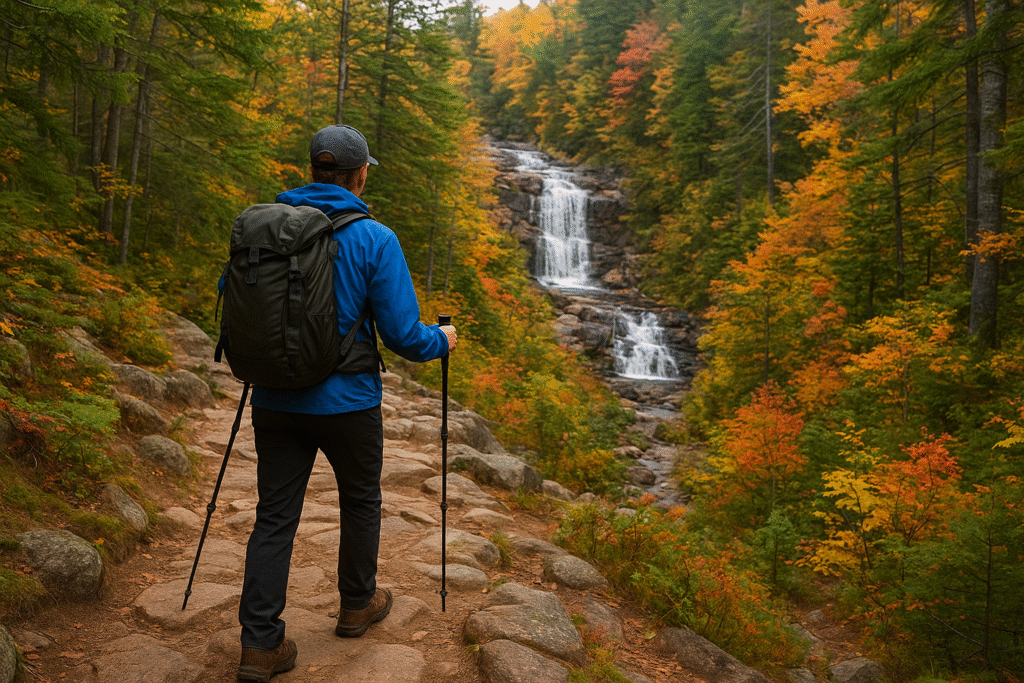
Upper Hadlock Falls tumbles dramatically down a steep granite face in multiple tiers, creating the most impressive waterfall display you’ll find anywhere in Acadia National Park Maine. When I visited in late April with good water flow, the cascade was genuinely spectacular—water poured over the full width of the dark bedrock in powerful white sheets, and I could feel a fine mist on my face from 20 feet away.
The waterfall is surrounded by brilliant green moss that practically glows in the filtered sunlight. Tall hemlocks and birch trees frame the cascade, creating a natural amphitheater that focuses your attention on the falling water. The sound is hypnotic—a constant roar that drowns out every other forest noise. I sat on a large boulder at the base for nearly 30 minutes, completely mesmerized by the sight and sound.
The pool at the base is relatively small but perfectly formed, surrounded by smooth rocks ideal for sitting. Unlike some waterfalls that feel exposed, Upper Hadlock Falls feels intimate and secluded, tucked into its forest hollow like a well-kept secret.
Lower Hadlock Falls: Graceful Beauty
Lower Hadlock Falls presents an entirely different character. Instead of dropping vertically, Hadlock Brook slides gracefully over smooth, angled granite for about 10-12 feet. The water spreads wide across the polished rock face, creating a beautiful veil effect. It reminds me of silk cloth flowing over stone.
What makes Lower Hadlock Falls special is the stunning crystal-clear pool at the base. The water is so transparent you can see every pebble and grain of sand on the bottom as if you’re looking through glass. Flat granite shelves surround the pool, creating natural seating perfect for a peaceful break. During my spring visit, mountain laurel was beginning to bloom around the falls, adding splashes of white and pink to the verdant green forest.
Trail Details and Difficulty
- Distance: 2.2 miles round-trip (visiting both waterfalls)
- Difficulty: Moderate with some elevation gain and rocky sections
- Trailhead: Norumbega Mountain parking area off Route 3/198, just north of Northeast Harbor
- Hiking Time: 1.5-2 hours total
- Elevation Gain: Approximately 250 feet
The trail follows Hadlock Brook upstream through beautiful mixed forest. You’ll reach Lower Falls first after about 0.8 miles, then continue another quarter-mile to Upper Falls. The path is well-maintained but includes rocky sections and some moderate climbing. Waterproof boots are essential—the trail can be muddy, especially near the waterfalls.
here’s a Google Maps link to Hadlock Falls, Maine:
Hadlock Falls on Google Maps
- Peak Season: April through early June when snowmelt and spring rains create maximum flow. This is when these waterfalls in Acadia National Park look their absolute best.
- Summer: Flow decreases significantly unless there’s been recent rain. Upper Falls may narrow to a single channel; Lower Falls maintains better flow due to larger watershed.
- Fall: After autumn rains, the falls come alive again, this time framed by golden birch and red maple leaves. Without rain, disappointing.
- Winter: The falls can freeze into stunning ice sculptures, but trails become treacherous. Only for experienced Acadia National Park Winter hikers with proper equipment.
Acadia National Park waterfalls Photography Tips
The forest canopy allows sunlight to enter Upper Hadlock Falls during the morning hours between 8-10 AM. A polarizing filter will help you minimize the reflection of light that hits wet rocks. The silky water effect needs photographers to use exposure times between 1-2 seconds. The right side view of Upper Falls provides the most complete perspective of its entire height. The direct view of Lower Falls reveals its complete waterfall and reflection pool to the camera.
Acadia National Park waterfalls Nearby Activities
The location of Hadlock Brook Falls provides you with easy access to additional Acadia exploration. The park’s carriage road network extends from this trail which allows visitors to ride bicycles along its entire length of crushed-stone paths. The summit of Parkman Mountain provides outstanding views without the large number of visitors that other popular peaks attract. The short journey to Northeast Harbor provides access to various dining establishments and shopping facilities which allow visitors to take a lunch break.
Waterfall Bridge

Most Accessible Waterfall in the Park
Waterfall Bridge offers something completely unique among waterfalls in Acadia National Park—the perfect blend of human craftsmanship and natural beauty, all accessible right from the carriage roads without any challenging hiking. This is hands-down the best waterfall choice for families, especially those looking for things to do in Acadia National Park with kids.
Under the Stone Arch
The waterfall itself drops approximately 15 feet through a narrow rocky gorge before disappearing under one of John D. Rockefeller Jr.’s magnificent hand-crafted stone bridges built in the 1920s. Water tumbles over a series of small ledges and boulders, creating multiple cascading tiers. The sound of rushing water echoes beautifully under the bridge’s arch, amplified by the surrounding stonework.
What makes Waterfall Bridge truly special is the composition. The historic bridge, with its gracefully curved arch and weathered stones covered in lichen and moss, frames the waterfall perfectly. It’s like nature and architecture conspired to create the most photogenic scene possible. When I first stumbled upon it while biking the carriage roads, I immediately stopped and spent 20 minutes just admiring how seamlessly the 100-year-old stonework blends with the natural cascade.
The area below the bridge is easily accessible via a short path, allowing you to stand right at the base of the falls and look up through the stone arch—a perspective that creates stunning photographs, especially when water flow is strong.
Perfect for Families and Kids
This is genuinely one of the most family-friendly waterfalls in Acadia National Park Maine. The carriage roads are smooth, flat, crushed-stone paths perfect for strollers, wheelchairs, or young children on bikes. There’s no steep hiking, no treacherous scrambling over wet rocks, and no challenging terrain to navigate. You simply ride or walk along the scenic carriage road, and suddenly this beautiful waterfall appears.
Bike-Friendly Access
By Bike (Highly Recommended):
The carriage roads become accessible through bike rentals which cost between $35-45 per day in Bar Harbor. The distance from Jordan Pond House to Waterfall Bridge measures 1.5 miles. The carriage road path features a flat surface made of crushed stone which provides an excellent riding experience for all skill levels. The bike rental shops in Bar Harbor offer carriage road system maps to their customers.
By Foot:
Visitors who park at Jordan Pond House can walk to Waterfall Bridge through the carriage roads. The total distance of this walk amounts to 3 miles since each way measures 1.5 miles while offering a relaxing experience.
From Other Directions:
Multiple parking spots along Route 3/198 provide visitors with multiple entry points to Waterfall Bridge. The park map shows various entry points to the carriage road system which visitors can use to find their most convenient access route.
Seasonal Flow
Like all waterfalls in Acadia National Park, Waterfall Bridge is seasonal. During spring (April-June), the cascade flows vigorously and creates that satisfying rushing sound. By mid-summer during dry periods, flow diminishes significantly—sometimes to just a trickle. After good autumn rains, it comes back to life. Even when water is low, the beautiful stone bridge makes the ride or walk worthwhile.
Combine with Other Activities
Waterfall Bridge is perfectly positioned for combining with other popular Acadia activities. It’s near Jordan Pond, where you can walk the stunning pond path loop (3.3 miles) and enjoy famous popovers at Jordan Pond House. The carriage roads connect to numerous other trails and bridges, making it easy to create a full day of biking or walking. This is exactly why it’s one of the best things to do in Acadia National Park—you can see a beautiful waterfall and experience multiple other park highlights in one outing.
Aunt Betty Pond Cascades
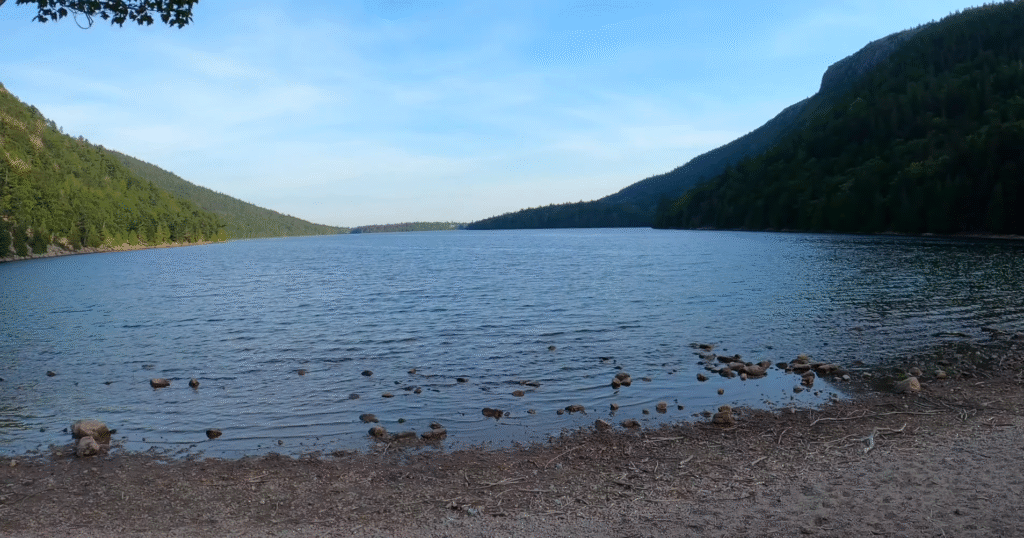
The Hidden Gem
Aunt Betty Pond Cascades represent one of the true hidden gems among waterfalls in Acadia National Park. While crowds flock to Hadlock Falls and tour buses unload at Thunder Hole, these quiet cascades offer peaceful solitude in a remote corner of the park. If you’re seeking that “undiscovered” feeling, this is your waterfall.
A Series of Intimate Falls
Rather than one dramatic drop, Aunt Betty Pond features a delightful series of small cascades where the outlet stream tumbles and slides as it descends from the pond. Each individual cascade is modest—typically 3-5 feet tall—but together they create a charming tumbling effect through beautiful forest. Water flows over dark bedrock, swirls around moss-covered boulders, and creates dozens of small pools perfect for photography.
The setting feels genuinely remote and wild. Dense spruce and fir forest presses in from all sides, and when I visited on an October morning, fallen leaves created a carpet of gold and rust around the cascading water. I spent an hour there and encountered exactly two other hikers—a stark contrast to the crowds at more famous spots.
Quiet and Less Crowded
This is hands-down the best waterfall in Acadia National Park for those seeking solitude. The trail doesn’t appear in most tourist guides, the cascades aren’t visible from any road, and reaching them requires actual hiking effort. During my spring visit, I had the entire area to myself for 45 minutes—something virtually impossible at Hadlock Falls or any of the coastal attractions.
The peaceful atmosphere makes it perfect for meditation, nature photography, or simply sitting quietly and listening to the combination of bird songs and flowing water. If you’re overwhelmed by Acadia’s summer crowds, Aunt Betty Pond Cascades offer a welcome escape into genuine wilderness.
Trail Details
- Distance: Approximately 3 miles round-trip
- Difficulty: Moderate with some elevation gain
- Trailhead: Access via Aunt Betty Pond Trail
- Terrain: Forest path, can be quite muddy especially in spring, rocky in sections
- Time Needed: 2-2.5 hours round-trip
The trail to reach these cascades involves more effort than other waterfalls in Acadia National Park Maine. You’ll gain some elevation, cross potentially muddy sections, and navigate rocky terrain. Waterproof hiking boots are essential. Bring bug spray during warmer months—the forest can have mosquitoes.
Seasonal Considerations
These cascades are extremely seasonal. In peak spring flow (April-May), they’re genuinely lovely with vigorous water flow creating that satisfying rushing sound. By mid-to-late summer during dry spells, they can diminish to barely a trickle or disappear entirely. After good autumn rains, they revive. Check recent weather—if there hasn’t been rain in the past week, these cascades might not be worth the hike.
Best for Nature Lovers
Aunt Betty Pond Cascades aren’t the best choice if you’re short on time or have young children. But for hikers who love remote forest trails and don’t mind working for their rewards, these waterfalls in Acadia National Park deliver a special experience. The combination of solitude, beautiful forest, and charming (if modest) cascades creates a peaceful escape from the park’s busier areas.
Acadia National Park waterfalls, Hemlock Path Waterfall
A Delightful Discovery Near Jordan Pond
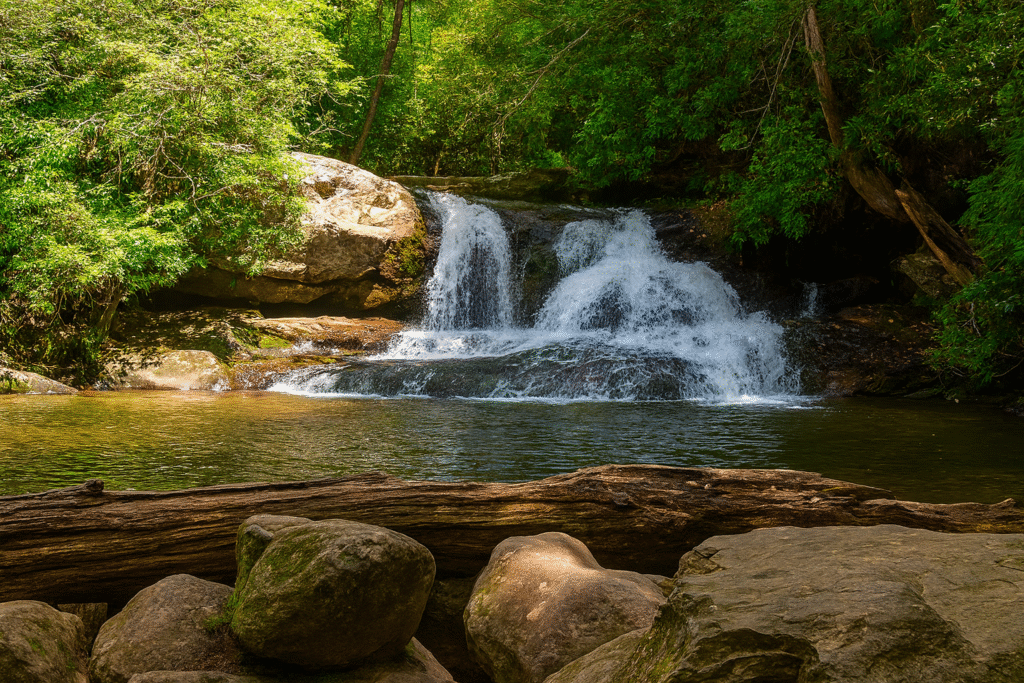
Hemlock Path Waterfall isn’t going to make anyone’s “Top 10 Waterfalls in America” list, but this modest cascade holds a special place in my heart as one of those delightful surprises that makes exploring waterfalls in Acadia National Park so rewarding. Located along the Hemlock Path trail near Jordan Pond, it’s easy to incorporate into a larger day of activities
And here’s a Google Maps link to Hadlock Falls, Maine:
Hemlock Path Waterfall on Google Maps
💬 Guest Review by LUPOERRANTE
“A small waterfall but worth the one mile walk in through the woods. It’s a very nice place to relax afterwards. We were the only ones there and only saw 2 other people on the way in and out .”TripAdvisor Rating: ⭐⭐⭐⭐ 4.7/5 (53+ reviews)
👉 Read more on TripAdvisor
The Waterfall
A small stream flows through dense hemlock forest to create this attractive waterfall which reaches heights of 8-10 feet. The water flows down granite rocks before it passes through boulders covered in moss to reach a small pool which ferns surround. The waterfall shows a short height and weak power but its peaceful beauty becomes more attractive with time.
The forest environment brought me the most delight. The forest ceiling consists of ancient hemlocks which block sunlight to create a dimmed cathedral effect during daytime hours. The atmosphere carries a pleasant scent which combines pine fragrances with earthy dampness. The waterfall produces a misty effect through sunlight which creates soft beams of light. The complete serenity of the space emerges from the combination of water sounds with bird melodies.
Near Jordan Pond
Hemlock Path connects Jordan Pond with other popular trails, making this waterfall incredibly convenient to visit. If you’re already at Jordan Pond (and you should be—it’s one of the most beautiful spots in all of Acadia National Park Maine), adding a side trip to this waterfall takes minimal extra effort.
Typical Visit Strategy:
- Start at Jordan Pond parking area
- Walk the stunning Jordan Pond Path loop (3.3 miles, mostly flat)
- Detour onto Hemlock Path to see the waterfall
- Return to Jordan Pond House for famous popovers
- Total time: 3-4 hours including lunch
Combine with Other Activities
This is the perfect example of a “bonus” waterfall. It’s not worth a special trip on its own, but as part of a larger hiking day around Jordan Pond, it adds a lovely element. The trail is moderate in difficulty with some rocky sections but nothing too challenging for capable hikers.
After visiting the waterfall, you’re close to numerous other attractions. Climb The Bubbles (South or North Bubble) for incredible views overlooking Jordan Pond. Bike the carriage roads. Paddle a kayak on the crystal-clear pond water. Have lunch on the lawn at Jordan Pond House. This area offers some of the best things to do in Acadia National Park all concentrated in one location.
Seasonal Flow Info
Like all smaller waterfalls in Acadia National Park, Hemlock Path Waterfall is entirely seasonal. During spring snowmelt and after substantial rain, it flows beautifully with that satisfying cascade sound. By late summer during dry periods, it may be barely flowing or completely dry—just damp rocks with no water.
- Best Time: April through June for reliable flow
- Summer: Check recent rainfall; needs 2-3 rainy days to flow well
- Fall: Variable depending on weather; autumn foliage adds beauty even if flow is low
My advice? Don’t make this waterfall your primary objective, but if you’re hiking in the Jordan Pond area during spring or after rain, it’s absolutely worth the short detour. Even if flow is minimal, the beautiful hemlock forest makes the walk pleasant.
Acadia National Park waterfalls, Bubble Rock Trail Falls (Small Cascades)
Along the Trail to an Icon
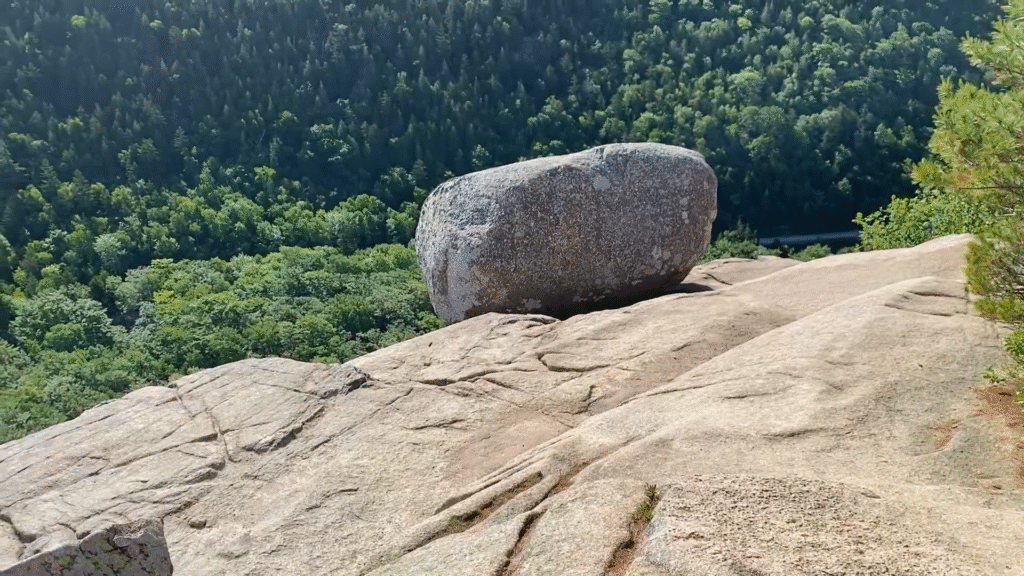
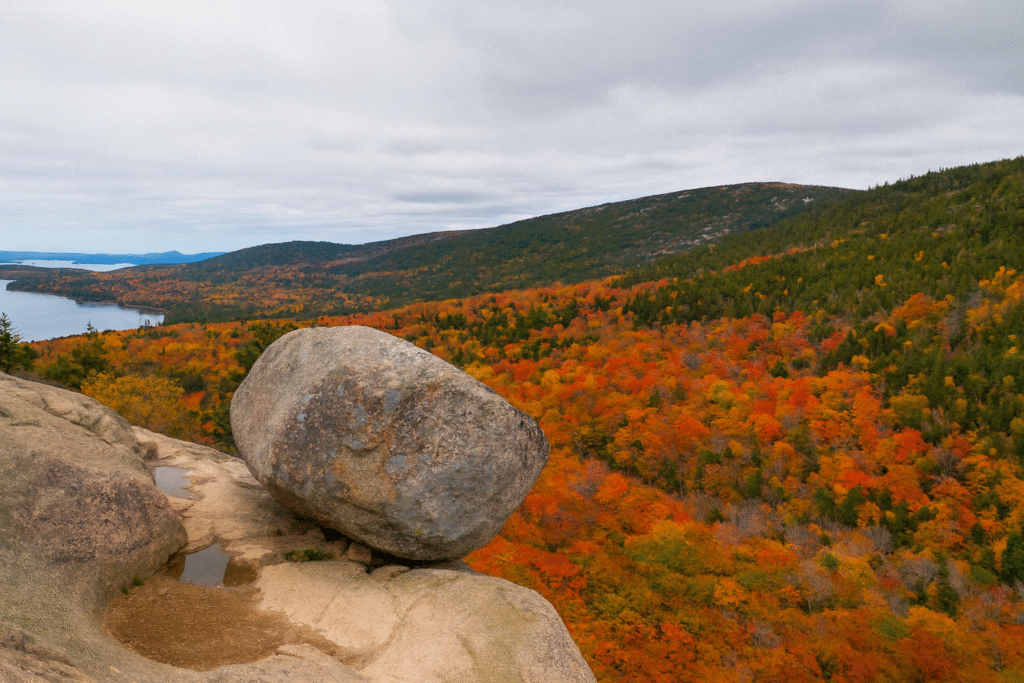
The Bubble Rock Trail leads to one of Acadia’s most Instagram-famous features—a massive glacial erratic boulder perched improbably on the edge of South Bubble Mountain. What most visitors don’t realize is that this popular trail also passes several small cascades and water features along the way, especially during spring.
Not the Main Attraction, But Worth Noting
Let me be clear: these aren’t destination waterfalls. Nobody visits Acadia specifically to see the small cascades along Bubble Rock Trail. But during spring or after substantial rain, several spots along this trail feature charming water slides and small drops where streams cross the path. The largest might be 4-5 feet tall—more “water features” than true waterfalls, but photogenic nonetheless.
What You’ll Find
As you hike toward Bubble Rock (about 1 mile with moderate climbing), you’ll cross several small streams. During peak spring flow in April and May, these streams become lively cascades tumbling over rocks and roots. Water slides down smooth granite, creates small pools, and adds pleasant sound to your hike.
The appeal isn’t the waterfalls themselves—it’s the combination. You’re hiking through beautiful forest toward a famous rock formation with mountain views, and these seasonal water features add bonus beauty along the way. It’s like nature decided to throw in a few extras just to make the hike even more special.
The Real Reason to Visit
The actual highlight of Bubble Rock Trail is, of course, Bubble Rock itself—a 10-ton boulder deposited by glaciers that appears ready to roll off the mountain (it’s not, it’s been stable for thousands of years). The views from South Bubble summit overlooking Jordan Pond with the mountains beyond are absolutely stunning and represent some of the most photographed scenery in all of Acadia National Park.
Trail Stats:
- Distance: 1 mile one-way to Bubble Rock
- Difficulty: Moderate with rocky sections and elevation gain
- Time: 1.5-2 hours round-trip
- Best for: Families, photographers, iconic Acadia experiences
So while the cascades along this trail don’t merit their own entry in a comprehensive waterfall guide, they’re a pleasant bonus during the right season. If you’re already planning to hike to Bubble Rock (which you should—it’s one of the top things to do in Acadia National Park with kids), just keep your eyes open for these small water features along the way. They’re seasonal bonuses that add to an already excellent hike.
Acadia National Park waterfalls, Deer Brook Trail Cascades
Between Two Mountains
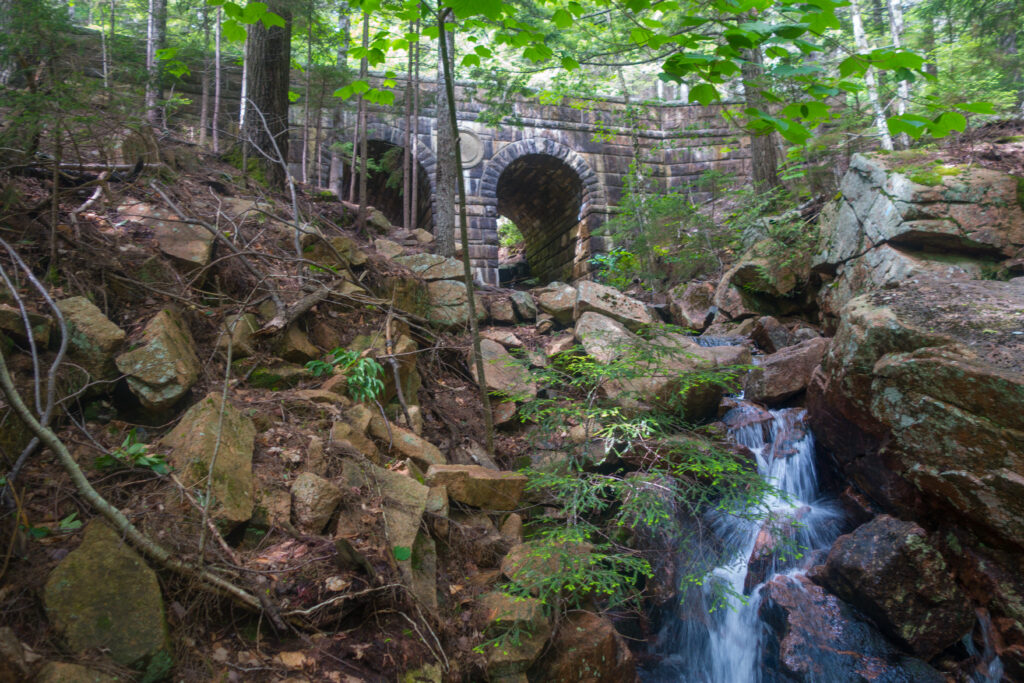
Deer Brook Trail offers a different waterfall experience among waterfalls in Acadia National Park Maine. Rather than hiking specifically to see one named waterfall, you follow a cascading brook for most of the trail as it tumbles down from the gorge between Penobscot Mountain and Sargent Mountain. When conditions are right, it’s like hiking alongside a constantly changing water show.
And here’s a Google Maps link to Hadlock Falls, Maine:
Deer Brook Trail Cascades on Google Maps
A Trail of Many Cascades
Deer Brook runs in the gorge between Penobscot and Sargent Mountains, and during spring snowmelt or after good rain, the entire stream comes alive. As you hike, you’ll see dozens of small cascades, slides, and drops where the brook tumbles over rocks and ledges. No single drop is particularly tall—most are 3-8 feet—but the cumulative effect is delightful.
The trail descends steeply in places, with water rushing alongside you much of the way. You’ll cross the brook several times via small bridges or rock hopping. The sound of flowing water accompanies your entire hike, creating that peaceful atmosphere that makes forest hiking so restorative.
Trail Character
- Distance: Approximately 0.8 miles
- Difficulty: Moderate to challenging with steep sections, rocks, roots
- Direction: Most commonly hiked downhill (starting from Penobscot summit area)
- Terrain: Rocky, can be very muddy, requires careful footing
This trail is notably rougher than others mentioned in this guide. The trail is made up of switchbacks, large steps, and rocks, and during spring when water flow is best, conditions can be quite challenging with mud and slippery rocks. Good hiking boots with ankle support are essential.
Best as Part of a Larger Loop
Deer Brook Trail works best as the descent portion of a larger loop hike. Many hikers climb Penobscot Mountain via other trails (like Jordan Pond Trail), enjoy the excellent summit views, then descend via Deer Brook Trail back to Jordan Pond. This strategy lets you experience the cascading brook as you descend, which is easier than climbing up the steep, rocky trail.
Popular Loop:
- Start at Jordan Pond
- Ascend via Jordan Pond/Penobscot Mountain Trail
- Summit Penobscot Mountain (1,194 feet elevation)
- Descend via Deer Brook Trail alongside cascades
- Return to Jordan Pond via pond path
- Total: approximately 5 miles
Seasonal Nature
The cascades along Deer Brook are highly seasonal. In peak spring (late April through May), the brook flows vigorously and the cascades are lovely. After substantial rain, the stream comes up fast, creating impressive temporary water shows. By mid-summer during dry periods, the brook can diminish to a modest trickle or even disappear in some sections.
If you’re specifically interested in waterfalls in Acadia National Park, check recent weather before making Deer Brook Trail part of your plans. Without recent rain, the trail loses much of its water-feature appeal.
Nearby After Your Hike
After descending Deer Brook Trail, you’ll emerge at the northern end of Jordan Pond. This puts you in perfect position to enjoy other activities in this beautiful area of the park. Walk the Jordan Pond Path for stunning views, rent kayaks to paddle the crystal-clear water, or reward yourself with popovers at Jordan Pond House (a tradition after Acadia hikes). The concentration of excellent things to do in Acadia National Park around Jordan Pond makes this one of the best areas to spend a full day.
Season-Dependent Streams Throughout the Park
Spring’s Temporary Magic
Beyond the named waterfalls covered above, Acadia National Park absolutely comes alive with countless temporary cascades during spring snowmelt and after heavy rain events. During spring runoff, every little stream is filled, and Acadia becomes “Cascadia” according to longtime park staff.
Where to Find Them
During peak spring conditions (late April through May) or after multi-day rain events, you’ll discover beautiful temporary waterfalls and cascades throughout the park. Water appears on cliff faces that are bone-dry in summer. Streams that don’t even show on maps suddenly rush across trails. Every depression and drainage becomes a water feature.
Locations to watch for temporary cascades:
- Along Cadillac Mountain Summit Road (water sheets down roadside cliffs)
- Cliffs near Precipice Trail (dramatic water streaks on granite faces)
- Various spots along Park Loop Road
- Numerous hiking trails throughout the park
- Even granite slopes of mountains sprout temporary water
These ephemeral waterfalls won’t appear on any map and don’t have official names, but they add special beauty to spring hikes. Part of the joy is discovering them unexpectedly—turning a trail corner to find a gorgeous cascade that won’t exist in two weeks.
Managing Expectations
Acadia National Park visitors need to understand that seasonal waterfalls exist only briefly and their appearance depends on unpredictable weather patterns. The trail which showed a stunning waterfall to your friend during April will probably remain dry during your August visit. The short-lived nature of spring waterfalls in Acadia National Park creates a unique experience during this time.
The park requires visitors to choose their entry time because its “flashy streams” appear briefly before disappearing completely. The peak waterfall season in Acadia National Park occurs between late April and early May when visitors can expect to see the best displays. The weather conditions that exist at present will create the experience which visitors will have at the park. The park turned into a waterfall paradise after three days of spring rainfall in a row. The park runs out of water completely after two weeks of dry weather since no rain has fallen.
Embrace the Seasonal Nature
I have learned to view the short-lived nature of waterfalls as an essential element which defines Acadia National Park. The park experiences complete transformations between seasons and weather patterns which create unique experiences for visitors throughout the entire year. The park displays its most beautiful waterfalls during springtime when all streams are active and the forest trees display their emerald green colors. Summer visitors can experience the park’s hot weather while they observe the serene ocean scenery. The autumn season shows viewers breathtaking views of colorful leaves. The park develops an icy yet attractive environment during winter months.
People who learn about Acadia National Park seasonal changes will form accurate expectations about Maine waterfalls. The park offers waterfall views as special treats during specific weather conditions but these features do not exist permanently like ocean views and mountain peaks.
Things to Do Near the Acadia National Park waterfalls
Combine with Carriage Road Biking
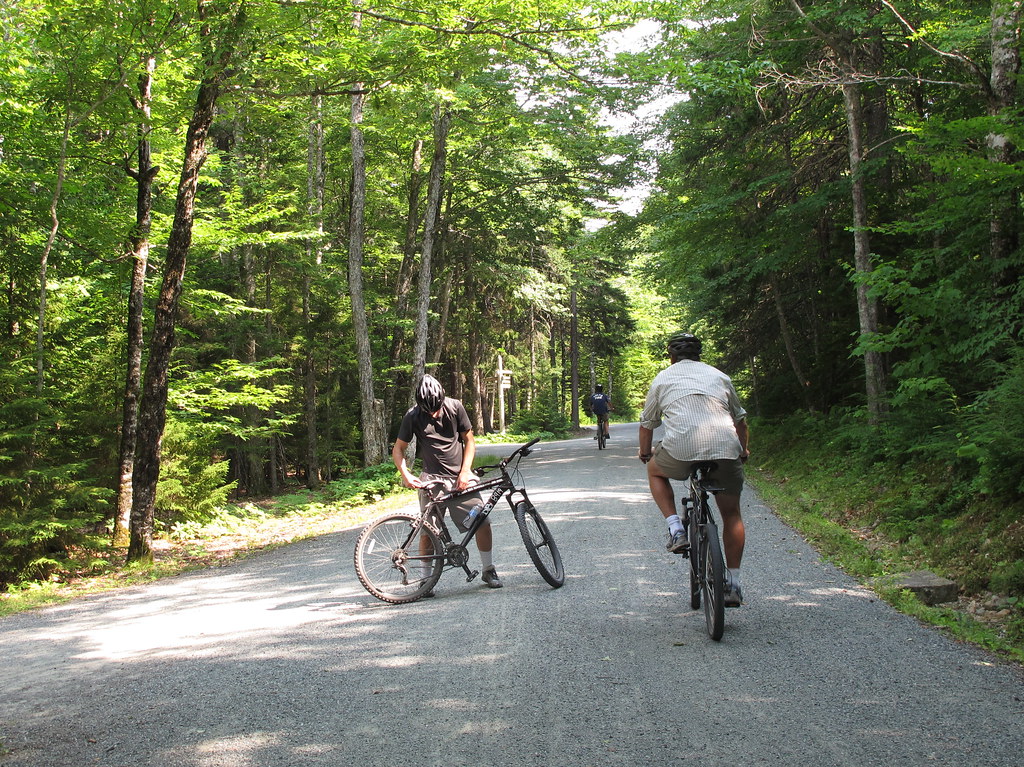
The carriage road system offers 45 miles of car-free, crushed-stone paths perfect for biking—and several waterfalls in this guide are accessible via these roads. Waterfall Bridge sits directly on a carriage road, while Hadlock Falls can be reached via carriage roads for most of the route.
Bike Rental Options in Bar Harbor:
- Bar Harbor Bicycle Shop (Main Street)
- Acadia Bike & Canoe (Cottage Street)
- Bar Harbor Bike Rentals (141 Cottage Street)
Recommended Bike Loop: Start at Jordan Pond, bike to Waterfall Bridge, continue around Eagle Lake, and return via different carriage roads. Total distance: 6-8 miles depending on route. This loop lets you see waterfalls, enjoy multiple historic stone bridges, and experience some of Acadia’s best forest scenery all in one ride.
Jordan Pond House Nearby
Jordan Pond House sits at the heart of Acadia’s waterfall region. After hiking to Hadlock Falls, Deer Brook cascades, or Hemlock Path, reward yourself with the famous popovers—fluffy, hollow rolls served with butter and strawberry jam. This tradition dates to the 1890s and has become one of the iconic things to do in Acadia National Park.
Pro tips for Jordan Pond House:
- Go at off-peak times (3-4 PM) to avoid long waits
- Lawn seating doesn’t require reservations and often has immediate availability
- The tea service ($16) includes popovers, tea, and jam
- Beautiful views of Jordan Pond and The Bubbles from outdoor tables
- Arrive before noon or after 3 PM during peak summer season
The proximity of Jordan Pond House to multiple waterfalls makes it perfect for planning a day that combines waterfall hiking with this classic Acadia experience.
Other Hiking Trails in the Area
The waterfall areas connect to numerous other excellent trails, allowing you to create custom hiking adventures:
Near Hadlock Falls:
- Parkman Mountain Trail (connects from Hadlock Falls, offers excellent summit views)
- Bald Peak Trail (nearby short hike to open ledges)
- Norumbega Mountain Trail (moderate climb with great views)
Near Jordan Pond (Waterfall Bridge, Hemlock Path, Deer Brook):
- Jordan Pond Shore Path (easy 3.3-mile loop, one of Acadia’s most beautiful trails)
- The Bubbles Trail (South and North Bubble, moderate climbs to amazing viewpoints)
- Penobscot Mountain (challenging climb, spectacular 360-degree summit views)
- Sargent Mountain via Jordan Cliffs (challenging but rewarding)
Trail Combination Ideas:
- Hadlock Falls + Parkman Mountain = 4-5 miles, great variety
- Jordan Pond Path + Hemlock Path Waterfall + South Bubble = 5 miles, moderate
- Penobscot Mountain + Deer Brook Trail descent = 5 miles, challenging but beautiful
These combinations let you experience waterfalls as part of longer hiking adventures, rather than making them standalone destinations. Since many waterfalls in Acadia National Park Maine are relatively modest, combining them with summit hikes or pond loops creates more satisfying full-day experiences.
Kayaking and Paddling
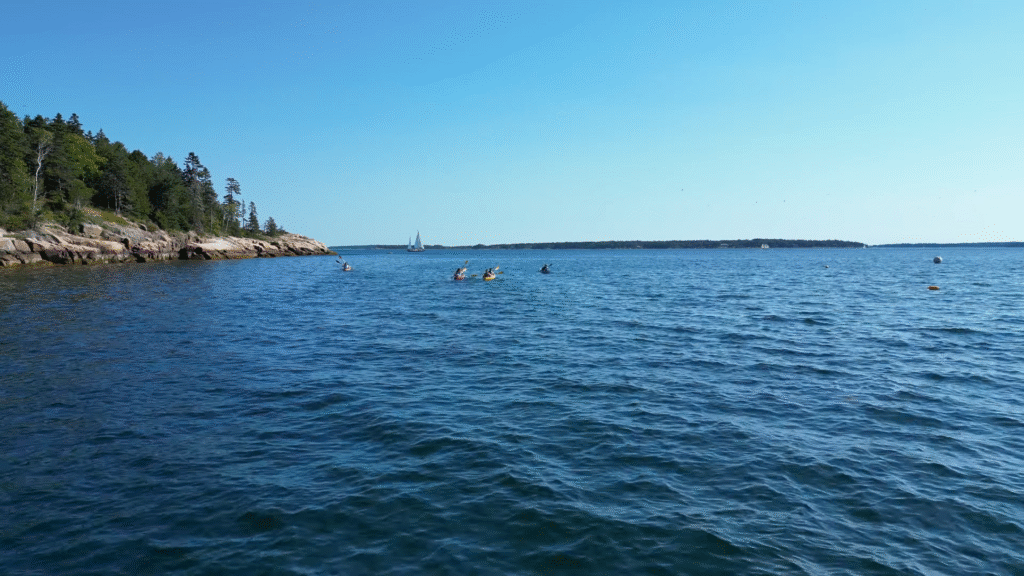
After hiking to waterfalls, the crystal-clear waters of Jordan Pond or Eagle Lake offer perfect paddling opportunities. Several rental operations in Bar Harbor provide kayaks and canoes:
Rental Options:
- National Park Canoe & Kayak Rentals (Long Pond, about $40 for 2 hours)
- Acadia Bike & Kayak (delivers to various locations)
Morning paddling on Jordan Pond is absolutely magical—the water is typically glass-smooth, reflecting The Bubbles and surrounding mountains perfectly. You might spot loons, which nest on the pond. The peaceful paddle creates a wonderful contrast to the physical effort of waterfall hiking.
Looking for More Acadia Activities?
The waterfalls covered in this guide represent just one aspect of what makes Acadia special. If you’re planning a complete Acadia visit and want to explore beyond waterfalls, check out our comprehensive guide to things to do in Acadia National Park, which covers:
- Watching sunrise from Cadillac Mountain (absolutely unmissable)
- Hiking The Beehive Trail’s iron rungs and ladders
- Exploring Thunder Hole when waves crash dramatically
- Driving the scenic Park Loop Road
- Relaxing at Sand Beach
- Biking the full carriage road network
- Visiting Bass Harbor Head Lighthouse
- And 10+ more incredible experiences
Acadia excels as a park offering incredible diversity—coastal drama, mountain summits, forest trails, historic architecture, and yes, seasonal waterfalls. The best trips combine multiple types of experiences rather than focusing solely on one feature.
Practical Information for Visiting Acadia National Park Waterfalls
Park Entrance Fees and Passes
Yes, you need a valid Acadia National Park entrance pass to access all waterfalls covered in this guide (except potentially some areas along Route 3/198 outside official park boundaries, though parking still requires passes).
Pass Options:
- 7-Day Vehicle Pass: $35 (covers everyone in your vehicle)
- 7-Day Motorcycle Pass: $30
- 7-Day Individual Pass: $20 (pedestrians, bicyclists)
- Acadia Annual Pass: $55 (valid for one year)
- America the Beautiful Annual Pass: $80 (covers all federal recreation sites nationwide)
Purchase passes at park entrance stations, visitor centers, or online at Recreation.gov before your visit. Rangers do check passes at popular parking areas, and tickets for entering without a pass are expensive.
If you’re visiting Acadia for multiple days or plan to visit other national parks within the year, the America the Beautiful Annual Pass ($80) offers the best value. For a single Acadia visit of a week or less, the 7-day vehicle pass ($35) is most economical.
Pro tip: If you’re 62+ years old, the America the Beautiful Senior Pass is only $20 for an annual pass or $80 for a lifetime pass—an incredible deal if you plan any future national park visits.+
“Note: All prices are indicative and may change based on season, availability, or establishment policy. Confirm current rates locally before visiting.”
Best Season to Visit (April-May = Peak Flow)
If waterfalls are a priority for your Acadia visit, timing is everything. Late April through early June represents peak waterfall season. This is when snowmelt combines with frequent spring rains to create maximum stream flow. Every waterfall in this guide will be flowing at or near its best during this window.
I visited in late April and caught perfect conditions—three days of rain had just ended, leaving all the waterfalls flowing vigorously. When I returned in early August, many of the same cascades were barely trickling or completely dry. The contrast was dramatic and really drove home how seasonal these waterfalls are.
Peak Season Advantages:
- All waterfalls flowing at maximum capacity
- Forest vegetation is vibrant emerald green
- Fewer crowds than summer (lodging is also cheaper)
- Pleasant hiking temperatures (50s-60s typically)
- Wildflowers blooming along trails
Peak Season Challenges:
- More rain means potentially wet hiking days
- Trails can be muddy and slippery
- Some facilities may not be fully open until late May
- Cooler temperatures require layered clothing
What Happens in Summer/Fall
Summer (July-August): The waterfalls in Acadia National Park experience their lowest water flow during July and August. The absence of continuous rain causes most waterfalls to reduce their flow until they stop running completely. The larger watershed of Hadlock Falls keeps water flowing but Aunt Betty Pond and Hemlock Path cascades disappear completely during this season.
Acadia provides its best weather conditions during summer months for visitors to explore the park. The summer season provides perfect conditions for hiking and ocean activities and mountain climbing even though waterfalls might not be at their best. The trails will show more rocks than water when you visit during this season.
The waterfalls face unpredictable conditions because of shifting weather patterns during the fall season which spans from September to October. Waterfalls become enchanting when autumn rains create beautiful flows through their surroundings during this season. The waterfalls will let you down when summer and fall seasons bring no rainfall. Check the recent rainfall amounts to determine if waterfalls should be your main focus during your fall visit.
Rain = Better Waterfalls
The simple formula: recent rain directly correlates to waterfall quality. Before your Acadia trip, check the 7-day weather forecast and recent conditions. If there’s been 2-3+ days of rain within the past week, waterfalls will be flowing well. After 10+ days without rain, many will be minimal.
Some hikers even plan their waterfall hikes for the day after rain events, accepting potentially muddy trails in exchange for maximum waterfall flow. This strategy works well if you have flexible plans.
Photography Tips
Photographing waterfalls in Acadia National Park requires some specific techniques:
Camera Settings:
- Use 1-3 second exposures to create that silky water effect
- Bring a tripod for longer exposures
- Polarizing filter reduces glare on wet rocks and enhances colors
- Shoot in RAW format for maximum editing flexibility
Lighting:
- Morning light (8-10 AM) works best for most Acadia waterfalls
- Overcast days provide soft, even light that’s ideal for waterfall photography
- Avoid harsh midday sun which creates difficult contrast
- The hour after rain often offers beautiful atmospheric mist
Composition:
- Include surrounding forest for context
- Look for foreground elements like moss-covered rocks
- At Waterfall Bridge, shoot from below looking up through the arch
- Experiment with both vertical and horizontal orientations
What to Bring
Essential Gear:
- Waterproof hiking boots (trails near waterfalls are invariably muddy and slippery)
- Extra layers (it’s cooler and damper near water features)
- Rain jacket (spring weather is unpredictable)
- Bug spray (mosquitoes love water areas in warmer months)
- Camera and protective bag
- Water bottle and snacks
- Park map (cell service is spotty)
- First aid kit basics
Optional but Helpful:
- Trekking poles for stability on slippery trails
- Microfiber towel for drying equipment
- Portable phone charger
- Binoculars for wildlife
- Field guides to identify plants and birds
Waterfalls create inherently dangerous conditions. Follow these safety guidelines:
- Slippery Surfaces: Wet rocks near waterfalls in Acadia National Park Maine are extremely slippery. Exercise extreme caution when getting close to the water or climbing on rocks. Many injuries occur from falls on slick surfaces.
- Stay on Trails: Resist the urge to bushwhack for better views. Stick to established trails to protect fragile vegetation and avoid getting lost.
- No Swimming: Swimming is not permitted in streams feeding Jordan Pond (water supply for Seal Harbor). Other waterfall pools are generally too small, cold, and potentially dangerous for swimming.
- Weather Awareness: Spring weather changes quickly. Start early so you’re off trails before afternoon thunderstorms. If you hear thunder, descend immediately—mountaintops and exposed areas are dangerous in lightning.
- Tell Someone: Let someone know your hiking plans, especially for more remote waterfalls like Aunt Betty Pond.
- Park Pass Required: All waterfalls in this guide are within or adjacent to Acadia National Park, requiring a valid park pass ($35 for 7-day vehicle pass, or use America the Beautiful annual pass).
Final Thoughts About Acadia National Park Waterfalls
Waterfalls in Acadia National Park will never compete with Yosemite Falls, Multnomah Falls, or other famous cascades. They’re small, seasonal, and often require perfect timing to see at their best. But they offer something those famous waterfalls often don’t—peaceful solitude, intimate forest settings, and the charm of discovering something lovely that most park visitors miss.
Visit with appropriate expectations, time your trip for spring or after rain, and view them as pleasant bonuses rather than primary objectives. Approached this way, the waterfalls add wonderful depth to your Acadia experience without causing disappointment.
And honestly? Sitting on a moss-covered boulder beside Upper Hadlock Falls, listening to water cascade through hemlock forest while spring sun filters through the canopy—that’s a pretty special experience, regardless of how the falls measure up to Yosemite.
Ready to explore more of Acadia? Check out our comprehensive guide to things to do in Acadia National Park for complete trip planning, including the coastal highlights, mountain hikes, and iconic experiences that make this park one of America’s most beloved national treasures.
Frequently Asked Questions About Acadia National Park Waterfalls
The most famous site is Cadillac Mountain, known for its sunrise views and sweeping panoramas of the Atlantic Coast.
Many travelers consider the Precipice Trail the most beautiful hike, offering thrilling cliffside ladders and jaw-dropping coastal views. For something easier, the Ocean Path is equally scenic.
Acadia is famous for its dramatic coastline, historic carriage roads, granite peaks, and stunning sunrise viewpoints—making it one of the top outdoor destinations in the U.S.
Maine’s biggest waterfall by volume is Moxie Falls, featuring a spectacular 90-foot drop and powerful year-round flow.
Top activities include watching sunrise on Cadillac Mountain, driving the Park Loop Road, hiking Jordan Pond Path, visiting Sand Beach, and exploring Bass Harbor Head Lighthouse

1 comment
Thanks for sharing. I read many of your blog posts, cool, your blog is very good.