If you’re heading to Siesta Key Beach, checking the Siesta Key Beach Water Conditions is honestly one of the best things you can do. I’ve learned the hard way — waded in thinking it was perfect and got hit with water so cold it made me jump back like I’d been shocked. Now, I always check the latest reports before I even think about hitting the sand.
Most days, the Gulf is calm and clear, that kind of water that makes you want to just float and stare at the sky for a while. Summer warms it up so swimming feels effortless, and winter cools things down just enough to make you pause — but somehow it still feels refreshing. The tides shift throughout the day, and waves sneak in and out like they’re playing some secret game.
I usually peek at Sarasota County Beach Patrol or NOAA updates. It’s not just about safety — knowing the Siesta Key Beach Water Conditions helps you pick the right spot to swim, relax, or even snap photos without disappointment. When the sun, sand, and water line up, the whole place just hits different, and you’ll feel it the second you step in.
Table of Contents
Understanding Siesta Key Beach Water Conditions Before You Go
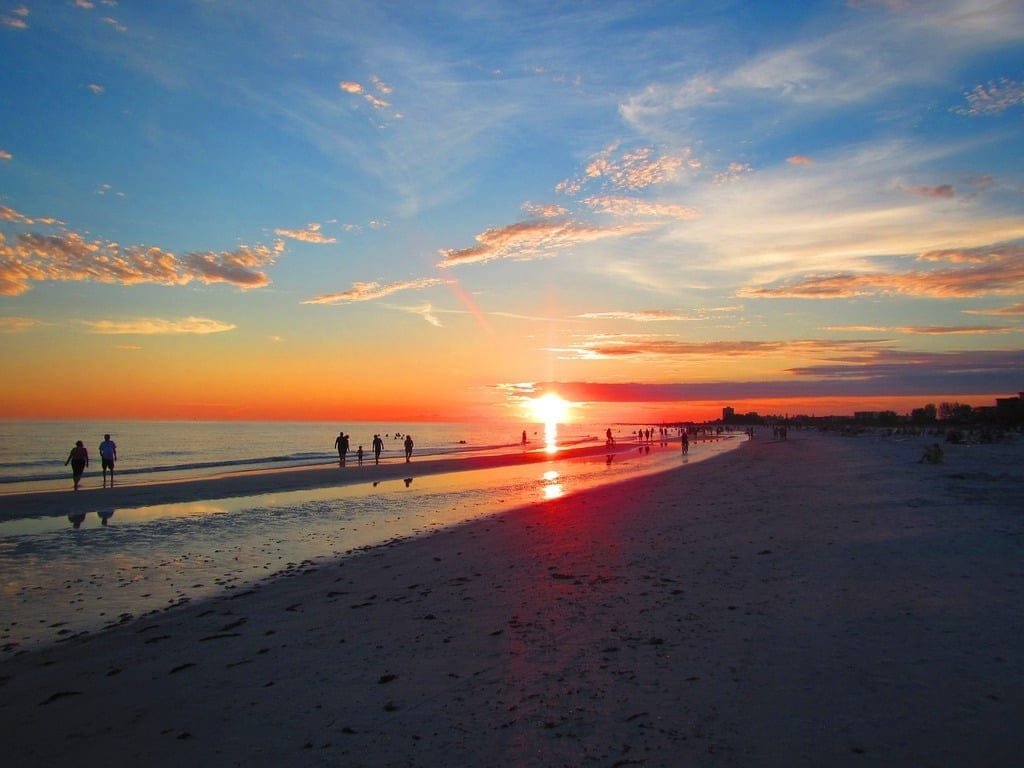
Heading to the beach without checking the Siesta Key Beach Water Conditions is kind of like setting sail without a compass. You might get lucky and have an amazing day, but a little prep makes all the difference. I’ve learned that the hard way — waded in thinking everything was fine, and let’s just say I regretted it pretty fast.
The beach can look flawless from afar, but the water changes constantly. Temperature, currents, clarity — sometimes even hour by hour. Red tide or unexpected sea life can show up, and if you’ve got kids or plan to swim or paddle, knowing what you’re getting into makes life a lot easier.
Florida’s Gulf Coast is stunning, but it’s not immune to nature. After heavy rain, runoff can cloud the water, and seasonal winds can stir up seaweed or debris near the shore. Being aware lets you pack smarter — maybe a light wetsuit if it’s cool, extra sunscreen if it’s sunny, or even plan for a more relaxed day if conditions aren’t ideal.
Checking tide charts, weather updates, or local beach reports takes just a few minutes, but it can save a lot of hassle. Trust me, when the sun, sand, and water line up, the day feels effortless — and that’s the kind of beach day you want.
Live Siesta Key Water Temp Reports for Swimmers
If you’re planning to swim at Siesta Key Beach, checking the Siesta Key Beach water temp can totally make or break your plans. I’ve shown up in winter thinking it’d be fine — ended up wading in and jumping out faster than I’d like to admit. Knowing the water temperature ahead of time just saves a ton of hassle.
Right now, spring waters sit around 74°F (23°C), warming into the mid-80s°F (29°C) in summer — ideal for floating, snorkeling, or a casual swim. Winter drops it into the 60s°F (17–20°C), which is brisk but refreshing if you’re brave. And trust me, tides and wind can make the water feel warmer or cooler than the thermometer says, so it’s always good to double-check.
Where to Check Live Water Temps:
These sites offer not just the current water temperature, but also wind speed, tide levels, and forecasts.
📍 Track Siesta Key Beach water temperature via Google Maps – just zoom into the location, click for weather, and scroll to “Water Temp.”
Many resorts and beach kiosks also post daily boards listing temperature and wave info near beach access points. It’s always a good idea to double-check before diving in.
Siesta Key Red Tide Update

Monthly Trends in Siesta Key Beach Water Temperature
Curious what the water will feel like during your trip? Here’s a helpful month-by-month breakdown of the typical water temperature at Siesta Key Beach, based on historical averages.
| Month | Average Temp (°F) | Water Feel |
| January | 64–68°F | Cool to chilly |
| February | 66–69°F | Brisk for most |
| March | 69–72°F | Starting to warm up |
| April | 73–76°F | Comfortable for swimming |
| May | 78–81°F | Warm and ideal |
| June | 83–85°F | Perfect beach temp |
| July | 85–87°F | Very warm |
| August | 86–88°F | Like bathwater |
| September | 84–86°F | Still warm |
| October | 80–83°F | Starting to cool |
| November | 74–77°F | Pleasant |
| December | 68–72°F | On the cooler side |
While the Gulf of Mexico tends to be warmer than the Atlantic side of Florida, early spring and winter might still be a bit cold for prolonged swims unless you’re used to it.
Traveling in summer? Expect ultra-warm, Caribbean-like temps that are perfect for floating, snorkeling, and paddling around.
What Impacts Water Clarity at Siesta Key Beach
On most days, Siesta Key’s waters are a shimmering turquoise that rivals the Caribbean. But water clarity isn’t constant—it changes due to several factors, both natural and human factors.
Common Factors That Impact Clarity:
Tide Changes: Incoming tides often bring clearer water. Outgoing tides can stir up sand and reduce visibility.
Rainfall: Heavy rain leads to runoff from the mainland, clouding the water with silt and debris.
Wind Speed & Direction: Strong winds churn up the bottom, especially near shorelines.
Algae Blooms: At times, red tide or other algae can discolor water and affect smell or clarity.
If you’re planning to snorkel, paddleboard, or take underwater photos, consider checking conditions the morning of your trip.
Where to Check Water Clarity:
Local beach cams (see Section 9)
Social media groups or Reddit forums (locals often post real-time photos)
Remember, even if clarity isn’t perfect, the beach is still a beautiful place to relax. Just save snorkeling for a clearer day if visibility is poor.
Tidal Activity & Currents Affecting Siesta Key Water Conditions

Understanding tides and currents helps keep your beach day safe and enjoyable. While Siesta Key isn’t known for dangerous surf, knowing the current cycle can improve swimming, shell hunting, and even sunbathing.
Tide Basics at Siesta Key:
High tide brings the water closer inland. It’s great for floating and deeper swims.
Low tide exposes more shoreline, ideal for walking and shelling.
Riptides and currents are rare but possible during storms or unusual wind events.
Always check the daily tide chart before going. These are widely available on weather apps, local kiosks, and online resources like:
Lifeguard stands will also post colour-coded flags to alert you of current water safety levels. If in doubt, ask a lifeguard before entering deeper water.
Siesta Key Beach Water Safety Flags: Know Before You Swim

Before you swim, take a quick glance at the colorful flags near the lifeguard station—they’re basically traffic lights for the sea. I always do this first thing because it only takes a second, but it can seriously save you from a surprise trip out past your comfort zone. Those currents? Yeah, they look harmless from shore, but they can drag you away from the beach faster than you’d expect. Checking the flags is a tiny habit that protects you without ruining any fun.
Flag Colors and Their Meanings:
🟢 Green: Water’s calm and chill. Go on, enjoy your swim—maybe even float for a bit.
🟡 Yellow: Surf or currents are moderate. Swim with care. I usually keep an eye on my little ones during these days—don’t want any surprises.
🔴 Red: High surf or dangerous currents. Definitely skip the deep end. Trust me, it’s not worth testing your luck.
🔴🔴 Double Red: Water’s closed to the public. Seriously, don’t go in—lifeguards mean business.
🟣 Purple: Dangerous marine life is present (like jellyfish or stingrays).
You’ll find flags at lifeguard towers, beach entrances, and some resorts. They’re updated throughout the day based on changing conditions, especially when tides shift or storms move in.
Even on a green-flag day, I always stick near lifeguarded zones and never swim alone. If you’ve got kids or less confident swimmers, floatation devices or shallow wading are lifesavers.
Keep an eye out for posted signs and check online for daily reports — Visit Sarasota’s Beach Conditions Report is super handy. A quick peek before heading out makes your beach day safer and way more relaxing.
Best Times to Enjoy Ideal Siesta Key Water Conditions
The beach is gorgeous no matter when you show up, but if you want the water at its clearest, calmest, and safest, timing actually makes a difference. Trust me, it changes how you feel once your toes hit the sand.
Morning Magic (7–10 a.m.):
I love mornings here. The water can be almost mirror-like, and you’ll probably have a big stretch of sand to yourself. Clarity is usually at its peak before the wind picks up, and the sun isn’t roasting anyone yet — a real lifesaver if you’ve got kids or just want a peaceful dip without dodging crowds. There’s something about that calm, early vibe that makes you actually pause and soak it in.
Midday (11 a.m.–3 p.m.):
This is when the beach comes alive. Expect warmer water, more waves, and plenty of energy all around. It’s sunbather central, honestly. Water clarity can dip a little depending on tides and foot traffic, but it’s still tempting enough to jump in. If you like people-watching or a lively beach scene, this is your jam.
Late Afternoon (4–6 p.m.):
Late afternoons are all about floating and unwinding. The sunlight softens, the crowds start thinning, and the sunsets begin putting on a quiet show. Water can feel warmer after soaking in the sun all day, making it perfect for a lazy drift or a final splash before packing up.
Pay attention to the tides, too. High tide usually gives deeper, clearer water for swimming, while low tide is great for exploring shallow spots.
So if you want calm, clear, almost picture-perfect water? Hit the beach early. Seriously, it’s worth setting the alarm.
💬 Guest Review by Mariana Gordon
“This was my first time to Siesta Key! It was absolutely beautiful! Powdery white sand, free public parking (which leads to high volume times but so worth it), the sunset drum circle on Sundays is a beautiful experience! It’s my new favorite beach…and I’m a life long Floridian.”
Google Review Rating: ⭐⭐⭐⭐ 4.7/5 (26,724+ reviews)
👉 Read more on Google Review
Trusted Apps to Monitor Siesta Key Beach Water Temperature
There’s no need to guess what the ocean’s doing—plenty of real-time resources provide accurate water condition data for Siesta Key. Bookmark a few of these tools and check them before heading out:
Top Tools for Water Conditions:
Visit Sarasota Beach Conditions – Includes flag status, red tide, wind, and jellyfish updates
NOAA Marine Reports – Current water temps, wind speed, and forecasts
Tides4Fishing – Siesta Key – Tide charts, fish activity, and moon phases
MagicSeaweed – Wave size, swell, and surfing forecasts
If you’re on the go, apps like MyRadar, Windy, or Tide Alert are user-friendly and customizable. Most include beach-specific notifications and widgets so you’re always in the know.
These digital tools make it super easy to plan the perfect beach visit—from water temps to wave height.
Watch Live: Siesta Key Water Conditions on Beach Webcam
Want to see the beach before you even leave your house or hotel? Check out the Siesta Key Beach webcam for a live view of the shoreline, waves, and crowd levels.
This tool is perfect for checking:
Current water clarity and surf
Crowds and parking congestion
Flag warnings and lifeguard activity
Sunset and sunrise views
📹 Watch the Siesta Key Beach Webcam Here
The camera is positioned near the main beach pavilion and is updated in real time. It’s especially useful during busy weekends or if the weather looks iffy.
This simple step can save you from a wasted trip—or help you time it perfectly for that Instagram-worthy beach moment.
How Local Weather Affects Water Temperature and Clarity at Siesta Key
Florida’s weather can flip in a heartbeat, and even a short rain shower or a gust of wind can change Siesta Key Beach water conditions dramatically. I’ve learned the hard way — showing up without checking the forecast can turn what should’ve been a perfect swim into a messy, cloudy experience.
After Rain:
- When it rains, especially near the bridges, the water can get a bit murky. That’s just runoff from the mainland carrying silt and small debris. I usually wait a few hours after a storm before jumping in — the waves tend to clean things up pretty quickly. By mid-afternoon, the turquoise clarity often returns, and swimming feels perfect again.
During Windy Days:
- Wind from the west or southwest can stir up the bottom fast. Waves get choppy, the water darkens, and sand can blow across the beach. Whitecaps appear, and suddenly snorkeling or floating isn’t quite as relaxing. On days like that, I usually hang back a little — it’s better to wait for calmer waters than fight the rough waves.
Storm Systems and Hurricanes:
- Even storms far offshore can create swells, rip currents, and unusual tides. I never ignore double-red flag warnings. Seriously, one glance at the waves and you’ll know why.
For real-time updates, I always check Weather.com’s Siesta Key Forecast or local beach alerts. A quick peek before heading out makes all the difference — safer swims, calmer waters, and a way better beach day.
Siesta Key Beach Water Safety Tips for Families and Kids
If you’re heading to the beach with children, knowing how to enjoy the water safely and comfortably is key. While Siesta Key’s waters are generally calm, conditions can change quickly, so a little prep goes a long way.
Safety First:
Always swim near a lifeguard stand.
Go over flag warnings with your kids. Even little ones can learn the colour codes.
Equip younger children with water shoes and life vests, especially if they’re not strong swimmers.
Avoid swimming near jetties or rocks, where currents can be unpredictable.
Comfort Essentials:
Mornings offer the calmest waters for younger kids and less UV exposure.
Bring along a beach tent or umbrella to keep children shaded during peak sun hours.
Pack a small bucket or net for kids to explore tide pools during low tide. It turns the beach into a discovery zone.
Many families love Access 5 at the main beach, thanks to its amenities—restrooms, snack stands, and lifeguards. Access 12 and 13 are also quieter options if you want less foot traffic and a peaceful swim.
Remember to reapply sunscreen often and take plenty of hydration breaks. Happy kids = happy beach day.
Using Google Maps to Track Siesta Key Water Quality and Spots
Sometimes, all you need is a bird’s-eye view. Google Maps isn’t just great for directions—it’s also a powerful tool for finding the clearest swimming areas and least crowded stretches of Siesta Key Beach.
How to Use Google Maps to Your Advantage:
Switch to Satellite View to spot water colour, sandbars, and jetties.
Zoom into various access points (Access 1 through 13) to check amenities, parking areas, and crowd density.
Tap on reviews to see what recent visitors say about conditions. Many mention water clarity, seaweed levels, or recent jellyfish sightings.
📍 Explore Siesta Key Beach on Google Maps
Planning your visit with Google Maps ensures you arrive at the exact stretch of beach that suits your needs—whether that’s privacy, facilities, or calm water for kids.
If you’re local or visiting for a few days, drop pins on your favorite locations so you can return easily. It makes beach-hopping across Siesta Key super convenient.
Conclusion: What to Expect from Siesta Key Beach Water Conditions
Siesta Key Beach isn’t just famous for its powdery white sand — the water here is something else. Warm enough to jump in without hesitation, usually calm, and often clear enough to see your toes wobble in the sand below. But let’s be real: nature does what it wants. Currents shift, tides roll in and out, and weather can turn a perfect day into one that’s… less than ideal.
That’s why I always check the Siesta Key Beach water conditions before heading out. Water temperature, live flag alerts, and even webcams give you a real sense of what to expect. NOAA, Visit Sarasota, and Google Maps make it super easy — a couple of minutes and you’re prepped instead of guessing.
Whether you’re planning to snorkel, float with the kids, or just soak in the sun, knowing the conditions makes everything smoother. You’ll avoid surprises, swim safely, and honestly, enjoy it way more.
Pack your sunscreen, peek at the tide chart, and maybe bring a light jacket if the breeze picks up. With just a little prep, a day at Siesta Key Beach turns into exactly what you hoped for: sun, sand, and that perfect Gulf swim.
FAQs About Siesta Key Beach Water Temperature and Swimming Safety
It ranges from 64°F in winter to 88°F in late summer—perfect for year-round swimming.
It’s not recommended. Red tide can irritate your eyes, throat, and skin. Check local alerts before swimming.
Mornings during high tide are usually best. Less wind and lower traffic help maintain visibility.
Visit Sarasota’s Beach Conditions Report or use the live beach webcam.
Access 5 near the main pavilion offers restrooms, lifeguards, and concessions—great for kids and convenience.