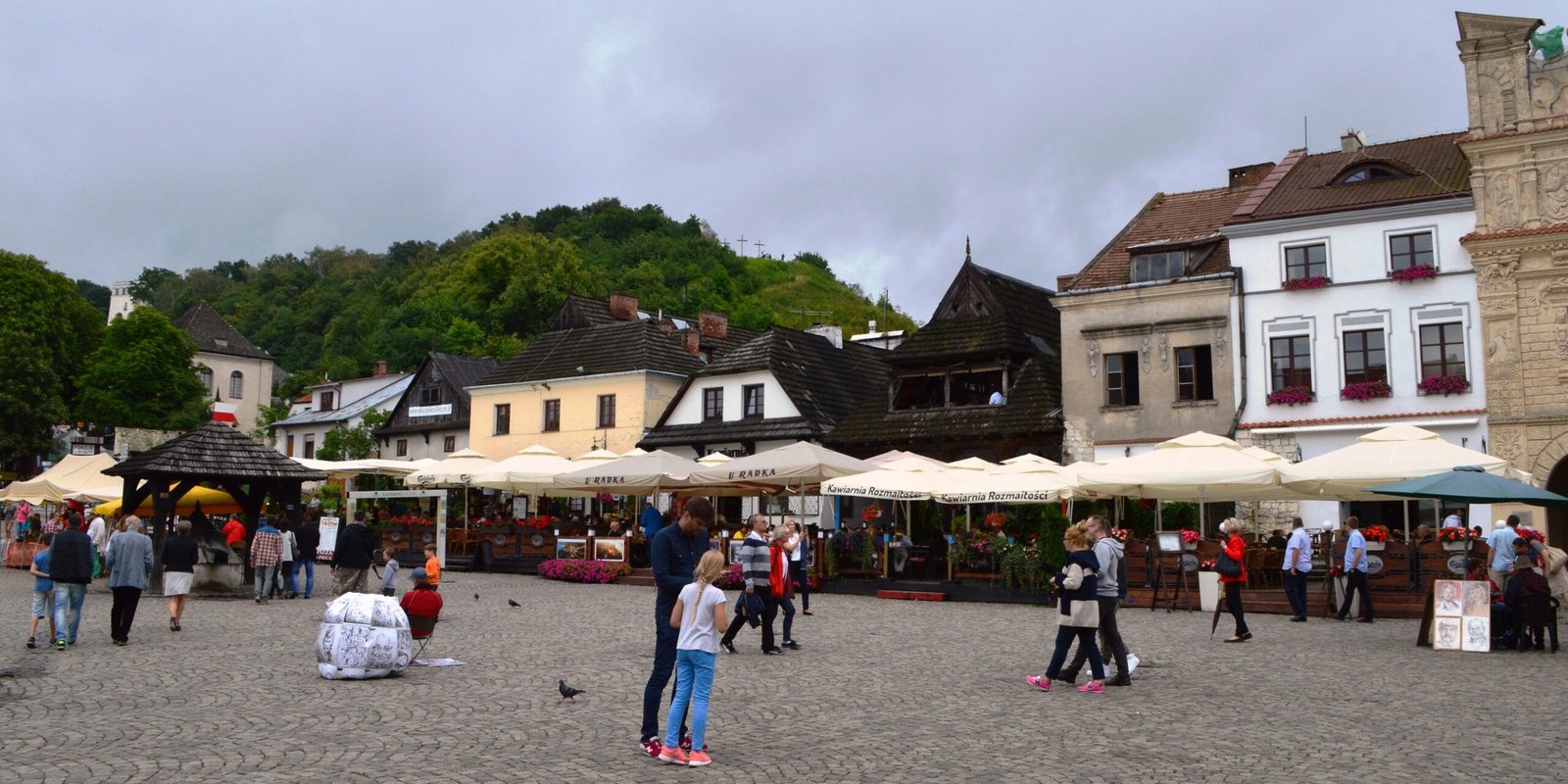
Upon entering Kazimierz I discovered an exceptional atmosphere which seemed to transfer stories through the city streets with both profound emotional depth and authentic rawness. This neighborhood exists as an emotional experience which connects visitors to Jewish heritage and artistic achievements and cultural strength across centuries.
My search for meaningful destinations led me to Kazimierz which proved unforgettable to me. I found myself between historical synagogue architecture from the 15th century and a lively café enjoying Jewish cheesecake with klezmer music.
Throughout history Kazimierz operated as an independent town before developing into a major Polish Jewish cultural center and now maintains its legacy by embracing contemporary art. The mixture of Gothic and Art Nouveau architecture along with quiet memorials and street murals and worldwide language sounds creates a living atmosphere which makes Kazimierz feel alive with multiple layers and authentic human presence.
Kazimierz stands out as one of the most important destinations for travelers who appreciate history and food or anyone seeking genuine local experiences in Kraków. The stop turned into an experience that I carry in my memory until today.
Table of Contents
The Deep History of Kazimierz – Kraków’s Jewish Quarter
Founding of Kazimierz in the 14th Century
The district of Kazimierz obtained its current status as Kraków’s Jewish Quarter through its establishment in 1335 by King Casimir III the Great. The king established this new royal town with his own name in the area beyond the Old Town walls of Kraków. The Christian settlement developed into one of Europe’s most important Jewish communities throughout history.
After Jewish people lost their right to live in Kraków’s Old Town in the 15th century the authorities allowed them to establish their permanent residence in Kazimierz. This development established a new direction which affected both the city and Jewish communities across Poland. Szeroka Street became the center of a flourishing community when Jewish families and scholars and merchants built their new homes.
Today’s historic synagogues along with Jewish cemeteries and schools located along this street still reflect the deep historical resonance of the area. The neighborhood evolved into an energetic center of Jewish faith education and trade that maintained its cultural importance throughout multiple centuries.
Kazimierz began its existence through transformation rather than basic establishment. The changes made during this period remain noticeable in all stone structures as well as the stories and the spiritual essence of visitors to the site.
Growth of Jewish Culture and Community
The Jewish population of Europe established Kazimierz as one of its most thriving centers during the 16th century. A community of 3,000 Jews lived in this district which included rabbis as well as merchants scholars and artisans who built the cultural essence of the area. The growing population led to the construction of seven synagogues which resulted in the densest concentration of Jewish worship facilities in the region.
During this era Rabbi Moses Isserles gained fame under the name Remuh as he became a renowned Talmudic scholar whose teachings remain popular to this day. One of Kazimierz’s most significant historical landmarks and religious legacies stems from the Remuh Synagogue which Rabbi Moses Isserles built in the mid-1500s.
During this period Kazimierz served as a living embodiment of Jewish tradition combined with educational institutions and community activities. The area resounded with Yiddish and Hebrew speech while the district came alive during Passover, Purim and Sukkot celebrations. Jews and Christians maintained peaceful relations through trading and mutual learning activities as they shared the same residential areas.
The historical synagogues and quiet streets revealed their deep history to me through every corner of this place. The Jewish community of Poland found its spiritual and cultural identity in Kazimierz which became a vital center for Jewish life and a core element of Kraków’s soul.
The History of Kazimierz
Impact of World War II and Post-War Revival
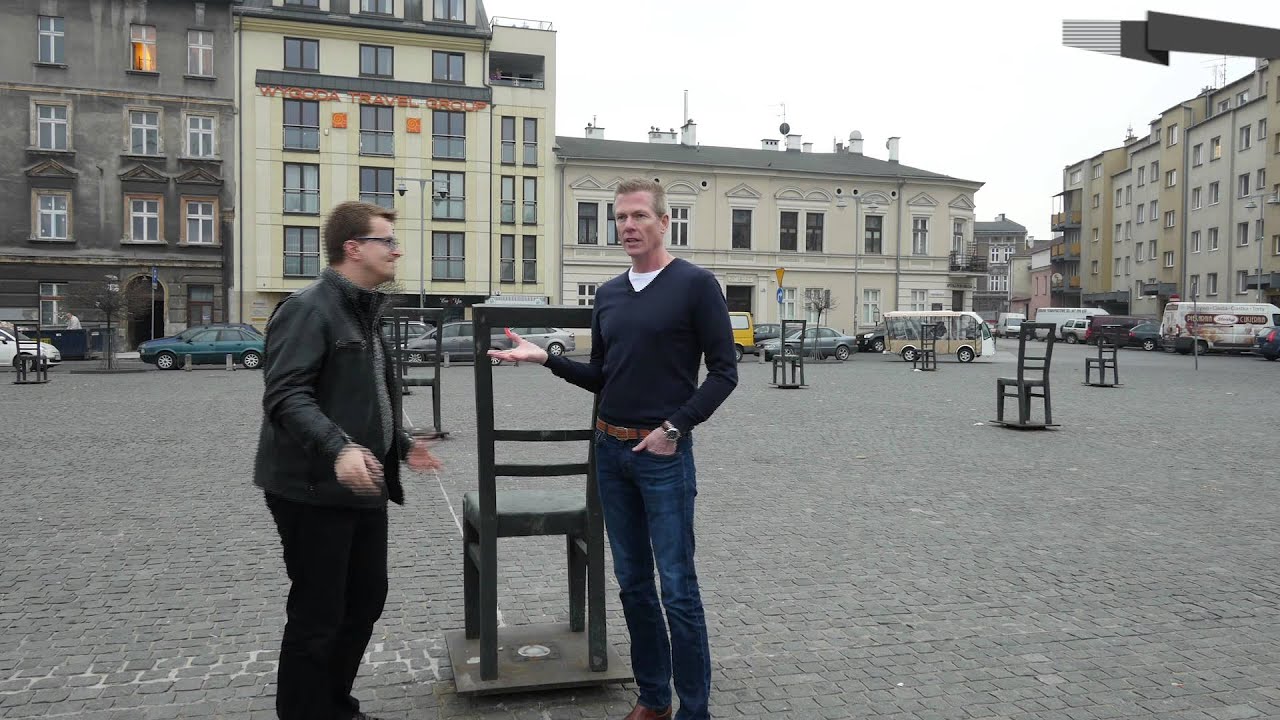
The current atmosphere of Kazimierz makes it challenging to understand the suffering this neighborhood experienced in the past. Prior to World War II Kazimierz operated as the main Jewish hub in Kraków with its many synagogues and commercial businesses and residential communities. The Nazi occupation brought a sudden transformation to this entire area. The Nazis forced Jewish residents from their homes into the Kraków Ghetto before sending them to concentration camps where Auschwitz stood among them. The Nazi destruction of synagogues combined with cemetery looting and the disappearance of street life caused the area to become a desolate landscape.
Following World War II Kazimierz existed in a state of neglect and sorrow. The area stayed empty for multiple decades until people forgot about it. A powerful recovery started in the 1990s. Local residents united with international Jewish communities to restore synagogues while creating the Galicia Jewish Museum and reviving traditional Jewish customs.
The Jewish Culture Festival represents the most important aspect of this revival because it brings music and food and storytelling to the district during summer months. Kazimierz today serves as an embodiment of resilience alongside its historical significance. The present moment in Kazimierz shows you the remnants of history together with a thriving community which preserves its heritage through intentional progress.
How to Get to Kazimierz, Kraków’s Historic Jewish Quarter
Visitors can easily find Kazimierz—the historic Jewish district in Kraków—through three main routes starting from Old Town residences or Kraków Główny railway station and walking through the city. Visitors can easily navigate Kazimierz because it stands immediately south of the Main Market Square and provides excellent walkability throughout the neighborhood.
🚶 On Foot (Highly Recommended)
The authentic way to visit Kazimierz starts with walking. From Rynek Główny (Main Market Square) in the Old Town, it’s a 15-minute walk. You can reach Kazimierz by walking along Starowiślna Street through the serene Planty Park. During your walk you will observe a transition between Gothic church towers and the bohemian atmosphere of Kazimierz.
Travel Tip: Walking between locations instead of using trams or taxis will help you find unknown coffee shops and bookstores and street art that you would otherwise miss.
🚋 By Tram
If you’re staying farther out or prefer public transport, Kraków’s trams are fast and reliable.
- From Kraków Główny train station, take tram 3, 19, or 24.
- Get off at Miodowa or Starowiślna—both stops put you right in the heart of Kazimierz.
- Tickets cost about 4–6 PLN and can be bought at kiosks or via mobile apps like Jakdojade.
🚖 By Taxi or Ride-Share
Taxis and ride-share apps like Bolt or Uber are widely available. A trip from the city center to Kazimierz takes around 10 minutes and usually costs 20–25 PLN (€5–6).
🚲 By Bike or E-Scooter
Bike and electric scooter rentals through services like Tier, Bolt and Lime provide an entertaining and environmentally friendly transportation choice. You can enjoy a pleasant ride along the Vistula River path which provides both beautiful views and smooth conditions during spring and summer months.
Map Location
Architectural and Religious Landmarks in Kazimierz
The Old Synagogue – Kraków’s Oldest Jewish Monument
Old Synagogue exists as the oldest active synagogue in Poland because it was built during the early part of the 15th century. The Old Synagogue operates as a museum which showcases Jewish customs together with Jewish history. Visitors can discover exhibits that depict Jewish festivals alongside religious customs as well as regular Jewish daily activities.
The Gothic and Renaissance architectural design of the building distinguishes itself from other Kazimierz landmarks as it transports visitors back to pre-war Jewish Kraków when they walk through its halls.
Remuh Synagogue and Cemetery
The Remuh Synagogue functions as an active religious institution today and it shares a boundary with Remuh Cemetery which ranks among the oldest Jewish burial sites in Europe. The grave of Remuh attracts Jewish pilgrims from all around the world.
Visitors can find peace among the grave markers covered in moss which create a beautiful yet profound tribute to the historical figures of Kazimierz.
High Synagogue, Tempel Synagogue, and More
Kazimierz boasts several other synagogues worth exploring:
High Synagogue: Known for its elevated prayer room.
Tempel Synagogue: Built in the 19th century with beautiful Moorish interiors; now a venue for concerts and cultural events.
Isaac Synagogue: A baroque gem with strong Hasidic roots.
The various synagogues within Krakow showcase distinct historical narratives that display both religious diversity and architectural differences of the city’s Jewish congregation.
Jewish Heritage and Culture in Kazimierz Today
Galicia Jewish Museum – Remembering the Past
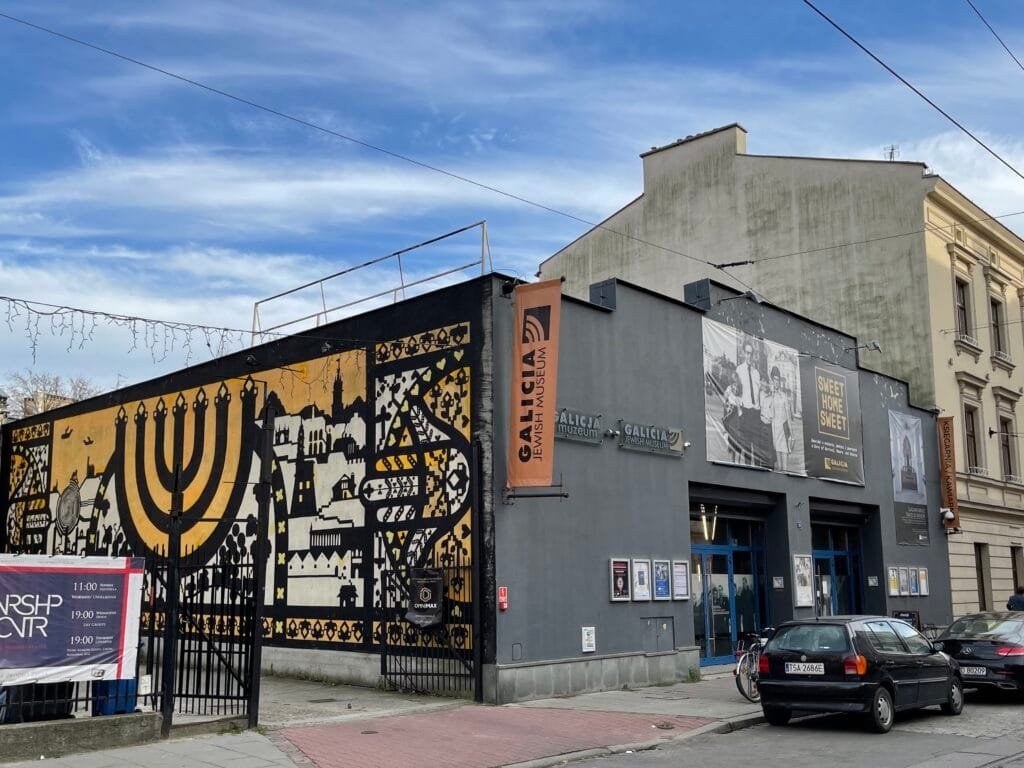
The Galicia Jewish Museum operates beyond its gallery functions to provide an environment for remembering and learning and fostering cultural exchange. Modern displays together with powerful photography exhibitions at this museum dedicate space to remember Holocaust victims while they celebrate the current Jewish heritage.
The converted mill house unites modern design with a meaningful message to create a vital destination that provides insight into Poland’s Jewish historical heritage.
JCC Krakow – Reviving Jewish Life

The Jewish Community Centre (JCC Krakow) serves as a leading force behind the cultural development of Kazimierz. The Jewish Community Centre (JCC Krakow) provides Hebrew classes and Jewish holiday celebrations to help both local people and visitors experience Jewish traditions in an inclusive contemporary manner.
The JCC provides an educational and celebratory environment for community development through its events including Shabbat dinners and documentary screenings.
Jewish Bookstores, Galleries, and Studios
The streets of Kazimierz contain various independent bookstores and cultural spaces which emphasize Jewish heritage and identity. Stop by Ariel Bookstore for rare finds or check out a local art gallery showcasing Jewish-themed artwork.
These tiny establishments play a crucial role in maintaining Kazimierz’s intellectual and artistic essence which defines this unique district.
Things to Do in Kazimierz (Jewish Quarter)
Kazimierz exists as a dynamic neighborhood that presents fresh experiences each day after its historical significance. Every experience in the Jewish Quarter of Kraków contributes to the story.
Guided Walking Tours and Jewish History Walks
Guided walking tours represent the most effective method to understand the essence of Kazimierz. The city of Kraków presents diverse options which suit both budget-conscious travelers and those seeking private deep explorations:
Free walking tours which examine Jewish life in pre-war times as well as the Holocaust-era events that occurred in the area.
The tours focus on Jewish heritage by taking visitors to synagogues and cemeteries and memorial sites.
The location tours based on Schindler’s List show all filming sites from the movie that took place within Kazimierz.
The tours deliver firsthand experiences through stories and facts which surpass the information found in guidebooks. You will depart with photographs and also develop a true comprehension of Kazimierz’s essence.
Kazimierz Food Scene – From Kosher to Contemporary
Food lovers will find paradise in Kazimierz when it comes to dining. The district offers a unique dining experience because it unites Jewish, Polish and international culinary traditions.
Jewish Delicacies
Traditional Jewish food includes these items:
Challah bread
Gefilte fish
Latkes (potato pancakes)
Kugel, stews, and pickled vegetables
The restaurants Ariel, Hamsa and Klezmer Hois offer these dishes in historical spaces which include live klezmer music performances.
Street Food and Local Bites
Plac Nowy stands as a legendary food square in Kazimierz that features multiple food stalls and pubs. A visit to Kraków should include tasting zapiekanka which consists of an open-faced toasted baguette filled with cheese and mushrooms and various toppings. Every time of day you can enjoy this Kraków traditional snack.
Nightlife, Festivals, and Events in Kazimierz
When evening arrives Kazimierz transforms into one of Kraków’s most active nightlife districts. The area features candlelit cellars alongside funky jazz bars and art-house cinemas. The area maintains a non-touristy atmosphere yet preserves its energetic atmosphere.
Top Nightlife Spots
- Alchemia – A bar with vintage charm and eclectic events
- Eszeweria – Romantic, moody, and filled with antique décor
- Singer – Old sewing machine tables together with live performances and abundant vodka selection
Festivals in Kazimierz
Summer hosts the Jewish Culture Festival which stands as the main highlight of the event. This festival has welcomed both artists and thousands of visitors worldwide for more than thirty years. Jewish identity manifests in multiple ways through music and food and dance and lectures and prayers that fill the streets during the event.
The area hosts several regular events including:
- Night of Synagogues
- Kraków Street Food Festival
- Klezmer Music Evenings
Each season introduces fresh experiences while creating enduring memories.
Why Kazimierz Is a Must-Visit in Kraków
Kazimierz exists as more than a traditional district. A historical area which demonstrates how people survived through creative expression and maintained their community bonds. Synagogues from centuries ago coexist with modern hipster bars within this area. The once fearful prayers that used to be whispered in secret now resound throughout the cultural events which take place in this space. This area shows history beyond museum displays because it brings ancient times to life through the neighborhood streets.
The main quality that distinguishes Kazimierz lies in its ability to survive. The district emerged from its painful history to become a powerful symbol of both remembrance and cultural pride and hope. This place calls visitors beyond observation to actively participate through tasting and listening and feeling and reflecting.
A visit of any length to Kazimierz will deeply affect your heart and remain with you beyond your time in Kraków.
Conclusion
The Kazimierz district serves as the emotional core of Kraków beyond its status as a regular stop on your itinerary. The iconic Jewish Quarter provides visitors with an opportunity to experience more than traditional sightseeing. The area brings together Jewish historical heritage with Polish traditions and contemporary artistic expression in a powerful way.
The entire area of Kazimierz reveals its stories through every space from ancient synagogues to Jewish Culture Festival events and hidden courtyards where you can enjoy coffee.
Walking through its cobblestone streets has transformed me into a different person. The neighborhood demonstrates how communities use their strength to protect their heritage while adding cultural value to the world.
When you plan to visit Kraków Poland make sure to spend more than a passing moment in Kazimierz. Stay awhile. Listen. Learn. The experience will both test your limits and provide solace while motivating you.
Kazimierz exists as an active neighborhood which forms an essential part of Kraków’s existing and upcoming landscape. The neighborhood exists to welcome your discovery.
FAQs
Kazimierz becomes one of Kraków’s most active neighborhoods when night falls because its streets remain well-lit and its residents welcome visitors. Use standard precautions.
Absolutely! Self-guided tours with mobile apps and signage make it easy, though a guide adds valuable depth and context.
Plac Nowy offers challah bread alongside latkes gefilte fish and zapiekanka which you should definitely try.
The Main Market Square and tram routes provide quick access to this area which takes about 10–15 minutes to walk.
The Remuh Synagogue operates as a worship site while welcoming respectful visitors to its premises.