
The first moment I entered Warsaw’s Old Town I became captivated by its eternal beauty. The cobblestone streets guided me through a tapestry of colorful buildings and active cafes while the remnants of an unforgettable history lingered in every corner. This entire area was completely destroyed during World War II yet it now exists as a UNESCO World Heritage Site while honoring Poland’s enduring strength.
The Old Town Square presented itself as the heartbeat of Warsaw through its street performers and fresh pierogi scents and people enjoying coffee in sunny courtyards. Every street intersection brings a different historical narrative to light from the Royal Castle to the time-stopped hidden alleyways.
Your Warsaw trip should be more than just passing through the Old Town. The location exists beyond maps. It’s the soul of the city.
Table of Contents
History of Warsaw Old Town
Warsaw Old Town was first established during the 13th century. A small settlement near the Vistula River evolved into a thriving trading center. The area developed into Warsaw’s central political and cultural district throughout time.
A commercial hub formed around the Old Town Market Place where both merchants operated and nobles attended. Today the town maintains its original medieval structure which includes its narrow cobblestone streets and fortified walls.
During World War II the Nazi air campaign destroyed about 90% of Warsaw Old Town. Many historical buildings and churches along with palaces disappeared into complete destruction. But the Polish spirit didn’t break.
Following World War II the nation started a massive reconstruction effort. Workers reconstructed Old Town by following historical records which included paintings and photographs and architectural documents to restore the buildings stone by stone. The restored area emerged as a powerful emblem which represented the nation’s identity and strength.
The Warsaw Uprising Museum provides visitors with historical information about the city’s past devastation and its subsequent rebirth.
Rebuilding After World War II
A massive heritage reconstruction project in history took place during the rebuilding of Warsaw Old Town following World War II. The reconstruction work started right after World War II ended in 1945.
Historical records including photographs and city plans along with Canaletto’s paintings from the 18th century helped architects and historians restore Old Town. The accurate reconstruction of the Old Town became possible through the historical records.
The entire exterior parts of the buildings were manually rebuilt. The reconstruction process involved handcrafted elements which originated from remembered details or outdated sketches. A few short decades restored the vital heart of Warsaw to its original state.
The Old Town Warsaw received its UNESCO World Heritage status during 1980. The rebuilt complex became a worldwide representation of national strength together with cultural heritage protection and architectural commitment.
The restored buildings in the area function as both museums and restaurants and shops as well as residential apartments. The present-day Old Town Square Warsaw Poland creates an illusion of perfect historical preservation.
Visit the UNESCO World Heritage Site Page to understand more about the reconstruction process.
Warsaw Old Town Market Place
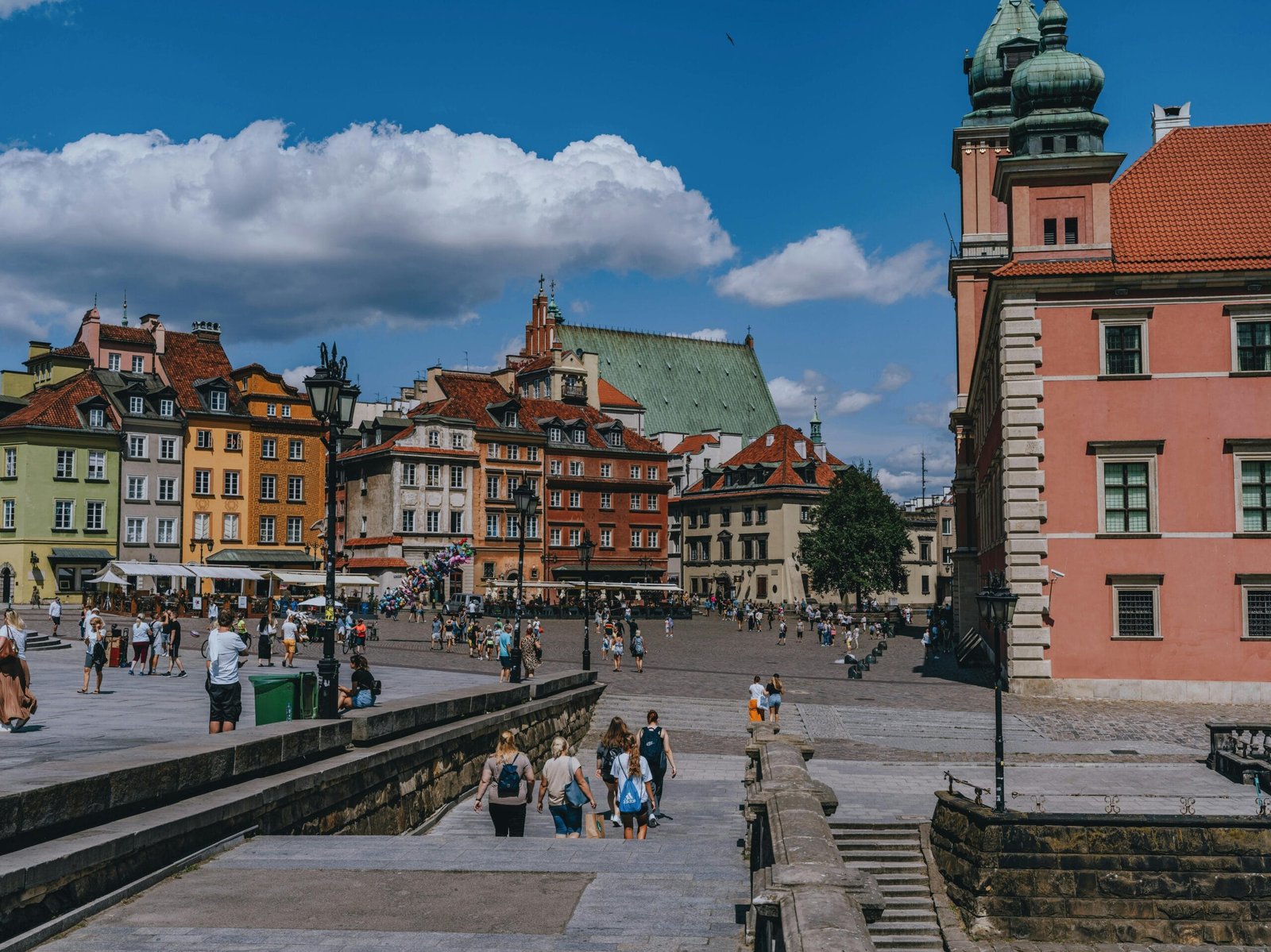
The Market Place of Warsaw Old Town serves as the core center of the historic district. A large cobblestone square contains colorful buildings which have been restored to their original Gothic and Renaissance architectural periods.
The area functioned as Warsaw’s central marketplace where vendors sold fabrics together with spices and handcrafted items. The present-day space serves as an active area featuring open-air dining establishments and cafes as well as performing artists.
At the central location stands the Mermaid of Warsaw which serves as the official emblem of the city. The bronze statue serves as a popular spot for photography while representing the city’s protective role.
During warm months the square functions as an art market space which combines festivals with folk performances. This space transforms into a living museum that honors both Polish culture and community values.
The combination of benches with outdoor dining areas creates an excellent setting to unwind while experiencing the surrounding atmosphere. People will never forget the exceptional view which combines active energy with colorful building facades.
For upcoming events and art displays, look at WarsawTour.pl’s Market Info.
Architecture of Old Town Square Warsaw Poland
The architectural elements of the Old Town Square in Warsaw Poland demonstrate both aesthetic value and historical importance. Every structure within the area serves as a monument to the city’s prolonged history and enduring strength.
The townhouses present diverse architectural styles which combine elements of Gothic, Renaissance and Baroque periods. The majority of these buildings functioned as merchant residences while their ground floors operated as stores and their upper floors contained residential areas.
The exterior walls display stone carvings and frescoes together with crests. The reconstruction process following World War II focused on preserving original features in every possible way. The original historical features of cornices shutters and doorways have been accurately preserved in their authentic state.
Visitors to the square can find the Historical Museum of Warsaw which occupies multiple adjacent houses. Visitors can explore exhibits about Warsaw’s history inside these ancient buildings which date from the 15th century.
The square connects to narrow streets that guide visitors to smaller courtyards and religious sites and hidden cafes. Walking through this area feels like moving through an extensive outdoor exhibition.
Are you interested in studying architectural history? You can find detailed restoration archives at the National Heritage Board of Poland.
Must-See Sights in Old Town Warsaw
Old Town Warsaw features numerous historic landmarks together with delightful architectural features. The distinct character of this area emerges from its individual historical elements which create an everlasting image.
The Royal Castle occupies a strategic position near the main square. A former royal palace it now functions as a museum which displays its valuable artworks alongside its restored royal chambers.
St. John’s Archcathedral stands as a nearby landmark. This Gothic church hosted royal ceremonies and performed both coronations and wedding services and burial rituals. The underground spaces beneath the church create an atmosphere of tranquility that invites contemplation.
The Jesuit Church and St. Martin’s Church are also worth visiting. The buildings demonstrate Warsaw’s spiritual and architectural history of worship.
The Warsaw Barbican remains a significant component of the original medieval defensive structure. The brick structures and stone walls at this site allow visitors to explore the area while providing excellent observation points.
The small sites of Canon Square and Gnojna Góra viewpoint and Stone Steps show the multiple historical layers of the Old Town district. Each alley has a secret.
Get a walking map and route tips from WarsawTour.pl – Old Town Guide.
Royal Castle and Castle Square

The Royal Castle represents the supreme highlight of Warsaw Old Town. This red-brick palace stands at the summit of Castle Square and stands as the dominant architectural feature of the skyline.
The royal palace received its first construction in the 14th century before it became the official residence for Polish kings for more than 300 years. The structure was completely destroyed by World War II before being completely reconstructed by 1984.
The interior of the castle showcases royal living areas alongside antique furniture and paintings by Rembrandt and Canaletto. The Great Assembly Hall, Throne Room, and Marble Room are particularly breathtaking.
The open space of Castle Square remains busy because it welcomes tourists along with street performers and local residents. The central Sigismund’s Column stands as a tribute to King Sigismund III Vasa who relocated the royal capital to Warsaw.
A panoramic view from Castle Square shows the Vistula River together with city buildings which stands as one of Warsaw’s most recognizable viewpoints.
The Royal Castle Website provides information about ticket availability and exhibition details and tour schedules.
City Walls and Barbican
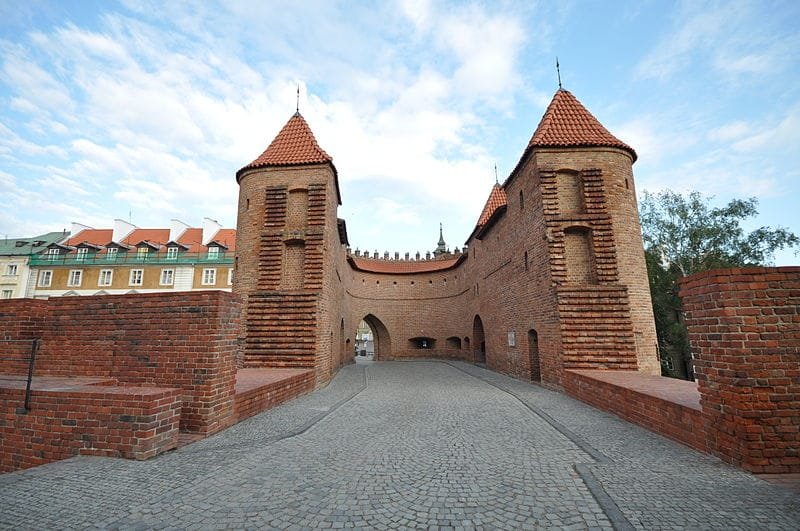
The historical boundaries of Warsaw’s Old Town remain partially intact through its remaining medieval defensive structures. The protective structures from past invaders now function as historical monuments.
The most eye-catching element of this defensive structure is the Barbican section. A semi-circular brick structure from the 16th century stands with towers and a gate. This structure unites the Old and New Towns and functions as a major tourist attraction.
Summer season brings local artists together with vendors who set up their stalls inside the walls. Local shoppers can purchase handmade creations as well as paintings and souvenirs at this location.
The preserved walls allow visitors to experience how the city used to measure in size. The information signs display historical details along with strategic functions of the structure.
Travelers who leave the Barbican Gate can discover a tranquil path leading to Nowomiejska Street.
For virtual maps and history of Warsaw’s fortifications, visit Mazovia Regional Tourism.
Museums and Art in the Old Town
Culture thrives in Warsaw Old Town. The narrow streets of this area house multiple museums and galleries that display extensive collections together with various exhibitions.
The Historical Museum of Warsaw uses its Market Place location to show city history through multimedia exhibits and restored spaces and museum artifacts. It provides excellent orientation for visitors who are new to the area.
The Literature Museum situated nearby dedicates its space to celebrate the works of Polish writers and poets who received Nobel prizes. The collection presents original manuscripts together with personal effects and rare volumes to provide readers with a deep understanding of literary history.
The contemporary Polish art exhibitions together with cultural workshops make the Jezuicka Street-based Gallery of Modern Art a must-visit for art enthusiasts.
Visitors should not miss the Royal Castle Museum. The museum exhibits both historic rooms together with short-term displays about politics alongside European history and artistic exhibitions.
Multiple museums provide free entry to their visitors during specific days and organize events for families. Check current exhibits at Warsaw Museums Online.
Dining and Cafés in Warsaw Old Town
Old Town Warsaw offers an exceptional experience for food enthusiasts. Visitors can discover a wide selection of Polish traditions and global dining options throughout the area.
- Zapiecek – A local favorite known for pierogi, sour rye soup, and Polish sausage. Cosy, rustic vibe with friendly service.
- Bazyliszek Restaurant – Located right on the Market Place. The restaurant provides substantial Polish cuisine to guests who can dine within its historic space and beautiful garden area.
- Restauracja Pod Herbami – Elegant, historic setting with upscale Polish and European dishes. Great for a romantic dinner.
- Same Fusy – A magical little café hidden on Nowomiejska Street. The café gains its fame from serving herbal teas together with vintage decorations and delectable cakes.
- To Lubie – The small café provides quietness and serves delicious pastries and locally roasted coffee to visitors. The café provides an ideal spot to rest between sightseeing activities.
Visitors experience an essential part of Old Town dining beyond traditional food service. The environment delivers an equal amount of sensory enjoyment to the food.
You can find menus along with reviews at TripAdvisor Old Town Restaurants.
Shopping in Old Town Warsaw

Old Town Market Square of Warsaw, Poland, a popular tourist destination for dining and shopping, with colorful historic buildings and outdoor cafes. Visiting the shops in Old Town Warsaw creates a delightful shopping experience. The retail shopping experience in this district consists of rare boutique items which are different from what you find in standard department stores.
The Market Place and adjacent streets of Warsaw display numerous souvenir shops. The shops present handcrafted pottery alongside woodwork pieces as well as amber jewelry and embroidered linens. Your trip can be remembered through these items which function as both perfect gifts and keepsakes.
You should look for stores which display Bolesławiec ceramics alongside Polish folk art because these traditional blue-and-white pottery pieces are available. The decorative elements of each piece are hand-made and can be safely cleaned in a dishwasher while maintaining their attractive appearance.
Art galleries and boutique shops display handmade products alongside local artwork and skyline-inspired prints. Besides traditional posters visitors can discover Warsaw-themed clothing and Polish books.
Traditional summer markets can be found throughout the area. Visitors can find traditional Polish fudge krówki as well as handmade candles and leather items at these outdoor stalls.
The independent stores allow customers to directly support the local artistic community by their purchases. Each purchase helps protect and preserve the cultural heritage of Warsaw alongside its creative community.
You can browse shop listings through WarsawTour’s Shopping Guide.
Events and Street Performers
The historic center of Warsaw Old Town remains active at all times. The square comes alive through street performers and global visitors who attend seasonal events.
Musicians along with painters and living statues create entertainment for public crowds throughout the year. Visitors can enjoy both musicians and fire breathers at the Old Town Market Place every day.
The summer months feature mostly open-air activities as their main attraction. The Royal Castle Courtyard presents both classical music performances and light display events. The nearby churches present their organ recitals together with choir performances.
The Old Town Jazz Festival brings musical energy and rhythm to the square which draws both local and international performers. The festival attracts musicians from Warsaw as well as performers from worldwide destinations.
The winter season welcomes a magical Christmas Market. The square transforms when it becomes a holiday wonderland with wooden stalls and lights and mulled wine and festive music. The cobbled lanes of the area become alive with roaming carolers who spread holiday happiness to everyone.
The majority of scheduled events welcome all families and do not require any admission fees. To discover what is happening currently you should visit the Warsaw Events Calendar.
Best Time to Visit the Old Town
The Old Town area of Warsaw remains lovely throughout every month yet visitors should choose their best time based on personal taste.
- The period from April through May creates perfect conditions with pleasant temperatures and floral blossoms. The reduced number of visitors creates both peaceful strolls and available table reservations.
- During summer months (June–August) the area hosts the most numerous street performances and cultural festivals. The peak tourist season brings the most visitors yet produces the greatest amount of activity.
- The streets of the Old Town become less busy during autumn (September–October) when leaves display their vibrant colors. The autumn season creates ideal conditions for taking photos while visitors can explore the area at their own pace.
- Winter months (December–February) possess their own special beauty. The Old Town transforms into a picture-perfect winter scene through its Christmas market and festive lighting and occasional snowfall.
Early morning visits help you avoid the crowds of people. Visitors experience less congestion during weekdays than during weekend days. National holidays should be avoided unless you plan to attend particular scheduled events.
Use AccuWeather Warsaw to track local weather conditions together with park operating hours.
Warsaw Old Town Guided Tours
The combination of guided tours creates an improved way to discover Warsaw Old Town. All types of tours exist which cater to historical interests as well as legendary stories and culinary experiences.
People prefer to join walking tours which are led by trained guides. These walking tours span from 2 to 3 hours while showing major sites including the Royal Castle along with Market Place and Barbican.
Food tours provide customers with tasting experiences of traditional Polish dishes including pierogi and bigos and sweet paczki. Visitors who enjoy food exploration will find this choice highly beneficial.
The evening provides the perfect time to take Ghost and legend tours for walking excursions. The tours reveal both frightening narratives and neighborhood myths as well as hidden Old Town mysteries.
Are you looking to discover independently? Download an audio tour app. These applications use GPS technology to deliver multilingual guided explanations to users.
To schedule group or private tours you can visit Free Walking Tour Warsaw or Walkative!.
How to Get to Old Town Square Warsaw Poland
The central area of Old Town Square Warsaw Poland remains accessible to visitors from all locations throughout the city.
Metro:
The Ratusz Arsenał station on Line M1 provides direct access to Castle Square which requires a 10-minute walk.
By Tram:
The tram lines 4, 13, 20, and 23 stop near Stare Miasto and Plac Bankowy stations which are close to the Old Town Square Warsaw.
Bus:
The Plac Zamkowy stop which serves lines 160, 190, 116, and 503 is located directly beside the Royal Castle.
By Taxi or Uber:
The city center to Old Town Square journey takes approximately 10 to 15 minutes when using a taxi or Uber. Enter “Warsaw Old Town Square” as your destination.
By Bike or Scooter:
Warshaw offers bike lanes with rental stations located in close proximity to the area. People find this transportation method both enjoyable and aesthetically pleasing.
Use Jakdojade Warsaw to plan routes with real-time transport info.
📍 Google Maps Location:
Conclusion
The Warsaw Old Town exists beyond its status as a historical landmark because it represents the heart of the city. The historic district reveals its narrative through its cobblestone streets which go beyond structural elements. The site showcases three fundamental aspects of survival along with elegance together with transformation.
Each section of the area connects traditional and modern elements alongside peaceful areas with vibrant spaces and traditional traditions with artistic innovations. The combination of architectural diversity with cultural aspects and ordinary community activities creates an authentic and ageless atmosphere.
The Old Town Market Place’s vibrant buildings meet the quiet atmosphere of ancient churches to create an emotional connection throughout this location. Visitors who spend either a short weekend or an extended month in Warsaw should dedicate their time to explore the Old Town.
Add this location to your travel schedule to experience the enchanting beauty of Old Town Square Warsaw Poland for yourself.
FAQs
01. Is Warsaw Old Town safe at night?
The area receives proper illumination and benefits from regular security patrols. Many cafes together with various venues maintain extended operating hours.
02. How long does it take to explore Old Town Warsaw?
Plan at least 3 hours. The time spent in the area will expand when you decide to visit museums or dine.
03. Is the Old Town wheelchair accessible?
The primary areas of the Old Town are accessible yet several cobblestone streets and steps create obstacles for visitors with disabilities.
04. Are there English-speaking guides available?
English-speaking tour companies along with museums provide their services throughout the entire area.
05. Can I find vegetarian food in Warsaw Old Town?
Absolutely. Most restaurants provide vegetarian choices and they have facilities for accommodating special diets.

1 comment
Excellent article