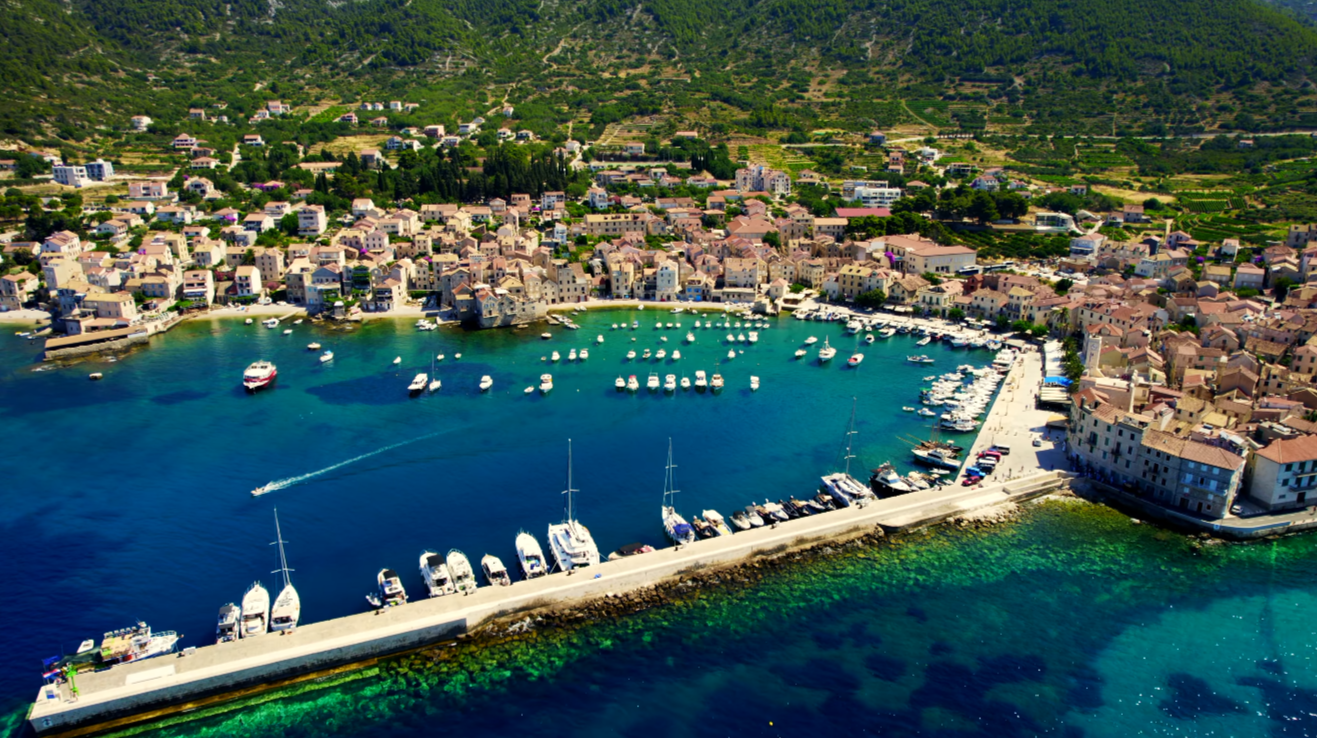
The moment I stepped off the 10:20 AM ferry on November 12th, 2025, I knew Vis Island In Croatia was different. The temperature was a comfortable 18°C, the harbor in Vis Town was peaceful—just a dozen fishing boats, four other tourists, and locals going about their daily routines. No tour buses, no crowds, no aggressive souvenir sellers. Just authentic Mediterranean island life.
I spent five complete days systematically exploring every corner of this 90-square-kilometer island. Day one and two in Vis Town covering the eastern coast. Day three driving to remote northern villages and beaches. So four and five based in Komiža exploring the western and southern coasts. I visited 9 beaches, hiked Mount Hum to 587 meters, explored WWII military tunnels, ate at 8 different konobas, and drove over 120 kilometers of island roads on my rented scooter.
This guide is based on my actual November 2025 experience—real costs I paid, real challenges I faced, real conversations with locals, and honest assessments of what’s worth your time and what’s not.
Table of Contents
Why Vis Remained Hidden Until 1989
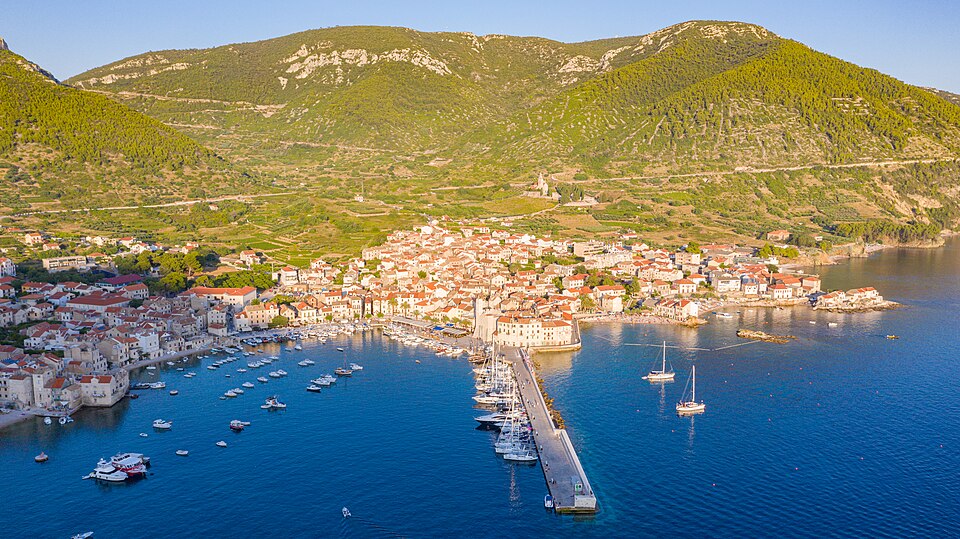
Vis island sits 45 kilometers from the Croatian mainland, making it the furthest inhabited island in the central Dalmatian archipelago. This remote position—17 kilometers long and 8 kilometers wide—shaped everything about its history.
Ancient Greeks established Issa here in the 4th century BC, creating one of Croatia’s oldest urban centers. For 2,400 years, civilizations recognized Vis’s strategic importance: Greeks built temples, Romans constructed baths and villas, Venetians erected defensive towers, and the British built Fort George in 1813.
But the most dramatic period came recently. From 1950 to 1989, Yugoslav military forces completely closed Vis to all foreigners. The island became a massive military base—fighter jets used hidden mountain runways, submarines docked in underground tunnels carved into coastal cliffs, and military installations covered every hillside. Local fishermen needed permits to fish in certain zones. The 3,500 residents lived in what was essentially a closed military zone for four decades.
When Vis finally opened to tourists in 1989, visitors discovered an accidental time capsule. While islands like Hvar and Korčula had developed massive tourism infrastructure through the 1960s-80s, Vis remained unchanged. Traditional stone houses hadn’t been replaced by concrete hotels. Family vineyards still dominated the landscape. Small fishing boats outnumbered yachts. The isolation that locals endured became the island’s greatest asset—preserved authenticity.
Today in 2025, Vis deliberately maintains this character. There are no large resorts, no chain hotels, no cruise ship ports. Development remains strictly controlled. The population still hovers around 3,500 permanent residents, swelling to maybe 8,000-10,000 during peak August weeks—tiny compared to other Croatian islands.
“Note: All prices are indicative and may change based on season, availability, or establishment policy. Confirm current rates locally before visiting.”
Best Time to Visit: My November Experience
I chose November 12-17, 2025 specifically to experience Vis outside tourist season, and I’m glad I did. Here’s the complete reality:
Weather I Experienced (Mid-November 2025):
- Daily temperatures: 16-20°C (perfect for hiking and exploring)
- Sea temperature: 17-18°C (refreshing but absolutely swimmable)
- Sunshine: 4 out of 5 days (November 14th was overcast with light rain)
- Wind: Moderate bora on November 16th made ferry crossing slightly rough
- Sunset: Around 4:45 PM (shorter days mean planning daylight activities)
The Off-Season Reality: About 40% of restaurants were closed for winter. In Vis Town, I found 8 restaurants open for dinner. In Komiža, only 3 were operating. Many hotels were completely shuttered until April. The archaeological museum had reduced hours (10 AM-2 PM instead of full day). Ferry schedules dropped to one daily departure from Split.
But Here’s What I Gained:
- Accommodation: €60-65/night for apartments that cost €180-220 in August
- Beaches: Stiniva Beach completely empty—just me for 90 minutes
- Locals: Actually had time to chat, share stories, recommend hidden spots
- Restaurants: No reservations needed, personal attention from owners
- Roads: No traffic, easy parking everywhere
- Authenticity: Witnessed real island life, not tourist performance
Different Seasons on Vis:
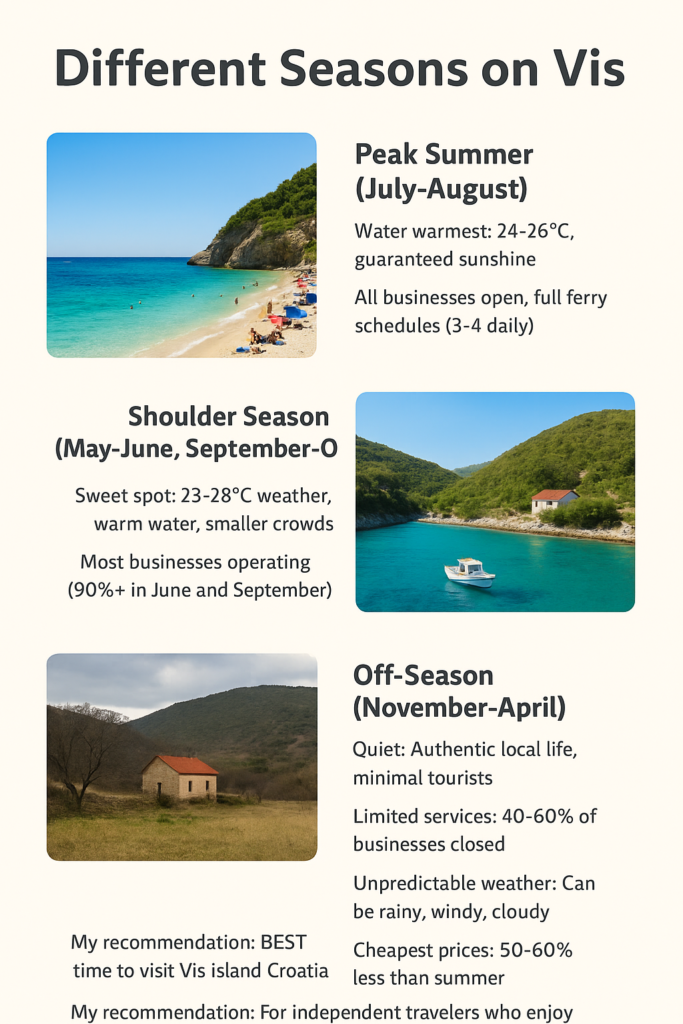
Peak Summer (July-August):
- Water warmest: 24-26°C, guaranteed sunshine
- All businesses open, full ferry schedules (3-4 daily)
- Crowded: Stiniva sees 200+ daily visitors, accommodation sells out
- Prices: Peak rates, book 6-8 weeks ahead minimum
- My recommendation: Only if you must travel July-August
Shoulder Season (May-June, September-October):
- Sweet spot: 23-28°C weather, warm water, smaller crowds
- Most businesses operating (90%+ in June and September)
- Better prices: 30-40% less than peak summer
- Ferry availability: Good but book 2-3 weeks ahead
- My recommendation: BEST time to visit Vis Island Croatia
Off-Season (November-April):
- Quiet: Authentic local life, minimal tourists
- Limited services: 40-60% of businesses closed
- Unpredictable weather: Can be rainy, windy, cloudy
- Cheapest prices: 50-60% less than summer
- My recommendation: For independent travelers who enjoy off-season travel
How Long to Stay: I stayed 5 days and covered everything thoroughly. Minimum I’d recommend is 4 days—this allows time for both towns, multiple beaches, a cave tour, hiking, and experiencing the food scene without rushing. If you only have 2-3 days, you’ll see highlights but miss the depth that makes Vis special.
Getting to Vis Island: Ferry Details
My Ferry Experience (November 12, 2025):
I booked my Jadrolinija ferry 10 days before traveling through their official website ferryhopper. The process took three attempts—the website crashed twice during payment. On the third try at 11 PM, it worked. Cost: €8.50 per person one-way as a walk-on passenger.
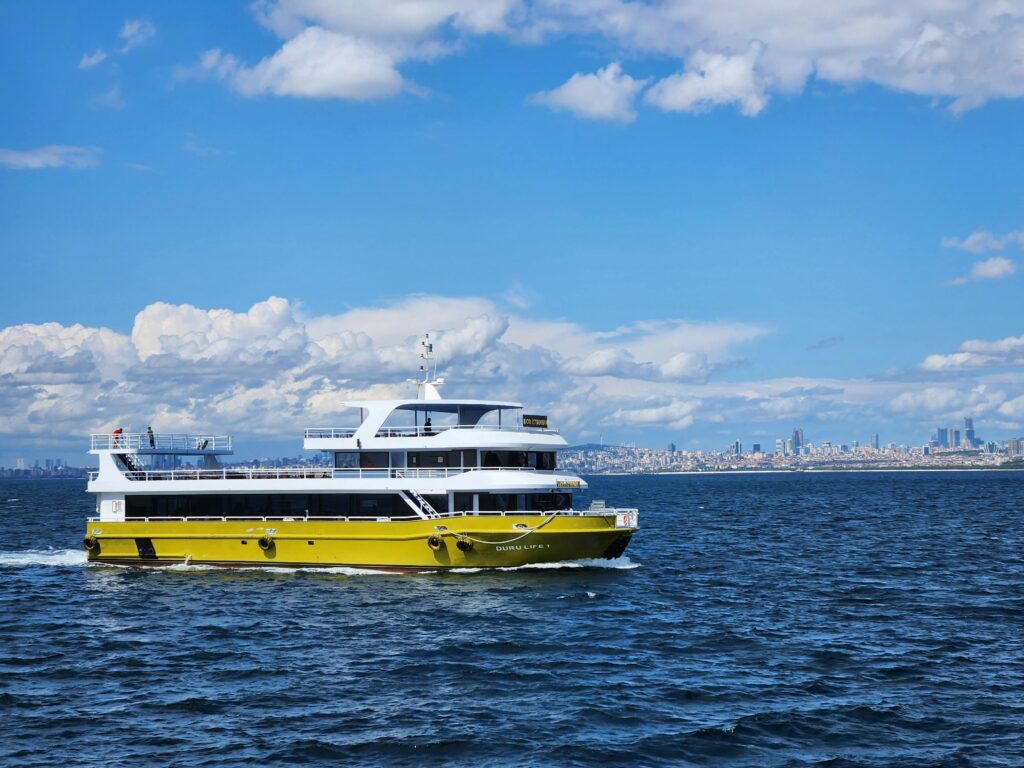
Departure from Split’s main ferry terminal (near the old town) at 8:00 AM. I arrived 30 minutes early—good decision because the gate number wasn’t announced until 7:45 AM and everyone rushed to board. The ferry (named “Petar Hektorović”) was a standard car ferry with indoor seating, outdoor deck, small café, and bathrooms.
The journey took exactly 2 hours 20 minutes to Vis Town. We sailed past Šolta Island and Brač Island, with beautiful coastal views on a calm morning. Sea was slightly choppy for the last 30 minutes. The ferry continued to Komiža (another 40 minutes) but I disembarked at Vis Town.
Current Ferry Schedule (November 2025):
- Off-season: 1 departure daily from Split (8:00 AM arrival Vis Town 10:20 AM)
- Summer (June-September): 3-4 daily departures
- Journey time: 2 hours 20 minutes to Vis Town, then +40 minutes to Komiža
- Return journey: Ferry departs Vis Town for Split at 3:30 PM
Costs (November 2025):
- Walk-on passenger: €8.50 one-way
- Car (standard size): €52 one-way
- Scooter/motorcycle: €18 one-way
- Bicycle: €3 one-way
Booking Advice from My Experience:
For summer travel (July-August), book 4-6 weeks ahead, especially with a vehicle. Vehicle spaces sell out fast—only about 60 cars fit per ferry. Walk-on passenger tickets rarely sell out, but I’d still book 1-2 weeks ahead for peace of mind.
If the Jadrolinija website frustrates you (it did me), contact a Split travel agency. I called Atlas Travel Agency (+385-21-343-055) who booked my return ferry for a €3 service fee. Totally worth avoiding website stress.
Alternative: Private Speedboat Transfer:
Several companies offer private speedboat transfers (1 hour 15 minutes) for €300-400 for up to 8 people. Only makes sense if you’re a group and value time over money.
No Airport on Vis:
The old military airstrip exists but handles no commercial flights. You must take the ferry. This limited access is part of what keeps Vis uncrowded and authentic.
Vis Town: 3 Days Exploring the Main Hub
I based myself in Vis Town for November 12-14 (three nights) to thoroughly explore the island’s eastern half. The town of about 1,900 residents wraps around a beautiful horseshoe-shaped bay, creating two distinct neighborhoods.
Kut: The Ancient Quarter (Where I Stayed)
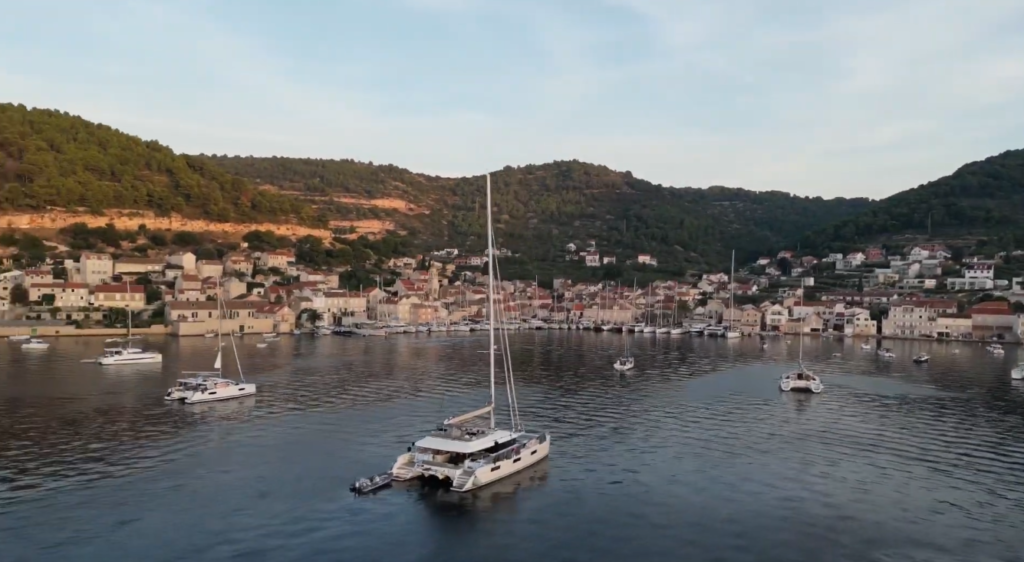
Kut occupies the bay’s eastern side—narrow cobblestone streets climbing the hillside, Renaissance-era stone houses with green shutters, and some of Vis’s best restaurants hidden in 300-year-old buildings.
I rented a ground-floor apartment in a restored stone house (€65/night through Booking.com, owner Marko). The apartment had thick stone walls keeping it naturally cool, a small kitchen, and a terrace overlooking neighbors’ gardens. Marko met me at the ferry, gave me a hand-drawn map marking his favorite swimming spots, and shared his phone number “in case you need anything—I’m 5 minutes away.”
Archaeological Museum (November 12th, 2:00 PM):
Located in Kut, this small museum displays artifacts from ancient Issa—Greek pottery from the 4th century BC, Roman sculptures, bronze coins, amphoras recovered from underwater sites. The highlight is a stunning Greek bronze head of Aphrodite. Entry was €4, and I spent 45 minutes with the curator, Ana, who explained how ancient Issa was a powerful Greek colony trading throughout the Mediterranean.
British Fort Hike (November 13th, 4:00 PM):
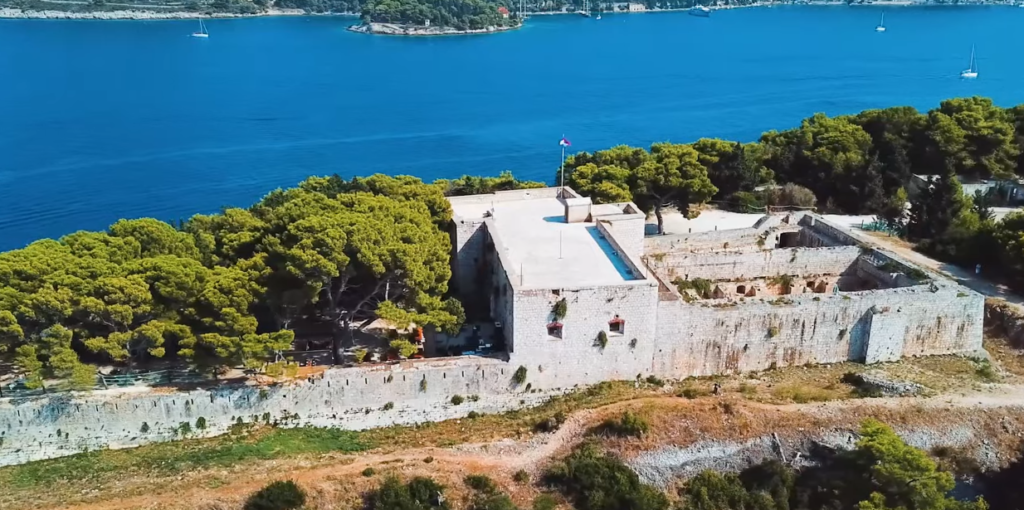
Behind Kut, a trail climbs to British Fort (built 1813) in 25 minutes. I hiked up for sunset, arriving at 4:30 PM as golden hour began. The fort offers 360-degree views—the entire eastern Vis coast, distant islands of Hvar and Korčula, and the open Adriatic stretching to Italy.
The fort itself is partially ruined but fascinating. British forces built it during Napoleonic Wars when they controlled Vis. Later, Yugoslav military used it as an observation post. I explored alone—didn’t see another person the entire time. Sunset at 4:45 PM painted everything golden-orange.
The Waterfront Riva (Daily Ritual)
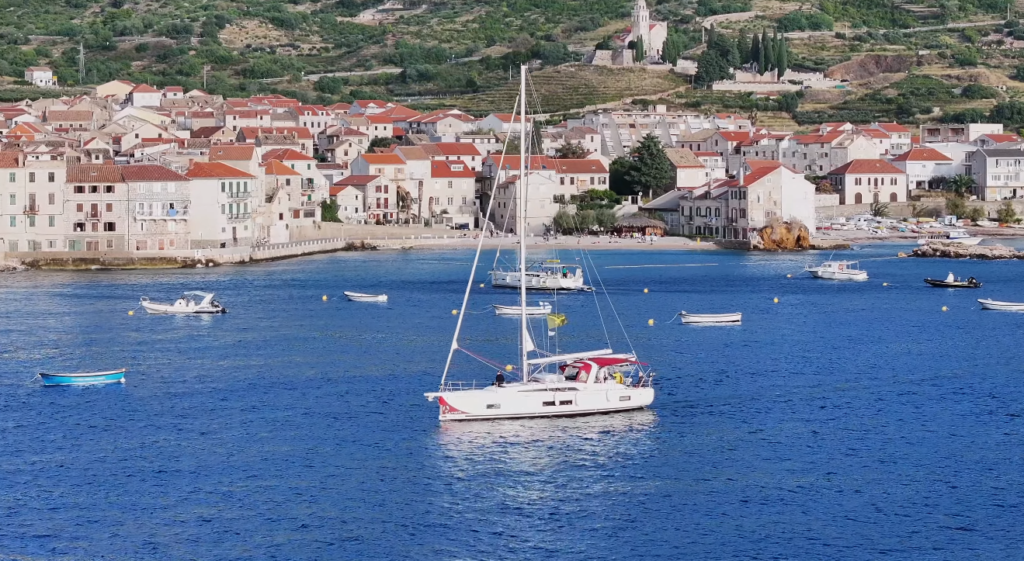
The western side centers on the waterfront promenade (Riva)—palm trees, outdoor café tables, traditional konobas, and the small ferry pier. This became my daily ritual:
- 7:30 AM: Morning fish market near the Riva. Fishermen unload the night’s catch—sea bass, John Dory, octopus, squid. Local women sell vegetables, fresh herbs, homemade olive oil (I bought 1 liter for €12), and sheep cheese. Everything is gone by 9:00 AM.
- 8:30 AM: Coffee and burek at the waterfront bakery (€2.50 total). Watching locals read newspapers, fishermen mending nets, cats prowling for fish scraps. This is real island life.
- 6:00 PM: Aperitivo time. Locals fill outdoor tables for cards and conversation. I’d order a glass of local Vugava wine (€3.50) and watch sunset behind the hills.
Where I Ate in Vis Town:
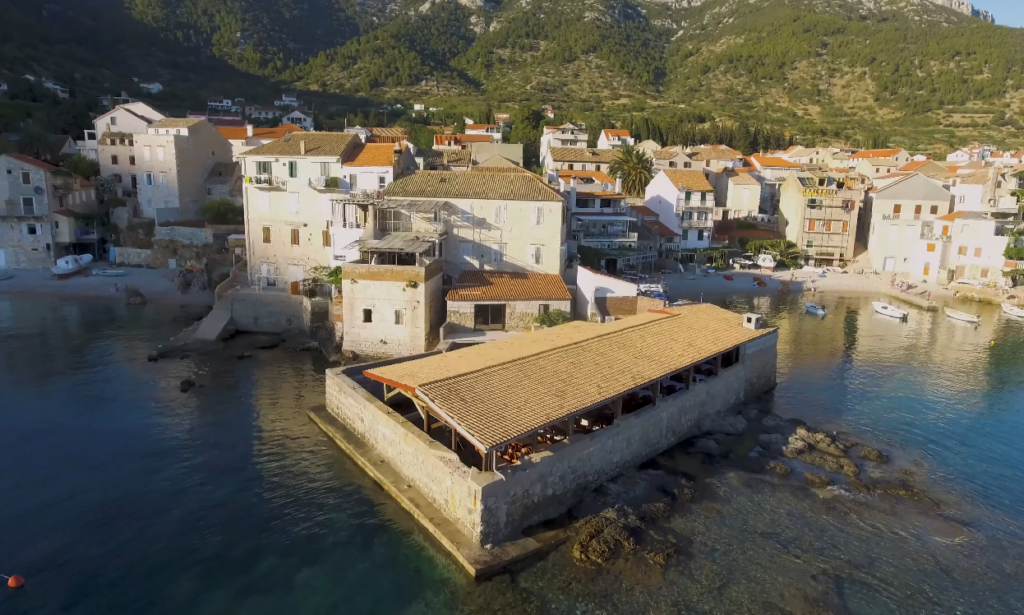
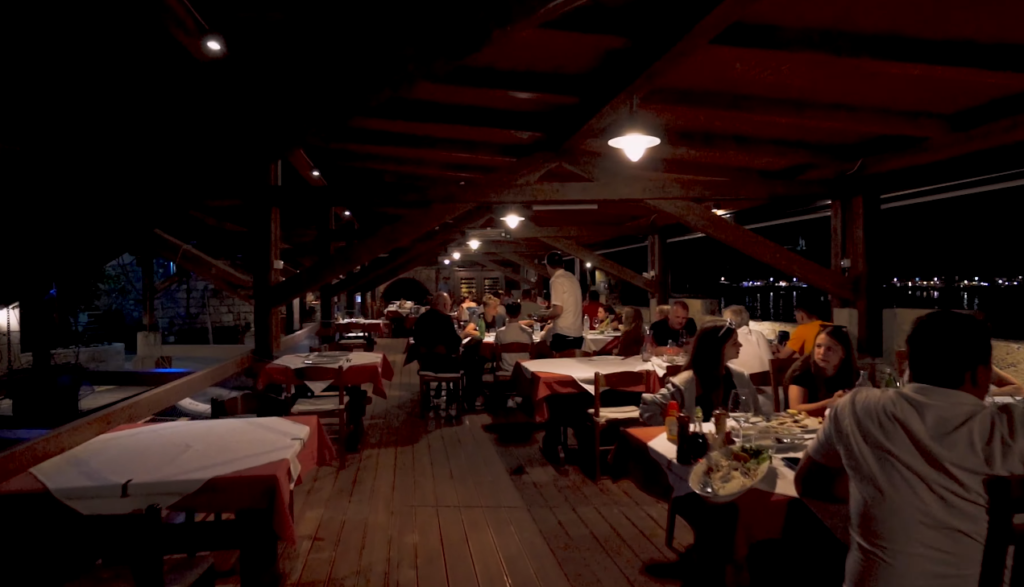
Konoba Jastožera (Kut quarter, November 12th dinner): Family-run for generations in a stone building with vaulted ceilings. I had grilled sea bass with blitva (Swiss chard with garlic) and boiled potatoes—€28. The fish was caught that morning by the owner’s brother. Simple, perfect, unforgettable.
Pojoda (November 13th dinner): More refined restaurant with an excellent wine list featuring multiple Vis producers. I tried octopus salad (€14), grilled squid (€18), and two glasses of different Vugava wines (€7 each). Total: €46. The owner, Ivan, explained differences between Vis vineyards.
Supermarket: Small Konzum near the harbor for breakfast supplies, snacks, water. Prices similar to mainland Croatia.
Komiža: 2 Days in the Fishing Village
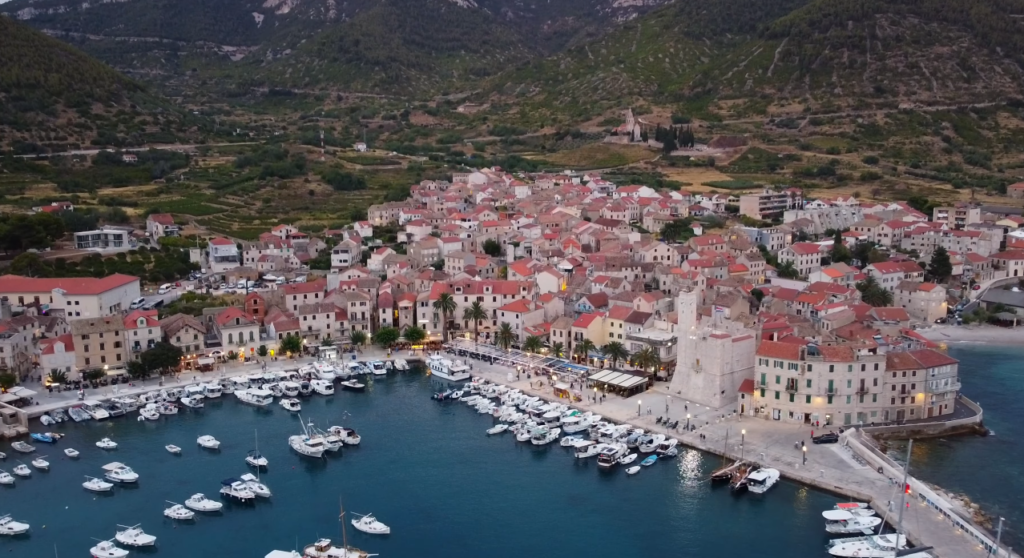
On November 15th at 9:00 AM, I checked out of Vis Town and drove across the island to Komiža (15 km, 22-minute drive). The road climbs through Plisko Polje valley where vineyards stretch across the landscape, then descends dramatically to the western coast with Komiža appearing below.
Komiža (population 1,500) maintains an even more authentic fishing village character than Vis Town. There’s no polished promenade—instead, colorful houses press directly to the waterfront, traditional gajeta fishing boats fill the working harbor, and the atmosphere feels genuinely working-class.
Morning Fish Auction (November 16th, 6:15 AM):
My Airbnb host, Ivana, told me about the morning fish auction. I set my alarm and arrived at the harbor at 6:15 AM just as boats were unloading. Local restaurant owners and residents gather around as fishermen display catches in plastic crates. An auctioneer calls out prices, buyers signal with hand gestures, and deals are struck in minutes. It felt like witnessing a centuries-old tradition—which it is. This scene has played out in Komiža every morning for hundreds of years.
Fishing Museum (November 15th, 3:00 PM):
Housed in a 16th-century Venetian tower right on the waterfront. Entry €4. The museum documents Komiža’s deep fishing heritage—traditional gajeta boats, tools, techniques, and the famous Komiža fishermen who sailed to Palagruža island (68 km offshore) for weeks-long fishing expeditions. A restored gajeta boat dominates the main room. I spent an hour learning about fishing methods passed through generations. The curator, an Older fisherman named Josip, shared stories his grandfather told him about dangerous Adriatic storms.
Mount Hum Hike (November 16th, 10:00 AM):
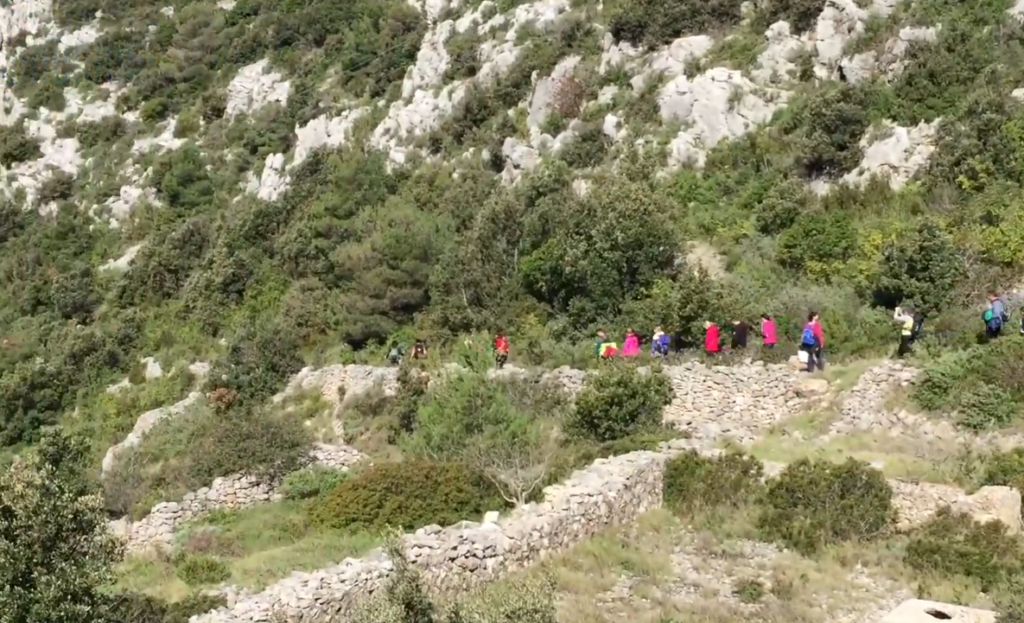
Mount Hum rises directly behind Komiža to 587 meters—Vis island’s highest peak. The trailhead starts at the edge of town near a small chapel. I hiked up in 92 minutes (steep in sections but well-marked with cairns and red paint markers).
The summit has abandoned military installations—concrete bunkers, observation posts, rusted equipment from the Yugoslav era. Views are spectacular: entire western Vis coast, Biševo island with the Blue Cave, distant Palagruža island, and on clear days, the Italian coast. I ate lunch at the top (sandwich I’d bought in town), explored the ruins, and descended in 65 minutes. Total hike: 3 hours 15 minutes including summit time.
Complete Beach Guide: Every Coast Explored
Over 5 days, I visited 9 beaches across all four coasts of Vis island in Croatia. Here’s every beach worth knowing about:
South Coast Beaches
Stiniva Beach (November 13th, 3:15 PM):
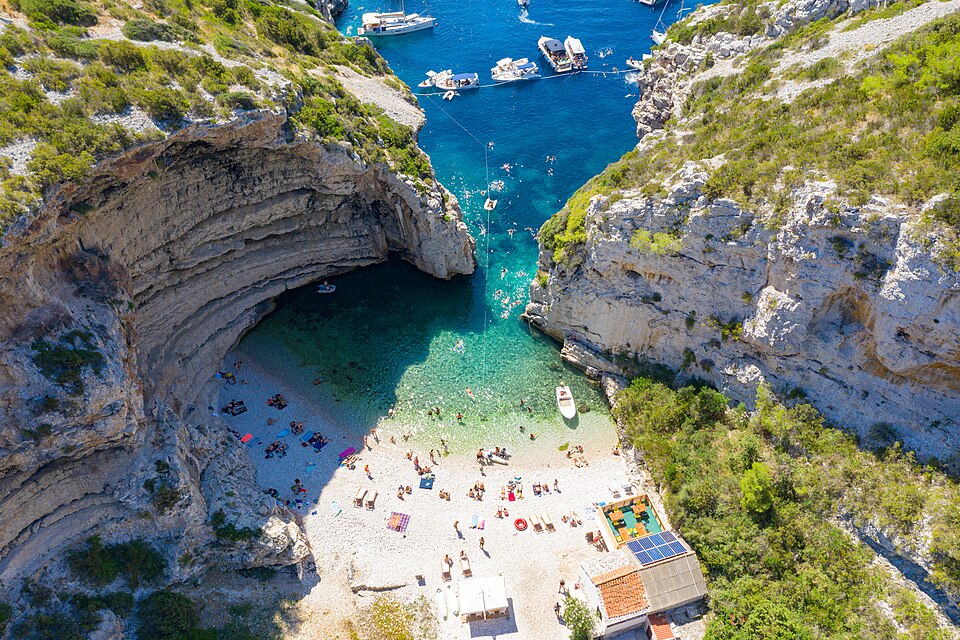
The Stiniva Beach most famous beach on Vis—a UNESCO-protected natural phenomenon where a narrow pebble beach sits in a dramatic rock cleft that opens to the sea through a narrow gap. Getting there requires driving rough gravel road to a parking area, then hiking down a steep 15-minute path (345 steps, handrail provided).
I arrived at 3:15 PM and had the entire beach completely to myself for 90 minutes. Just me, turquoise water, towering cliffs, and the sound of waves. The water was cold (18°C) but swimmable—I stayed in for 20 minutes. In summer, this beach sees 200-300 daily visitors. In November, it was my private paradise.
The cliffs provide afternoon shade by 4:00 PM (in November). Swimming is safe—the pebbles slope gradually into deeper water. No facilities, no café, bring everything you need.
Srebrna Beach (November 14th, 11:00 AM):
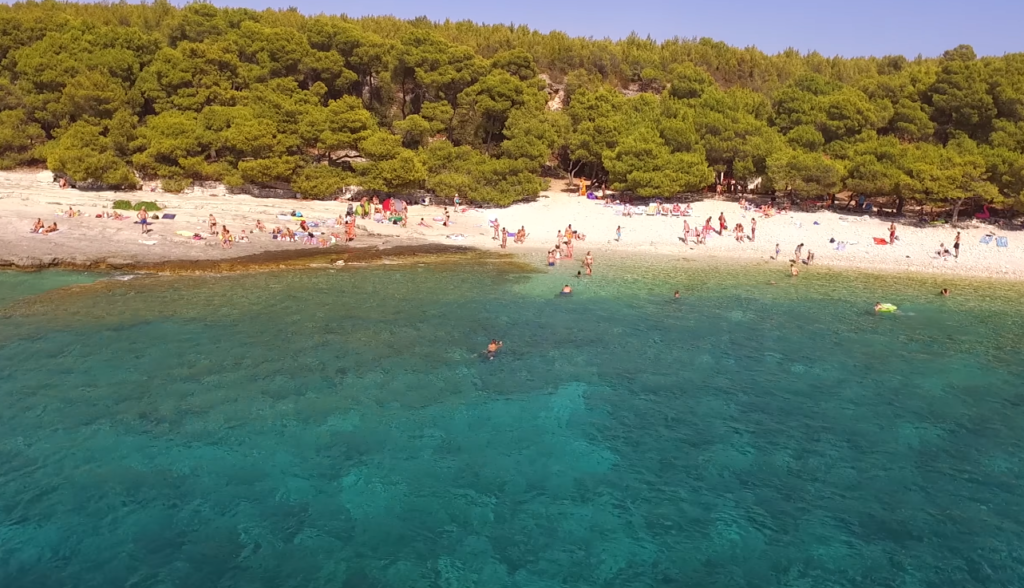
Long pebble beach on the south coast with gentler access than Stiniva. The name means “silver” referring to how sunlight reflects off white pebbles. I drove directly to small parking area (rough gravel road but manageable on scooter).
The beach stretches about 150 meters with shallow water perfect for swimming. A beachside konoba serves grilled fish in summer but was closed in November. I spent 2 hours here, saw only one other couple. Water clarity was exceptional—I could see fish swimming in 4-5 meters depth.
East Coast Bays
Milna Bay (November 15th, 9:30 AM – before driving to Komiža):
The most sheltered bay on Vis island’s eastern tip, 15 minutes from Vis Town. Wide horseshoe bay with shallow water, sandy patches among pebbles, and several waterfront konobas (closed in November).
A small marina hosts visiting sailboats. The setting is beautiful—green hills surrounding the bay, clear water, peaceful atmosphere. Good for families with kids due to shallow gradual depth. I swam for 30 minutes—water was calm and 18°C.
Rukavac (November 14th, 1:00 PM):
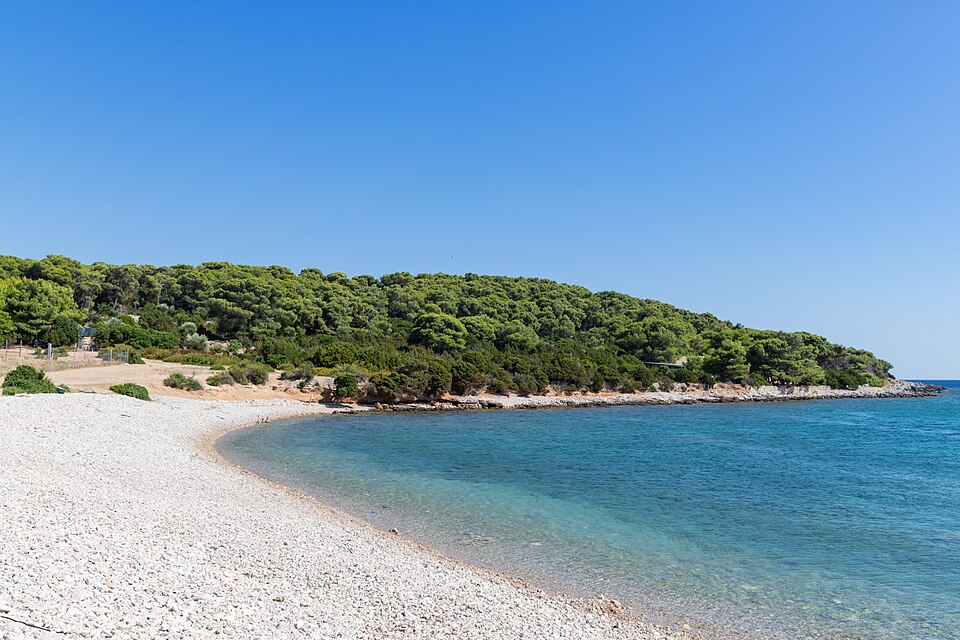
Small fishing hamlet on the eastern coast with a pebble beach and crystal-clear water. Population: maybe 20 permanent residents. A family-run konoba has been serving the same recipes for generations.
I ate lunch at Konoba Rokis—grilled sardines fresh from morning catch, tomato salad, bread, and local white wine. Total: €18. The owner, Petar (65 years old), has run this konoba for 30 years. His father ran it before him. We talked for 45 minutes about traditional fishing methods and how island life has changed.
The beach has excellent snorkeling—underwater rocks and formations create habitats for fish, octopus, and crabs. I snorkeled for an hour with gear I’d brought from home.
North Coast Hidden Gems
Zaglav Beach (November 14th, 4:00 PM):
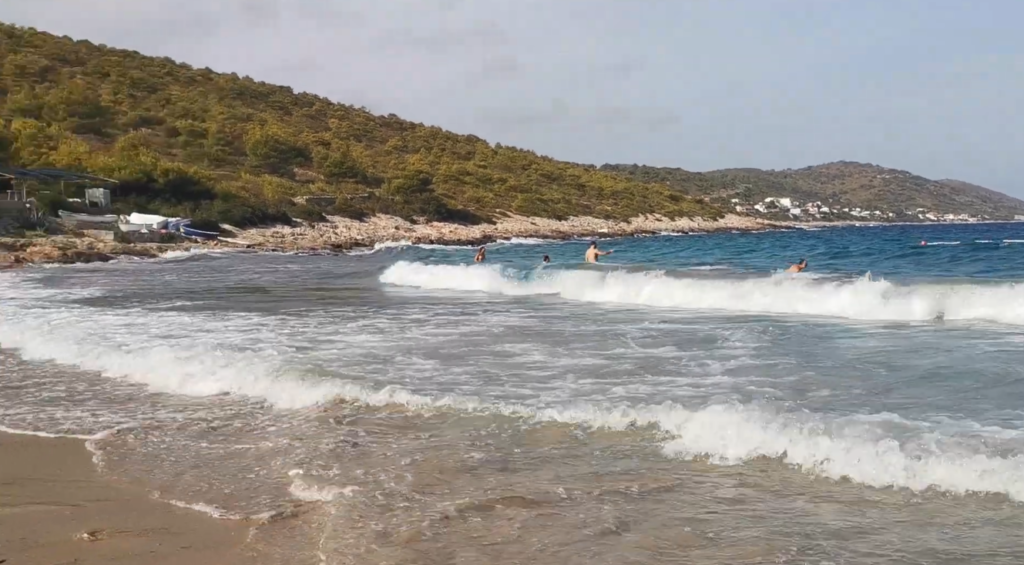
The northern coast of Vis island Croatia remains least developed and most remote. Zaglav offers the best car-accessible beach on this side—mix of pebbles and rocks with incredibly clear water.
Getting there requires driving a rough gravel road for 20 minutes from Vis Town (8 km). I managed on my scooter but drove slowly (20 km/h). The beach sits in a small cove surrounded by dramatic limestone cliffs that provide afternoon shade.
I was completely alone here. Water was 18°C, depth increases quickly, excellent for snorkeling. No facilities—bring water, snacks, sun protection. This is raw, undeveloped Vis island Croatia.
Podselje Cove (November 14th, 5:00 PM):
While exploring the northern coast, I found this unnamed cove near Podselje village (population: 6 residents). A tiny pebble beach accessible by scrambling down rocks from the road. I stopped for a quick swim—water was crystal clear, completely private.
These unnamed spots exist all around northern Vis. Rent a scooter or car and explore—you’ll find your own secret swimming spots.
West Coast Komiža Beaches
Gusarica Beach (November 15th, 4:30 PM):
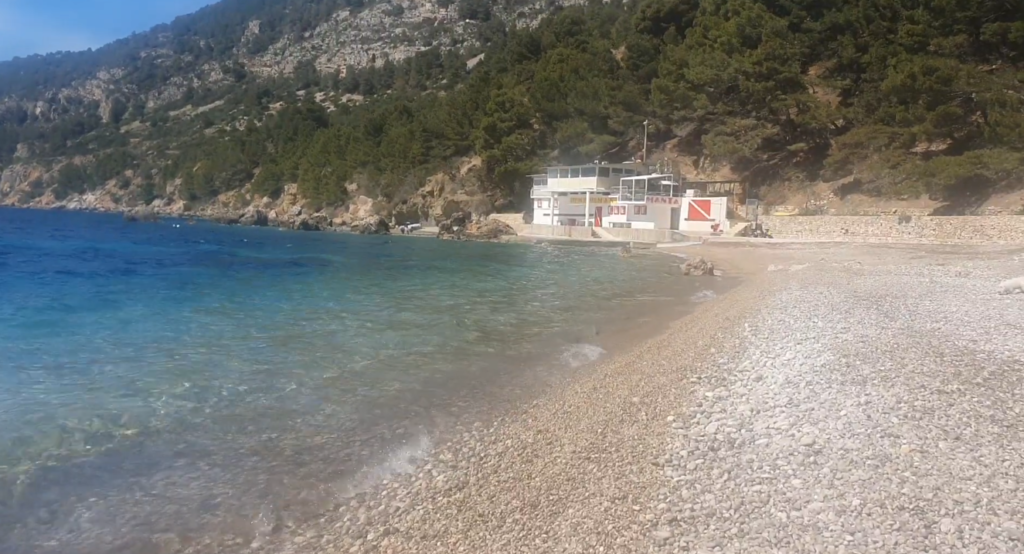
Right in Komiža town, a 3-minute walk from the harbor. More of a swimming spot than a traditional beach—concrete platforms, rocks, and small pebble sections. Not the prettiest beach on Vis, but the authenticity is charming. You swim where fishermen work, with colorful Komiža houses as backdrop.
Local kids were playing in the water when I arrived. Families come here after work. It felt like witnessing everyday island life, not a tourist beach.
Kamenica Beach (November 16th, 2:30 PM):
A 12-minute walk from Komiža center heading north. Beautiful pebble beach with dramatic cliffs behind and views toward Biševo island. A small café operates in summer (closed in November).
The water clarity here is exceptional—some of the best on Vis. Excellent for snorkeling and swimming. The beach faces northwest getting afternoon sun. I swam for 45 minutes, saw only 2 other people.
My Beach Rankings:
- Stiniva – Most dramatic scenery, but crowds in summer
- Srebrna – Best all-around beach for swimming and relaxing
- Kamenica – Great water clarity, beautiful setting
- Milna – Best for families, sheltered bay
- Zaglav – Most remote and private
Blue Cave & Green Cave Tours
I didn’t take a Blue Cave tour during my November visit because most operators stop running in late October due to unpredictable weather and reduced demand. However, I spoke with several tour operators and locals to understand the experience.
The Blue Cave (Modra Špilja):
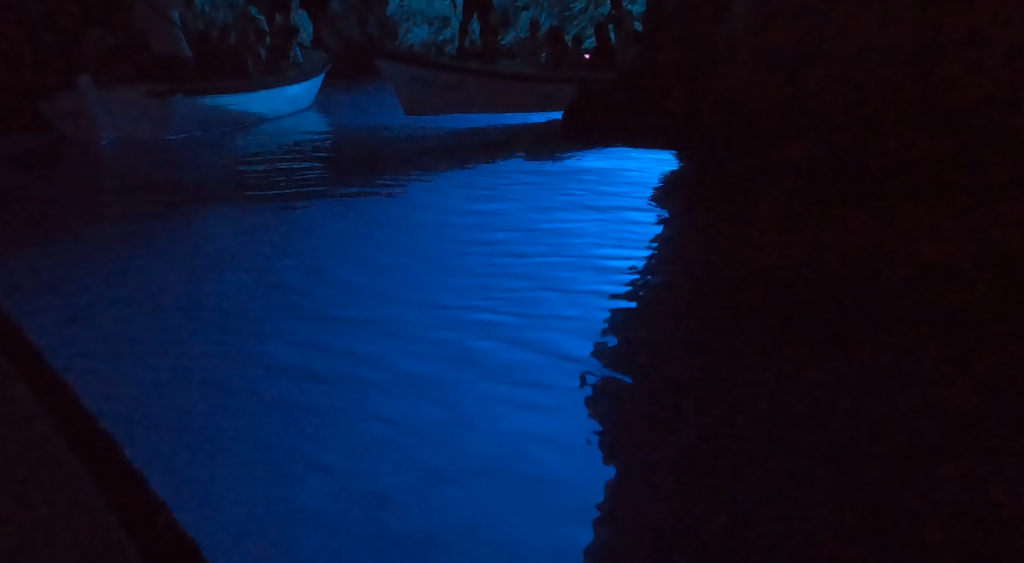
Located on nearby Biševo island, about 5 km from Komiža. The cave earned its name from ethereal blue light that illuminates it when sun rays enter through an underwater opening and reflect off the white limestone floor. The effect is genuinely magical—the entire cave glows electric blue.
How Tours Work:
Tours depart primarily from Komiža harbor, with some operators also running from Vis Town. Journey to Biševo takes 25-30 minutes by speedboat. Upon arriving at the Blue Cave, you transfer from your tour boat into small rowing boats (capacity: 4-6 people) because the cave entrance is too small for larger boats.
Inside the cave, you spend 5-10 minutes while the boatman rows around the chamber (about 24 meters long, 10-12 meters wide). Swimming inside is prohibited. Photography is rushed—you have maybe 2-3 minutes to capture shots. The cave visit is short but the blue light is genuinely stunning.
Best Time: 11:00 AM to 1:00 PM when sun angle is optimal for the blue light effect.
Tour Costs (Summer 2025):
- Group tours: €50-70 per person
- Private boat: €300-500 (up to 8 people)
- Duration: 4-6 hours total including other stops
The Green Cave (Zelena Špilja):
Located on Ravnik island’s southeast side. Most Blue Cave tours include a stop here. The Green Cave is larger, and crucially, you CAN swim inside—this is what many travelers prefer. Sunlight filtering through the cave opening creates emerald-green water. The water is cold (even in summer, 18-20°C) but diving into the green glow is exhilarating.
Typical Tour Itinerary:
- Depart Komiža harbor
- Blue Cave visit (10 minutes)
- Green Cave swimming stop (30-40 minutes)
- Stiniva Beach stop (30 minutes)
- Additional beaches or bays
- Return to Komiža
Booking Advice from Locals:
Book the evening before, not days in advance. Weather changes quickly, and operators adjust schedules based on sea conditions. If seas are too rough, Blue Cave visits get cancelled (the entrance is narrow and dangerous in waves). Operators will offer refunds or reschedule.
Several operators I spoke with: Blue Cave Tours Komiža, Alternatura, Vis Explorer. All had similar pricing and itineraries.
Honest Assessment:
The Blue Cave is worth seeing if you’re on Vis in summer. The light effect is genuinely unique. However, manage expectations—it’s a brief visit, can be crowded (boats arrive every 10 minutes in peak season), and sea conditions sometimes prevent entry. Many travelers actually prefer the Green Cave because you can swim and spend more time enjoying it.
Food & Wine: Where I Ate & Drank
Vugava Wine: The Taste of Vis
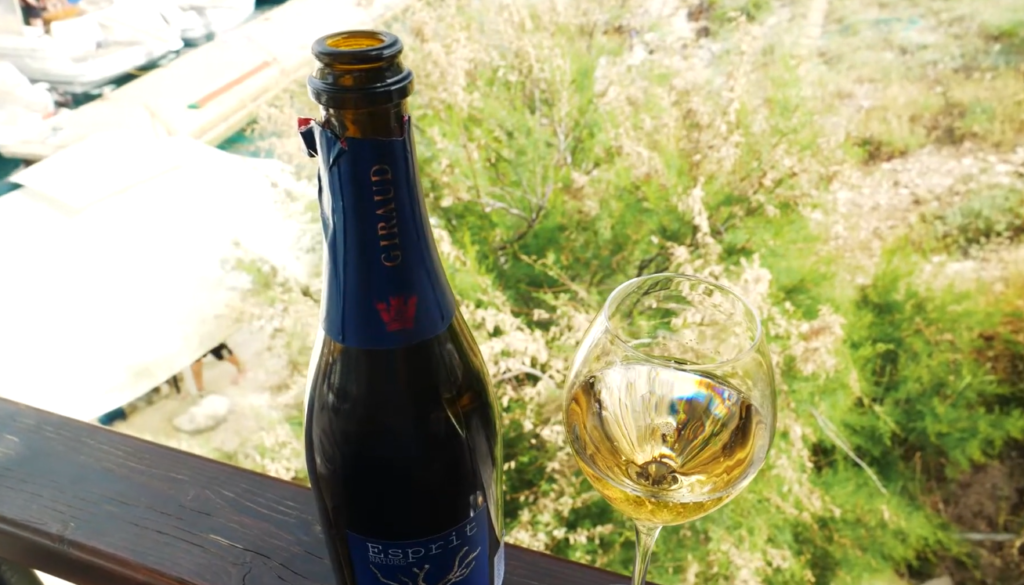
Vugava, the indigenous white grape variety, has grown on Vis for over 2,000 years. This crisp, minerally wine perfectly complements seafood and expresses the island’s limestone terroir beautifully.
At Lipanović Winery (November 14th), owner Ante explained: “Vugava is Vis. The grape survived through ancient Greeks, Romans, Venetians, and Yugoslav military. It adapts to limestone soil and sea air. Each vineyard has slightly different taste.”
I tasted Vugava at every opportunity—different producers, different vintages. Notes varied from citrusy and fresh to more complex with honey and minerals. Prices: €12-20 per bottle at wineries, €5-8 per glass at restaurants.
Other Vis wines to try: Plavac Mali (red grape, full-bodied), and experimental blends some producers are making.
Traditional Dishes I Tried
Viška Pogača (had it 4 times):
The island’s signature dish—savory pie filled with tomatoes, onions, salted fish (traditionally sardines), garlic, and herbs. Every family has their own recipe. I ordered it at 4 different konobas to compare.
Best version: Konoba Jastožera in Vis Town. Their recipe uses more garlic and fresh herbs—fennel and parsley. The dough was perfectly crispy outside, moist inside. €12 for a personal size portion.
Peka (November 15th dinner):
Traditional Dalmatian slow-cooking method. Meat or octopus cooked under a metal dome (called peka) covered with hot coals for 2-3 hours. Must be ordered 2-3 hours in advance when making reservations.
I had octopus peka at Konoba Jastožera in Komiža—the octopus was impossibly tender, potatoes and carrots absorbed all the juices, everything flavored with wine and bay leaves. Served family-style for 2+ people. €22 per person. This dish is time-consuming to prepare, which is why you must order ahead. Worth every minute of waiting.
Fresh Grilled Fish (had it 5 times):
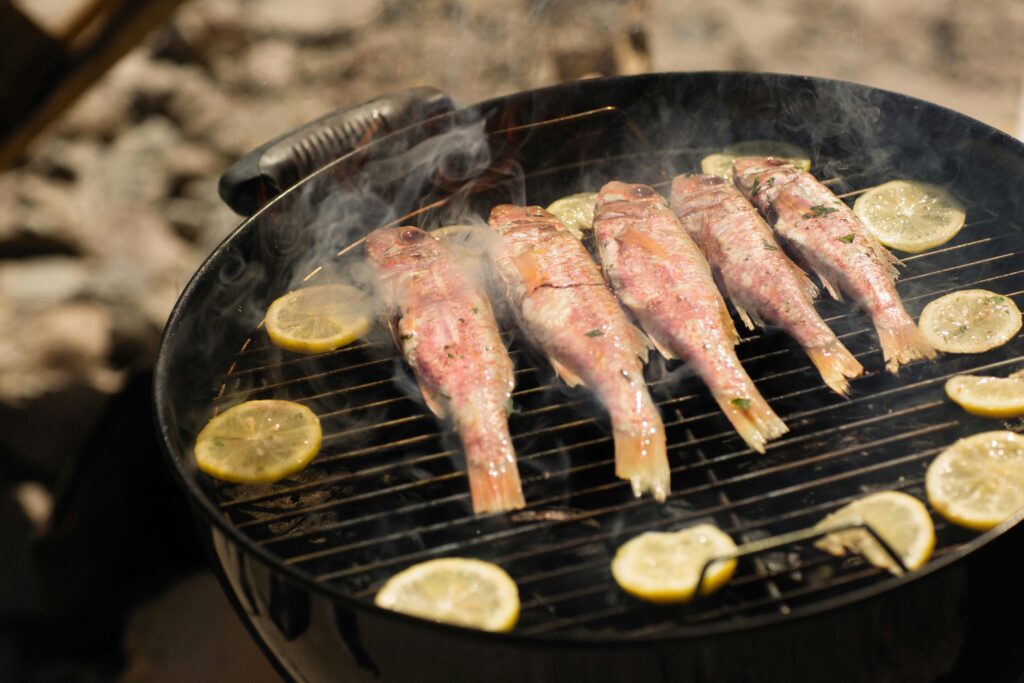
The fish you eat today was swimming this morning—this is real. Every konoba displays daily catch, you choose your fish, they grill it whole with olive oil, garlic, and lemon. Served with blitva (Swiss chard with garlic and olive oil) and boiled potatoes.
Prices varied by fish type:
- Sardines: €14-18
- Sea Bass (Brancin): €26-32
- John Dory (Kovač): €28-35
- Sea Bream (Orada): €24-30
Simple preparation, exceptional quality. This is why you come to a Croatian island.
Complete Restaurant List Where I Ate:
Vis Town:
- Konoba Jastožera: Best fish, traditional atmosphere (€25-35 per person)
- Pojoda: Refined island cuisine, excellent wine list (€40-50 per person)
- Waterfront bakery: Breakfast burek and coffee (€2.50)
Komiža:
- Konoba Jastožera: Octopus peka, family-run 40+ years (€25-35 per person)
- Bako: Modern interpretations, harbor views (€35-45 per person)
- Local bakery: Kroštule and coffee (€3)
Remote Areas:
- Konoba Rokis (Rukavac): Grilled sardines, authentic fisherman atmosphere (€18-25 per person)
- Srebrna Beach konoba: Closed in November but open summer for beachside grilled fish
Real Meal Costs I Paid:
- Casual konoba lunch: €18-25
- Nice dinner with wine: €35-50
- Grilled fish + sides: €22-32
- Glass of wine: €4-8
- Beer: €3-4
- Coffee: €1.50-2.50
- Breakfast pastry: €2-3.50
Shopping at Markets:
The morning fish market in Vis Town (7:30-9:00 AM) was fascinating. Local women sold homegrown vegetables, fresh herbs, olive oil, sheep cheese, and honey. I bought:
- 1 liter homemade olive oil: €12
- Small jar honey: €8
- Fresh sheep cheese: €6
- Bunch of fresh rosemary: €1
Small Konzum supermarkets in both towns stock basics—Croatian wines, snacks, water, bread. Prices similar to mainland.
Adventure Activities: Hiking, Kayaking, Diving
Hiking Mount Hum (November 16th – Detailed)
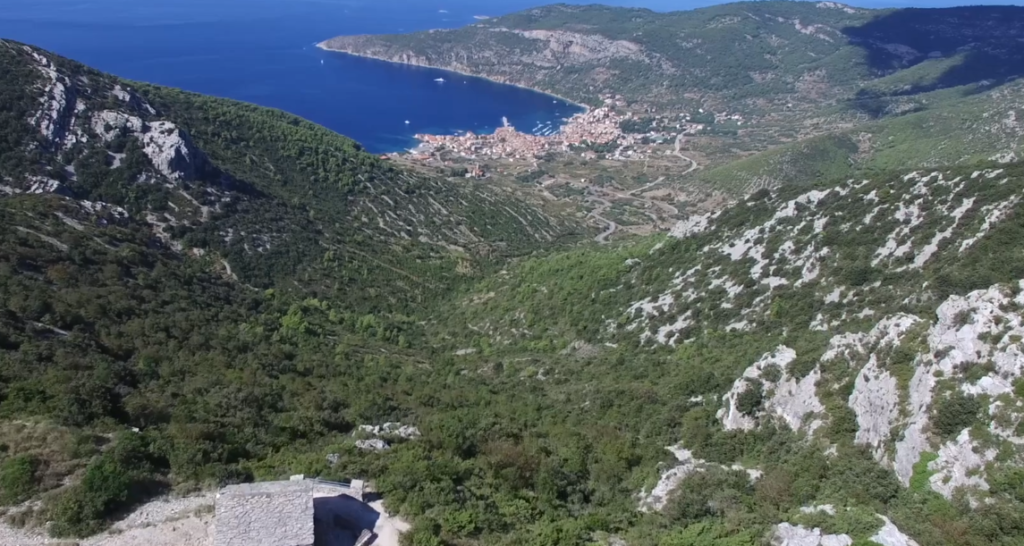
I’ve already described my Mount Hum hike, but here are complete details:
- Trailhead: Starts at Komiža’s edge near small chapel (ask locals for “staza za Hum”)
- Distance: 4.2 km one-way
- Elevation gain: 587 meters
- Time up: 92 minutes for me (moderate fitness)
- Time down: 65 minutes
- Difficulty: Moderate to challenging (steep sections, loose rocks)
- Bring: 2 liters water, snacks, sturdy shoes, sun protection, phone/GPS
- Best time: Early morning (I started 10:00 AM, summit got hot by noon even in November)
The trail is well-marked with cairns and red paint on rocks. Several false summits frustrate you before the real peak. Views are worth every difficult step.
Kayaking Around the Island (November 13th, 2:00 PM)
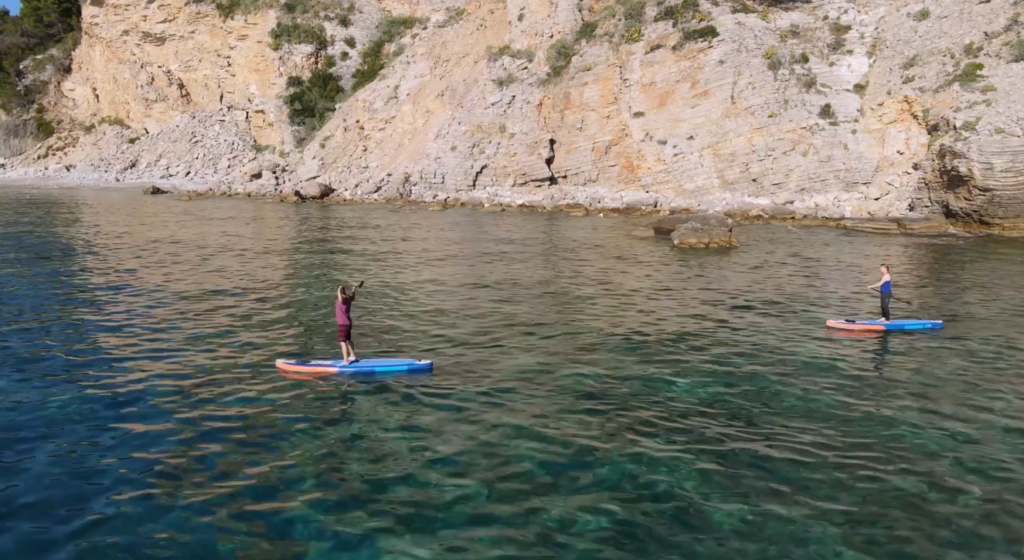
I rented a kayak from Vis Kayak Adventures near Vis Town harbor (€25 for 3 hours, November rate). The owner, Marko, showed me a map marking best coves and caves accessible only by water.
I paddled along the northeastern coast, exploring small caves and hidden coves. The water was calm, visibility incredible—I could see fish, starfish, and rocks 5-6 meters below. Stopped at three unnamed coves for swimming and snorkeling.
Kayaking reveals Vis from its most beautiful angle. The coastline is dramatic—limestone cliffs, hidden caves, crystal water. In summer, guided kayak tours run to Blue Cave and remote beaches (€60-80 per person).
Kayak Rental Costs:
- Single kayak: €20-30 for 3 hours
- Double kayak: €35-45 for 3 hours
- Full day: €40-60
- Guided tours: €60-90 depending on destination
Cycling Across the Island
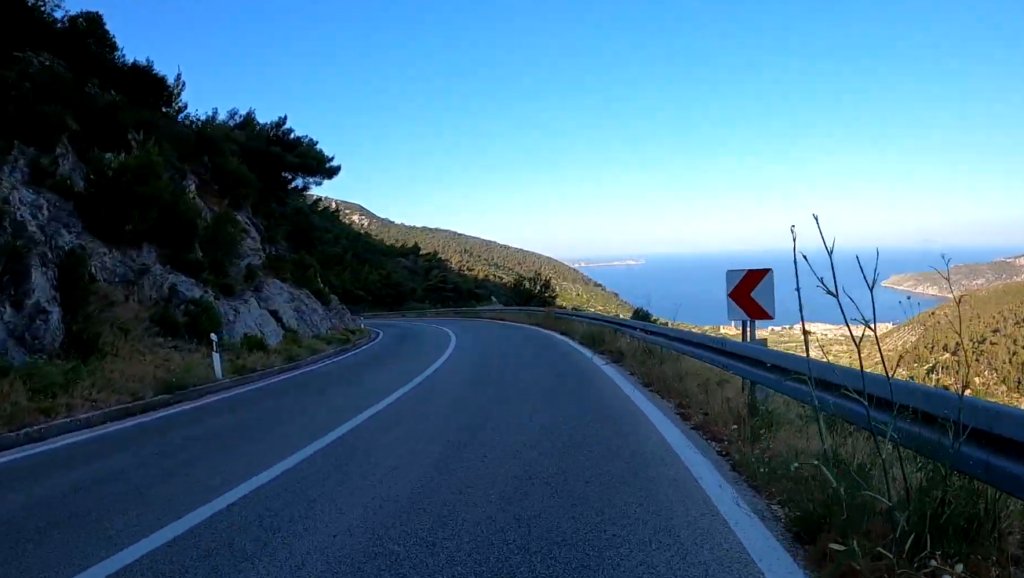
The 15 km road between Vis Town and Komiža makes a challenging cycling route. Steep climb through the island’s center, then descent into Komiža with western coast appearing below.
I didn’t cycle (I had a scooter) but met two German cyclists on November 14th. They said the climb took 75 minutes, descent 25 minutes. “Bring gears—the hills are serious,” one told me.
Several rental shops in Vis Town offer road bikes and mountain bikes (€15-25 per day). Shorter routes explore valleys and coastal roads near each town.
Diving Sites Around Vis
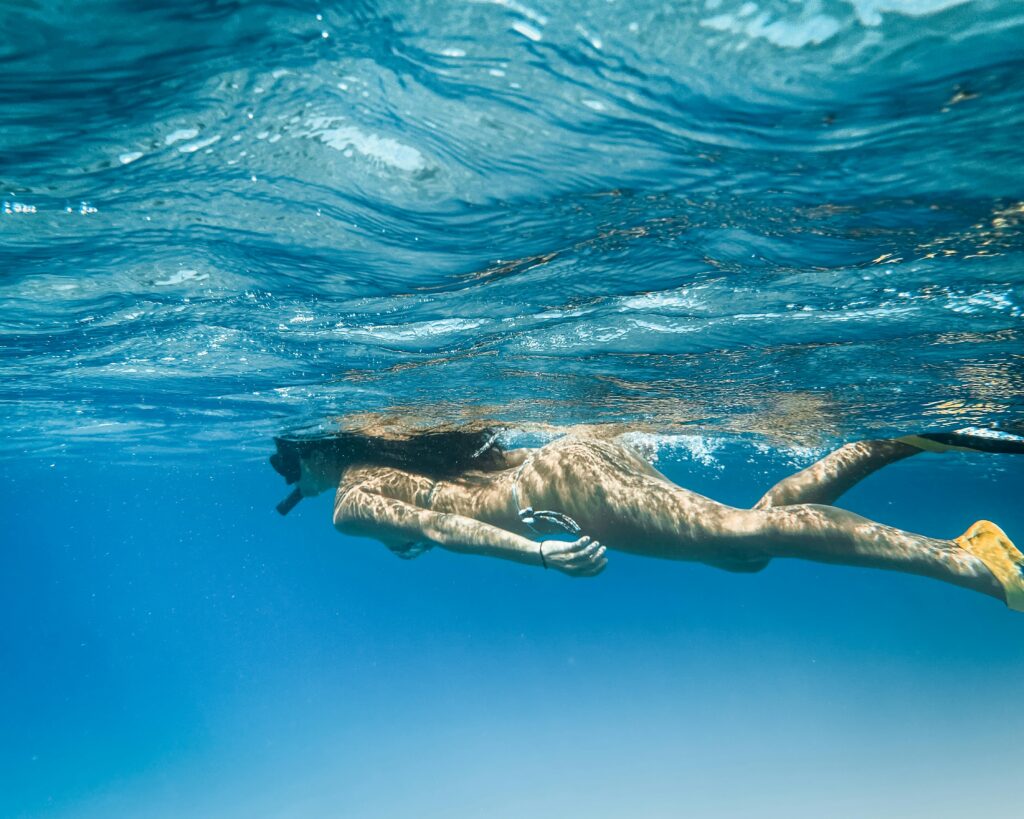
Vis island diving ranks among the Adriatic’s best. I didn’t dive (not certified) but spoke with Issa Diving Center in Vis Town. The instructor, Luka, explained:
“We have World War II wrecks—B-17 bomber, cargo ships, patrol boats—all in diveable depths. Plus cave systems and incredible marine life. Visibility is 20-30 meters most days.”
Famous dive sites:
- B-17G bomber: Crashed 1944, sits at 72 meters (advanced)
- SS Vassilios T wreck: Greek cargo ship, 30 meters depth
- Teti Cave: Advanced cave diving
- Multiple wall dives: Colorful marine life
Costs: Discover dive for beginners €70-90, certified dive €40-50, PADI courses available.
Boat Rentals for Independent Exploration
On November 15th, I considered renting a small boat but decided against it due to weather forecasts (bora wind predicted). However, in calm conditions, boat rental opens up the island completely.
Rental options:
- Small boats (no license required under 5 HP): €80-120 per day
- Speedboats (license required): €150-250 per day
- RIB boats with captain: €300-400 per half day
Multiple rental companies operate from both harbors. Summer requires booking ahead. Off-season you can usually rent same-day if weather permits.
With a boat, you can reach remote beaches inaccessible by road, create your own Blue Cave schedule, and discover coves that see zero visitors. The Adriatic is generally calm, making it accessible even for inexperienced boaters.
Military History & Ancient Ruins
Tito’s Cave (November 13th, 11:00 AM)
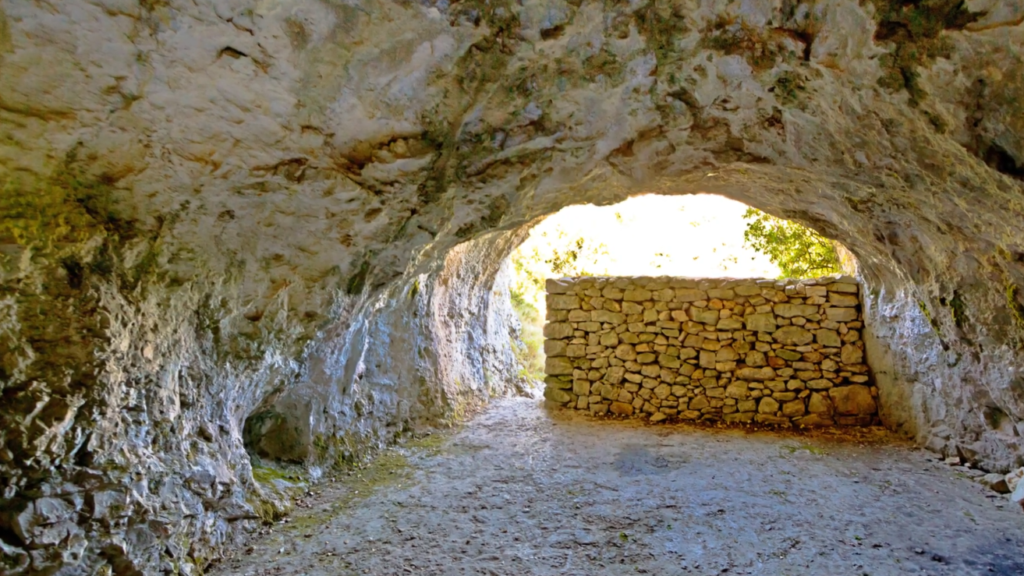
During World War II, Yugoslav partisan leader Josip Broz Tito used this cave complex as headquarters in 1944 when German forces pushed partisans off the mainland. Located on the hillside near Fort George above Vis Town.
I hiked up from Kut (35-minute walk, signs marked “Titova špilja”). The cave complex includes several chambers where Tito worked, met with Allied officers, and commanded partisan operations. Today it’s a small museum displaying photographs from that period, maps, and explanations of military operations.
Entry is free. A caretaker named Stjepan (70+ years old) was there, and he explained in broken English how his father fought with the partisans. “My father said Tito was always calm, even when German planes bombed the island. He told them, ‘We will win this war from Vis.'”
The cave itself isn’t spectacular, but the history is fascinating. Allied forces used Vis as a base for operations in the Adriatic. British and American planes flew from the hidden airstrip.
Underground Military Tunnels (November 14th, 2:30 PM)
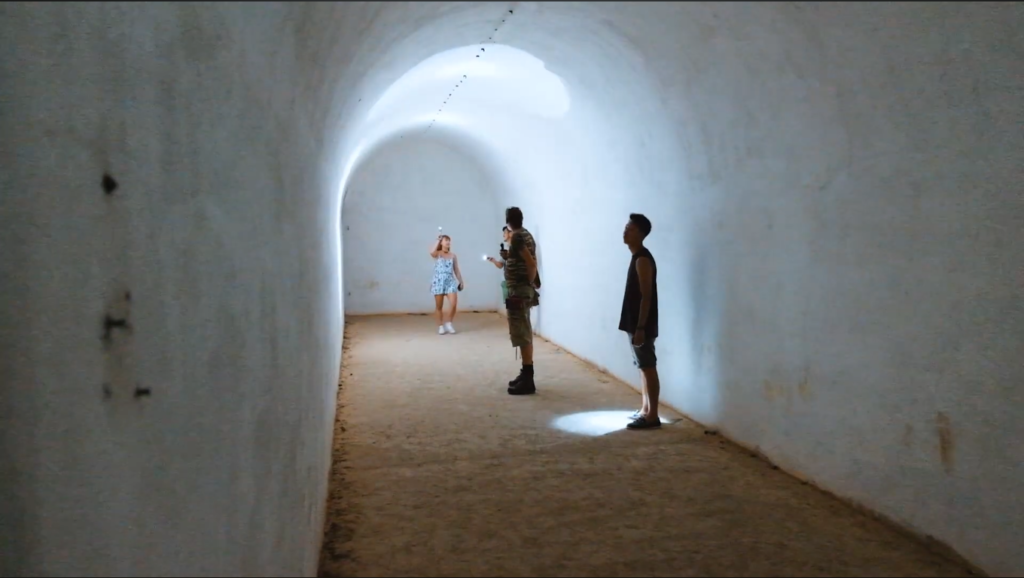
The Yugoslav military carved extensive tunnels into coastal cliffs to hide submarines and store weapons. Several tunnels remain accessible near Vis Town harbor and on the road to Komiža.
I explored a tunnel complex near Vis Town with my flashlight. Dark, damp, eerily silent. Old equipment rusts in corners—metal tracks where submarines were rolled in, electrical boxes, ventilation systems. The tunnels stretch hundreds of meters into the mountainside.
Safety warning: These tunnels are unmaintained and potentially dangerous. Bring powerful flashlights, watch for debris and holes, don’t go alone. The government doesn’t officially allow entry, but locals do it regularly.
The tunnels reveal the scope of military presence—Vis was essentially one giant military base. Locals joke: “We had more soldiers than civilians from 1950-1989.”
Getting Around: Scooter, Car & Boat
My Scooter Rental Experience
I rented a 50cc scooter from Vis Rent (near ferry port) for 4 days total. The process:
November 12th, 10:45 AM (just after ferry arrival): Walked to Vis Rent, 5-minute walk from ferry. Showed driver’s license, signed rental agreement, paid €100 (€25/day x 4 days). They offered helmet, asked if I needed map. The scooter was basic but functional—enough power for island roads.
- Insurance: Included basic insurance (CDW). Additional full coverage was €5/day extra. I declined since I’m experienced on scooters.
- Fuel: Scooter used maybe €8 of fuel over 4 days (very efficient). Remember—only 2 gas stations on entire island, both close Sunday afternoons.
- Returning: November 16th, 9:00 AM, I returned the scooter. They checked for damage (none), gave back my deposit. Easy process.
- Summer pricing: €30-40 per day in peak season. Book ahead—scooters rent out quickly in July-August.
Road Conditions Reality Check
Main road (Vis Town to Komiža): Excellent asphalt, well-maintained, good signage. Easy driving, takes 20-22 minutes without stops. Speed limit 50-60 km/h, no traffic even in November.
Beach access roads: This is where it gets challenging. Roads to Stiniva, Srebrna, Zaglav, and northern beaches deteriorate to rough gravel, potholes, loose rocks. Some sections made me nervous on the scooter—I drove 15-20 km/h carefully.
For Stiniva specifically: The last 2 km before parking is rough gravel with several deep potholes. Manageable but slow. A rental car (with better suspension) would’ve been easier.
My honest advice:
- Experienced scooter riders: Rent a scooter, it’s perfect for Vis
- Nervous on two wheels: Rent a small car (€50-70/day)
- Exploring north coast extensively: Car recommended
- Summer heat: Scooter gives you breeze, car gives you A/C
Car Rentals
Several agencies operate in Vis Town (Vis Rent, Alternatura, Lesta). Prices I saw:
- Small car (Fiat Panda): €50-60/day November, €70-90/day summer
- Larger car: €70-90/day November, €100-130/day summer
Benefits of car:
- Easier on rough roads
- Can carry more beach gear
- Better in rain
- Space for groceries/luggage
Downsides:
- More expensive
- Parking slightly tighter in town centers (though still manageable)
- Less “island freedom feeling” than scooter
Parking Everywhere
Parking is free and easy throughout Vis island. In Vis Town, spaces along the waterfront fill up by midday in summer, but November had zero issues. Beach parking is informal—pull off the road where others have parked.
Taxi Options
Few taxis operate on Vis. I saw one taxi in Vis Town during 5 days. For getting around, you really need to rent something.
Taxi boats run between beaches and harbors in summer (€10-20 per person depending on distance). In November, services were minimal.
Walking Between Towns
The 15 km distance between Vis Town and Komiža is too far to walk practically (would take 3.5-4 hours). Within each town, everything is walkable—both towns are compact and pedestrian-friendly.
Where I Stayed: Accommodation Guide
Vis Town: My 3-Night Apartment
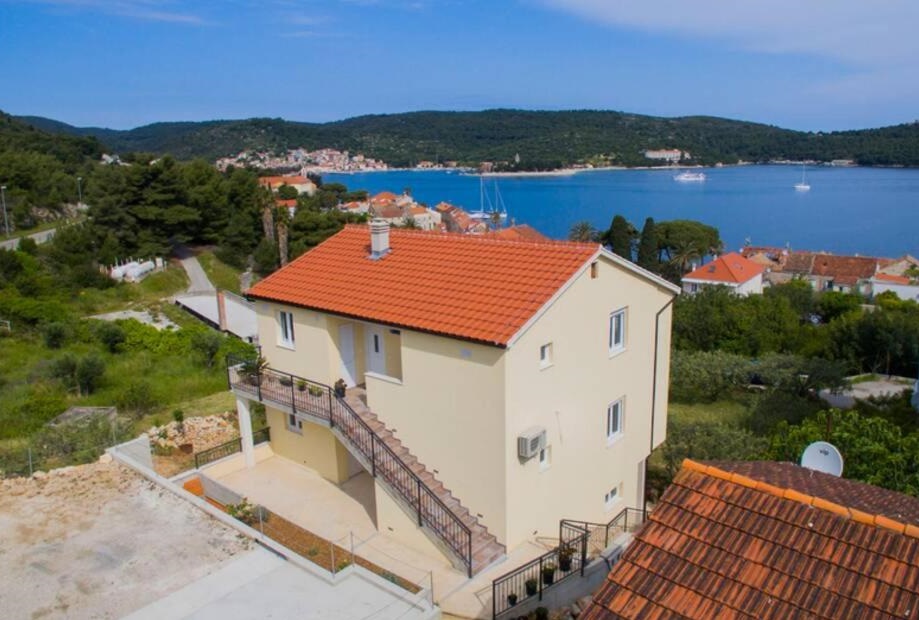
- Property: Stone house apartment in Kut quarter
- Booked through: Booking.com
- Cost: €65 per night (November rate; summer rate listed as €185)
The Space: Ground floor of restored 300-year-old stone house. One bedroom with double bed, small living area with sofa, basic kitchen (two burners, mini fridge, coffeemaker), bathroom with shower. Thick stone walls kept it naturally cool. Small terrace overlooking neighbor’s garden with lemon trees.
What I Loved: Central Kut location (2-minute walk to best restaurants), authentic stone house character, Marko met me at ferry and gave personal recommendations, quiet at night, WiFi worked well.
What Could Be Better: Kitchen was very basic (fine for breakfast and snacks, not for cooking full meals), bathroom small with low water pressure, no A/C (but didn’t need it in November).
Would I Book Again: Absolutely. The location, price, and authenticity made it perfect.
Komiža: My 2-Night Apartment
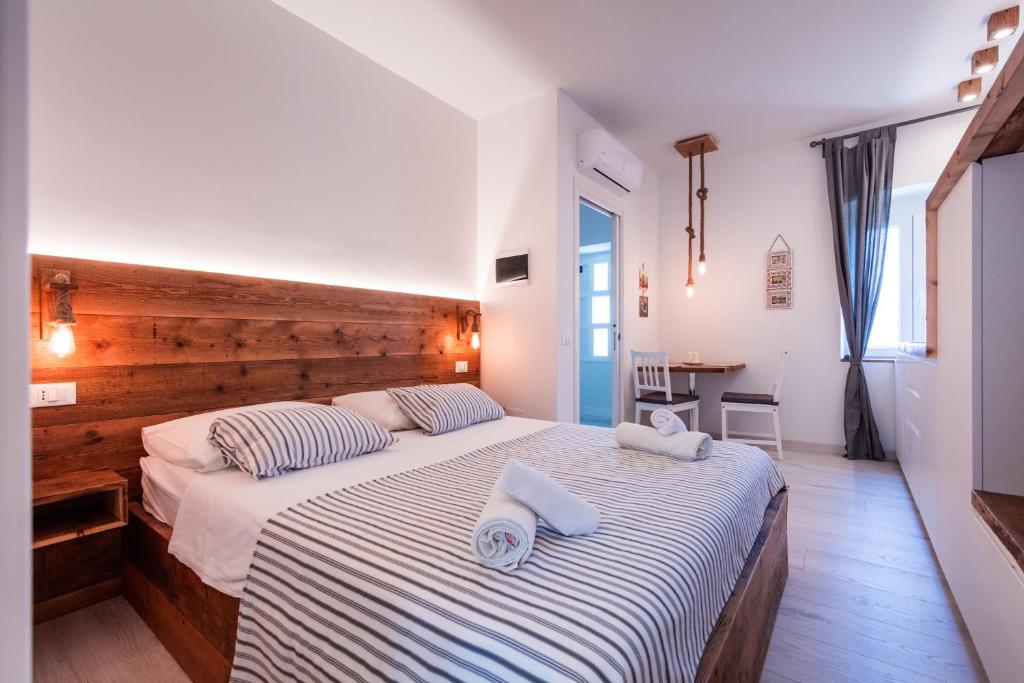
- Property: Modern apartment near harbor
- Booked through: Booking.com
- Cost: €55 per night (November rate; summer rate was €140)
The Space: Second floor of newer building. One bedroom, open living/kitchen area (fully equipped kitchen), modern bathroom, small balcony with harbor views. Contemporary furniture, clean, comfortable.
What I Loved: Harbor views from balcony (watched fishing boats at dawn), well-equipped kitchen, Ivana left welcome gifts (fig jam, olive oil, wine), very clean and comfortable, WiFi excellent.
What Could Be Better: Less character than Vis Town stone house, some noise from nearby restaurants (music until 10 PM, not terrible).
Would I Book Again: Yes, especially for the price and harbor location.
Accommodation Types on Vis Island
Private Apartments (what I chose): Dominate Vis accommodation. Range from simple rooms to beautifully restored stone houses. Prices vary widely:
- Budget (basic room): €40-60 November, €80-120 summer
- Mid-range (full apartment): €60-90 November, €120-180 summer
- High-end (restored stone house): €100-150 November, €200-300 summer
Small Hotels: Both towns have 3-4 small hotels offering traditional hotel services—reception, breakfast, organized spaces. Examples: Hotel Bisevo, Hotel Issa in Vis Town. Convenient but less authentic than apartments. Prices: €80-120 November, €150-250 summer.
Remote Stays: A few properties near Milna, Rukavac, and other settlements. You’ll need a vehicle and should plan for self-catering. Beautiful isolation. Prices similar to town apartments but book far ahead for summer.
Booking Advice from My Experience
How far ahead to book:
- Summer (July-August): 6-8 weeks minimum, especially for specific properties
- Shoulder season (May-June, Sept-Oct): 3-4 weeks
- Off-season (Nov-April): 1-2 weeks (but choices are limited—many places close entirely)
Best booking platforms: Booking.com and Airbnb both work well. Compare prices on both. Direct booking with owners sometimes saves 10-15% but requires more communication.
What to look for: Location (Kut for character, Riva for convenience), reviews mentioning cleanliness and responsive hosts, kitchen quality if you plan to cook, WiFi quality if you need to work.
Vis Town vs Komiža for accommodation:
- Vis Town: More restaurant choices, easier ferry access, better for first-time visitors
- Komiža: More authentic, quieter, cheaper, better for Blue Cave tours and western beaches
- My recommendation: Split your stay if possible—experience both sides of island
Money, Packing & Essential Tips
Money Matters
- Currency: Croatia uses euros (adopted January 2023, replacing kuna).
- ATMs: Both towns have ATMs. Vis Town has 3 ATMs (one at ferry port, two in town center). Komiža has 2 ATMs. In November, one ATM in Vis Town was empty on Saturday—Sunday it was refilled.
- Cash vs Card: Many establishments accept cards, but smaller konobas, beach cafés, and market vendors are cash-only. I brought €300 cash from Split, used about €180 in cash over 5 days. Bring sufficient cash—don’t rely entirely on cards.
- Prices: Slightly higher than Croatian mainland due to ferry transport costs. A meal that costs €20 in Split might cost €24 on Vis. Not dramatically different but noticeable.
- Tipping: 10% for good service is appreciated but not mandatory. I rounded up bills or added €2-5 depending on meal cost.
What to Pack Specifically for Vis
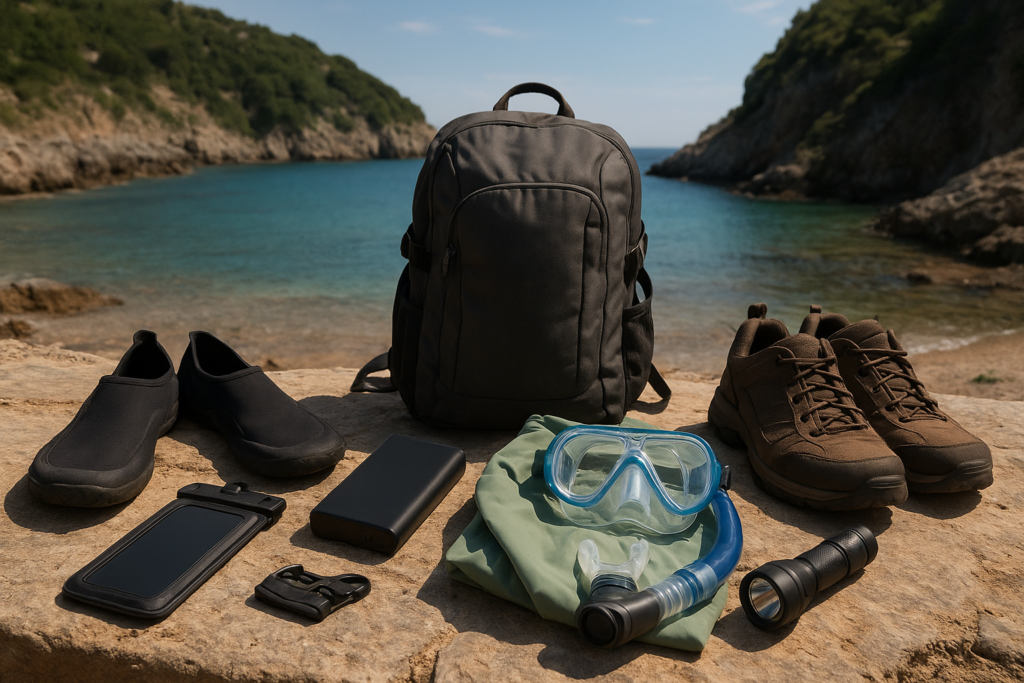
Items I was glad I brought:
- Sturdy hiking shoes (essential for Mount Hum and rough beach paths)
- Reef shoes (rocky beaches, sea urchins protection)
- Strong LED flashlight (military tunnels exploration)
- Snorkeling gear (my own mask/snorkel fits better than rentals)
- Light rain jacket (used it 2 days)
- Day backpack (for beach trips with water, snacks, towels)
- Power bank (exploring all day drains phone battery)
- Waterproof phone case (for kayaking)
Items I should’ve brought:
- Warmer fleece for evenings (November evenings were 14-16°C, cooler than expected)
- Better camera (phone was fine but regretted not bringing proper camera for landscapes)
- Reusable water bottle (bought plastic bottles, wish I’d brought my own)
Don’t bother bringing:
- Beach umbrella (most beaches have natural shade from cliffs)
- Fancy clothes (Vis is casual everywhere)
- Lots of books (WiFi and digital reading work fine)
Mobile Coverage and Internet
Mobile coverage: Good in both towns and along main roads. Dead zones at remote beaches (Zaglav, northern coves) and parts of inland valleys. My provider (T-Mobile) worked well. EU roaming included in most plans.
WiFi: All accommodation had WiFi. Most restaurants and cafés offer free WiFi. Speeds were adequate for browsing, email, and video calls. Not blazing fast but functional.
Embrace disconnection: Limited connectivity at beaches became a positive. I actually enjoyed being unreachable for hours while swimming at Stiniva.

Health and Safety
- Water: Tap water is safe to drink throughout the island. I drank tap water at both apartments without issues.
- Pharmacies: Small pharmacies (ljekarna) in both towns. Open limited hours. Bring any prescription medications from home.
- Medical: Small medical center in Vis Town for emergencies. Serious medical issues require helicopter evacuation to Split. Travel insurance recommended.
- Safety: Vis felt extremely safe. Petty crime is virtually nonexistent. I never felt unsafe walking at night or leaving belongings on beaches (though I didn’t test this extensively).
- Sea urchins: Present on rocky areas. Wear reef shoes. If stepped on, locals recommend olive oil and tweezers for removal.
Common Mistakes Tourists Make (Some I Made)

1. Visiting for just one day/night: Biggest mistake. You need minimum 3-4 days to experience what makes Vis special. One-day trippers only see Stiniva and miss everything else.
2. Not bringing enough cash: (I almost made this) – ATMs can be empty, especially weekends. Bring euros from mainland.
3. Underestimating rough roads: Multiple tourists I met damaged rental scooters on rough beach roads. Drive slowly and carefully.
4. Expecting Hvar-style nightlife: Vis is quiet. If you want clubs and beach parties, wrong island.
5. Visiting Blue Cave in peak afternoon crowds: (Locals told me) – Early morning or late afternoon is better.
6. Not booking ferry with vehicle in summer: (Several tourists complained about this) – Vehicle spaces sell out weeks ahead.
7. Only staying in one town: Miss half the island’s character. Split time between Vis Town and Komiža.
8. Not checking fuel station hours: (I made this mistake) – Closed Sunday afternoon, I had to wait until Monday morning.
9. Expecting everything open off-season: Many businesses close November-March. Plan accordingly or visit shoulder season.
10. Over-planning: Some best experiences happened spontaneously—conversations with locals, discovering unnamed coves, unexpected sunset views. Leave room for serendipity.
Best Ways to Meet Locals
The smaller population and limited tourism make Vis easier for authentic local interactions:
- Morning fish market (arrive 7:30 AM, chat with vendors)
- Small konobas (owners often sit and talk during quiet times)
- Winery tastings (intimate, personal experiences)
- Hiking trails (locals hiking Mount Hum were friendly and helpful)
- Just being curious and respectful (asking genuine questions)
Marko (my Vis Town host), Ivana (Komiža host), Ante (winemaker), Petar (Rukavac konoba), and Stjepan (Tito’s Cave caretaker) all gave me insights that guidebooks couldn’t. These conversations enriched my experience immensely.
My Honest Verdict: Is Vis Right for You?
After five days exploring Vis island in November 2025, here’s my honest assessment:
You’ll Love Vis If You Want:
- Authentic fishing villages over luxury resorts, independent exploration by scooter, excellent traditional food and wine, fascinating history (Greek ruins to military sites), uncrowded beaches, dramatic nature, peaceful evenings, and flexible travel.
Choose Another Island If You Need:
- Luxury hotels and spas (try Hvar), nightlife and beach clubs (go to Hvar or Pag), everything convenient and organized, smooth paved roads everywhere, constant entertainment, or extensive special dietary options.
My 5-Day Costs (November 12-17, 2025):
- Accommodation: €305 | Scooter: €100 | Food/drinks: €265 | Activities: €47 | Ferry: €17 | Misc: €35
- Total: €777 (€155/day)
- Summer costs run 40-50% higher
“Note: All prices are indicative and may change based on season, availability, or establishment policy. Confirm current rates locally before visiting.”
Three Unforgettable Moments:
- Stiniva Beach alone (November 13th, 3:15 PM): Completely empty for 90 minutes—turquoise water, towering cliffs, absolute silence. In summer, 200+ people crowd here.
- Petar at Rukavac (November 14th): The 65-year-old konoba owner shared how three generations fished these waters, how his son left for Zagreb, how he’ll likely be the last. Pride mixed with melancholy.
- Fort George sunset (November 13th): Hiking up alone, exploring abandoned military ruins, watching golden light paint the Adriatic, complete solitude at a 200-year-old fort. Magical.
Would I Return?
Absolutely. Next time I’d visit in May or September for warm water, full services, and fewer crowds. I’d spend 6-7 days, rent a boat for two days, take the Blue Cave tour, and explore more wineries.
Best For:
Experienced island hoppers (this is pre-mass-tourism Croatia), couples (romantic and peaceful), solo travelers (safe, easy to explore), photographers (extraordinary landscapes). Families with young kids: challenging but doable—Milna Bay is best for children.
Why Vis Matters:
Vis represents something rare—controlled development, surviving local culture, fishing mattering more than yachts. The 40-year military closure (1950-1989) accidentally preserved what other islands lost. Visiting Vis in 2025 feels like other Croatian islands in 1985.
Come with curiosity and flexibility. Don’t expect resort convenience. Do expect authentic experiences, spectacular nature, fascinating history, excellent food and wine, and discovering somewhere genuinely special before it changes.