
When I first wandered down the narrow, steep staircase of Žudioska Street in Dubrovnik’s Old Town, I wasn’t expecting much. The unassuming entrance gave no hint of the profound history waiting inside. But stepping through that door into the Dubrovnik Synagogue was like traveling back 600 years—and it immediately became one of the most meaningful experiences of my entire trip to Croatia.
The Jewish synagogue in Dubrovnik isn’t just another tourist attraction. It’s the world’s oldest functioning Sephardic synagogue and Europe’s second-oldest synagogue still in use today. More importantly, it’s a living testament to resilience, survival, and the enduring spirit of a small but determined Jewish community that has called this coastal city home for centuries.
Table of Contents
The Remarkable Story Behind the Synagogue in Dubrovnik
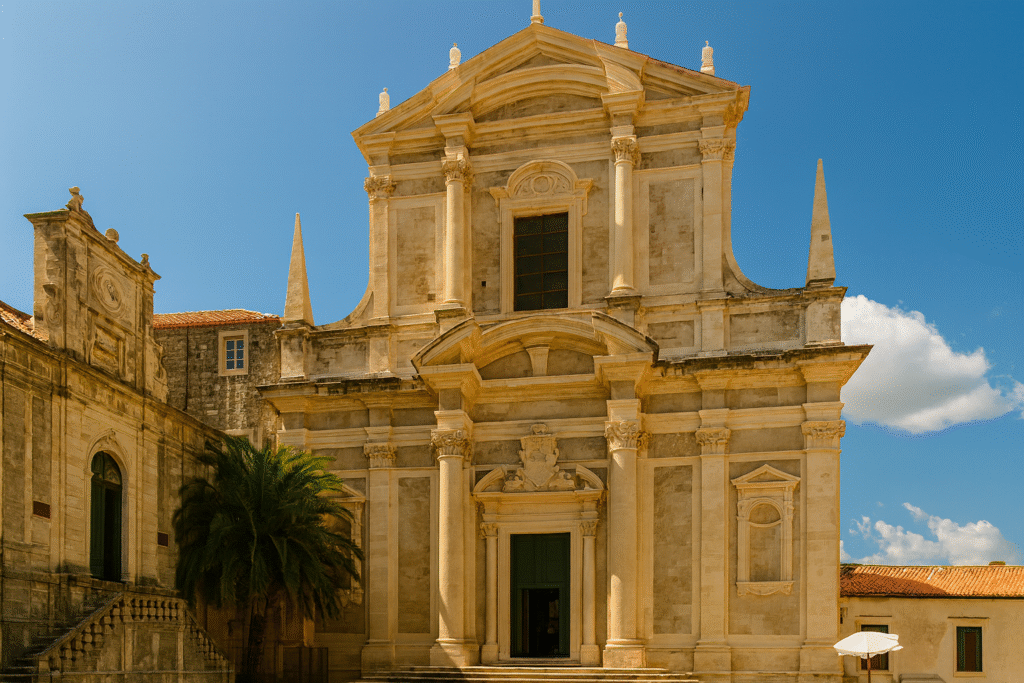
The history of this sacred space reads like a dramatic novel. The synagogue in Dubrovnik was established in 1352 and gained official legal status in 1408 when the independent city-state of Ragusa (as Dubrovnik was then known) formally recognized its Jewish community. But the synagogue’s story really begins in 1492.
When Catholic monarchs Ferdinand and Isabella expelled Jews from Spain, thousands of Sephardic Jews fled eastward. Many found refuge in Dubrovnik, bringing with them precious Torah scrolls, centuries-old traditions, and skills that would enrich their new home. By 1546, the Dubrovnik government had established a formal Jewish quarter on Žudioska ulica—literally “Jewish Street”—where eleven houses and the synagogue were connected by internal passageways, creating a self-contained community.
Surviving Centuries of Challenges
What makes this synagogue truly extraordinary is what it’s survived. The devastating 1667 earthquake that destroyed much of Dubrovnik left the synagogue damaged but standing. During World War II, the local Tolentino family—who have been caretakers of the synagogue for centuries—smuggled priceless artifacts, Torah scrolls, and even the Holy Ark to safety through those same internal passages that once connected the ghetto.
But perhaps the synagogue’s greatest test came during the Croatian War of Independence in the early 1990s. During the Siege of Dubrovnik in 1991 and 1992, Serbian and Montenegrin forces shelled the Old Town, hitting approximately two-thirds of it. The synagogue was struck twice—once by shells that shattered windows, and again when an artillery shell crashed through the roof in 1992.
The community packed up over 80 precious items, including a 13th-century Torah and silver ornaments, sending them to Yeshiva University Museum for safekeeping. After the war ended, a legal battle ensued, but by 1998, these treasures returned home.

The Dubrovnik Synagogue Reconstructed in the Late 1990s
The Dubrovnik synagogue reconstruction process following wartime destruction became a passionate work. The restoration work started in 1996 under the supervision of the Dubrovnik Rebuilding Fund which operated as a nonprofit organization supported by the local Atlas tourism agency and the American Society of Travel Agents. The project received funding from non-Jewish American couples and Jewish families based in Philadelphia and Washington D.C. who donated to repaint the breathtaking blue ceiling.
When the synagogue reopened in 1997, it had been restored as closely as possible to its original design while incorporating modern security measures to protect its priceless collection. Today, the museum rooms beneath the synagogue feature state-of-the-art alarm systems, ensuring these centuries-old treasures remain safe for future generations.
Planning Your Dubrovnik Synagogue Visit: Everything You Need to Know
Visiting the Dubrovnik Synagogue feels like stepping into a quiet, living fragment of Jewish heritage tucked deep within the stone walls of Old Town. It’s small, humble, and intimate—but incredibly powerful once you understand the history that has unfolded inside these walls for centuries.
Dubrovnik Synagogue Hours and Entrance Fee
Because the synagogue is managed by a tiny local community, the opening hours can shift throughout the year. Here’s what you should expect:
- May 1 – October 31: Generally open daily from 9:00 AM to 8:00 PM (some sources list 10:00 AM to 8:00 PM).
- November 1 – April 30: Daily from 10:00 AM to 3:00 PM.
Note: Opening days can be inconsistent. Some visitors report closures on Saturdays and Sundays, while others found it open on these days, particularly during peak tourist season. If you’re visiting specifically for the synagogue, I’d recommend calling ahead (+38520321204) or arriving during weekday mornings for the best chance of finding it open.
The Dubrovnik synagogue entrance fee is 10 Euros (approximately 50 Croatian kuna), which grants you access to both the synagogue and the museum. While some visitors feel this is steep for such a small space, remember that your ticket directly supports the preservation of this historically significant site and helps maintain the tiny Jewish community that still calls Dubrovnik home.
Finding the Synagogue: Location and Access
The synagogue sits quietly at Žudioska ulica 5, right in the heart of Old Town. It’s hidden on a narrow, steep street, and many travelers walk past without realizing it’s there. Here’s the easiest way to find it:
- Enter Old Town through Pile Gate.
- Walk straight along Stradun, the main marble street, for about 300 meters.
- Pass the Franciscan Monastery on your right.
- Continue until Sponza Palace appears on your left.
- Turn right onto Žudioska ulica, a narrow uphill alley.
- Look for a modest doorway on your left at number 5.
The entrance is easy to miss if you’re not looking for it—just a modest doorway on a steep, narrow alley. But that’s part of its charm. Above one window, you’ll see an inscription that reads “Be blessed upon your arrival,” a welcoming touch that sets the tone for your visit.
Important accessibility note: The main prayer room is on the first floor (up a steep, narrow staircase), and there’s no elevator. Unfortunately, this makes the synagogue inaccessible for visitors with mobility issues, wheelchairs, or strollers.
How Long Should You Spend at the Dubrovnik Synagogue?
If you’re a history enthusiast like me, allow 45-60 minutes to fully absorb both the synagogue and museum exhibits. If you’re on a tighter schedule, 30 minutes will give you a good overview. The space itself is compact, but the weight of history deserves your full attention.
Photography note: Photography is generally not permitted inside, though enforcement varies. Be respectful and ask permission if you’d like to take photos. Sometimes, if it’s quiet, staff may allow discreet photography without flash.
What to Wear and Etiquette
The synagogue is still an active place of worship, so modest clothing is expected:
- Shoulders and knees covered
- Men should wear a head covering (kippot are provided at the entrance)
- Speak softly and be mindful of anyone praying or reflecting
A respectful approach makes the visit feel far more meaningful—for you and for the small community that maintains this historic space.
Inside the Dubrovnik Synagogue : What Makes It Special
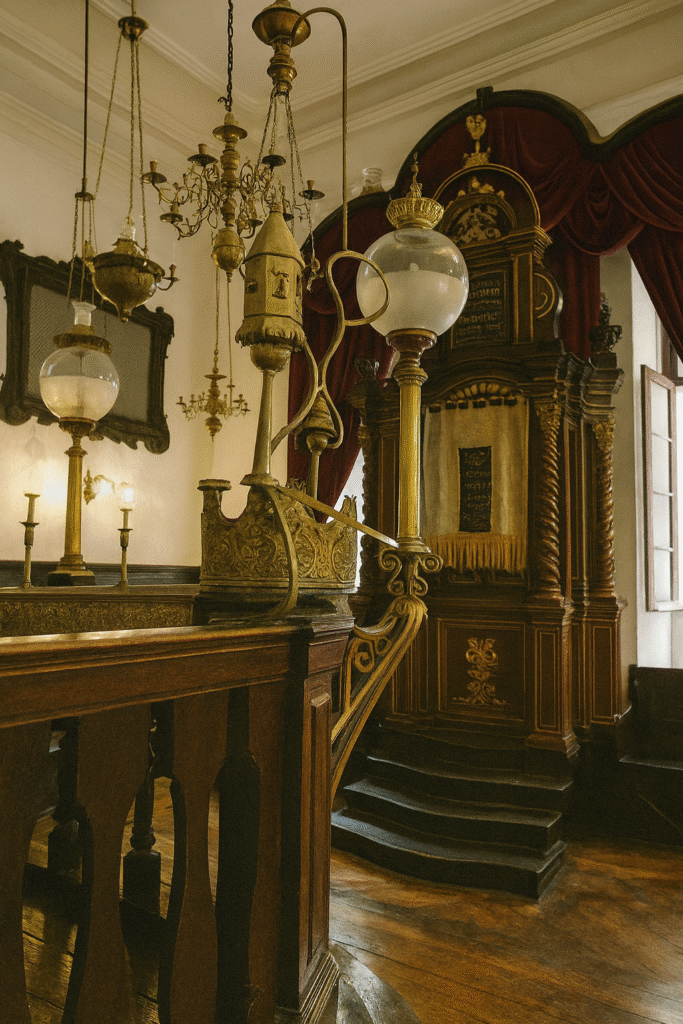
Walking up those narrow stairs, you enter a world frozen in time. The sanctuary is intimate—maybe twenty people would fill it comfortably—but the atmosphere is profound.
The Sanctuary’s Stunning Interior
The first thing that strikes you is the midnight blue ceiling, adorned with gold stars and hand-painted details. The baroque-style interior, completed in 1652 and preserved through the centuries, features:
- Heavy velvet drapes in rich burgundy
- Dark wooden furnishings with intricate carvings
- Multiple ornate hanging lanterns that cast a warm, contemplative glow
- The Holy Ark (Aron Kodesh) holding precious Torah scrolls brought from Spain by fleeing Sephardic Jews
- The Bimah (raised platform) in the center where the Torah is read
- The women’s gallery, added in the 18th century, reflecting traditional gender separation during services
The layout differs from most European synagogues, showing the unique Sephardic traditions and the building’s evolution over six centuries of use.
The Museum: Treasures Through the Ages
On the floor below the sanctuary, the museum offers a deeply moving glimpse into Dubrovnik’s Jewish history. The collection is modest in size but extraordinary in significance:
- Torah Scrolls: The crown jewels are three ancient Torah scrolls dating from the 13th to 17th centuries, brought from Spain, France, and Italy. One scroll is rolled lengthwise with a distinctive “Ragusa point” knot—a technique unique to this community. These scrolls, measuring just under 24 inches wide with linen outer layers, bear the names of likely donors: the Terni, Maestro, and Russi families.
- Textiles and Ceremonial Objects: You’ll see Torah covers made from silk embellished with exquisite 17th-century gold embroidery. One of the museum’s most valuable pieces is a 13th-century Moorish carpet with detailed floral patterns—reportedly a gift from Queen Isabella of Spain to her Jewish doctor after he was forced to leave the country.
- Silver and Religious Artifacts: Valuable menorahs, silver ornaments, and ritual objects that survived wars and natural disasters tell stories of celebration, observance, and survival.
- Holocaust Memorial: Perhaps the most emotionally powerful section is dedicated to the memory of Dubrovnik’s Jewish families deported or killed during World War II. Photographs, names, and personal belongings create an intimate memorial to those lost. You’ll also see official proclamations from the 1940s confiscating Jewish property—stark reminders of that dark period.
- Guest Book: Before you leave, sign the guest book containing thousands of names from visitors worldwide. It’s a small gesture, but it connects you to a global community of people who’ve been touched by this place.
Beyond the Synagogue: Exploring Jewish Heritage in Dubrovnik
The Jewish Quarter and Žudioska Street
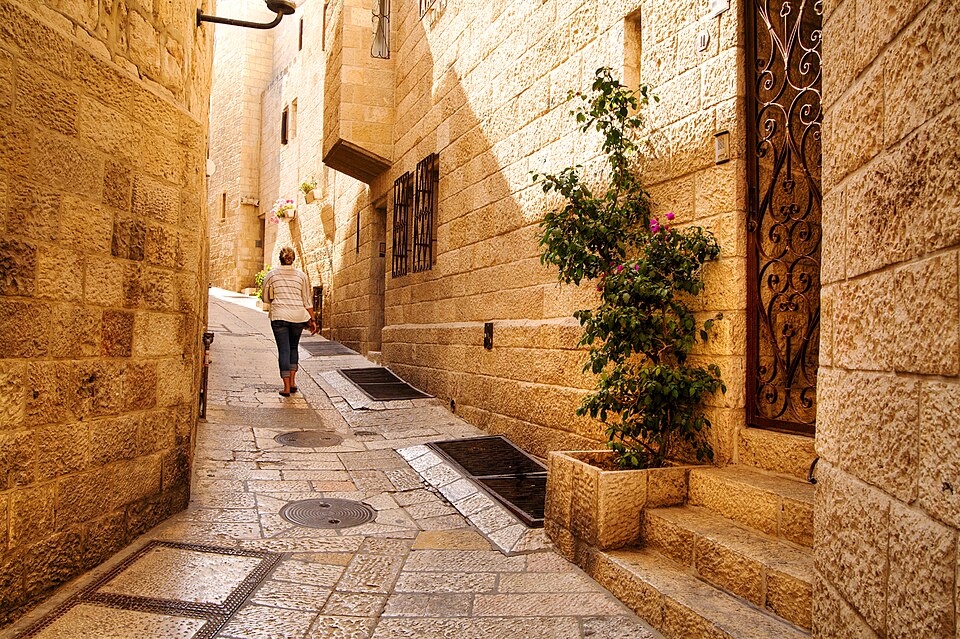
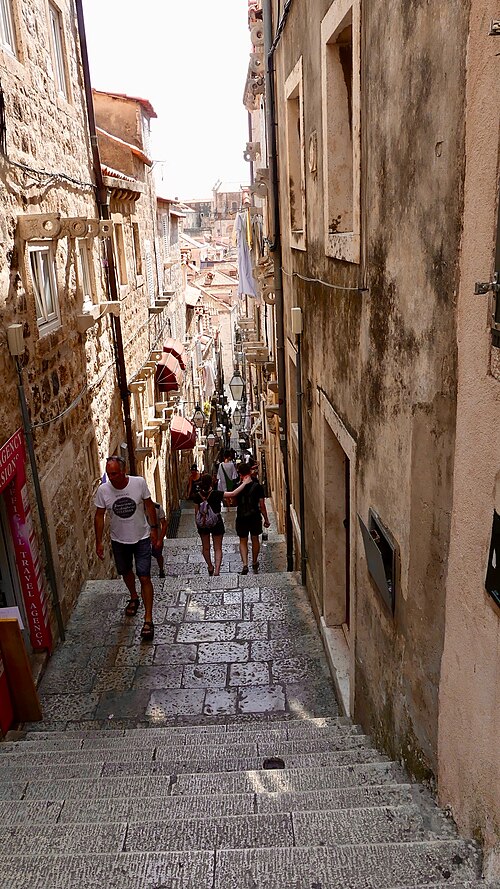
The synagogue exists in the location which was once home to Dubrovnik’s Jewish ghetto district. The present-day Žudioska ulica (Jewish Street) features cafes and restaurants and shops inside historic buildings. The 16th century ghetto area contained a steep alley which became a gated enclosure with eleven houses that shared internal pathways to the synagogue.
The hidden passages operated as concealed paths which enabled ghetto residents to traverse their enclosed area without exposing themselves to outside observers who needed to safeguard artifacts during World War II.
The Jewish Cemetery
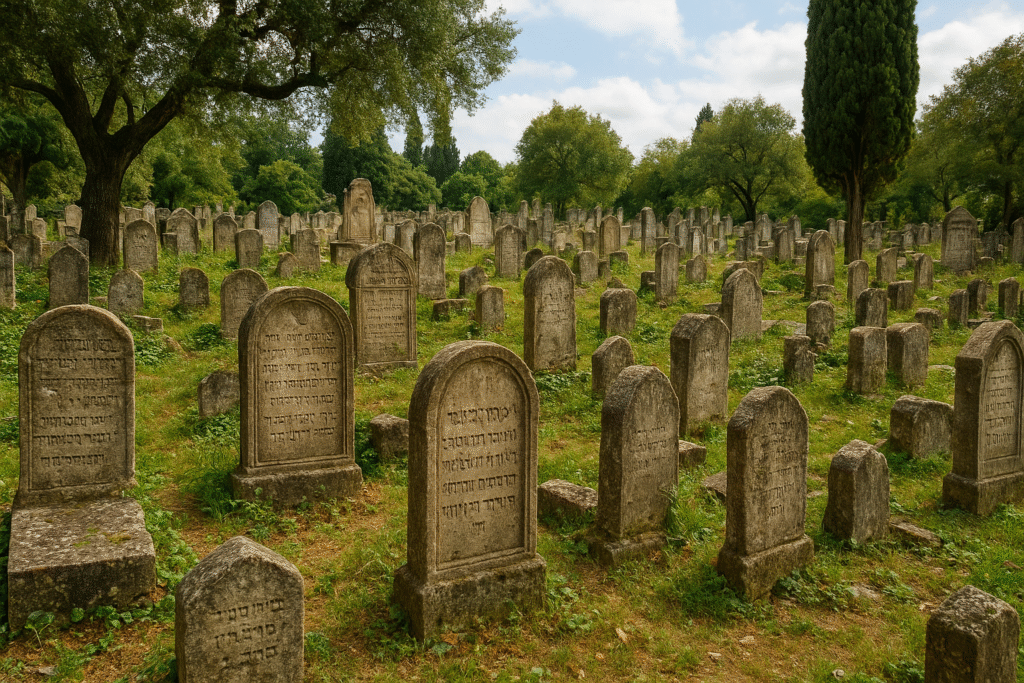
The Jewish community of Dubrovnik operates a cemetery which exists outside the ancient city walls in Boninovo. The cemetery received its first graves in 1911 when they moved all existing graves from the Ploče district cemetery which was established in 1652. The cemetery contains 200 gravestones which display traditional Sephardic rectangular designs with Hebrew text and pseudo-heraldic motifs that use Italian artistic elements.
The city used original tombstones to strengthen its walls during World War I. The northern walls of Dubrovnik’s famous ramparts display embedded tombstones which serve as a somber view for visitors.
The Community Today
Only about 30-50 Jews live in Dubrovnik today (sources vary), with perhaps only 20 actually residing in the city full-time. The synagogue doesn’t have its own rabbi, so a visiting rabbi from Zagreb comes to conduct services for High Holy Days like Rosh Hashanah and Yom Kippur. For regular services, tourists often form the minyan (the quorum of ten adults required for public prayer).
Despite its small size, the community remains vibrant and determined to preserve this precious heritage for future generations.
Creating the Perfect Dubrovnik Old Town Itinerary
The Dubrovnik Synagogue provides an excellent experience because it located in the center of Dubrovnik Old Town which allows visitors to combine their visit with a complete exploration of the historic area. The synagogue location in the historic quarter allows visitors to walk through the cultural area without needing to go back to previous sites. The itinerary provides visitors with two options to visit the ancient city walls either for a short period or to stay longer based on their individual preferences.
Half-Day Cultural Immersion Route (3–4 Hours)
Ideal for travelers who want a compact, meaningful Old Town experience without too much walking.
Morning (9:00 AM – 12:30 PM)
Dubrovnik Synagogue (9:00 AM – 10:00 AM)
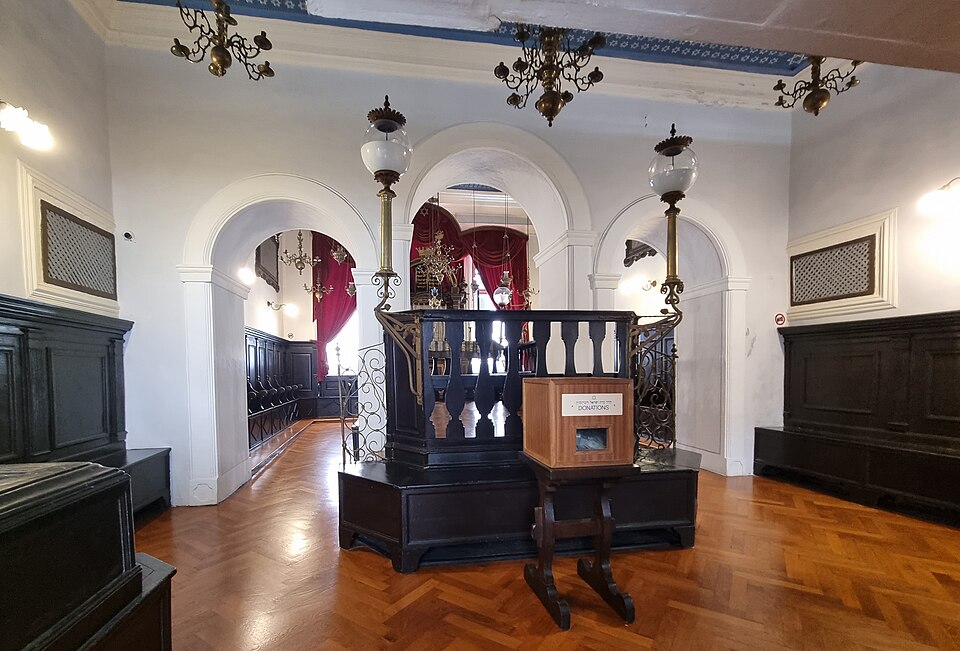
- Start your morning with the quiet, reflective atmosphere of the synagogue before Old Town gets busy. Its intimate interior and powerful history make this the perfect introduction to Dubrovnik’s multicultural roots.
Rector’s Palace (10:15 AM – 11:15 AM)
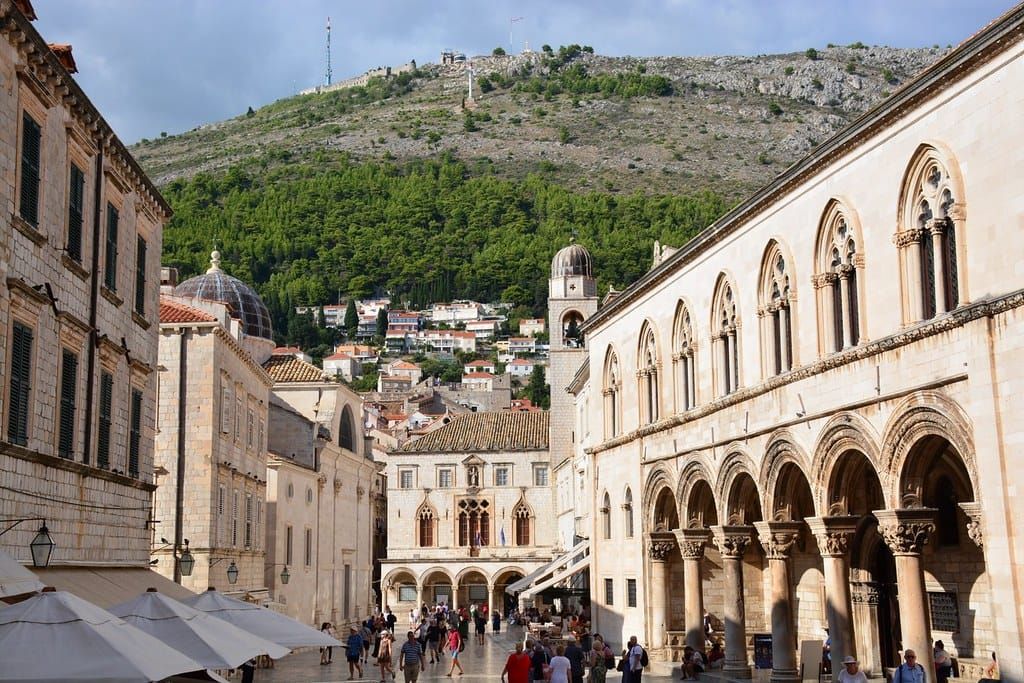
- Just a short 200-meter stroll away, Rector’s Palace blends Gothic and Renaissance architecture and holds centuries of stories from the old Republic of Ragusa. The museum’s exhibits help you understand the political and cultural world Jews once lived within.
Dubrovnik Cathedral (11:30 AM – 12:15 PM)
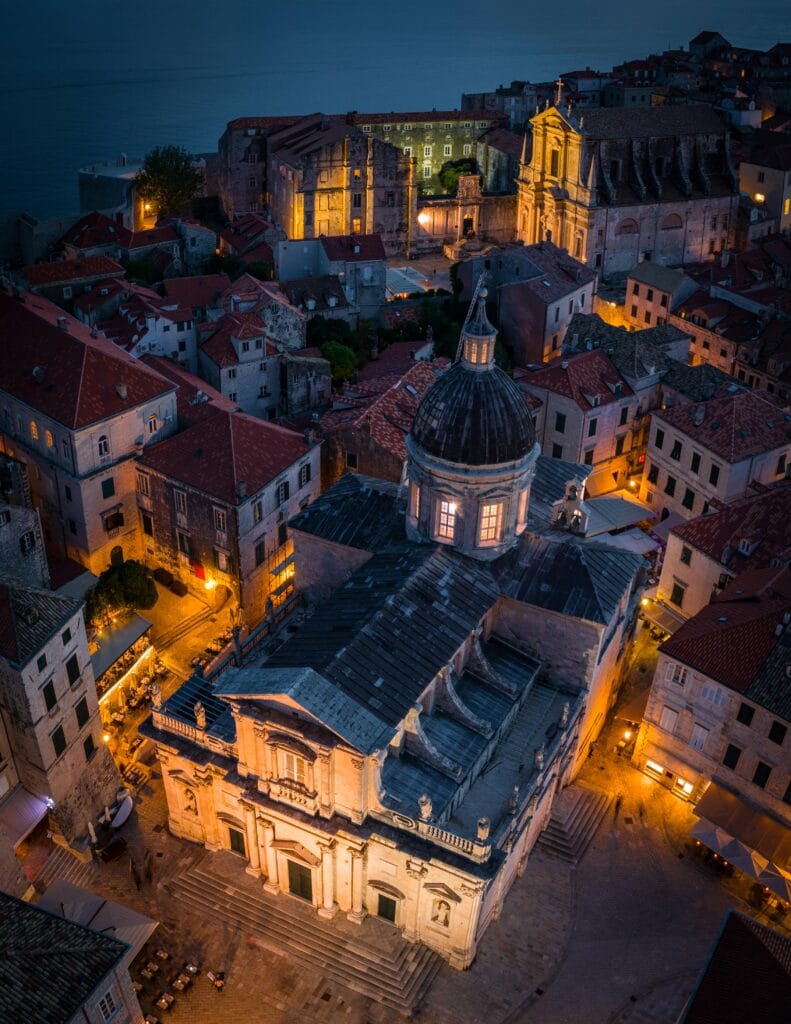
- A two-minute walk brings you to this elegant Baroque cathedral, known for its treasury of relics dedicated to St. Blaise. The interior is bright, ornate, and full of impressive artwork.
Gundulić Square Market (12:15 PM – 12:30 PM)
- Wrap up the morning with a quick browse through this charming open-air market. Expect lavender sachets, olive oil, fresh figs, local brandy, and handmade crafts—great for souvenirs or a light snack.
Break for lunch near Gundulić Square
- This area is surrounded by family-run restaurants and small konobas—perfect for a relaxed midday break.
Why this route works:
- Every stop is within a 3–5 minute walk, making it one of the easiest and most enjoyable Old Town Dubrovnik itineraries for travelers of all ages.
Comprehensive Dubrovnik Old Town History Walk (Full Day)
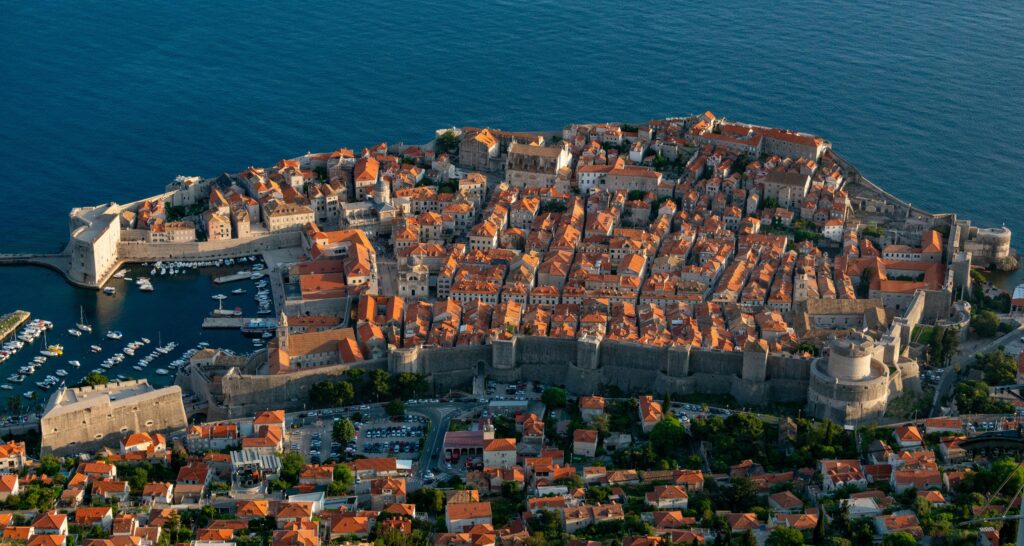
For those who want to explore the Old Town in-depth and experience all major landmarks.
Morning
- Enter through Pile Gate at 8:00 AM
- Arriving early lets you beat the heat and the tour groups.
- Walk the City Walls (8:00 AM – 10:30 AM)
- A highlight of any visit to Dubrovnik. As you walk, look for the Jewish tombstones incorporated into the northern walls—one of the most fascinating, often overlooked historical details.
- Franciscan Monastery (10:45 AM – 11:30 AM)
- Home to one of the oldest functioning pharmacies in the world, this monastery offers a peaceful cloister, ornate pillars, and centuries-old medicinal records.
Late Morning / Afternoon
- Dubrovnik Synagogue (11:45 AM – 12:30 PM)
- After the lively walk on the walls, the synagogue offers a welcome moment of calm and reflection.
- Lunch on Stradun or nearby side streets
- Stradun is lively, but the quiet side alleys offer better prices and more authentic meals.
- Rector’s Palace (2:00 PM – 3:00 PM)
- A deeper look at Dubrovnik’s political past.
- Sponza Palace (3:15 PM – 4:00 PM)
- Admire its refined Renaissance architecture and explore its preserved archives documenting life in the republic.
- Church of St. Blaise (4:15 PM – 4:45 PM)
- Dedicated to Dubrovnik’s beloved patron saint, this church is a spiritual and architectural centerpiece of the Old Town.
Evening
- Sunset near Orlando’s Column
- This is one of the best sunset spots inside the Old Town—street musicians, warm golden light, and lively atmosphere.
- Dinner in Old Town
- Choose from seafood restaurants, wine bars, and atmospheric konobas.
- Optional: City Walls for golden hour photography
- If you purchased the multi-day pass, returning during golden hour gives you glowing rooftops and dramatic shadows.
Hidden Gems Near the Dubrovnik Synagogue
These tiny treasures are within a 2-minute walk and often missed by most visitors.
- Homa Gallery
- Located in the same building complex as the synagogue, this colorful gallery showcases contemporary works inspired by Dubrovnik’s streets, rooftops, and seascapes.
- St. John’s Fortress
- Less crowded than the main walls and offering some of the best harbor views in the Old Town.
- Little Onofrio’s Fountain
- Visitors often pass it without noticing, but it’s a lovely quiet corner perfect for a quick photo.
- Prijeko Street
- Running parallel to Stradun, this street offers charming stone alleys, smaller crowds, and delightful local eateries.
Practical Tips from My Experience of Dubrovnik Synagogue

Best Time to Visit:
- Weekday mornings (9:00-11:00 AM) are ideal—quieter and cooler
- Avoid cruise ship days when Old Town gets overwhelmed (check port schedules online)
- September and October offer perfect weather with fewer crowds than summer
Money-Saving Tip: Consider the Dubrovnik Pass (available for 1, 3, or 7 days). While the 3-day pass costs around 50 Euros, it includes the City Walls walk (40 Euros alone), plus many museums including Rector’s Palace. The synagogue is not included, but you’ll save significantly on other attractions.
What I Wish I’d Known:
- The synagogue is small but profound—don’t rush
- Arrive right at opening for the most peaceful experience
- Comfortable shoes are essential (Old Town is all cobblestones and stairs)
- Bring a water bottle—it gets hot walking Old Town in summer
- If there’s a knowledgeable staff member present, ask questions—they’re passionate about sharing stories
Combining Attractions Efficiently: The synagogue fits perfectly into any Old Town itinerary since it’s centrally located. It’s an ideal mid-morning stop—cool refuge from the sun and crowds—or a contemplative end to your day of sightseeing.
Why This Small Dubrovnik Synagogue Deserves Your Time
The Dubrovnik Synagogue stands as a small yet vital structure within a city that features extensive walls and large fortresses and ornate baroque churches. The synagogue exists as an essential landmark because of its small dimensions.
The synagogue stands as a symbol which demonstrates its ability to endure through time. The building has endured through multiple disasters including earthquakes and wars and forced expulsions and periods of occupation. The synagogue survived all attempts by different empires and belief systems to destroy it. The synagogue maintains its role as a community center for its small membership since its establishment in 700 years ago.
The site provides direct access to Sephardic Jewish heritage and the pivotal events which took place in 1492. The interior space features baroque design which reveals a secret treasure that architecture fans can find. The Holocaust memorial at this site provides visitors with a personal understanding of World War II history which they cannot find at bigger museums.
The space exists for people to practice deep contemplation activities. The City Walls attract thousands of visitors for photos yet this peaceful sanctuary allows visitors to experience 700 years of Jewish heritage through prayer and celebration and survival and tragedy.
Final Thoughts: Is the Dubrovnik Synagogue Worth Visiting?
Absolutely—if you approach it with the right expectations.
You’ll love this if you:
- Appreciate Jewish history and Sephardic culture
- Enjoy intimate, off-the-beaten-path experiences
- Value cultural heritage and preservation
- Want a quieter, more contemplative Old Town experience
- Are interested in how communities survive through adversity
You might skip it if you:
- Only have 2-3 hours in Dubrovnik Old Town
- Are primarily interested in Game of Thrones locations
- Don’t feel 10 Euros is justified for a small space
- Have mobility issues (due to steep stairs)
The Dubrovnik Synagogue stood as my most memorable experience during my visit while I also enjoyed walking the City Walls and watching Fort Lovrijenac sunset. The synagogue experience helped me understand the complex and interesting nature of this city.
The “Pearl of the Adriatic” title describes Dubrovnik through its breathtaking views and historical medieval buildings. The city exists as a cultural and religious and ethnic fusion of people who have inhabited this place throughout many centuries. The synagogue stands as an essential historical section of Dubrovnik which needs to be studied.
Take your time to explore the site when you visit. Study the information displayed throughout the exhibits. Staff members who are present should share information about the historical development of the community. Sign the guest book. The window displays your final observed view before leaving because “Be blessed upon your arrival” appears above it.
FAQ
Visit the synagogue on Žudioska Street in Dubrovnik Old Town. It operates as a small museum, and you can purchase tickets at the entrance. Check seasonal hours before visiting.
Dubrovnik is known for its UNESCO-listed Old Town, ancient stone walls, vibrant culture, and breathtaking Adriatic views, making it one of Europe’s most unique coastal cities.
A synagogue is a Jewish place of worship and community. “Temple” is a broader term used in many religions, though some Jewish groups—mainly Reform—use it interchangeably.
The largest synagogue in the world is the Great Synagogue of Budapest (Dohány Street Synagogue) in Hungary.
Yes—its intimate size, preserved artifacts, and history as one of Europe’s oldest Sephardic synagogues make it a meaningful cultural stop in the Old Town.


1 comment
Thanks for sharing. I read many of your blog posts, cool, your blog is very good.