When I entered Kadriorg gardens I never thought I would find an imperial Russian structure in the center of Tallinn. The Baroque masterpiece of Kadriorg Palace stood before me at that moment as it transported my mind to 18th-century Russia. Peter the Great commissioned this palace for his wife Catherine and the building represents Estonia’s dual history of Russian rule and independence.
Kadriorg Palace in Tallinn impressed me as a meaningful destination which unites aesthetic beauty with profound historical significance. All visitors can find something special at this palace whether they appreciate art or history or need peaceful surroundings. The Kadriorg Art Museum and its manicured gardens create a unique destination which unites cultural exhibitions with architectural beauty and natural scenery.
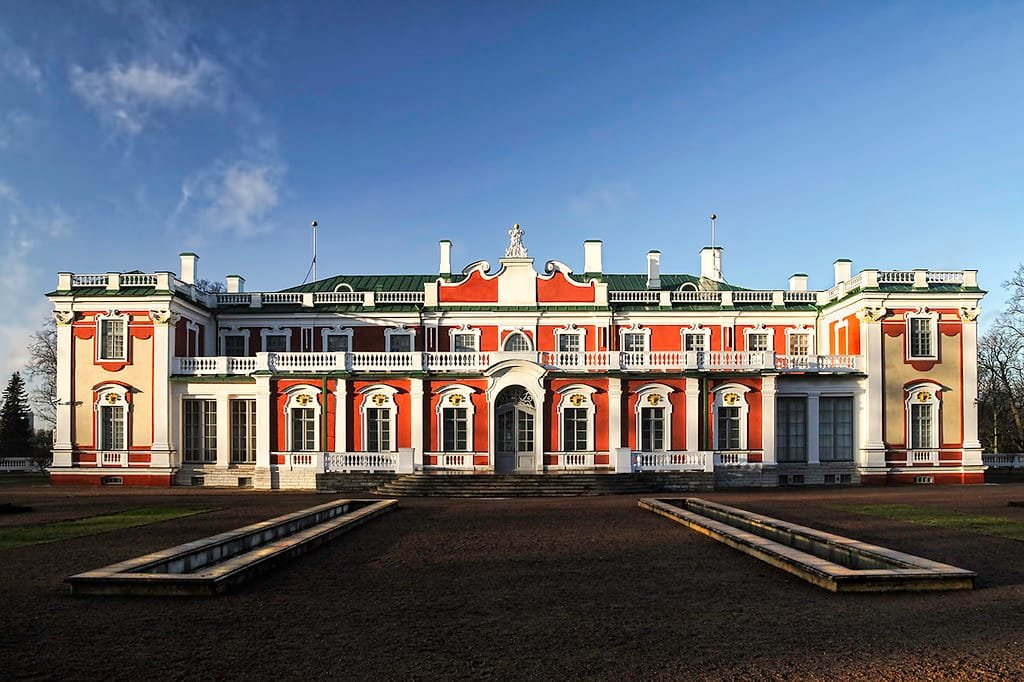
Table of Contents
Overview of Kadriorg Palace
Location and Geographic Setting
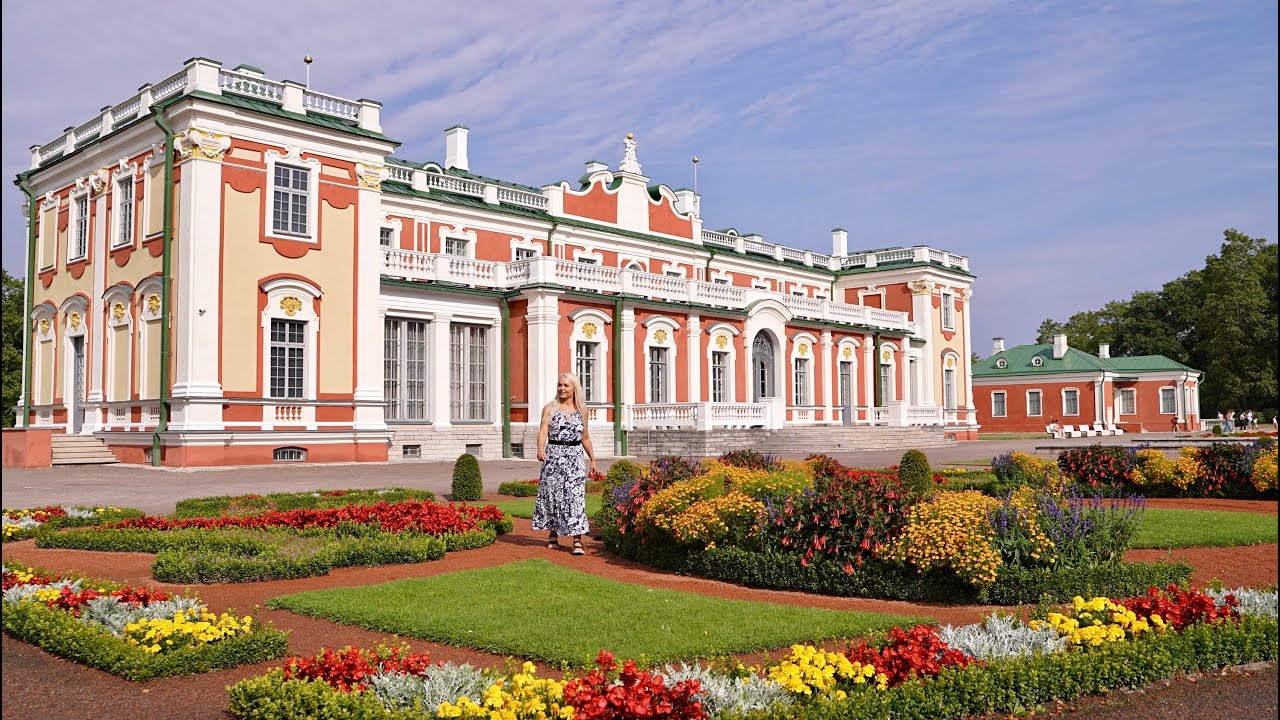
Kadriorg Palace exists in Kadriorg Park which provides easy access to Tallinn city center. A beautiful view of Tallinn Bay combined with verdant surroundings creates a peaceful refuge from the active city life. The palace displays Baroque architecture as a showcase of Russian nobility luxury during the rule of Tsar Peter the Great. The large parkland that surrounds the palace contains pathways and decorative gardens along with fountains to create an improved overall visit experience.
Historical Importance of Kadriorg
Kadriorg Palace received its construction during the early 1700s as a summer palace for Russian Tsar Peter the Great. The construction of this facility led Tallinn into a new historical period as it demonstrated Russian imperial control throughout the Baltic area. Throughout the centuries the palace has undergone multiple changes to serve as royal residence and museum and Soviet-era cultural center. Kadriorg Palace represents a vital element of Estonian cultural heritage and stands as a main tourist destination in Tallinn.
Map Location
History of Kadriorg Palace
The Creation of the Palace
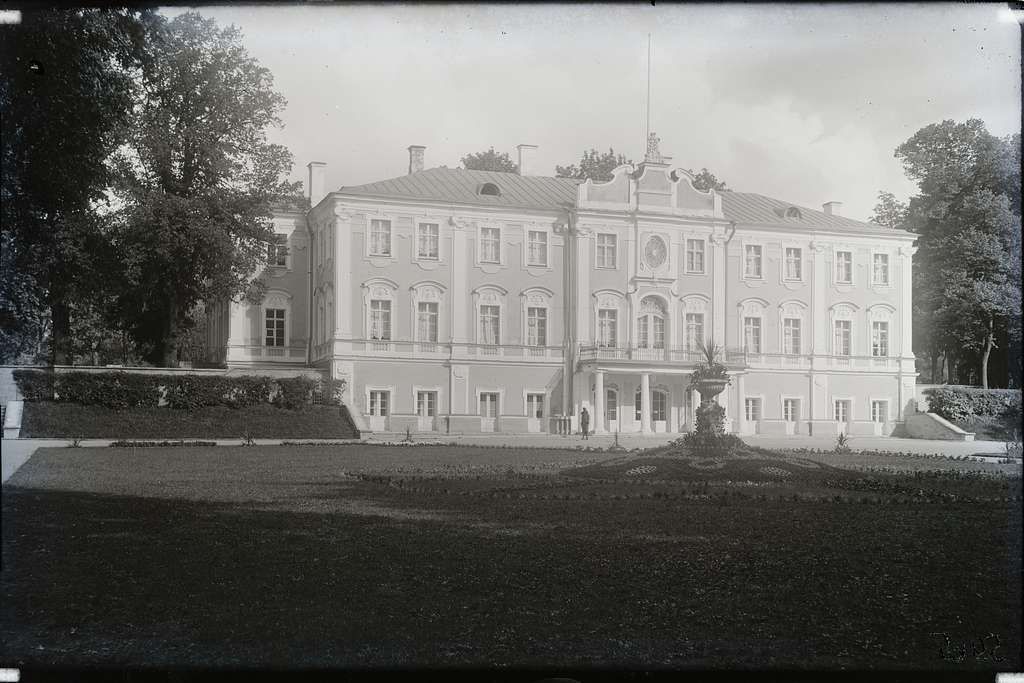
- Kadriorg Palace started taking form in 1718 after Peter the Great chose the location for his summer home. Peter chose the Italian architect Niccolò Michetti to design the palace based on his strong interest in Western European architecture while following Baroque style principles. The palace functioned as a display of Russian power in the Baltic area while Peter and his family used it as their elegant summer vacation house. The palace acquired its name “Kadriorg” because Catherine I served as its initial occupant as wife to Peter the Great. The construction of the palace finished in 1725 although Peter the Great died one year later.
The Role of Peter the Great
- The establishment of Kadriorg Palace by Peter the Great represented his plan to build a stronger Russia that followed European architectural standards. Peter built Kadriorg as his dream palace which would match the grandeur of European royal palaces. The Tsar regularly stayed at the palace because it provided him peace and he invited European visitors to visit him there. The palace remained an imperial residence following Peter the Great’s death even though he died before its completion in 1725.
Evolution Through Different Periods
- Kadriorg Palace underwent substantial changes since its initial establishment. The Russian Empire utilized the palace as a summer residence for their Tsars and noble class throughout the empire. After Estonia declared independence in 1918 the building received its new function as a museum. The Soviet government maintained Kadriorg as a cultural establishment while continuing to display various exhibitions throughout its facilities. The palace received major renovation projects during the last century of the 20th century after Estonia regained its independence in 1991. Today the Kadriorg Art Museum operates from its location in Kadriorg Palace to showcase an outstanding European art collection.Baroque Architecture and European Influence
Are you interested in discovering additional heritage sites in Estonia?
The imperial elegance of Tallinn is showcased at Kadriorg Palace yet Tartu in southeastern Estonia holds another essential cultural attraction. The capital city is only a few hours away from the historic UNESCO landmark that combines Tartu Town Hall with the University.
The neoclassical University of Tartu which stands as Northern Europe’s oldest university meets the famous Town Hall Square to create an academic atmosphere that represents Estonia’s national heritage. A longer Estonia trip becomes more complete when you visit Tartu because it provides an extensive understanding of the nation’s historical development.
Architectural Design and Features
Baroque Architecture and European Influence
Kadriorg Palace represents Baroque architecture perfectly because this style first appeared in Italy before it spread across Europe between the 17th and 18th centuries. The building design showcases the luxurious aspects of the era through its elaborate frontage and extensive glass panes and ornate architectural details. The Baroque structure maintains symmetrical design while its decorative stone carvings with gilded accents demonstrate the financial power of the Russian Empire.
The palace designers merged Italian Baroque architectural elements with French design principles to fulfill the Tsar’s objective of uniting Russian traditions with European architectural styles. The palace interior displays its royal nature through its expansive halls and grand staircases and luxurious furnishings.
The Interior Design of Kadriorg Palace
The palace interior showcases beautifully restored rooms which display the refined taste of the early 18th century. The Ballroom and Emperor’s Suite alongside other grand halls boast elaborate chandeliers and frescoes and exquisite wooden paneling. The restoration process maintained the original design integrity so people can experience the extravagant way of life that Russian Tsars enjoyed. The interior collection of Russian and Western European pieces at Kadriorg serves to strengthen its position as an imperial cultural center.
The Gardens and Surroundings
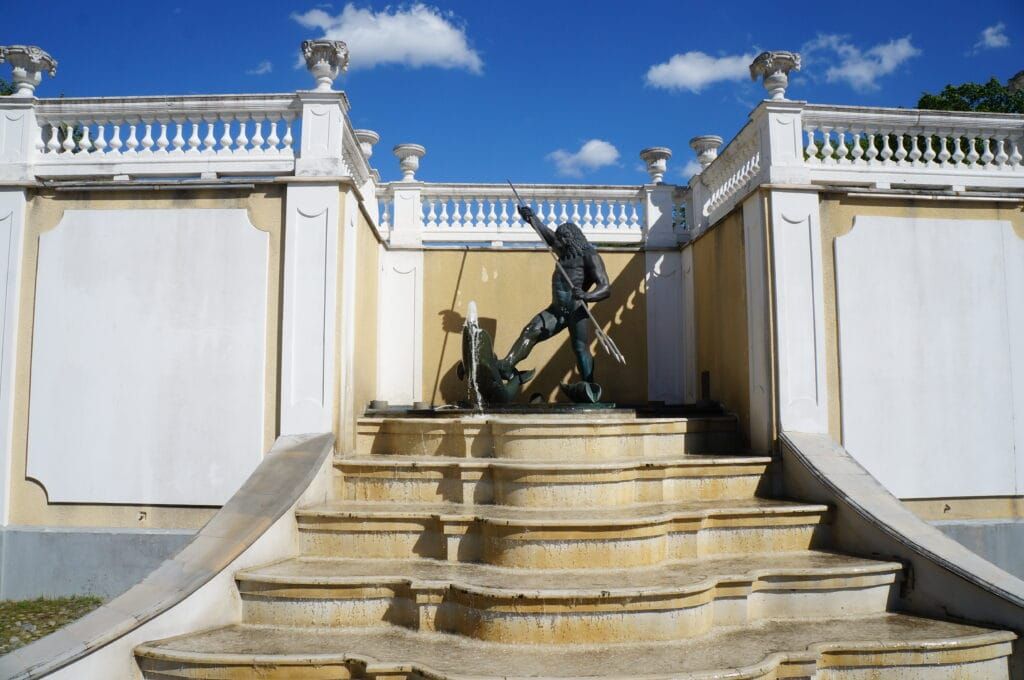
The historical value of Kadriorg’s gardens matches that of the palace structure. The French Baroque-style gardens at Kadriorg feature symmetrical paths together with trimmed hedges and decorative statues. A straight path runs from the palace directly to the ornamental pond. Visitors can walk through the park to see the various plants while observing the restored fountains. Visitors find the gardens to be a serene escape while the gardens create an outstanding setting for photographing.
Kadriorg park welcomes public visitors throughout the year and hosts different events including outdoor music performances and floral festivities. The location draws both residents and visitors who want to experience the serene environment alongside its historical charm.
Kadriorg Palace as a Cultural Hub
The Palace as a Museum
Kadriorg Palace has been a cultural hub for art since the start of the twentieth century. Today, the palace houses the Kadriorg Art Museum which presents a diverse collection of European art from the 16th century up to the 20th century. The museum serves as an essential cultural establishment for Estonia by displaying artworks from different time periods and artistic movements including Baroque, Rococo and Impressionism.
museum maintains permanent displays that display both historical and contemporary art pieces as well as hosting temporary shows and conducting various cultural activities and educational events. The museum features an array of artworks which depict the cultural evolution of the Baltic area and Russia as well as Western European artistic developments.
The Art Collection
Kadriorg Palace houses an important collection of art that stands as a vital part of Estonian cultural history. The museum possesses important artworks from European masters including Peter Paul Rubens and Anthony van Dyck. The palace possesses an impressive collection of art from the Russian imperial period which includes portraits of the Russian royal family members. Throughout history, visitors can view artworks that demonstrate the historical ties between Estonia and Russia.
Kadriorg in Modern Cultural Life
The cultural scene of Estonia remains actively supported by Kadriorg Palace. The institution functions as both museum and cultural center to host artistic programs and events and educational programs thus establishing its essential role in modern Tallinn cultural activities. Through international programs, the palace serves as a venue for European museum collaborations and exhibition exhibitions.
Visiting Kadriorg Palace
Visitor Experience
Visitors to Kadriorg Palace can experience historical significance alongside artistic masterpieces within architectural grandeur. Visitors can access both public guided tours and independent exploration of the palace and museum. The Kadriorg Art Museum welcomes art enthusiasts along with history fans and international tourists who visit Tallinn. The museum organizes educational programs which include activities suitable for families with children.
The park area at the palace remains open throughout the year while providing no-cost access to visitors who want to spend time in nature. Kadriorg Palace offers visitors an enriching experience through its artistic contents and peaceful outdoor spaces.
Practical Information for Tourists
Visitors to Kadriorg Palace should remember the following operational details. The palace stands in close proximity to Tallinn’s Old Town as visitors can reach it by car or tram. The museum operates daily except major holidays while providing standard entry rates together with discounts for students and group visitors. Multiple language options are available for both audio guides and guided tours which enable visitors to understand the palace’s historical value.
Nearby Attractions to Kadriorg Palace in Tallinn
1. KUMU Art Museum – Estonia’s Premier Art Experience
When exploring Kadriorg Palace it becomes essential to visit the KUMU Art Museum which is located nearby. The award-winning KUMU Art Museum stands as Estonia’s leading artistic establishment. KUMU showcases Estonia’s artistic evolution through traditional Estonian art and innovative contemporary displays.
2. Tallinn Old Town – A Medieval UNESCO World Heritage Site
Kadriorg Palace lies within a 3 km radius of Tallinn Old Town which stands as Europe’s finest preserved medieval center. Experience the ancient beauty of Raekoja plats (Town Hall Square) and Gothic spires while strolling through cobblestone streets and visiting medieval walls and lively cafes in this historic area.
3. Peter the Great House Museum – A Slice of Imperial Life
The wooden house which stands a brief walking distance from the palace provides unique insights into the private life of Peter the Great. Peter the Great used this house as his residence during his supervision of Kadriorg Palace construction projects. The Russian Tsar himself stayed at this location.
4. Russalka Memorial – Where History Meets the Baltic Breeze
The Russalka Monument stands five minutes from the palace and features an angel statue dedicated to the Russian warship which sank in 1893. The statue stands near the waterfront so visitors can both think deeply and take pictures.
5. Tallinn Song Festival Grounds – Estonia’s Voice of Freedom
The Singing Revolution site at Tallinn Song Festival Grounds is accessible by walking for 10–15 minutes from the palace. Major concerts and festivals continue to use the open-air amphitheater and it holds a vital position in historical records.
Conclusion
Visitors to Kadriorg Palace experience more than architectural beauty since they enter both the royal heritage of Estonia and its modern artistic world. The historic site provides a distinctively enriching experience through its art collections at KUMU and its Kadriorg Park gardens and Peter the Great’s legacy.
The palace halls and tree-lined avenues of Kadriorg have allowed me to experience this place as a living narrative that invites exploration. The combination of natural beauty with historical value and cultural importance makes Kadriorg Palace an essential stop for any Tallinn visitor. The ongoing preservation activities will ensure that this site maintains its ability to inspire international visitors throughout the upcoming years.
FAQs
01. What is the historical significance of Kadriorg Palace?
The Russian Tsar Peter the Great constructed Kadriorg Palace to function as a royal residence for the Russian Empire. The site represents Estonia’s historical ties to Russian imperial rule.
02. Does Kadriorg Palace welcome visitors through its doors?
The public can visit Kadriorg Palace through its operation as a museum and cultural center. The palace interior along with its art exhibitions are accessible to visitors.
03. What can you see inside Kadriorg Palace?
The palace features European and Russian art collections spanning from the 16th to the 20th centuries which include paintings sculptures and decorative arts.
04. How long should you spend visiting Kadriorg Palace?
The duration of a standard Kadriorg Palace visit ranges between 1.5 to 2 hours based on your interest in exhibitions and garden exploration.
05. Does Kadriorg Palace host any events for visitors?
The palace at Kadriorg hosts regular cultural events together with temporary art exhibitions and educational programs for visitors of all ages.