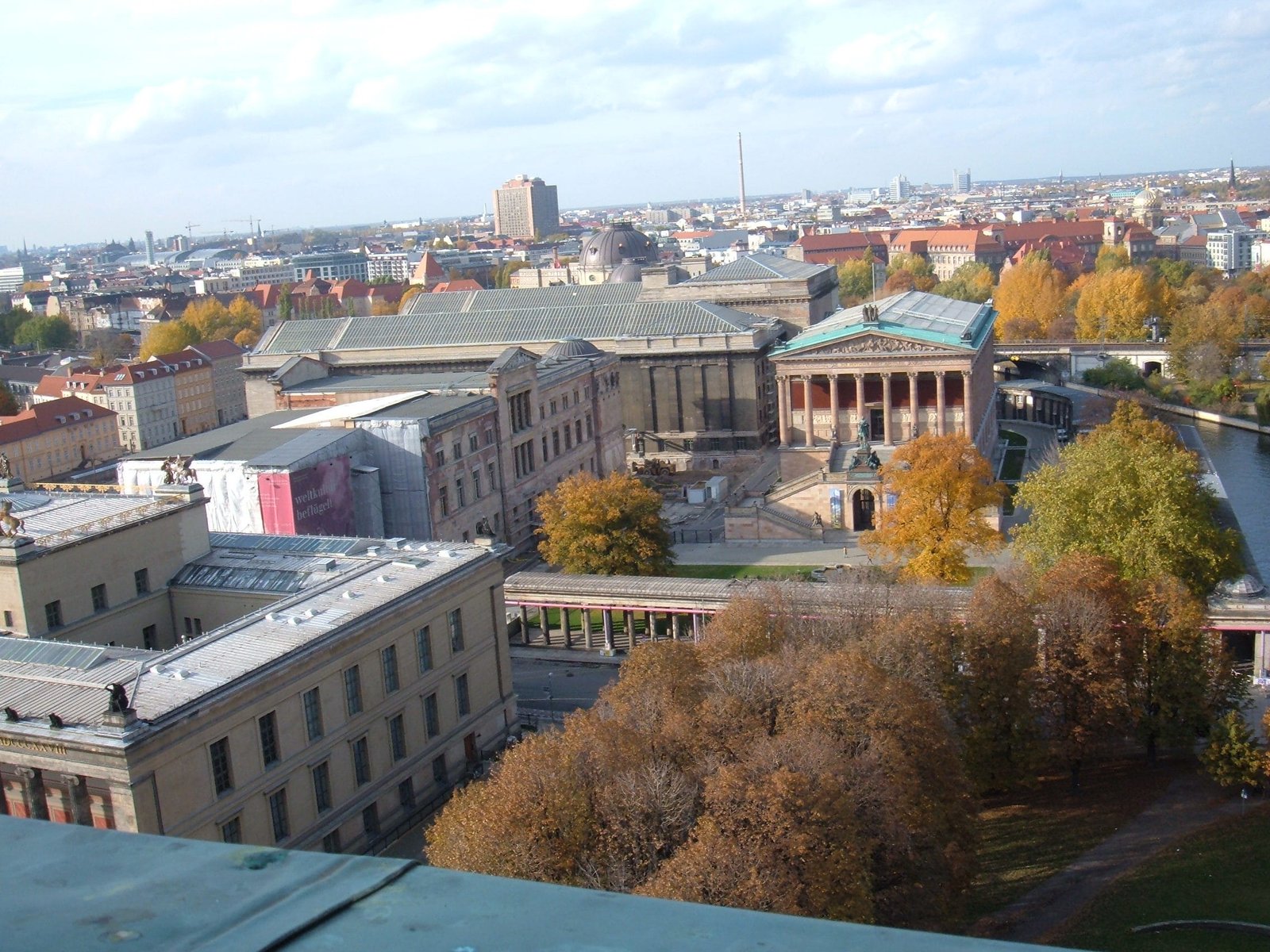
I placed Museum Island at the top of my Berlin travel itinerary because it exceeded all my expectations. The UNESCO World Heritage Site Museumsinsel located in the city center along the Spree River contains five top museums which showcase human history.
The Neues Museum displayed ancient Egyptian artifacts while the Pergamon Museum presented monumental reconstructions which created a time-traveling experience throughout Museum Island Berlin. The combination of art and historical and architectural interests completely fascinated me. The walk between the Altes Museum, Alte Nationalgalerie and Bode Museum created a magical experience.
Museum Island Germany stands out because it unites educational value with aesthetic appeal and emotional depth within a single location. The cultural experience at Museum Island Berlin remains with visitors who are art enthusiasts and casual explorers of the city.
This guide provides an overview of Museum Island’s main attractions together with ticket information and explains why this destination should be on your travel schedule. The visit to this destination will prove its worth to you so trust my recommendation.
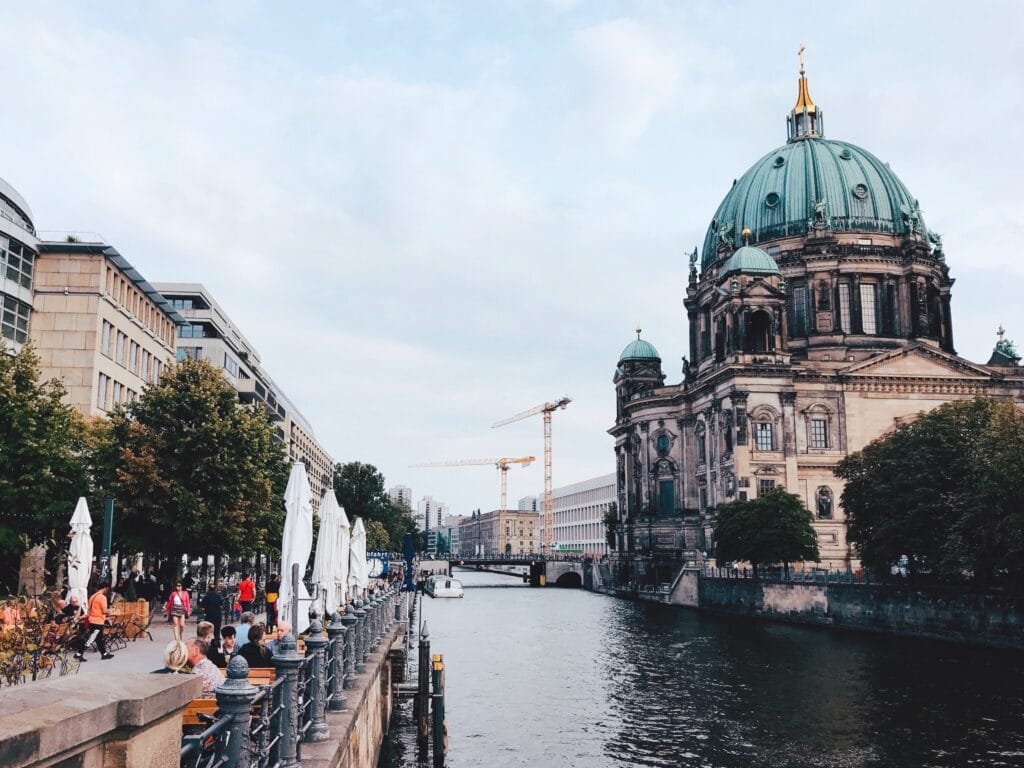
Table of Contents
The History of Museum Island
Museum Island Berlin started as a royal vision rather than a tourist destination. During the early 19th century King Friedrich Wilhelm III of Prussia wanted to create a public space where art and education would be available to everyone instead of just the privileged class. The Altes Museum designed by Karl Friedrich Schinkel opened in 1830 to become the first building of what would evolve into Europe’s most celebrated cultural destination.
The expansion of this vision occurred through Friedrich August Stüler and Friedrich Wilhelm IV who worked together to create a carefully designed collection of five separate museums on the island. Museum Island Germany emerged as a symbol of Enlightenment principles and public knowledge accessibility by the end of the 19th century.
The island suffered destruction during World War II because bombings destroyed numerous buildings and valuable collections. Museum Island underwent decades of restoration work and international collaboration which resulted in its UNESCO World Heritage designation in 1999.
Museum Island exists as a cultural landmark which represents Berlin’s ability to endure while showcasing its diverse heritage and dedication to historical preservation.
How to Access Museum Island Berlin
Visitors can easily access Museum Island Berlin through public transportation regardless of their accommodation location within the city or their arrival from different districts. The northern section of Spreeinsel in central Berlin hosts Museum Island which provides easy walking access to Berlin Cathedral (Berliner Dom) and Alexanderplatz and Unter den Linden.
How to Get to Museum Island:
- The U5 subway line provides direct access to Museumsinsel station which serves the island.
- The S-Bahn train stations Hackescher Markt and Friedrichstraße are accessible by walking for 10 minutes.
- The Museum Island area has multiple tram and bus stops including lines M1, 12 and 100.
- The area provides excellent walking and cycling opportunities because it follows the scenic Spree River path.
Map Location
Is Museum Island free in Berlin?
The area around Museum Island Germany offers free walking access but visitors must pay to enter the museums.
Here’s what to know:
- Each museum offers individual entry tickets with different price points.
- The Museum Island day pass grants visitors access to all five museums when they want to visit multiple attractions.
- The Berlin Museum Pass allows visitors to visit more than 30 museums including Museum Island across three days.
- The first Sunday of every month brings free museum admission through Berlin’s “Free Museum Sunday” program. Check each museum’s official website for details and reservations.
Tip : It is recommended to purchase tickets in advance because this practice allows visitors to bypass long lines and obtain timed entry access to the Pergamon Museum which tends to be the most crowded attraction.
Museums on Museum Island: A Comprehensive Guide to Berlin’s Cultural Treasures
The major reason to visit Museum Island Berlin is its collection of five world-class museums which display art, archaeology and human civilization through separate perspectives. The UNESCO World Heritage Site of museum island germany sits on the Spree River to offer global heritage dating from 6000 years through a single cultural establishment.
What is inside Museum Island?
Altes Museum – A Gateway to Classical Antiquity
- The Altes Museum established in 1830 stands as the earliest museum on the island while Karl Friedrich Schinkel designed its neoclassical structure. You can witness stunning Greek and Roman artifacts which include statues alongside ceramics and ancient jewelry at the museum. The museum’s central rotunda which draws inspiration from the Roman Pantheon functions as an impressive entry point to classical art.
Neues Museum – Egyptian Art & Prehistoric Finds
- The Neues Museum became Berlin’s most prized museum after its long-term restoration finished in 2009. Queen Nefertiti’s iconic bust shares space with Egyptian antiquities and prehistoric tools and early historical artifacts at this museum. The museum combines 19th-century ornate elements with modern minimalist design to deliver an improved historical narrative of ancient civilizations.
Alte Nationalgalerie – Romanticism and Realism
- The Alte Nationalgalerie presents an excellent selection of 19th-century artwork that ranges from German Romanticism to French Impressionism. The museum displays notable artworks by Caspar David Friedrich together with Édouard Manet and Claude Monet. The artistic path of one of Europe’s defining centuries unfolds within the Alte Nationalgalerie’s temple-shaped structure alongside its majestic staircase.
Bode Museum – Byzantine Art, Sculptures, and Coins
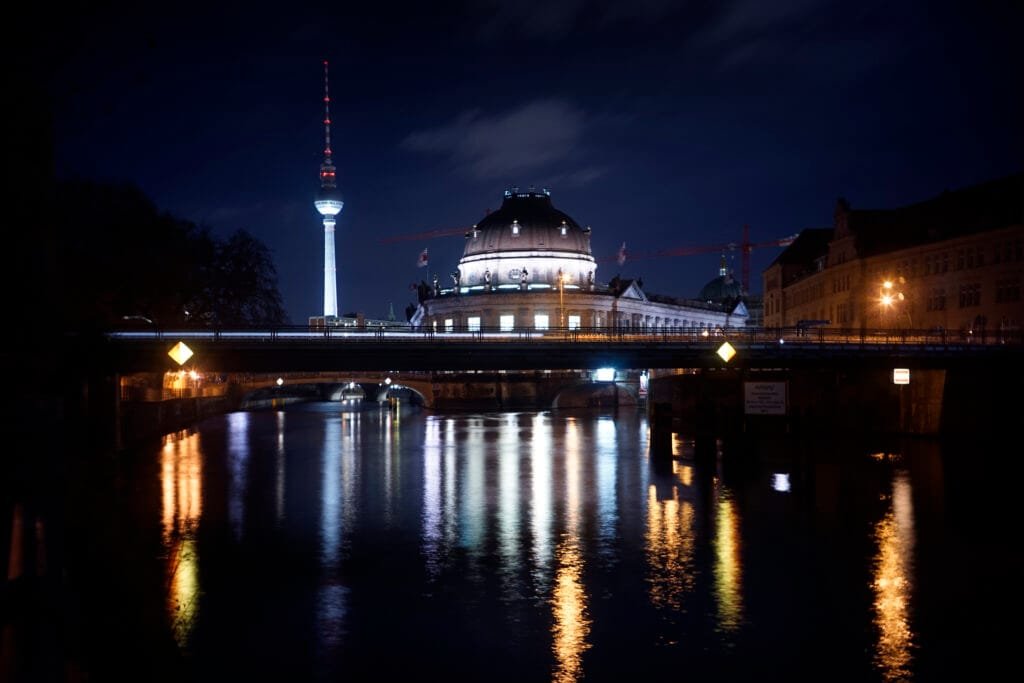
- The Bode Museum stands out as the northernmost building on Museum Island through its impressive Baroque dome and waterfront views. The interior features carefully selected sculptures which span from the Medieval period to the Renaissance era together with one of the world’s leading collections of coins and currency.
Pergamon Museum – Monumental Masterpieces of the Ancient World
- The Pergamon Museum stands as the most well-known among its five institutions by displaying entire reconstructions of historic monuments. Visit the Pergamon Altar alongside the stunning Ishtar Gate of Babylon and the Market Gate of Miletus to experience the museum’s most notable attractions. The ongoing museum renovation has left some sections unavailable but many essential exhibits remain open to visit for visitors.
Must-See Exhibits on Museum Island
The cultural landmark Museum Island Berlin enables visitors to encounter the world’s most precious historical artifacts through its status as a UNESCO World Heritage Site. These crucial exhibits on Museum Island form the essential part of your visit when you plan to explore this site.
1. Nefertiti Bust – Neues Museum
The Nefertiti Bust located at the Neues Museum ranks as one of the most well-known artifacts from ancient times across the world. The 1345 BCE Egyptian queen received her lifelike limestone and painted limestone sculpture during the ancient era. The artwork stands as an eternal masterpiece of ancient Egyptian design because of its vibrant colors and symmetrical beauty.
2. Pergamon Altar – Pergamon Museum
The 2nd century BCE Pergamon Altar stands as an outstanding ancient Greek architectural masterpiece because it shows its detailed frieze which tells the story of divine warfare between gods and giants. The exhibit provides visitors with an exceptional chance to experience original ancient architecture because the museum created an accurate reconstruction of the ancient structure.
🛠️ Note: The Pergamon Museum is undergoing renovations, but key parts of the altar may still be accessible via temporary exhibitions.
3. Ishtar Gate – Pergamon Museum
You can visit the 6th century BCE Babylonian city through the Ishtar Gate which stands as a masterpiece of glazed brickwork at the Pergamon Museum. The restored gate features golden lions and dragons and bulls which showcase the great Babylonian kingdom built by King Nebuchadnezzar II.
4. Romantic Era Paintings – Alte Nationalgalerie
The Alte Nationalgalerie serves as a European art collection space that features masterpieces from the 19th century. Among the Romantic era paintings at the Alte Nationalgalerie visitors can see Friedrich’s The Monk by the Sea which represents the era’s fascination with nature and solitude and the sublime. The museum features paintings by Monet and Manet to showcase French Impressionism.
5. Byzantine & Gothic Sculptures – Bode Museum
The Bode Museum maintains the largest collection of European medieval and Renaissance sculptures which draws visitors from across the continent. Visitors can see both slender Gothic depictions of the Virgin Mary and powerful Byzantine religious images which display the spiritual and artistic development from different time periods. The Bode Museum maintains one of the world’s premier collections of coins.
Museum Island’s Restoration & Cultural Renaissance
The cultural value of Museum Island stems from its valuable collections alongside its history of survival and cultural transformation. Many museum buildings suffered extensive damage during World War II but Berlin demonstrated its dedication to cultural heritage by conducting restoration projects.
Post-War Recovery
The island needed complex restoration work following World War II because the Cold War and Berlin’s division created challenges for its recovery process. Two separate administrative systems managed the museums during the Cold War period with East German controlling some museums and West German overseeing others. Full reconstruction wasn’t unified until after German reunification.
The Master Plan (1999–Present)
The Museum Island Master Plan which Berlin started in 1999 serves as a long-term strategy to restore the complex and modernize its facilities and unify its elements. Key milestones include:
- The Neues Museum reopened in 2009 after David Chipperfield completed its stunning redesign which protected the war-damaged spaces while delivering modern facilities.
- The Pergamon Museum undergoes continuous renovation efforts to enhance museum flow and maintain the preservation of its massive collection pieces.
The extensive long-term development of Museum Island created an elite cultural campus while maintaining its original historical character.
James-Simon-Galerie: The Modern Gateway to Museum Island
The James-Simon-Galerie functions as both a new visitor center and main entrance for Museum Island since its opening in 2019. The contemporary David Chipperfield design provides an elegant minimalist style that differs from the elaborate architectural details of the museums.
What You’ll Find Inside:
- Central ticketing area and information point
- A stylish café for resting between museum visits
- Exhibition spaces with rotating displays and multimedia content
- The facility includes accessibility features for visitors of all abilities through elevators and ramps.
The facility links museums together physically while delivering modern convenience to visitors who benefit from enhanced museum experiences.
Tips for Visiting
Here are essential tips to make the most of your cultural adventure:
- Relax Nearby: Take breaks at the James-Simon-Galerie café or enjoy green space at Lustgarten Park beside the Berlin Cathedral.
- Buy a Day Pass: Access all five museums with a single Museum Island day ticket or Berlin WelcomeCard with Museum Island option.
- Arrive Early or Late: Morning and late afternoons offer fewer crowds and better photo opportunities.
- Use Guided Tours or Audio Guides: Enrich your visit with deeper historical and artistic insights.
- Accessibility: Most buildings are wheelchair-accessible, and the James-Simon-Galerie ensures barrier-free entry.

Nearby Attractions Around Museum Island Berlin
The central position of Museum Island in Berlin Mitte provides visitors with excellent access to explore significant nearby attractions in the city. The following list includes the main nearby attractions that you can visit on foot from Museum Island Berlin whether you want to spend a whole day sightseeing or simply want to explore nearby attractions:
Berlin Cathedral (Berliner Dom)
The Berlin Cathedral stands as a prominent city landmark which is situated near Museum Island. You can view Berlin from the dome of the cathedral or observe its baroque architecture while standing in the Lustgarten.
Lustgarten
The Altes Museum faces Lustgarten Park which provides a peaceful park area for visitors to rest between museum tours. The area serves as an excellent spot to unwind while eating picnics and taking photos of the beautiful museum buildings.
Unter den Linden
The historic boulevard Unter den Linden connects Museum Island to the Brandenburg Gate as it runs through Berlin. Visitors can walk along this boulevard to discover historic buildings and monuments while enjoying the cafes that line the way.
Humboldt Forum
The Humboldt Forum exhibits global cultural and historical and scientific collections in the reconstructed Berlin Palace which is accessible by crossing a bridge. The contemporary cultural center provides additional historical content to the Museum Island’s collection of artifacts.
Alexanderplatz & Berlin TV Tower
A 10-minute walk east brings you to Alexanderplatz, one of Berlin’s busiest squares. The Berlin TV Tower (Fernsehturm) offers panoramic 360-degree city views from its top while Alexanderplatz provides shopping and dining options.
Conclusion
Museum Island stands as the central cultural landmark of Berlin which goes beyond being a typical tourist destination. The five museums on Museum Island present distinct perspectives about human creativity and historical development through their collections of ancient Egyptian artifacts Greek altars Romantic paintings and Baroque architecture.
Museum Island Berlin provides visitors with an enriching encounter that unites historical artifacts with contemporary culture. The UNESCO World Heritage Site stands out as a top Berlin attraction because its grand halls and Lustgarten views with surrounding skyline create an immediate understanding of its significance.
Take your time. Soak in the stories. The island’s beauty and brilliance will create an enduring impact on your mind.
Read More…
- Discover the Memorial of the Berlin Wall, a powerful symbol of both division and unity in Germany’s history. This moving site commemorates the impact of the Wall and its eventual fall, shaping the course of reunification. For more details, check out the article on Memorial of the Berlin Wall: A Symbol of Division and Unity.
- Explore the iconic Brandenburg Gate, one of Berlin’s most famous landmarks, symbolizing Germany’s reunification and its history. It stands as a monument to peace and freedom. For more details, check out the article on Brandenburg Gate: The Iconic Landmark of Berlin.
FAQs
01. Is Museum Island worth visiting?
Absolutely! Museum Island stands as Berlin’s primary tourist destination while holding the status of UNESCO World Heritage Site. The site provides visitors with top-tier art and archaeological and architectural attractions in a single location.
02. Museum Island offers admission tickets at which prices?
The standard ticket price for Museum Island access during one day costs €19 for adult visitors. Students receive reduced pricing and children between the ages of 18 and below qualify for free entry.
03. Museum Island offers free admission to its visitors?
The first Sunday of each month grants free museum entry although standard admission rules remain in place. Check the official website for current promotions since new offers become available.
04. Why is Museum Island famous?
The Pergamon Museum and Neues Museum alongside their five museums on the island with famous attractions like the Nefertiti Bust and Ishtar Gate establish Museum Island’s worldwide recognition.
05. Which museums are included on Museum Island?
The Altes Museum and Neues Museum along with the Pergamon Museum, Bode Museum and Alte Nationalgalerie operate as individual museums which provide distinct perspectives into human cultural and historical development.
For more details about Museum Island in Berlin, including its museums and history, you can visit the official website of the museum collections at the State Museums of Berlin This provides in-depth information on the island’s cultural significance and the individual museums like the Pergamon Museum, Bode Museum, and more.