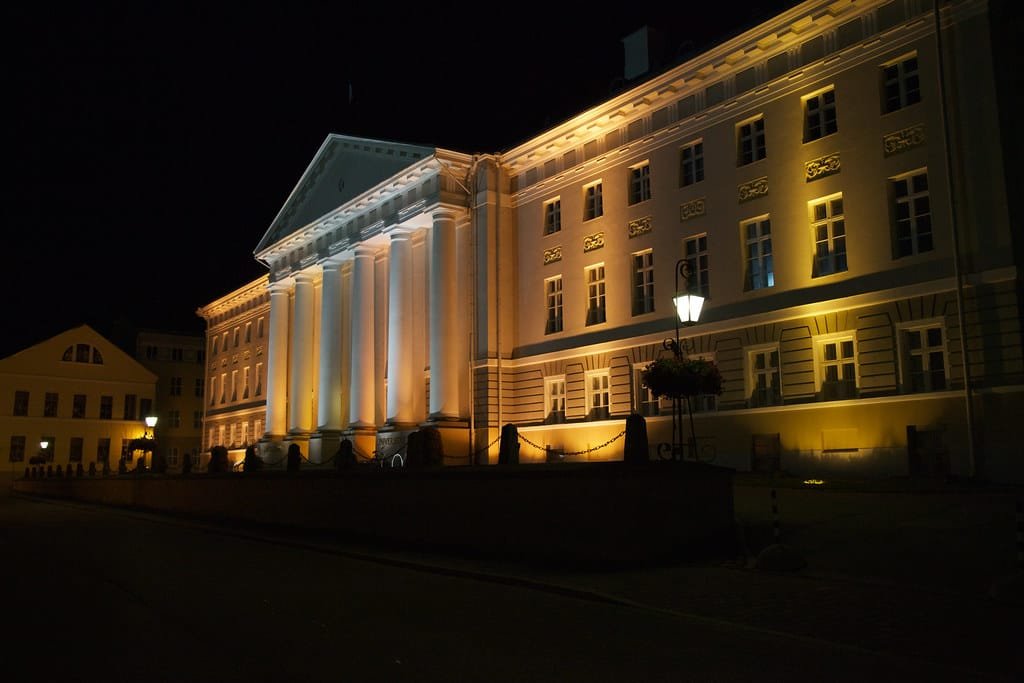
Tartu serves as the second-largest urban center of Estonia because it maintains the title of the intellectual capital and represents the core cultural and educational and innovative center of Estonia. The intellectual capital of Estonia operates from Tartu while its location brings together old-world charm with young energy in its historic Town Hall and university.
I have walked across Tartu’s cobblestone streets and I confirm with certainty that this city unites Estonian historical traditions with modern developments. The baroque Town Hall of Tartu stands as a civic symbol because of its pastel pink walls combined with its classic clock tower at the heart of the Old Town square. The historic University of Tartu which started operations in 1632 stands only a short walking distance from the Old Town and serves as an academic excellence landmark and a testament to the university’s ability to survive historical transformations.
The two institutions require exploration by history enthusiasts and architectural students and anyone who wants to understand Estonian life beyond Tallinn through this guide which examines their architectural value and cultural effect and their essential tourist value in Tartu Estonia.
Table of Contents
History of Tartu Town Hall
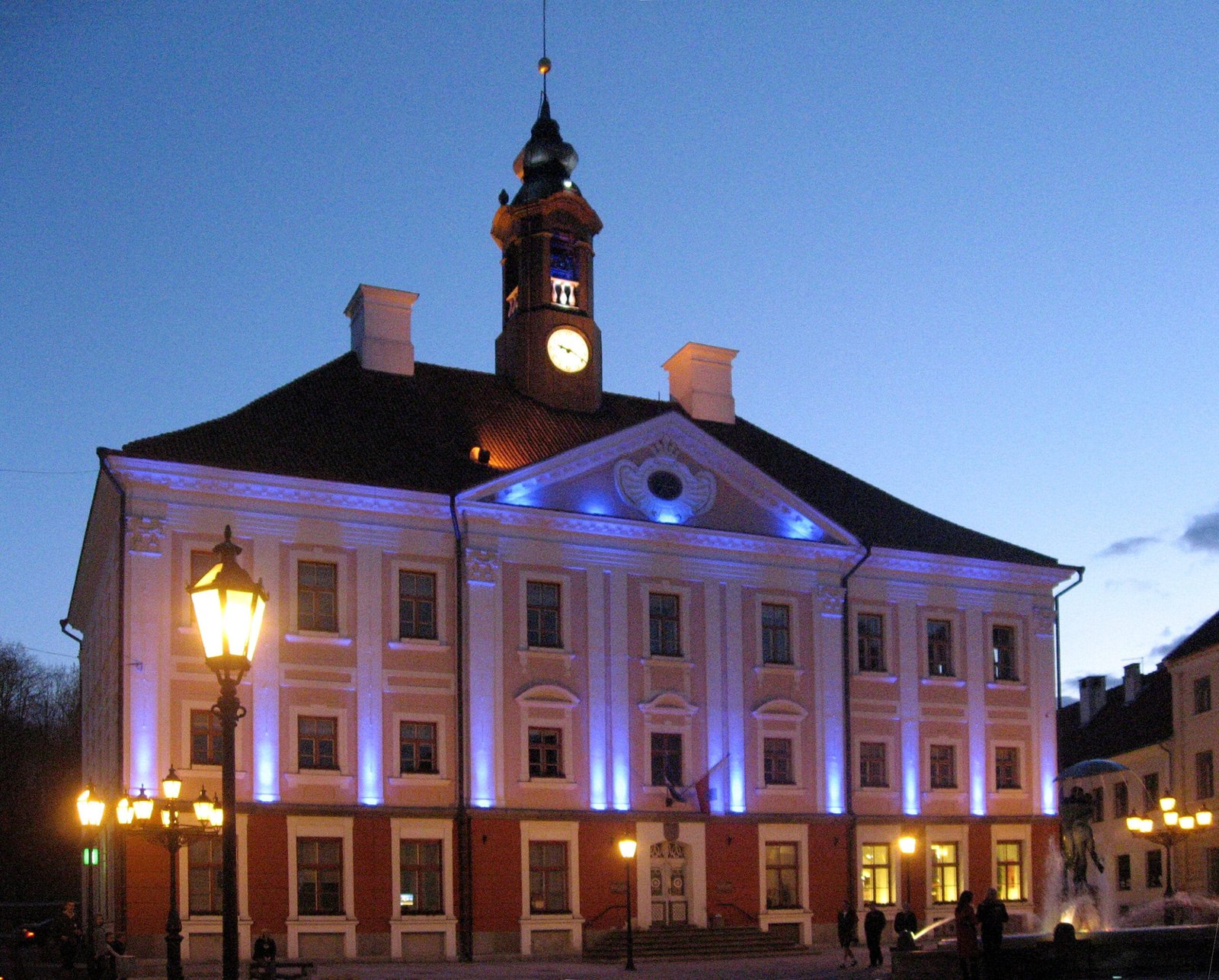
The building that houses the Town Hall of Tartu originated from medieval times. The location of the current Town Hall housed an initial medieval town hall structure that originated during the 13th century. The baroque period marked the beginning of the current building’s development that we can recognize today. The construction of the present building finished in 1789 when the renowned architect Giovanni Antonio Antonio worked to introduce baroque elements which defined that time period.
The Town Hall represents the grandeur of its time through its red-and-white exterior and its elegant columns and its well-known clock tower that represents Tartu. The Town Hall remains the central administrative center of the city but it represents more than administrative power.
Tartu Town Hall observed various important political events throughout Estonian history. The local government made many vital decisions at the Town Hall during the 19th century while the building became a vital symbol during the Estonian War of Independence that fought against foreign rule in the early 20th century.
Map Location
Architectural Features of Tartu Town Hall
Tartu Town Hall presents its Baroque architectural style as one of its most noticeable elements. The 18th-century grandeur of this building design stands out through its ornate decorations and powerful structure that draws all observers who pass by. The pale pink exterior walls of the building create a charming effect while the white columns with archways establish formal elegance.
The clock tower located at Tartu Town Hall stands as its main recognizable landmark. The tower rises above the city with its clock face and the Town Hall Man statue that appears at scheduled times throughout the day. The city spirit takes the form of a small figure at the top of the tower which watches over the citizens of Tartu while providing protection and guidance.
Throughout the centuries the Town Hall underwent major restoration work following World War II which became one of the most important renovation projects in the mid-twentieth century. The building received its updates yet it still preserves its Baroque architectural integrity while becoming a perfect representation of civic Baroque architecture.
Tartu Town Hall Today
Tartu Town Hall functions as a civic building but also serves as a cultural and public events center. The building hosts concerts, exhibitions and weddings in addition to its function as a civic building. The beautiful Town Hall Square of the building serves as a festival and market event venue which creates a lively atmosphere throughout the year.
As the focal point of civic pride the Town Hall hosts the City Government of Tartu which controls the urban development of the city. The Town Hall Square is used by the public for meetings and its active environment demonstrates the continued importance of this historic structure.
Tartu Town Hall enables visitors to experience a historical structure that exists today. The building provides guided tours that show its history together with its architectural wonders and its influence on the development of the city. Visitors can access the Town Hall Tower to see Tartu and the surrounding countryside from a panoramic perspective which looks especially beautiful during sunset.
Tartu University: A Legacy of Knowledge
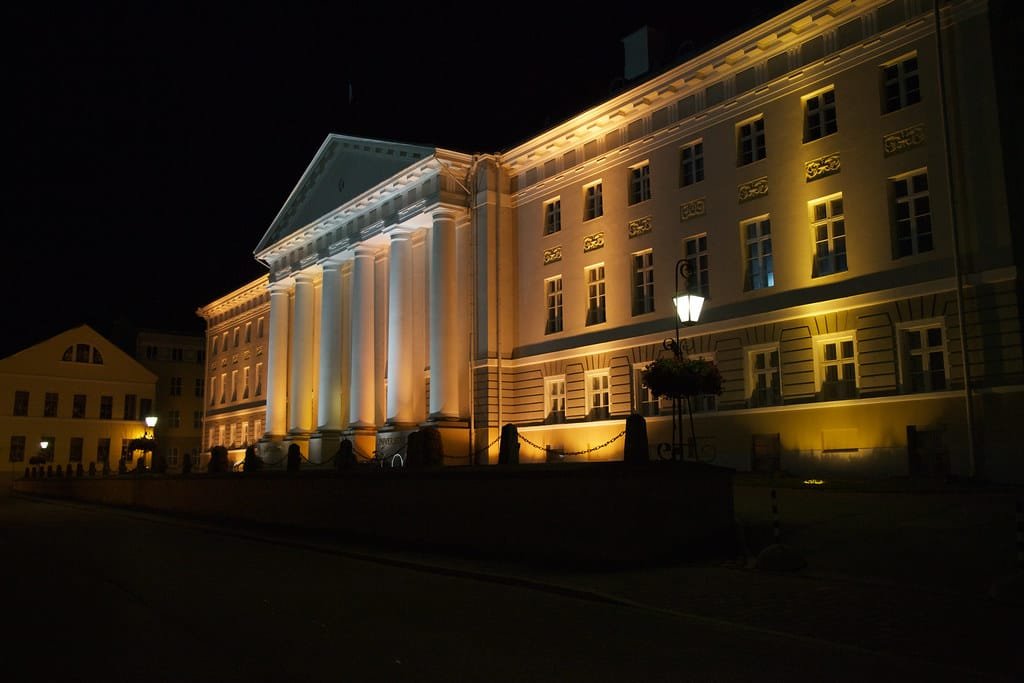
The University of Tartu ranks as one of Northern Europe’s oldest and most distinguished academic institutions since its founding in 1632. The university received its establishment through King Gustavus Adolphus of Sweden in 1632 to become a crucial force for developing Estonia’s intellectual framework as well as its political and cultural trajectory.
Throughout its extensive period of operation Tartu University has created numerous intellectuals along with scientists and political leaders. Since its inception the university has achieved notable advancements in medicine physics linguistics and philosophy fields. The institution serves as a leading intellectual center in its region because many important Estonian thinkers have studied or taught there.
Tartu University stands as a defining element of Estonian national identity because it operated as the main center for intellectual Estonian life from the 19th century through the early 20th century. The modern Estonian state emerged from the ideas that developed at Tartu University by prominent cultural figures including writers and politicians and historians.
The Role of Tartu University in Estonia’s History
Since its founding in the early 17th century Tartu University has established itself as a fundamental force in forming both the intellectual and cultural identity of Estonia. From its first establishment in the 17th century Tartu University functioned beyond academic purposes because it became a place where vital national movements and ideas took shape that would define the future of Estonia. During the 19th century the university developed into a nationalist center where Estonian students started fighting against German-speaking elite rule to advance both Estonian language and cultural development.
The university took a pivotal role in the Estonian national awakening movement which worked to develop Estonian culture and literature and language. The famous poet Carl Robert Jakobson along with historian Franz Löher joined forces with other Tartu University members to create the foundation for Estonian independence which became official in 1918.
Tartu University has made a remarkable scientific contribution alongside its nationalistic developments. Two influential figures in the academic world emerged from the university: Carl von Linné who created modern taxonomy and Immanuel Kant who studied at the institution. Tartu University continues its position as a top research institution across Europe because of their enduring impact.
Architectural Highlights of Tartu University
The architecture of Tartu University’s buildings reflects the university’s historical importance in a grand way. The University of Tartu Building operates as the Main Building in the heart of Tartu city and stands as the city’s most recognizable landmark. The Neoclassical building design of 1809 includes a central staircase and columns that create a dignified and impressive architectural appearance.
Multiple buildings on the university campus serve research and lecture functions and maintain their architectural individuality while functioning as faculty spaces. The Observatory Building of the early 19th century along with the Pharmacy Museum represent two important architectural landmarks that house the University’s astronomical observatory and medical history of Tartu respectively.
The Tartu University library stands as its most important architectural element since it safeguards thousands of valuable books and manuscripts. The Tartu University Library functions as one of the largest academic institutions in the Baltics since its founding. Modern technological infrastructure integrates with historical architecture through architectural renovations which safeguard the building’s original design elements.
Cultural Impact of Tartu Town Hall and University
The cultural significance of both Tartu Town Hall and Tartu University stands as an absolute fact. These two landmarks form the basis of the city’s identity as well as the cultural intellectual and political aspects of Estonia. Tartu maintains its status as “intellectual capital” of the country because of the strong influence from the university. The Town Hall stands as an emblem of civic pride because it has hosted vital public events since ancient times.
The cultural life of Estonia has flourished through Tartu University’s substantial contributions which establish a platform for intellectual exchange along with creative and innovative pursuits. Throughout history the location has given birth to various movements which shaped Estonian literature as well as art and philosophical thought. Tartu functions as an energetic cultural hub that unites artistic expression with scientific inquiry to define the nation’s identity.
Tartu Town Hall maintains its cultural engagement through ongoing participation in various events. The Town Hall Square serves as a common area for open-air concerts along with art exhibitions and public festivals which draw visitors from the local population and tourists. The activities create a feeling of community in the city by connecting historical elements with contemporary times and demonstrating Tartu’s dedication to its heritage alongside modern developments.
The Relationship Between Tartu Town Hall and University
Tartu Town Hall operates independently from Tartu University yet their historical connection has formed the basis of the city’s evolution. The city demonstrates academic excellence through its urban design and intellectual spirit which stems from the university while the Town Hall serves as a representation of municipal leadership and civic pride together with its role in public governance.
The two landmarks share historical significance because they served as central hubs for authority and knowledge within the city during its development. The academic programs at Tartu University produced numerous future political and cultural leaders who simultaneously became prominent in the city administration. The central position of the Town Hall allowed intellectuals and artists and public officials to convene there and advance both city and national development.
The Town Hall maintains an exclusive bond with the University through ongoing collaborative initiatives for cultural and academic activities. The Town Hall serves as a venue for academic lectures while its scholars present research findings during cultural events that take place there. The partnerships demonstrate how Tartu’s civic sector maintains continuous collaboration with its academic institutions.
Tartu’s UNESCO Recognition
The historic center of Tartu which encompasses both the Town Hall and University gained UNESCO recognition because of its literary and intellectual importance under the City of Literature initiative. The city’s essential role in forming Estonia’s intellectual and cultural history remains evident while its UNESCO listing demonstrates its worldwide importance of these landmarks.
Both institutions’ inclusion in this UNESCO designation demonstrates their essential role in advancing both Estonian society and worldwide academic and cultural progress. Tartu’s literary traditions have produced countless thinkers writers and scholars who produced historical impacts across the world. The preservation of Tartu’s architectural and cultural landmarks remains essential for safeguarding this legacy.
The City of Literature status from UNESCO places Tartu among other globally recognized cities including Dublin and Edinburgh which enhances its worldwide reputation. UNESCO’s efforts to protect Tartu’s cultural heritage will ensure the Town Hall and University remain eternal symbols of the city’s continuous intellectual and cultural power.
Visiting Tartu Town Hall and University
For those planning a visit to Tartu, the Town Hall and University are essential stops that offer both a journey through history and a glimpse into the vibrant cultural and intellectual life of the city. Whether you’re a history buff, a lover of architecture, or simply interested in exploring the heart of one of Estonia’s most important cities, these landmarks provide an unforgettable experience.
Planning Your Visit: Key Information for Tourists
The essential step of preparation should be completed before traveling to Tartu. Tourists can easily access Tartu Town Hall and Tartu University since both locations stand in the city’s central district. Travelers from Tallinn the capital of Estonia can reach Tartu through a 2.5-hour driving trip or train journey. The city remains accessible through bus connections which reach from different main cities of Estonia.
The Town Hall Square serves as a busy center where the Town Hall stands. The Town Hall Square offers multiple dining and shopping options to create an ideal setting for relaxing throughout the day. The Main Building stands at the center of Tartu University which extends its campus throughout the majority of the city. The proximity of the landmarks to multiple museums and parks and cultural venues allows visitors to maximize their Tartu experience.
Visitors can access the Town Hall and University for free but some sections might demand a minimal entrance fee. The available guided tours help visitors understand the historical and meaningful aspects of these historic sites in depth. The Town Hall Tower and university main lecture halls together with various other attractions offer an extensive range of activities for visitors to explore.
What to See and Do Around the Town Hall and University
Tartu serves as Estonia’s central learning hub which showcases its historic past alongside its active cultural scene beyond its well-known Town Hall and University buildings. The central location of Town Hall Square supports musical performances and markets alongside cultural events while being surrounded by 18th-century Baroque architectural structures. The area becomes active during summer months when people from all walks of life join local residents who fill the space.
The Old Town area near Town Hall contains tight pathways which lead to tiny restaurants and art displays. The Tartu Art Museum allows visitors to explore modern Estonian along with international artworks in its collection. Visitors can explore the University of Tartu’s two principal historical structures which include its Main Building and Observatory. Visitors who want to understand university history and scientific accomplishments must visit the University of Tartu Museum.
The botanical garden operated by the university provides visitors with an opportunity to find peace in natural surroundings. Visitors should take a walk by the Emajõgi River to see Tartu’s landmarks while they visit the area. Visitors can use the summer river season to enjoy boat rides and picnic activities which provide tranquility away from urban activities.

Local Tours and Experiences
Several educational tours allow visitors to discover the historical significance of Town Hall and University. The walking tours enable visitors to traverse Old Town while visiting important landmarks that include Town Hall Square and Tartu University and other historic sites. Visitors have the option to choose between walking tours that explore either Baroque architectural elements of the Town Hall or historical academic aspects of the university.
The Student Society Tour at Tartu University gives visitors an enjoyable opportunity to observe university life among students. The tour directs visitors to both traditional student meeting sites and significant university buildings as it leads them through the Tartu University Museum.
Among the available activities are river boat tours on Emajõgi River which deliver fresh views of city landmarks from river perspective. Different tours in Tartu allow visitors to discover both historical sites and architectural landmarks and cultural attractions in the city.
Dining, Shopping, and Nearby Attractions
After discovering Tartu’s well-known landmarks you should consider trying the traditional food options available in the area. Various dining establishments located in Town Hall Square and its vicinity serve traditional Estonian food to their customers. The popular Estonian dishes consist of kohlrabi soup together with blood sausage and karask which represents a traditional Estonian bread. Visitors can enjoy coffee and cake and pastries as well as relax at numerous cafes throughout the area.
If you want to try a relaxed dining experience you can choose from multiple pubs and bistros found in the Old Town that serve local beers alongside full meals. The city offers high-end dining establishments that provide innovative versions of Estonian cuisine for a refined dining experience.
Tourists can find unique shopping options in Tartu that sell local handmade items and traditional items including jewelry and clothing. Visitors seeking modern retail options should head to Kaubamaja shopping mall in Tartu which provides a complete range of fashion items and electronic products. Local citizens and visitors can find fresh produce and handmade goods at the Tartu Market situated near Town Hall Square.
A visit to the Tartu Toy Museum provides a unique experience because it stands as one of the most enjoyable and interactive museums which displays toys from worldwide and historical periods.
To discover everything about Tartu’s attractions visit the complete section which presents all cultural attractions and natural areas throughout the city.
Conclusion
Tartu Town Hall together with Tartu University represent two of the most important landmarks in Estonian history. The sites stand as a combined representation of the city’s academic heritage alongside its cultural and historical past. These sites form the core of Tartu’s identity because they combine the Baroque architecture of the Town Hall with the intellectual accomplishments of Tartu University. Tartu stands as an essential travel destination for anyone who wishes to experience Estonian historical and contemporary culture because it unites historical sites with educational institutions.
The cultural importance of Tartu Town Hall and Tartu University reaches past their historical value. These institutions maintain their influence on the city’s identity while driving Estonia’s ongoing development. Visitors who are interested in history and architecture and those who want to understand Tartu’s academic past will find valuable content in this city. Tartu offers multiple cultural events alongside guided tours to explore its rich cultural heritage making it an ideal choice for people interested in Estonian historical sites.
Read More…
- Read the full article here: Discover the Tartu Botanical Garden – Estonia’s Hidden Gem to find out more about this amazing botanical garden that nature lovers must see.
- Tallinn’s medieval Old Town presents itself as a rich historical treasure that combines enchanting streets with beautiful architecture. This guide provides a comprehensive overview of Tallinn Old Town experiences, available at Tallinn Old Town – A Complete Guide to Estonia’s Medieval Gem.
- Explore the rich history and culture of Narva Castle, a fortress that has stood as a symbol of Estonia’s past. To learn more about its fascinating heritage, visit the full article here: Narva Castle – The Fortress of History and Culture in Estonia.
- Explore the stunning Alexander Nevsky Cathedral in Tallinn, a magnificent symbol of Estonia’s cultural and religious history. For more about this iconic landmark, check out the full article here: Alexander Nevsky Cathedral – Tallinn.
- Explore the beauty and history of Kadriorg Palace in Tallinn, a stunning example of Baroque architecture and a must-see for history enthusiasts. For more information on this cultural gem, visit the full article here: Kadriorg Palace – Tallinn.
FAQs
1. What is the best time to visit Tartu Town Hall and University?
The best time to visit is during the spring or summer months when the weather is pleasant, and there are many cultural events and festivals happening around the Town Hall and University.
2. How much does it cost to visit Tartu Town Hall?
Entry to the Town Hall Square is free, but some areas, such as the Town Hall Tower, may have a small entrance fee. It’s recommended to check the official website for current prices.
3. Can I take a guided tour of Tartu University?
Tartu University provides guided tours which deliver historical information about the university together with its fundamental architectural features.
4. Is Tartu University still active today?
The university continues its active operations as a European leader in education and research by providing various academic programs and performing innovative studies.
5. What are some other attractions in Tartu?
In addition to the Town Hall and University, Tartu has several other attractions, including the Tartu Art Museum, Botanical Gardens, Emajõgi River, and Tartu Toy Museum.
For official details about Tartu’s Town Hall and University, visit the official tourism site Visit Tartu for more information.