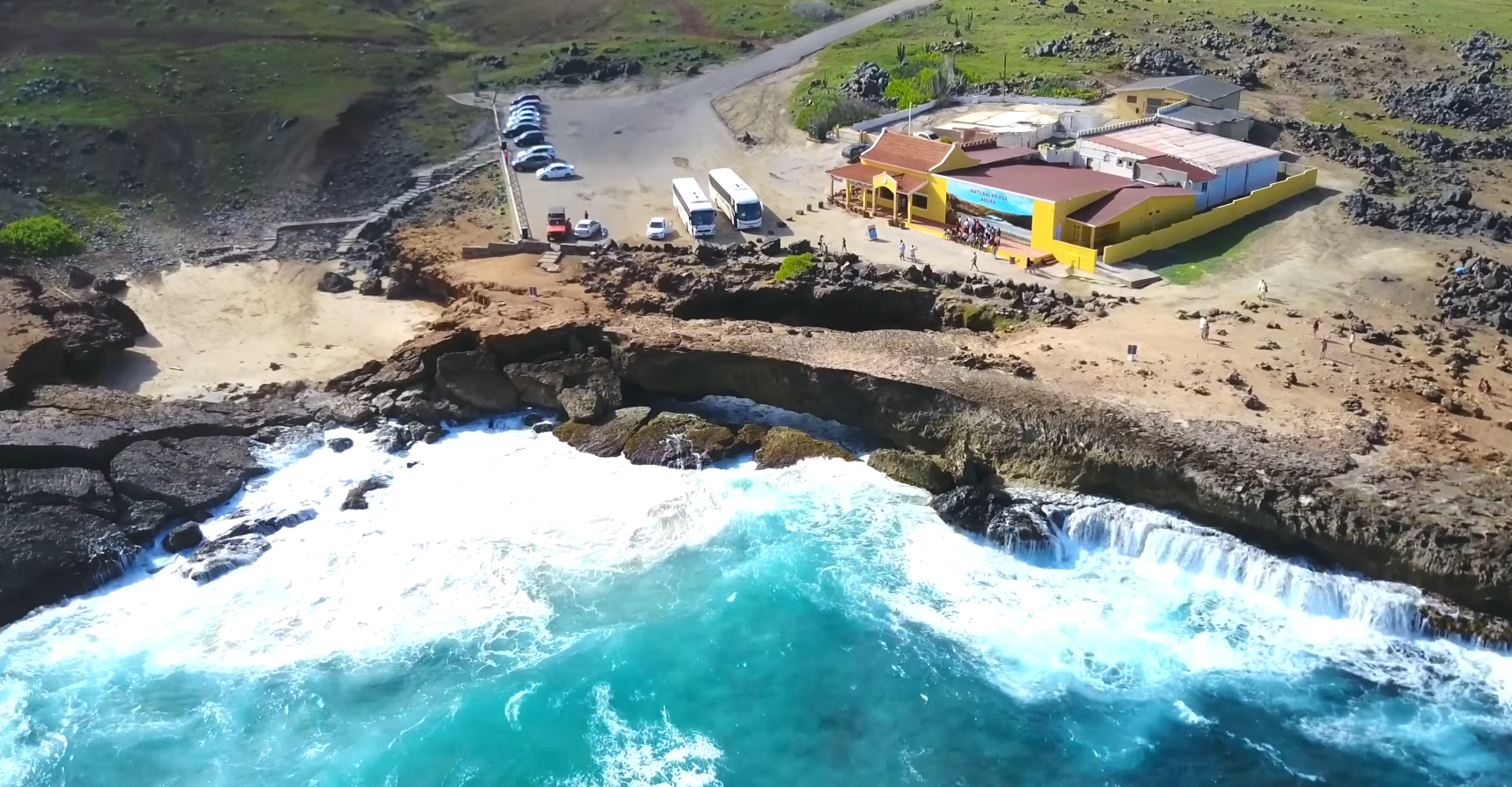
When I started researching the natural bridge aruba, I kept finding conflicting information. Some sites showed beautiful photos of an intact arch, while others mentioned it collapsed years ago. I was confused—should I even add this to my Aruba itinerary?
After visiting myself and talking to locals who’ve lived near the site for decades, I finally understand the full story. And honestly? This place surprised me in the best way possible.
Yes, the Aruba Natural Bridge collapsed on September 2, 2005. But what remains is still one of the most powerful natural experiences on the island. The massive ruins, the still-standing Baby Bridge, and the raw beauty of Aruba’s wild coast make this a must-visit destination.
Let me share everything you need to know—the real story, practical tips from actual visitors, and why this site still matters nearly 20 years after the collapse.
Table of Contents
What Was the Natural Bridge in Aruba?
The Massive Limestone Arch That Took Thousands of Years to Create
The original Natural Bridge in Aruba wasn’t just another rock formation—it was genuinely spectacular. This natural arch measured approximately 25 feet (7.6 meters) high and 100 feet (30 meters) long, making it one of the largest natural bridges in the Caribbean.
To put that in perspective: 100 feet is longer than three school buses parked end-to-end, and this entire span was made of solid coral limestone carved by nature alone.
How Nature Built This Marvel
Here’s what fascinated me about the formation process: The bridge was created by thousands of years of wave erosion. Pounding waves and strong winds slowly chiseled away the limestone cliffs along Aruba’s north coast, and the Natural Bridge was the most impressive result.
The process worked like this:
- Step 1: Atlantic Ocean waves repeatedly crashed against the coastline
- Step 2: Softer limestone underneath eroded faster than harder rock above
- Step 3: A hollow cave formed as waves carved out the base
- Step 4: Eventually, the cave roof became the bridge, creating a perfect natural arch
What makes this particularly special is the bridge’s location on Aruba’s northeastern coastline, which faces the full force of the Atlantic. Unlike the calm, protected beaches tourists flock to on the western shore, this coast is wild, powerful, and constantly reshaping itself.
Why Everyone Wanted to See It (And Stand on It!)
Before 2005, the aruba natural bridge appeared in almost every promotional brochure for the island. Tourism Minister Edison Briesen stated that “a picture of the bridge appears in almost every promotional flier, and more tourists visit it than any other attraction.”
But here’s what made it truly unique: you could walk on top of the bridge. Think about that—standing on a natural stone arch with turquoise water rushing 25 feet beneath your feet and the endless Atlantic stretching to the horizon. The contrast was breathtaking: rough, dark limestone against brilliant blue Caribbean water.
According to historical accounts from locals, families would visit for Sunday picnics long before tourism boomed. It was their special place, a source of community pride and a natural gathering spot for celebrations.
The Day Everything Changed: Aruba Natural Bridge Collapse
September 2, 2005 – The Morning Aruba Lost Its Icon
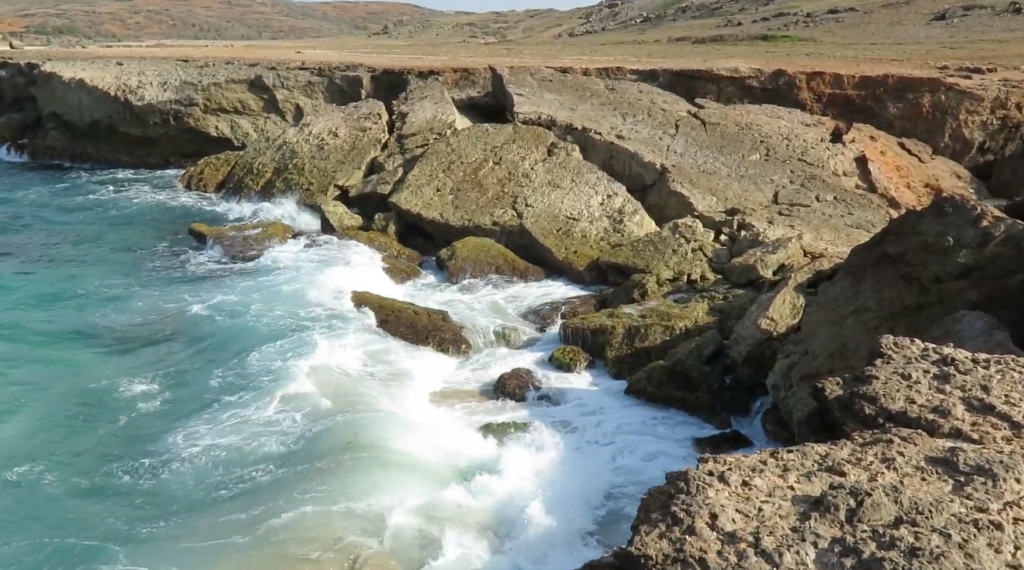
The aruba natural bridge collapse happened just before dawn on Friday, September 2, 2005. The natural coral bridge that spanned a cove collapsed before dawn, destroying one of the island’s biggest tourist attractions.
What makes this story remarkable is the timing. Tourists had been standing on the bridge just 24 hours earlier. If the collapse had happened a day sooner, lives would have been lost. But that Friday morning, before most visitors arrived, the bridge simply gave way.
How Locals Reacted to the Loss
Hundreds of Arubans traveled along a bumpy dirt road to see what remained of the national treasure. I spoke with several locals who remember that day vividly.
One shop owner who’s worked near the site for over 20 years told me: “When I heard the news, I drove out immediately. Seeing it in pieces in the water… I cried. That bridge was part of our lives.”
For Arubans, this wasn’t just about losing a tourist attraction. It felt personal. The bridge had been in their family photos, their childhood memories, their sense of island identity.
What Actually Caused the Natural Bridge to Collapse?
The honest answer: nobody knows the exact trigger moment, although a few years earlier a large crack had been spotted on one side of this geologic phenomenon, according to the owner of a nearby snack and souvenir shop.
But here’s what geologists DO know: the collapse was inevitable due to natural erosion.
The Real Culprit: Constant Wave Erosion
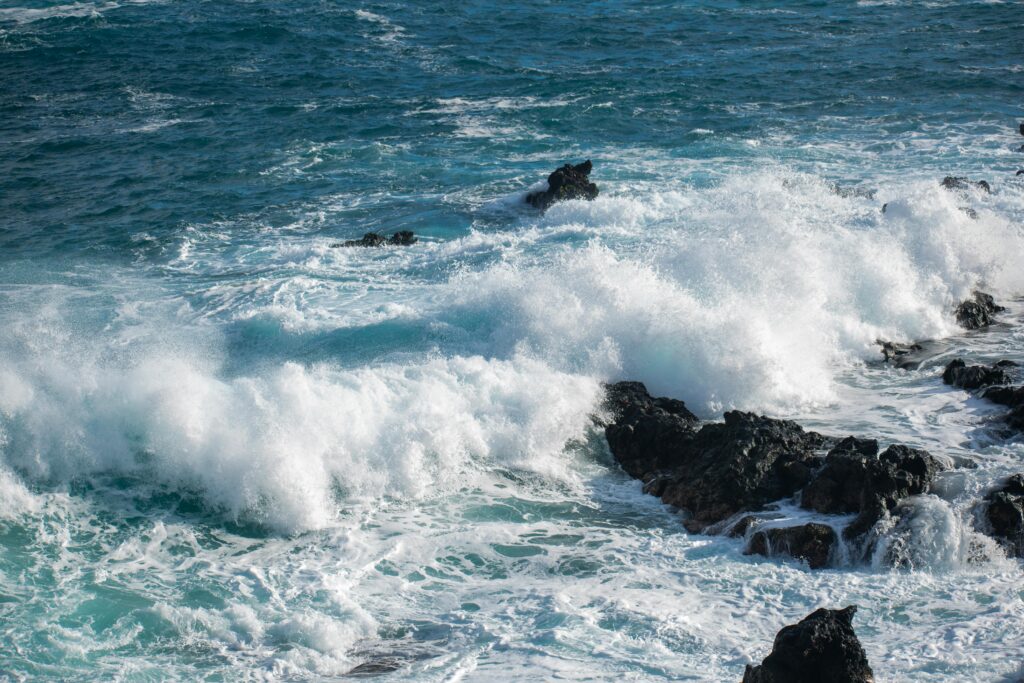
The same powerful waves that created the bridge never stopped working. Every single day for thousands of years, water crashed against that limestone base, wearing it down grain by grain in places no one could see or measure.
By 2005, the structure had thinned to a critical breaking point. Some people wonder if the thousands of tourists walking on top contributed to the collapse. While foot traffic may have played a minor role, experts confirm: natural erosion was going to bring this bridge down eventually.
The bridge had a natural lifespan, and September 2, 2005, marked the end of thousands of years of existence.
What You’ll Actually See at the Collapsed Bridge Today
Here’s what surprised me most: the collapsed bridge site is still absolutely worth visiting.
When I arrived, I expected to be disappointed. Just some broken rocks scattered in the water, right? I was completely wrong.
The Ruins Are Massive and Powerful
The collapsed remnants are enormous. Huge chunks of limestone—some as large as cars—lie scattered in the shallow water and along the rocky shore. The scenery around the collapsed natural bridge is still beautiful and picturesque, and it is quite relaxing to watch the ocean waves break along the limestone rocks.
You can walk right up to viewing platforms at the edge. The wind hits you immediately—constant, powerful trade winds that remind you exactly why this coast creates such dramatic formations. Below, waves crash over the fallen stones every few seconds, sending spray 10-15 feet into the air.
Every few minutes, a larger wave comes through and you hear this deep BOOM as thousands of gallons of water slam into solid rock. It’s raw, powerful, and honestly kind of humbling.
The Before and After Photos Hit Differently in Person
Information boards at the site display historical aruba natural bridge photos from before the collapse. Seeing these comparisons in person is genuinely moving.
In one photo, maybe 20 people are standing on top of the bridge, all smiling and posing for cameras. Knowing it collapsed just months after that photo was taken gives you chills. Another photo shows the bridge from below, revealing just how thin the base had become—you can literally see why it failed.
Baby Natural Bridge: The Hidden Gem Still Standing
The “Daughter Bridge” That Everyone Should Visit
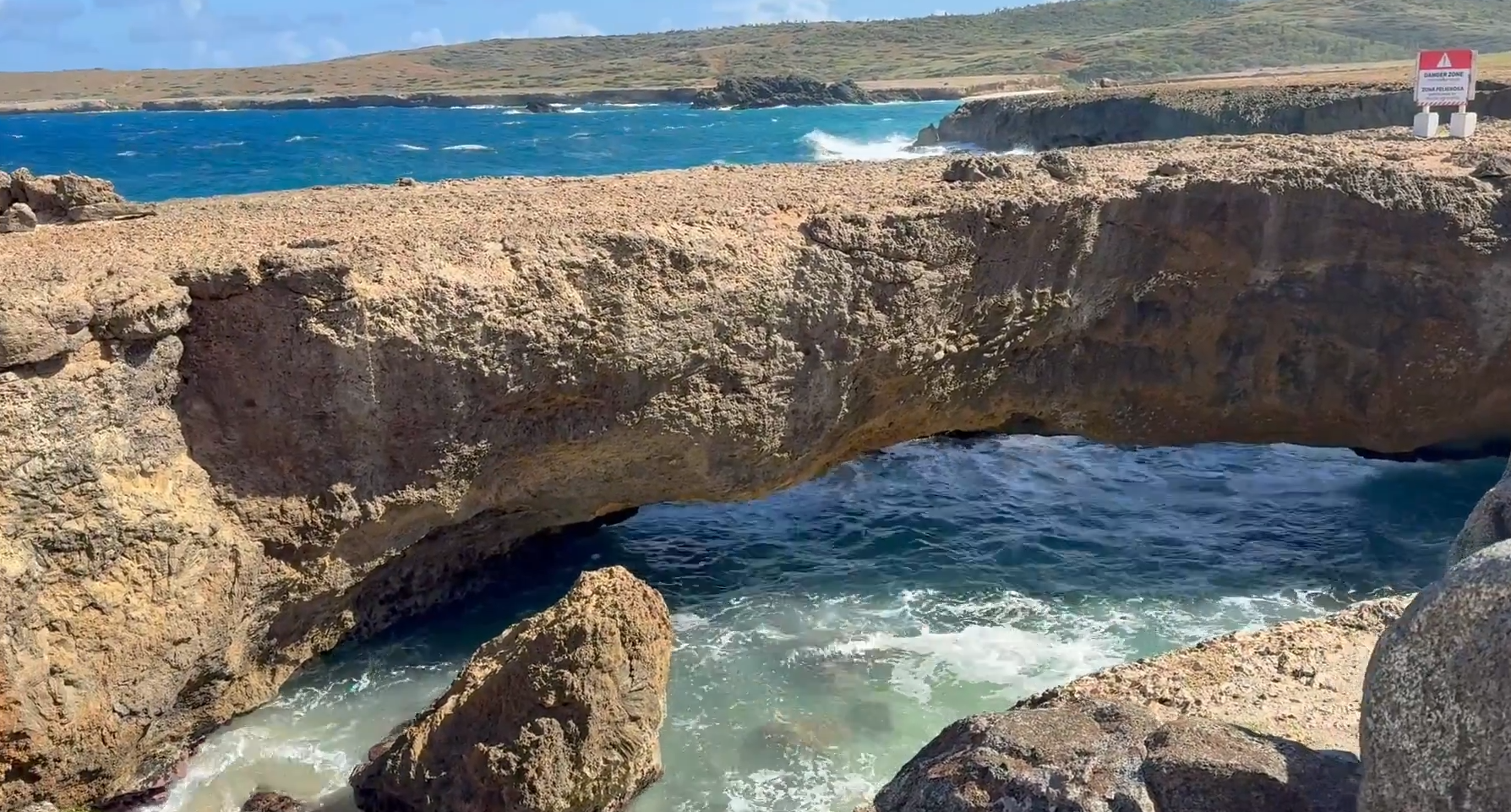
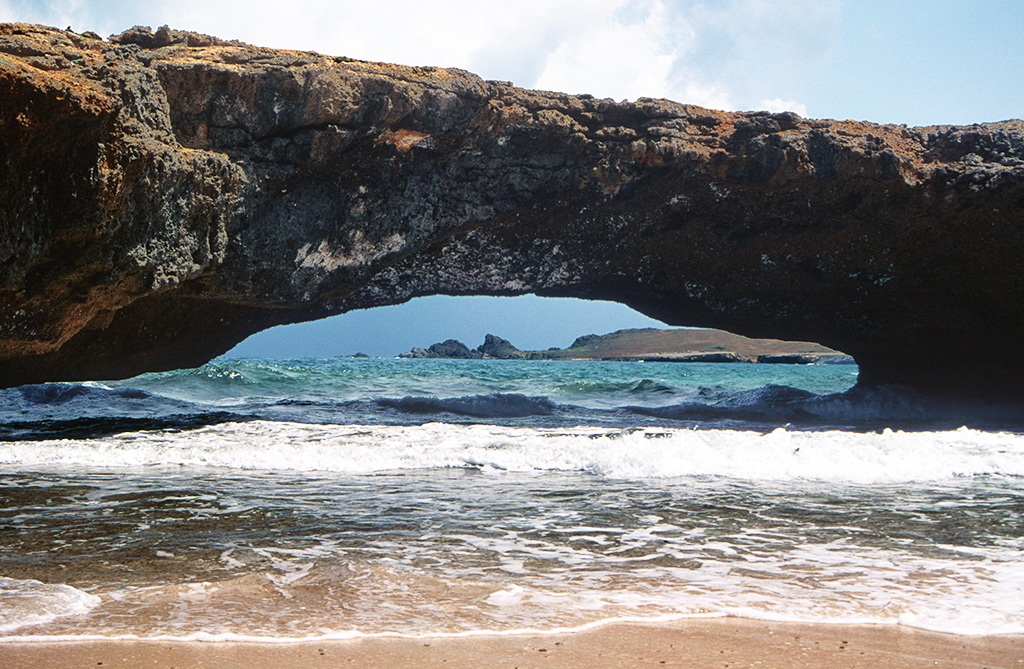
The Baby Natural Bridge is located right next to the collapsed bridge site—just a short walk away. The Natural Baby Bridge is smaller with a span of 25 feet and only 3 feet above sea level, but don’t be fooled by the “baby” name. This natural arch is genuinely beautiful.
After the original bridge collapsed, a local official said something that stuck with me: “We lost the mother. But we still have the daughter.” This sentiment perfectly captures how Arubans view the Baby Bridge—not as a lesser replacement, but as a continuation of the natural bridge story.
Why the Baby Bridge Surprised Me
I spent about 30 minutes at the Baby Bridge, and honestly, I found it more intimate and special than I expected.
The Wave Action Is Spectacular
- During my visit, the tide was coming in. Every few minutes, a wave would crash through the arch opening, sending spray everywhere. The timing was mesmerizing—smaller waves would flow through gently, then suddenly a big wave would EXPLODE through the gap, shooting water high into the air.
- I got completely soaked trying to capture the perfect photo. Worth it? Absolutely.
The Geological Treasures You’ll Discover
Here’s what makes the Baby Bridge area truly fascinating: it’s not just pretty—it’s educational.
You Can See 90 Million Years of History
- Looking down at the beach near the smaller bridge, you can see black volcanic rocks which are the oldest part of the island. On top of these black rocks, you can clearly see how the limestone formed when the island was still submerged under Caribbean waters millions of years ago.
- If you look closely—and I mean really look—you can spot fossils of brain coral, fan corals, and even clams stuck in the ground. This is like walking through a geology textbook come to life. The geological consistency of these bridges dates back 90 million years and is part of the “Aruba lava formation.”
- I’m not usually into rocks and geology, but standing there and seeing the actual layers of volcanic rock and limestone, with fossilized coral visible right in front of me? That was genuinely cool.
How to Visit the Natural Bridge: The Practical Guide
Where Exactly Is It Located?
The natural bridge in aruba is located on the northeastern coast, approximately 25-30 minutes’ drive from Oranjestad (the capital), depending on traffic and how familiar you are with the roads.
The site sits between the Bushiribana gold mine ruins and Andicuri Beach, in the general area of Arikok National Park.
Explore the Aruba’s Natural Bridge Google Map Location
The Road There: What You Need to Know
Let me be real with you about the drive, because this is where a lot of visitors get surprised.
The Journey Has Two Very Different Sections
- Section 1 – Paved Roads (Easy): The first portion is on smooth, paved roads through Aruba’s interior. You’ll pass divi-divi trees permanently bent by trade winds, scattered houses, and occasionally see goats or donkeys wandering near the road. This part is easy and actually quite scenic.
- Section 2 – Unpaved Road (Rough): Then the pavement ends. You’ll hit an unpaved section that can be quite rough with potholes, rocks, and uneven terrain.
Do You NEED a 4×4 Vehicle?
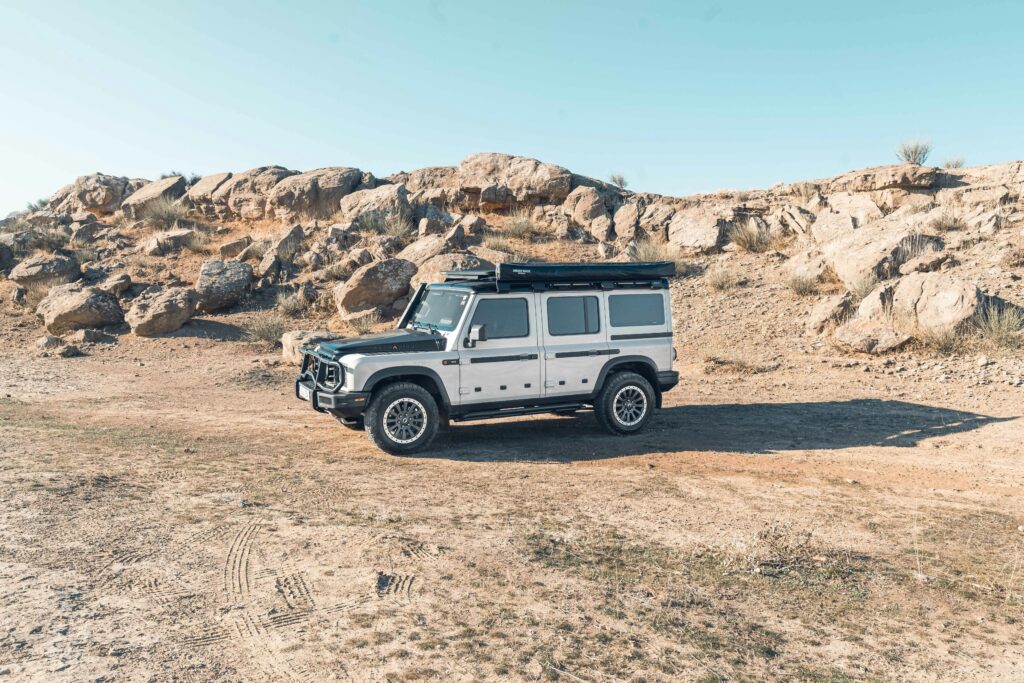
Honest answer: It’s highly recommended but not absolutely required.
- Many travelers successfully make the trip in regular rental cars by driving slowly and carefully. One travel blogger noted: “We made it in a regular car, but I was stressed the entire time about damaging the undercarriage.”
- However, after rain, only 4×4 vehicles should attempt this road. The unpaved sections can become muddy and potentially impassable for regular cars.
My recommendation: If your budget allows, rent a 4×4 or SUV. It makes the journey comfortable instead of nerve-wracking. If not, drive slowly, avoid the road after rain, and consider joining an organized tour instead.
Entrance Fees and Hours (The Good News!)
- It’s free to visit the Natural Bridge area! Unlike many Arikok National Park attractions which require a paid conservation pass, the Natural Bridge site itself has no entrance fee.
- There are no fixed operating hours—you can technically go anytime. However, visiting during daylight hours is essential for safety and to actually see what you’re looking at!
If You’re Also Visiting Arikok National Park
If you plan to explore other areas within Arikok National Park on the same day, you’ll need a conservation pass:
- Adults: $15 USD
- Children 17 and under: Free
- Pass valid for: One full year
The pass covers access to caves, hiking trails, the Natural Pool, and other protected areas throughout the park.
What Facilities Are Available at the Site?
Next to the Natural Bridge area is a gift shop housed in a replica cunucu house (traditional Aruban house style). The shop:
- Serves cold drinks and snacks
- Offers restroom facilities (note: costs $1 to use, so bring small bills)
- Sells souvenirs and local crafts
- Operates during normal daytime hours (may be closed on holidays)
There’s also a parking area near the viewing platforms, though it gets crowded during peak hours (typically 10 AM to 2 PM when most tour buses arrive).
When Should You Visit? Timing Matters
Best Times for Photos and Smaller Crowds
Based on visitor experiences and photography results, timing your visit strategically makes a huge difference:
Early Morning (7-9 AM) – My Top Recommendation
Advantages:
- Softer, more flattering light for photos
- Cooler temperatures (crucial in the Caribbean heat)
- Fewer crowds—you might have the place mostly to yourself
- Beautiful sunrise lighting from the east
One photographer told me: “I visited at 7 AM and had the Baby Bridge completely to myself for 20 minutes. The golden morning light made the limestone glow orange. Best photos of my entire trip.”
Late Afternoon (4-6 PM) – Second Best Option
Advantages:
- Golden hour creates dramatic shadows and warm tones
- Lighting brings out texture in the rock formations
- Still warm but not as brutal as midday
Avoid Midday (11 AM – 3 PM) – Trust Me on This
Why you should skip this time:
- Harsh overhead sun creates unflattering, washed-out photos
- Extreme heat with zero shade anywhere
- Most tour groups arrive during this window = crowded viewing platforms
- You’ll be uncomfortable and rushed
Best Seasons to Visit Aruba’s Natural Bridge
Dry Season (January – August) – Recommended:
- Most reliable weather
- Roads in better condition
- Clearer skies for photos
- More predictable ocean conditions
Rainy Season (October – December) – Proceed with Caution:
- Roads can become muddy and impassable for regular cars
- However, rough seas create more dramatic wave action (great for photos if you’re careful)
- Fewer tourists overall
Critical Safety Information You Must Know To Visit Natural Bridge Aruba
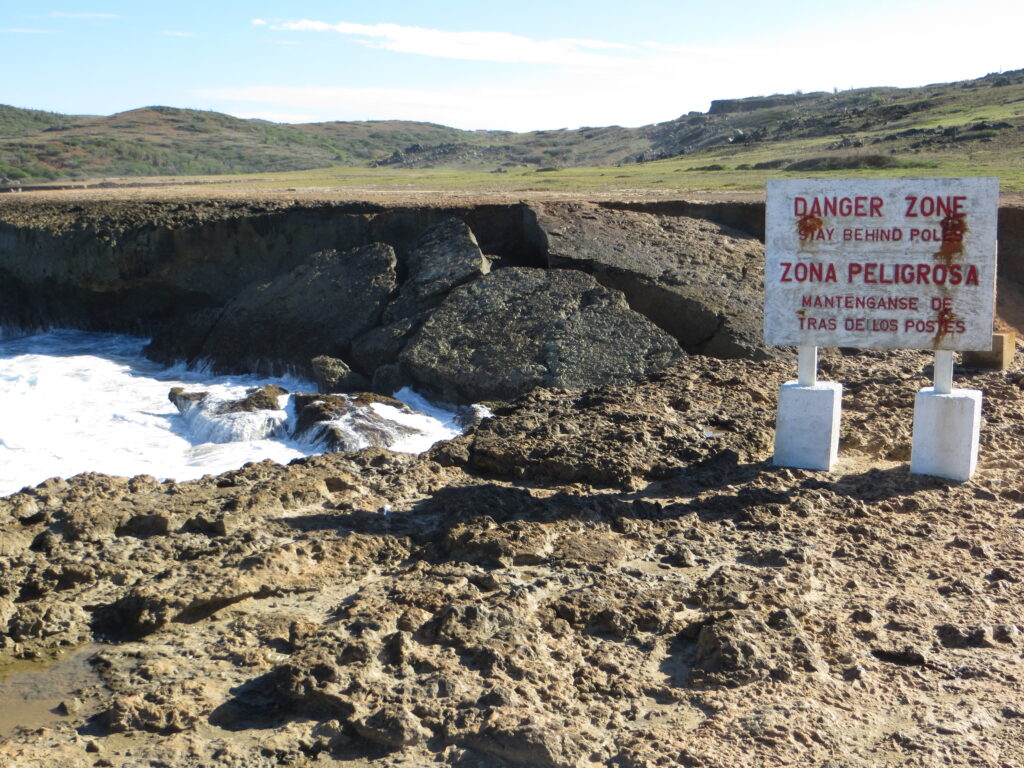
The north coast of Aruba is fundamentally different from the calm western beaches most tourists visit. This is serious—people have been injured here by underestimating the ocean.
The Ocean Here Is Dangerous – Period
It is not advised to climb on top of the collapsed bridge as that could be dangerous, and tourists should not swim or dive here as the sea in this area is far too rough.
Let me be absolutely clear: The Atlantic waves on this coast are powerful, unpredictable, and genuinely hazardous. This is not like Palm Beach or Eagle Beach. Swimming is absolutely prohibited and extremely dangerous.
Essential Safety Rules You Must Follow
1. Respect All Posted Signs
Adhere to all signs posted—they are there for your own safety and to protect the landscapes of Aruba. If a sign says “Stay Back,” it’s not a suggestion. Rocks can crumble, edges can give way, and rogue waves can appear without warning.
2. Watch for Rogue Waves Constantly
Never turn your back on the ocean. I watched a wave sequence for about 10 minutes. Most waves were 3-4 feet. Then suddenly, a wave twice that size came out of nowhere and crashed over rocks where people had been standing just seconds before. Everyone got drenched.
The pattern seemed to be: every 7-10 waves, a significantly larger one hits. Watch, time it, then move carefully.
3. Wear Proper Footwear
The area is rocky and uneven, so consider wearing athletic shoes or some other kind of sturdy footwear. The limestone can be sharp and gets slippery when wet.
Flip-flops are inadequate and potentially dangerous. I saw tourists slipping on wet rocks because they wore inappropriate shoes.
4. Sun Protection Is Critical
There is zero shade at this location. The Caribbean sun is intense, and the limestone reflects additional heat, making it feel even hotter.
You must bring:
- Sunscreen SPF 50+ (reapply every hour)
- Hat
- Sunglasses
- Plenty of water (bring more than you think you need)
I reapplied sunscreen three times in one hour and still got slightly pink. Don’t underestimate the sun here.
5. Supervise Children Closely
This is not a playground. The edges can be slippery, the ocean is hazardous, and rocks can be unstable. Constant, hands-on supervision is essential.
I watched one child nearly fall into a tide pool while parents were distracted taking photos. Luckily they grabbed the child in time, but it was a close call.
How to Capture Stunning Visit Natural Bridge Aruba Photos
Photography Tips for the Baby Natural Bridge
Best Angles and Techniques:
- Shoot from a lower angle to make the arch appear more impressive and dramatic
- Frame the ocean through the bridge opening to capture the stunning color contrast between dark limestone and turquoise water
- Wait for waves to crash through for dynamic action shots (use burst mode on your camera)
- Include foreground rocks to add depth and context to your composition
Photography Tips for the Collapsed Bridge Site
What Works Best:
- Capture the scale by including people in your frame—this shows just how massive these limestone chunks really are
- Time your shots for when waves crash over the ruins (the spray creates dramatic effects)
- Use the information boards’ historical photos as reference for before-and-after comparison shots from similar angles
- Photograph the information plaques showing old aruba natural bridge photos—these make great contrast images
Dealing with Challenging Conditions
The Wind Problem
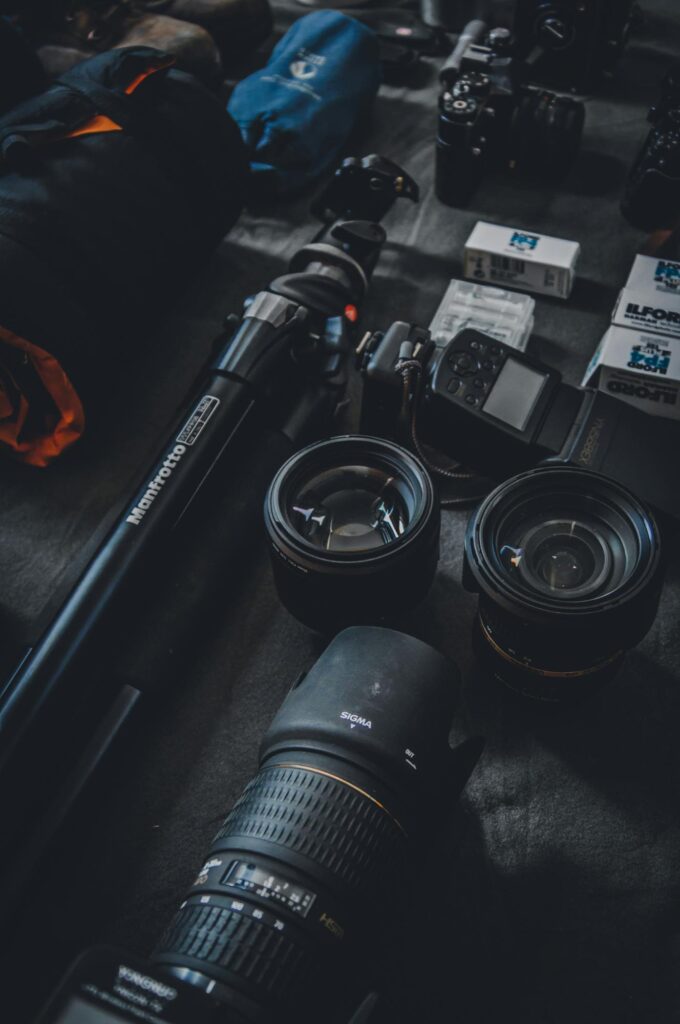
The wind at this location is constant and strong. It affects camera stability, blows sand onto your lens, and can even move your tripod if you’re not careful.
Solutions:
- Bring a lens cloth and clean your equipment frequently
- Use a faster shutter speed to compensate for wind movement
- If using a tripod, weigh it down with your camera bag
The Seaweed Issue
Several visitor reviews mention seaweed accumulation on the north coast, particularly during certain seasons. Some visitors noted that seaweed washing up can affect photo aesthetics.
How to work around it:
- Focus on the rock formations and waves rather than the water surface
- Adjust your angles to minimize seaweed visibility
- Visit after rougher seas when waves clear some of the seaweed away
What Else Is Near the Visit Natural Bridge Aruba?
Arikok National Park – 20% of the Entire Island
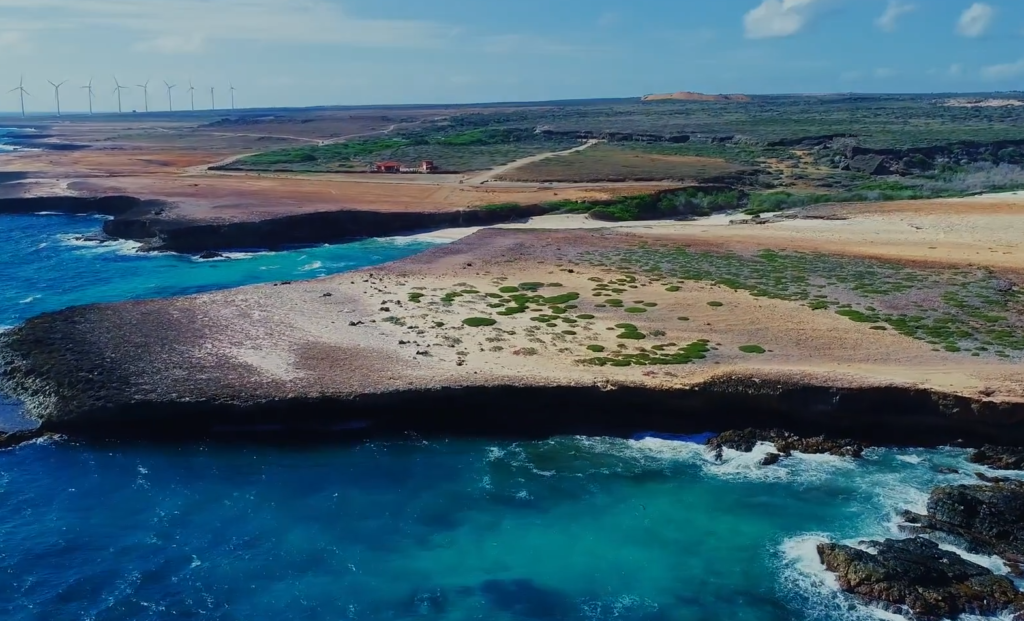
The Natural Bridge sits within the broader Arikok National Park area, which covers nearly 20% of Aruba. The park is home to a variety of unique attractions including spectacular caves, original Indian rock drawings, unusual land formations made from lava, quartz diorite and limestone.
Top Attractions in Arikok National Park
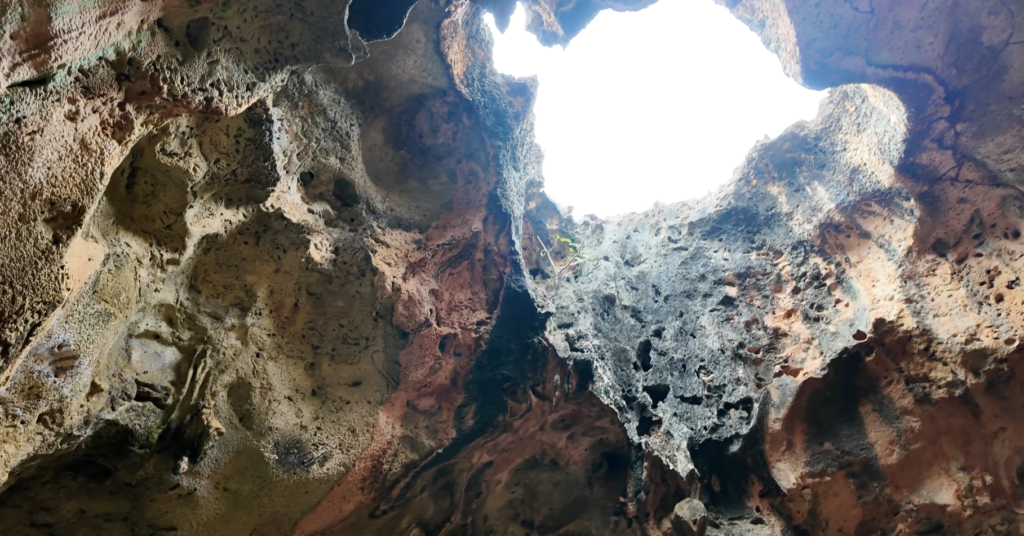
1. Fontein Cave and Guadirikiri Cave These caves feature ancient rock drawings from the Caquetio people dating back thousands of years—unique to the Caribbean region. Fontein Cave is particularly notable for its petroglyphs (rock carvings).
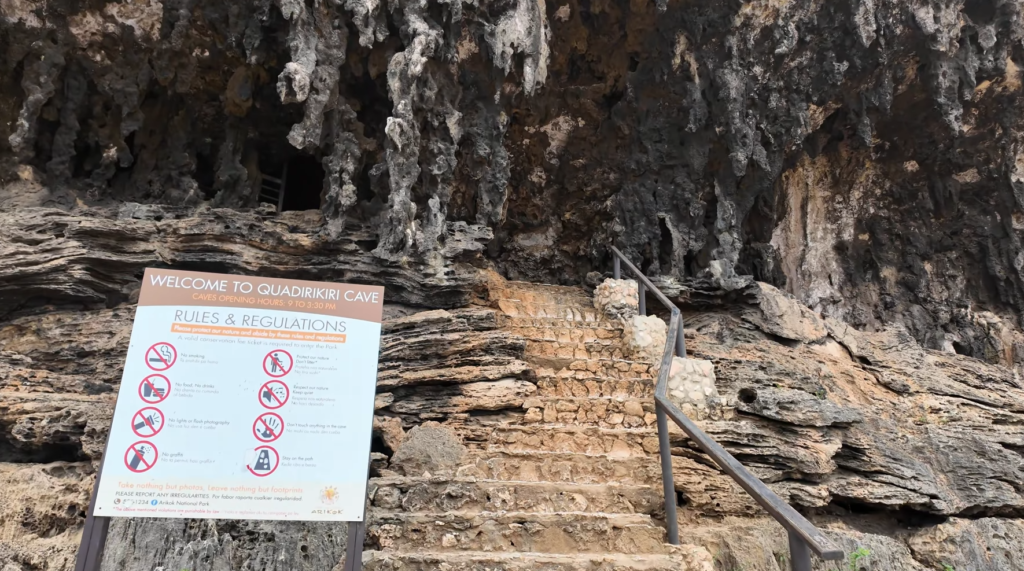
2. Conchi Natural Pool (The Natural Pool) Often called Aruba’s best-kept secret, this protected swimming hole is formed by volcanic rock and offers calm, crystal-clear water despite rough ocean just feet away.
Important note: Phone network and wifi reach is very spotty in the park, and most car rental companies have strict rules about driving to Natural Pool—only Jeep/4-wheel drive vehicles can safely access it.
3. Jamanota Hill At 188 meters (617 feet), this is Aruba’s highest point, offering panoramic views of the entire island.
Bushiribana Gold Mine Ruins
Located very close to the Natural Bridge, the Bushiribana gold mine ruins tell the story of Aruba’s gold rush era in the 1800s and early 1900s. The stone ruins of this historic gold smelting facility stand dramatically against the coastal landscape.
The ruins are free to visit and make for excellent photos, especially at sunset when the golden light illuminates the old stone walls.
Andicuri Beach – Powerful Waves and Pristine Sand
Andicuri Beach is located near the Natural Bridge site and offers pristine white sand and powerful surf.
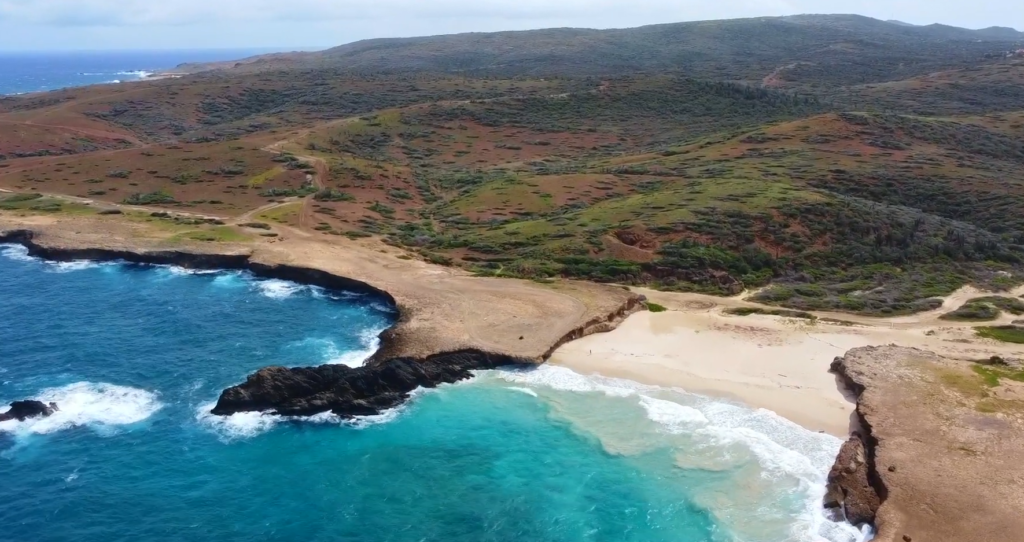
Important: Swimming is not recommended due to strong currents and large waves. However, it’s a beautiful spot for:
- Beach walking and photography
- Watching skilled local surfers tackle challenging conditions
- Enjoying a picnic on the sand (just stay away from the water)
Other Natural Bridges in Aruba You Should Know About
Aruba actually has several other natural bridges beyond the famous collapsed one:
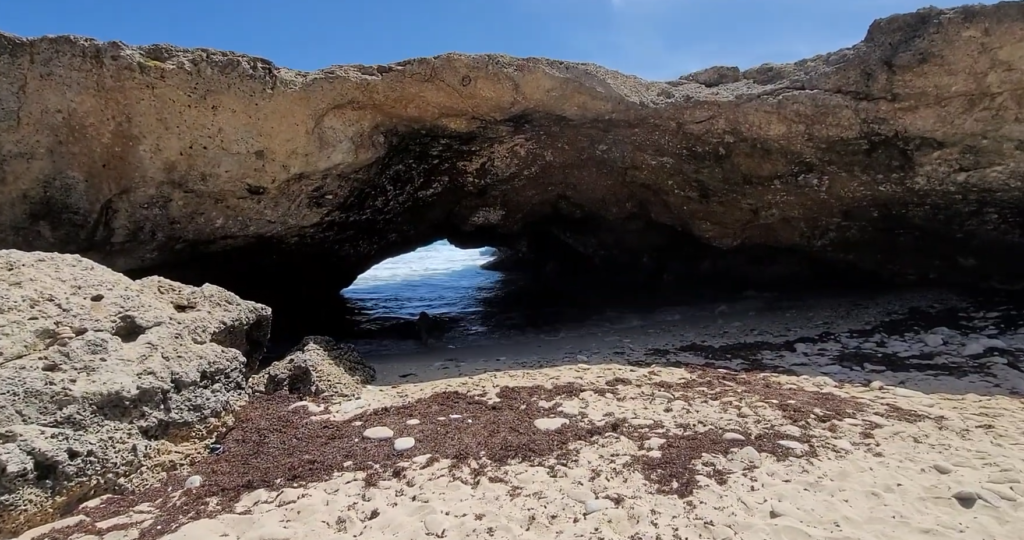
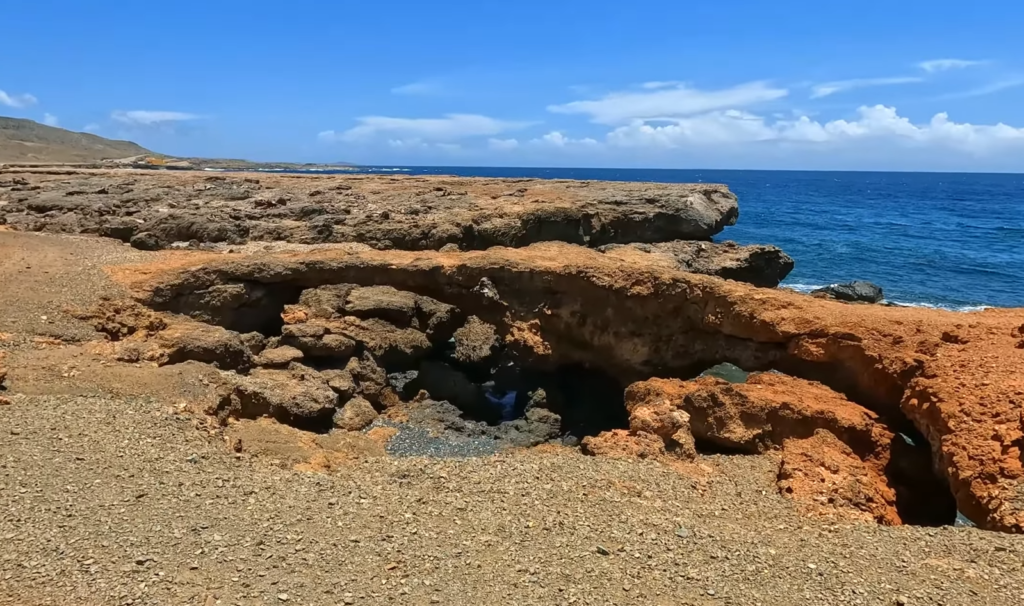
- Wariruri Bridge: This has become the most visited natural bridge since the collapse of the original. It’s less accessible but worth the effort.
- Indjueq (Tripod Bridge): Located at Black Stone Beach, this is particularly unique—it’s actually three arches together, creating a distinctive formation against a backdrop of eroded black basalt rock.
Understanding the Visit Natural Bridge Aruba Deeper Story
What the Natural Bridge Meant to Arubans
For locals, the Natural Bridge represented more than geological curiosity or tourism revenue. It was a symbol of their island’s natural heritage and resilience.
When the bridge collapsed, hundreds of Arubans traveled to the site to witness what remained, demonstrating the deep emotional connection locals felt to this natural monument.
Before mass tourism, families would visit the bridge for Sunday picnics. It was “their” special place before it became an international attraction. This history adds emotional depth to your visit—you’re not just seeing a geological formation, but standing in a place that holds meaning in Aruban cultural memory.
The Geology Lesson You’re Actually Standing In
The geological consistency of these bridges dates back 90 million years and is part of the “Aruba lava formation“. This means the rocks you’re looking at are ancient—formed during the Cretaceous period when dinosaurs still roamed the Earth.
The limestone that formed the bridge came later, created from coral reefs during periods when sea levels were higher and Aruba was partially submerged under the Caribbean Sea.
Understanding this geological timeline helps you appreciate not just what you’re seeing, but the enormous timescales involved in creating these landscapes.
What the Collapse Teaches Us About Nature and Time
The Natural Bridge’s collapse serves as a powerful reminder about impermanence and natural processes.
Even structures that seem permanent—solid rock arches that stood for thousands of years—are temporary on geological timescales. Everything in nature is constantly changing, evolving, eroding.
This lesson resonates with many visitors. Rather than being disappointed by the collapsed bridge, they find meaning in witnessing the ongoing geological processes that continue to shape Aruba’s coastline right now, in real-time.
The Baby Bridge is actively being carved by waves at this very moment, just as the original bridge once was. Maybe it will stand for another thousand years. Maybe it will collapse next year. That’s the nature of nature.
What to Bring: Your Packing Checklist
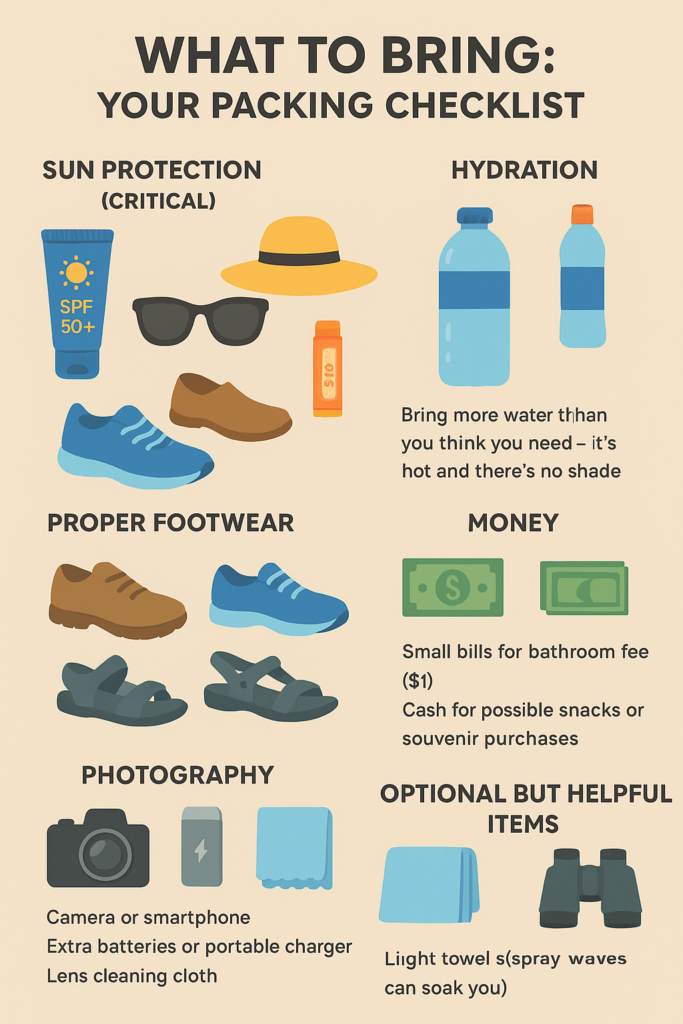
Essential Items You Must Have
Sun Protection (Critical):
- Sunscreen SPF 50+ (bring extra for reapplication)
- Wide-brimmed hat
- Sunglasses with UV protection
- Lip balm with SPF
Hydration:
- Water (bring MORE than you think you need—it’s hot and there’s no shade)
- Extra water in your car
Proper Footwear:
- Closed-toe shoes with good grip
- Athletic shoes or hiking sandals work well
- Do not wear flip-flops
Money:
- Small bills for bathroom fee ($1)
- Cash for possible snacks or souvenir purchases
Photography:
- Camera or smartphone
- Extra batteries or portable charger
- Lens cleaning cloth (wind blows sand everywhere)
Optional but Helpful Items
- Light towel (spray from waves can soak you)
- Snacks (limited food options on site)
- Binoculars (for spotting seabirds and distant features)
- Plastic bag for protecting electronics from spray
Environmental Responsibility and Respect
Leave No Trace Principles
Practice responsible tourism:
- Pack out everything you bring in—leave no trash
- Stay on designated paths to protect fragile coastal ecosystems
- Don’t disturb tide pools or marine life
- Don’t remove rocks, shells, or any natural materials
The Rock Cairn Issue
While you may see many rocks stacked at the site (rock cairns), as it is said to bring “good luck,” it is not part of the natural landscape of Aruba and it’s best not to participate.
These cairns can actually:
- Damage natural habitats
- Disrupt wildlife
- Alter the natural appearance of the site
- Destabilize rock formations
Please don’t add to or create rock cairns. Appreciate the natural landscape as it is.
Final Thoughts: Why You Should Still Visit
Nearly 20 years after the aruba natural bridge collapse, this site continues to captivate visitors for a simple reason: it tells a story about nature, time, and impermanence that resonates deeply.
Standing where that magnificent arch once stood, looking at the massive chunks of limestone scattered in the churning water, you’re reminded that even the most solid-seeming structures are temporary in nature’s grand timeline.
But here’s what really stayed with me: The Baby Bridge is being carved right now. As you read this, waves are slowly shaping that limestone, just as they shaped the original bridge. Maybe it will stand for centuries more. Maybe it won’t. That’s the beauty and the lesson.
The Natural Bridge area isn’t just about what was lost. It’s about witnessing geological processes in action, understanding deep time, and connecting with the raw power of nature that shapes our world.
So yes, you should absolutely visit the Natural Bridge. Don’t skip it just because the famous arch is gone. What remains—and what continues to form—is just as meaningful, maybe even more so.
Bring your camera, wear good shoes, watch the waves, and take your time. This place has waited millions of years to show you its story. Give it the hour it deserves.
FAQ
Aruba’s original Natural Bridge collapsed in 2005 due to natural erosion from waves and wind, leaving behind large limestone ruins you can still visit today.
Yes. The Natural Bridge site is fully accessible by car, and most visitors reach it via a short, bumpy drive through Arikok National Park’s rugged coastline.
Yes. It’s one of Aruba’s most iconic coastal landmarks, offering dramatic scenery, strong waves, and great photo opportunities—even after the collapse.
No. The original bridge collapsed, and the smaller Baby Natural Bridge nearby is not safe to walk across due to erosion and strong winds.
Yes. It’s intact, easily accessible, and provides excellent angles for photography, especially with the turquoise water framed beneath the arch.
Have you visited Aruba’s Natural Bridge? What surprised you most about the site? Share your experience in the comments below!