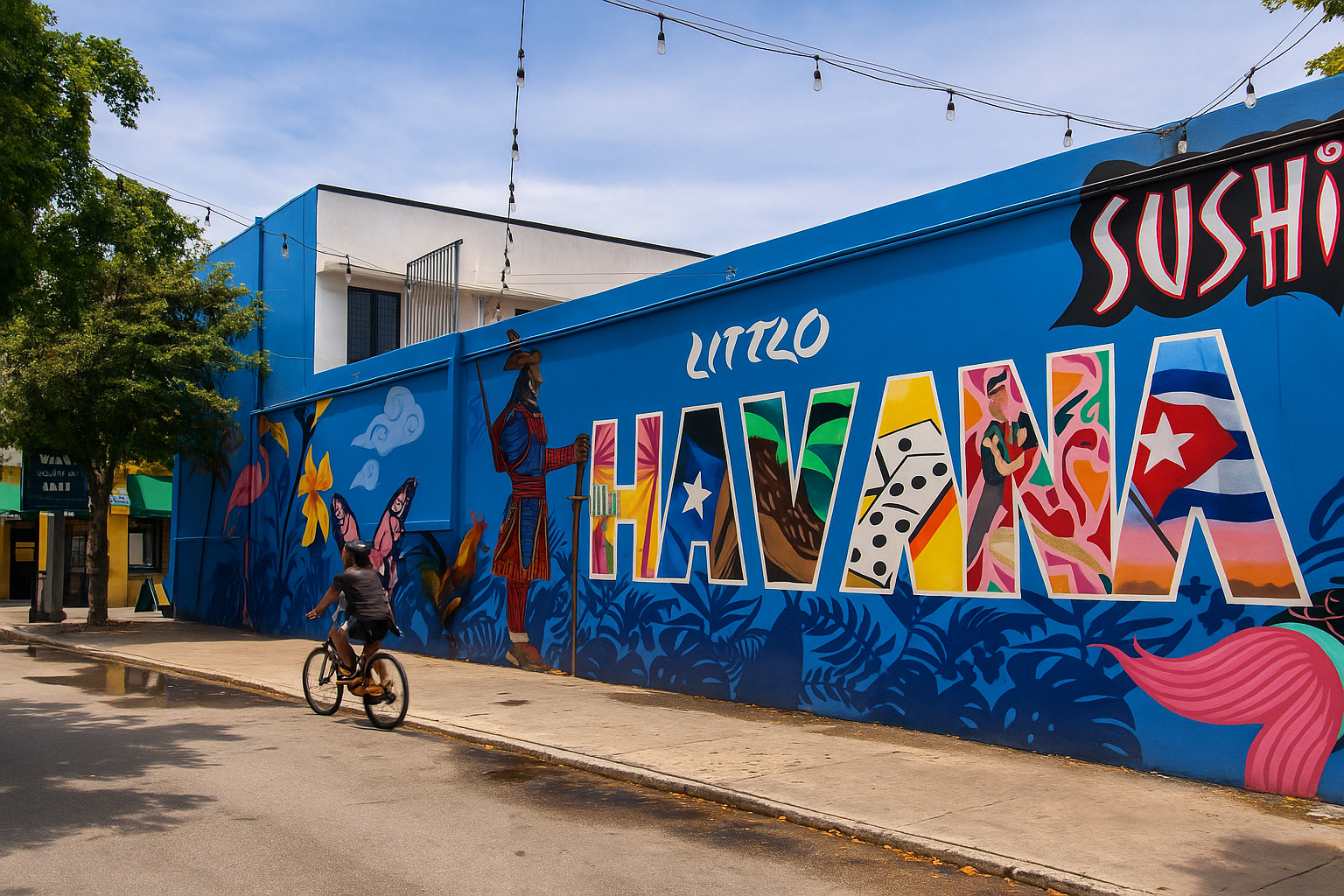
Welcome to Little Havana, Miami’s most vibrant cultural neighborhood where the aroma of Cuban coffee mingles with cigar smoke and salsa music fills the streets. This iconic Miami neighborhood pulses with authentic Cuban heritage, offering visitors an unforgettable journey into Latin American culture without leaving the mainland United States.
Whether you’re searching for the best things to do in Little Havana Miami, planning your visit to this historic district, or looking for authentic Cuban experiences, this comprehensive guide covers everything you need to know about Little Havana.
Table of Contents
What is Little Havana Miami?
Little Havana is Miami’s cultural epicenter, located just west of Downtown Miami and Brickell. This historic neighborhood earned its name and character following the Cuban Revolution in the 1960s when thousands of Cuban refugees settled in the area surrounding Southwest 8th Street, known locally as Calle Ocho.
The neighborhood stretches roughly from SW 37th Avenue to SW 4th Avenue, with Calle Ocho serving as its beating heart. In 2017, Little Havana was designated a National Treasure by the National Trust for Historic Preservation, recognizing its immense cultural significance.
Today, Miami Little Havana is home not only to Cuban exiles and their descendants but also to immigrants from Central and South America, creating a vibrant multicultural community that celebrates Latin American heritage. The streets buzz with Spanish conversations, domino tiles click in the parks, and the rhythm of salsa and son fills the air from morning until late into the night.

Planning Your Visit to Little Havana Miami
Getting to Little Havana Miami
Little Havana is easily accessible from anywhere in Greater Miami. Located approximately 10 minutes from Miami International Airport by car, the neighborhood sits just west of Downtown Miami and Brickell, making it convenient for tourists staying in most Miami hotels.
Public transportation is readily available, with numerous bus routes traversing the area along Calle Ocho and connecting Little Havana to other Miami neighborhoods. If you’re driving, street parking is available throughout the neighborhood, though it can be limited during peak hours and special events.
Explore Little Havana Miami Location On Google Map
Best Time to Visit Little Havana Miami
Little Havana welcomes visitors year-round, but certain times offer special experiences. The neighborhood comes alive during Viernes Culturales (Cultural Fridays) on the third Friday of every month, when Calle Ocho transforms into a pedestrian-only street celebration featuring art, music, food, and culture.
The annual Calle Ocho Music Festival in March draws over one million visitors for the largest Hispanic street festival in the United States. For a quieter experience, visit on weekday mornings when you can watch locals playing dominoes and enjoy coffee at ventanitas without the crowds.
Plan to spend at least 3-4 hours exploring Little Havana. A half-day visit allows time to walk Calle Ocho, enjoy a leisurely Cuban meal, watch cigar rolling demonstrations, and soak in the neighborhood’s unique atmosphere.
Starting Point: Little Havana Miami Visitors Center
Begin your Little Havana adventure at the neighborhood’s visitors center, located at 1600 SW 8th Street. Here you’ll find helpful staff who can provide maps, answer questions, and offer insider tips about current events and the best spots to visit.
The visitors center serves as an excellent orientation point before you dive into exploring everything this remarkable neighborhood offers. Staff members speak both English and Spanish and can help you plan your route through Little Havana based on your interests and available time.
Top Things to Do in Little Havana Miami
Explore Calle Ocho: The Heart of Little Havana
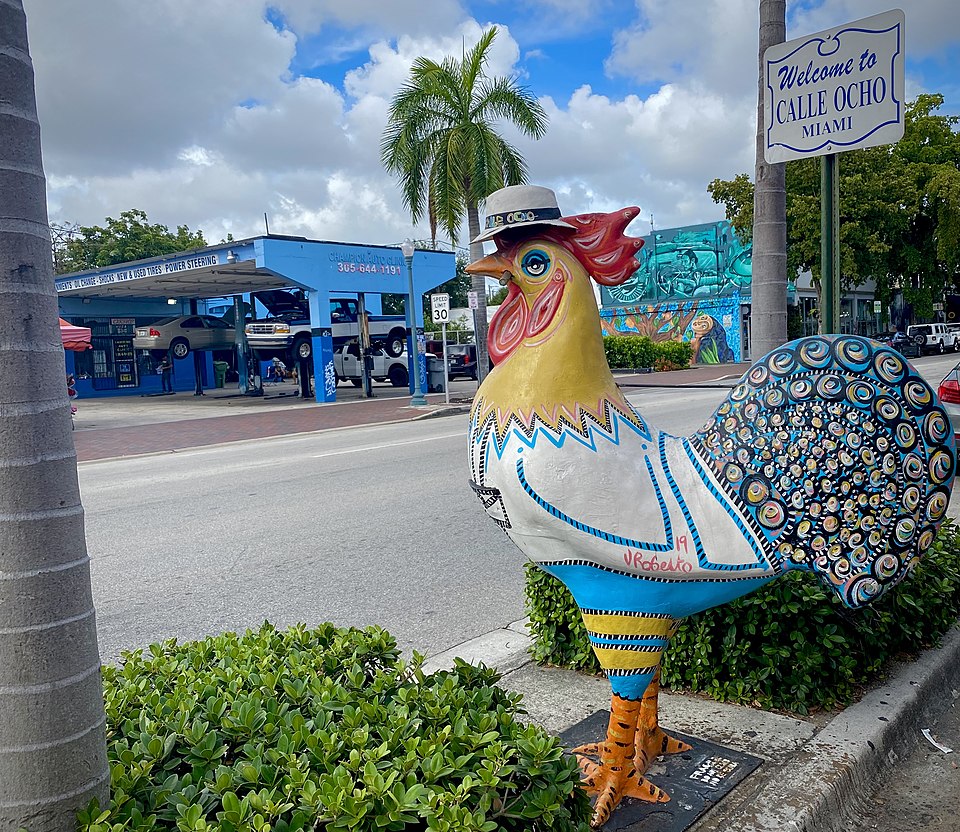
Calle Ocho (Southwest 8th Street) serves as the heart of Little Havana because it runs through the entire neighborhood where Cuban heritage dominates all aspects of the street life. The street provides visitors with an opportunity to experience the genuine Latin American cultural roots of Miami.
The Calle Ocho Walk of Fame features sidewalk stars that honor both Latin entertainment personalities and musical artists and cultural figures. Look for the star of Celia Cruz, the “Queen of Salsa,” whose legendary cry of “Azúcar!” (Sugar!)became her trademark. The walk honors the Latin artists who have made significant impacts on music and entertainment and cultural development.
The most culturally rich stretch of Calle Ocho runs between SW 13th and SW 17th Avenues. The area contains the most restaurants and cigar shops and cultural venues and local businesses. Take your time strolling this area, stopping to admire colorful murals like the famous “Cuba Libre” piece by artist Atomik.
The buildings of Little Havana display street art which presents narratives about Cuban heritage and Latin American culture and Miami’s multicultural population. Many walls feature vibrant portraits of cultural icons, historical scenes, and abstract interpretations of the immigrant experience. The outdoor galleries function as perfect photography locations which simultaneously display the artistic essence of the neighborhood.
💬 Guest Review by uzmelissa
“Exploring Cuban American community atmosphere was incredible. Shop and walk along or sit a restaurant eat, listen and drink a rum, it was inspiring I would recommend everyone.”
TripAdvisor Rating: ⭐⭐⭐⭐ 3.9/5 (822+ reviews)
👉 Read more on TripAdvisor
Domino Park (Máximo Gómez Park)
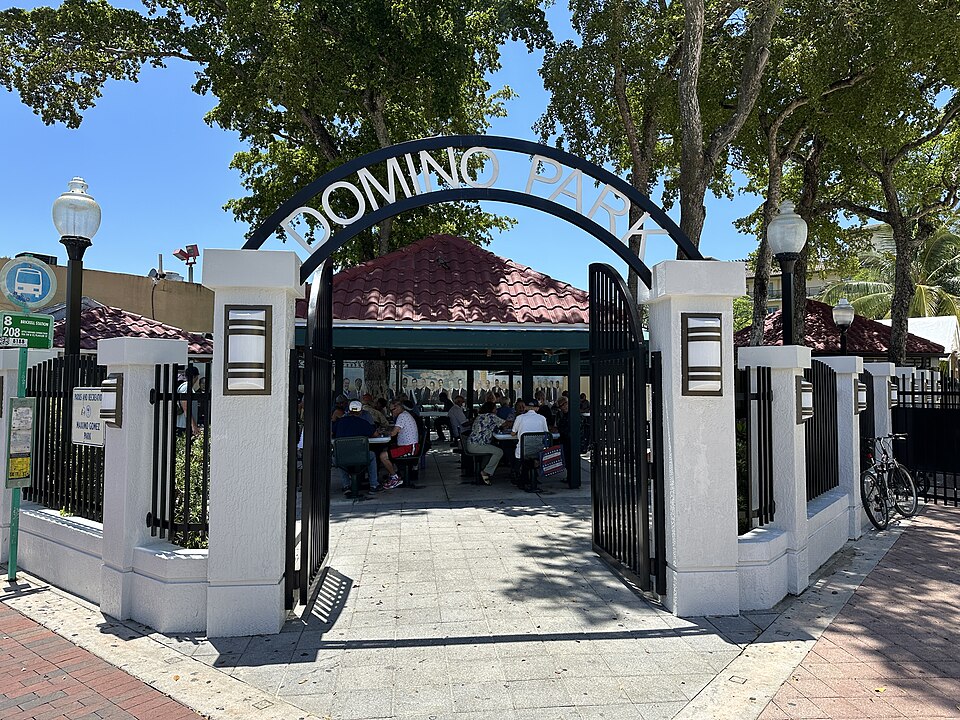
Domino Park, officially named Máximo Gómez Park after a Cuban revolutionary hero, offers one of Little Havana’s most authentic cultural experiences. This open-air gathering space serves as the neighborhood’s social hub where local residents, primarily older Cuban men, meet daily to play dominoes.
Visit any afternoon to watch intense domino games played at concrete tables under a distinctive red pergola. The clicking of tiles, animated conversations in Spanish, and friendly rivalry create an atmosphere you won’t find anywhere else in Miami. While this is primarily a space for locals, respectful visitors are welcome to observe this cherished tradition.
The park sits at SW 8th Street and SW 15th Avenue, making it easily accessible during your Calle Ocho walk. There’s no admission fee, and it’s a photographer’s dream, capturing genuine moments of community and culture. Remember to ask permission before photographing players, as this is their neighborhood gathering spot deserving of respect.
Tower Theater
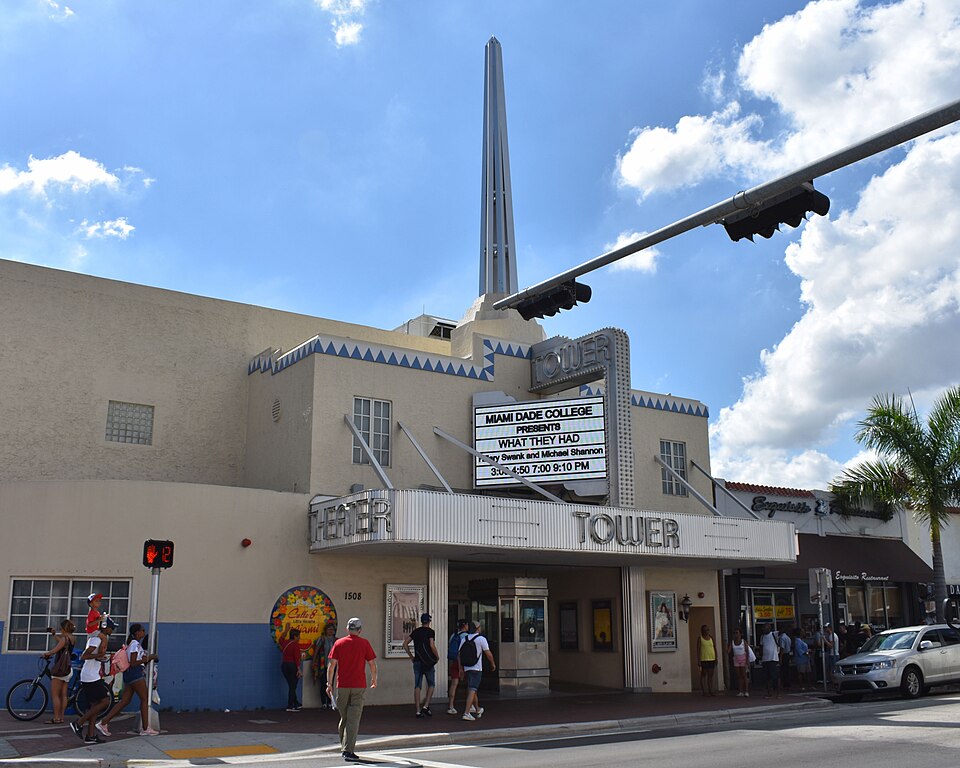
The Tower Theater stands as one of Miami’s oldest cultural landmarks and a symbol of Little Havana’s rich history. Built in 1926 in Mediterranean Revival architectural style, this historic cinema opened as one of the finest state-of-the-art theaters in the South.
When Cuban refugees began arriving in large numbers during the 1960s, Tower Theater became their cultural gateway to American life. The theater modified its programming to show English-language films with Spanish subtitles, helping immigrants acclimate to their new country while maintaining connection to their language and culture.
Located at 1508 SW 8th Street, the Tower Theater has been designated a historic landmark. USA Today once declared it “one of the 10 great places to see a movie in splendor” in their roundup of America’s best old-fashioned movie palaces. The theater’s iconic tower is visible from blocks away, making it a recognizable Little Havana landmark.
While the theater’s current status has changed (the city of Miami took over operations in 2023), the building remains an important piece of Little Havana’s architectural and cultural heritage. Visitors can still admire the exterior and appreciate its significance to the Cuban-American community.
Cubaocho Museum and Performing Arts Center
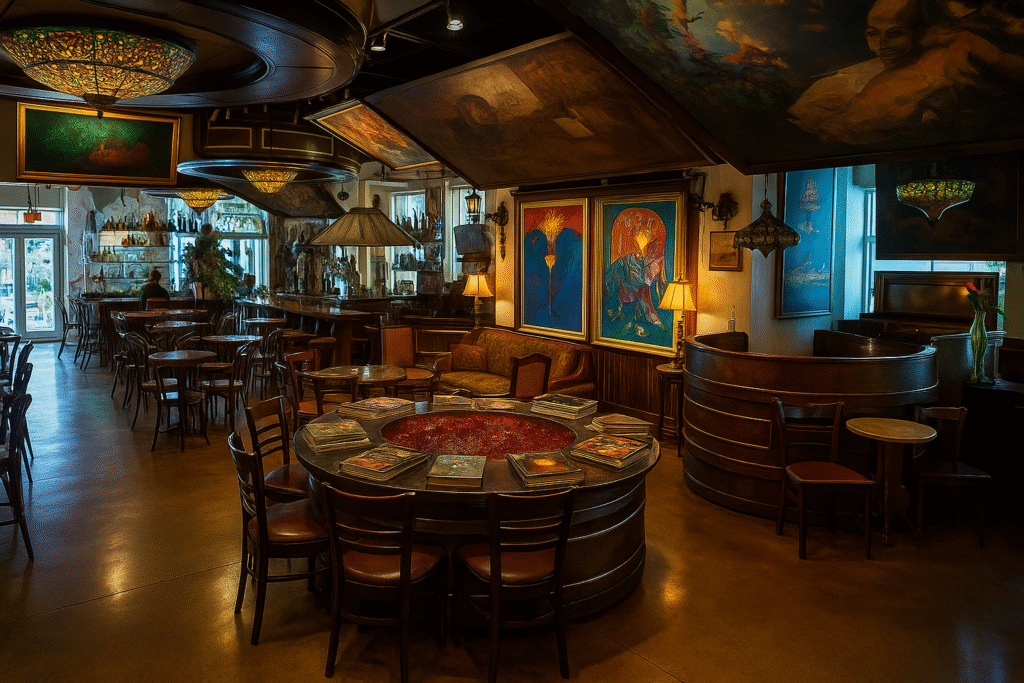
Cubaocho Museum and Performing Arts Center celebrates Cuban art, music, and culture in an intimate setting at 1465 SW 8th Street. This cultural venue combines an art gallery, performance space, and bar serving excellent mojitos and Cuban cocktails.
The museum features rotating exhibitions of contemporary Cuban and Latin American art, photography, and cultural displays. Exhibitions change regularly, showcasing both established and emerging artists from Miami’s vibrant arts community and beyond. The gallery space provides context for understanding Cuban artistic traditions and their evolution in exile.
Live music fills Cubaocho several nights a week, with performances ranging from traditional Cuban son and bolero to contemporary Latin jazz and salsa. The intimate performance space creates an up-close experience with musicians, making it feel like you’re attending a private concert in Havana.
The bar at Cubaocho serves some of Little Havana’s best mojitos, crafted with fresh mint, quality rum, and authentic Cuban technique. It’s the perfect place to relax with a drink while soaking in the artistic atmosphere. Check their schedule before visiting to catch live performances or special cultural events.
💬 Guest Review by packerfan71
“This venue on Calle Ocho is very friendly. Pablo, the host, goes out his way to share the history of Little Havana to guests. The artwork covering the walls of this bar is beautiful and full of historical significance. The live music was joyful and fun. They serve excellent mojitos .”
TripAdvisor Rating: ⭐⭐⭐⭐ 4.5/5 (186+ reviews)
👉 Read more on TripAdvisor
Bay of Pigs Museum and Cuban Memorial Plaza
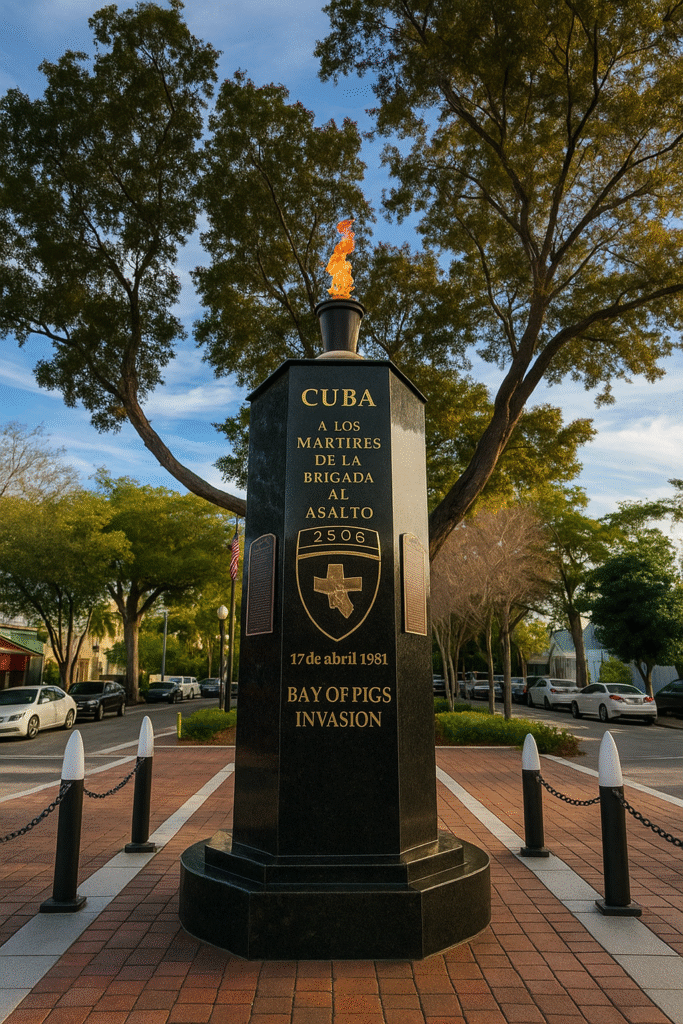
The Bay of Pigs Museum, also known as the Brigade 2506 Museum, preserves the history of the failed 1961 invasion attempt to overthrow Fidel Castro. A small museum situated near Calle Ocho showcases invasion-related photographs and historical documents and artifacts that tell the story of the invasion and its consequences.
The museum honors the 2506 Brigade members who fought in the Bay of Pigs invasion, many of whom settled in Little Havana after their release from Cuban prisons. The historical period of the Cuban Missile Crisis can be understood through personal accounts and historical background and physical evidence from military artifacts.
Adjacent to the museum, the Cuban Memorial Plaza features monuments honoring Cuban heroes and freedom fighters. The Eternal Torch which President John F. Kennedy lit in 1963 continues to burn as a tribute to those who lost their lives in Cuba’s struggle for independence. The plaza receives shade from a big ceiba tree which holds religious value in Cuban traditions.
The memorial serves as a gathering place during significant events in Cuban history and politics. The sites enable visitors to learn about Little Havana’s historical development and the key events which established the Cuban-American population.
Watch Master Cigar Rollers at Work
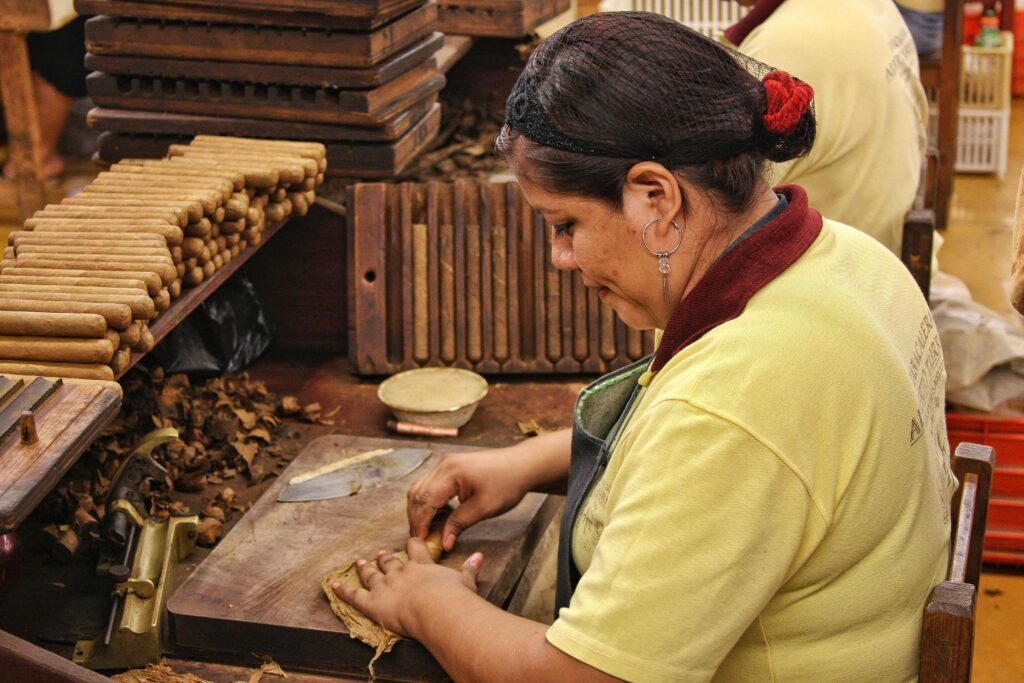
Watching a master cigar roller (torcedor) create hand-rolled cigars is one of Little Havana’s most fascinating experiences. Several shops along Calle Ocho offer demonstrations where skilled artisans practice this centuries-old craft.
Little Havana Cigar Factory, located at 1501 SW 8th Street, provides free demonstrations daily. Watch as expert torcedores select tobacco leaves, roll them with practiced precision, and shape cigars entirely by hand. The process requires years of training and produces cigars far superior to machine-made alternatives.
Casa Habano, another respected cigar shop in the neighborhood, also features skilled rollers working throughout the day. Many of these craftsmen learned their trade in Cuba before immigrating to Miami, carrying on traditions passed down through generations.
Even if you don’t smoke cigars, the artistry involved is captivating to watch. The shops also sell premium hand-rolled cigars, Cuban-seed tobacco products, and accessories. Staff members can explain different tobacco varieties, cigar sizes, and the aging process that creates complex flavors.
Shop for Authentic Guayaberas
The traditional Cuban shirt known as Guayaberas carries vertical pleats and pocket details which stem from the cultural traditions of Little Havana. D’Asis Guayaberas operates at 5840 SW 8th Street where customers can find genuine high-quality guayaberas for both male and female customers.
The stylish shirts match Miami’s warm weather conditions while they work for both everyday and business events in Cuban society. D’Asis offers traditional white guayaberas as well as contemporary variations in various colors and fabrics. The shop operates as a community institution which has existed for many years to offer genuine clothing items made through correct construction methods.
The guayabera stands as a significant souvenir from Little Havana because it represents the fashion and cultural traditions of the neighborhood. The shirts have four pockets and ventilated panels which provide comfort in hot weather while keeping their elegant design.
Store staff members will assist you in learning about both size and style conventions. A high-quality guayabera represents a worthwhile purchase for any occasion from formal events to everyday Miami fashion needs.
Viernes Culturales (Cultural Fridays)
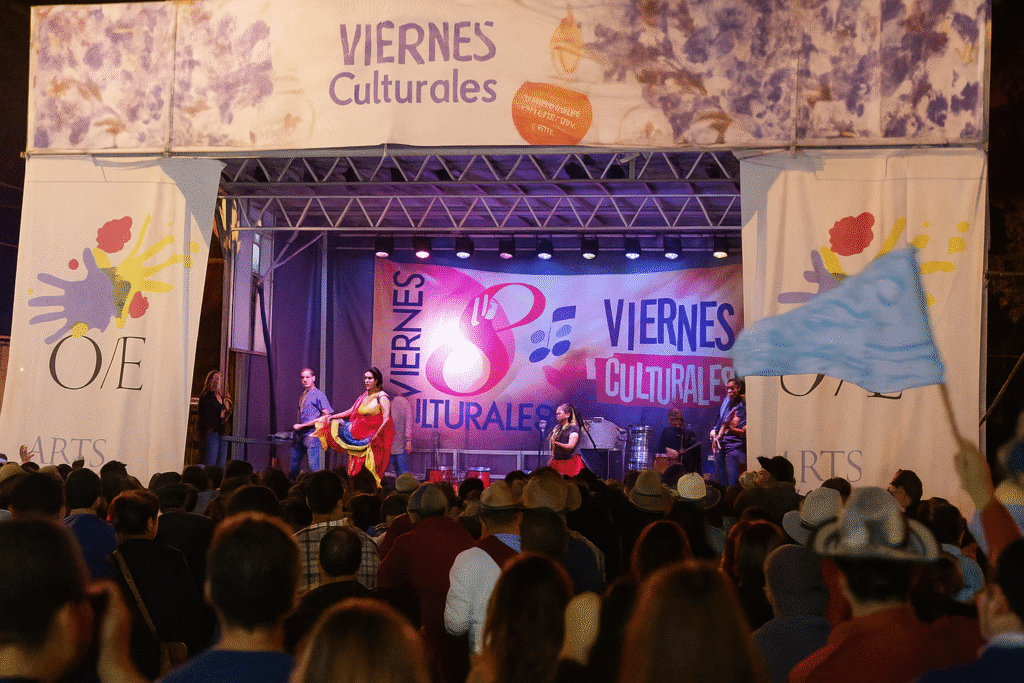
Viernes Culturales transforms Little Havana into an outdoor cultural celebration on the third Friday of every month. From midday until late evening, SW 8th Street between 14th and 17th Avenues becomes pedestrian-only, creating a street festival atmosphere.
This free monthly event showcases the best of Little Havana’s culture. Art galleries stay open late, local artisans sell handcrafted goods, restaurants extend outdoor seating onto the street, and live music fills multiple stages. Master cigar rollers demonstrate their craft, and you can watch locals playing dominoes at street-side tables.
Dr. Paul George, HistoryMiami Museum’s resident historian, leads free walking tours during Viernes Culturales, meeting at the Tower Theater at 7 p.m. These tours provide historical context and insider stories about the neighborhood’s evolution. Arrive early as tours fill up quickly.
Viernes Culturales welcomes all ages and celebrates Miami’s Latin American community. It’s the perfect time to experience Little Havana at its most vibrant, when locals and visitors come together to share food, art, music, and culture.
Where to Eat in Little Havana Miami
Versailles Restaurant
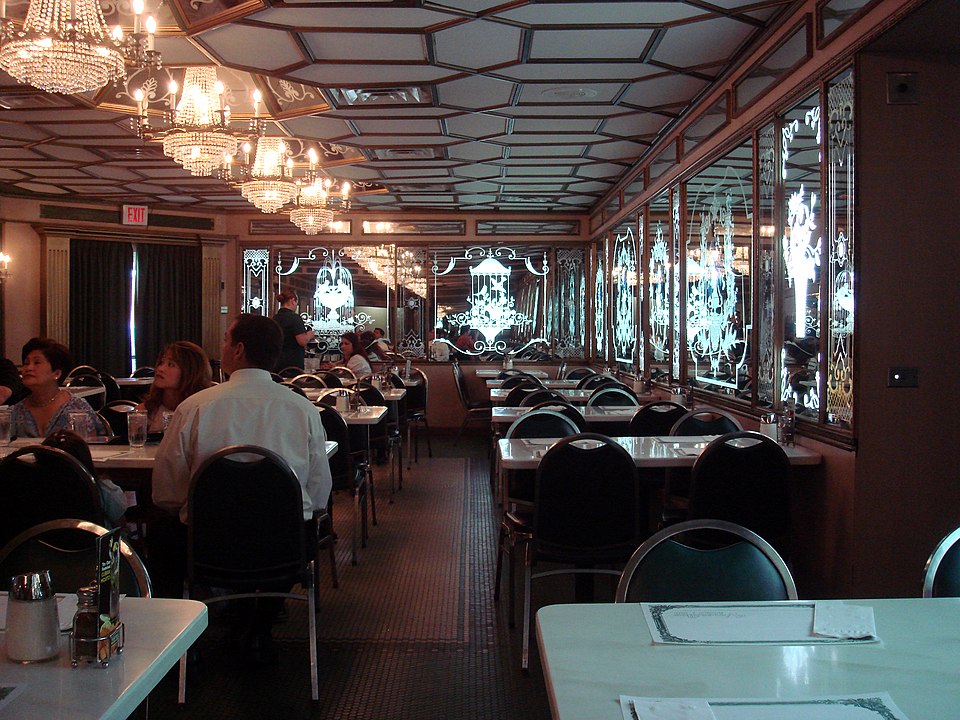
Versailles Restaurant, located at 3555 SW 8th Street, stands as Little Havana’s most iconic dining destination. This family-owned restaurant has been serving authentic Cuban cuisine since 1971, becoming a cultural institution far beyond just a place to eat.
The restaurant seats 370 people in a dining room decorated with ornate etched glass, chandeliers, and mirrors reminiscent of the Palace of Versailles (though the French influence ends with the décor). The extensive menu features Cuban comfort classics from breakfast through late night, with dishes like ropa vieja, lechón asado, vaca frita, and arroz con pollo.
Versailles’ Cuban sandwich is legendary, with perfectly toasted bread, tender roasted pork, ham, Swiss cheese, pickles, and mustard creating harmonious flavors. The restaurant also serves an Elena Ruz sandwich, a uniquely Cuban creation with turkey, cream cheese, and strawberry marmalade on sweet medianoche bread.
Beyond food, Versailles holds special significance as the unofficial gathering place for Miami’s Cuban-American community. Politicians come here to court Cuban votes, media stages broadcasts from the restaurant during important Cuban news, and the community gathers here during moments of political significance. It’s open Monday-Thursday 8 a.m.-1 a.m., Friday-Saturday 8 a.m.-2:30 a.m., and Sunday 9 a.m.-1 a.m.
El Exquisito Restaurant
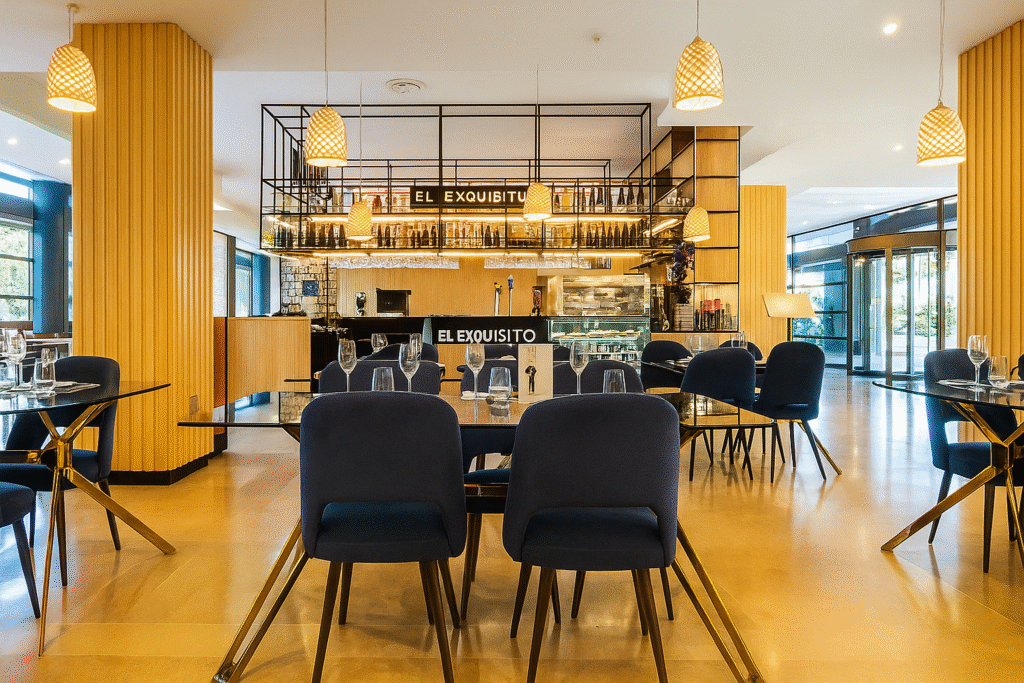
El Exquisito, at 1510 SW 8th Street, offers authentic Cuban cuisine in a family-owned restaurant with over half a century of history. Owner Heliodoro Coro bought the space in 1974, and the restaurant has expanded twice due to its loyal following.
What began as a small 16-seat cafeteria next to Tower Theater now seats 75 guests and serves traditional Cuban dishes with reasonable prices and generous portions. The menu includes variety of meat, pork, poultry, and seafood dishes, plus sandwiches, sides, and daily specials ranging from hearty soups to oxtail stew.
Popular dishes include vaca frita, lechón asado, and the Tuesday tamal special served in soup form. Locals recommend the crema de malanga, an uncommon Cuban soup that’s both delicious and comforting. The restaurant’s yuca with mojo sauce is another favorite, featuring tangy, garlicky sauce over the root vegetable.
El Exquisito represents authentic neighborhood dining where quality and tradition matter more than trendy presentation. The quaint environment and attentive service make it feel like dining at a Cuban family’s home. It’s open Monday-Thursday and Sunday 7 a.m.-11 p.m., Friday-Saturday 7 a.m.-midnight.
La Carreta
La Carreta operates as the “living room of Cuban Miami,” a beloved restaurant chain with several locations including one on Calle Ocho. This casual dining spot serves authentic Cuban cuisine in a comfortable, family-friendly atmosphere.
The restaurant is known for consistent quality and generous portions at reasonable prices. Popular dishes include palomilla steak, ropa vieja, and traditional Cuban sandwiches. The rice and beans are particularly praised, with many considering them among the best in Miami.
La Carreta stays open late, making it a favorite for after-club dining and late-night cravings. The accessible prices and reliable quality make it popular with both locals and tourists. Multiple locations throughout Miami mean you can enjoy their food beyond just Little Havana.
Ball & Chain
Ball & Chain, located at 1513 SW 8th Street, is more than a restaurant—it’s Little Havana’s premier nightlife destination with live music, dancing, and excellent mojitos. Originally opened in 1935, the venue hosted legendary performers including Billie Holiday, Chet Baker, and Count Basie before closing in the 1950s.
The venue reopened in 2021, returning with the vibrant energy that made it famous. Multiple live bands play throughout the week, with different themed nights featuring salsa, bachata, Latin jazz, and more. The outdoor patio and indoor spaces create perfect settings for dancing under the stars.
Ball & Chain offers free salsa and bachata lessons multiple nights per week. Mondays feature Mambo Mondays with free lessons at 9 p.m., Wednesdays offer Sabor Wednesday with live salsa music by the Mandy y La Clave Quartet, Thursdays bring Little Havana Under the Stars, and Fridays showcase Miami Boheme with premier salsa bands.
The food menu includes Cuban-inspired tapas and entrées, but most visitors come for the drinks and atmosphere. The mojitos are famously good, crafted with fresh mint and quality rum. The fish tacos also receive consistent praise. Reservations are recommended for tables, especially on weekend nights when the venue fills with dancers.
Sweet Treats and Cafecito Culture
Azucar Ice Cream Company
The artisanal ice cream shop Azucar Ice Cream Company operates from 1503 SW 8th Street to serve Cuban and tropical ice cream flavors. Founded by Suzy Batlle in 2011 in honor of her abuela, this beloved shop has become a Little Havana institution.
The ice cream shop presents more than 40 fresh daily made Latin-inspired flavors which use natural ingredients and local produce. The Abuela María signature flavor unites vanilla ice cream with guava pieces and cream cheese and Maria cookies to produce a frozen treat that represents traditional Cuban sweets.
Other popular flavors include Mantecado (Cuban vanilla with cinnamon and nutmeg reminiscent of eggnog), Café con Leche (espresso ice cream with Oreos), Plátano Maduro (sweet plantain), Mamey (when seasonal), Flan (in three varieties), and Mulatica (cinnamon oatmeal cookie). The creative menu also includes flavors like Elvis (peanut butter and banana) and Willy Chirino (bourbon with black cherries).
The shop presents Cuban culture through its “guayabera-wrapped” seats which resemble the plastic coverings Cuban grandmothers used on furniture and its large Celia Cruz portrait. The outdoor space features live salsa bands on weekends which generate an exciting party environment. The restaurant operates from 11 a.m. to 9 p.m. on Mondays through Wednesdays and from 11 a.m. to 11 p.m. on Thursdays through Saturdays and from 11 a.m. to 10 p.m. on Sundays.
Cuban Coffee Windows (Ventanitas)
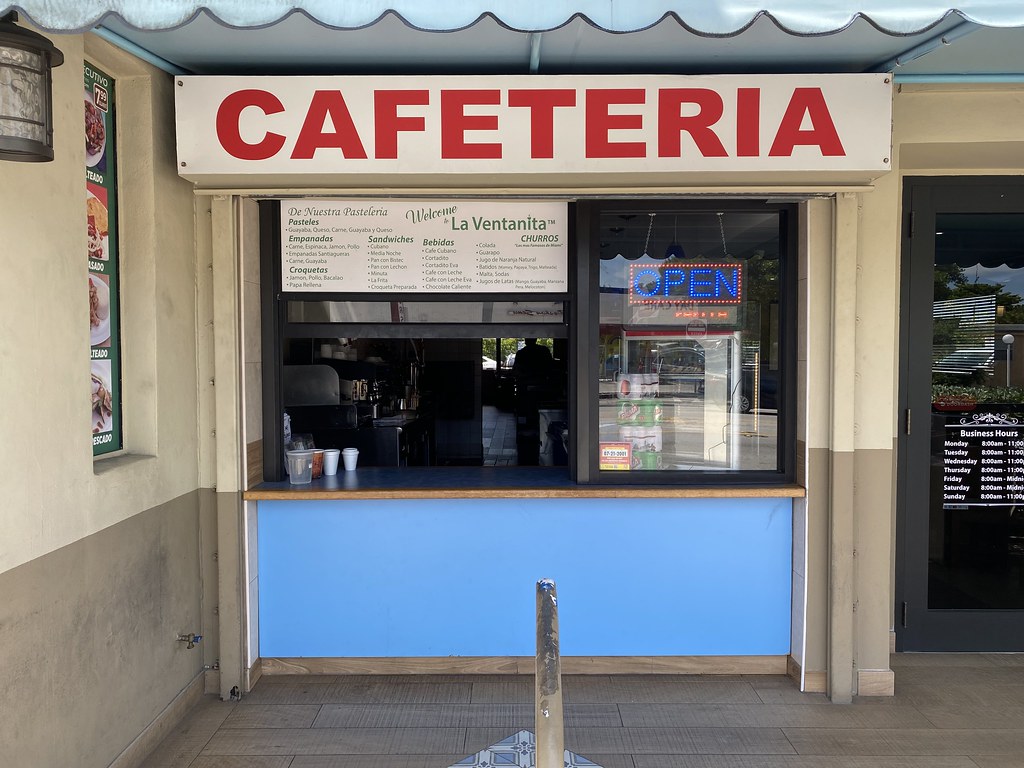
No visit to Little Havana is complete without experiencing cafecito from a ventanita—a walk-up coffee window. These windows serving strong Cuban espresso are scattered throughout the neighborhood, offering authentic coffee culture.
Cuban coffee comes in several varieties. Cafecito is a small shot of sweetened espresso, while cortadito adds a splash of steamed milk. Colada is a larger serving meant for sharing among friends, served with small cups. All Cuban coffee is sweetened during brewing, creating thick, syrupy espresso unlike American coffee.
Many restaurants including Versailles have ventanitas serving coffee and pastries. These windows allow you to order and enjoy your coffee standing outside, often alongside locals discussing politics, sports, or neighborhood news. It’s a quintessentially Cuban social experience.
Expect strong, sweet coffee served in tiny cups. Even if you typically take coffee black, Cuban coffee comes pre-sweetened as part of the traditional preparation. The sugar whipped with the first shots of espresso creates an essential layer of foam called espuma.
Cuban Bakeries and Pastelitos
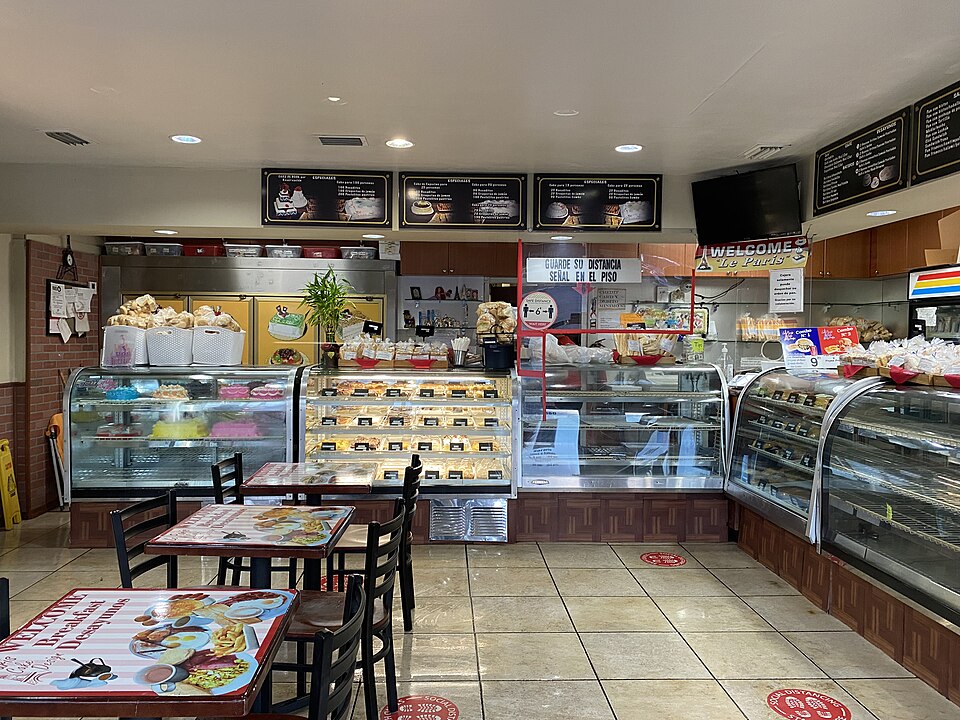
The bakeries in Little Havana offer freshly baked pastelitos which are flaky pastry pockets containing guava or cream cheese or meat or any combination of these fillings. The snacks in this list are perfect for walking around your neighborhood.
Versailles Bakery, adjacent to the restaurant, offers wide selection of Cuban pastries, cakes, and breads. The guava pastelitos stand out as a favorite among customers because they contain sweet guava paste which is wrapped in buttery and flaky pastry. Meat pastelitos filled with seasoned ground beef offer a savory alternative.
Other bakery items include croquetas (breaded and fried cylinders of ham, chicken, or fish in béchamel), pan cubano (Cuban bread perfect for sandwiches), and flan for dessert. The bakeries in Little Havana offer both café con leche and cafecito which makes them ideal locations to start your Cuban day.
The bakery starts its operations in the early part of the day to serve fresh pastries and coffee to the local customers who come in during the morning hours. The store offers affordable prices which enable customers to purchase various items at budget-friendly rates.
Shopping in Little Havana Miami
Cigar Shops
Little Havana’s cigar shops offer premium hand-rolled cigars made with Cuban-seed tobacco. The United States prohibits genuine Cuban cigars but Miami cigar manufacturers work with tobacco seeds that come from Nicaragua Honduras and the Dominican Republic.
Little Havana Cigar Factory at 1501 SW 8th Street features master torcedores rolling cigars while you watch. The store provides different cigar sizes and blends which range from light to strong and staff members assist customers in choosing the right cigars. They also sell humidors, cutters, lighters, and other accessories.
Casa Habano offers customers the same level of expertise from their skilled rollers and a wide range of cigars. The majority of stores permit smoking within their facilities or in designated smoking areas that are located near the main building. The prices at this shop depend on the size and tobacco quality of the cigars yet hand-rolled cigars provide superior value than machine-made products.
Even non-smokers find value in visiting these shops to watch the craftsmanship involved in cigar rolling. The shops represent an important cultural tradition that Cuban immigrants brought to Miami.
Art Galleries
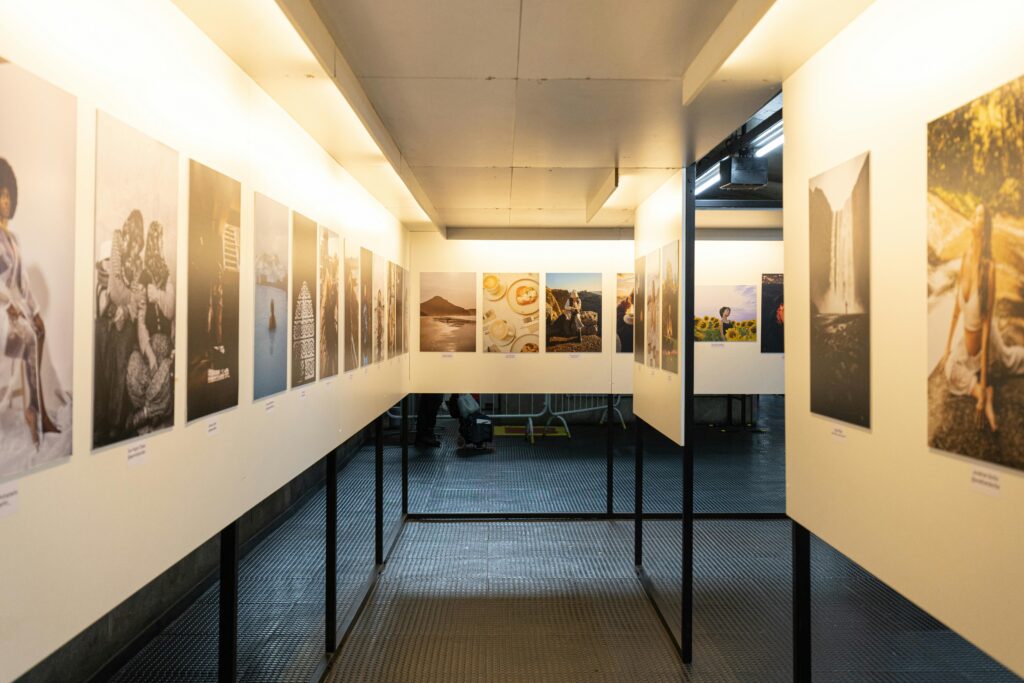
Little Havana’s art scene showcases Cuban and Latin American artists through several galleries along Calle Ocho. Futurama 1637 Art Building houses multiple galleries featuring contemporary works, photography, and installations.
Galleries often participate in Viernes Culturales, staying open late with special exhibitions and artist receptions. The accessible art scene allows visitors to meet artists, learn about their work, and purchase original pieces.
Street art and murals throughout the neighborhood also serve as outdoor galleries. Many businesses commission local artists to create vibrant exterior murals, turning ordinary walls into cultural statements and photo opportunities.
Souvenir Shopping
Beyond cigars and art, Little Havana offers various souvenirs celebrating Cuban and Miami culture. Look for Cuban flags, vintage posters, domino sets, guayaberas, and music recordings.
Several shops specialize in Cuban memorabilia, including vintage photographs, political posters, and cultural artifacts. These items provide tangible connections to Cuban history and the immigrant experience.
Support local businesses by purchasing from neighborhood shops rather than generic tourist stores. The authentic items and cultural context make them more meaningful souvenirs of your Little Havana experience.
Where to Stay: Little Havana Miami Hotels
Tower Hotel Little Havana
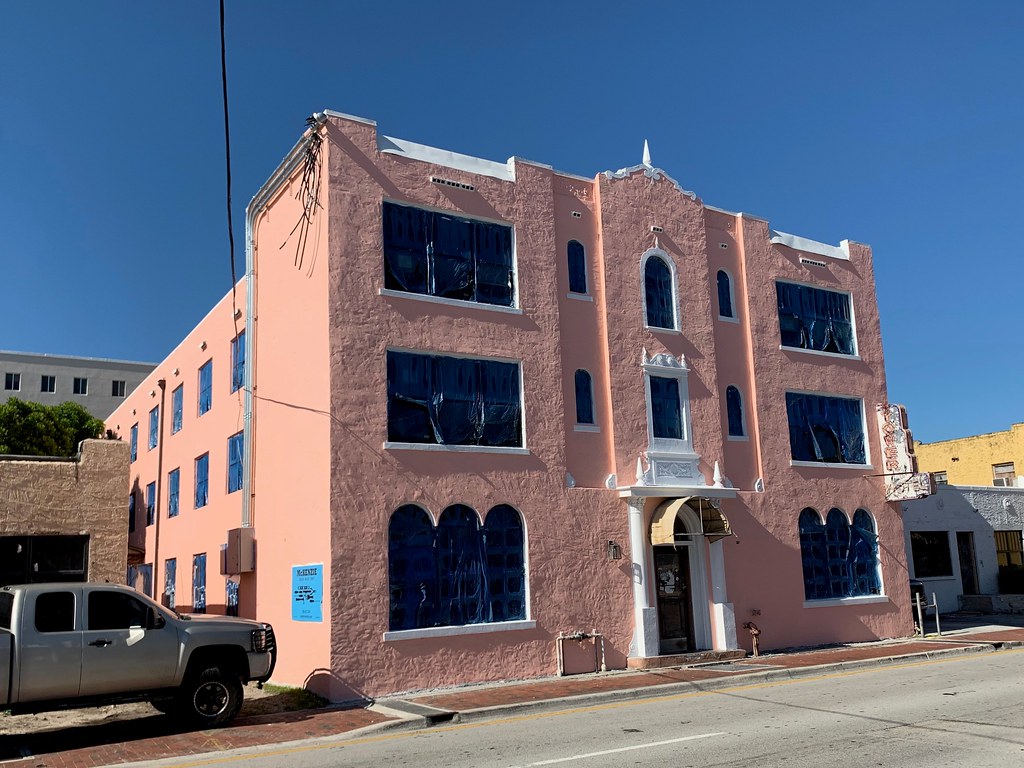
The Tower Hotel Little Havana at 1508 SW 8th Street provides guests with easy access to stay in the middle of the neighborhood. The 3-star hotel features 35 air-conditioned rooms which provide modern amenities such as free WiFi and flat-screen TVs and private bathrooms.
The hotel sits just a 6-minute walk from Domino Park and Cubaocho Museum, making it ideal for exploring Little Havana on foot. It’s located 4 km from Bayfront Park Station, 4.5 km from Bayside Marketplace, and approximately 10 km from Miami International Airport.
The guest rooms include beds for relaxation and work areas with desks and storage units and temperature adjustment systems. The property includes both a garden area and sun terrace which offer outdoor relaxation spaces for visitors. The 24-hour front desk provides multilingual staff speaking English and Spanish, ready to assist with questions and recommendations.
The hotel receives positive reviews for its spotless environment and welcoming personnel and unique artistic design. The hotel’s position near Calle Ocho enables guests to walk to dining spots and cultural sites and entertainment venues. The building design combines artistic elements with gallery features and decorative elements to create artistic design throughout its spaces.
Life House, Little Havana Miami
Life House offers boutique accommodation in Little Havana with stylish design and modern comforts. This contemporary hotel provides a more upscale experience while maintaining proximity to neighborhood attractions.
The property features well-appointed rooms with attention to design details, comfortable furnishings, and amenities catering to both leisure and business travelers. The hotel’s aesthetic combines modern Miami style with nods to local culture.
Location advantages include walking distance to Calle Ocho’s restaurants and cultural venues while offering a quieter retreat from the neighborhood’s busiest areas. The boutique size creates more personalized service compared to larger hotel chains.
Why Little Havana Miami Has Limited Hotels
Despite being a major tourist destination, Little Havana has relatively few hotels compared to South Beach or Downtown Miami. The neighborhood primarily consists of residential areas, local businesses, and cultural venues rather than tourism-focused development.
This limited hotel infrastructure actually preserves the neighborhood’s authentic character, preventing the over-commercialization that affects some tourist areas. It means visitors experience a real neighborhood rather than a themed district.
Little Havana has fewer hotels than other Miami neighborhoods, which helps keep its authentic, local vibe intact. Most of the area is filled with family-run cafés, shops, and cultural spots. For nearby areas with more dining options, see my guide to the best restaurants in Downtown Miami
Nearby Accommodation Options
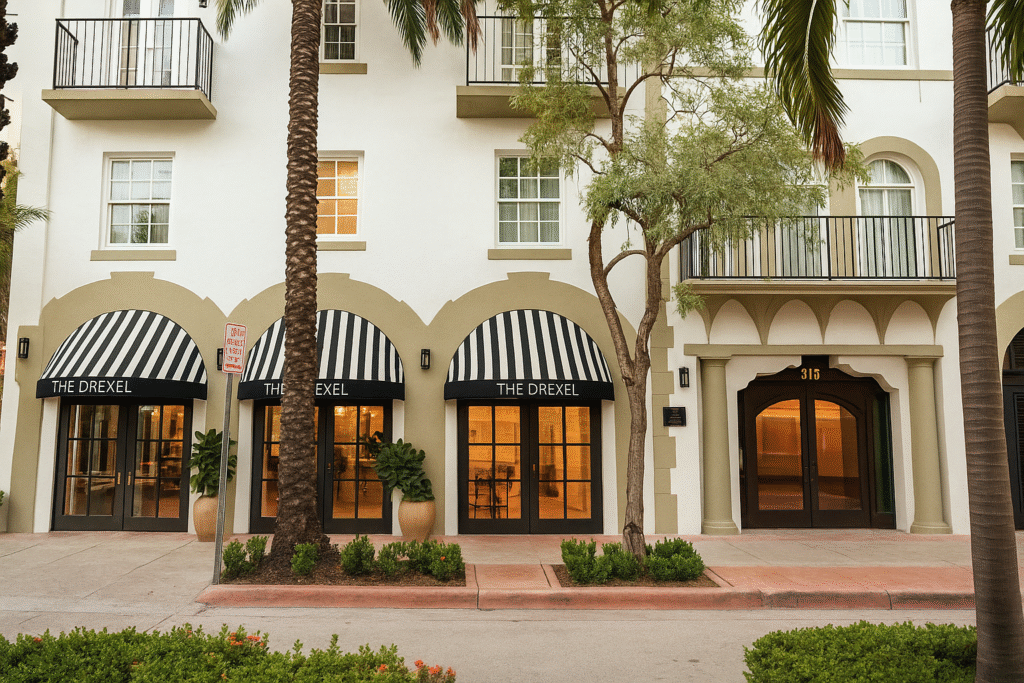
Little Havana has limited hotels, but don’t let that stop you. Several nearby neighborhoods offer tons of accommodation options with easy access to Little Havana.
Brickell
- Distance: 10-15 minutes by car/Uber
- Why stay here: Closest neighborhood to Little Havana with the most hotel variety
Brickell is your best bet for convenience. This sleek, modern neighborhood just east of Little Havana is packed with hotels at every price point. You can visit Little Havana multiple times during your stay without dealing with long drives.
Perfect for visitors who want to maximize time in Little Havana while enjoying Brickell’s restaurants, nightlife, and waterfront views.
Downtown Miami
- Distance: 10-15 minutes by car, accessible by public transit
- Why stay here: Great hotel selection, central location, good transit connections
Downtown Miami offers the widest range of hotels—from budget chains to luxury properties. The area connects well to Little Havana via bus routes and rideshares.
Choose Downtown if you’re exploring multiple Miami neighborhoods and want a central base. You’ll find more affordable options here than in touristy areas.
South Beach
- Distance: 20-30 minutes (traffic dependent)
- Why stay here: Iconic Miami experience, beaches, nightlife
South Beach is farther, but it’s where most first-time Miami visitors want to stay. The famous beach, Art Deco architecture, and electric nightlife make it worth the distance.
Plan to dedicate one afternoon or evening to Little Havana. The 20-30 minute drive is totally manageable when you’re exploring multiple Miami attractions during your trip. Most visitors combine Little Havana with Wynwood, the Design District, and other neighborhoods anyway.
Practical Tips for Visiting Little Havana Miami
Best Times of Day to Visit
Little Havana changes personality throughout the day. Pick your time based on what you want to experience.
Morning (8 a.m. – 11 a.m.): Quiet & Authentic
- Come early for the real Little Havana without tourist crowds. Watch locals grab cafecito at ventanitas, see shop owners opening up, and catch cigar rollers starting their day.
- The neighborhood feels peaceful and intimate. You’ll get better photos, have actual conversations with locals, and experience daily life as it really happens. This is Little Havana at its most genuine.
Afternoon (12 p.m. – 4 p.m.): Full Energy
- Afternoon is peak Little Havana. Everything’s open and buzzing with life.
- Domino Park fills with competitive players. Restaurants serve packed lunch crowds. Cigar rollers demonstrate their craft. Street vendors line Calle Ocho. This is prime time if you only have a few hours—you’ll see it all in action.
- Perfect for first-time visitors who want the complete experience in one visit.
Evening (5 p.m. – Late): Party Mode
- Little Havana transforms into an entertainment destination after sunset. Live salsa music starts at Ball & Chain, restaurants fill with dinner crowds, and the nightlife kicks in.
- Thursday through Saturday nights are the liveliest. Expect dancing, live bands, buzzing outdoor patios, and festive energy that lasts until late. This is when Little Havana becomes Miami’s hottest cultural nightlife scene.
- Come for dinner, stay for the dancing.
Parking and Transportation
The area of Little Havana offers street parking throughout its territory yet Calle Ocho experiences restricted parking availability during busy times. The main attractions are accessible through multiple side streets that offer parking spaces which lead to short walking distances. Always check all parking signs to determine if there are any parking restrictions before you choose a parking spot.
The paid parking lots situated near Tower Theater and major spots offer affordable guaranteed parking options. If visiting during Viernes Culturales, arrive early as parking becomes scarce during the event.
The ride-sharing services Uber and Lyft operate in Miami to provide users with a simple transportation solution. Taxis are also available. The public bus system operates with scheduled routes that link Little Havana to downtown Miami and other areas of the city along Calle Ocho.
Cash vs. Card
Most Little Havana businesses including small shops and cafeterias and ventanitas function with only cash payments. Carry enough money because you will need it to purchase coffee from window service areas and pastries from tiny bakeries and local market goods.
Restaurants accept credit cards but you can find authentic local restaurants by using cash since they do not accept plastic. The area provides multiple ATMs but free-standing machines might request service fees from users.
Spanish Language
While English is understood throughout Little Havana, many locals speak Spanish as their primary language. Learning a few basic phrases enhances your experience and shows respect for the culture:
- Buenos días (Good morning)
- Gracias (Thank you)
- Por favor (Please)
- ¿Cuánto cuesta? (How much does it cost?)
- Cafecito (Small Cuban espresso)
- La cuenta, por favor (The check, please)
Don’t worry if your Spanish is limited or nonexistent—locals appreciate any effort to engage with their language, and most businesses serving tourists have English-speaking staff.
Photography Etiquette

Little Havana offers incredible photo opportunities with colorful buildings, street art, and cultural activities. When photographing, remember you’re in a real neighborhood where people live and work.
Always ask permission before photographing individuals, especially Older people residents at Domino Park or people in shops. Most locals are friendly and willing to be photographed if you ask respectfully, but never assume.
Street art and building exteriors are generally fine to photograph. Save restaurants and businesses are usually photograph-friendly, though ask before taking photos of food preparation areas or cigar rolling.
Combining with Other Miami Neighborhoods
Most visitors combine Little Havana with other Miami experiences. The neighborhood pairs well with visits to Wynwood (15 minutes north for street art and galleries), Downtown Miami (10 minutes east for museums and bayside), and Coconut Grove (15 minutes south for shopping and waterfront).
Plan half a day for Little Havana and combine it with another half-day destination to maximize your Miami experience. Morning in Little Havana followed by afternoon in Wynwood or vice versa creates an excellent day of cultural exploration.
Avoiding Tourist Traps
Little Havana’s popularity means some businesses cater primarily to tourists rather than locals. Signs to look for tourist-trap establishments: aggressive street solicitation, menus in multiple languages with pictures, and pricing significantly higher than nearby alternatives.
Authentic spots have locals as customers, Spanish as the primary language, and staff who know regular customers by name. Don’t shy away from places that look basic or old-fashioned—these often serve the most authentic food.
Trust this guide’s recommendations for tested, quality establishments. When exploring on your own, observe where locals eat and shop, as they know which businesses maintain quality and authenticity.
Little Havana with Kids
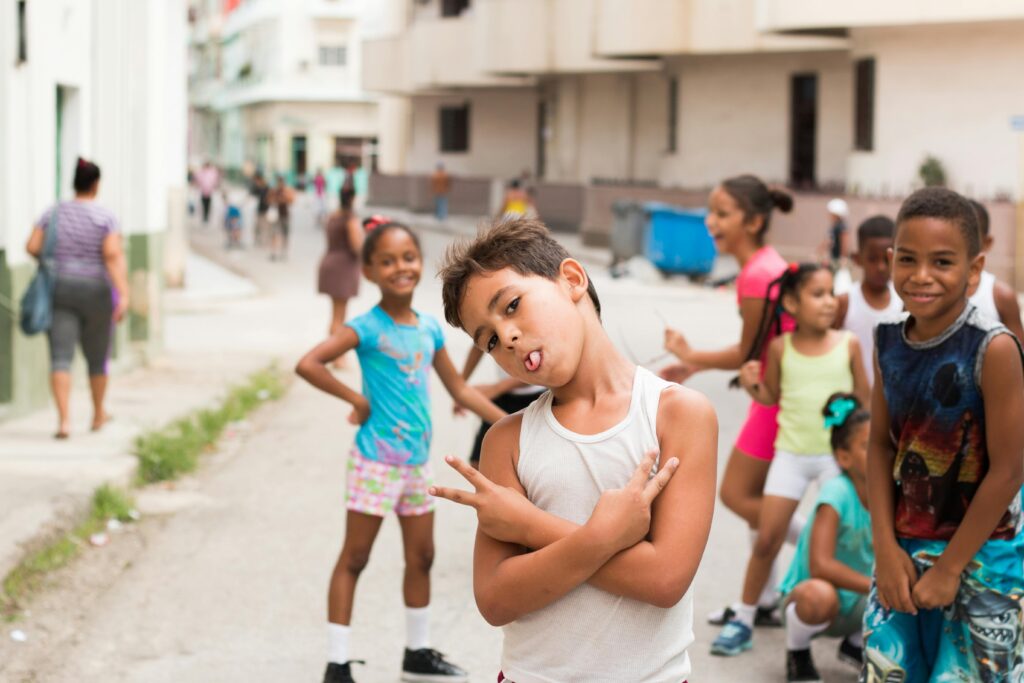
Family-Friendly Attractions
Little Havana welcomes families with children. Kids enjoy watching cigar rolling demonstrations, where the craftsmanship fascinates even young viewers. The colorful street art provides excellent scavenger hunt opportunities—challenge kids to find specific murals or count roosters in artwork.
Domino Park offers cultural education opportunities. Explain the game’s significance to Cuban culture and let children observe the social traditions. Most players enjoy when children show interest in their games.
Viernes Culturales creates family-friendly festival atmosphere with street performances, music, and activities. The pedestrian-only street allows children to move freely while parents explore galleries, food vendors, and cultural exhibits.
Best Restaurants for Families
Versailles Restaurant accommodates families well with large seating capacity and menu items appealing to children. The cafeteria-style bakery section allows kids to see pastries and desserts before ordering, making choices easier.
Azucar Ice Cream Company is obviously popular with children. The creative flavors and colorful atmosphere make it a highlight for young visitors. Let kids try samples before choosing—the staff is generous with tasting spoons.
La Carreta offers casual, family-friendly dining with reasonable prices. The menu includes familiar items like chicken, rice, and plantains that typically appeal to children, even those unfamiliar with Cuban food.
Cultural Learning Opportunities
Children in Little Havana can learn about culture by actively taking part in the community. The community preserves its cultural traditions as it shares immigration stories about how communities maintain their heritage in new countries.
The historical background should be explained to children through their age level about Cuban migration to Miami and their process of creating new lives while keeping their cultural heritage and the significance of Little Havana for cultural protection.
Little Havana serves as a popular destination for families who want to explore immigration and Hispanic culture and Miami history for their school assignments. Students gain authentic learning experiences through their physical contact with genuine food and their exposure to native Spanish speech and traditional cultural practices which extend their education past textbook material.
Tours and Guided Experiences
Miami Culinary Tours
- Miami Culinary Tours offers guided food walking tours through Little Havana, combining cultural education with tastings at authentic restaurants and shops. Expert guides share neighborhood history while introducing participants to Cuban cuisine.
- Tours typically include multiple food stops covering everything from croquetas and empanadas to full Cuban meals and desserts. Guides explain dishes’ cultural significance, ingredients, and preparation methods. These tours work well for food lovers and anyone wanting structured Little Havana introduction.
- The guided format means you’ll visit tested establishments with pre-arranged tastings, avoiding guesswork about where to eat. Guides also provide historical context and answer questions throughout the tour.
Cultural Walking Tours
- Dr. Paul George leads free walking tours during Viernes Culturales, meeting at Tower Theater at 7 p.m. As HistoryMiami Museum’s resident historian, Dr. George provides expert insights into the neighborhood’s evolution, significant sites, and cultural importance.
- These tours cover Little Havana’s history from pre-Cuban immigration through present day, explaining how the neighborhood transformed and why certain locations matter. The free format makes cultural education accessible to all visitors.
- Self-guided walking is also rewarding using this guide’s recommendations. Plot your route along Calle Ocho, marking stops at Domino Park, Tower Theater, Cubaocho, cigar shops, restaurants, and galleries. Walk at your own pace and spend extra time at places that interest you most.
Cigar Factory Tours
- Several cigar shops offer free demonstrations and informal tours explaining the cigar-making process. Little Havana Cigar Factory provides the most structured experience with regular demonstrations and staff explaining each step.
- Watch torcedores select tobacco leaves, strip the center vein, roll the filler and binder, and apply the final wrapper leaf. Learn about different tobacco types, aging processes, and what creates cigars’ various strength and flavor profiles.
- These experiences don’t require purchasing cigars (though many visitors do), making them accessible for curious visitors regardless of whether they smoke. The craftsmanship appreciation transcends the product itself.
When Tours Are Worth It
Guided tours benefit visitors with limited time, those unfamiliar with Miami, and people who appreciate expert context. Food tours especially provide value through access to multiple establishments with pre-arranged tastings.
Independent exploration works well for travelers who enjoy discovering neighborhoods organically, have flexible schedules, and want to linger at places that interest them. This guide provides sufficient information for confident self-guided exploration.
Consider combination approaches—take a guided tour your first visit to Little Havana for orientation and expert insights, then return independently to revisit favorite spots and explore areas the tour didn’t cover.
Conclusion
Little Havana Miami stands as one of America’s most vibrant cultural neighborhoods, where Cuban heritage thrives generations after the first refugees arrived. Walking Calle Ocho, you’ll experience authentic Latin American culture through food, music, art, and daily traditions preserved and celebrated by a proud community.
From watching domino games at Máximo Gómez Park to savoring authentic ropa vieja at Versailles, from dancing salsa at Ball & Chain to enjoying hand-rolled cigars, Little Havana offers experiences found nowhere else in the United States. The neighborhood welcomes visitors to share in its culture while maintaining authentic character that serves local residents.
Plan your visit to include both famous landmarks and quieter moments observing daily life. Stop for cafecito at a ventanita, watch master torcederos roll cigars by hand, explore art galleries showcasing Cuban artists, and dance to live salsa music under the stars. Each experience connects you to the immigrant story and cultural preservation that defines Little Havana.
Whether you spend a few hours or a full day exploring, Little Havana leaves lasting impressions. The vibrant colors, rich flavors, passionate music, and warm hospitality create memories extending beyond typical tourist attractions. You’re experiencing living culture, not preserved history.
Start planning your Little Havana adventure today. Visit the Little Havana Visitors Center at 1600 SW 8th Street for current information, maps, and personalized recommendations. The neighborhood awaits with open arms, ready to share the best of Cuban culture in the heart of Miami.
Frequently Asked Questions
Absolutely! Little Havana offers vibrant Cuban culture, colorful murals, live music, and authentic cuisine, making it a must-visit Miami neighborhood.
Start with a stroll along Calle Ocho, enjoy Cuban coffee at local cafés, explore Domino Park, visit the Bay of Pigs Museum, and end with live music at Cubaocho Museum
Don’t miss the vibrant street art, Cuban cigar shops, Domino Park, Calle Ocho landmarks, and cultural spots like the Tower Theater.
Calle Ocho (SW 8th Street) is the heart of Little Havana, packed with shops, restaurants, art galleries, and cultural attractions.
Try El Exquisito Restaurant, Ball & Chain, or local cafés along Calle Ocho for classic Cuban sandwiches, ropa vieja, and fresh pastries.