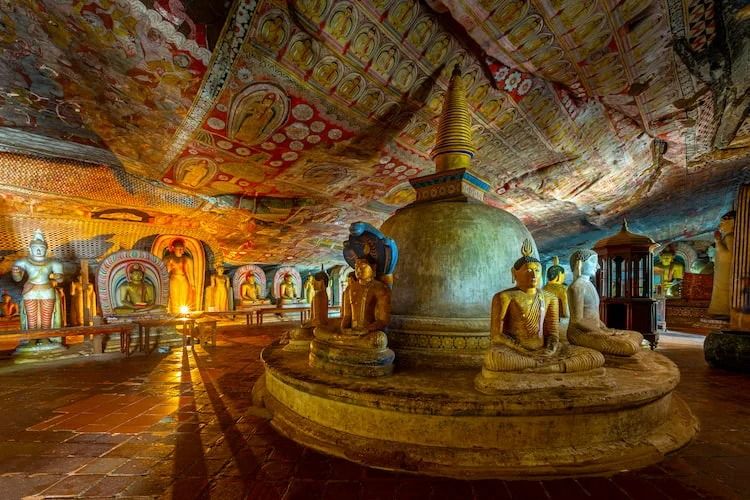
Sri Lanka is blessed with countless temples — each echoing centuries of belief, art, and tradition. Yet, among them all, few are as breathtaking as the Dambulla Cave Temple, also known as the Golden Cave Temple of Dambulla.
Perched high on a 160-meter rock in the north-central part of the island, this UNESCO World Heritage Site has guarded its treasures for over two millennia. I still remember the moment I first saw the glimmer of the golden Buddha statues inside the dimly lit chambers — it felt like stepping into another world, where time slowed and history whispered through the walls.
If you’re planning to visit Dambulla Cave Temple Sri Lanka, this guide will take you through everything: its ancient history, what to expect inside, how to reach it, and the small yet vital tips that make the experience smoother and more meaningful.
Table of Contents
History of the Golden Cave Temple of Dambulla
The Dambulla Cave Temple Dambulla Sri Lanka dates back to the 1st century BCE, during the reign of King Valagamba (also known as Vattagamani Abhaya).
When the king was exiled from his throne in Anuradhapura, he found refuge in these caves for nearly 14 years. Upon reclaiming his kingdom, Valagamba turned his gratitude into stone — literally — by transforming the caves into a magnificent monastery complex.
The site expanded through time as successive rulers added their contributions which included beautiful murals and Buddha statues and complex carvings. The result is one of the most well-preserved and sacred Buddhist temples in Sri Lanka, still active with monks and daily offerings.
Today, Dambulla is part of Sri Lanka’s Cultural Triangle, along with Anuradhapura, Polonnaruwa, and Sigiriya — a region that reflects the country’s glorious ancient civilization.
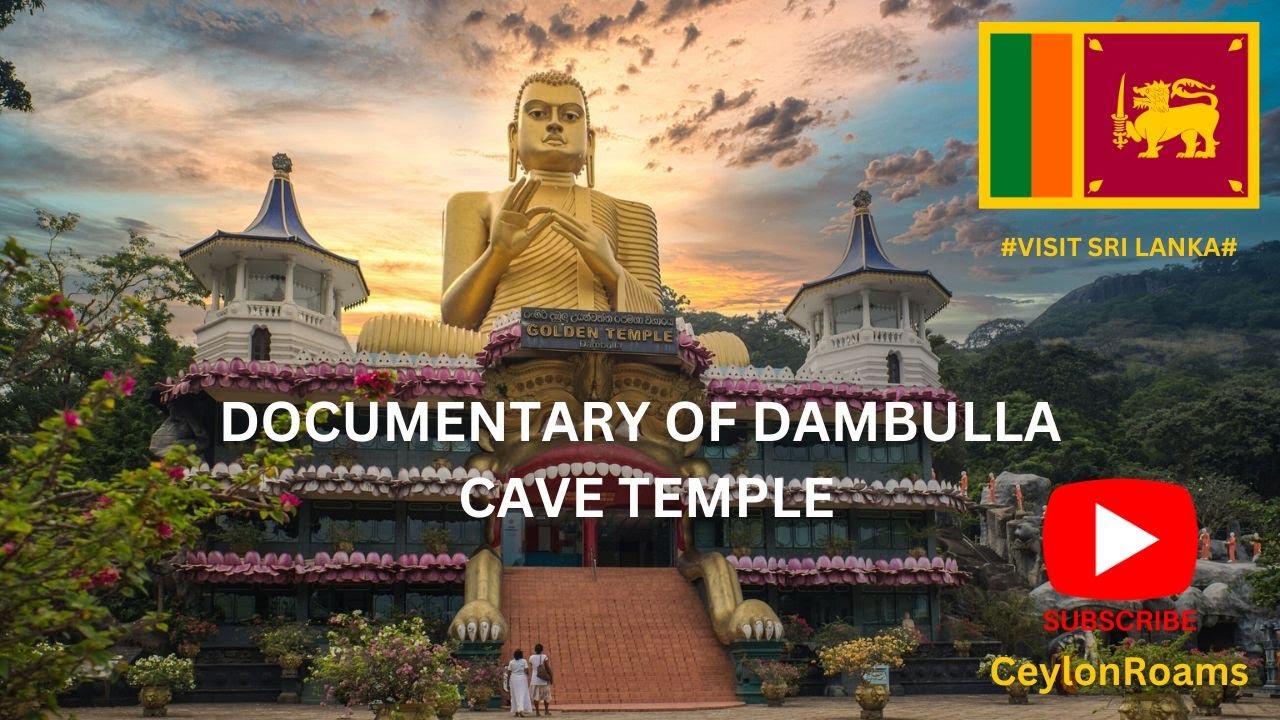
The Five Dambulla Temple Caves: A Journey Through Art and Devotion
When you first begin the climb toward the Dambulla Cave Temple, the rock face looks plain and silent — but hidden within it lies one of the most extraordinary artistic and spiritual treasures in Asia. The five Dambulla Temple Caves located on the southern granite rock face present a 2,000-year-old narrative about religious devotion and royal power and artistic skill.
The building design enables visitors to experience different historical periods as they navigate through its different spaces. Incense scents spread through the air as lamps create golden light which dances across historical wall paintings while maintaining a cool atmosphere. The caves display successive stages of Sri Lankan Buddhist art which evolved chronologically while preserving a common peaceful and religious ambiance.
Cave 1 – Devaraja Lena (Cave of the Divine King)
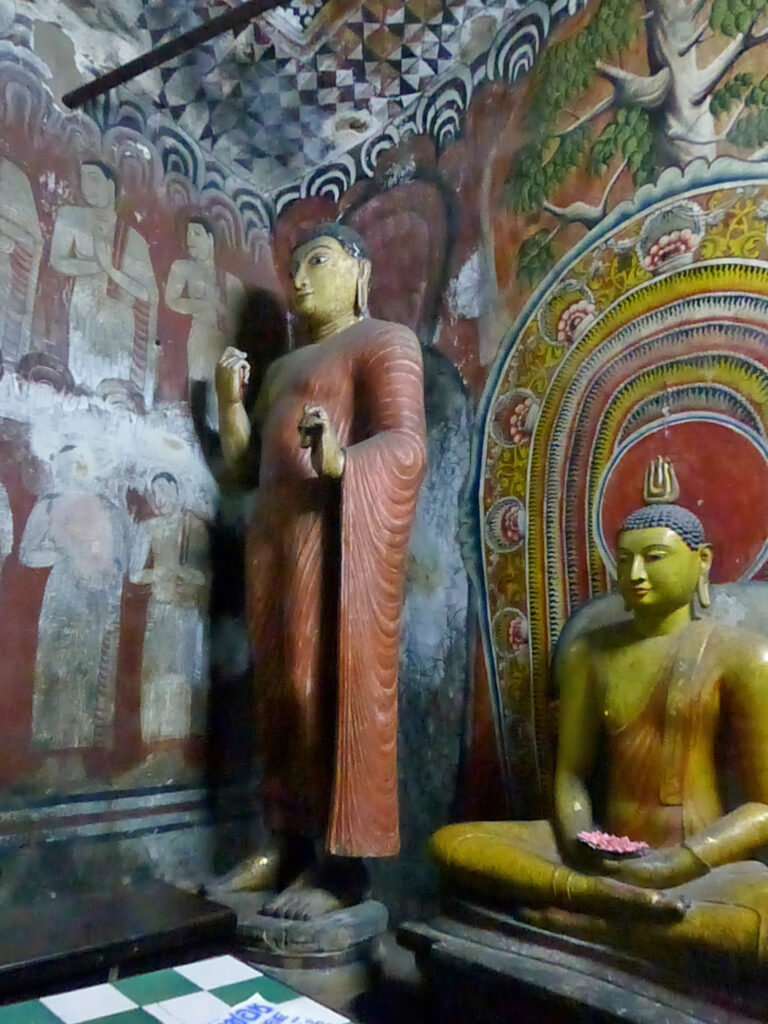
The entrance of Cave 1 brings an immediate change in environment because it features dim lighting and peaceful surroundings with a stunning 14-meter-long Buddha sculpture that extends from the natural rock face. The artist achieved such exceptional skill that the Buddha appears to be in a state of meditation while showing compassion through his half-closed eyes.
The faithful disciple Ananda stands beside the Buddha in a permanent act of devotion. On the opposite side, you’ll find an image of Vishnu, the Hindu protector god. The combination of Buddhist and Hindu religious symbols in this artwork shows how Sri Lanka practices an accepting faith system which unites different beliefs instead of separating them.
The sound of monks from ancient times performs their chanting while their voices merge with the raindrops which have struck these stones since the dawn of time. The divine power operating without physical boundaries creates an enormous sense of awe in this limited space.
💬 Guest Review by S-Himakara
“The Dambulla Cave Temple, also known as the Golden Caves of Infinite Buddhas, is a remarkable UNESCO World Heritage Site located 148km from Colombo. This ancient rock temple, with a history dating back to the 1st Century BC, offers a fascinating glimpse into Sri Lanka’s rich cultural past .”
TripAdvisor Rating: ⭐⭐⭐⭐ 4.5/5 (1,036+ reviews)
👉 Read more on TripAdvisor
Cave 2 – Maharaja Viharaya (Cave of the Great Kings)
Then comes the showstopper — Cave 2, the largest and most magnificent of all five chambers. As soon as you enter, your eyes are drawn upward — the entire ceiling is covered with vibrant murals that seem to breathe with life.
This cave houses 56 statues, including those of Buddha, kings, and deities. Among them are two figures believed to be the royal patrons who expanded the complex: King Valagamba and King Nissanka Malla. Their eternal existence serves as a tribute to their love and appreciation.
The natural spring that flows from the rock ceiling into a stone basin creates the main attraction for visitors. The water keeps flowing during the most severe dry periods which people in the area refer to as miracle water while monks perform blessings with it.
The paintings here, dating back centuries, depict key moments in the Buddha’s life: his enlightenment beneath the Bodhi tree, his first sermon, and his passing into Nirvana. The artwork contains faint natural pigments which include red ochre and yellow clay and blue minerals that have been protected from modern preservation methods.
From your current position you experience Sri Lankan history because the stone structures transmit its essence to you. The site functions as an active temple which maintains absolute quietness between its historical and contemporary elements.
Cave 3 – Maha Alut Viharaya (Great New Monastery)
The Maha Alut Viharaya known as the “Great New Monastery” has a small stone tunnel which leads to Cave 2. Despite being added later — possibly in the 18th century — it’s equally impressive.
The artwork at this location shows the evolution of Sri Lankan art through its fresh appearance with clean lines and vibrant colors. The spiritual themes continue to appear in the artwork but the Buddha statues now display gentle expressions which seem almost like human feelings.
The reclining Buddha inside the cave rests on his right side with a peaceful smile which creates a serene atmosphere that spreads throughout the entire space. Many visitors pause here longer than planned — it’s a naturally meditative space, free from crowds and full of tranquility.
On the ceiling, look for the delicate floral patterns and mythical creatures, known as Makara, woven into the murals — symbolic guardians that protect the temple from evil spirits.
Cave 4 – Pachima Viharaya (Western Temple)
The smaller dimensions of Cave 4 create an exclusive atmosphere which surpasses the ornate design of the other caves. The central focus here is a dagoba (stupa), symbolizing the Buddha’s enlightenment and eternal presence. Surrounding it are several seated Buddha statues, each in the dhyana mudra — the meditation pose that embodies inner peace.
The area functions as a sacred area which brings tranquility to both monks and visitors who come to meditate and pray. The serene atmosphere of the space functions as a sanctuary which welcomes quietness rather than forcing it to exist.
If you’re a photographer, this cave provides stunning contrast shots — soft natural light filtering through the entrance, highlighting the stupa’s curve against the dark backdrop of rock.
Cave 5 – Devana Alut Viharaya (Second New Temple)
The final chamber, Cave 5, is the youngest and most modern addition to the Dambulla complex. The temple features a reclining Buddha statue made from plaster and brick materials which demonstrates the development of Buddhist art from stone carving to building techniques.
Although smaller in scale, this cave completes the spiritual progression that begins in Cave 1 — from ancient devotion to modern reverence. The walls here are decorated with simpler, brighter artwork depicting devas (celestial beings) and Bodhisattvas (enlightened souls who remain to help others).
There’s something touching about this last cave. The Dambulla Cave Temple presents itself as basic at first glance yet it demonstrates its ability to transform throughout time while maintaining its ability to unite people across different historical periods.
The Art and Symbolism Inside the Dambulla Cave Temple
The walls and ceilings of the Golden Cave Temple of Dambulla are blanketed with over 2,000 square meters of ancient paintings — some over 2,000 years old.
The artistic mastery of the painting becomes evident through its red gold ochre color scheme which carries religious meaning because red symbolizes life and energy and gold represents enlightenment and white represents purity.
Scenes depict the Buddha’s life, the arrival of Buddhism in Sri Lanka, and celestial beings watching over the faithful. The pigments show no signs of fading even after hundreds of years because of the natural mineral dyes and excellent preservation methods used.
How to Get to Dambulla Cave Temple
The Dambulla Cave Temple Sri Lanka, also known as the Golden Cave Temple of Dambulla, lies about 70 kilometers north of Kandy, 20 kilometers south of Sigiriya, and sits strategically along the A9 highway connecting Matale and Anuradhapura. This central location makes it one of the most accessible UNESCO World Heritage Sites in Sri Lanka’s Cultural Triangle.
Location Map: Dambulla Cave Temple
Address: Dambulla Rock Temple, Kandy-Jaffna Highway (A9), Dambulla 21100, Sri Lanka
Coordinates: 7.8569° N, 80.6492° E
Google Maps: Dambulla Cave Temple Sri Lanka Location
From Kandy
- Travelers starting from Kandy can take the A9 highway toward Matale and Dambulla. The journey spans about 2.5 to 3 hours by car or bus, depending on traffic.
- If you’re driving, the scenic route passes through lush countryside and spice gardens — a perfect opportunity to stop and explore local cinnamon or pepper plantations before continuing to the Dambulla Temple Cave complex.
Bus option: Regular intercity buses operate between Kandy and Dambulla, offering an affordable (around LKR 250–300) but less air-conditioned experience.
Tip: If you’re visiting both Sigiriya and Dambulla Cave Temple, consider leaving Kandy before sunrise to enjoy both sites in one day without feeling rushed.
From Sigiriya or Habarana
- This is the shortest and easiest route — just a 25-minute drive through palm-fringed roads.
- Most hotels in Sigiriya and Habarana organize half-day tours or tuk-tuk rides directly to Dambulla Cave Temple Dambulla Sri Lanka.
- You’ll often spot local villagers walking or cycling along the roadside, adding a touch of everyday Sri Lankan charm to your journey.
For budget travelers, local CTB buses run regularly between Sigiriya Junction and Dambulla town. From the bus stop, it’s a 10-minute walk or quick tuk-tuk ride to the temple entrance.
From Colombo
- If you’re coming from Colombo, expect about a 4–5-hour car drive or 6 hours by public bus.
- Private taxis are available via apps like PickMe or Uber, and many travelers prefer hiring a car with a driver for comfort, as the route covers around 165 kilometers through Kurunegala and Matale districts.
Bus route: Take an intercity bus from Colombo Fort toward Dambulla or Anuradhapura. Most buses stop near the Dambulla Clock Tower — from there, the Golden Temple entrance is about 2 km uphill.
By Organized Tour
- If you’re short on time, joining a combined Sigiriya and Dambulla day tour is one of the most efficient ways to explore both landmarks.
- Many tours include hotel pickup from Kandy or Colombo, a guided visit to the Dambulla Cave Temple, and then continue to the Sigiriya Lion Rock Fortress, making it a seamless cultural day trip.
Recommended: Choose tours that start early in the morning to avoid heat and crowds — and ensure they include a licensed cultural guide, who can explain the history of each Buddha statue and mural.
Parking and Entrance Tips
- The main entrance at the Golden Temple has limited parking, so early arrival is best — especially for self-drivers.
- There’s also an alternative access point from the southern side of the rock, which is less crowded and offers a gentler climb.
Note: You’ll need to remove your shoes and cover your shoulders and knees before entering the temple complex. Shoe storage costs about LKR 50–100, and sarongs are available for rent at the base.
Best Time to Visit Dambulla Cave Temple Sri Lanka
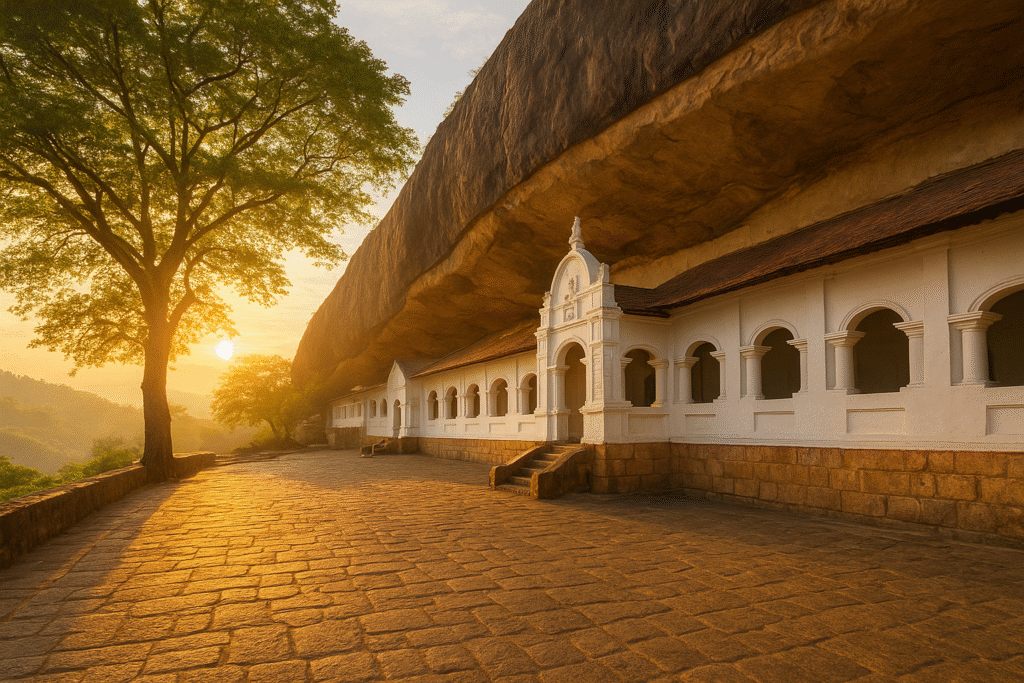
The Golden Cave Temple of Dambulla receives visitors throughout the year but the best time to visit is during the early morning hours from 7:00 to 9:00 a.m.
The rock crevices of this moment allow sunlight to pass through which creates an ethereal effect on the gold-painted Buddha statues. The temple environment provides a peaceful atmosphere while the stairs lead to a comfortable climb and the surrounding air maintains a pleasant temperature.
Morning vs. Midday vs. Evening
- Morning (7:00–9:00 a.m.): Best for photography, cooler temperatures, and peaceful atmosphere.
- Midday (10:00 a.m.–2:00 p.m.): Avoid if possible — limited shade and hot stone steps can make the climb tiring.
- Evening (4:00–5:30 p.m.): Ideal for golden light on the Dambulla rock and a quieter temple experience before closing time.
Seasonal Guide
- Dry Season (December to April): The dry season offers the best circumstances for both clear skies and secure travel. You’ll enjoy spectacular views across the central plains of Sri Lanka from the summit.
- The Inter-Monsoon season from May to June and October to November brings light rain showers while tourist numbers remain low which makes it perfect for photographers.
- The trail becomes slippery during monsoon season from May to September but suitable footwear makes it safe to traverse. The benefit?Fewer crowds and an even more spiritual ambiance.
Visitor Essentials: Dress Code, Footwear & Etiquette

Dambulla is a sacred site, and proper temple etiquette is essential.
- Dress Code: Both men and Ladies must have shoulders and knees covered. Loose linen pants and a light top work well.
- Footwear: Shoes must be removed before entering the temple. There’s a small shoe-drop service (about 100 LKR). Bring socks — the stone gets scorching underfoot!
- Behavior: Maintain silence, avoid pointing your feet at statues, and never turn your back on a Buddha while taking photos.
Small acts of respect go a long way here, and locals deeply appreciate mindful visitors.
Dambulla Cave Temple Entry Fee, Opening Hours & Duration
- Entry Fee: 3,000 LKR for foreign visitors (around USD 10).
- Shoe Drop: 100 LKR per person.
- Opening Hours: 7:00 a.m. – 7:00 p.m. daily (last entry around 5:00 p.m.).
- Time Required: 90 minutes to 2 hours is enough to explore at a relaxed pace.
Tickets can be purchased at the base of the rock, near the Golden Temple entrance (with the giant golden Buddha statue).
💬 Guest Review by Scarlett
“From the ticket office there were over a hundred steps up to the temple and if walking with pink lotus flowers be careful of the monkeys (they like eating these and will snatch them from your hand). Along this walk you will see stunning views and at the top you will find the beautiful temples, making the trek up worth it!.”
TripAdvisor Rating: ⭐⭐⭐⭐ 4.5/5 (1,036+ reviews)
👉 Read more on TripAdvisor
The Climb to the Top – What to Expect
- Visitors often underestimate the climb — it’s not steep, but it’s long. There are roughly 364 steps leading up to the main caves.
- Along the way, you’ll meet mischievous macaques, sweeping views of Dambulla town, and even the distant silhouette of Sigiriya Rock Fortress.
- Take water, wear a hat, and enjoy the journey — each rest point offers a stunning perspective of Sri Lanka’s lush interior.
Nearby Attractions: Sigiriya, Habarana & the Cultural Triangle
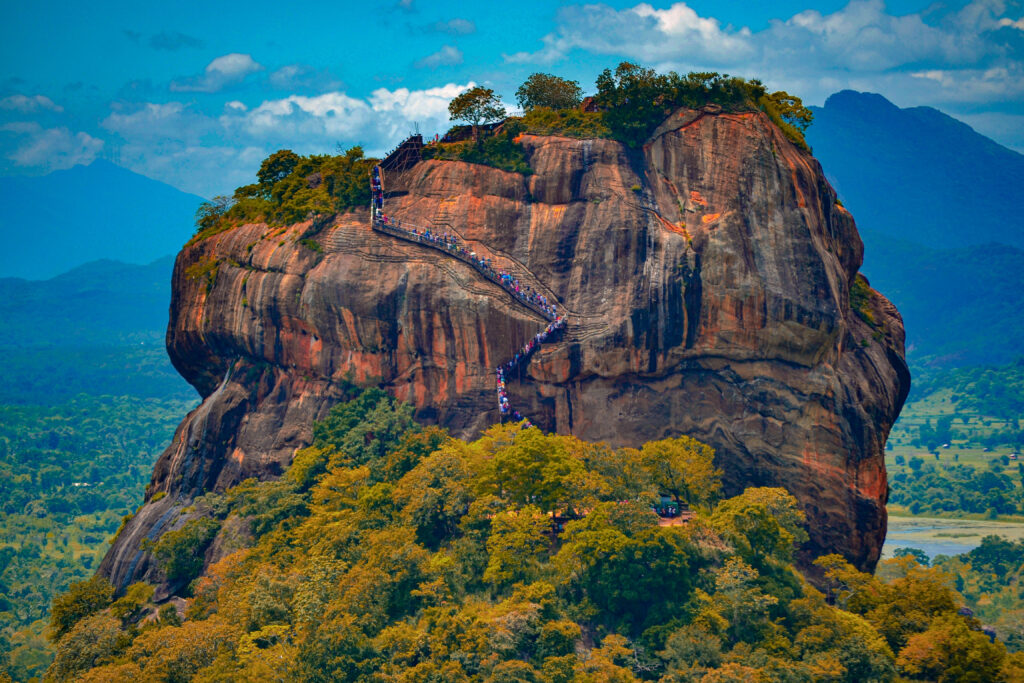
If you’re visiting Dambulla Cave Temple Dambulla Sri Lanka, you’re in the perfect spot to explore Sri Lanka’s Cultural Triangle:
- Sigiriya Rock Fortress: Only 25 minutes away, this UNESCO site is often paired with Dambulla for a full-day trip.
- Pidurangala Rock: Offers a panoramic view of Sigiriya and is a favorite sunrise hike.
- Habarana: Ideal for safari tours in Minneriya National Park, famous for elephant gatherings.
- Polonnaruwa: The ancient city of kings, located about 90 minutes east of Dambulla.
Cultural Tips for Visiting Buddhist Temples in Sri Lanka
Respect and mindfulness are key when visiting any Buddhist temple in Sri Lanka:
- Remove shoes and hats before entering.
- Do not touch or climb statues.
- Always face the Buddha respectfully.
- Avoid public displays of affection.
- Carry a small offering — flowers or incense are appreciated.
Sri Lankan temples are not just tourist spots; they’re living sanctuaries of faith.
💬 Guest Review by Steph G
“Long, hot, steep climb (I almost didn’t make it, but glad I persevered). Caves are impressive, filled with many Buddha statues and beautiful wall art.
Go early – as we were leaving, the crowds started arriving and the serene atmosphere was spoiled somewhat.
Wear or bring socks, as you will have to take off your shoes to enter the temple precinct and the path can be very hot.”
TripAdvisor Rating: ⭐⭐⭐⭐ 4.5/5 (1,036+ reviews)
👉 Read more on TripAdvisor
Conclusion – Why Dambulla Captures the Soul of Sri Lanka
Visiting the Dambulla Cave Temple Sri Lanka is an experience that stays with you long after you’ve left. The caves maintain a profound silence which people experience as sacred because they contain oil lamps and incense scents. The golden statues and ancient murals function as active religious symbols which have endured for more than 2,000 years.
The Golden Cave Temple of Dambulla distinguishes itself through its combination of historical significance and religious worship and social interaction within its sacred areas. The painted ceilings and the serene reclining Buddha statue allow visitors to picture the countless monks and pilgrims who have followed this sacred path throughout history.
For me, this wasn’t just another stop in Sri Lanka’s Cultural Triangle. The experience showed me that beauty and serenity derive from basic elements which consist of stone and color and tranquil silence. The Dambulla Temple Cave captures the soul of Sri Lanka like nowhere else. Take your time to ascend the stairs while you absorb the peaceful atmosphere. The trip will give you more than images because it will transfer a part of Sri Lankan essence into your being.
FAQ
The entrance fee is around 1,500 LKR for foreign visitors. It’s worth every rupee for the incredible cave paintings and Buddha statues you’ll see inside!
You’ll need about 1.5 to 2 hours to properly explore all five caves and take in the views. Don’t rush it – there’s so much beautiful detail to appreciate!
There are roughly 350-400 steps to climb up to the cave temple. It’s a bit of a workout, especially in the heat, but take your time and the view at the top makes it totally worthwhile.
Legend says King Valagamba hid in these caves during his exile in the 1st century BC. When he reclaimed his throne, he transformed the caves into a magnificent temple as a thank you. Over the centuries, kings added more statues and paintings, making it the treasure it is today.
Dress modestly with covered shoulders and knees – it’s a sacred site. You’ll need to remove your shoes before entering the caves, so wear something easy to slip on and off. Bring socks if you want, as the stone can get hot!