
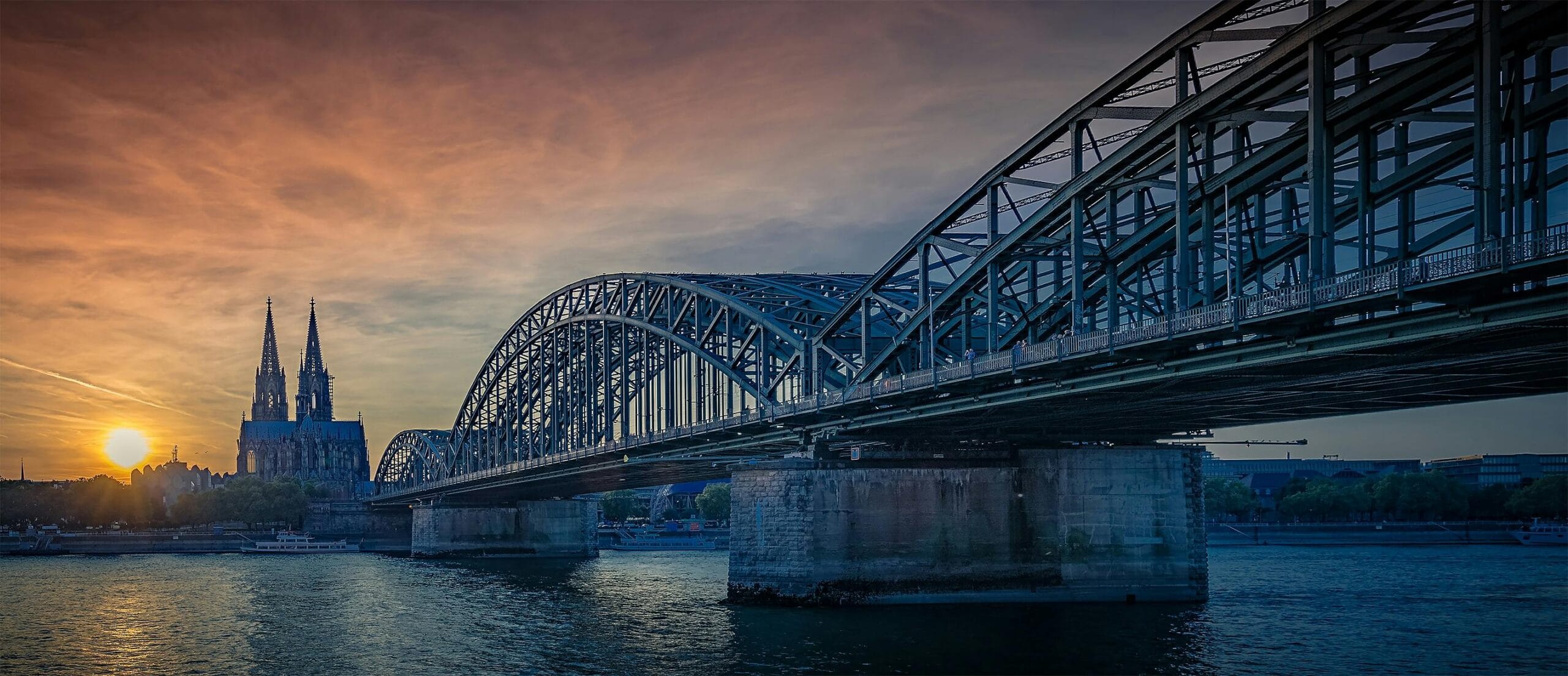
There’s something almost poetic about standing by The Rhine River in Cologne. The water seems to carry centuries of European history within its flow — from the misty Swiss Alps to the bustling ports of Rotterdam. I first experienced the Rhine Promenade by watching the Hohenzollern Bridge span the skyline as the evening sun created a peaceful atmosphere on the water and the bridge steel surface reflected countless love locks.
The scene displayed both natural attractiveness and energetic activity. The riverbank displayed cyclists who sped by while couples took their photos and the Cologne Cathedral (Kölner Dom) stood as an eternal protector of the river. I discovered at this moment that the Rhine river exceeded its status as a waterway. The region of Central Europe exists as a single living thread which formed its core identity.
We will explore The Rhine River which stands as one of the world’s most impressive waterways through its narrative and geographical context and experiential aspects.
Table of Contents
The History of the Rhine River
The Rhine’s story goes back thousands of years. The Romans identified its strategic value from the beginning by establishing it as their northern border of imperial control. Towns like Colonia Claudia Ara Agrippinensium (modern-day Cologne) were founded as Roman settlements along its banks.
The river operated as the central commercial hub which connected European trade routes during the Middle Ages. Merchant ships carried goods — wine, grain, timber — from Switzerland to the North Sea. The feudal lords constructed castles and toll stations to manage trade pathways which continue to exist as historical landmarks on hilltops that provide views of the surrounding water.
The Rhine River became the source of inspiration for artists who created paintings and poets who composed their works about it. German Romanticism celebrated its myths — particularly the tale of Lorelei Rock, where, according to legend, a siren’s song lured sailors to their doom near St. Goarshausen.
Industrialization transformed the Rhine into a global transportation hub which now operates as one of the world’s most active waterways with factories and ports and bridges including the Hohenzollern Bridge in Cologne. The river kept its enchanting beauty despite the modernization of society.

Where Is the Rhine River Located?
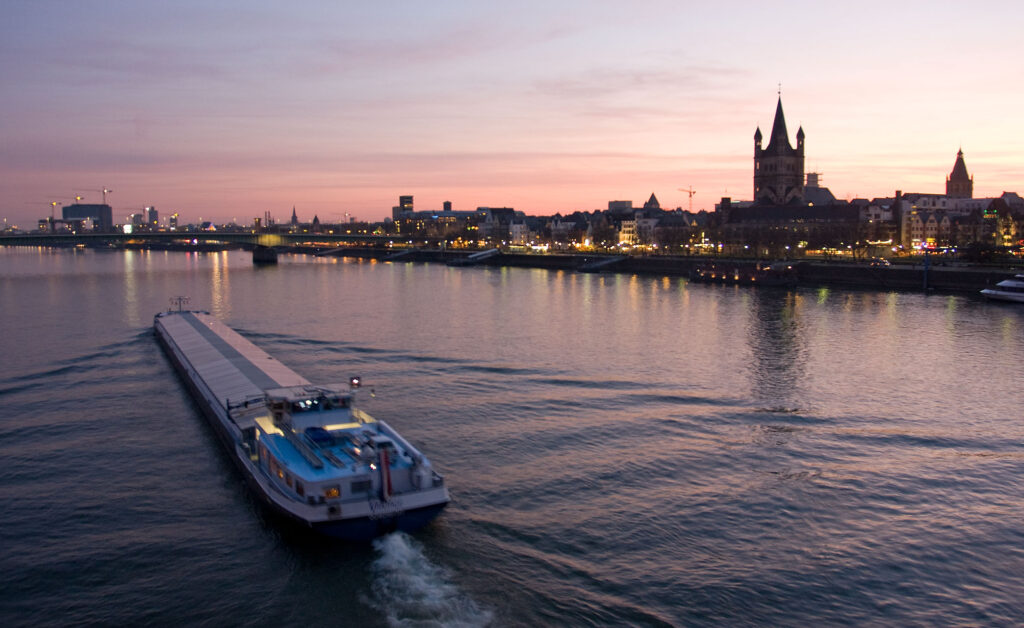
If you’ve ever wondered, “Where is the Rhine River located?”,the answer spans nearly half of Europe. The Rhine River functions as a major European waterway which extends 1,230 kilometers (760 miles) from its Swiss Alps origin to its North Sea delta in The Netherlands.
On the map of the Rhine River in Europe, you can trace its journey through six countries — Switzerland, Liechtenstein, Austria, Germany, France, and The Netherlands. River functions as a natural border which connects different nations through its cultural significance as it passes through mountain settlements and medieval settlements and contemporary urban areas.
The river runs through residential areas which locals refer to as der Rhein because it forms both natural environments and economic systems. The river starts as a small Swiss waterway (Vorderrhein and Hinterrhein) before uniting into a strong waterway which has served as a vital link between European interior and the ocean for centuries.
The Rhine River continues to serve as a vital transportation route while attracting tourists and supporting environmental health to represent European cultural unity.
Cruising The Rhine River – Europe’s Storybook Journey
Few experiences in Europe compare to the magic of cruising The Rhine River. The Rhine River runs from the Swiss Alps through Germany and the Netherlands until it reaches the North Sea while showing the complete history of European development. The 1,230-kilometer path of this route shows medieval castles and wine towns and romantic legends that echo through its misty valleys.
A Rhine River cruise provides Europeans with a peaceful European travel experience that includes drifting past Cologne’s skyline and watching church spires reflect sunset colors and navigating through the Rhine Gorge vine-covered region.
The river journey from Cologne to Amsterdam through Basel offers different experiences at each stop while showing you both natural beauty and historical landmarks and traditional European atmosphere.
Best Time to Cruise the Rhine River
Choosing the best time to cruise the Rhine River can shape your entire experience.
- May through October is considered the golden season for river cruising. During these months, the weather is comfortably warm, and the landscapes on both sides of the Rhine burst with life.
- In spring, from April to June, you’ll find blossoming cherry trees, freshly awakened vineyards, and mild temperatures ideal for sightseeing.
- In summer, the river buzzes with activity — open-deck dining, live music on cruise ships, and festivals in riverside towns like Rüdesheim and Boppard.
- Come autumn, the vineyards blaze in gold and red, and wine villages host cozy harvest celebrations, making this one of the most picturesque times to cruise.
For photographers and romantics alike, September and October deliver postcard-perfect scenes: castle silhouettes against copper leaves, cool evening air scented with grapes, and the glow of lanterns from riverside cafés.
If you’re planning a short cruise from Cologne, late summer offers the best light for capturing the Hohenzollern Bridge, Cologne Cathedral, and Old Town Promenade from the water — some of the most Instagram-worthy views in all of Germany.
Viking River Cruises – Christmas on the Rhine
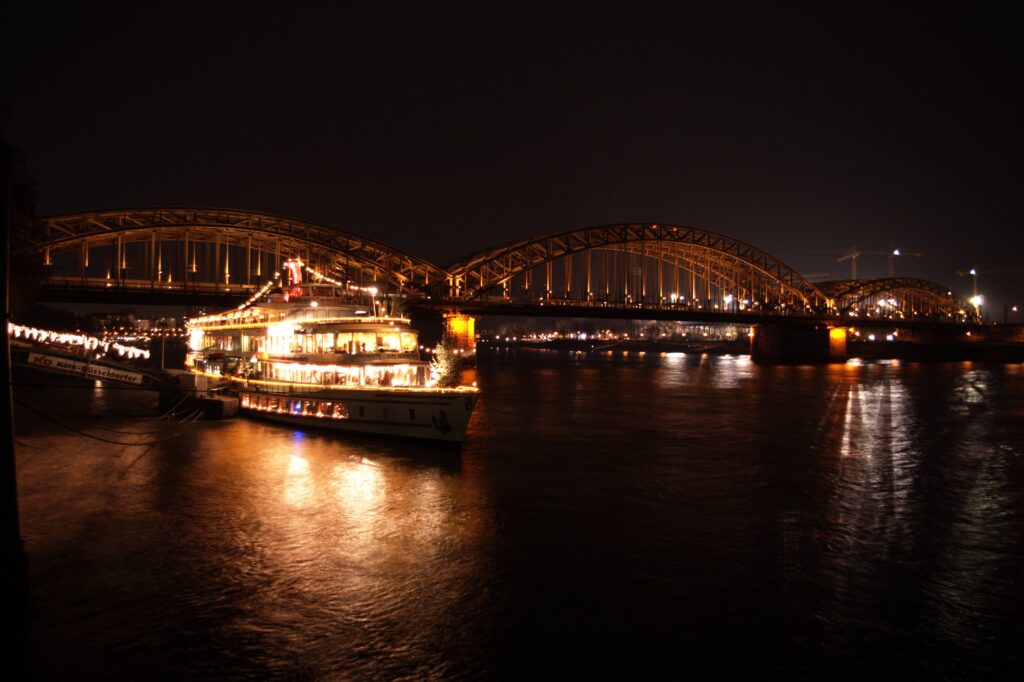
The Rhine River becomes a magical place during holiday seasons. Enter the world of Viking River Cruises Christmas on the Rhine — a festive voyage that feels straight out of a European fairytale.
The enchanting cruises operate from late November through December to link Europe’s top Christmas destinations between Basel and Strasbourg and Heidelberg and Koblenz and Cologne. The riverbanks turn into snow-globe scenes as traditional markets and carols and centuries-old customs illuminate each port.
Imagine this:
You’re sipping hot Glühwein (mulled wine) on the open deck as soft snow falls, and the Cologne Cathedral towers in the distance, its spires illuminated against the winter sky. The riverside markets release the aromas of roasted almonds and gingerbread while church bells produce their musical sounds.
A Viking Christmas on the Rhine cruise provides travelers with the perfect experience which combines comfortable accommodations with cultural exploration and festive holiday magic.
The Rhine Christmas itineraries operate through Viking and three additional luxury operators which include AmaWaterways and Avalon Waterways and Scenic Cruises. The Rhine Christmas itineraries of these luxury operators include guided market tours and festive dining and holiday entertainment that takes place on board.
Low Water Levels on the Rhine River – What Travelers Should Know
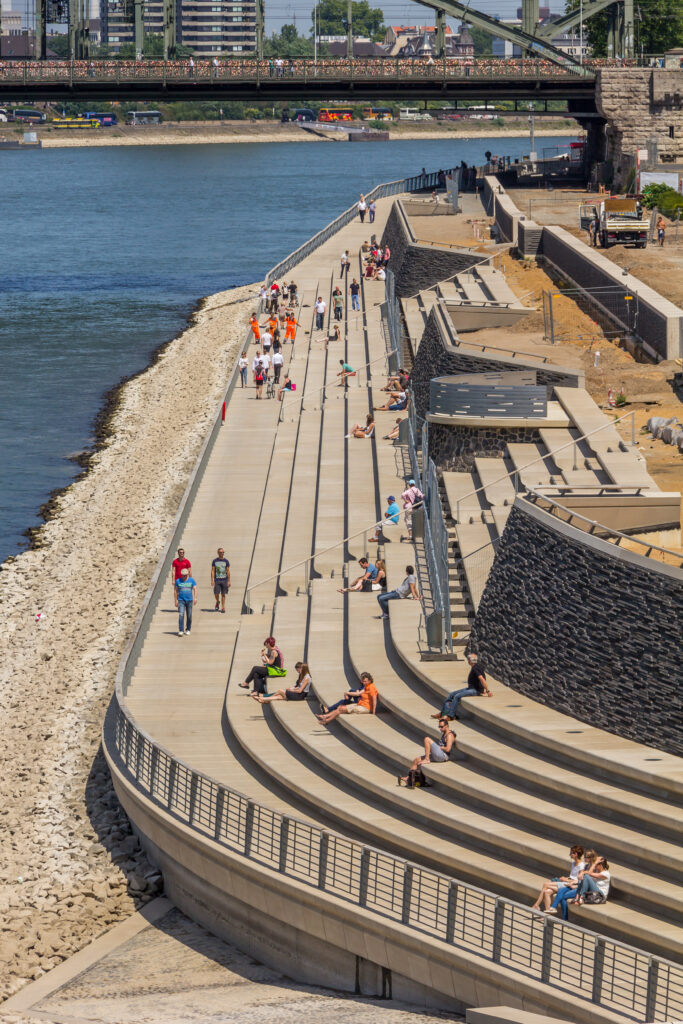
As stunning as it is, The Rhine River also reflects the rhythm of nature. In recent years, travelers have heard about low water levels on the Rhine River, especially during unusually hot or dry summers.
So, how does this affect your trip?
When water levels drop, especially between Koblenz and Mainz, larger cruise ships may need to adjust their routes or transfer passengers to smaller vessels or overland buses for short stretches.
But here’s the good news — leading companies like Viking River Cruises, Avalon Waterways, and Uniworld monitor river levels constantly and adapt swiftly to ensure minimal disruption. If necessary, they modify itineraries to preserve the full cultural experience, often adding bonus land excursions to nearby castles, vineyards, or museums.
Pro Tip: Before booking, check real-time water conditions or contact your cruise operator. Early autumn (September–October) can sometimes bring lower levels, while late spring offers steadier conditions thanks to Alpine snowmelt feeding the river.
Even during these rare low-water periods, The Rhine River continues to enchant travelers. Many find that these small adjustments only add to the adventure — revealing hidden gems and local experiences that you might otherwise miss.
Why Cruising The Rhine River is Unforgettable
To truly appreciate where the Rhine River is located, you have to feel it — the rhythm of the boat, the sweep of the wind through vineyard-covered hills, and the sight of castle ruins perched high above.
Here’s what makes a Rhine River cruise so special:
- Legendary Scenery: The stretch between Bingen and Koblenz, known as the Upper Middle Rhine Valley, is a UNESCO World Heritage Site. It’s home to over 40 castles, each guarding its own legend — from the Loreley Rock siren myth to tales of medieval battles.
- Cultural Diversity: The river connects Switzerland, Liechtenstein, Austria, Germany, France, and the Netherlands, flowing through landscapes that shift from Alpine serenity to urban energy.
- Culinary Delights: Onboard menus reflect the regions you pass — Swiss chocolate desserts, German Riesling wines, and Dutch cheeses. Pair that with panoramic dining rooms and open decks, and every meal becomes a journey in itself.
- Ease of Exploration: Most cruises offer guided excursions in key cities like Cologne, Strasbourg, and Amsterdam, ensuring travelers experience both riverside tranquility and urban excitement.
For first-time visitors asking, “Where is the Rhine River located?”, it’s right in the heart of Western Europe — yet its atmosphere feels timeless, connecting travelers with centuries of history, art, and culture.
The Rhine River Map & Route Highlights
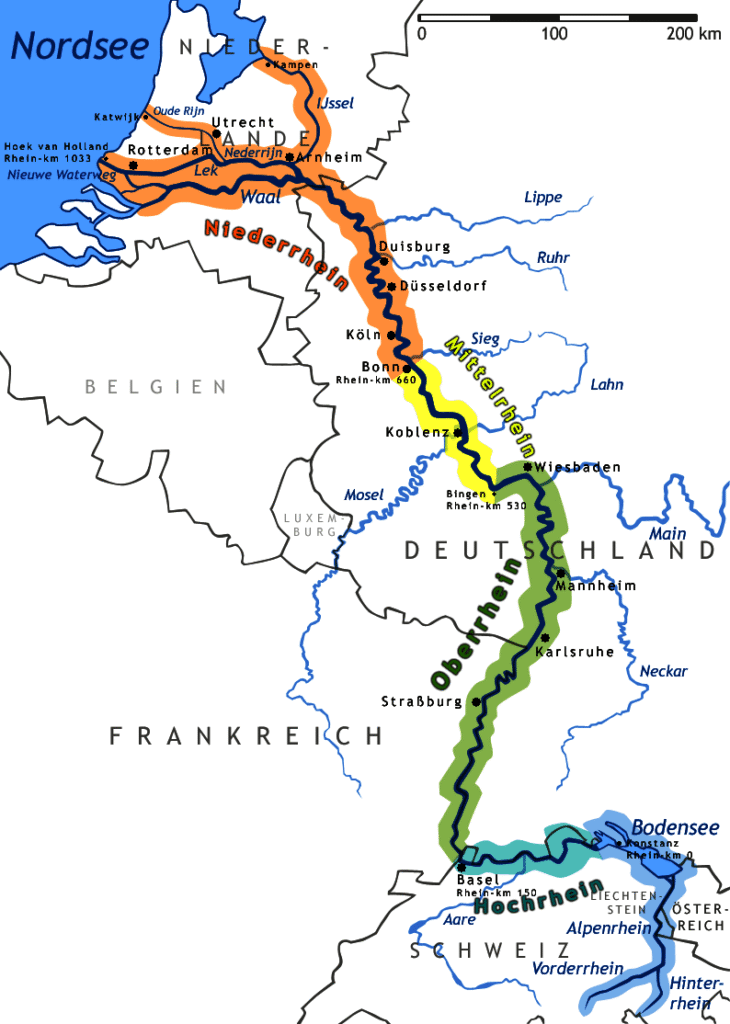
If you trace a map of the Rhine River in Europe, it begins high in the Swiss Alps near Lake Toma. From there, it winds through:
- Switzerland – passing cities like Basel, where medieval architecture meets modern design.
- France – forming part of the border between France and Germany near Strasbourg, blending French charm and German precision.
- Germany – the river’s longest and most scenic section, flowing through Mainz, Koblenz, and Cologne, with countless castles and vineyards along the Rhine Gorge.
- The Netherlands – finally splitting into multiple branches before reaching the North Sea near Rotterdam.
This journey through six countries makes the Rhine one of Europe’s most international and influential rivers — shaping trade, art, and daily life for centuries.Tips for Planning Your Rhine River Cruise
If you’re planning to cruise the Rhine River, here are some insider tips to make the most of it:
- Choose your itinerary wisely. Short cruises (Cologne to Koblenz) are great for beginners, while week-long routes (Basel to Amsterdam) showcase the river’s full diversity.
- Book early for Christmas itineraries. The Viking River Cruises Christmas on the Rhine and similar holiday journeys sell out months in advance.
- Check for low water updates. August and early September can bring dry spells.
- Bring layers and comfortable shoes. Even in summer, evenings on the river can be cool.
- Don’t miss the deck views. Sunset over the Hohenzollern Bridge in Cologne or sunrise near Rüdesheim is pure magic.
A River That Connects More Than Countries
Ultimately, The Rhine River isn’t just a body of water — it’s the living soul of Europe. It has inspired poets, painters, and travelers for centuries. When you cruise the Rhine River, you’re not just seeing landscapes; you’re gliding through the heart of history, art, and timeless beauty.
From the shadow of Cologne Cathedral to the twinkling lights of Amsterdam’s canals, every moment along the Rhine feels like stepping into a dream that lingers long after the journey ends.
The Rhine River Journey Through Six Countries
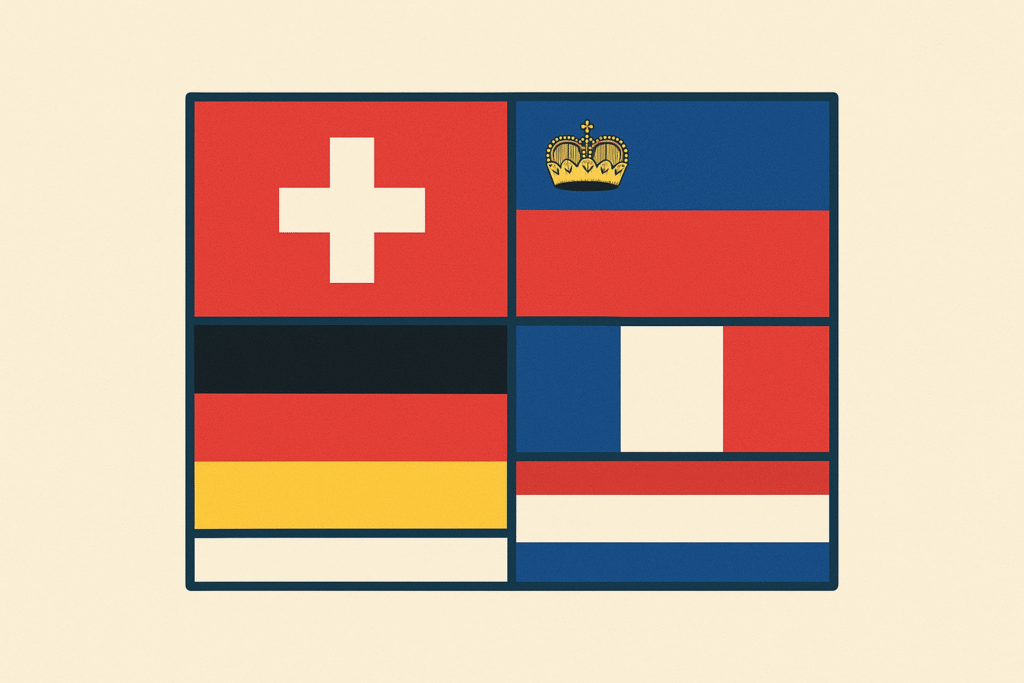
The journey of the Rhine is a story of geography and culture intertwined.
Switzerland – The Birth of the Rhine
- The Rhine begins in the Swiss canton of Graubünden, where snowmelt from the Alps feeds two main tributaries — the Vorderrhein and Hinterrhein. They join near Reichenau, forming the official Rhine. From there, the river flows into Lake Constance (Bodensee), one of Europe’s most stunning freshwater lakes shared by Switzerland, Germany, and Austria.
- In this region, the Rhine is pure and wild — a Swiss river that carves through dramatic alpine valleys, home to picturesque towns like Chur and Stein am Rhein.
Liechtenstein & Austria – Alpine Tributaries
- While smaller in scale, the Rhine touches the western edges of Liechtenstein and Austria, creating natural borders and feeding lush valleys. It’s a paradise for hikers and cyclists who follow the Rhine Cycle Route, witnessing the transition from mountain river to broad waterway.
Germany – The Romantic Rhine
- Germany’s stretch of the Rhine is perhaps the most famous. Here lies the Middle Rhine Valley, a UNESCO World Heritage Site filled with vineyards, medieval castles, and fairytale villages like Bacharach and Rüdesheim am Rhein.
- This region inspired centuries of art, literature, and music — and remains one of the most scenic cruising routes in Europe.
France – The Alsace Connection
- Between Strasbourg and Basel, the Rhine forms the border between France and Germany. The Alsace region, known for its charming half-timbered villages and vineyards, thrives on the Rhine’s fertile plains. Riverboats glide past windmills and church steeples, capturing the essence of Franco-German culture.
The Netherlands – Journey to the North Sea
- Finally, the Rhine splits into several branches across the Netherlands, including the Waal, Nederrijn, and Ijssel, creating a vast delta that drains into the North Sea. The city of Rotterdam, one of the world’s largest ports, stands as a modern gateway to global trade — the river’s ancient mission evolving into today’s economic lifeline.
Major Cities Along the Rhine River
The Rhine links some of Europe’s most fascinating cities:
- Basel, Switzerland – A mix of Swiss precision and French flair, home to world-class museums.
- Strasbourg, France – Known for its half-timbered houses and the European Parliament.
- Bonn, Germany – Former West German capital and birthplace of Beethoven.
- Cologne (Köln), Germany – The cultural heart of the Rhine, home to the Cathedral and Hohenzollern Bridge.
- Düsseldorf, Germany – A modern hub with chic shopping and riverfront dining.
- Rotterdam, Netherlands – Europe’s largest port, known for its striking architecture.
Each city brings its own rhythm to the Rhine — from classical music and festivals to food markets and modern art.
Exploring Nearby Attractions Along the Rhine River in Cologne
If you’re wandering beside The Rhine River, few cities showcase its beauty quite like Cologne. From the moment you step onto the Hohenzollern Bridge Cologne, you’re surrounded by living history, art, and river views that make the heart of Germany unforgettable. The river doesn’t just define Cologne — it’s the city’s rhythm, its mirror, and its story.
Here are some must-visit places along the Rhine Promenade where you can feel Cologne’s pulse up close.
Cologne Cathedral (Kölner Dom) – A Masterpiece Beside the Rhine

Just steps from the Hohenzollern Bridge Cologne Germany, the Cologne Cathedral (Kölner Dom) towers proudly above the city. This UNESCO World Heritage Site took over six centuries to complete, and it remains one of Europe’s most impressive Gothic cathedrals.
Climb its 533 steps to reach the south tower’s viewing platform for panoramic views over The Rhine River — you’ll see the Hohenzollern Bridge, passing river cruises, and the endless flow of boats connecting northern and southern Europe.
Inside, you’ll find stained glass windows that glow with color in the afternoon sun, and the Shrine of the Three Kings, one of the most sacred treasures in the Catholic world.
- Location: Domkloster 4, 50667 Köln, Germany
- Tip: Visit early morning or around sunset for fewer crowds and golden light over the Rhine.
💬 Guest Review by Alida v
“Very beautiful! No entrance fee. You really do need an hour to let everything take hold. Also on the other side of the bridge the view is beautiful!.”
TripAdvisor Rating: ⭐⭐⭐⭐ 4.7/5 (22,508+ reviews)
👉 Read more on TripAdvisor
Museum Ludwig – Cologne’s Creative Heart on the Rhine
Right next to the Cathedral sits Museum Ludwig, home to one of Europe’s most renowned collections of modern and contemporary art. Inside, you’ll find over 800 works by Picasso, plus Warhols, Lichtensteins, and rotating exhibitions celebrating 20th- and 21st-century masters.
The museum’s large windows open directly to the Rhine River, making it both a cultural and scenic stop. After your visit, step outside and enjoy a short riverside stroll toward the Hohenzollern Bridge for a perfect afternoon blend of art and atmosphere.
- Location: Heinrich-Böll-Platz, 50667 Köln, Germany
- Tip: Check for late-night openings on Fridays — the evening light from the Rhine adds magic to your photos.
Hohenzollern Bridge Cologne – Where Love Meets the River
Spanning The Rhine River, the Hohenzollern Bridge Cologne Germany is more than just a crossing — it’s a cultural symbol. Completed in 1911 and rebuilt after World War II, it’s now one of Germany’s most walked bridges.
Thousands of colorful love locks line the railings, placed by couples as a symbol of commitment. As trains thunder overhead, pedestrians walk hand in hand while gazing at the map of the Rhine River in Europe flowing beneath.
This bridge connects Cologne’s historic Old Town (Altstadt) with the modern district of Deutz, where some of the best river-view hotels are located.
- Location: 50679 Cologne, Germany
- Tip: Sunset is the best time to photograph the bridge with the Cathedral in the background.
Cologne Old Town & Rhine Promenade – History and Local Life
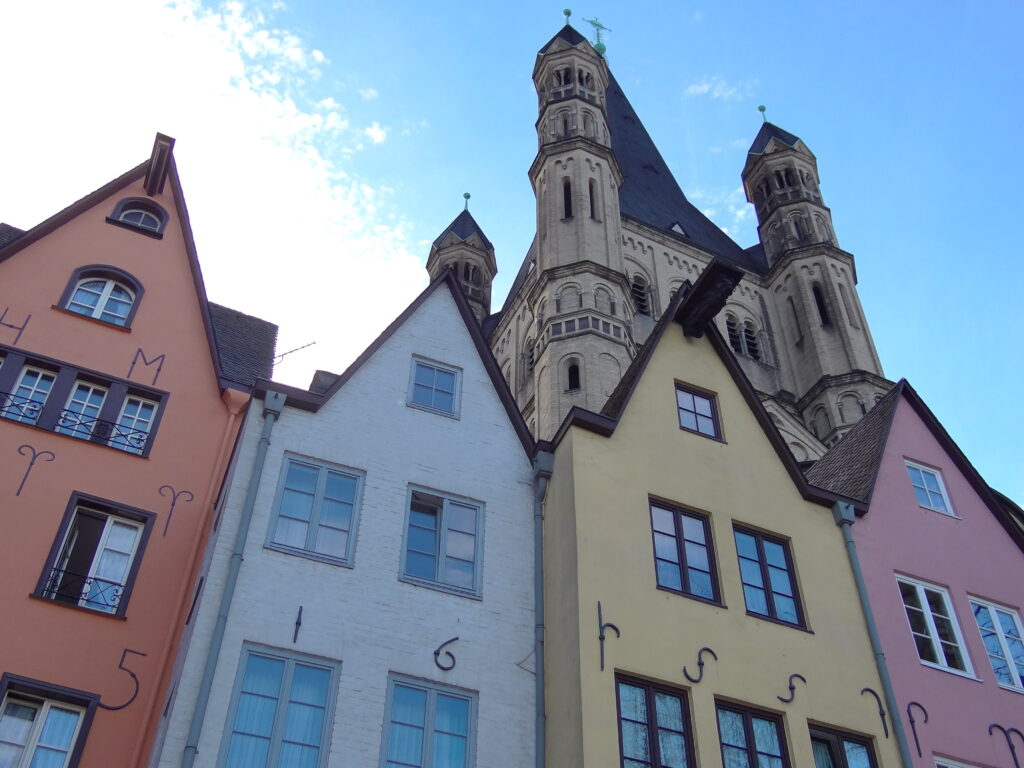
Wander along the Rhine Promenade, and you’ll encounter Cologne’s charming Old Town (Altstadt). Lined with colorful houses, beer gardens, and riverfront restaurants, this area captures the soul of Cologne.
You can watch Rhine River cruises depart from here — from short sightseeing tours to multi-day journeys toward Basel or Amsterdam. Locals come here to jog, bike, or enjoy a glass of Kölsch beer by the water.
- Location: Am Leystapel, 50667 Cologne
- Tip: The promenade is best experienced at dusk when the river reflects the city’s golden lights.
Where to Stay Near the Rhine River
Finding the right stay near The Rhine River depends on what kind of experience you’re after — luxury river views, romantic walks, or local nightlife. Below are some of the most recommended hotels with verified traveler ratings and real river access.
Luxury Riverfront Stay – Hyatt Regency Cologne
- If you dream of waking up to sweeping Rhine River and Cathedral views, the Hyatt Regency Cologne is the ultimate choice. Located on the Deutz side of the river, just across the Hohenzollern Bridge, it offers unmatched panoramas from nearly every room.
- The hotel features a riverside terrace, spa, and elegant dining with window views of passing river cruises — it’s a perfect blend of comfort and scenery.
Address: Kennedy-Ufer 2A, 50679 Cologne, Germany
Hyatt Regency Cologne – Google Map
Tip: Request a “Rhine View” room on a high floor for the best photo ops.
Central Boutique Stay – Hotel Mondial am Dom MGallery
- For those who prefer staying in the heart of Old Town, Hotel Mondial am Dom MGallery offers elegance and accessibility. It’s a short walk to Cologne Cathedral, Museum Ludwig, and the Rhine Promenade.
- Rooms are stylish with modern touches, and the breakfast lounge overlooks the Cathedral’s spires.
Address: Kurt-Hackenberg-Platz 1, 50667 Cologne
Hotel Mondial am Dom – Google Map
Best for: Travelers who love being close to major landmarks and cafés.
Budget & Comfort – CityClass Hotel Residence am Dom
- Just a few minutes from the Rhine River, CityClass Hotel Residence am Dom is an affordable, highly rated option for travelers who want comfort without luxury prices. Rooms are compact but cozy, and the location is unbeatable for sightseeing on foot.
Address: Alter Markt 55, 50667 Cologne
CityClass Hotel Residence am Dom – Google Map
Tip: Ideal for solo travelers or couples exploring on a budget.
How to Choose the Right Area for Your Stay
| Area | Best For | Highlights |
|---|---|---|
| Altstadt (Old Town) | First-time visitors | Walk to Cathedral, museums, and promenade |
| Deutz (Across the River) | Luxury & views | Quieter area, Hyatt Regency, skyline views |
| Innenstadt | Shopping & nightlife | Close to bars, restaurants, and trains |
Pro Tip: If photography or romance is your focus, stay in Deutz for the best Cathedral + Hohenzollern Bridge skyline views at sunrise or sunset.
Where to Eat Along the Rhine River
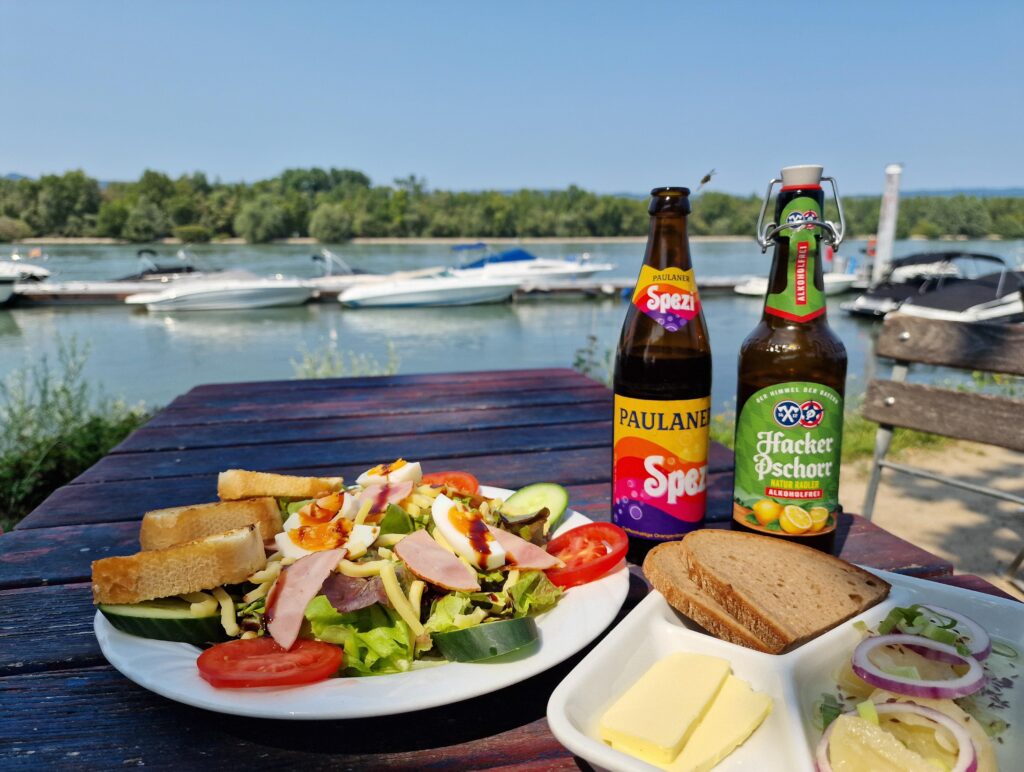
Cologne’s riverfront dining scene is lively, flavorful, and full of local charm. Whether you’re in the mood for fine dining or casual riverside bites, the Rhine Promenade has something for every traveler.
Brauhaus Sion – Traditional Taste of Cologne
- A true Cologne icon, Brauhaus Sion has been serving Kölsch beer and local dishes since 1318. The lively atmosphere and authentic cuisine make it a must-visit after a walk along The Rhine River. Try “Himmel un Ääd” — mashed potatoes with applesauce and black pudding — a regional specialty.
Address: Unter Taschenmacher 5-7, 50667 Köln, Germany
Brauhaus Sion – Google Map
Gruber’s Restaurant – Elegant Dining by the Rhine
- For a refined evening, Gruber’s Restaurant, just across from the Hyatt Regency Cologne, combines Austrian-inspired fine dining with elegant presentation. It’s popular for romantic dinners overlooking The Rhine River.
Address: Clever Str. 32, 50668 Köln, Germany
Gruber’s Restaurant – Google Map
Rheinterrassen – Dine With a River View
- If you prefer outdoor dining with panoramic views of the Hohenzollern Bridge and Cathedral, Rheinterrassen is a top pick. It offers a relaxed terrace atmosphere, local dishes, and live music during summer evenings.
Address: Am Rheinufer 24, 50999 Köln, Germany
Rheinterrassen – Google Map
Best Experiences Along The Rhine River
The Rhine River stands as one of the world’s most exceptional waterways because it combines historical value with its stunning scenery and traditional cultural elements. The waterway extends from the Swiss Alps to the North Sea while passing through six European countries which include Switzerland and Liechtenstein and Austria and Germany and France and the Netherlands. The Rhine River offers visitors a wide range of unforgettable experiences which include cycling and castle exploration and wine tasting and boat cruises during sunset.
Cycle the Rhine Route (EuroVelo 15)
If you want to experience The Rhine River up close, few adventures match the thrill of cycling the Rhine Cycle Route (EuroVelo 15). Spanning roughly 1,300 kilometers, this world-class trail follows the river’s journey from its source in the Swiss Alps at Lake Toma all the way to Rotterdam on the North Sea coast.
The cycling route leads riders through picturesque Swiss mountain valleys and French-German borderlands of Alsace and the Middle Rhine Valley which features romantic castles. The path reveals fresh discoveries at every bend which shows both a small riverside café and a medieval watchtower and wildflowers touching the water’s edge.
Travelers prefer to ride shorter sections of the route which include Mainz to Koblenz and Bonn to Cologne because these sections offer flat terrain and well-marked bike lanes suitable for every skill level.
👉 Traveler Tip: Before your trip download a map of the Rhine River in Europe to explore both riverbanks through local ferry crossings. The major cities of Cologne and Rüdesheim provide visitors with simple access to bike rental options and luggage transfer solutions.
Visit the Rhine Castles
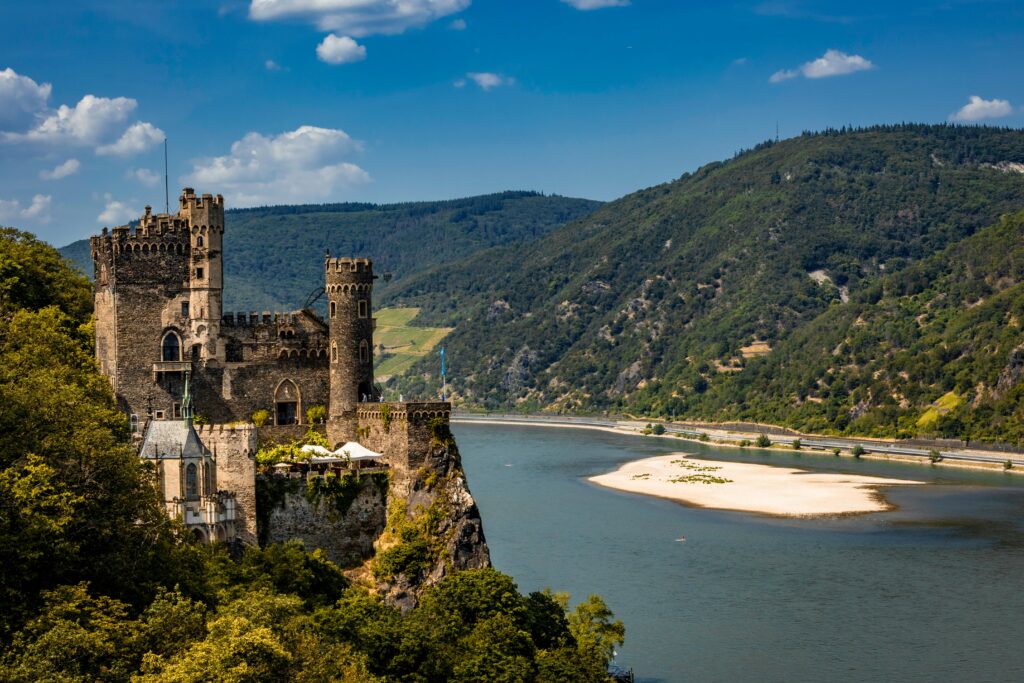
The Rhine Valley is a living fairy tale. Nowhere else in Europe will you find such a concentration of medieval castles perched dramatically above the river.
Among the most iconic are:
- Marksburg Castle – Near Braubach, this is the only hilltop fortress along the Rhine that has never been destroyed. Step inside to find original weapons, tapestries, and centuries-old stone staircases that whisper of knights and sieges.
- Rheinstein Castle – Sitting on a rocky promontory above the river near Trechtingshausen, this 14th-century masterpiece offers panoramic views from its vine-covered terraces.
- Pfalzgrafenstein Castle – A striking fortress on a small island near Kaub, often called the “castle in the river.” It’s accessible only by boat, adding to its storybook allure.
These castles line the Upper Middle Rhine Valley, a region so rich in heritage that UNESCO declared it a World Heritage Site. The entire stretch between Bingen and Koblenz feels like stepping into a page of medieval history—complete with fortresses, vineyards, and half-timbered villages.
👉 Local Insight: Combine castle visits with a cruise along The Rhine River to admire them from the water. Seeing these fortresses illuminated at dusk is pure magic.
Wine Tasting in the Rhine Valley

The Rhine Valley is the heart of Germany’s wine country, particularly famous for its Riesling—a crisp, aromatic white wine that thrives in the river’s steep slate slopes.
The region’s microclimate, shaped by the river’s warmth and reflection, produces some of the world’s finest vintages. You can follow the Rhine Wine Route, stopping at small family-run vineyards and rustic taverns (Weinstuben) in towns like Rüdesheim am Rhein, Boppard, and Bacharach.
Most tastings include locally made cheeses, cured meats, and freshly baked bread—a true taste of the Rhine’s hospitality.
👉 Pro Tip: Time your visit for late September or early October, when grape harvest festivals (Weinfeste) fill the riverbanks with music, fireworks, and traditional costumes. It’s one of the best times to immerse yourself in Rhine culture.
Discover UNESCO Heritage Sites
The Upper Middle Rhine Valley, stretching roughly 65 kilometers between Bingen, Rüdesheim, and Koblenz, is one of Europe’s most celebrated UNESCO World Heritage Sites.
This region captures the Rhine at its most poetic: steep vineyards, ancient castles, charming villages, and the dramatic Loreley Rock, where legend tells of a siren luring sailors with her song.
For photographers and history lovers, highlights include:
- The panoramic Loreley viewpoint near St. Goarshausen.
- The medieval town of Bacharach, with its preserved city walls and Gothic churches.
- The scenic Rhine Promenade in Koblenz, where the Moselle River meets the Rhine at the Deutsches Eck monument.
👉 Traveler Tip: Consider joining a guided Rhine River tour or using a Rhine Pass to hop between towns. Most river cruises stop at key UNESCO spots, letting you explore on foot.
Beyond the Expected – Local Experiences Worth Trying
- Join a festival: The Rhine in Flames (Rhein in Flammen) event in summer features fireworks along multiple towns from Bonn to Koblenz, lighting up the entire river.
- Visit local markets: Weekly markets in Cologne and Bonn showcase local produce, flowers, and crafts, ideal for travelers wanting to taste authentic life by the river.
- Explore on foot: Walking the Rhine Promenade in Cologne or Mainz reveals a blend of culture, street art, and local street musicians that bring the riverbanks alive.
Practical Travel Tips for Visiting the Rhine River

Traveling along The Rhine River—one of Europe’s most iconic waterways—can be as effortless as it is rewarding, especially if you plan ahead. Whether you’re exploring Cologne’s Hohenzollern Bridge, boarding a scenic river cruise, or following the Rhine by train, these practical tips will help you make the most of your journey.
Transportation – Getting Around the Rhine Region
Germany’s rail network makes exploring The Rhine River incredibly easy. Deutsche Bahn (DB) operates regular trains along both banks of the river, connecting major destinations like Cologne, Koblenz, Mainz, Bonn, and Düsseldorf.
The Cologne Central Station (Köln Hauptbahnhof) sits just beside the Hohenzollern Bridge Cologne, offering a panoramic view of the Rhine River as trains glide across the water toward the cathedral.
For shorter trips, consider regional trains such as the RE5 (Rhein-Express) or Mittelrheinbahn, which follow the river and offer picture-perfect views of castles, vineyards, and medieval towns.
If you prefer freedom, renting a car allows you to stop at small riverside villages, though parking near tourist hotspots like Cologne Cathedral or the Rhine Promenade can be limited.
👉 Tip: For the most scenic experience, sit on the left-hand side of the train when traveling south from Cologne toward Mainz—you’ll enjoy uninterrupted views of the Rhine and its castle-dotted banks.
Best Time to Visit the Rhine River
The best time to visit The Rhine River depends on what kind of experience you’re after:
- May to September – Perfect for river cruises, warm weather, and outdoor café culture. Towns like Rüdesheim and Boppard come alive with wine festivals and open-air markets.
- October – Ideal for autumn colors, harvest celebrations, and fewer crowds.
- November to December – A magical season to join Viking River Cruises Christmas on the Rhine, when the riverbanks sparkle with Christmas markets from Basel to Cologne. You can wander through wooden chalets selling mulled wine, gingerbread, and handmade ornaments while festive lights reflect off the water.
👉 Local Insight: If you plan to cruise the Rhine River, aim for May or June for mild temperatures and steady water levels. Avoid late summer droughts, which can cause low water levels on the Rhine River, occasionally affecting cruise schedules.
Tickets & Passes
If you’re exploring independently, the Rhine Pass is a smart investment. It offers unlimited travel on select regional trains, ferries, and buses within the Rhine Valley.
For river travel, consider day passes from cruise companies like KD Köln-Düsseldorfer, which allow you to hop on and off at scenic towns such as Linz, Königswinter, or Boppard.
When visiting Cologne, combine your train ticket with entry to attractions near the Hohenzollern Bridge Cologne Germany, including Cologne Cathedral (Kölner Dom) or Museum Ludwig.
Safety & Comfort Tips

Traveling along The Rhine River is generally safe and tourist-friendly. Cities like Cologne, Bonn, and Mainz are well-lit and welcoming, even after dark.
That said, always take standard precautions:
- Be cautious around riverbanks, especially during rain—stone paths can become slippery.
- Keep valuables secure when visiting crowded Christmas markets or train stations.
- Use marked crossings when walking across Hohenzollern Bridge, as bicycle lanes and pedestrian paths are often busy with locals and visitors taking in the view of the Rhine River and Cologne Cathedral.
👉 Personal Note: Watching the sunset from the Hohenzollern Bridge feels safe and serene, with the gentle hum of city life and the sound of church bells echoing across the river. It’s a perfect moment to pause and truly take in the beauty of the Rhine.
Currency & Language
Across Germany and neighboring countries along The Rhine River (Switzerland, France, and the Netherlands), you’ll primarily use the Euro (€). In Switzerland, however, the currency is the Swiss Franc (CHF)—though many tourist areas near Basel accept both.
English is widely spoken in major Rhine cities such as Cologne, Düsseldorf, and Mainz, as well as on most Rhine River cruises. Still, learning a few German phrases—like Danke schön (thank you very much) or Entschuldigung (excuse me)—can go a long way in small villages.
Traveler Tip: Credit cards are accepted in most hotels and restaurants, but smaller cafés or markets along the river may prefer cash.
Internet & Connectivity

Wi-Fi is easily available in most Rhine River hotels, trains, and cafés. However, mobile data coverage can fluctuate in deep river valleys, especially between Boppard and Loreley Rock. If you’re cruising, consider an international SIM card or eSIM for seamless connectivity.
What to Pack for a Rhine River Trip
Packing smartly ensures you’re prepared for every scenario along The Rhine River:
- Comfortable walking shoes for exploring cobbled old towns.
- Light layers—mornings can be cool, even in summer.
- Rain jacket or umbrella, as weather along the river can change quickly.
- Camera or smartphone to capture the stunning river views from the Hohenzollern Bridge Cologne or during a cruise on the Rhine River.
- Power adapter (Germany uses Type F plugs).
👉 Pro Tip: If you’re joining a Viking River Cruises Christmas on the Rhine itinerary, bring warm clothing, gloves, and a reusable cup for sipping mulled wine at outdoor markets.
Conclusion: The Timeless Beauty of the Rhine River
The Rhine River isn’t just a waterway — it’s the lifeline of Central Europe, flowing gracefully through Switzerland, Liechtenstein, Austria, Germany, France, and The Netherlands. From the snowcapped Swiss Alps to the scenic Dutch delta, the Rhine showcases a journey through centuries of history, culture, and trade. Whether you’re walking across the Hohenzollern Bridge Cologne Germany, sipping wine along the Rhine Valley, or admiring castles perched above the river, every bend tells a story.
Today, travelers come to cruise the Rhine River, explore medieval towns, and witness the charm of Cologne’s riverside skyline. With well-connected train routes, beautiful hotels near the Rhine Promenade, and romantic cruises, it’s a destination that truly defines Europe’s heart. So, if you’re wondering where is the Rhine River located, just follow the flow of history — from Switzerland to the North Sea — and experience one of the most iconic rivers in the world.
Top 5 FAQs About the Rhine River
It flows through six countries: Switzerland, Liechtenstein, Austria, Germany, France, and The Netherlands.
The Rhine River is Germany’s longest and most important river.
It’s famous for its vineyards, castles, medieval towns, and UNESCO-listed Rhine Valley landscapes.
Occasional low water levels during dry summers can disrupt river cruises and transport.
Between May and October, when weather and water levels are ideal for scenic cruising.

1 comment
Can you be more specific about the content of your article? After reading it, I still have some doubts. Hope you can help me.