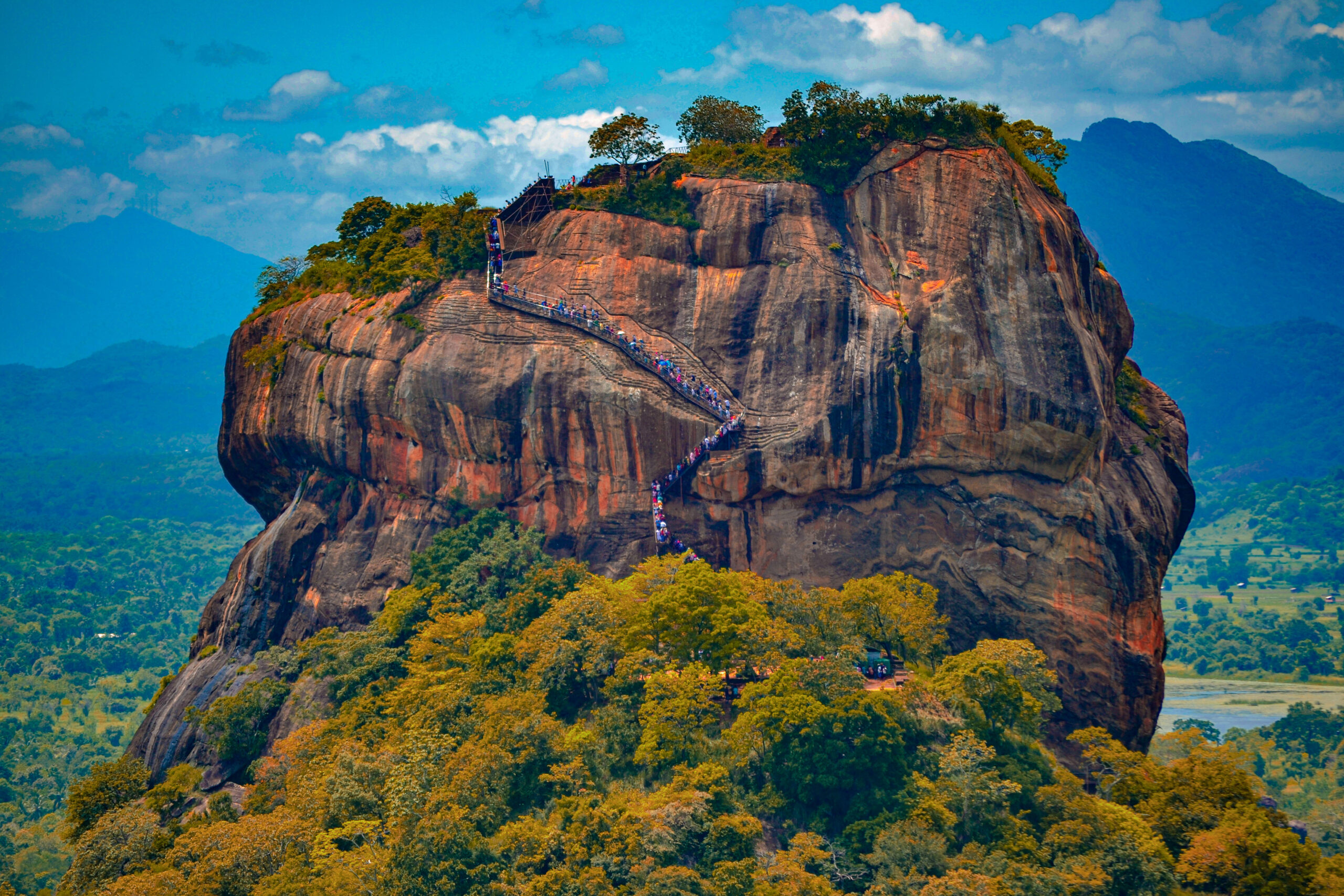
Nestled in the heart of Sri Lanka’s Matale District, Sigiriya Lion Rock rises dramatically 200 meters above the surrounding plains. Often called the “Eighth Wonder of the World,” this ancient fortress combines incredible architecture, breathtaking scenery, and a rich historical tapestry. Visiting Sigiriya is not just a sightseeing trip; it’s a journey through centuries of ingenuity, legend, and human resilience.
The first time I approached Sigiriya, the sheer scale of the rock left me awestruck. Its flat summit, crowned with the ruins of King Kashyapa’s palace, seemed to float above emerald gardens, water fountains, and ancient moats. Below, the surrounding forest whispered stories of bygone eras. Whether you’re drawn to history, architecture, or photography, the sigiriya location offers unforgettable panoramas that stay with you long after the climb.
This guide will explore every facet of Sigiriya — from its fascinating legends and intricate frescoes to the best hotels, restaurants, and travel tips — helping you experience the full magic of Sigiriya, Sri Lanka.
Table of Contents
What is Sigiriya? – History and Significance
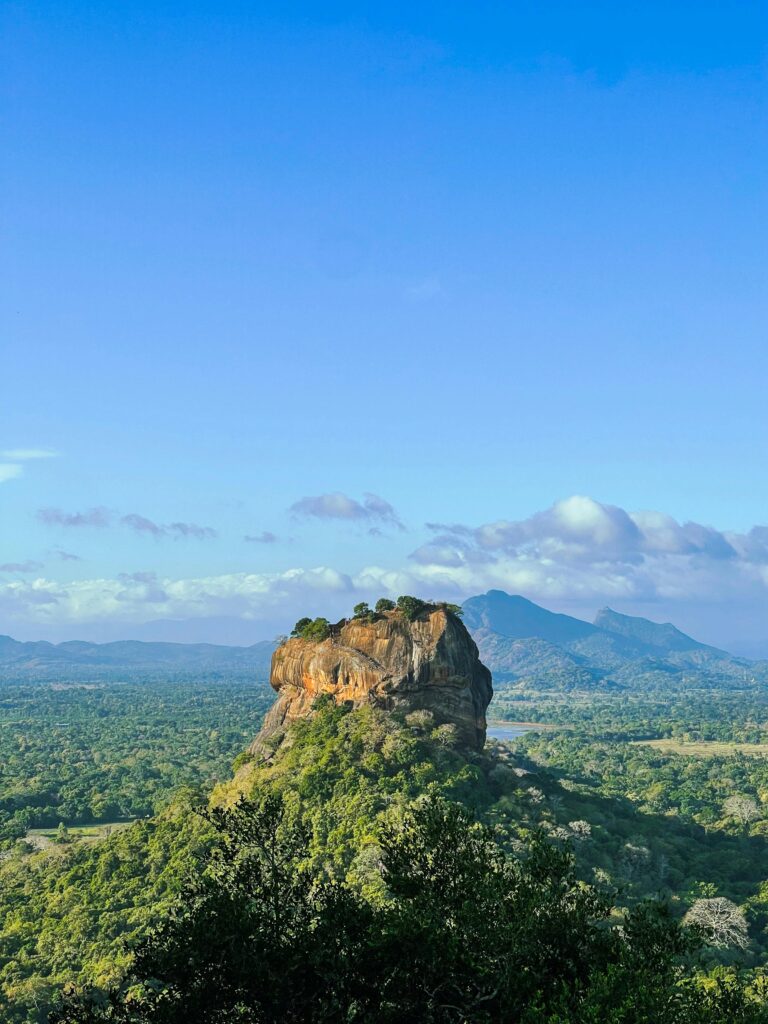
Sigiriya is more than a rock; it is a symbol of Sri Lanka’s ancient engineering genius. The 5th century CE rock fortress of King Kashyapa functioned as both a royal palace and a defensive citadel. The name Sigiriya originates from “Sinha-Giri” which means Lion Rock because of the massive lion paws that were carved into the rock foundation to access a massive lion statue.
The rock served as a Buddhist monastery before Kashyapa and it became a religious site again after his passing until the end of the centuries. The UNESCO World Heritage Site designation honors Sigiriya because it showcases outstanding urban design and water gardens and frescoes which prove early human societies achieved sophisticated architectural and artistic mastery.
Its dual nature as both a fortress and a spiritual site makes Sigiriya one of the most fascinating locations in Sri Lanka. Tourists who visit today can experience the lion rock of Sri Lanka along with its surrounding gardens and pools and ancient murals which depict royal dreams and artistic and religious dedication.

Legendary Past of Sigiriya & Ravana Connections
The historical record of Sigiriya exists in close connection with mythical accounts. According to ancient texts and the Ravana watha Palm Leaf Manuscripts, Sigiriya (earlier known as Alakamandawa or Akasa Maligawa) was associated with King Ravana and his brother Kuwera. The archaeological findings indicate that Sigiriya operated as a royal palace and sacred religious center before Kashyapa occupied the site which links the rock to Sri Lanka’s famous mythological stories.
King Kashyapa built the fortress to achieve his political goals. King Mogallana’s brother forced Kashyapa to build a defensive palace on top of the rock summit which included modern security features and water supply networks and gardens that still exist in the present day. The layout of Sigiriya Lion Rock Sri Lanka still reveals the strategic planning which determined its design because all architectural elements served both functional and visual needs.
Architecture & Engineering of Sigiriya
Climbing Sigiriya Lion Rock Sri Lanka for the first time, I was struck not just by the sheer height of the rock, but by the incredible thought that went into every detail of this ancient fortress. Standing at the summit, I could see how King Kashyapa’s vision combined practicality, defense, and beauty in a way that still feels modern today.
Upper Palace – Cool Breezes Above the Plains
- Walking through the ruins of the Upper Palace, I noticed how cleverly the terraces and rooms were positioned to catch natural breezes. Even under the midday sun, the summit felt surprisingly comfortable. It was clear that air circulation and climate control were part of the design, showing an understanding of engineering centuries ahead of its time.
Lion Claws & Majestic Staircase
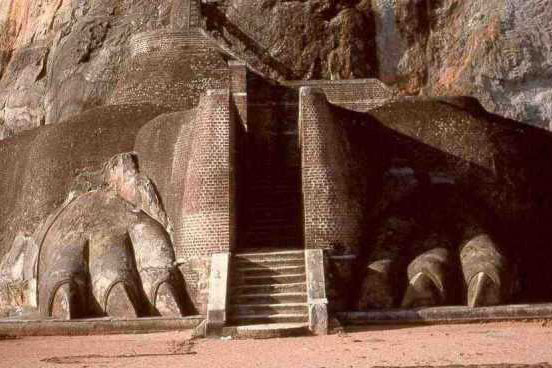
- Climbing the staircase framed by the massive lion paws carved into rock, I felt a sense of awe. The big claws of the lion served multiple functions which extended past their physical structure because they represented both royal power and physical strength. The ascent of each step brought me through time as I pictured the ancient ceremonial walk that took place during past centuries.
Water Gardens – Hydraulic Brilliance at Its Best
- I started my exploration at the Water Gardens where I discovered that the pools and fountains and drainage systems maintained some operational functionality. The ancient gardeners studied the hydraulic system which protected their pools from flooding and powerful rainfall.
City Planning – Precision in Every Corner
- The palace design with gardens and defensive walls demonstrated that the city designers had created a purposeful layout. The square-module system created a fortress design which combined visual appeal with functional design elements. The process of urban organization during ancient times became apparent to me through their detailed planning methods before modern mapping technology existed.
Experiencing Sigiriya’s engineering wonders firsthand was like stepping into a masterclass of ancient ingenuity. Each terrace, staircase, and water feature told a story of human creativity and vision. Walking here, you don’t just see a palace — you feel the ambition, intelligence, and artistic spirit of Sri Lanka’s past come alive.
Sigiriya Frescoes & Mirror Wall
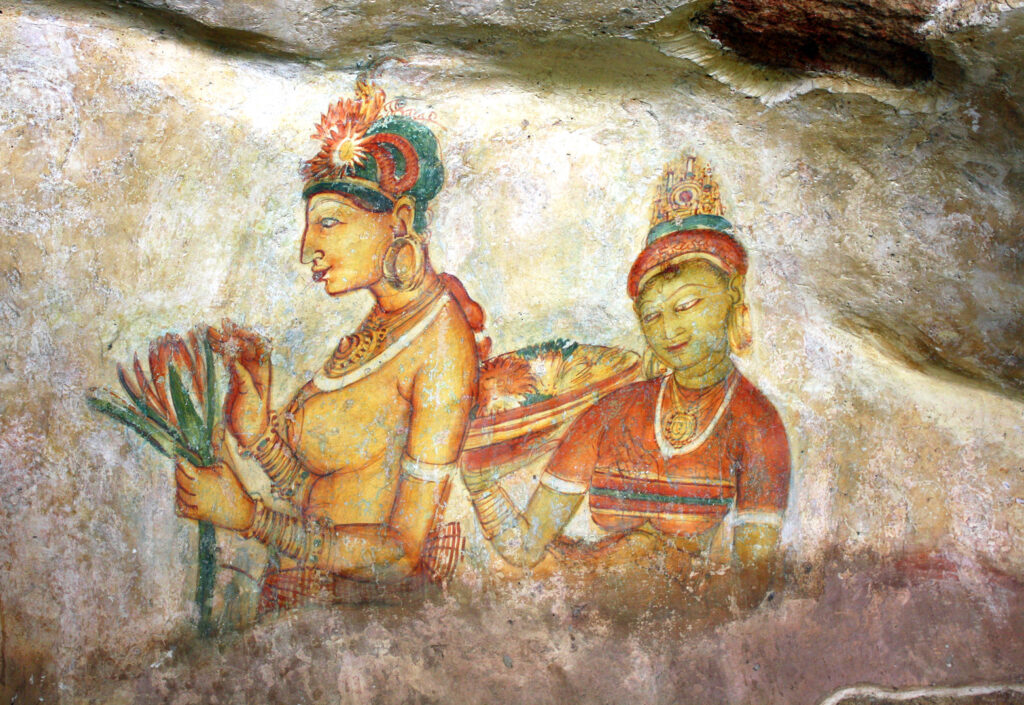
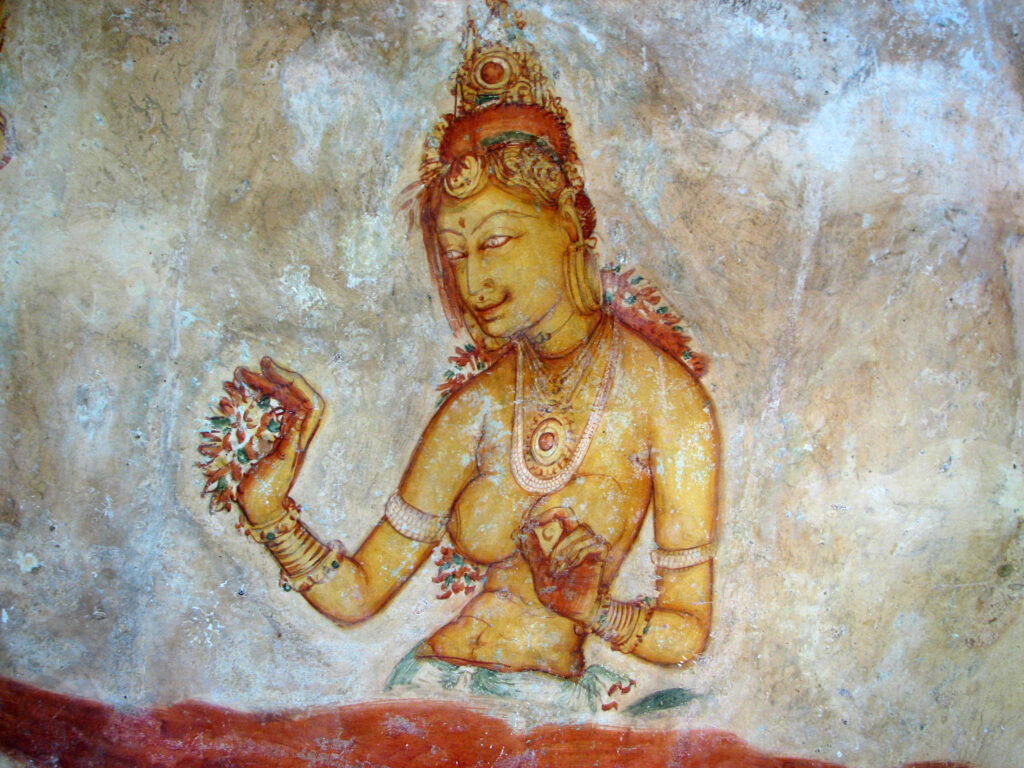
One of the highlights of Sigiriya is its stunning frescoes, located halfway up the rock in a sheltered gallery. These colorful murals depict semi-divine maidens, known as Sigiriya maidens, carrying flowers and adorned with intricate jewelry. The paintings, executed using natural pigments, resemble the Gupta-style art of India’s Ajanta caves.

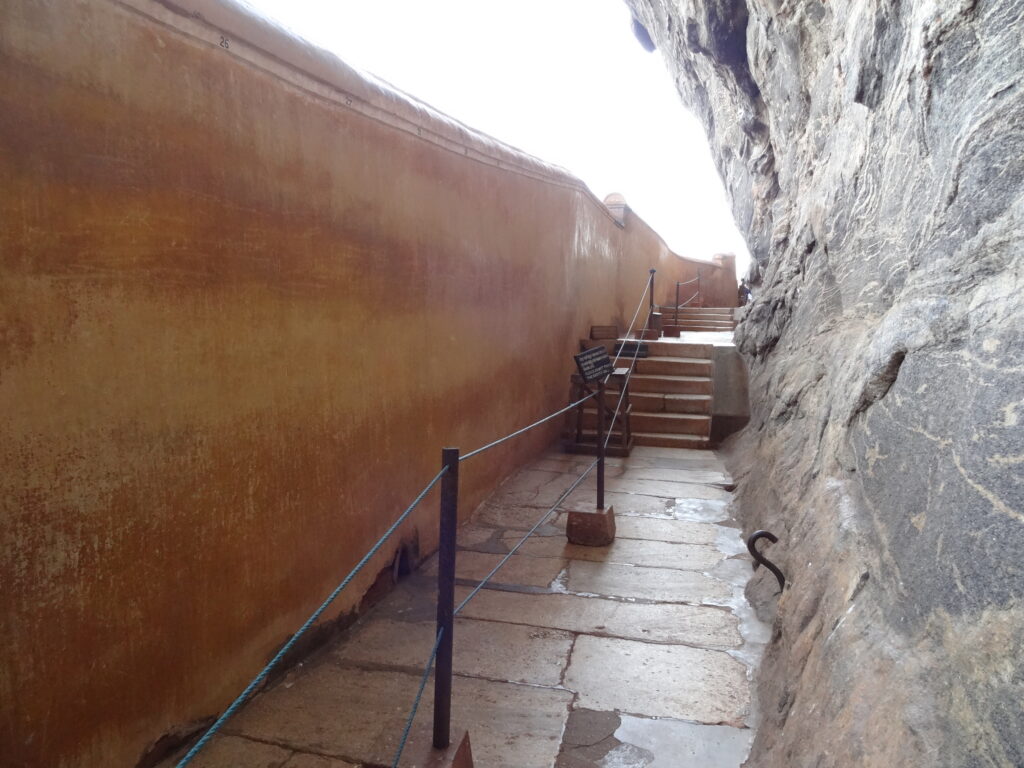
The Mirror Wall provides visitors with an additional opportunity to gain knowledge about the site. Originally polished to a reflective sheen, the wall contains ancient graffiti written by visitors over centuries. The inscriptions contain personal thoughts and poetic expressions and celebratory texts which enable us to experience the direct human connection between past visitors and the Sigiriya site before tourism became popular.
💬 Guest Review by Evolina
“Sigiriya, also known as the Lion Rock, is one of Sri Lanka’s most iconic and breathtaking landmarks. Rising 200 meters above the jungle, this ancient rock fortress offers stunning panoramic views and a fascinating history. The climb to the top takes you past beautiful frescoes, the Mirror Wall, and giant lion’s paws carved into stone. At the summit, you’ll find the ruins of an ancient palace surrounded by lush greenery. Sigiriya is a UNESCO World Heritage Site and a must-visit for history lovers, nature enthusiasts, and adventure seekers. It’s truly a magical place that captures the spirit of ancient Sri Lanka.”
TripAdvisor Rating: ⭐⭐⭐⭐ 4.5/5 (11,930 reviews)
👉 Read more on TripAdvisor
Sigiriya Gardens & Landscaping
ThThe gardens at Sigiriya Lion Rock create a museum-like experience through their living ancient design elements. The builders of Sigiriya established a breathtaking natural balance between water and stone and earth before modern landscaping became popular which continues to impress visitors in the present day.
Water Gardens – The King’s Reflection in the Pool
- At the base of the fortress, the Water Gardens spread out in perfect symmetry. The stone water channels built during the 5th century serve as proof that gravity-operated fountains and reservoirs functioned in the same way during that period. The central pool creates a perfect reflection of the rock above which seems deliberately placed to stop visitors from starting their ascent.
Boulder Gardens – Nature as Defense and Design
- The Boulder Gardens present their natural scenery through deliberate game design elements. The natural rocks of enormous size created protected areas which served as royal defense routes through their shaded pathways and concealed passageways. The site contains boulders which show evidence of both ancient fresco shelters and meditation areas. The monks and guards moved through these structures with absolute quietness in ancient times to establish a distinctive combination of peacefulness and power which makes Sigiriya special.
Terrace Gardens – Steps to the Sky Palace
- The Terrace Gardens create a smooth path which leads to the summit from their higher elevation. These terraces were carved directly into the slope, connecting the palace grounds below with the royal residence above. The panoramic view from here is surreal — lush green forests stretching endlessly in every direction. King Kashyapa selected this site because it provided both defensive benefits and artistic inspiration.
The three landscapes of water and boulder and terrace represent one of Asia’s first examples of urban planning which dates back to ancient times. The structures demonstrate how the builders mastered their surroundings through their combination of artistic and engineering and spiritual elements.
The combination of gentle wind and peaceful water bodies creates an atmosphere which makes visitors understand why Sigiriya has been a sacred destination for travelers since ancient times.
Sigiriya Tourist Guide Map: Explore Sri Lanka’s Ancient Rock Fortress
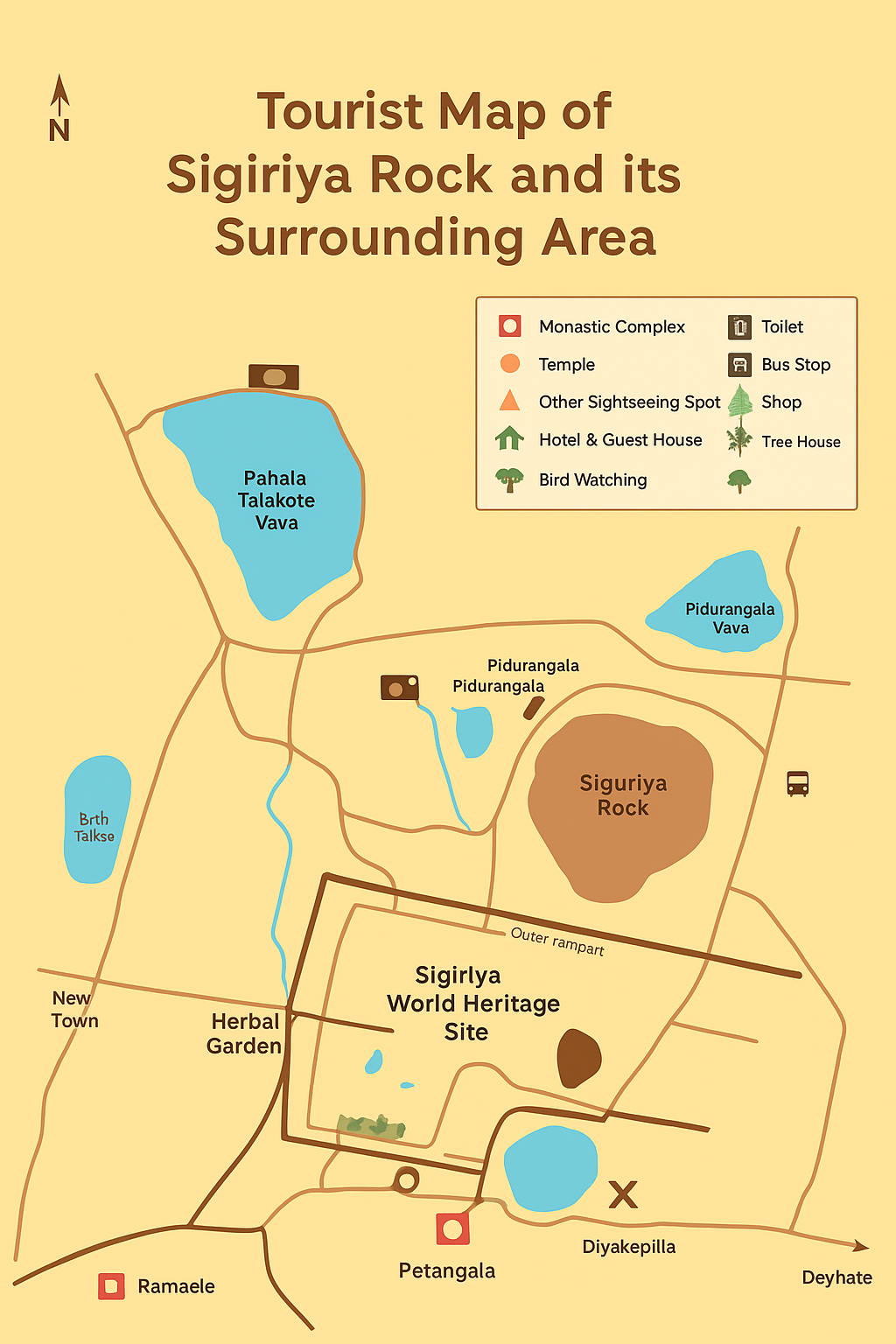
Explore the Sigiriya Location On Google Map
Practical Travel Tips for Visiting Sigirya

Exploring Sigiriya Lion Rock Sri Lanka is a journey you’ll never forget, but planning ahead makes the experience far more enjoyable. Here’s a comprehensive guide to help you navigate the rock, enjoy the views, and travel safely.
Best Time to Visit
The ideal months to explore Sigiriya are January to April, when the weather is dry, sunny, and perfect for climbing and photography. Early morning visits around 7:00 AM offer fewer crowds and softer light for stunning photos, while late afternoons provide golden-hour views without the heat. Avoid October to December, when heavy rains can make the climb slippery and obscure panoramic views. Even during the off-season, the tropical climate offers a warm experience, but humidity can reach up to 80%, so stay hydrated.
Opening Hours
The site of Sigiriya remains open to visitors from 5:00 AM until 6:30 PM each day for them to discover the summit and frescoes and water gardens and mid-level terraces.
How to Get There
By Bus:
- A budget-friendly option, a bus from Colombo takes about 4–5 hours. You may need to transfer via Anuradhapura, Kaduruwela (Polonnaruwa), Dambulla, or Habarana, with fares ranging from Rs. 1100–210. Buses run frequently, though the journey can be tiresome.
By Train:
- The nearest station is Habarana, 15 km from Sigiriya. Trains from Colombo take 5–6 hours, with 2nd-class tickets around Rs. 600. This is slower and less convenient but offers scenic countryside views.
- Online Ticket Booking Of Railway
Car:
- Hiring a car is the most convenient way, taking 3–4 hours via the A01 and A06 routes. Costs range from Rs. 35–60 per km depending on vehicle type. Driving gives flexibility to stop at nearby attractions like Dambulla Cave Temple or Minneriya National Park.
By Domestic Flight:
- For a premium experience, Cinnamon Air flies from Colombo to Sigiriya in 30 minutes for around USD 223. This aerial route provides panoramic views of the central plains and forests — truly unforgettable.
By Tuk-Tuk:
- For adventure lovers, tuk-tuks offer a unique journey at LKR 95–120 per km. It takes 4–5 hours and allows you to experience Sri Lanka’s vibrant local travel culture.
- Pickme.lk
Walking and Climbing Tips
- Wear comfortable shoes — the climb is steep and can be hot, especially midday.
- Carry water, sunscreen, and a hat; the summit offers little shade.
- Pace yourself, taking breaks at the mid-level terraces to admire the frescoes and gardens.
By planning ahead, choosing the right time to climb, and considering your mode of transport, visiting Sigiriya becomes more than a hike — it’s a full immersion into Sri Lanka’s cultural, historical, and natural heritage. Every step, from the water gardens to the summit, tells a story of ingenuity, power, and timeless beauty.
Sigiriya Lion Rock Ticket Prices & Visitor Information
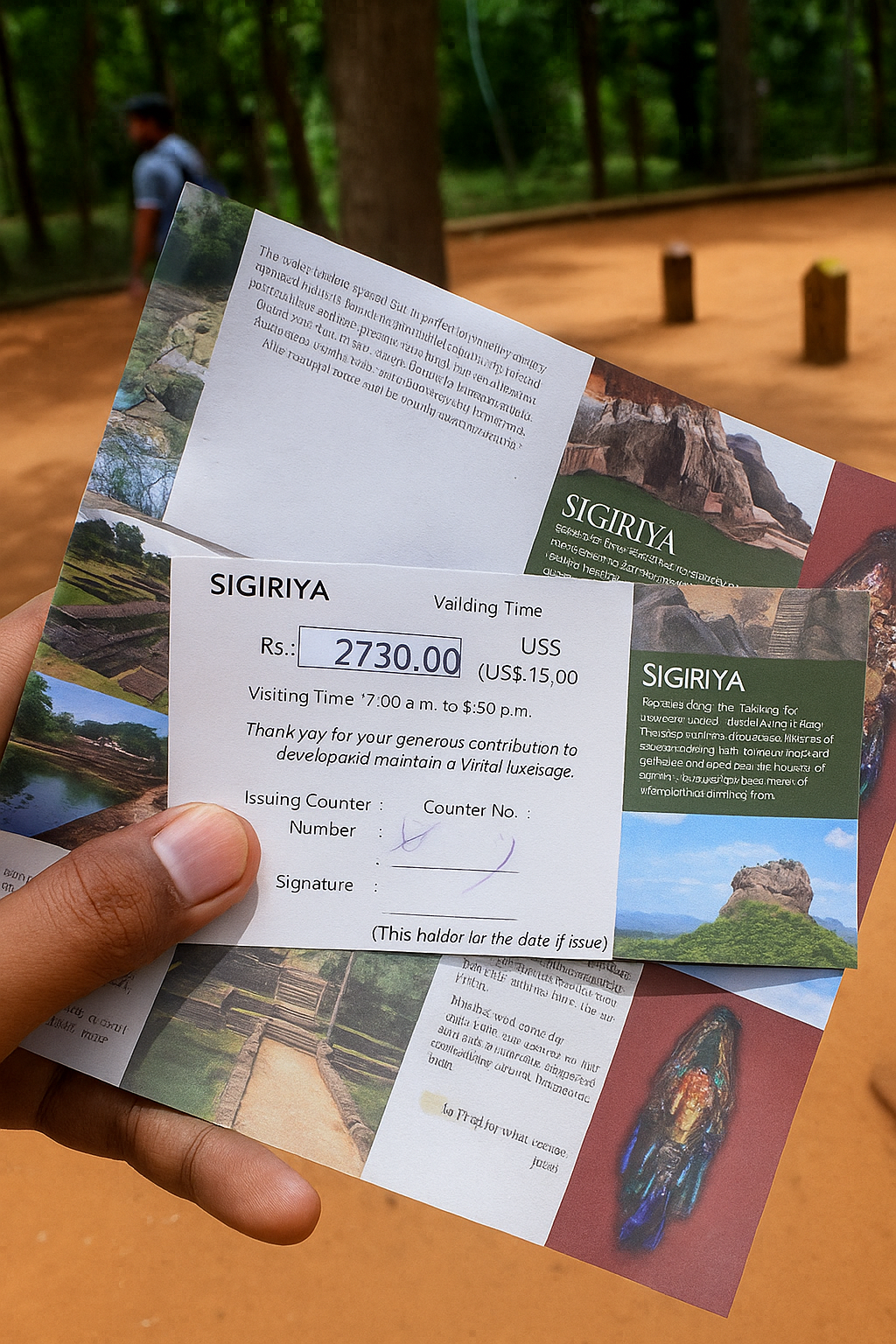
Visiting Sigiriya Lion Rock Sri Lanka is a journey into history, culture, and breathtaking views — and knowing the ticketing details in advance ensures a smooth experience.
Opening Hours
Sigiriya opens daily from 5:00 AM to 6:30 PM, with tickets issued only between 5:00 AM and 5:00 PM. The frescoes area closes at 5:45 PM, so plan your visit accordingly to fully enjoy these world-famous paintings.
💬 Guest Review by moiz m
“I began my hike around 5:00 AM, and it was absolutely worth the early start. The ticket counter is located about 200 meters before the main entrance, so plan accordingly. As you approach the gate, a few local guides may offer their services — while they’re friendly and knowledgeable, the trail itself is straightforward and well-marked, making it easy to explore independently..”
TripAdvisor Rating: ⭐⭐⭐⭐ 4.5/5 (11,930 reviews)
👉 Read more on TripAdvisor
Ticket prices for Sigiriya may vary depending on government regulations, seasonal adjustments, or maintenance fees. Please check the official Central Cultural Fund website or the Sigiriya ticket counter for the most up-to-date pricing before your visit.
Ticket Prices for Foreign Tourists
| Category | Price |
|---|---|
| Non-SAARC Foreign Adult (12+) | US$ 30 |
| Non-SAARC Foreign Children (6–12) | US$ 15 |
| SAARC Foreign Adult | US$ 20 |
| SAARC Foreign Children | US$ 15 |
| Infant & Toddler (Below 6 years) | Free |
The Lion Rock ticket includes access to the Sigiriya Museum, which is a must-visit to understand the fortress’s history and engineering marvels.
Tickets for Local Tourists
| Category | Price |
|---|---|
| Local Adults | LKR 120 |
| Local Children | LKR 60 |
Sigiriya Museum Only
If you only wish to explore the museum without climbing the rock, tickets are US$ 6, but keep in mind that the Lion Rock ticket already covers museum entry.
Pidurangala Rock Tickets
The nearby Pidurangala Rock, another top viewpoint offering dramatic vistas of Sigiriya, requires a separate ticket: LKR 1,000, available at the site.
Online Ticket Purchase
You can purchase tickets online via the Government Central Cultural Fund website, ensuring a hassle-free entry. For assistance, contact the CCF Office at +94 11 250 7089 or +94 11 250 8960.
Age Categories
- Adults: 12 years and above
- Children: 6–12 years
- Toddlers: Below 6 years (free entry)
By planning ahead and knowing the ticket categories, timings, and online options, your Sigiriya visit can be stress-free — leaving you free to climb the rock, explore the frescoes, and take in panoramic views that few places on Earth can match.
Where to Stay in Sigiriya – Hotels & Resorts
SStaying near Sigiriya Lion Rock Sri Lanka is a game-changer for any traveler. Waking up early to catch the sunrise over the rock fortress is an unforgettable experience, and choosing the right accommodation makes all the difference. Here’s a guide to the best places to stay in Sigiriya to suit every preference and budget.
Palmyra Nature Resort Sigiriya
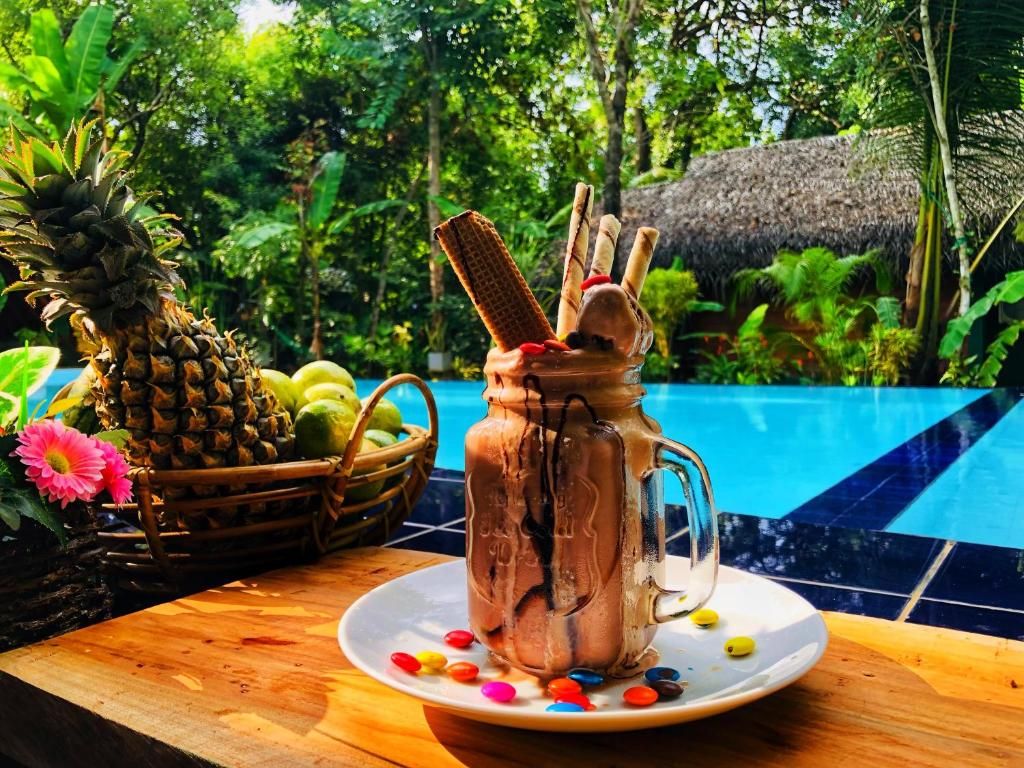
Nestled in lush greenery, Palmyra Nature Resort Sigiriya offers a serene escape from the hustle and bustle. Guests enjoy comfortable rooms, modern amenities, and easy access to Sigiriya Rock. The resort is ideal for travelers who want a quiet retreat while still being close to the fortress.
5-Star Hotels in Sigiriya Sri Lanka
For luxury seekers, Sigiriya has some exceptional 5-star hotels:
- Aliya Resort & Spa – Contemporary luxury with jungle views, infinity pool, and spa.
- Heritance Kandalama – Architecturally stunning with panoramic views of Sigiriya and surrounding forests.
- Jetwing Vil Uyana – Eco-friendly villas amidst wetlands, perfect for nature lovers.
- Sigiriya Village Hotel – Upscale comfort with guided tour services to Sigiriya and surrounding sites.
- Shanthi House – Boutique-style luxury offering spacious suites and personalized services.
Hotels Near Sigiriya Sri Lanka
Travelers who prioritize proximity can choose from these hotels near Sigiriya:
- Amaya Lake Sigiriya – Family-friendly with lake views and close to Sigiriya Rock.
- Hotel Sigiriya – Traditional hotel with easy access to attractions and local tours.
- Sigiriya Rest House – Affordable stay with classic Sri Lankan hospitality.
- Earl’s Regency Hotel – Spacious rooms, multiple dining options, and guided excursions.
- Mandara Resort – Modern amenities, pool, and a peaceful location near the fortress.
Best Places to Stay in Sigiriya – Summary
- For Luxury: Heritance Kandalama, Jetwing Vil Uyana, Aliya Resort & Spa
- For Nature Retreats: Palmyra Nature Resort Sigiriya, Jetwing Vil Uyana
- For Convenience: Hotels near Sigiriya like Sigiriya Rest House, Hotel Sigiriya
- For Families: Amaya Lake Sigiriya, Earl’s Regency
When booking, check reputable platforms or local guides to secure the best deals, and consider accommodations that offer early morning or sunset views of Sigiriya Lion Rock, giving your visit an unforgettable touch.
Best Restaurants in Sigiriya
No visit to Sigiriya is complete without sampling authentic Sri Lankan cuisine. Some of the best restaurants in Sigiriya Sri Lanka include:
- Rithu Restaurant: Enjoy traditional Sri Lankan dishes made with fresh, local ingredients. Their flavorful curries and rice dishes are perfect after a day of climbing Sigiriya.
- Flower Garden Restaurant: Offers both international and local cuisine with scenic views of Sigiriya Lion Rock, making every meal a feast for the eyes and palate.
- Heritage Hotel Dining: A serene setting where guests can savor authentic flavors while soaking in the peaceful ambiance.
Pairing your Sigiriya exploration with a hearty meal at these restaurants not only fuels your adventure but also gives you a taste of Sri Lanka’s rich culinary heritage.
Top Viewpoints of Sigiriya
Climbing Sigiriya Lion Rock Sri Lanka isn’t just about reaching the summit — it’s about experiencing a journey through history and nature, where every viewpoint tells a story.
Summit of Lion Rock – A Panoramic Masterpiece
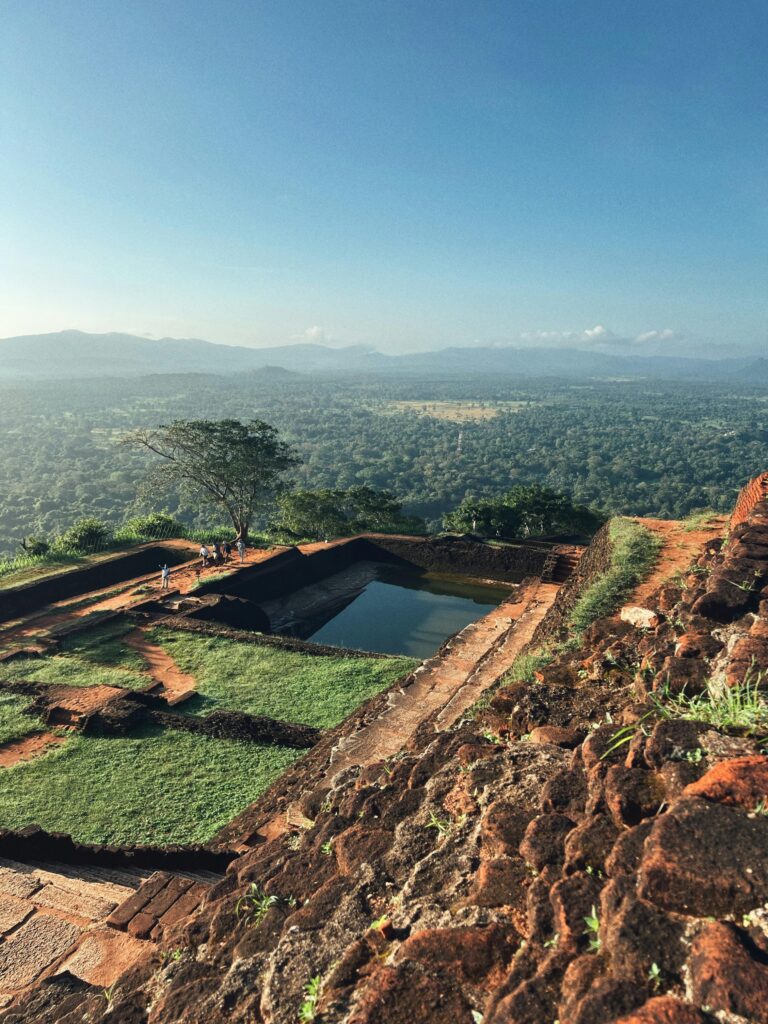
Standing atop the summit of Sigiriya, you’re greeted by an awe-inspiring panorama. The ancient gardens and terraces and royal palace ruins extend downward from the site while the surrounding plains show villages and distant forests which demonstrate King Kashyapa’s strategic thinking. The historical period meets natural elements at this exact point because the king would have used this spot to view his kingdom while thinking about defense strategies and admiring the beautiful surroundings that motivated him to build this massive fortress. The rock becomes a golden display during sunrise or sunset at this location which provides an ideal setting for reflection and photography and experiencing the majestic view.
Pinnacle Points on Mid-Level Terraces – History Up Close
The mid-level terraces of the climb offer special observation areas. These areas are ideal for photographing the famous Sigiriya frescoes of graceful maidens and the intricate layout of the gardens below. The rock architecture becomes visible from these terraces which show the creative water management systems and the lion’s paw staircase and the strategic arrangement of palaces and platforms. The entire structure from start to finish showcases both engineering expertise and artistic beauty which attracts historians and travelers who want to experience its magical appeal.
Sunrise and Sunset Spots – Magical Light on Ancient Stone
For those staying at nearby resorts or hotels in Sigiriya, terraces and viewing platforms offer unforgettable sunrise and sunset experiences. As the first light of day illuminates the rock, shadows play across its carved walls and frescoes, while evening paints the sky in fiery hues above the plains. These moments create memories that linger long after your visit and give you a profound connection to this ancient wonder.
💡 Traveler Tip: Bring a camera and a light jacket — mornings can be misty and evenings slightly cool. Take your time at each viewpoint to fully appreciate both the natural beauty and historical significance.
Visiting these viewpoints isn’t just sightseeing; it’s stepping into the story of Sigiriya, feeling the ambition of a king, the skill of ancient architects, and the timeless beauty of Sri Lanka’s landscape.
Nearby Attractions & Day Trips from Sigirya
Sigiriya isn’t just a destination — it’s the perfect base to explore central Sri Lanka’s rich cultural heritage and natural beauty. Whether you’re a history enthusiast, nature lover, or adventure traveler, these nearby attractions offer unforgettable experiences just a short drive from Sigiriya.
1. Polonnaruwa Ancient City
Step back in time at Polonnaruwa, a UNESCO World Heritage Site known for its well-preserved royal palaces, ancient temples, and monumental statues. Wander through the Gal Vihara rock temple and admire the serene Buddha carvings. Polonnaruwa is ideal for day trips from Sigiriya, offering insights into Sri Lanka’s medieval civilization.
2. Dambulla Cave Temple
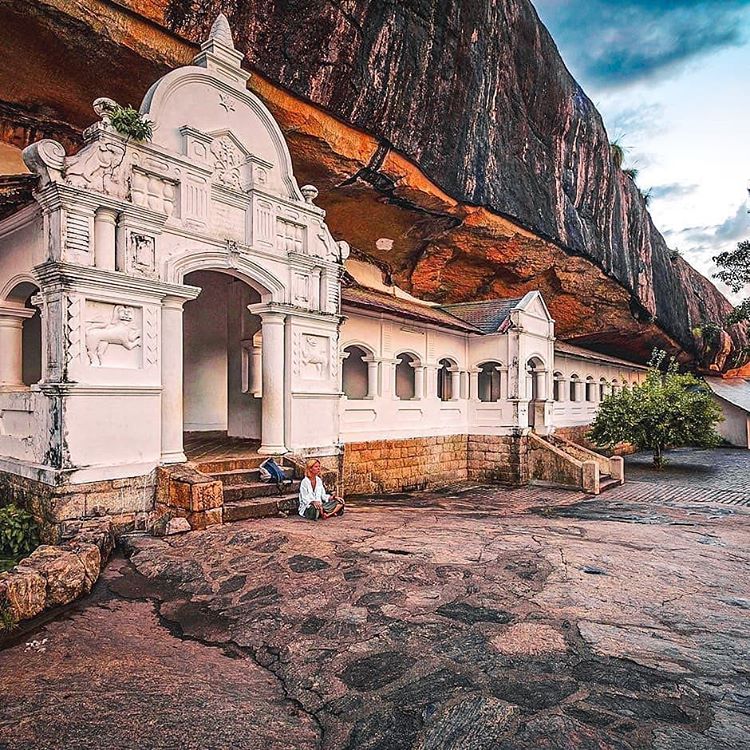
The Dambulla Cave Temple, also a UNESCO site, is home to five caves filled with gilded Buddha statues and intricate murals. Dating back over 2,000 years, this sacred complex provides a spiritual journey and panoramic views of the surrounding plains. It’s one of the most visited cultural attractions near Sigiriya.
3. Minneriya National Park
Just a short drive from Sigiriya, Minneriya National Park is famous for the “Gathering of Elephants”, where hundreds of wild elephants converge near waterholes during the dry season. Safaris here also reveal leopards, water buffalo, and foreign birdlife, making it a must-visit for wildlife enthusiasts.
4. Pidurangala Rock
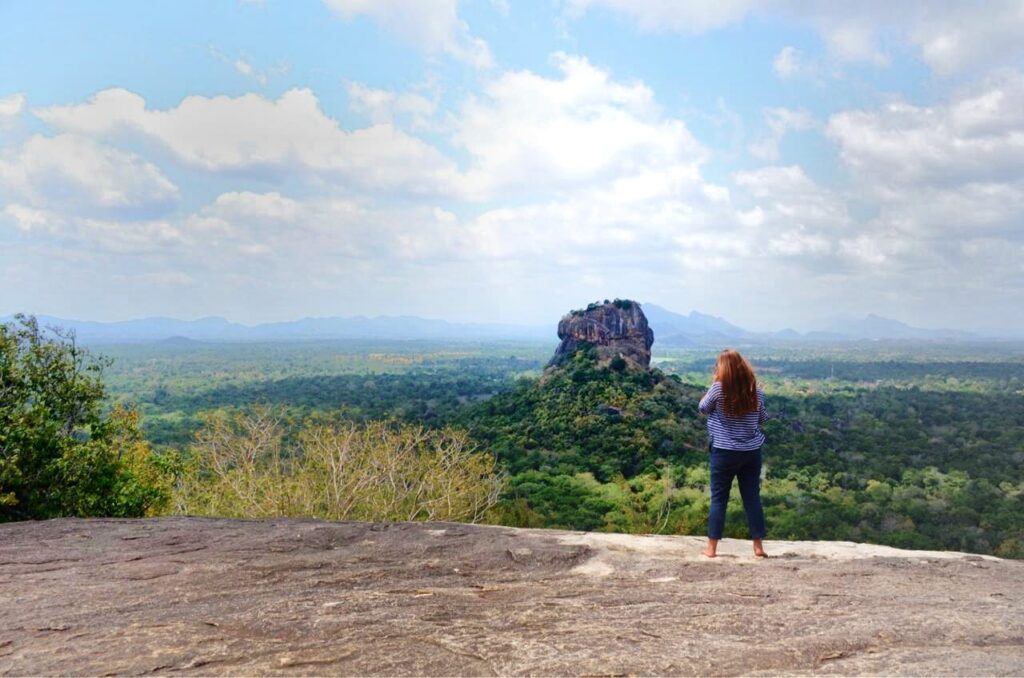
For adventurous travelers, Pidurangala Rock offers a less crowded climb with stunning views of Sigiriya Lion Rock. The trek is moderately challenging, but reaching the summit rewards you with one of the most spectacular sunrise and sunset vistas in Sri Lanka.
Sigiriya: Lion’s Rock vs Pidurangala Rock: Which is Better?

5. Anuradhapura
Explore Anuradhapura, the sacred ancient city of Sri Lanka, with its massive dagobas, royal reservoirs, and historic ruins. It’s a short drive from Sigiriya and perfect for travelers interested in Buddhist history and archaeology.
6. Mihintale
Known as the cradle of Buddhism in Sri Lanka, Mihintale features rock staircases, stupas, and meditation spots. Pilgrims and tourists alike climb its steps to enjoy the serene environment and sweeping views of the surrounding plains.
7. Wasgamuwa National Park
For an off-the-beaten-path wildlife experience, visit Wasgamuwa National Park, home to elephants, leopards, and endemic birds. Unlike Minneriya, this park offers a quieter safari experience and is ideal for nature photographers.
8. Kandy
A slightly longer day trip, Kandy is famous for the Temple of the Tooth Relic, botanical gardens, and rich cultural shows. It’s an excellent complement to Sigiriya, giving travelers a mix of ancient history and vibrant city culture.
💡 Traveler Tip: Most of these attractions are easily accessible by car or guided tours from Sigiriya. Combining two or three sites in one day is possible for early starters, ensuring you make the most of your time in central Sri Lanka.
Cultural Experiences & Local Life in Sigirya
Beyond the fortress, the villages around Sigiriya offer hands-on experiences:
- Traditional pottery and handicraft workshops.
- Village tours showing rice paddies and local farming methods.
- Festivals and rituals at nearby temples that reveal daily life in rural Sri Lanka.
These experiences connect visitors to authentic Sri Lankan culture and create lasting memories.
Crucial Don’ts at Sigiriya Rock
Exploring Sigiriya Lion Rock Sri Lanka is an unforgettable experience, but to respect the heritage site and ensure your safety, there are some important things you shouldn’t do:
1. Don’t Climb Without Proper Footwear
The climb to the summit involves steep steps, metal ladders, and uneven rock surfaces. Flip-flops or casual sandals are a no-go. Wear sturdy, comfortable shoes to prevent slips and injuries.
2. Don’t Ignore the Weather
Sigiriya can be extremely hot during midday, and sudden tropical showers are common. Avoid climbing in peak heat or heavy rain, as it can be slippery and unsafe. Early morning or late afternoon is best.
3. Don’t Touch or Deface the Frescoes
The famous Sigiriya frescoes are centuries old and extremely delicate. Never touch, scratch, or write on the walls, including the Mirror Wall or graffiti areas. Preserving these artworks protects history for future visitors.
4. Don’t Litter or Damage the Environment
Sigiriya’s gardens, water features, and surrounding nature are part of its heritage. Do not leave trash, pluck flowers, or disturb wildlife. Even small actions can damage the site’s delicate ecosystem.
5. Don’t Rush the Experience
Many visitors climb quickly just to reach the top. Take your time to explore the staircases, terraces, gardens, and viewpoints. Rushing may cause accidents and prevents you from fully appreciating the architecture and history.
6. Don’t Disrespect Local Customs
Sigiriya is a UNESCO World Heritage Site and holds cultural significance. Dress modestly, speak respectfully, and follow guidance from site staff to honor the local heritage.
By keeping these don’ts in mind, your visit to Sigiriya Rock becomes safer, more respectful, and far more memorable — allowing you to fully immerse yourself in one of Sri Lanka’s most iconic experiences.
💬 Guest Review by GtotheP
“Our favourite thing we’ve done so far on our holiday to Sri Lanka. We arrived in time to climb to the top to see the sunrise. Would highly recommend doing it this way to avoid the heat and the crowds, but also, it’s just magical as the sun rises.Would’ve liked to have had a guide to explain the site a bit. I’ve read about it since and it’s just incredible, the engineering and the history.”
TripAdvisor Rating: ⭐⭐⭐⭐ 4.5/5 (11,930 reviews)
👉 Read more on TripAdvisor
1-Day Sigiriya Itinerary — The Perfect Way to Explore the Lion Rock Fortress
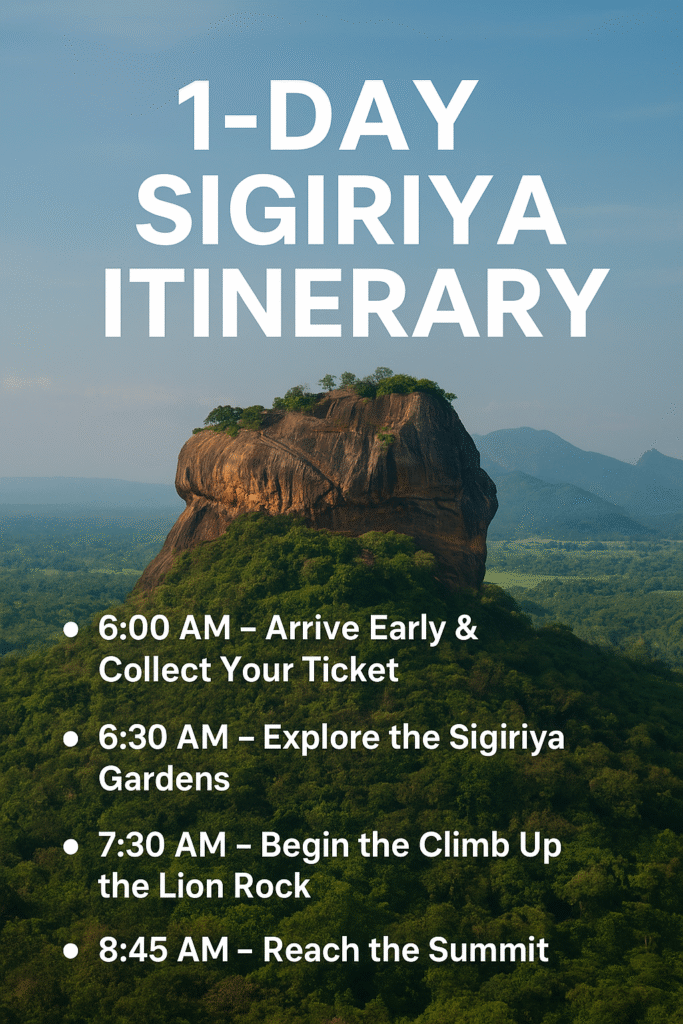
6:00 AM – Arrive Early & Get Your Ticket
- Start early — ideally before 7:00 AM — to avoid crowds and the midday heat.
- Buy your Sigiriya entry ticket (around LKR 120 for locals / USD 30 for foreigners, prices may change) at the official counter near the main entrance.
- Bring water, sunscreen, and your camera — mornings here are breathtaking with golden sunlight touching the fortress.
Travel Tip: The ticket counter accepts both cash and card, but carry small denominations for convenience.
6:30 AM – Explore the Sigiriya Gardens
- Begin your climb before 8:00 AM to reduce your overall waiting period. The staircase contains 1,200 steps which lead visitors through a series of narrow staircases and iron pathways.
- Halfway up, stop to admire the Sigiriya Frescoes — beautifully preserved murals of celestial maidens painted on the rock face.
- The Mirror Wall stands as the next attraction which used to reflect the king’s image because its surface reached a high level of polish. Ancient poems inscribed here tell stories of early travelers.
Tip: Look out for the cobbled stone paths and ancient irrigation channels — they’re over 1,500 years old and still functional during monsoon rains.
7:30 AM – Begin the Climb to the Lion Rock Fortress
- Start your ascent before 8:00 AM to avoid long queues. The climb includes around 1,200 steps, winding through narrow staircases and iron pathways.
- Halfway up, stop to admire the Sigiriya Frescoes — beautifully preserved murals of celestial maidens painted on the rock face.
- Just after that, walk through the Mirror Wall, once polished so smooth that the king could see his reflection. Ancient poems inscribed here tell stories of early travelers.
Insider Tip: Carry a hat and avoid touching the fresco walls — they are strictly protected for preservation.
8:45 AM – Reach the Summit
- At the top, explore the ruins of King Kashyapa’s Royal Palace, built in the 5th century.
- The panoramic view is one of Sri Lanka’s most spectacular — rolling green forests, distant lakes, and mountain silhouettes stretching into the horizon.
- You can still see the throne base, royal pools, and remains of the palace walls.
📸 Best Photo Spot: Stand at the western edge for the perfect backdrop of the landscape below.
10:30 AM – Descend & Enjoy Breakfast Nearby
- Take your time descending — it’s easier than climbing but still steep in sections.
- Once you’re back at the base, head to Ahinsa Restaurant or Sigiriya Village Café for a hearty Sri Lankan breakfast — coconut roti, egg hoppers, and fresh fruit juice.
Tip: Expect to spend around 2.5–3 hours total exploring Sigiriya.
12:00 PM – Visit the Sigiriya Museum
- Before leaving, stop by the Sigiriya Archaeological Museum, just a few minutes from the entrance.
- Here you’ll find ancient tools, artifacts, paintings, and a 3D model of the fortress explaining its structure and historical context.
🎟️ Note: Entry is included in your main Sigiriya ticket.
1:00 PM – Optional Visit: Pidurangala Rock
- If you have energy left, hike Pidurangala Rock, located just 15 minutes away by tuk-tuk.
- It offers an incredible panoramic view of Sigiriya Rock itself, especially during sunrise or sunset.
- The hike takes around 30–45 minutes and costs LKR 500 (approx. USD 2).
📷 Pro Tip: Visit Sigiriya first and Pidurangala after lunch — the afternoon light hits Lion Rock beautifully from this angle.
2:30 PM – Lunch in Sigiriya Village
- Guests can enjoy a relaxed dining experience at Rithu Restaurant or Wijesiri Family Restaurant which serves traditional home-cooked rice and curry with welcoming service.
- Café Chill provides Western food options through its pizza and pasta menu and iced coffee selection which you can enjoy in their tropical restaurant.
4:00 PM – Explore the Sigiriya Craft Market
- Before heading back, stop by the small craft stalls near the main road.
- You can find handmade batik, wooden elephants, gemstone jewelry, and traditional masks — great souvenirs supporting local artisans.
5:30 PM – Sunset & Return
- Wrap up your day watching the sunset over the countryside.
- Guests who stay overnight can relax at their hotel pool or spa since Heritance Kandalama and Aliya Resort and Sigiriya Village Hotel offer stunning jungle scenery.
🏨 Best Time to Visit Sigiriya:
December to April offers clear skies and cooler mornings — ideal for climbing. Try to avoid the midday heat between 11 AM and 2 PM.
🧳 Summary – A Perfect Day in Sigiriya
- Duration: 1 full day
- Best Time: Early morning (6:00–8:00 AM start)
- Main Highlights: Lion Rock Fortress, Frescoes, Water Gardens, Museum, Pidurangala Rock
- Recommended Stay: 1–2 nights in Sigiriya or Dambulla
Conclusion – Why Sigiriya Captures the Human Spirit
Sigiriya Lion Rock Sri Lanka is much more than an ancient stone fortress; it is a powerful symbol of human creativity, resilience, and vision. The site showcases centuries of cultural heritage and architectural genius through its entire area which includes King Kashyapa’s strategic citadel and the Mirror Wall inscriptions and the water gardens and Sigiriya frescoes.
The physical challenge of climbing Sigiriya Rock leads to an authentic experience which reveals the daily existence and creative work and strategic goals of Sri Lanka’s ancient population. From the summit’s panoramic vistas to the mid-level terraces adorned with frescoes, and the thoughtfully designed gardens below, visitors gain a rare insight into the ingenuity and determination of its builders.
The best time to visit Sigiriya occurs during early morning and late afternoon because the rock surfaces and paintings receive gentle illumination when visitor numbers remain low. Guests who stay at top hotels in Sigiriya including Palmyra Nature Resort Sigiriya can enjoy comfortable accommodations near the UNESCO World Heritage site of Sigiriya.
The site of Sigiriya in Sri Lanka represents the peak of human achievement through artistic expression and survival against all odds. Every visitor who visits this rock fortress leaves with inspiration because of its historical value and architectural beauty and stunning vistas.
FAQ
Sigiriya, also known as Lion Rock, is a UNESCO World Heritage Site famous for its ancient rock fortress, stunning frescoes, advanced water gardens, and unique city planning. It reflects the ingenuity and artistry of ancient Sri Lankan civilization.
Climbing Sigiriya typically takes 1.5 to 2 hours, depending on your pace and how often you stop to admire the frescoes, Mirror Wall, and panoramic views from the summit.
Yes, Sigiriya is recognized as one of the New7Wonders of the World due to its historical significance, architectural brilliance, and breathtaking natural setting.
For most visitors, the climb is safe, but some sections have steep stairs and narrow ledges, so those with vertigo or mobility issues should exercise caution. Proper footwear is recommended.
The best time is early morning (7:00–9:00 AM) to avoid crowds and enjoy cooler temperatures, making the climb more comfortable and the sunrise views spectacular.