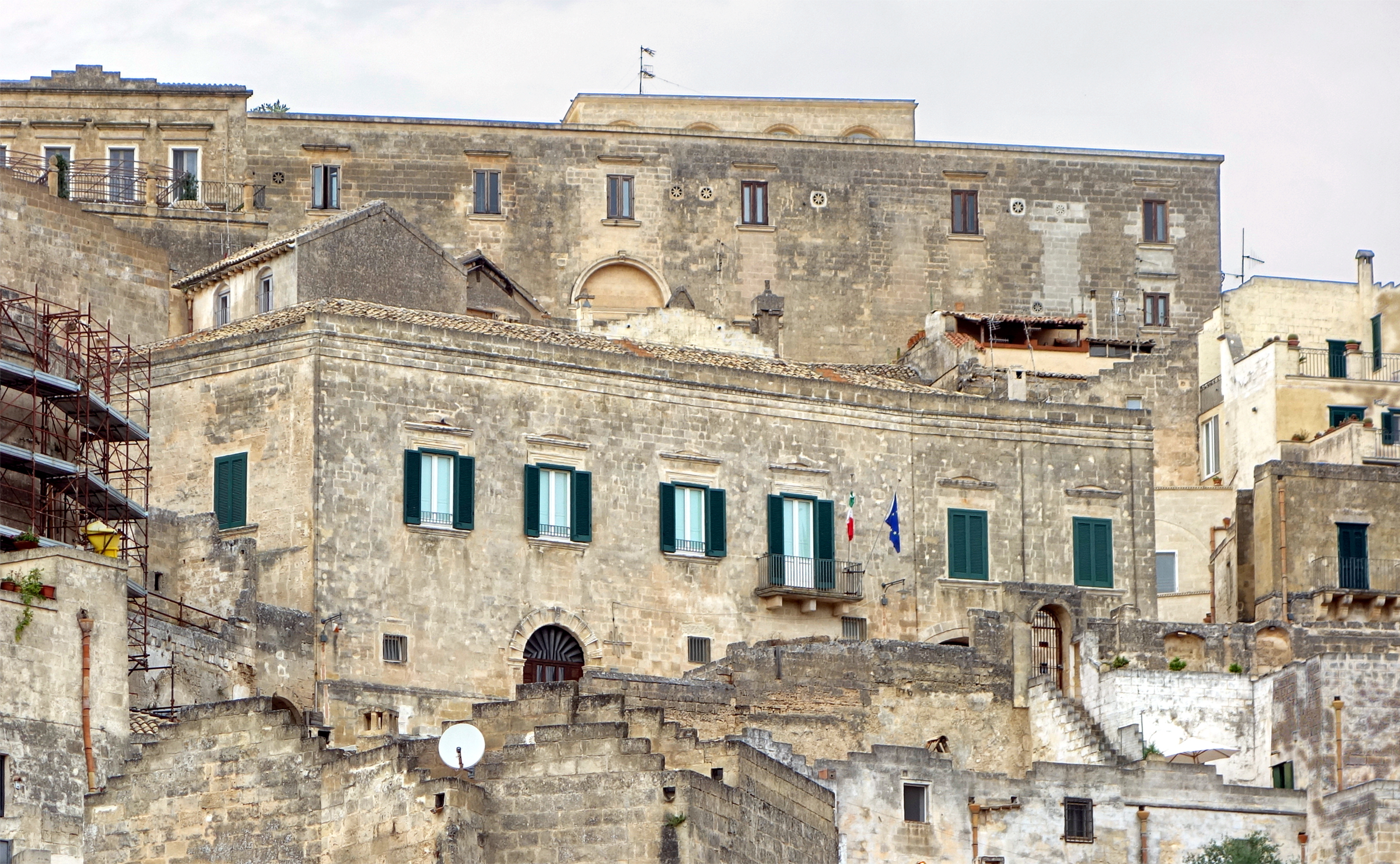
If Matera’s cave dwellings speak of its ancient past, then its museums tell the story of its rebirth. Among them, none captures that transformation quite like the Museo della Scultura Contemporanea (MUSMA).
Housed inside the Palazzo Pomarici, a 17ᵗʰ-century noble residence carved partly into the Sassi rock, the museum bridges two worlds — ancient stone and modern imagination. On my first visit, I expected a typical art gallery. Instead, I found sculptures emerging from cave walls, bronze forms resting in tufa alcoves, and sunlight dancing across vaulted ceilings once dark with soot.
MUSMA isn’t just one of the best Matera museums; it’s a living dialogue between time, texture, and creativity — proof that Matera’s story didn’t end in the past; it continues through art.
Table of Contents
The Birth of MUSMA — From Caves to Contemporary Art
Palazzo Pomarici: A Noble Residence Reimagined
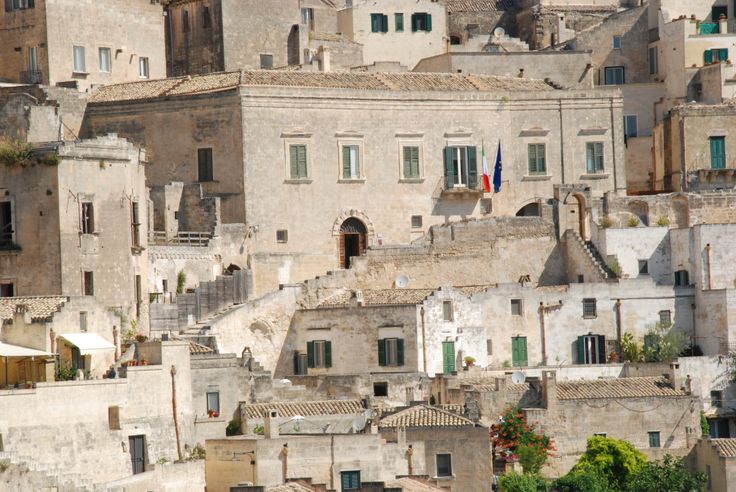
MUSMA opened in 2006 within Palazzo Pomarici, one of the grandest buildings overlooking Sasso Caveoso. Its upper floors reveal arched courtyards and baroque staircases; below, tunnels and chambers cut deep into limestone form the exhibition halls.
It’s the only Italian museum where contemporary sculpture coexists with ancient rock. Each room juxtaposes modern materials — steel, glass, marble — against walls sculpted by hand centuries ago.

The Vision Behind the Museum
The project began when the Fondazione Zètema di Matera, a local cultural organization, partnered with the Italian Association of Sculptors. Their goal was to transform Matera from a symbol of poverty into a hub of creative rebirth.
By integrating art into the Sassi’s natural spaces, MUSMA became a manifesto of renewal — proof that culture can restore dignity where abandonment once ruled.
Inside the Museum — A Journey Through Light and Stone
The Atmosphere
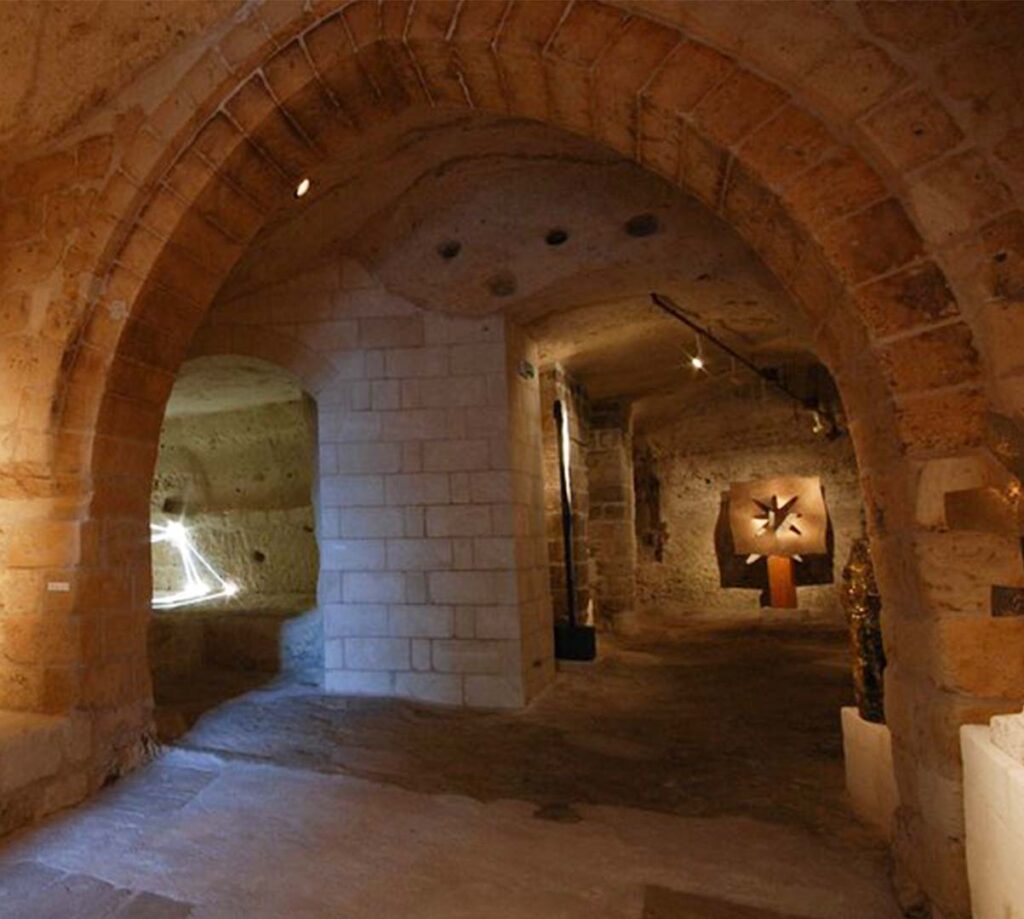
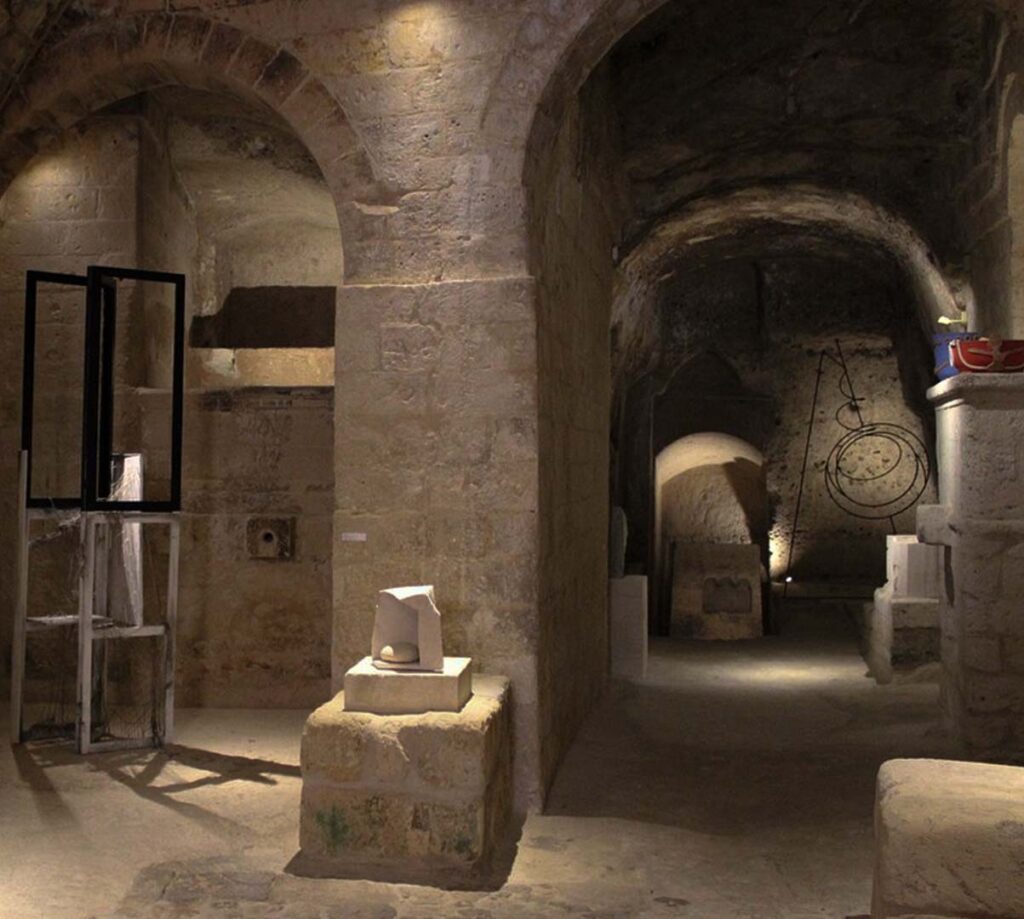
Entering MUSMA is like walking through a sculpture itself. The museum’s path descends from sunlit courtyards to shadowed galleries where temperature and sound shift with each turn. Light seeps through grates and stone cracks, illuminating bronze figures or glass installations that reflect onto rough walls.
No two rooms feel alike. One features minimalist white marble contrasting with dark vaulted caves; another reveals a massive iron form resting quietly where farm tools once hung.
💡 Traveler Tip: Give yourself at least 90 minutes — the museum’s layout winds like a labyrinth.
Permanent Collection Highlights
- Luciano Minguzzi & Pericle Fazzini: Bronze and terracotta pieces that bridge post-war Italy’s trauma with spiritual rebirth.
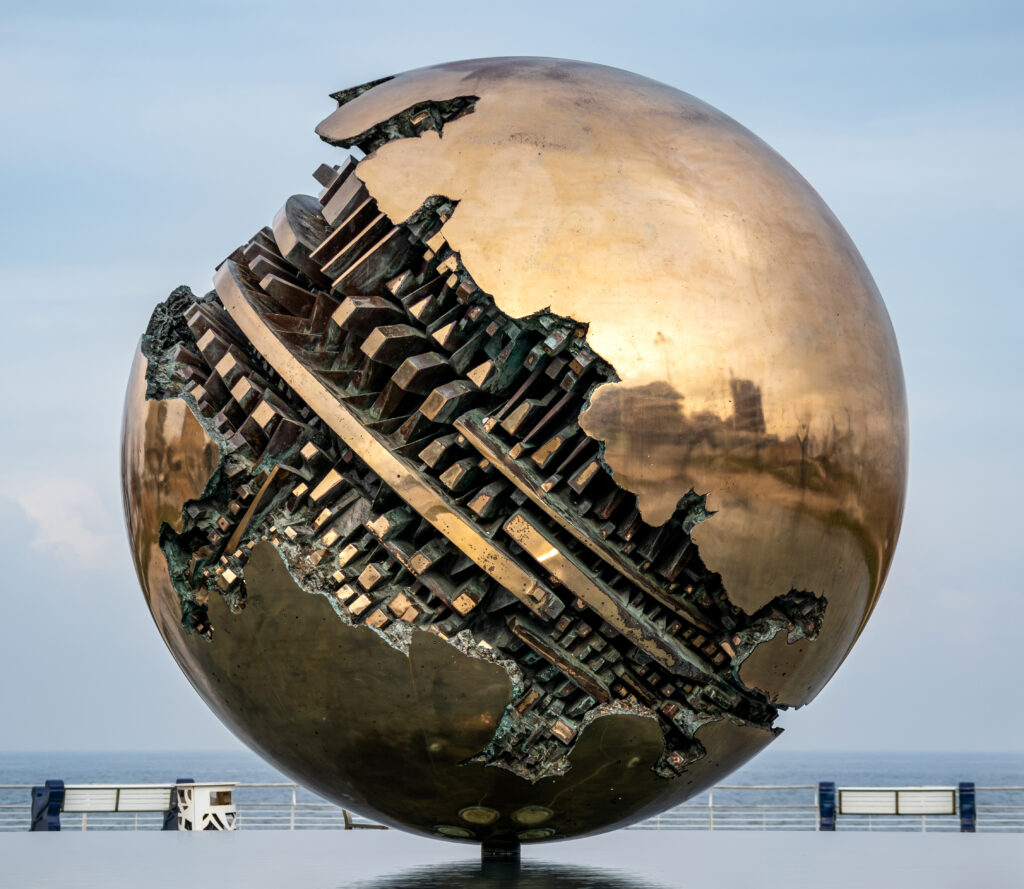
- Arnaldo Pomodoro: Polished geometric spheres contrasting with the uneven tufa surface — a dialogue between order and erosion.
- Giulio Paolini & Fausto Melotti: Delicate installations that play with space, light, and sound.
Each sculpture responds to its environment. Some cast shadows that mimic ancient fresco patterns, while others invite you to move around them to see how form changes with light.
💬 Guest Review by ksarman
“The collections on display are cutting-edge, diverse and very interesting , the place of exhibition is a time travel and an immersion in the culture and architecture of Matera Not to be missed under any circumstances.”
TripAdvisor Rating: ⭐⭐⭐⭐ 4.5/5 (377+ reviews)
👉 Read more on TripAdvisor
Temporary Exhibitions and Events
Every season, MUSMA hosts rotating exhibits featuring Italian and international artists who reinterpret Matera’s identity through modern media — sculpture, photography, video, and sound.
Recent exhibits have included Dialogues with Stone, where young artists used recycled tufa to create abstract figures symbolizing rebirth, and Matera Reimagined, a collaboration between local craftsmen and digital artists.
A Dialogue Between Past and Present
MUSMA’s greatest strength is its setting. Unlike a traditional museum where art hangs on walls, here the walls are part of the art. Visitors move through history and modernity at once — from caves once used as homes to rooms filled with avant-garde forms.
This fusion captures Matera’s larger identity: a city that transformed its pain into beauty. The museum encourages visitors to see art not as an object but as a conversation with place.
Educational and Community Programs
MUSMA is not just a gallery — it’s a learning center. Workshops for children and students teach how stone, clay, and light shape art. Lectures and artist residencies invite dialogue between contemporary creators and Matera’s ancient craft traditions.
💡 Traveler Tip: If you visit in spring or autumn, ask about open studio days — local artists often demonstrate stone carving and sculpture casting techniques.
The Art of Rebirth — How MUSMA Defines Modern Matera
MUSMA stands as symbol of Matera’s rebirth from abandonment to cultural capital. When Matera was named European Capital of Culture 2019, MUSMA played a central role in exhibiting works celebrating the theme “Open Future.”
The museum’s presence proved that heritage and innovation can coexist — that a city once defined by its past can become a laboratory for tomorrow’s art.
Matera’s Museum Landscape — A City of Art and Memory
Though MUSMA is the centerpiece, the story of Matera museums stretches far beyond one building. Each museum adds a layer — from archaeology to folk culture — revealing how Matera turned from forgotten town to cultural capital.
National Museum of Medieval and Modern Art of Basilicata (Palazzo Lanfranchi)
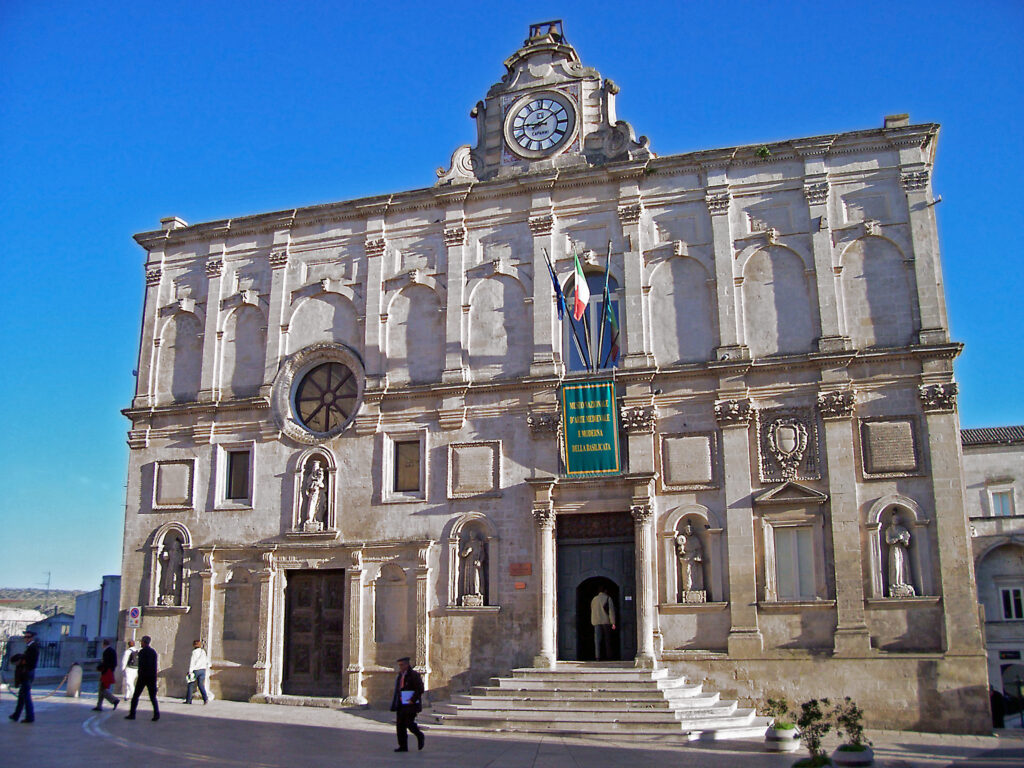
Just across from the cathedral, the Palazzo Lanfranchi houses masterpieces from Basilicata’s golden ages.
Built in 1668 as a seminary, it now unites religious art, 19ᵗʰ-century portraits, and contemporary pieces under one soaring roof.
Highlights:
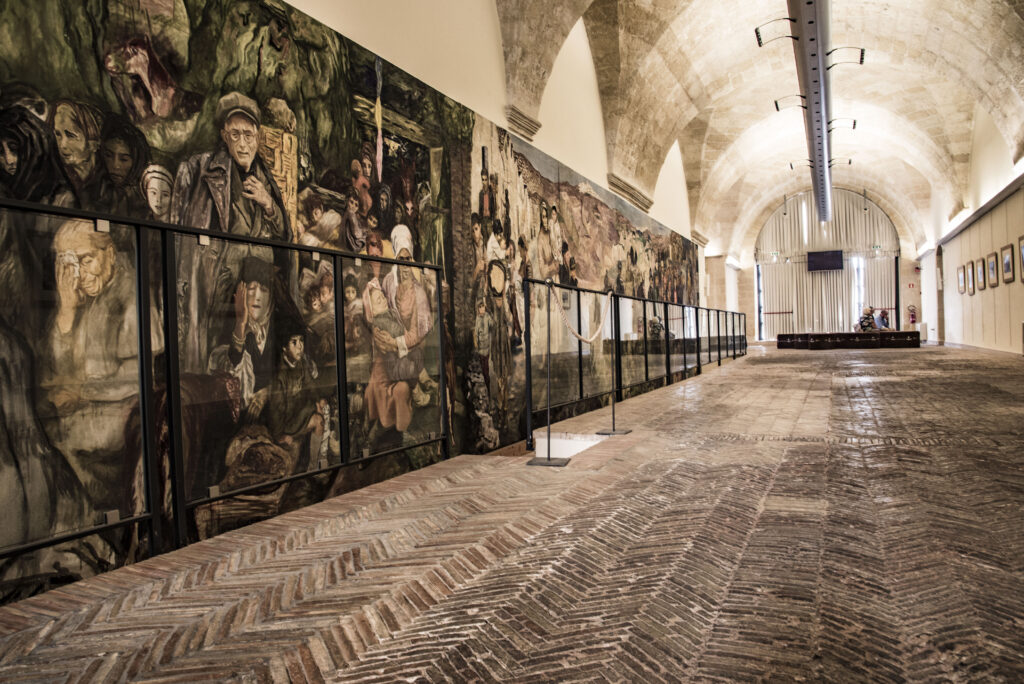
Carlo Levi’s Lucania ’61, a six-meter mural celebrating southern Italy’s spirit.
Madonnas and altarpieces from regional churches.
Temporary exhibits on photography and modern painting.
💡 Traveler Tip: Visit late afternoon — sunlight floods the gallery courtyard with a warm glow over the Sassi.
💬 Guest Review by LUPOERRANTE
“Recently façade is clean and renovated. Illuminated more than per day. Flagged shows all its grandeur. It is the terminus of the great long Piazza Ridola. Left side the most admired panorama of the city of Sassi. From the square you can see the long corridor that is completed with the characteristic rectangular walkway typical of convents.”
TripAdvisor Rating: ⭐⭐⭐⭐ 4.3/5 (109+ reviews)
👉 Read more on TripAdvisor
National Archaeological Museum “Domenico Ridola”
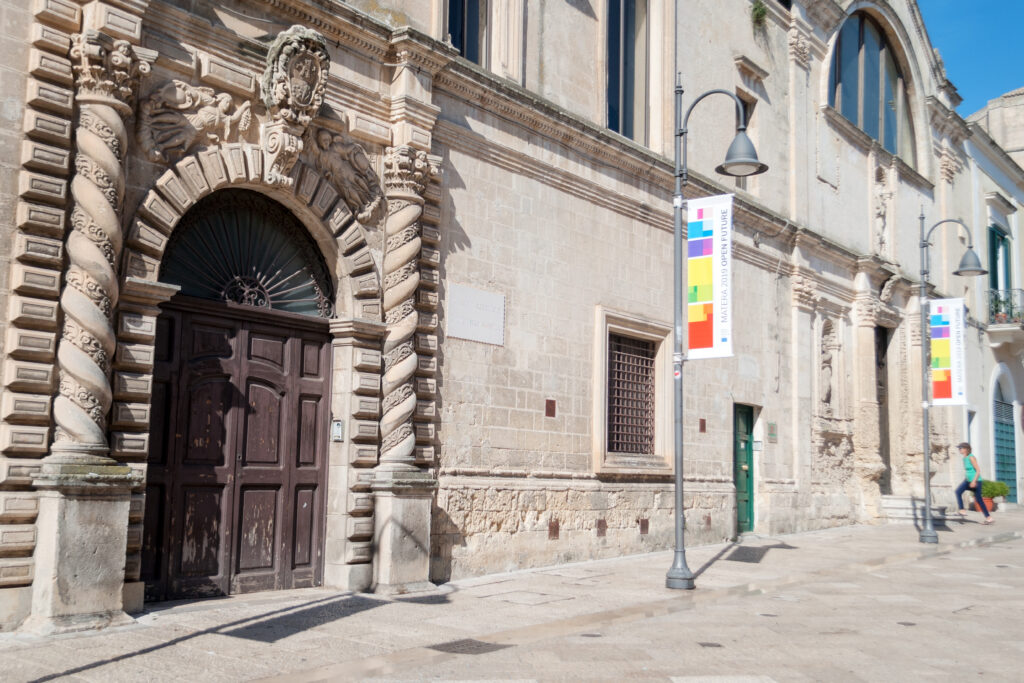
Named after Matera’s first archaeologist, Domenico Ridola, this museum chronicles the region’s prehistoric roots.
Its stone tools, ceramics, and tomb finds form a timeline that ends right where MUSMA begins — with the birth of creativity.
Why Visit:
Exhibits spanning from Neolithic villages to Roman settlements.
Interactive digital installations for families and students.
Link between Matera’s caves and the Mediterranean trade routes.
Galleries and Art Spaces — Matera’s Modern Creative Scene
Matera is no longer only about its past. Since its 2019 European Capital of Culture title, artists from across Europe have turned its stone rooms into studios and installations.
Casa Cava — Music and Art Underground
Located in a former tufa quarry, Casa Cava is a concert hall and exhibition space with perfect acoustics. Its architectural design — a fusion of engineering and art — makes it one of Europe’s most extraordinary venues.
💬 Guest Review by daniel
“I strongly recommend anyone to start their visit in Matera with this one, Casa Cava.”
TripAdvisor Rating: ⭐⭐⭐⭐ 4.5/5 (196+ reviews)
👉 Read more on TripAdvisor
Laboratorio Arte Contemporanea (Matera Art Lab)
A community-driven gallery in Sasso Barisano showcasing Lucanian artists and emerging European talent. Workshops and pop-up exhibitions reimagine the Sassi as a living canvas.
💡 Traveler Tip: Drop by on Fridays for open studio nights — entrance is often free.
La Casa di Orlando Art Space
An intimate artist-run gallery blending painting, photography, and sculpture. Located steps away from Via Fiorentini, it offers a peaceful contrast to Matera’s bustling piazzas.
Matera Through Time — How Museums Tell Its Story
Every museum in Matera represents a chapter of the same book.
Ridola Museum tells of the region’s origins.
Palazzo Lanfranchi captures religious and human emotion.
MUSMA represents rebirth through modern art.
Together, they form a timeline stretching from prehistory to present day — a mirror of Matera itself.
Matera 2019 — The European Capital of Culture and Its Impact
When Matera was named European Capital of Culture 2019, the announcement felt like a collective redemption. The world finally saw what locals had always known — that a city once defined by poverty had become a laboratory of creativity and hope.
A Year That Changed Everything
Throughout 2019, the city was alive with installations, concerts, and open-air exhibits. MUSMA hosted several flagship shows, including “Open Future” — a project that invited sculptors from across Europe to transform ancient spaces with modern forms.
Temporary structures were built not to erase the past but to start a dialogue with it. The contrast between neon lights and carved limestone symbolized how Matera was learning to shine without forgetting its roots.
Public Art as Community Voice
Many Matera residents became co-creators rather than spectators. Local artisans worked alongside architects to design temporary installations using recycled materials and ancient stone-working techniques. Children painted murals about their city’s future; retired masons shared traditional crafts with new generations. These collaborations cemented a new idea — that art was not just something to look at but a way to build community.
The Artists Behind Matera’s Revival
Local Creators Reclaiming Their City
Matera’s artistic renaissance wasn’t imported — it was homegrown. Sculptors like Giuliana Cosenza and Rocco Totaro used native materials such as tufa, terracotta, and iron to reflect on identity and memory. Their pieces often reference Matera’s shapes — arches, stairs, and caves — translated into abstract forms.
International Influence
Since 2019, MUSMA and Casa Cava have hosted residencies for artists from Japan, France, and the U.S. who reimagine the Sassi through sound, light, and digital media. These cross-cultural projects brought global attention to Matera’s unique landscape.
💡 Traveler Tip: Visit in spring or autumn when artist residencies often hold open studios and performances free to the public.
Connecting Craft and Contemporary Art
Matera’s craft traditions — pottery, stone-carving, and weaving — never disappeared; they simply evolved. Modern artists collaborate with craftsmen to create hybrid pieces that link heritage and innovation.
The Matera Design Network
- Formed after 2019, this collective unites sculptors, architects, and designers in restoring abandoned spaces as studios and micro-galleries. Many of these can be visited on weekends as part of Matera’s “Open Ateliers” initiative.
The Digital Dimension
- MUSMA’s newest wing includes multimedia installations using projection mapping and augmented reality. Visitors can see how the Sassi looked centuries ago and watch modern art merge with ancient stone through interactive light.
💡 Traveler Tip: Download the MUSMA AR Experience app before visiting — it reveals hidden artworks on your phone screen as you move through the museum.
UNESCO and the Museums — Guardians of Living Heritage
When UNESCO recognized Matera as a World Heritage Site in 1993, the focus was on its architecture. But over time, the definition expanded — heritage wasn’t only about preserving stone; it was about keeping its spirit alive.
Museums as Cultural Custodians
MUSMA and the Ridola Museum now act as cultural guardians. Together they document both archaeological finds and modern artworks, bridging continuity from prehistoric carvings to contemporary sculpture.
Sustainability and Responsible Museum Tourism
The revival of Matera’s museums isn’t only cultural — it’s environmental. Museums such as MUSMA and Palazzo Lanfranchi lead eco-friendly initiatives to preserve both their collections and the fragile Sassi environment.
Low-Impact Practices
Lighting systems use low-energy LEDs to protect frescoes and sculptures.
Climate controls maintain humidity without draining energy.
Digital tickets and QR-code exhibits reduce paper waste.
Local stone dust is recycled from restoration sites for art workshops.
Community Involvement
Local students join restoration labs and educational tours organized by the Fondazione Zètema di Matera. They learn how to care for stone surfaces, archive art digitally, and guide tourists with respect for heritage.
Practical Information for Visitors
| Museum | Highlights | Opening Hours | Tickets | Website / Notes |
| MUSMA – Museo della Scultura Contemporanea | Contemporary sculptures in cave rooms | 10:00–18:00 (closed Mon) | €7 | www.musma.it |
| Palazzo Lanfranchi | Medieval & Modern Art of Basilicata | 9:00–19:30 | €5 | National Museum network |
| Ridola Museum | Prehistoric & Roman artifacts | 9:00–19:30 | €4 | Combined tickets available |
| Casa Cava | Concert hall & multimedia exhibits | Varies by event | Free/€1 |
💡 Traveler Tip: Buy a combined pass covering MUSMA + Ridola + Lanfranchi — it saves money and includes guided tours in English and Italian.
Matera Itinerary 3 Days: A Perfect Guide for First-Time Visitors
Accessibility and Tips
Some sections of MUSMA have steps; ask for staff-assisted routes.
Audio guides in English, French, and German available.
Best time: morning light for photos, late afternoon for quiet visits.
How Matera Museums Connect Art and Identity
Matera’s museums aren’t just buildings; they’re expressions of how a city defines itself. Each exhibit asks a simple question: Can a place so ancient still be modern? The answer echoes through every corridor — yes.
The Dialogue Continues
- When you walk through MUSMA’s cavernous rooms or Palazzo Lanfranchi’s halls, you see a continuum of human expression stretching thousands of years. The same hands that once carved maternal figures in tufa now shape abstract forms in steel and glass.
Why Art Matters Here
- Matera once represented Italy’s poorest past. Today, its museums embody a different truth — that culture can heal. Every exhibit is a testament to resilience and human dignity.
Conclusion
When I finally stepped out of MUSMA and the last bit of daylight hit the cave walls, it struck me — this city doesn’t live in the past. It breathes it. Every sculpture, every quiet chamber, every echo of footsteps feels like Matera whispering, “See? I’m still here. Still changing.”
That’s the magic of this place. You come for the history, sure — the ancient caves, the UNESCO charm — but you stay because it feels alive. Art doesn’t just hang on the walls here; it grows from them. And if you listen closely enough, you’ll realize that Matera’s story isn’t about ruins or nostalgia. It’s about rebirth, imagination, and how creativity can carve light out of stone.
So before you leave, wander through MUSMA one more time. Let your eyes adjust to the half-light, touch the cool limestone, and remember — Matera’s greatest masterpiece isn’t in its museums. It is the city itself.
FAQ
Honestly? For being ancient in the coolest way possible. Matera’s Sassi — those cave houses carved right into the cliffs — make it feel like you’ve time-traveled. People have lived here for thousands of years, and you can still walk those same stone steps. No filters needed — it’s wild.
You have to wander through the Sassi at sunrise — it’s quiet, golden, and feels a little unreal. Check out MUSMA (the sculpture museum inside actual caves), then catch the sunset from Belvedere di Murgia Timone. And trust me, grab dinner in a grotto restaurant. Eating pasta surrounded by stone walls? Unforgettable.
Sure, Rome and Florence are museum giants, but Matera plays a different game. Here, the museums live inside the rock. MUSMA, Palazzo Lanfranchi, and Ridola Museum mix ancient walls with modern art — it’s like history and creativity are having a conversation right in front of you.
Oh, you’ve definitely seen it on screen. No Time To Die — the James Bond film — opened right here, with that epic chase through Matera’s steep streets. The Passion of the Christ was filmed here too. Those dramatic stone backdrops? Totally cinematic in real life.
Because it’s got soul. Matera isn’t trying to impress — it just is. You’ll feel the weight of history in one breath and the spark of art in the next. It’s ancient, alive, and completely one of a kind. Walk its alleys once, and you’ll get it — this city stays with you.