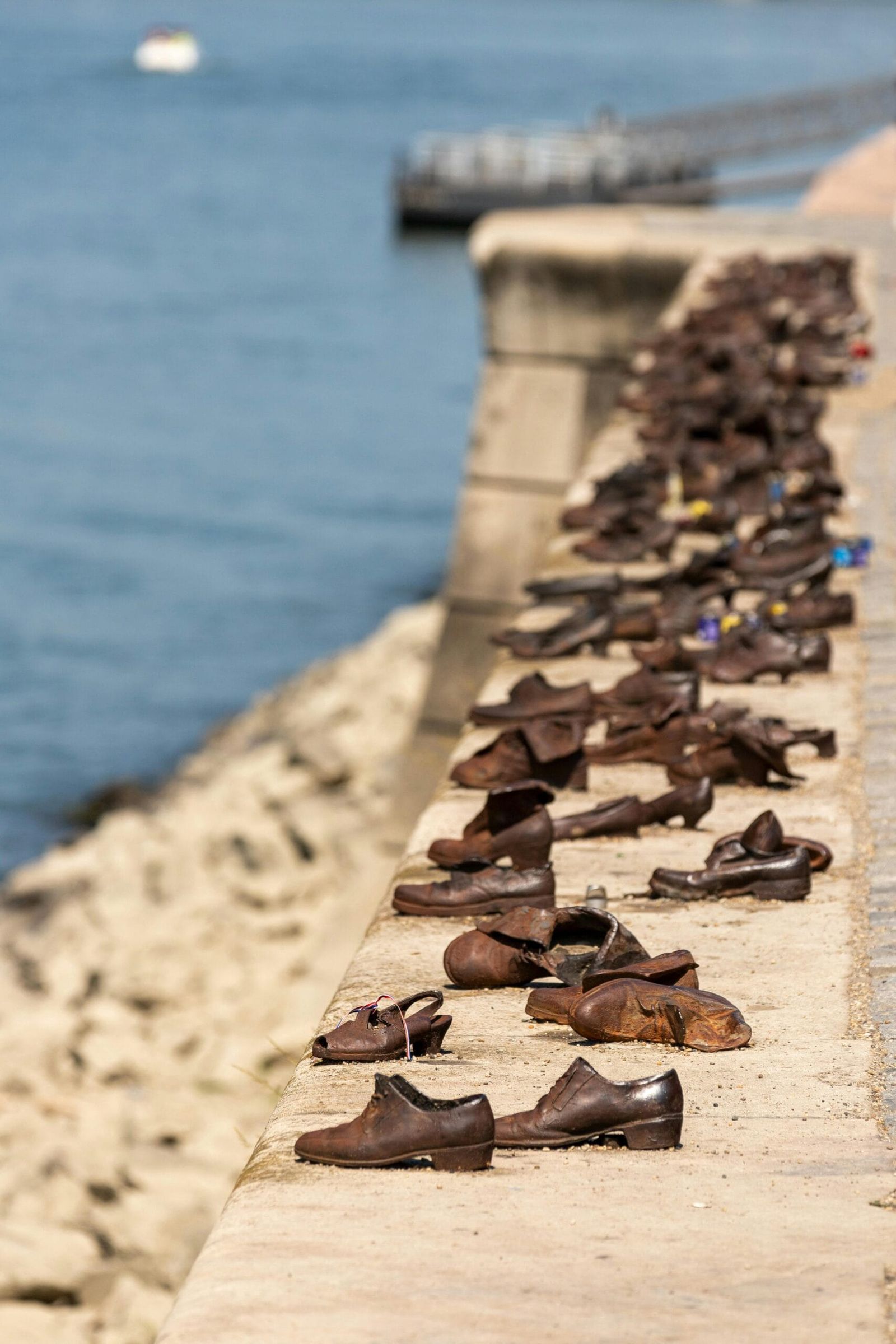
The Danube River in Budapest provides a view from which I have experienced few places to the same degree as the Shoes on the Danube Bank. A simple yet powerful Holocaust memorial at the riverbank displays cast-iron shoes as its main feature.
The Arrow Cross Party executed thousands of Jewish people by the Danube River during World War II before forcing them to discard their footwear before their deaths by gunfire. The shoes now represent both the tragic loss of human life and the violation of human dignity that occurred during the Holocaust.
People worldwide consider the memorial at the Shoes on the Danube Bank as one of Budapest’s most moving sites because it produces enduring effects. Through its simple design this monument both points to past events and demands that people stay alert against hatred while remembering the victims of the past.
Everyone from historians to cultural explorers and people paying respects will find this site demands peaceful contemplation. The Shoes on the Danube Bank stands as an absolute must-visit attraction for anyone exploring Budapest who wants to experience history and reflection and pay their respects.

Table of Contents
The Tragic History Behind the Memorial
The Shoes on the Danube Bank memorial exists as a terrifying monument to the most horrific era in Hungarian history. During World War II Hungary formed an alliance with Nazi Germany and executed a sequence of discriminatory laws which removed Jewish citizens of their rights along with their possessions and their honor.
The situation deteriorated during October 1944 as the Arrow Cross Party—a right-wing fascist Hungarian militia—captured power. The Arrow Cross regime and Nazi support led to brutal terror actions throughout Budapest. The Arrow Cross Party executed Hungarian Jews en masse along the Danube River as one of their most brutal practices.
The victims had to discard their shoes at the riverbank before their execution because the shoes held monetary value for resale on the black market. Victims who became barefoot at the Danube Riverbanks received their death sentence from executioners who then pushed them into the freezing waters for the current to carry away.
Thousands of innocent people lost their lives to this terrible method of execution throughout just a few months. The Shoes on the Danube Bank memorial functions as a memorial to the victims because it displays sixty pairs of iron shoes that represent all lost lives while preserving their untold stories.
The Creation of the Shoes on the Danube Bank
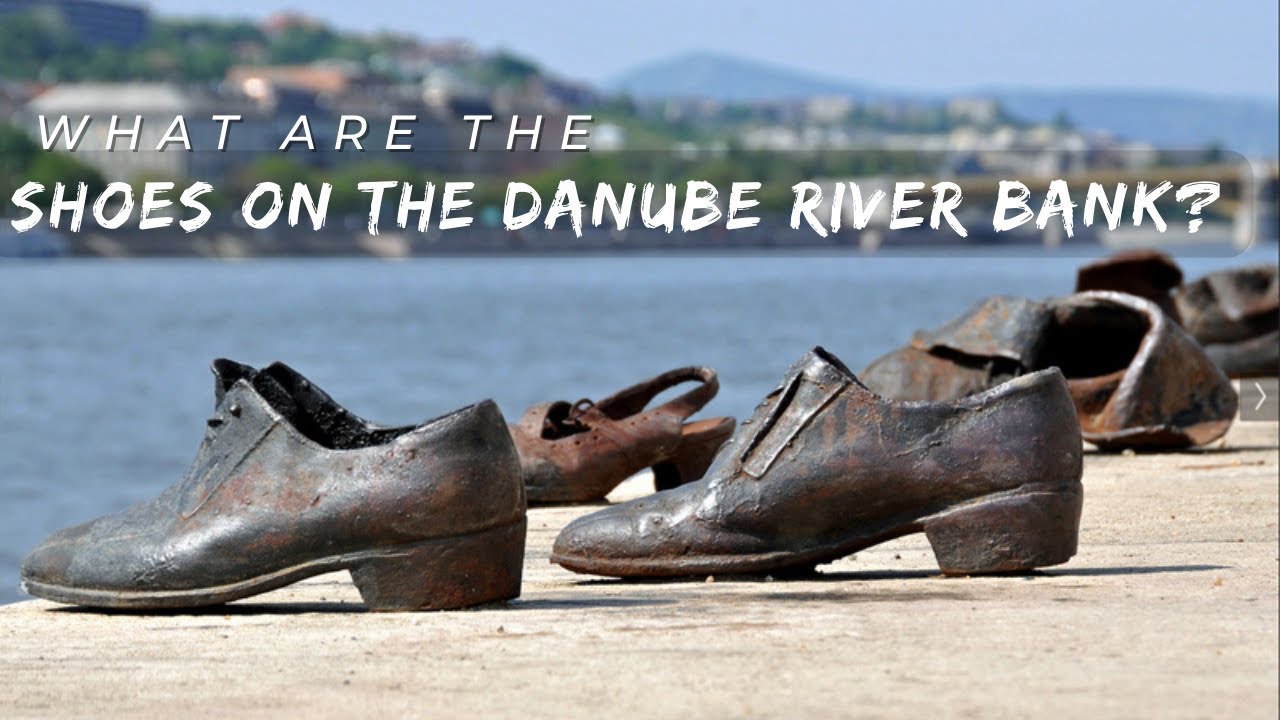
The “Shoes on the Danube Bank” memorial located by the Danube River in Budapest serves as one of the most moving memorials I have ever witnessed. The 2005 creation of Hungarian sculptor Gyula Pauer and film director Can Togay exists without loudness but instead whispers its message. A silent environment produces deep thoughts within viewers.
Sixty iron shoe pairs are arranged on the stone edge to represent the victims who previously occupied this location. The display features various footwear including loafers for men, high heels for women and small shoes that belong to children. There are men’s worn loafers, women’s elegant high heels, and even tiny children’s shoes. No two are alike. Each pair feels like a fragment of a life abruptly stolen.
I was most moved by the deeply personal nature of the memorial. The execution site features shoes in their original position which served as the location of World War II killings. The victims mainly consisting of Hungarian Jews received orders to remove their footwear before Nazi executioners forced them into the river. The footwear pieces serve as the only remaining evidence which shows how people were completely eliminated.
The structure functions beyond its memorial status to provide an area for contemplation. The presence of iron shoes near you will transform your perspective forever when you view them.
Exploring Matthias Church in Budapest Hungary
The Emotional Experience of Visiting

The Shoes on the Danube Bank serve as more than a typical tourist attraction. The memorial features silent and haunting iron shoes which line the Danube Riverbank to commemorate an unspeakable tragedy, People who visit the site usually maintain silence while placing flowers candles and small stones to honor the victims.
People stand motionless while they attempt to picture the last moments of those who died. People walk through the site in complete silence while they feel the heavy weight of the location.
The experience transcends borders. The sorrow at this site unites all visitors regardless of their background as locals or tourists or scholars.
The site becomes a place where words become insufficient because the silence communicates everything. The pain lingers in the air. The weight of history presses against your chest.
Walking along this riverbank requires you to witness both the brutality and bravery and the continuous requirement to honor memories.
Hungarian State Opera, Hungary A Timeless Masterpiece of Music
How to Visit the Memorial
Visitors can easily visit the Shoes on the Danube Bank when they explore central Budapest. The memorial stands in a strategic location which allows visitors to easily add it to their daily sightseeing itinerary.
📍 Location:
The memorial stands on the Pest side of the Danube River in close proximity to the Hungarian Parliament Building. The memorial stands directly on the promenade with clear visibility.
For real-time directions, you can use this Google Maps link:
👉 Shoes on the Danube Bank – Google Maps
🚇 Public Transportation:
- The M2 (Red Line) metro stops at Kossuth Lajos Square (Kossuth Lajos tér) which provides the nearest access point.
- The Tram 2 route follows the Danube River while providing passengers with beautiful river views during their journey. The stop for Parliament is where you should exit the tram.
🚶 Walking Route:
The memorial lies within a 5-minute walking distance from the Hungarian Parliament Building when you walk south along the riverbank. The location provides an excellent opportunity to visit the Parliament and Liberty Square and St. Stephen’s Basilica which are nearby.
🔗 Official Visitor Info:
For up-to-date information on accessibility, hours, and guided tours, visit the city’s official tourism page:
👉 Shoes on the Danube Bank – Budapest Info
Top 6 Must-Visit Places Near Shoes on the Danube Bank, Budapest
Walk to these significant cultural sites surrounding the Shoes on the Danube Bank memorial which serves as one of Budapest’s most important historical monuments. These handpicked sites around the Shoes on the Danube Bank memorial combine the beautiful Hungarian Parliament with peaceful Margaret Island to provide genuine Hungarian historical experiences. The guide presents trusted locations that showcase the historical narrative of Budapest to both history buffs and casual tourists.
1. Hungarian Parliament Building – Architectural Masterpiece by the Danube
The Shoes on the Danube Bank memorial is within walking distance of the Hungarian Parliament Building which displays Hungarian national heritage. The Neo-Gothic architectural masterpiece features multiple ornate spires and a large dome together with a beautiful ornate facade which makes it one of Europe’s biggest parliament buildings. A guided tour through the building provides exclusive access to the ornate interior spaces that include the Hungarian Crown Jewels along with the magnificent staircase. Walking by the riverbank during sunrise or sunset creates unforgettable views which reveal the authentic essence of Budapest.
2. St. Stephen’s Basilica – Spiritual Grandeur and City Views
The Danube River lies within a 10-minute walking distance from the Danube as St. Stephen’s Basilica showcases its massive dome and elegant classical building design. The basilica stands as a spiritual site while preserving sacred objects such as the renowned mummified right hand of King Stephen which is kept inside its walls. People can ascend almost 300 stairs to access the observation deck which provides extensive panoramic views of Budapest’s skyline from all directions. The basilica showcases exceptional frescoes together with marble sculptures and grand organ performances which generate a powerful sacred environment that unites artistic beauty with historical significance and spiritual devotion.
3. Chain Bridge (Széchenyi Lánchíd) – The Iconic Link Between Buda and Pest
A relaxing walk along the riverfront from the Shoes memorial leads visitors to the historical Chain Bridge which became Budapest’s first permanent crossing point after its 1849 completion. The architectural wonder represents unity and progress by linking the hilly district of Buda with the flat district of Pest. The experience of crossing the bridge on foot allows Budapest visitors to observe stone lions at the gates and riverboats sailing beneath while they appreciate dual city views. During nighttime the bridge becomes a romantic setting because of its warm lighting which makes it suitable for walking and taking photographs.
4. Buda Castle – Royal History with Breathtaking Views
The majestic Buda Castle sits on Castle Hill where it towers above the Danube River after crossing the Chain Bridge from Pest. Throughout its history as a royal residence the palace complex has served as the home of Hungarian kings before becoming the Budapest History Museum and the Hungarian National Gallery. Visitors who explore the castle area can walk through restored courtyards while admiring Baroque architectural details and view museum collections of artifacts and artworks. From the panoramic viewing point you can see the Parliament building and the Danube River and Pest skyline while taking the perfect photos of postcards. The castle becomes enchanted during evening hours when its illumination reflects against the dark sky.
5. Liberty Square (Szabadság tér) – A Place of Reflection and History
The Parliament building surrounds Liberty Square which provides a significant understanding of Hungary’s complicated historical timeline. The square contains multiple historical monuments that include both the German occupation memorial from World War II and the Soviet Liberation Monument. The site functions as an everlasting tribute to Hungary’s intense political experiences from the 20th century. The peaceful park landscaping at the location creates a tranquil spot to think while surrounding urban sounds continue to exist. The area surrounding Liberty Square features cafes and shops which make it an ideal stop for your exploration of Budapest.
6. Margaret Island (Margitsziget) – Peaceful Green Oasis in the City
The city center of Budapest surrounds Margaret Island which provides Budapest’s citizens a peaceful escape from urban noise. The island park presents a charming combination of well-groomed gardens and medieval archaeological sites together with thermal springs. The island offers rental bike and pedal cart options for pathway exploration and visitors can relax at the musical fountain and visit the small zoo and open-air theatre. The destination offers family-friendly activities including picnics and walking tours and natural relaxation spots. Locals and visitors equally enjoy the island because it provides a peaceful environment alongside diverse points of interest.
Book Now : Budapest Journey
Tips for Visitors
A visit to the Shoes on the Danube Bank creates a somber atmosphere that deeply impacts visitors. Visitors must treat the site with the proper respect it requires because it remembers thousands of Holocaust victims.
- Maintain a respectful demeanor – This is a place of mourning and reflection. Please keep your voice low and your behavior considerate.
- Avoid loud conversations or laughter – The atmosphere here is quiet and contemplative; disrupting it diminishes the memorial’s purpose.
- Do not touch or climb on the shoes – These iron sculptures are symbolic representations of victims and should be treated with reverence.
- Learn before you go – If possible, take time to read about the Holocaust in Hungary before your visit. Understanding the historical context will deepen the impact and meaning of what you see.
Standing in silence to reflect becomes an absolute must during your visit. It honors those who perished. The practice serves two purposes: it respects the departed souls and safeguards their stories for future generations.
Conclusion
The Shoes on the Danube Bank serves as both a memorial and a silent historical tribute to Budapest’s Holocaust victims. The empty shoes at the Danube River create a powerful historical impact that demands visitors to remember the past while acknowledging their responsibility to remember.
Travelers often focus on admiring city architecture and enjoying local food but this site provides essential knowledge about both the location and its inhabitants. When visiting Budapest you should visit this site because it offers more than an itinerary stop since it provides a moment for reflection and education and empathy.
Your exploration of the Hungarian capital should extend beyond taking pictures. The experience should create a profound connection between truth and memory and the eternal reminder to always remember.
FAQs
01. Is the Shoes on the Danube Bank memorial based on a true story?
Yes. The memorial honors the actual tragic events from World War II when fascist Arrow Cross militiamen executed hundreds of Jewish people. Before their execution at the riverbank victims had to take off their shoes before Arrow Cross militiamen shot them and the Danube River carried their bodies away.
02. Why is the Danube River so famous?
The Danube River functions as Europe’s second-longest waterway which passes through Budapest and Vienna and Belgrade. The river functions as a vital trade route while maintaining its status as a vital cultural and strategic waterway in Central and Eastern Europe.
03. How many shoes are on the Danube Bank memorial?
Sixty pairs of iron shoes are permanently displayed at the riverbank to symbolize the victims who were murdered including men , women and children. Each pair serves as a tragic symbol of the numerous victims who lost their lives because of hate and brutality.
04. How much does it cost to see the Shoes on the Danube Bank?
The memorial exists without admission fees and remains accessible throughout the day and night. The memorial stands on the Pest side of the Danube Promenade near the Hungarian Parliament Building.