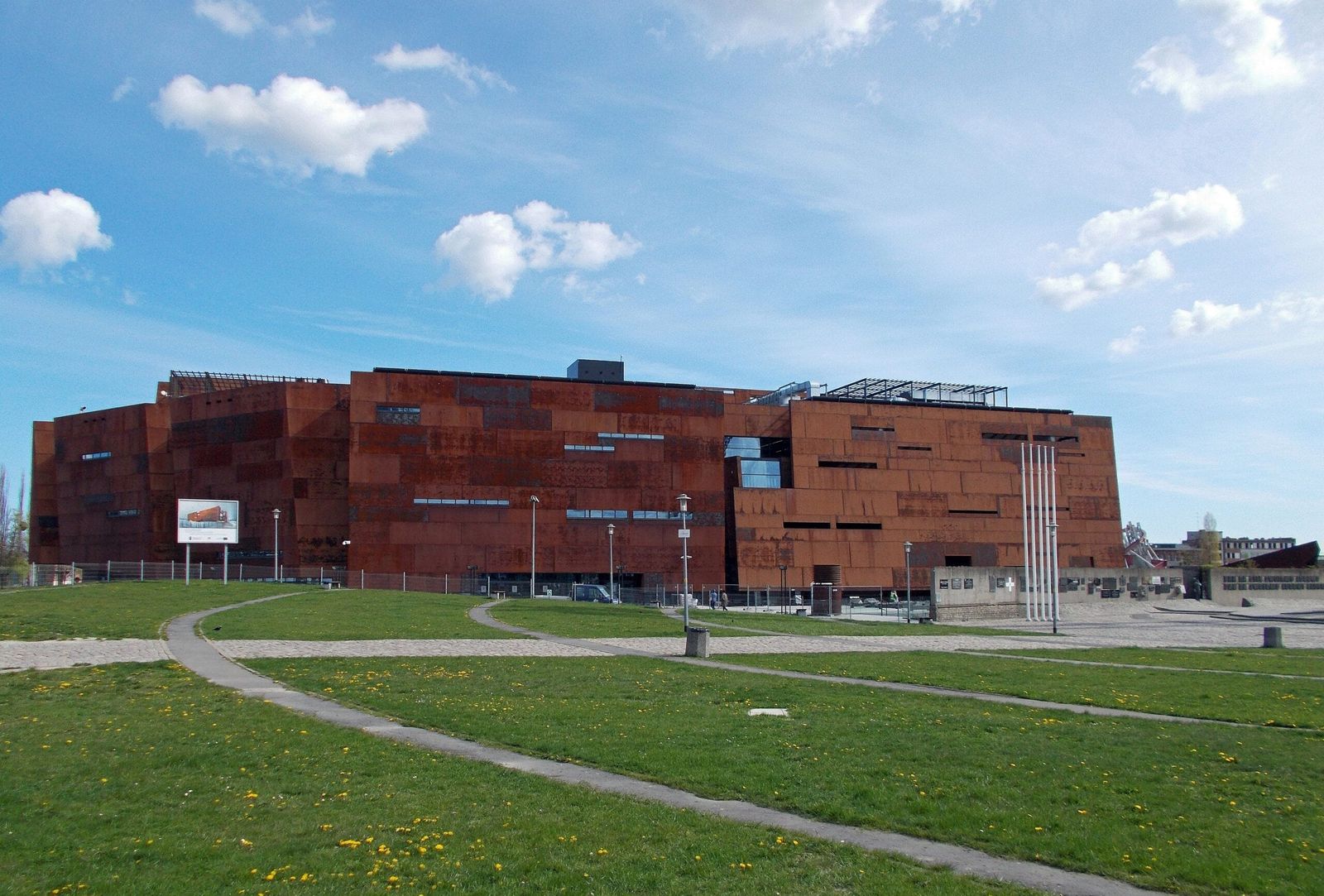
The European Solidarity Centre in Gdańsk functions as an establishment beyond its role as a museum. This facility exists to honor the Polish struggle which led to democracy and freedom. The Solidarity movement represents a vital moment in European history which this powerful institution keeps alive through commemoration. The historic shipyard site which started the movement now houses this center which embodies both resistance and hope.
The building contains multiple exhibits together with historical objects and digital displays. Visitors gain inspiration from the brave acts of common workers who brought about remarkable transformations. Anyone with interest in history or traveling for exploration should add this center to their travel schedule.
Before your visit you need to understand everything about the exhibits along with ticket prices and location information and nearby sites.
Table of Contents
About The European Solidarity Centre in Gdańsk
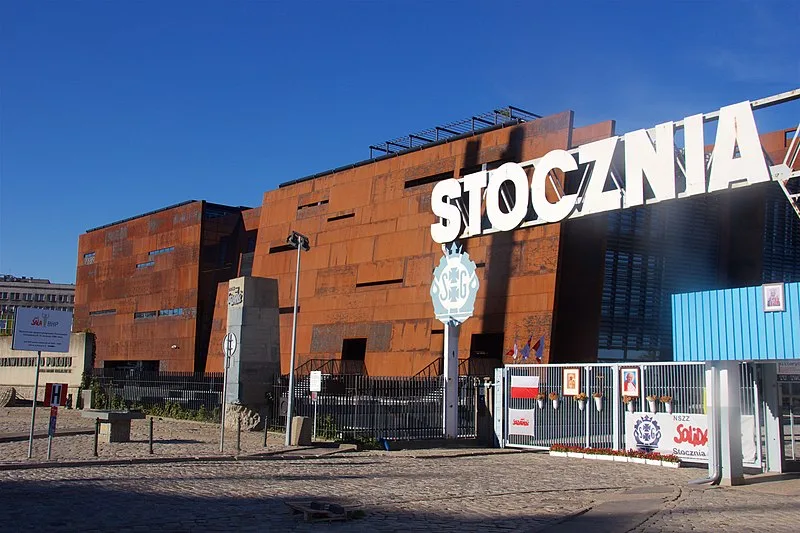
The European Solidarity Centre stands as one of Poland’s main cultural and historical monuments throughout the country. Gdańsk serves as the location of this modern institution which combines museum functions with educational activities and research opportunities and cultural events. The Solidarity Movement’s birthplace and its enduring influence receive commemoration at this center which played an essential part in ending communist domination throughout Central and Eastern Europe.
The unique feature of this centre lies in its placement at the site of the original Gdańsk Shipyard where the movement started in 1980. History fills every area of the establishment. Lech Wałęsa joined shipyard workers and Polish citizens to protest against oppressive rule on this site.
Inside the centre features strong permanent exhibits. The exhibitions explore the historical struggle for freedom by using multimedia elements and real historical items along with powerful photographs. The facilities include libraries alongside archives and multiple event spaces which enable continuous community participation.
The European Solidarity Centre started operations in 2014 while gaining international and domestic recognition because of its educational purpose. The establishment functions beyond its museum status to continuously celebrate the fundamental principles of freedom alongside democracy and human rights.
The official website contains updated information about exhibitions as well as ticket details.
History Behind The European Solidarity Centre
Birth of the Solidarity Movement
During August 1980 the Solidarity Movement (Solidarność) emerged at Gdańsk Shipyard when Lech Wałęsa led workers alongside their colleagues. The workers initiated a strike to obtain better workplace conditions as well as independence from state-controlled unions. What followed was unprecedented.
Millions of Poles joined the movement. The movement achieved status as an independent trade union when Warsaw Pact countries first accepted it. The movement’s requirements extended beyond economic issues because they encompassed fundamental political concerns. The movement known as Solidarity developed into an emblem that represented resistance both domestically and internationally.
The government prohibited Solidarity from operating during martial law in 1981 yet the organization maintained its underground presence. The movement’s work led to the first semi-free Polish elections which resulted in communism’s collapse during 1989.
How The Centre Preserves Its Legacy
The European Solidarity Centre functions as an institution dedicated to documenting the historical achievements and paying tribute to this important period. Through its displays the centre presents human narratives about workers along with their families and communities instead of showing mere historical facts.
The symbolic architectural design of the structure reflects the industrial character of the shipyard where it stands. The building features a rust-colored steel exterior that mirrors ship hull designs to celebrate the bravery of European shipyard workers who transformed the continent.
The Centre also serves a modern purpose. The institution promotes democratic values alongside social justice and civic responsibility through educational programs and workshop sessions and discussion forums.
Main Exhibitions at The European Solidarity Centre
Must-See Installations and Interactive Displays
ThThe European Solidarity Centre displays its permanent exhibition across two floors of its facilities. The exhibition combines storytelling techniques with interactive technology features along with authentic artifacts to recreate the movement’s experiences.
Here are some highlights:
- Historic Shipyard Gate No. 2 – The original entrance to the Gdańsk Shipyard, now displayed inside.
- 21 Demands Wall – A display of the famous workers’ demands on wooden boards.
- Solidarity Underground Press – A look at how the movement used secret newspapers and flyers to communicate.
- Round Table Talks – Multimedia sections showcasing negotiations that led to peaceful power transitions.
- Personal Testimonies – Video and audio interviews from those who lived through the movement.
Each room is immersive. The exhibition features simulated environments that recreate the authentic atmosphere of underground workplaces and factory spaces and public protest areas. The carefully designed layout creates an emotionally powerful connection with visitors.
Original Documents and Historic Artifacts
The Centre preserves priceless materials, including:
- Personal belongings of activists
- Photos of key events and protests
- Handwritten letters from political prisoners
- Government and security service documents
- Posters, leaflets, and banners used during strikes
These items create a tangible connection to the courage of ordinary people who made history.
Visitor Information for The European Solidarity Centre
Tickets, Opening Hours, and Free Entry Days
Before visiting, here’s what you need to know:Here are the key details you should know before your visit:
Opening Hours:
- Monday to Sunday: 10:00 AM – 6:00 PM
- Closed: Some national holidays
Ticket Prices:
- Standard Ticket: 20 PLN
- Reduced Ticket (students, Mature residents): 15 PLN
- Children under 7: Free
- Family Ticket (2 adults + kids): 50 PLN
Free Entry Day:
Every Monday, entrance to the permanent exhibition is free for individual visitors.
Tickets can be purchased online via the official ECS ticket portal or at the museum’s reception.
How to Plan Your Visit
Allow at least 2–3 hours for a full experience. The layout flows logically through historical phases, but you can explore freely.
There are restrooms, lockers, a café, and a gift shop on site. Brochures and maps are available in multiple languages, including English, Polish, German, and French.
For groups or schools, guided tours are available in English and Polish. Book in advance via the website.
Location of The European Solidarity Centre in Gdańsk
Directions and Transportation Options
The Centre is located in the heart of Gdańsk’s shipyard district. Its exact address:
Plac Solidarności 1, 80-863 Gdańsk, Poland
📍 Google Maps – The European Solidarity Centre
Getting There:
- The European Solidarity Centre is accessible on foot from Gdańsk Główny (Main Station) within a 10-minute walk.
- The Dworzec PKP and Plac Solidarności stops receive tram and bus services.
- By Car: Paid parking is available near the museum and at the nearby shopping centers.
Cyclists have access to public bike racks which are located outside the museum premises. Walking in the area is comfortable because the district remains pedestrian-friendly and easily accessible from the Old Town.
Google Maps and Parking Info
The city map application Google Maps will guide you to any destination within the city. The limited parking capacity during busy weekend days requires visitors to arrive before noon.
Architecture of The European Solidarity Centre
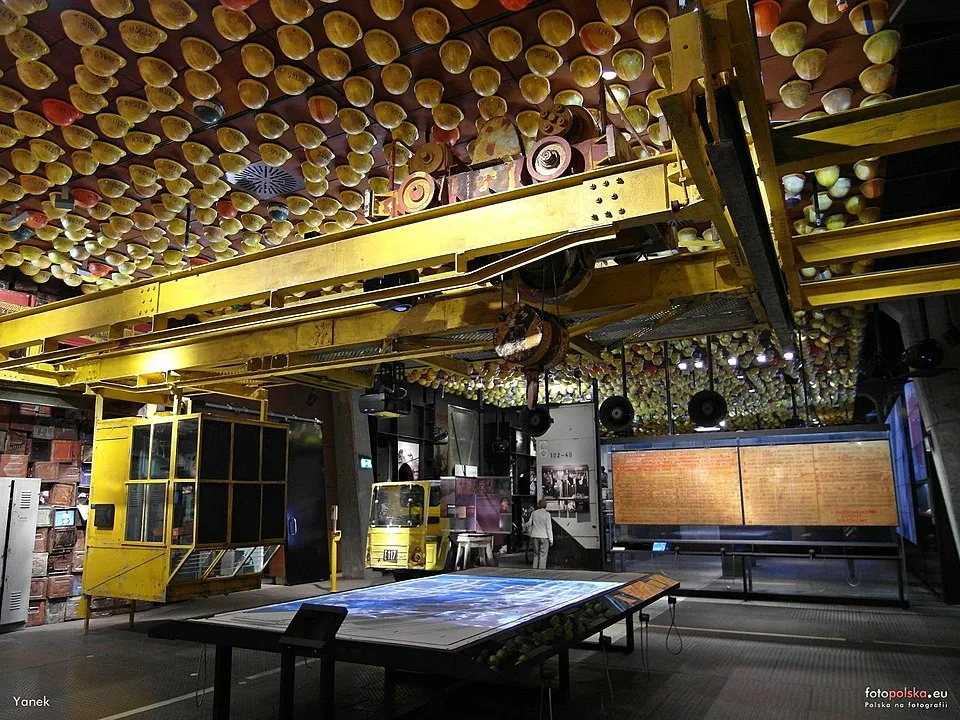
The European Solidarity Centre building displays its historical origins through its architectural design. Fort Architects from Poland created the structure as both a symbolic and practical structure. The rust-colored structure mimics ship hulls because it commemorates the shipyard workers who initiated the Solidarity Movement.
The interior design uses fluid and open layouts. The large windows let in natural light which symbolizes transparency along with freedom and openness as fundamental values of the movement. The building extends across 25,000 square meters to provide exhibition spaces and library facilities alongside archive rooms and conference areas and a rooftop garden.
The Winter Garden serves as a peaceful indoor garden space where visitors can find both peace and reflection. This space serves both local residents and visitors by uniting public accessibility with museum purposes.
This prestigious architectural design stands out as a unique landmark in Gdańsk’s city center. The structure embodies Gdańsk’s industrial past while representing its current dedication to democratic values and human rights.
Events and Educational Programs at The European Solidarity Centre
The European Solidarity Centre functions beyond its role as a museum by hosting numerous yearly activities throughout the building.
Annual and Ongoing Events:
Solidarity Festival takes place each August with musical performances combined with exhibition displays and community events.
European Forum for New Ideas functions as a conference location for intellectuals together with leaders to examine European development and democratic progress.
Youth Summer Camps provide educational experiences to teens who focus on civic duty and leadership development.
Workshops and Educational Offerings:
- The institution provides history-based guided tours and educational lessons for students and Polish and European history studies.
- The organization hosts regular lectures which feature speakers from historical backgrounds and activist fields alongside political leadership positions.
- Art Exhibitions and Film Screenings present cultural interpretations of freedom and resistance through their programming.
The Centre provides teaching materials for students along with digital archives which educators can download for their use.
The events at this center help people form stronger bonds with the Solidarity principles that defend social equality and civil liberties. The current events list can be viewed through the events calendar.
Accessibility and Family-Friendly Features
The European Solidarity Centre maintains accessibility as its top concern. The exhibition spaces provide comfortable exploration experiences for all visitors through their accessibility features regardless of their age or abilities.
Accessibility Features:
Wheelchair-accessible entrances and elevators
Tactile paths and braille signage for the visually impaired
Audio descriptions and sign language guides upon request
- Accessible restrooms and wide passageways
Family-Friendly Services:
Baby-changing stations in restrooms
The family audio guide system has been created with children in mind.
Interactive sections throughout the exhibit allow children to participate in activities.
Educational kits for schools and families
The staff receives training to support all visitors and will meet any accessibility requirements or support needs of guests. The Centre has been designed to serve visitors who need strollers or use mobility aids.
Dining and Café Options Inside The Centre
Need a break during your visit? A welcoming café within the European Solidarity Centre serves both food and beverages along with light bites to guests. The café provides an ideal spot to relax while you take a break before continuing your site exploration.
On-Site Café:
Location: Ground floor near the main entrance
Menu: Coffee, tea, pastries, salads, sandwiches, and soups
Ambiance: Relaxed, with views of the shipyard area
The café uses locally sourced ingredients and offers vegetarian options. It’s a favorite for locals, tourists, and even staff.
If you’re looking for more substantial meals, you’ll find restaurants and bakeries just a short walk from the Centre. The Old Town of Gdańsk, filled with great dining spots, is only 10 minutes away.
Best Time to Visit The European Solidarity Centre
When is the best time to visit The European Solidarity Centre? That depends on your travel style, but a few tips can help.
Best Times of Day:
Morning (10:00 AM – Noon): Quieter and ideal for focused exploration
Afternoon (2:00 PM – 4:00 PM): Slightly busier, good for group visit
Good Days of the Week:
Monday: Free entry and fewer crowds
Midweek (Tuesday to Thursday): Balanced flow of visitors
Weekends: Busier, but often have live events or workshops
Best Seasons to Visit:
Spring and Autumn: Comfortable weather, smaller crowds
Summer (July–August): Peak tourist season—book tickets online early
Winter: A peaceful time with seasonal exhibits and warm indoor spaces
Every visit to the European Solidarity Centre requires sufficient time for exploration. The exhibitions are deep and thought-provoking. The rooftop view offers itself as an opportunity to take in after you have finished absorbing and reflecting the material.
Gift Shop and Museum Souvenirs at The European Solidarity Centre
Visitors to The European Solidarity Centre must make time for the gift shop after experiencing the exhibitions. The gift shop functions beyond offering souvenirs because it delivers the museum’s core message.
What You’ll Find:
Books and Publications on Solidarity, Polish history, and European democracy
Reproductions of historic posters used in the 1980s protests
T-shirts, pins, and mugs with the iconic Solidarity logo
Educational materials for teachers and students
Locally made art and crafts supporting regional artisans
Many items reflect the values of social justice and freedom. Purchasing them also supports the museum’s ongoing educational and outreach programs.
The gift shop is located near the main entrance. It accepts cash, cards, and contactless payments. You can also browse select items via the online store.
Nearby Attractions Around The European Solidarity Centre
Once you’ve explored the exhibits, take time to enjoy the vibrant area surrounding The European Solidarity Centre. Located near Gdańsk’s Old Town, it’s surrounded by cultural landmarks and attractions.
Places to Visit Nearby:
Monument to the Fallen Shipyard Workers of 1970 – Right next to the Centre, this powerful tribute is a must-see.
Museum of the Second World War – A short tram ride or 20-minute walk away.
Gdańsk Old Town – Explore beautiful architecture, historic churches, and charming streets.
Amber Museum – Learn about the Baltic region’s prized gemstone.
St. Mary’s Basilica – One of the largest brick churches in the world.
The Old Town features numerous dining establishments and retail shops which provide easy access to continue your exploration following your visit to the Centre.
To determine your route use Google Maps – Gdańsk Attractions for finding locations nearby.
Guided Tours and Audio Guides at The Centre
The European Solidarity Centre provides audio guides together with guided tours in various languages for visitors to deepen their understanding of the movement and exhibits.
Guided Tour Options:
Public Guided Tours: Offered daily in Polish and English.
Group Tours: Available with advance booking for schools, universities, or tourists.
Specialized Tours: Thematic walks focused on specific topics like women’s roles or youth activism.
Audio Guide Features:
The audio guide operates in twelve languages with English, German, Spanish and French among them
Includes narration, music, and firsthand recordings
Rent devices at the entrance or download the ECS mobile app
Guides enhance the understanding of the experience particularly for visitors who are unfamiliar with Polish history. The ECS tour booking page allows visitors to reserve their bookings.
Why Visit The European Solidarity Centre in Poland
You must understand the value of visiting The European Solidarity Centre while traveling to Poland. The reason to visit this place is its role in forming modern Europe.
The Centre offers more than a history lesson. This attraction delivers a common lesson about brave people who come together to bring transformation. People demonstrate their extraordinary potential during difficult times.
The peaceful uprising demonstrated how it removed authoritarian rule while creating a worldwide influence. The ongoing worldwide discussions about democracy and justice and human dignity maintain the relevance of this site in contemporary times.
Everyone who visits this location will experience a lasting effect regardless of their background as a history enthusiast or student or educator or traveler.
Travel Tips for Visiting the European Solidarity Centre
The following practical advice will assist you to maximize your visit experience:
- Spend at least 2–3 hours exploring the exhibits because they offer an extensive amount of content to process. Don’t rush it.
- The audio guide together with a guided tour provides essential background information which brings historical stories to life particularly for visitors unfamiliar with Polish history.
- The rooftop terrace offers breathtaking views of the shipyard and city skyline which become most beautiful during sunset.
- The permanent exhibition at the European Solidarity Centre offers free admission to individual visitors who visit on Mondays.
- The on-site café provides an ideal location to rest and think after experiencing the intense museum exhibits.
- The gift shop at the location sells important items made by local artisans who dedicate their proceeds to support the museum’s objectives.
- The gift shop at the museum sells meaningful souvenirs which support the museum’s mission.
- The Museum of the Second World War and Gdańsk Old Town are within walking distance from the European Solidarity Centre so you can spend a complete day exploring meaningful sites.
Conclusion
During my Polish journey the European Solidarity Centre proved to be my most emotionally impactful and intellectually enriching destination. The museum functions beyond its display role to honor the individuals who fought for their rights while shaping European history and motivating upcoming generations to respect democratic values and justice and human dignity.
I experienced a profound connection to the courageous workers who fought for freedom when I entered the shipyard where the Solidarity movement started. The exhibits present historical content in a way that allows visitors to experience the past directly.
The European Solidarity Centre should be included in your Gdańsk travel plans because it appeals to history buffs and curious visitors and teachers and anyone who needs perspective in modern times.
FAQs
1. What is The European Solidarity Centre?
It’s a museum and cultural institution in Gdańsk, Poland, dedicated to the Solidarity movement and the fight for freedom.
2. Where is The European Solidarity Centre located?
Plac Solidarności 1, 80-863 Gdańsk, Poland. Google Maps
3. How much time should I plan for a visit?
Plan at least 2–3 hours to explore the exhibitions and facilities.
4. Are there free entry days?
Yes. Admission is free on Mondays for individual visitors.
5. Is The European Solidarity Centre suitable for children?
Yes. It has family-friendly exhibits and audio guides designed for young visitors.