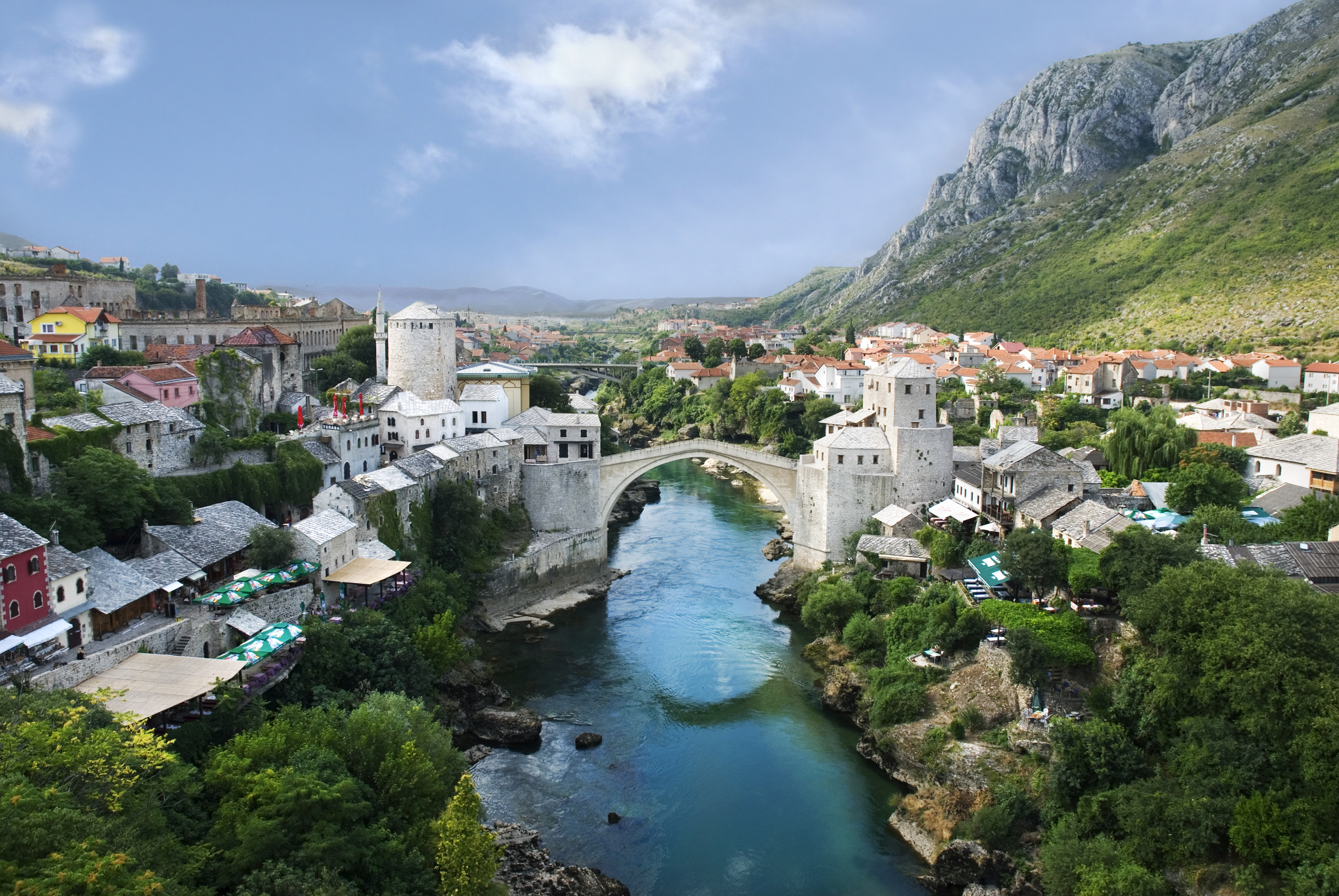
Mostar Bosnia is a city that stays with you long after you leave. Nestled in the heart of the Mostar Federation of Bosnia and Herzegovina, this enchanting destination captures the essence of Balkan charm with its legendary Old Bridge, cobblestone streets, and rich Ottoman heritage. Whether you’re watching brave locals dive from the iconic Stari Most or sipping Bosnian coffee alongside the turquoise Neretva River, Mostar Bosnia and Herzegovina offers experiences unlike anywhere else in the world. This comprehensive guide covers everything you need to plan your perfect visit to the city of Mostar Bosnia, from top attractions and hotels to practical travel tips.
Table of Contents
Where is Mostar, Bosnia and Herzegovina?
Where is Mostar Bosnia? The city is located in the southern region of Bosnia and Herzegovina, specifically within the Federation of Bosnia and Herzegovina entity. Bosnia Herzegovina Mostar sits approximately 130 kilometers southwest of the capital, Sarajevo, and straddles the beautiful Neretva River, which cuts through dramatic canyon landscapes. Geographically, Mostar in Bosnia occupies a strategic position between the Adriatic coast and the interior Balkans, making it an ideal stop on any regional itinerary.
The city lies in a valley surrounded by mountains, with the Neretva River serving as both its lifeline and its most striking natural feature. This location has made Mostar a crucial crossroads throughout history, connecting different cultures, religions, and trade routes. Today, visitors find Mostar Bosnia Herzegovina easily accessible from major Croatian coastal cities like Dubrovnik (140km) and Split (180km), as well as from Sarajevo and other Bosnian destinations.
The Mostar Federation of Bosnia and Herzegovina region experiences a Mediterranean climate, with hot, dry summers and mild winters, making it an attractive year-round destination. The city’s elevation of approximately 60 meters above sea level contributes to its pleasant climate and stunning natural setting.
The Legendary Stari Most: Mostar’s Iconic Old Bridge
History of the Old Bridge
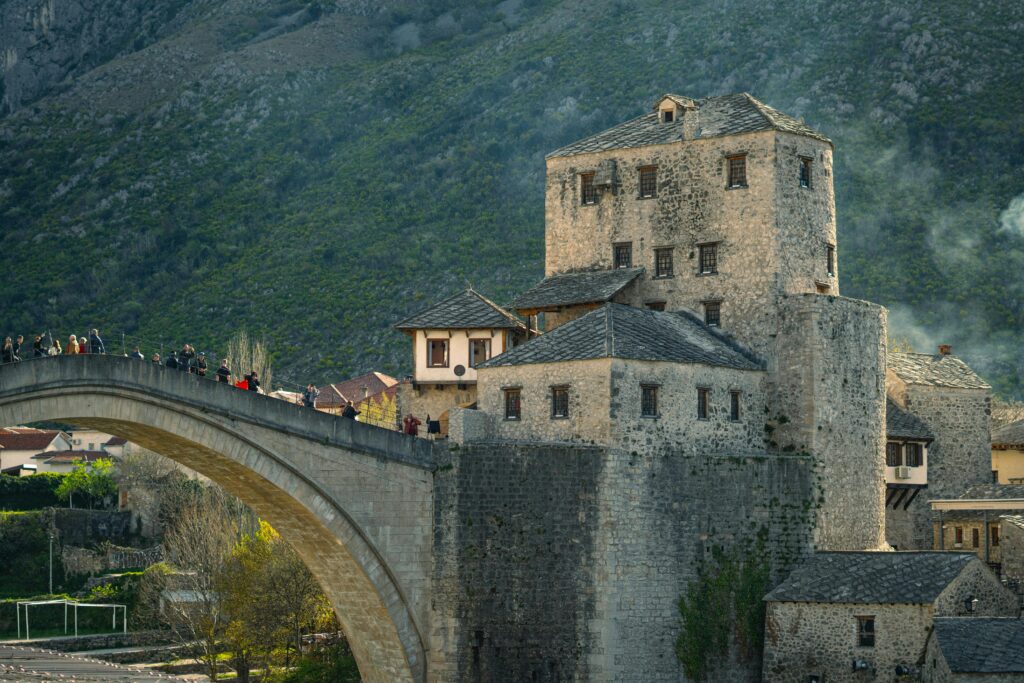
The Stari Most Mostar Bosnia and Herzegovina serves as the city’s iconic landmark which draws numerous visitors to explore Bosnia Mostar. The Ottoman Sultan Suleyman the Magnificent ordered the construction of this magnificent bridge which Mimar Hayruddin designed and completed in 1566. The bridge operated as an engineering and architectural wonder of architecture for 427 years after its completion in 1566.
The Stari Most Bosnia Herzegovina served as a river crossing that united Eastern and Western cultures and Christian and Islamic faiths and different ethnic groups living in peace. The bridge’s 28.7 meter span with 4 meter width made it seem impossible to build during its construction period. The structure used metal clamps to connect its limestone blocks which were cut with precision without any need for mortar.
The Old Bridge Mostar Bosnia and Herzegovina suffered destruction on November 9th 1993 when Croat-Bosniak fighting reached its peak during the Bosnian War. The world experienced shock when this 16th-century architectural treasure faced destruction which served as a symbol of wartime cultural destruction. The city displays “Don’t Forget 93” throughout its streets to honor the devastating loss which occurred in 1993.
The Mostar Bridge Bosnia experienced a positive development after its destruction. The reconstruction of the bridge started in 2001 under UNESCO direction which used authentic 16th-century construction techniques and materials. The reconstruction process took longer than the original construction period because the new Mostar Bosnia Bridge opened to the public on July 23 2004. The bridge now serves as a UNESCO World Heritage Site which represents both restoration and reconciliation efforts.
The Famous Bridge Diving Tradition
The Mostar Bosnia area presents an exhilarating experience through its traditional bridge diving practice. Young men have been performing this tradition since 1664 by jumping from the Stari Most Bosnia into the Neretva River which reaches depths of 24 meters (79 feet) below. The Mostar Bosnia bridge jump tradition has existed since 1664 and continues to be practiced by locals today.
Young men who want to become divers must spend multiple years learning before they attempt their initial leap from the Old Bridge Mostar Bosnia and Herzegovina. The dive demands exact execution because of its elevated position and restricted jumping space and freezing water temperatures which stay at 10°C (50°F) throughout summer. During summer days local divers perform bridge diving shows every day while viewers support the performers through financial donations to the audience.
People who try the jump without proper training face an extremely dangerous situation. The Mostari diving club provides experienced divers with the option to jump after they pay between 25-30 EUR and complete a short training session. The majority of visitors watch in awe as local divers perform this traditional Mostar bridge Bosnia jump.
Visiting Stari Most
When you visit the Stari Most Mostar Bosnia and Herzegovina, timing is everything. Early morning, just after sunrise, offers the most peaceful experience with virtually no crowds and beautiful golden light for photography. Late evening provides a magical atmosphere as the bridge and surrounding buildings are illuminated against the night sky.
A word of caution: the surface of the Mostar Bosnia bridge is extremely slippery, especially when wet. The stones are worn smooth from centuries of foot traffic. The safest way to walk across is to step on the raised iron bars embedded in the bridge rather than the smooth spaces between them. Many visitors have slipped, so wear shoes with good grip and take your time, especially when descending from the arch’s peak.
The best photography spots for the Old Bridge Mostar Bosnia include:
- The riverbank directly below the bridge for dramatic upward angles
- Koski Mehmed-Pasha Mosque’s minaret for aerial views
- The nearby Lučki Most bridge for side profile shots
- Restaurants along the river for dining views
- Tara Tower on the west side of the bridge
Complete Guide: Things to Do in Mostar Bosnia and Herzegovina
Explore the Mostar Historic Old Town
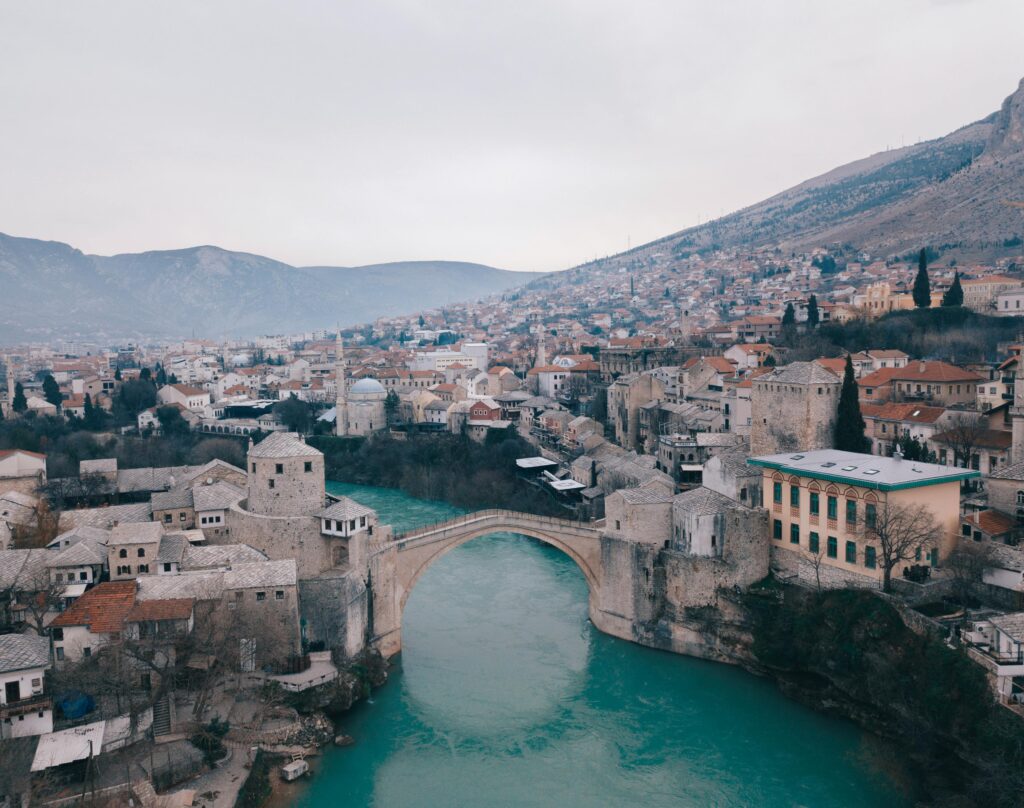
Exploring the Old Town stands as one of the most unforgettable activities which visitors can experience during their time in Mostar Bosnia. The UNESCO-protected Old Town area leads visitors through its cobblestone streets which recreate Ottoman-era ambiance through its stone buildings and arched doorways and narrow alleys that exist nowhere else in Europe. The Old Town maintains a small size which allows visitors to explore both riverbanks within a short period of two hours yet most tourists end up visiting this area multiple times during their stay.
The buildings in this area showcase Ottoman architectural elements through their traditional design features which include upper floor projections and wooden window coverings and private courtyards accessible through heavy wooden entrance doors. The Old Town underwent thorough restoration work after the 1990s war to restore its original appearance. The streets of Mostar Bosnia and Herzegovina present themselves as a top attraction because they showcase the city’s ability to survive while displaying its stunning beauty.
The authentic experience takes place between 6-7 AM during early morning hours when Mostar streets become deserted before residents start their day and prayer melodies spread throughout the valley. The evening hours between 8 PM and later bring a new atmosphere to the town as buildings shine with light while cafes become lively and the air fills with romantic ambiance for visitors to Mostar Bosnia.
Visit Koski Mehmed-Pasha Mosque
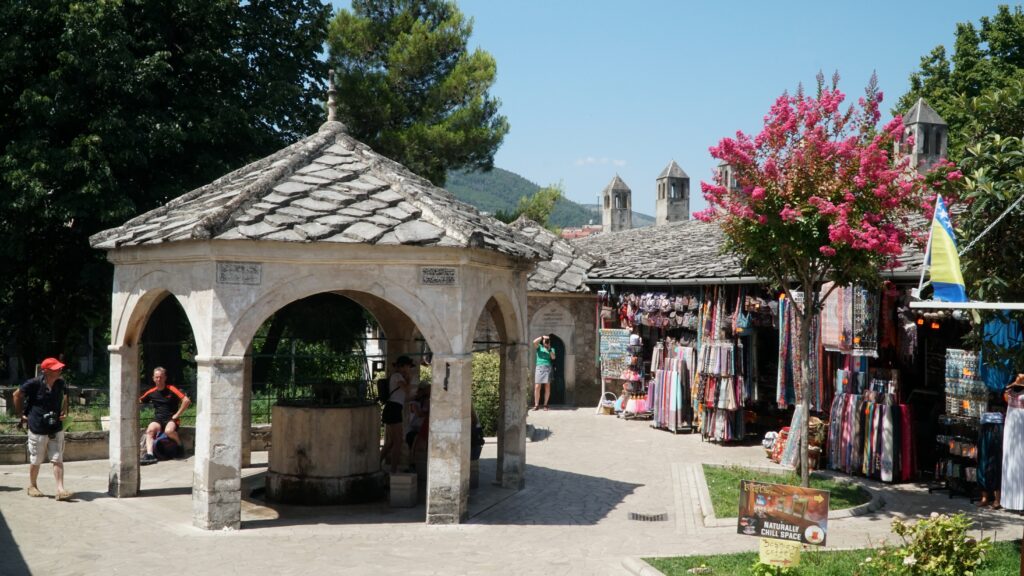
This stunning 17th-century mosque is one of the most important things to do in Mostar Bosnia. Built in 1618, the Koski Mehmed-Pasha Mosque features classic Ottoman architecture with a spacious prayer hall, elegant dome, and soaring minaret. The mosque is easily visible from the Stari Most Bosnia and has become an iconic part of Mostar’s skyline.
For a small entrance fee (around 6-8 BAM), visitors can enter the mosque courtyard, explore the interior, and – the highlight – climb the narrow, steep minaret staircase. The 89 steps are challenging but absolutely worth the effort. From the top, you’ll enjoy breathtaking panoramic views of the Old Bridge Mostar Bosnia and Herzegovina, the turquoise Neretva River, the red-tiled roofs of the Old Town, and the surrounding mountains.
Visitors must dress modestly to enter (shoulders and knees covered), and women are provided with headscarves if needed. The mosque remains an active place of worship, so respectful behavior is essential. The serene courtyard with its ablution fountain offers a peaceful retreat from the busy streets outside.
Shop the Old Bazaar (Kujundžiluk)
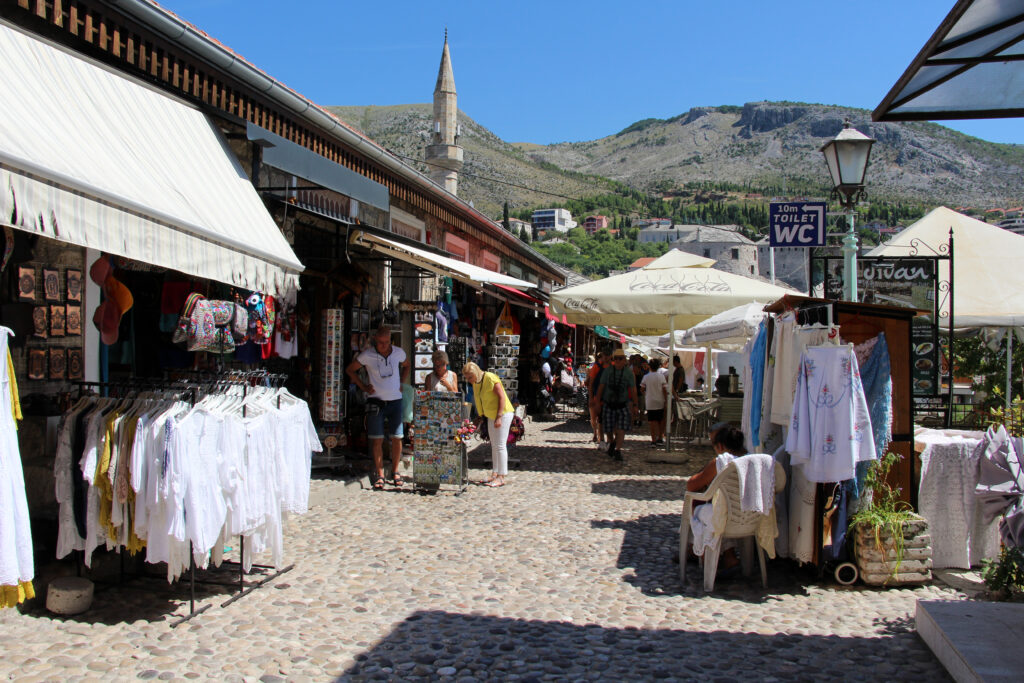
The Old Bazaar (Kujundžiluk) dates back to the 16th century and represents one of the best-preserved Ottoman markets in the Balkans. Shopping here is among the top things to do in Mostar Bosnia and Herzegovina, offering everything from traditional handicrafts to kitschy souvenirs.
The narrow streets are lined with shops selling:
- Hand-hammered copper coffee sets and decorative plates
- Traditional Bosnian carpets and kilims
- Silver filigree jewelry
- Carved wooden items
- Turkish lamps and lanterns
- Embroidered textiles
- Bullet shell art (controversial souvenirs from the war)
- Paintings and photographs of Mostar bridge Bosnia
Bargaining is expected and part of the experience. Start at about 50-60% of the asking price and negotiate from there. The shopkeepers are friendly and often speak multiple languages. Even if you’re not buying, wandering through the bazaar atmosphere, smelling Turkish coffee, and watching craftsmen at work is a quintessential part of Mostar in Bosnia travel experience.
Kriva Ćuprija (Crooked Bridge)
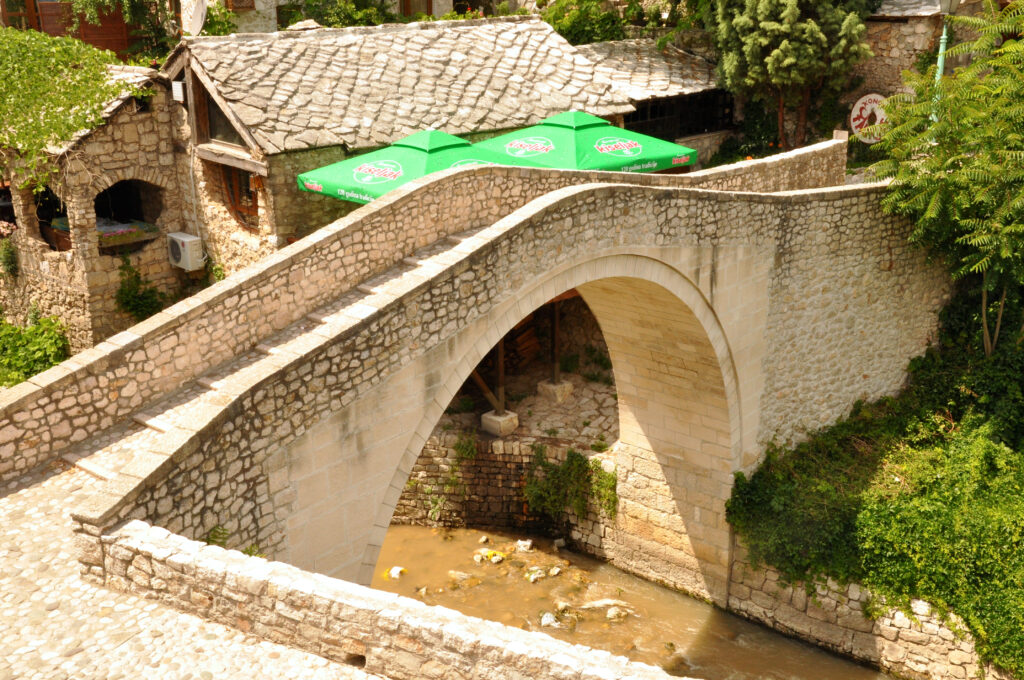
Often overlooked by visitors rushing to see Stari Most, the Kriva Ćuprija or “Crooked Bridge” has its own fascinating history. This smaller bridge, located just a few minutes’ walk from the main bridge, was built in 1558 as a practice run before constructing the larger Old Bridge Mostar Bosnia. It served as a prototype, allowing architects to test techniques and designs before attempting the more ambitious project.
The bridge spans 8.56 meters and rises 4.15 meters above the Radobolja River. Its slightly asymmetric appearance gives it the “crooked” nickname, though this was likely intentional. The bridge was also destroyed in the 1990s war but was reconstructed in 1998, six years before Stari Most Bosnia Herzegovina.
Today, the Kriva Ćuprija area is quieter and more intimate than the main bridge, making it perfect for photos without crowds. The surrounding neighborhood retains an authentic local character, with traditional houses and small cafés where you can experience everyday life in Bosnia Mostar.
Walk Along the Neretva River Bank
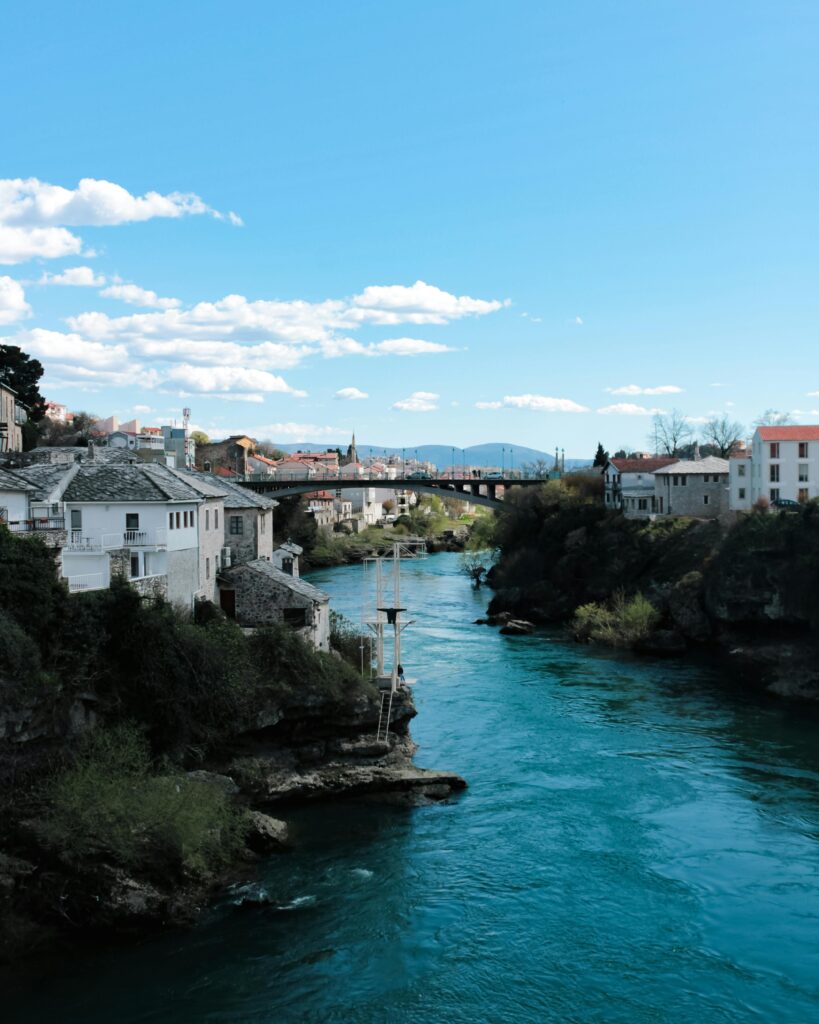
Descending to the river level offers a completely different perspective on Mostar Bosnia. Stone pathways along the riverbank allow you to walk right up to the base of the Old Bridge Mostar Bosnia and Herzegovina, where you can truly appreciate its height and architectural genius.
The crystal-clear, turquoise Neretva River is stunning, fed by mountain springs that keep it cold year-round. You’ll often see local children swimming in designated areas during summer months. Several small boat operators offer short rides on the river (usually 10-15 BAM for 10-15 minutes), providing unique photo opportunities of the bridges from water level.
The riverbank is also where you’ll find some of the best café terraces in Mostar Bosnia and Herzegovina, perfect spots to relax with a cold drink while watching the bridge divers prepare for their spectacular jumps. This is one of the most relaxing things to do in Mostar Bosnia on a hot summer afternoon.
War Photo Exhibition
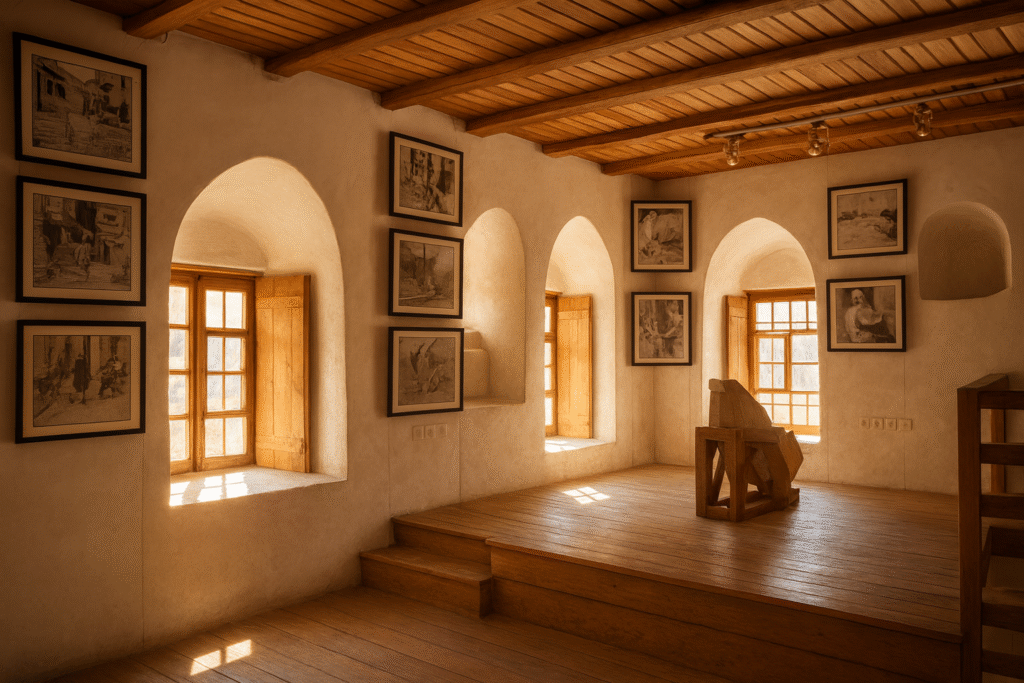
For those interested in understanding the recent history of Bosnia Herzegovina Mostar, the War Photo Exhibition is essential. This small but powerful museum displays photographs documenting the 1992-1995 Bosnian War, with particular focus on Mostar’s destruction and the siege that devastated the city.
The exhibition includes haunting images of the Old Bridge Mostar Bosnia before, during, and after its destruction, along with photos of daily life during the conflict, destroyed buildings, and the human cost of war. Informational panels provide context about the ethnic tensions, military operations, and the eventual peace process.
Throughout Mostar in Bosnia, you’ll encounter memorial stones inscribed with “Don’t Forget 93” – referring to November 9, 1993, when the Stari Most was destroyed. One of these memorials is located right at the end of the bridge, serving as a sobering reminder of recent history. Understanding this context makes visiting Mostar Bosnia travel more meaningful and helps visitors appreciate the city’s remarkable recovery.
Franciscan Church of Saints Peter and Paul
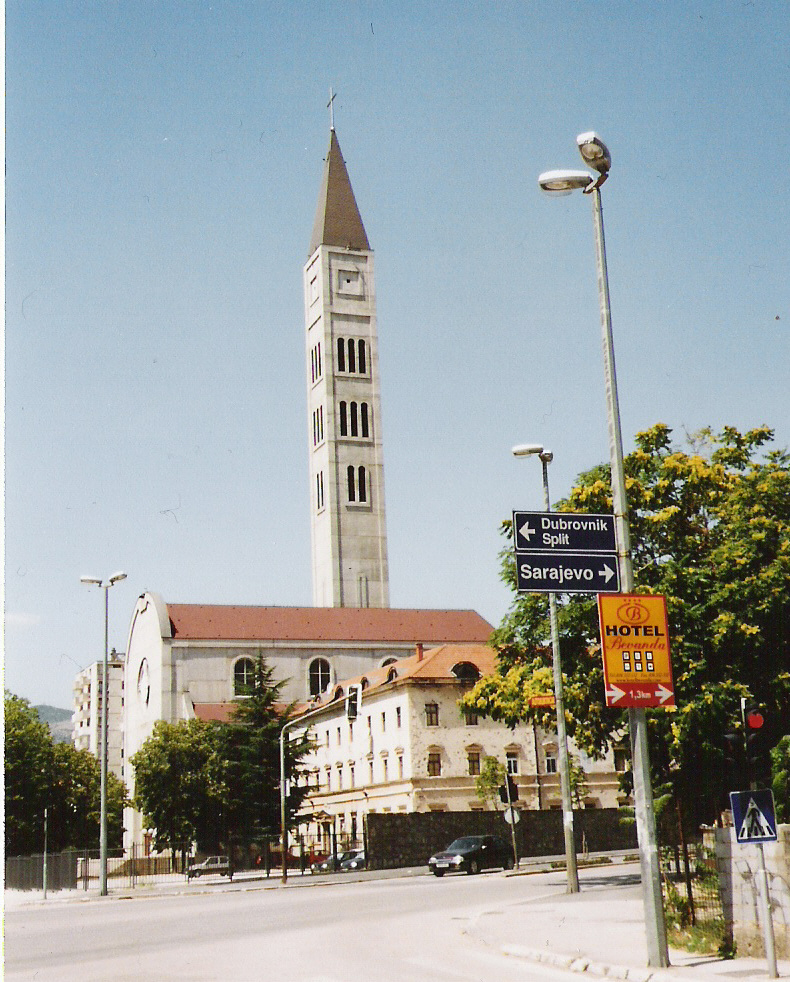
This striking church, located just a few minutes’ walk from the Old Town, stands as a symbol of the Catholic community’s resilience in Mostar Bosnia Herzegovina. The current building was constructed in 1997, replacing an earlier church destroyed during World War II and again during the 1990s conflict.
The church’s most distinctive feature is its modern bell tower, standing 107.2 meters tall – one of the tallest church towers in the Balkans. Visitors can climb the tower for a small fee (around 5 BAM), enjoying panoramic views of Mostar Bosnia and Herzegovina from this unique vantage point, offering a different perspective than the mosque minaret.
The church’s contemporary design, with its circular structure and modern aesthetics, contrasts beautifully with the Ottoman architecture of the Old Town. It represents the city’s religious diversity and the coexistence of different faiths that has always characterized Bosnia Mostar.
Cross Lučki Most Bridge
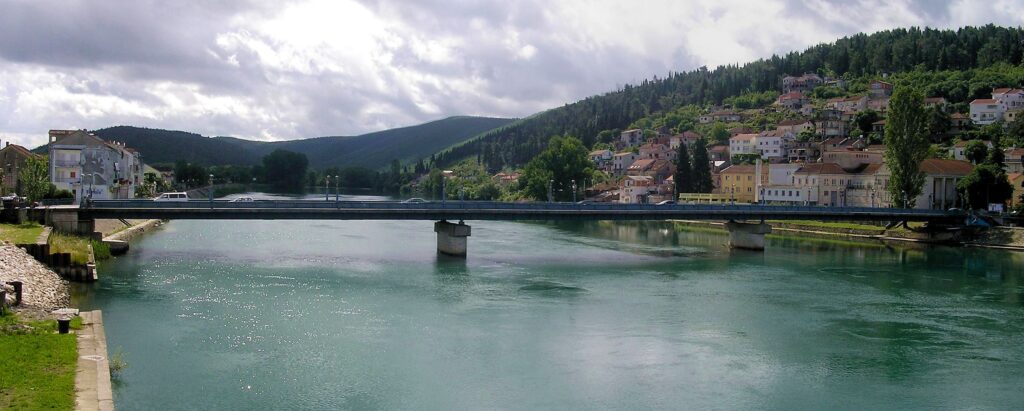
While tourists flock to Stari Most Bosnia, locals use the larger Lučki Most bridge for everyday travel. Located just a few hundred meters upstream from the Old Bridge, this modern vehicle bridge offers excellent viewpoints for photographing Stari Most Mostar Bosnia and Herzegovina, especially during sunset and at night when the historic bridge is beautifully illuminated.
The walk across Lučki Most takes you through more residential neighborhoods where you can observe daily life in Mostar Bosnia away from the tourist crowds. Street art, local markets, and authentic cafés frequented by residents rather than visitors provide a different perspective on the city.
Evening strolls across this bridge are particularly rewarding, as you can watch the Old Bridge Mostar Bosnia lights come on and see its reflection shimmering on the Neretva River – a photographer’s dream.
Relax at Eden Hotel & Spa
Mostar Bosnia weather in summer can be brutally hot, with temperatures regularly exceeding 35-40°C (95-104°F). When the heat becomes overwhelming, the Eden Hotel & Spa offers a welcome respite, even for non-guests. For a reasonable day-pass fee (around 15-20 BAM), you can access their indoor swimming pool, saunas, and relaxation areas.
The facility includes:
- Indoor heated pool
- Turkish hammam
- Finnish sauna
- Relaxation rooms
- Fitness center
Massage services are also available but require advance booking. After hours of walking the hot cobblestone streets and climbing mosque minarets, spending an afternoon at Eden Hotel provides the perfect balance to your Mostar Bosnia travel itinerary. The cool water and air-conditioned spaces offer much-needed relief while you recharge for evening explorations.
Day Trip: Blagaj Tekija Monastery
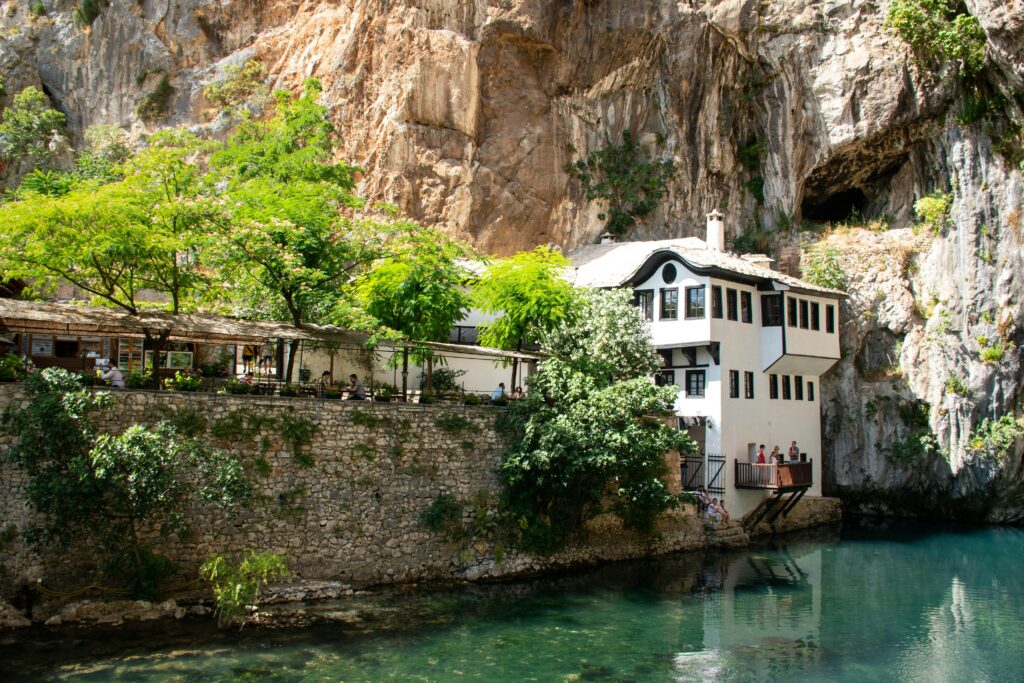
Just 12 kilometers from Mostar Bosnia, the Blagaj Tekija is one of the most serene and photogenic sites in the region. This 16th-century Dervish monastery sits at the base of a dramatic 200-meter cliff, right where the Buna River emerges from a cave source (Vrelo Bune).
The monastery, built around 1520, features classic Ottoman architecture with wooden balconies extending over the crystal-clear turquoise waters. The setting is absolutely magical – the river source is one of the largest in Europe, producing 43 cubic meters of water per second. You can take a short boat ride into the cave (5 BAM) to see where the river emerges from underground.
Several riverside restaurants serve fresh trout caught from the Buna River, and dining on terraces suspended over the rushing water is an unforgettable experience. The traditional Bosnian dishes here are excellent, and the natural air conditioning from the cold river makes it a perfect lunch spot even on the hottest days.
Getting to Blagaj from Mostar in Bosnia:
- Taxi: 20-30 BAM round trip with waiting time
- Local bus: Cheap but infrequent
- Car rental Mostar Bosnia: Offers flexibility for exploring
- Organized tour: Often combined with other sites
Kravica Waterfalls Excursion
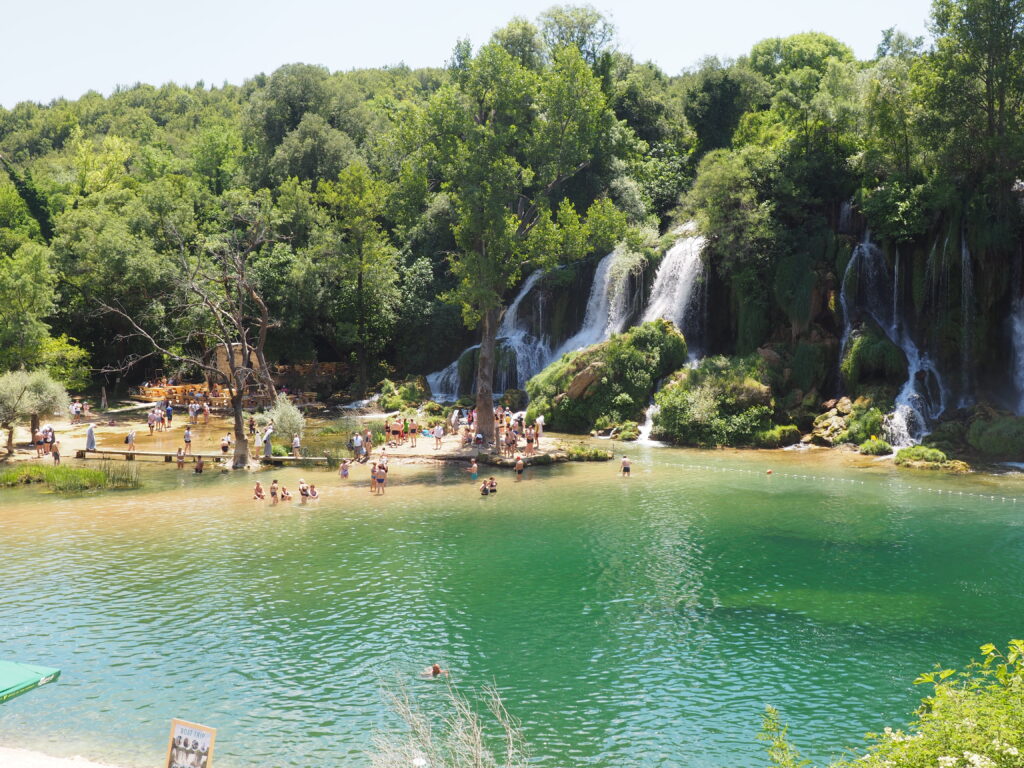
The Mostar Bosnia waterfalls at Kravica are approximately 40 kilometers south of the city and rank among Bosnia’s most stunning natural attractions. These impressive waterfalls cascade over a 25-meter high, 120-meter wide tufa barrier, creating a spectacular horseshoe-shaped curtain of water that flows into a large emerald pool below.
Visiting Kravica is one of the best things to do in Mostar Bosnia and Herzegovina during summer months (May-September) when you can swim in the refreshing pools beneath the falls. The site includes:
- Multiple waterfall viewpoints
- Swimming areas with clear, cool water
- Picnic facilities and green spaces
- Small cafés and restaurants
- Changing facilities
Entry fee is around 10 BAM. The waterfalls are most impressive in spring when snowmelt increases water flow, though swimming isn’t possible until temperatures warm up. August can see reduced water flow due to lower rainfall.
Transportation options:
- Car rental Mostar Bosnia: Most flexible option (45-minute drive)
- Organized tours: Usually include other stops
- Private taxi: Negotiate price in advance (expect 60-80 BAM round trip with waiting time)
Experience Early Morning Magic
One of the most valuable tips for what to do in Mostar Bosnia is to explore the city at different times of day. Early morning visits to Stari Most Bosnia provide a completely different experience than midday tourist rushes. Arrive around 6:00-7:00 AM to witness:
- Sunrise illuminating the Old Bridge Mostar Bosnia and Herzegovina in golden light
- Empty streets perfect for unobstructed photography
- Local residents beginning their day with morning coffee
- The call to prayer echoing through the valley
- Peaceful riverside walks without crowds
- Opportunities to chat with shopkeepers opening their stores
The morning light creates beautiful photo opportunities, and you’ll feel like you have Mostar Bosnia entirely to yourself. This quiet time allows for deeper appreciation of the city’s architecture, sounds, and atmosphere. Bring your camera and take your time crossing Stari Most without dodging other tourists.
Evening Stroll & Nightlife
Mostar Bosnia transforms after sunset, taking on a romantic, enchanting character. Evening is another perfect time for things to do in Mostar Bosnia:
- The Old Bridge Mostar Bosnia is beautifully illuminated, creating stunning reflections on the Neretva River
- Café terraces fill with locals and visitors enjoying the cooler temperatures
- Street musicians perform in the Old Town squares
- Restaurants light candles and lanterns for atmospheric dining
- The heat of the day dissipates, making walking comfortable
- Shops stay open late, allowing for relaxed browsing
The riverside bars and cafés come alive after 8 PM, offering everything from traditional Bosnian coffee to cocktails and local beers. Live music is common in summer months, and the laid-back atmosphere makes it easy to spend hours just soaking in the ambiance.
Unlike some tourist destinations that feel artificial at night, Bosnia Mostar retains an authentic character, with locals and visitors mingling naturally in the same spaces. The nightlife isn’t wild clubbing but rather a proper, social experience perfect for all ages.
Where to Stay: Hotels in Mostar Bosnia and Herzegovina
Choosing the right accommodation enhances your Mostar Bosnia travel experience significantly. The city offers options ranging from luxury hotels to budget hostels, with something suitable for every traveler and budget.
Luxury Hotels Mostar Bosnia
Hotel Mepas Mostar Bosnia and Herzegovina
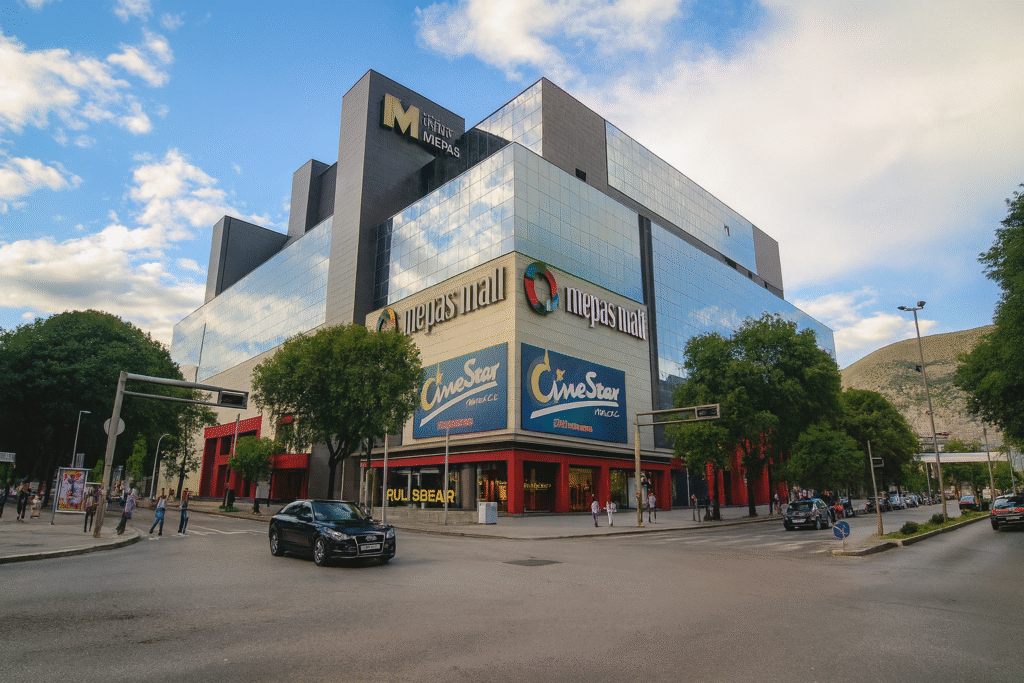
The Hotel Mepas Mostar stands as the city’s premier luxury accommodation option. This modern 5-star hotel is located about 2 kilometers from the Old Town, offering a peaceful setting while remaining easily accessible to all attractions.
Facilities include:
- Spacious, contemporary rooms with city or mountain views
- Full-service spa and wellness center with indoor pool
- Multiple restaurants serving international and traditional cuisine
- Fitness center and conference facilities
- Free parking and Wi-Fi
- Professional multilingual staff
Rooms typically range from 100-200 EUR per night depending on season. While not in the historic center, the hotel provides a luxurious base with amenities that budget accommodations in Old Town cannot match. It’s ideal for travelers seeking comfort and modern conveniences after days of sightseeing.
The hotel can arrange car rental Mostar Bosnia services, organize tours to Kravica Falls and Blagaj, and provide transportation to/from the airport or bus station. Their spa is excellent for relaxation after climbing mosque minarets and walking cobblestone streets.
Muslibegovic House Mostar Bosnia
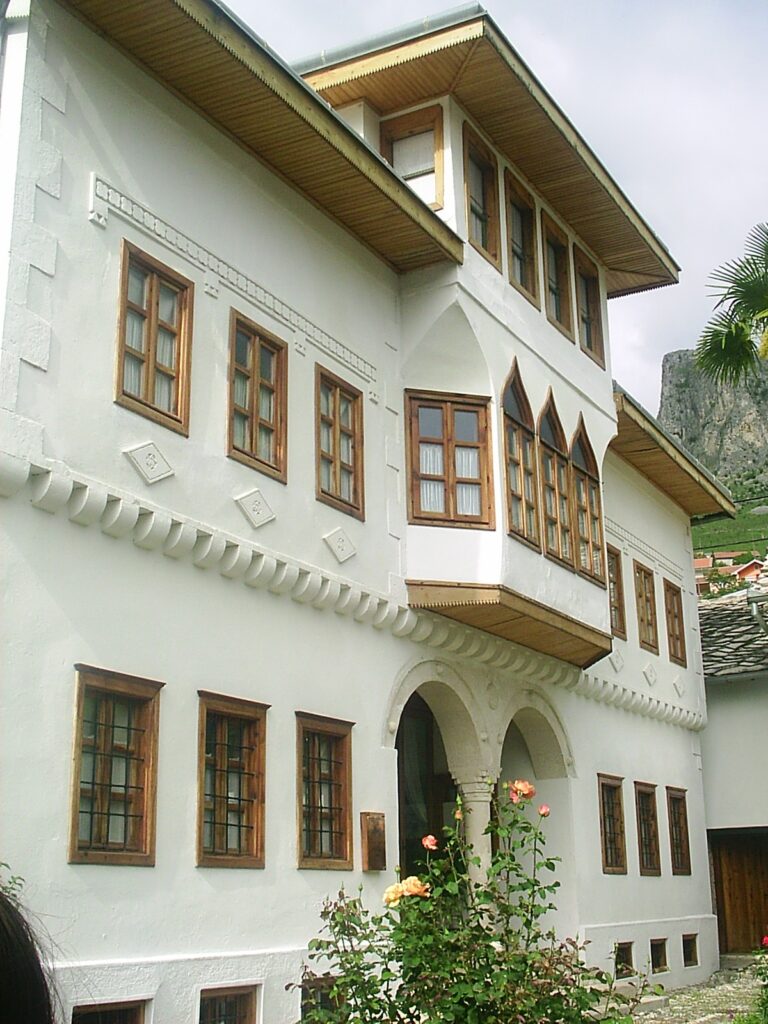
For a completely different luxury experience, Muslibegovic House offers authentic Ottoman-era accommodation right in the heart of the Old Town. This beautifully restored 18th-century mansion belonged to the prominent Muslibegović family and now operates as a boutique hotel showcasing traditional Bosnian hospitality.
Features include:
- Eight individually decorated rooms with period furniture and modern bathrooms
- Original Ottoman architectural elements (carved ceilings, divanhanas, courtyards)
- Traditional Bosnian breakfast included
- Prime location steps from Stari Most Bosnia
- Personalized service from family owners
- Museum-quality antiques throughout
Staying at Muslibegovic House isn’t just accommodation – it’s a cultural experience. You’ll sleep in authentic Ottoman surroundings while enjoying modern comforts like air conditioning, Wi-Fi, and updated plumbing. The traditional Bosnian breakfast, served in a historic dining room, is exceptional.
Prices typically range from 80-150 EUR per night. Book well in advance, especially for summer months, as the limited number of rooms fills quickly. This is undoubtedly one of the most atmospheric hotels in Mostar Bosnia and Herzegovina.
Mid-Range Hotels Mostar Bosnia Herzegovina
Hotel Bristol Mostar Bosnia and Herzegovina
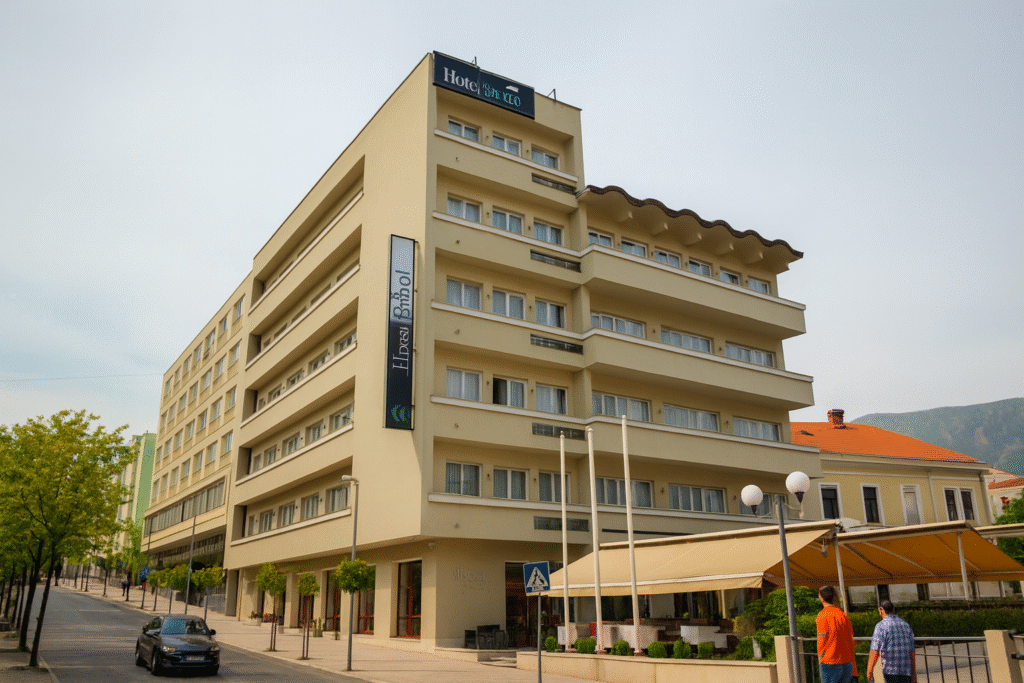
The Hotel Bristol Mostar Bosnia offers excellent value in a central location. This well-established hotel is just a 5-minute walk from Stari Most Bosnia Herzegovina, making it perfect for exploring the Old Town on foot.
What to expect:
- Clean, comfortable rooms with air conditioning
- Private bathrooms with modern fixtures
- Complimentary Wi-Fi throughout
- Basic but adequate breakfast buffet
- Small terrace with city views
- Helpful reception staff who speak English
- Secure parking available
Prices typically range from 50-80 EUR per night, making Hotel Bristol Mostar Bosnia and Herzegovina an excellent mid-range choice. The location, cleanliness, and friendly service compensate for the somewhat dated décor. Many returning visitors specifically request this hotel for its combination of affordability and convenience.
Hotel Mostar, Mostar Bosnia and Herzegovina
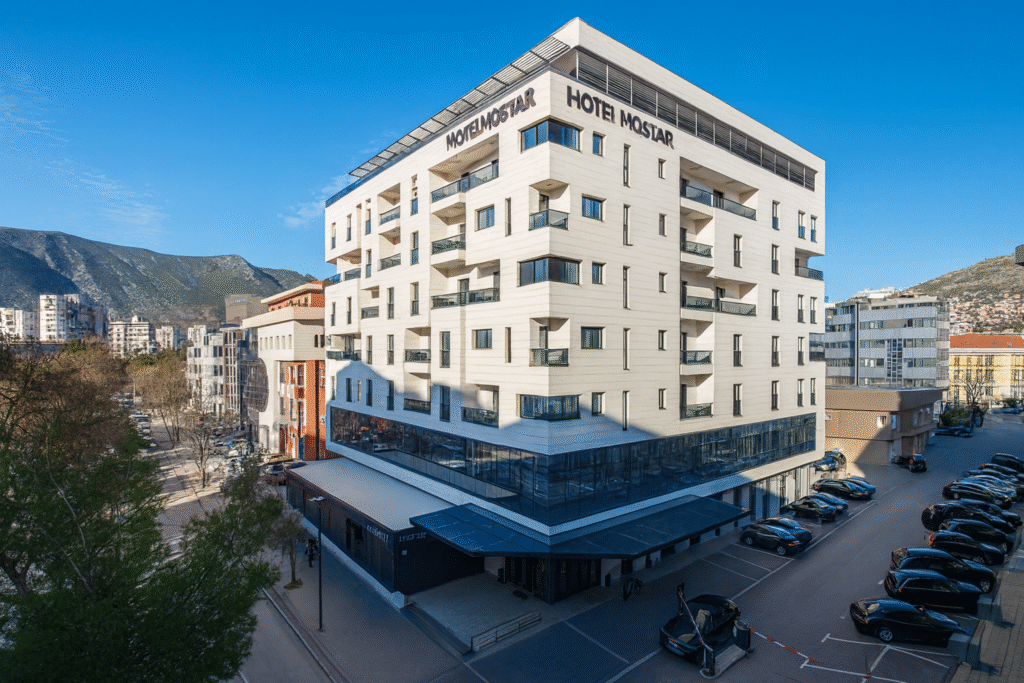
Hotel Mostar provides solid mid-range accommodation with the advantage of Neretva River views from many rooms. Located about 10 minutes’ walk from the Old Bridge Mostar Bosnia, the hotel strikes a good balance between proximity to attractions and peaceful surroundings.
Amenities include:
- River-view rooms (request when booking)
- On-site restaurant serving Bosnian and international cuisine
- Bar with terrace
- Free Wi-Fi and parking
- Air-conditioned rooms
- Helpful tour desk for arranging excursions
Expect to pay 60-90 EUR per night depending on season and room type. The river-view rooms cost slightly more but are worth it for the beautiful vistas. The hotel restaurant is convenient for days when you don’t feel like venturing out, though it cannot compete with the atmosphere of Old Town establishments.
The Hotel Mostar Mostar Bosnia and Herzegovina is popular with tour groups, so individual travelers should book directly for better rates and room selection. The staff can arrange transportation, car rental Mostar Bosnia services, and tours to nearby attractions.
Budget Options: Hostels in Mostar Bosnia
Budget travelers will find several good hostels in Mostar Bosnia offering clean, safe accommodation at affordable prices. Most hostels are located in or near the Old Town, providing excellent location at fraction of hotel costs.
Top-rated hostels include:
- Hostel Nina – Right in Old Town, featuring dorm beds and private rooms, communal kitchen, terrace with bridge views, and social atmosphere. Dorms from 12-15 EUR, private rooms from 35-45 EUR.
- Majdas Room – Family-run guesthouse with hostel prices, offering incredible hospitality, home-cooked meals available, spotless rooms, and intimate atmosphere. Beds from 10-15 EUR.
- Hostel David – Popular backpacker choice with organized social activities, multiple common areas, kitchen facilities, and knowledgeable staff. Dorms from 12-18 EUR.
Most hostels in Mostar Bosnia provide:
- Free Wi-Fi
- Communal kitchens
- Lockers for valuables
- Laundry facilities
- Travel information and tour booking
- Social spaces to meet other travelers
The hostel scene in Mostar Bosnia and Herzegovina is friendly and social, perfect for solo travelers or those wanting to meet fellow adventurers. Staff at these establishments often provide the best local tips and can arrange group tours to Kravica Falls or other attractions, making them valuable resources for budget-conscious visitors.
Where to Stay Recommendations
Best neighborhoods for hotels in Mostar Bosnia:
- Old Town (Stari Grad) – Prime location for tourists wanting to be steps from Stari Most Bosnia. Expect some noise from evening restaurant activity and morning calls to prayer. Limited parking. Best for: Short stays, first-time visitors, those without cars.
- West Bank (Old Town periphery) – Quieter than the center but still walking distance to attractions. More parking options. Mix of hotels and guesthouses. Best for: Families, light sleepers, longer stays.
- New Town – Modern area with larger hotels like Hotel Mepas. Requires taxi or walking 20-30 minutes to Old Town. Better parking and modern amenities. Best for: Business travelers, those seeking luxury, visitors with rental cars.
Booking tips for hotels in Mostar Bosnia and Herzegovina:
- Book 2-3 months ahead for July-August peak season
- April-May and September-October offer lower rates with better weather than peak summer
- Many smaller hotels and guesthouses prefer direct bookings (email or phone) and may offer discounts
- Read recent reviews about cleanliness, noise levels, and staff helpfulness
- Confirm whether parking is included if you’re driving
- Ask about breakfast quality – some included breakfasts are minimal
Whether you choose luxury hotels Mostar Bosnia Herzegovina options like Mepas, boutique experiences like Muslibegovic House, solid mid-range picks like Hotel Bristol Mostar Bosnia, or budget-friendly hostels in Mostar Bosnia, you’ll find accommodation that fits your needs in this welcoming city.
Best Restaurants in Mostar Bosnia: Where to Eat
The culinary scene is one of the highlights of visiting Mostar Bosnia. The city’s cuisine reflects its Ottoman heritage, with generous portions of grilled meats, fresh vegetables, and delicious pastries. Whether you’re looking for traditional Bosnian fare or international options, restaurants in Mostar Bosnia deliver excellent quality at reasonable prices.
Traditional Bosnian Cuisine
Before diving into specific restaurant recommendations, understanding traditional Bosnian dishes enhances your dining experience in Mostar Bosnia and Herzegovina:
- Ćevapi – Small grilled minced meat sausages (beef, lamb, or mixed) served in warm flatbread (somun) with raw onions, sour cream (kajmak), and ajvar (red pepper spread). This is Bosnia’s national dish and unmissable.
- Burek – Flaky phyllo pastry filled with meat (traditionally), cheese (sirnica), spinach (zeljanica), or potatoes. Eaten for breakfast or as a snack, always with plain yogurt.
- Dolma – Vegetables (peppers, zucchini, grape leaves) stuffed with spiced meat and rice, slowly simmered in tomato sauce.
- Klepe – Bosnian dumplings filled with meat, similar to Turkish manti, served with garlic yogurt sauce.
- Pljeskavica – Large seasoned meat patty, often mixed with onions and spices, grilled and served with sides.
- Baklava – Sweet pastry layers with nuts and honey syrup, showing clear Ottoman influence.
- Bosnian Coffee – Strong coffee prepared in a džezva (copper pot), served in small cups with sugar cubes and Turkish delight. The ritual of slowly drinking coffee while socializing is central to Bosnian culture.
- Herzegovina Wine – The region around Mostar Bosnia produces excellent wines, particularly from indigenous Žilavka (white) and Blatina (red) grape varieties.
Top Restaurants in Mostar Bosnia
Tima-Irma
Located in the heart of Old Town, Tima-Irma has earned its reputation as one of the best restaurants in Mostar Bosnia for authentic traditional cuisine. The restaurant occupies a historic stone building with both indoor seating and a charming courtyard.
Recommended dishes:
- Mixed grill platter with ćevapi, pljeskavica, and chicken
- Lamb cooked under sač (traditional metal dome)
- Stuffed peppers and dolma
- Traditional pita (not pizza – flaky meat or cheese pie)
Prices are very reasonable (12-18 BAM for main courses), portions are generous, and quality is consistently excellent. The service is warm and welcoming, with staff happy to explain dishes and make recommendations. Reservations are wise for dinner during peak season.
The restaurant sources ingredients locally, and you can taste the difference in the quality of the meats and vegetables. Pair your meal with a bottle of local Herzegovina wine for the complete experience.
Restoran Lagero
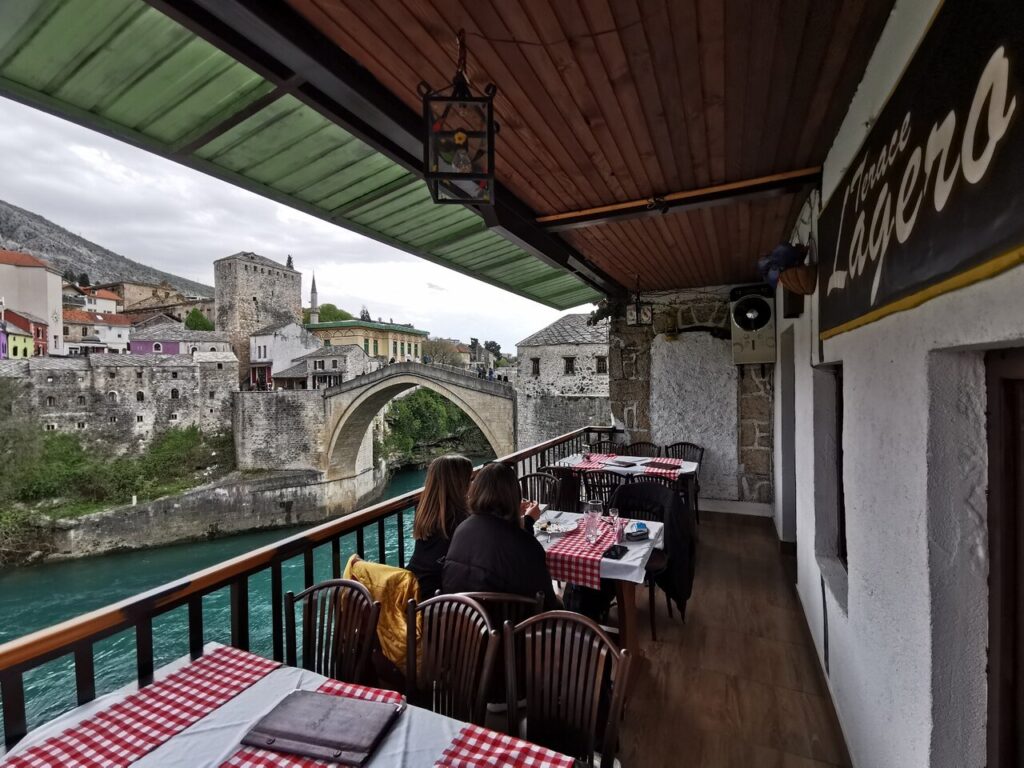
Restoran Lagero earns its place among top Mostar Bosnia restaurants primarily for its stunning location. The terrace sits directly overlooking the Old Bridge Mostar Bosnia, providing arguably the best dining view in the entire city. Watching the sun set behind Stari Most while enjoying dinner is absolutely magical.
The menu offers:
- Grilled fresh trout from local rivers
- Traditional Bosnian meat dishes
- Pasta and risotto options
- Fresh salads and vegetables
- Extensive local and international wine selection
While slightly more expensive than some other options (18-30 BAM for mains), the location and view justify the premium. Quality is good though not exceptional – you’re paying for the ambiance and vista as much as the food. The restaurant gets busy, especially for sunset dining, so reservations are essential if you want a table with prime views of the Mostar bridge Bosnia.
Service can be slow when crowded, so plan for a leisurely meal rather than a quick bite. The romantic atmosphere makes it perfect for couples or special occasions.
Šadrvan
This family-run restaurant near the Old Town offers authentic home-style Bosnian cooking at excellent prices. Šadrvan (which means “fountain”) is popular with both tourists and locals, always a good sign.
Specialties include:
- Begova čorba (rich chicken soup with vegetables)
- Japrak (cabbage rolls with meat and rice)
- Bosanski lonac (Bosnian pot – slow-cooked meat and vegetable stew)
- Fresh grilled vegetables as sides
The portions are enormous, and prices are among the most affordable in restaurants in Mostar Bosnia (10-15 BAM for mains). The atmosphere is casual and friendly, without the tourist-trap feeling of some Old Town establishments. Don’t expect fancy presentation – this is honest, delicious comfort food.
Hindin Han
For an upscale dining experience, Hindin Han combines traditional Bosnian recipes with modern presentation. The restaurant occupies a beautifully restored historic building near the river.
Menu highlights:
- Veal prepared various traditional ways
- Fish from the Neretva and Adriatic
- Creative takes on Bosnian classics
- Vegetarian options (harder to find elsewhere)
- Impressive wine list featuring regional bottles
Expect to pay 25-40 BAM for main courses – expensive by Bosnian standards but still reasonable compared to Western European prices. The elegant setting, professional service, and creative cuisine make it worth the splurge for a special dinner.
Cafés with Views
Beyond full restaurants, numerous cafés along the river serve light meals, drinks, and of course, the essential Bosnian coffee. Some favorites include:
- Café de Alma – Terrace overlooking Stari Most Bosnia, perfect for coffee and dessert while watching bridge divers.
- Caffe Marshall – Riverside location with comfortable seating, good for leisurely mornings with breakfast and coffee.
- Old Town Coffee – Small authentic café in the bazaar, popular with locals, excellent Bosnian coffee preparation.
Bosnian coffee culture is about taking time, not rushing. Order your coffee, find a comfortable spot with a view of the Old Bridge Mostar Bosnia and Herzegovina, and embrace the slower pace of life. This is when you’ll have your best conversations with locals and fellow travelers.
Practical Dining Tips for Mostar Bosnia Restaurants
- Timing – Lunch is typically served 12:00-15:00, dinner from 18:00 onwards. Many restaurants close between lunch and dinner service.
- Reservations – Recommended for popular restaurants during peak season (June-September), especially if you want specific seating like terraces with views.
- Tipping – 10% is standard for good service, though not obligatory. Round up the bill or leave coins on the table.
- Language – Menus in tourist areas have English translations. Staff usually speak enough English to take orders, but learning a few Bosnian phrases is appreciated.
- Portions – Bosnian portions are generous. Consider sharing dishes or skipping appetizers if you have a small appetite.
- Water – Tap water is safe to drink, but restaurants typically serve bottled water. Specify if you want still (negazirana) or sparkling (gazirana).
- Vegetarian options – Traditional Bosnian cuisine is meat-heavy, but most restaurants offer grilled vegetables, salads, cheese pies, and pasta dishes. Vegans will have more difficulty finding options.
The dining experience in Mostar Bosnia restaurants combines delicious food, warm hospitality, and often spectacular views of the Stari Most Bosnia Herzegovina – making meals memorable highlights of your visit rather than just fuel for sightseeing.
Understanding the Weather in Mostar, Bosnia and Herzegovina
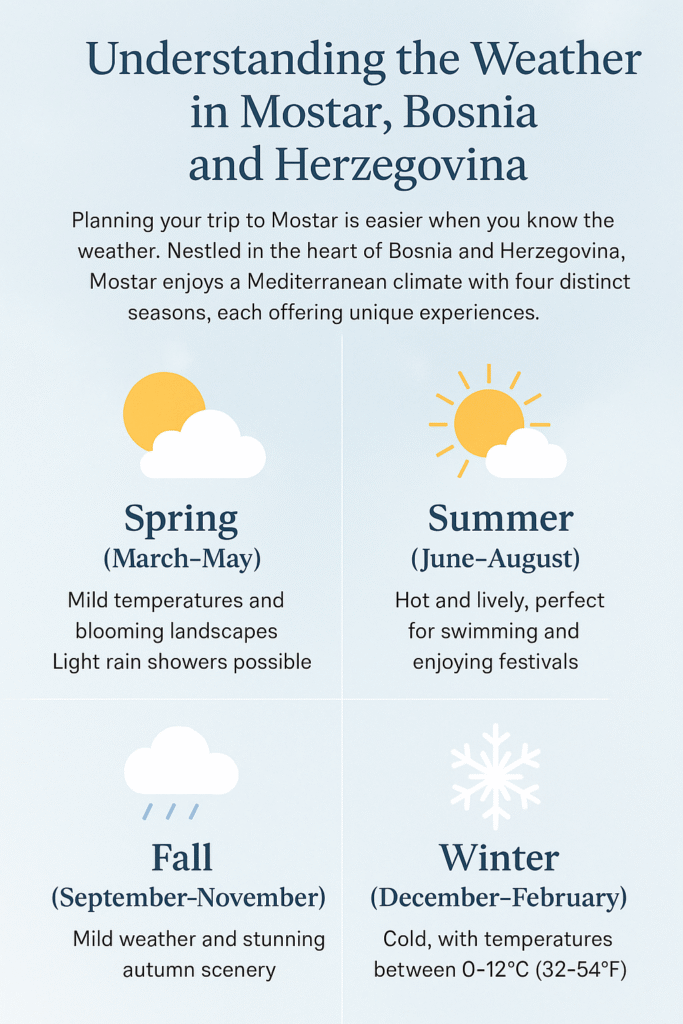
Planning your trip to Mostar is easier when you know the weather. Nestled in the heart of Bosnia and Herzegovina, Mostar enjoys a Mediterranean climate with four distinct seasons, each offering unique experiences.
Spring (March–May)
- Spring is ideal for sightseeing, with mild temperatures and blooming landscapes. March sees 8–15°C (46–59°F), April 12–20°C (54–68°F), and May 16–25°C (61–77°F). Advantages include comfortable walking, fewer crowds, lower accommodation costs, and Kravica Waterfalls at peak flow. Bring a light rain jacket, as showers are possible.
Summer (June–August)
- Summer is hot and lively, perfect for swimming and enjoying festivals. June averages 20–30°C (68–86°F), July 23–35°C (73–95°F), and August can exceed 35°C (95°F). Pros: long daylight, fully open attractions, bridge diving shows. Cons: intense heat, crowds, and higher prices. Plan early morning or evening outings.
Fall (September–November)
- Fall offers mild weather and stunning autumn scenery. September 18–28°C (64–82°F) is ideal, October 13–22°C (55–72°F) sees fewer tourists, and November 8–15°C (46–59°F) is cooler and quiet. Benefits: lower prices, harvest season, pleasant walks. Downsides: shorter days and end of swimming season.
Winter (December–February)
- Winter is quiet, with temperatures between 0–12°C (32–54°F). It’s perfect for budget travelers and photography enthusiasts. Pros: minimal crowds, cozy cafés, festive atmosphere. Cons: cold, rainy, and limited outdoor activities.
Best Time to Visit
- May, September, and October offer the perfect mix of mild weather, smaller crowds, and accessible attractions. April and June are also good, while July–August are peak season, and November–March suits budget travelers seeking authentic experiences.
Packing Tips
- Spring/Fall: Layers, rain jacket, walking shoes, sunglasses.
- Summer: Lightweight clothes, sun protection, swimsuit, modest attire for mosques.
- Winter: Warm layers, waterproof shoes, umbrella, scarf, and gloves.
Getting to Mostar: Transportation Guide
Planning your arrival in Mostar, Bosnia and Herzegovina requires understanding the city’s transportation options. While Mostar has its own airport, many international travelers arrive via nearby airports or overland routes. This transportation guide will help you navigate your way efficiently.
Explore map loaction on google
Flying to Mostar
Mostar International Airport (OMO)
Located 7 km south of Old Town, Mostar International Airport is convenient for air travelers but has limited international service.
Flights & Facilities:
- Seasonal flights from select European cities
- Limited year-round scheduled service
- Charter flights during summer
- Small terminal with basic amenities
Getting from the Airport:
- Taxi: 15–20 BAM (~15 minutes)
- Hotel Transfer: Many hotels in Mostar offer pickup
- Car Rental: Limited options at airport; more choices in city
Due to limited flights, most travelers use alternative airports with better connections.
Alternative International Airports
Sarajevo International Airport (SJJ) – 130 km
Bosnia’s main hub connects Mostar with Europe.
Transport Options:
- Bus: 2.5–3 hrs, 15–20 BAM, scenic mountain route
- Private Transfer: 100–150 BAM, 2–2.5 hrs
- Car Rental: Drive via Highway E73, enjoy mountain scenery
- Shared Taxi/Van: ~30–40 BAM per person
Dubrovnik Airport, Croatia – 140 km
Ideal for travelers combining Mostar with the Adriatic coast.
Transport Options:
- Bus: 3–4 hrs, 20–25 EUR, border crossing required
- Private Transfer: 120–180 EUR, door-to-door
- Organized Tours: Day trips include Mostar
- Car Rental: Scenic drive, border crossing adds 30–60 mins
Split Airport, Croatia – 180 km
Perfect for those exploring Dalmatian coast and islands before heading inland.
Transport Options:
- Bus: 4–5 hrs, 25–30 EUR
- Private Transfer: 150–200 EUR
- Car Rental: Longer but scenic coastal and mountain routes
Bus Connections to Mostar
Bosnia’s bus network is reliable and affordable.
| From | Frequency | Duration | Cost | Notes |
|---|---|---|---|---|
| Sarajevo | Every 1–2 hrs | 2.5–3 hrs | 15–20 BAM | Scenic route via Konjic |
| Dubrovnik | 2–3 daily | 3–4 hrs | 20–25 EUR | Border crossing required |
| Split | 1–2 daily | 4–5 hrs | 25–30 EUR | Scenic Croatian interior |
| Belgrade | Daily overnight | 8–10 hrs | 25–35 EUR | Ideal for Serbia-Bosnia trips |
Mostar Bus Station is ~1 km from Old Town (15-min walk). Buy tickets online or at the station; arrive 30 mins early.
Car Rental in Mostar
Renting a car gives maximum flexibility for exploring Mostar and surrounding areas, like Blagaj, Kravica Falls, and Sanski Most.
Rental Tips:
- Economy Car: 25–40 EUR/day
- Compact SUV: 40–60 EUR/day
- Insurance: 10–15 EUR/day recommended
- Drive on the right; mountain roads may be narrow
- Parking: Limited in Old Town; paid parking nearby (2–3 BAM/hr)
- Notify rental company for cross-border travel
Car rental is great for regional exploration, but not necessary for a city-only stay.
Organized Tours & Private Transfers
For hassle-free travel:
- Day Tours: Dubrovnik or Split to Mostar, often including Blagaj and Kravica Falls (60–80 EUR/person)
- Multi-day Balkans Tours: Combine Sarajevo, Mostar, Dubrovnik, and Kotor
- Private Transfers: Flexible, door-to-door service
Getting Around Mostar
Walking
The Old Town is pedestrianized, making walking the best way to explore. Most attractions are within 15–20 mins.
Tips:
- Wear comfortable shoes for cobblestones
- Watch for slippery surfaces on Stari Most
- Avoid midday heat in summer
Taxis
Useful for luggage, airports, bus stations, or trips to Blagaj.
- Short trip: 5–10 BAM
- To airport: 15–20 BAM
- Always confirm meter or price before starting
Local Buses
Mainly connect neighborhoods outside Old Town. Fare: 1.80 BAM. Not necessary for most tourists.
Bicycle & Scooter Rentals
Available for exploring river paths or nearby villages. Less practical in Old Town due to cobblestones and hills.
Best Approach
Most travelers enjoy Mostar, Bosnia and Herzegovina by combining walking in Old Town, occasional taxis, and day trips via bus, tour, or rental car. This approach balances convenience, flexibility, and the charm of exploring the city at your own pace.
Essential Travel Tips for Mostar Bosnia and Herzegovina
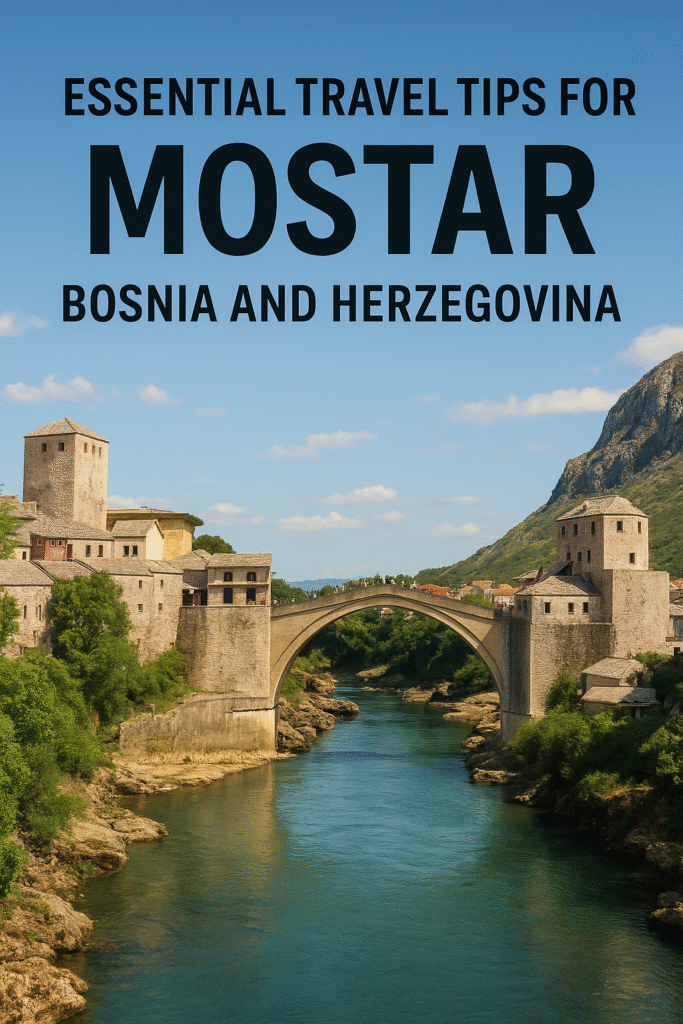
Visiting Mostar Bosnia and Herzegovina is a journey into history, culture, and breathtaking landscapes. Nestled in the Federation of Bosnia and Herzegovina, Mostar is famous for its Old Bridge (Stari Most), cobbled streets, riverside cafés, and nearby natural wonders like Kravica Falls and Blagaj Tekija. To make your trip smooth and memorable, here’s a detailed guide covering everything from currency and language to safety, etiquette, and travel planning.
Currency in Mostar Bosnia and Herzegovina
The official currency is the Bosnia and Herzegovina Convertible Mark (BAM).
- 1 BAM ≈ 0.51 EUR, 1 USD ≈ 1.80 BAM
- Divided into 100 feninga, denoted as KM or BAM
- ATMs widely available in Old Town and city center
- Credit cards accepted in most hotels, restaurants, and shops
- Smaller cafés and markets often cash-only
Money-saving tip: Keep small bills (5–20 BAM) handy for taxis, street vendors, and entrance fees. Currency exchange offices in the city usually offer better rates than hotels. Euros are sometimes accepted but at poor rates, so it’s best to carry BAM.
Language in Mostar
The official language is Bosnian (Bosanski), written in Latin script. Serbian and Croatian are also spoken and mutually intelligible.
Useful phrases for travelers:
- Hello: Zdravo
- Thank you: Hvala
- Please: Molim
- Excuse me: Izvinite
- How much?: Koliko?
- Cheers!: Živjeli!
Travel tip: English is widely spoken in Old Town restaurants, hotels, and shops. Learning a few basic phrases is appreciated by locals and enhances your interactions.
Safety in Mostar Bosnia and Herzegovina
Mostar Federation of Bosnia and Herzegovina is generally very safe for tourists, with violent crime extremely rare.
General Safety:
- Walking alone day or night is safe in tourist areas
- Visible and helpful police presence
- Locals are friendly and protective of visitors
Petty Crime:
- Pickpocketing is rare but possible in crowded areas like bazaars
- Keep valuables secure and use hotel safes
Landmine Warning (Critical for Rural Areas):
- Mostar city and surrounding tourist areas are safe
- Avoid exploring abandoned buildings or rural off-path areas
- Follow marked trails and stay with guides on day trips
Traffic Awareness:
- Drivers can be aggressive; cross streets carefully
- Pedestrian crossings are not always respected
- Watch for delivery trucks in pedestrian zones
Scams to Watch:
- Use official taxis and check prices before departure
- Avoid unlicensed guides claiming official status
Cultural Etiquette in Mostar
Respecting local customs enhances your experience in Mostar Bosnia and Herzegovina.
Mosque Visits:
- Dress modestly (cover shoulders and knees)
- Women can use headscarves provided at mosque entrances
- Remove shoes before entering prayer halls
- Speak quietly and avoid photographing worshippers without permission
General Manners:
- Greet locals and shopkeepers (“Dobar dan”)
- Handshakes are common for introductions
- Remove shoes when entering someone’s home
- Accept invitations to coffee or meals—it’s considered polite
Photography Tips:
- Old Town and Stari Most are free to photograph
- Ask before photographing people closely
- Respect memorials and war-damaged sites
Tipping Guidelines:
- Restaurants: 10%
- Cafés: Round up
- Taxis: Round to nearest 5 BAM
- Guides and hotel staff: 5–10 BAM
How Long to Stay in Mostar
Minimum stay: 1 full day
- Explore Old Town, Stari Most, main mosques, and enjoy riverside dining
Recommended stay: 2 days
- Day 1: Old Town, Stari Most, bazaars, evening ambiance
- Day 2: Day trip to Blagaj Tekija and Kravica Falls or leisure exploration
Ideal stay: 3 days
- Day 3: Počitelj fortress, wine tasting, or additional day trips
Extended stay: 4+ days
- Perfect for regional exploration in the Federation of Bosnia and Herzegovina, including Međugorje, Trebinje, or Hutovo Blato
Money-Saving Tips in Mostar
Free or Low-Cost Activities:
- Walk Old Town and cross Stari Most Mostar Bosnia and Herzegovina
- Explore Kriva Ćuprija and riverside paths
- Sunset viewing from Lučki Most
- Memorials and historical sites
Budget-Friendly Food:
- Burek shops: 2–4 BAM per meal
- Bakeries and street vendors for breakfast or snacks
- Markets for fresh fruit, vegetables, and cheese
Accommodation Savings:
- Hostels: 10–15 EUR per night
- Travel in shoulder seasons (April-May, Sept-Oct) for lower rates
- Stay slightly outside Old Town: 20–30% cheaper
Transport Tips:
- Walking within city is free
- Public buses: 1.80 BAM per ride
- Shared taxis for day trips reduce costs
Attraction Costs:
- Mosque entry: 6–8 BAM
- Eden Hotel & Spa day pass: 15–20 BAM
- Kravica Falls: 10 BAM
Off-season travel (Nov–Mar) is cheapest but less ideal weather. Spring and early autumn balance comfort and value.
Combining Mostar with Other Destinations
Mostar Bosnia and Herzegovina is perfect as a standalone destination or part of broader Balkan trips.
Recommended itineraries:
- Bosnia Circuit (5–7 days): Sarajevo → Mostar → Jajce/Banja Luka
- Adriatic + Bosnia (7–10 days): Dubrovnik → Mostar → Sarajevo → Split
- Western Balkans (10–14 days): Belgrade → Sarajevo → Mostar → Dubrovnik → Kotor
Nearby Day Trips:
- Počitelj (30 km): Medieval hilltop village
- Trebinje (80 km): Charming town and wine region
- Međugorje (30 km): Popular Catholic pilgrimage site
- Hutovo Blato (40 km): Nature reserve with wetlands
- Neum (70 km): Bosnia’s Adriatic coast
- Jablanica Lake (50 km): History museum and outdoor activities
Whether for a weekend or extended trip, Mostar serves as an excellent base for exploring the Federation of Bosnia and Herzegovina.
Understanding Mostar’s Recent History
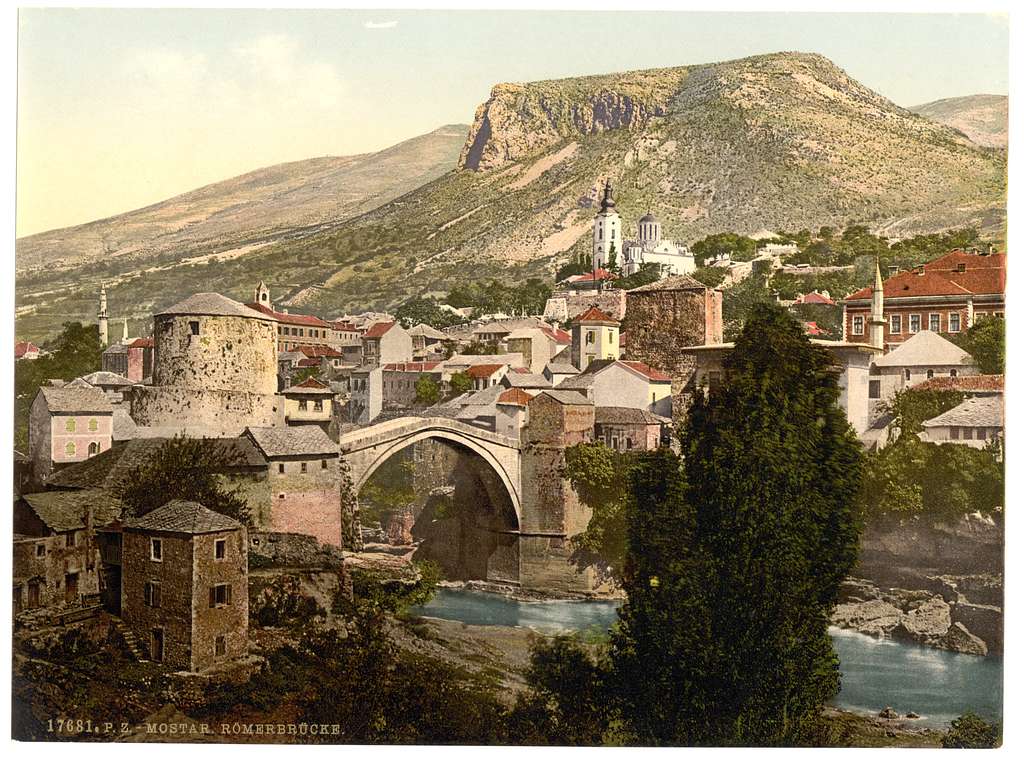
To fully appreciate Mostar Bosnia and Herzegovina, understanding its complex recent history provides essential context.
Ottoman Heritage (16th-19th centuries)
- The city of Mostar Bosnia flourished under Ottoman rule, becoming an important administrative and commercial center. The construction of Stari Most in 1566 symbolized the city’s prosperity and importance. Ottoman architecture, Islamic traditions, and the old bazaar all date from this period, creating the Asian atmosphere that defines Mostar today.
Austro-Hungarian Period (1878-1918)
- After the Ottoman Empire’s decline, Austria-Hungary administered Bosnia, bringing Western European influences. New buildings, infrastructure, and Catholic churches were built alongside existing Ottoman structures, creating Mostar’s unique architectural blend.
Yugoslav Era (1918-1992)
- Mostar in Bosnia thrived as part of Yugoslavia, becoming a successful, multicultural city where Muslims, Catholics, and Orthodox Christians lived together peacefully. The city developed industry, education, and tourism. This golden era created the tolerant, cosmopolitan character old Mostarians remember fondly.
The Bosnian War (1992-1995)
The breakup of Yugoslavia devastated Bosnia Herzegovina Mostar. The city suffered some of the war’s worst destruction:
- 1992: Initial conflict between Bosnian forces and Yugoslav/Serbian forces.
- 1993: The most tragic phase – fighting between former allies, Bosnian Croats and Bosniaks (Bosnian Muslims). The city was divided along the Neretva River, with brutal urban warfare.
- November 9, 1993: The Old Bridge Mostar Bosnia and Herzegovina was destroyed by Croatian artillery after standing for 427 years. Its destruction symbolized cultural devastation and the breaking of community bonds.
- The siege lasted 18 months, with extensive damage to buildings, infrastructure, and irreplaceable cultural heritage. Thousands died, and many more fled.
“Don’t Forget 93”
- The phrase “Don’t Forget 93” appears on memorial stones throughout Mostar Bosnia, referring to 1993 when the Stari Most Bosnia fell. These memorials ensure visitors and future generations remember the destruction’s human cost.
- The memorials aren’t about assigning blame but about remembering that war destroys more than buildings – it destroys communities, trust, and centuries of shared heritage. One memorial stands at the Old Bridge’s western end, impossible to miss when crossing Stari Most Mostar Bosnia and Herzegovina.
Reconstruction and Reconciliation
Post-war Mostar Bosnia and Herzegovina has made remarkable recovery, though challenges remain:
Physical reconstruction: Most war damage has been repaired. The Old Bridge Mostar Bosnia reconstruction (1998-2004) symbolized hope and international commitment to cultural preservation. UNESCO’s involvement ensured authentic restoration using traditional methods.
Social reconciliation: More complex and ongoing. The city remains somewhat divided, with Bosniaks predominantly on the east bank and Croats on the west. Two separate school systems continue, and political tensions occasionally flare.
Economic recovery: Tourism has become major industry, with visitors like you supporting local economy. Hotels, restaurants, and shops provide employment and hope for younger generations.
Conclusion: Your Journey to Mostar, Bosnia and Herzegovina
Mostar Bosnia is more than just a destination – it’s an experience that stays with you long after you leave. From the breathtaking Stari Most Mostar and the daring bridge divers to the charming cobbled streets of Old Town and the serene banks of the Neretva River, every corner tells a story of resilience, culture, and beauty. Exploring Koski Mehmed-Pasha Mosque, wandering the Old Bazaar, and enjoying traditional Bosnian cuisine at restaurants like Tima-Irma or Šadrvan brings the city to life in ways that guidebooks alone cannot capture.
Whether you’re soaking in the views from Kriva Ćuprija, taking a day trip to Blagaj Tekija, or cooling off at Kravica Waterfalls, Mostar Bosnia and Herzegovina offers a perfect blend of history, adventure, and local charm. Plan your visit with the best hotels, practical travel tips, and an open heart for discovery, and you’ll leave with memories as vivid as the turquoise waters beneath the Old Bridge. Mostar isn’t just a stop on your Balkan itinerary—it’s a city that invites you to connect, explore, and return.
FAQ
Mostar is famous for the Old Bridge (Stari Most), a UNESCO World Heritage site, Ottoman-era architecture, and the picturesque Neretva River that flows through the city.
Absolutely! Mostar offers a mix of history, culture, and stunning scenery, from its cobbled streets to vibrant local markets and riverside cafés.
While Bosnia is generally safe for tourists, it’s best to avoid remote areas with limited infrastructure or regions affected by past conflicts. Stick to well-known cities and guided tours.
Yes. Mostar is considered safe for solo female travelers, especially during the day. Standard travel precautions like avoiding isolated areas at night are recommended.
Visit the Old Bridge, explore the Koski Mehmed Pasha Mosque, stroll through the Old Bazaar, try traditional Bosnian food, and take a day trip to Kravica Waterfalls.