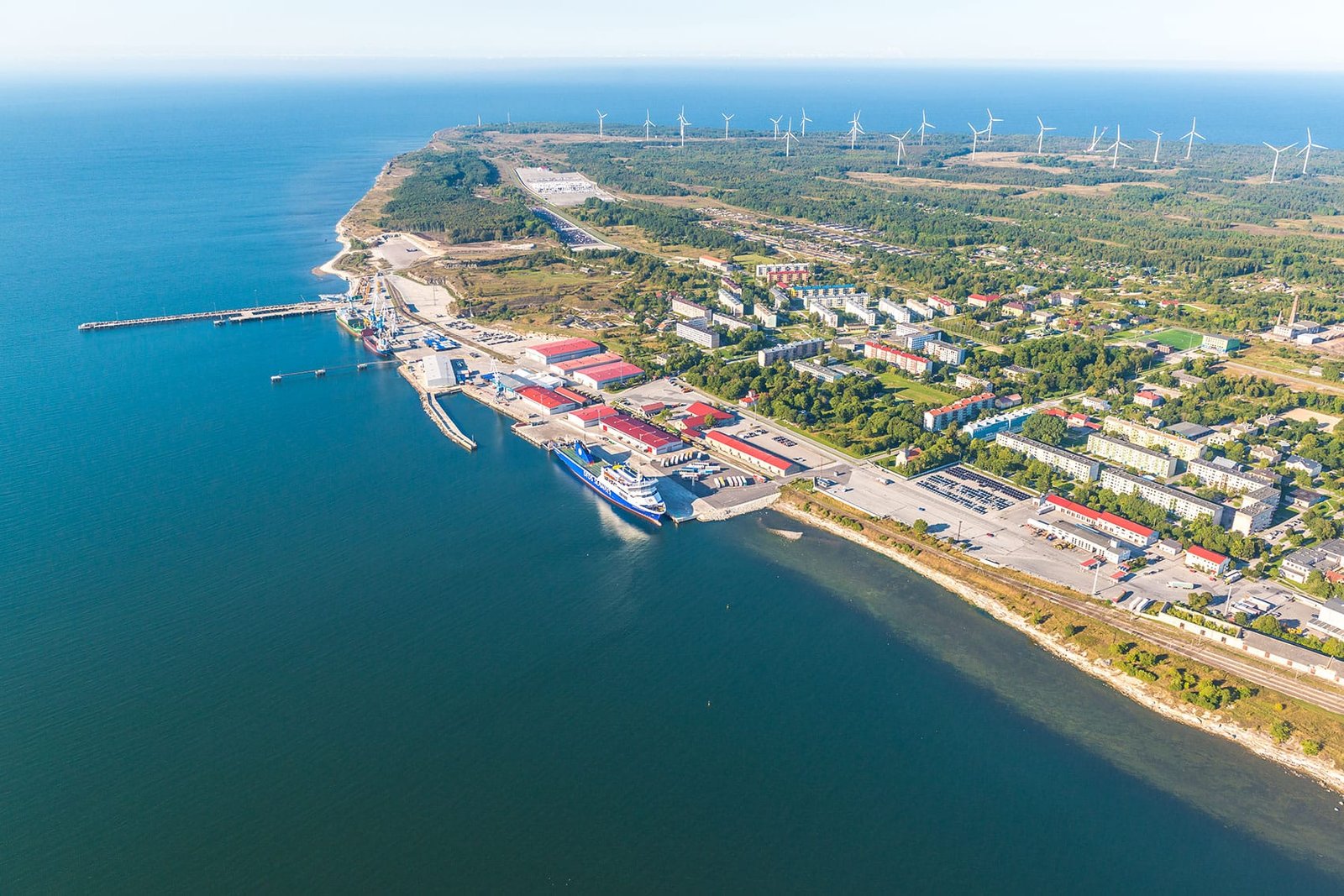
I was surprised to find myself completely enthralled by Paldiski a small coastal town which served as one of the most restricted Soviet Union military zones. From my position at the Pakri Cliffs where icy Baltic wind swept past me I discovered that I had entered one of Estonia’s most dramatic yet melancholic hidden attractions.
The Pakri Peninsula at Paldiski stands approximately 50 kilometers from Tallinn with its Soviet bunkers that face the extensive ocean views and powerful waves. The former military base which operated as a restricted zone for outsiders to perform secret submarine training and nuclear infrastructure development has evolved into a location that combines Cold War structures with endangered flowers and abandoned buildings alongside oceanfront tranquility.
I found the place to be completely unspoiled. No crowds. No tourist traps. Just raw history and natural drama. I walked through Europe’s historical past while I explored the Peter the Great Naval Fortress and viewed the Baltic Sea coastline from the windswept Pakri Cliffs.
Paldiski presents a unique combination of Soviet history and coastal photography that draws visitors who want to escape Tallinn for a day.
Table of Contents
This article presents my recommendations for Paldiski including:
- The article presents both the essential historical sites and the concealed bunkers in the area.
- The guide includes Pakri Cliffs and lighthouse trails as natural attractions and explains how to reach the site and what to bring for the visit.
- The guide provides essential travel advice that stems from my direct experience.
- The article provides directions to Paldiski together with dining recommendations and information about what visitors should bring.
This guide explores Paldiski’s hidden site which exists where historical past meets modern times at the sea’s edge.
Historical Overview
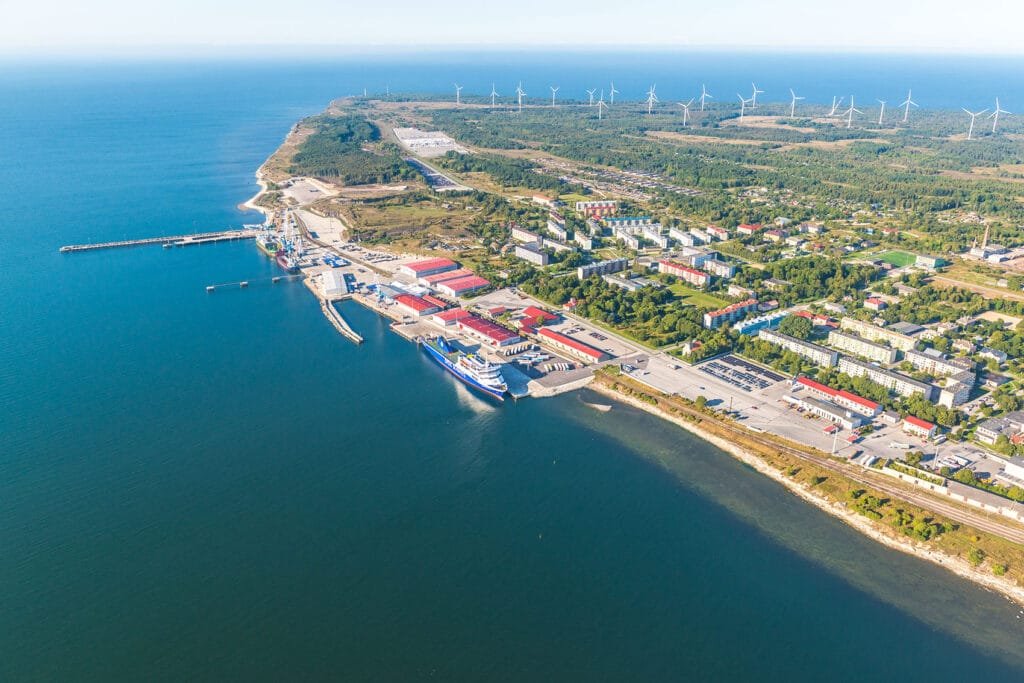
Paldiski became known as Rågervik when it served as a Swedish fishing settlement during the 17th century. The strategic location of the site on the Baltic Sea led Peter the Great to command the construction of a naval base and fortress during 1718. The naval base served to defend Russian territorial interests and protect Baltic trade routes according to his strategic plan. The town received its new name Baltiyskiy Port under Catherine the Great’s rule and became a crucial naval base for the Russian fleet by 1762.
Throughout the 18th and 19th centuries Paldiski maintained its dual purpose as a military and commercial port facility. During the Soviet era Paldiski experienced its greatest development. During the 1960s the USSR converted Paldiski into an ultra-secret naval training facility by installing two nuclear submarine reactors. The closed city status kept this place inaccessible to the public for numerous decades.
The Russian military withdrew their forces from Estonia after the nation gained independence in 1991 and completed their departure in 1994. Since the Soviet era ended Paldiski has evolved from its Cold War heritage into a peaceful Baltic town which showcases both maritime and military heritage.
Map Location
Cultural and Natural Attractions in Paldiski
The former Soviet military base has transformed into a charming Baltic town with its cultural attractions and rugged coastal scenery which ranks among Estonia’s hidden travel treasures.
Pakri Lighthouse
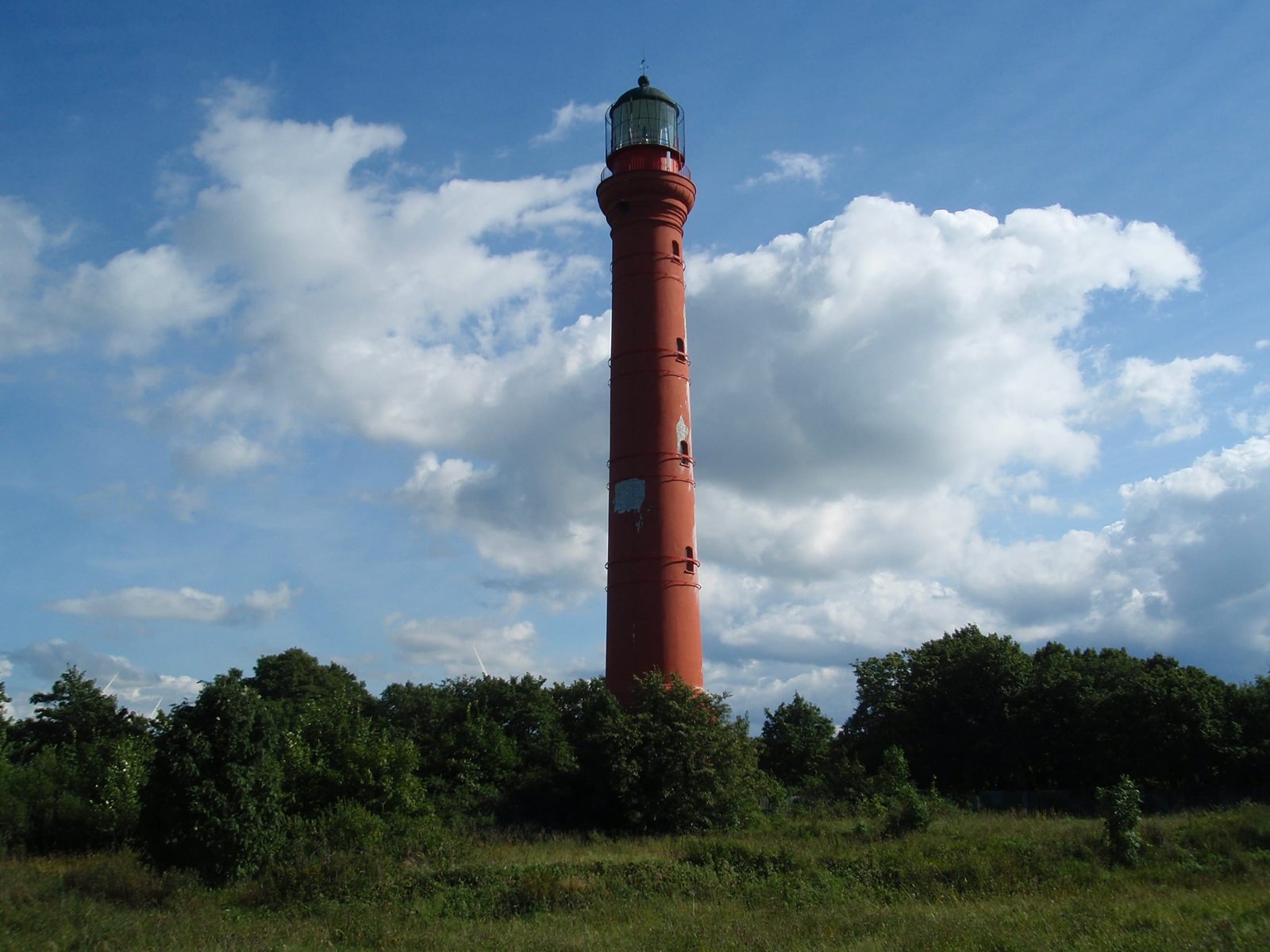
- The Pakri Cliffs hold the 52-meter-tall Pakri Lighthouse as its highest point which serves as Estonia’s tallest structure. Since 1889 the structure has provided direction to many ships that navigated the dangerous Baltic Sea waters. The 275-step climb leads visitors to enjoy panoramic views of both the cliffs and sea and Pakri Islands.
Amandus Adamson Studio Museum
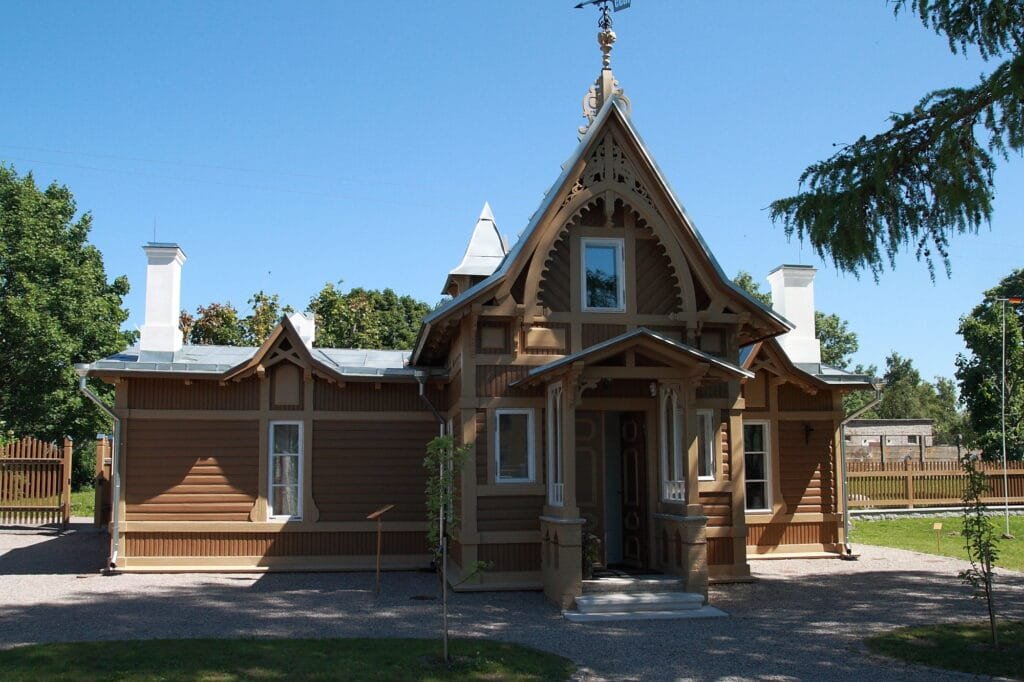
- This simple wooden house served as both the residence and professional studio of Estonian sculptor Amandus Adamson. The facility operates as a museum which showcases his artworks as well as his drawings and personal belongings to reveal the thoughts of this national hero.
St. Nicholas’ Church

- The town center of Paldiski houses the religious landmark St. The church exists as a representation of the religious history that has unfolded in the area. The building’s straightforward architectural design carries the story of survival against military conflicts and governmental transformations.Peter the Great’s Naval Fortress
Peter the Great’s Naval Fortress
- The town displays its 18th-century naval fortress structures which Peter the Great established. The Muula Hills (bastions) stand as the most well-conserved historical structures which enable visitors to view the harbor from different heights.
Pakri Islands
- The Pakri Islands composed of Suur-Pakri and Väike-Pakri can be found off the coast and they serve as a nature sanctuary for people who love wildlife. The islands used to have residents before Soviet authorities forced people to leave their homes during the Soviet period. The islands welcome visitors who want to hike and birdwatch and enjoy wild camping activities. The sites include rare plant life as well as spectacular limestone formations that qualify them as Estonia’s distinctive ecological location.
If you’re planning to explore more of northern Estonia before or after your visit to Paldiski, don’t miss the chance to wander through the cobbled streets of the capital—here’s our guide to Tallinn Old Town, Estonia’s medieval gem.
Modern Developments in Paldiski
Paldiski continues to move forward by developing innovative solutions in renewable power and transportation systems. The town stands as a crucial element of Estonia’s transition to green energy and logistics system development.
Pakri Wind Farm
Situated near the historic Pakri Lighthouse, the Pakri Wind Farm consists of eight turbines generating a combined 18.4 MW of clean electricity. This project significantly contributes to Estonia’s renewable energy goals. For detailed statistics on Estonia’s wind energy production, visit the official Eesti Energia renewable energy report.
Paldiski South Harbour
The Port of Tallinn manages Paldiski South Harbour which serves as a vital cargo terminal for international trade operations. The port receives different types of freight to enable Estonian-European and international trade connections. The Port of Tallinn official website provides complete information regarding the port operations together with logistics services.
These modern developments highlight Paldiski’s unique blend of historical heritage and forward-looking innovation, making it an intriguing destination for visitors interested in industrial heritage and sustainability.
While Tallinn offers plenty to see, one of its most striking landmarks is the Alexander Nevsky Cathedral—a stunning Orthodox masterpiece atop Toompea Hill, rich with religious history and Russian-influenced architecture.
How to Visit Paldiski, Estonia (Based on My Experience)
The journey to Paldiski proved more straightforward than expected and resulted in my most memorable Tallinn day excursion. Tourists visiting Estonia can find Paldiski easily accessible while experiencing its atmospheric Cold War history at a reasonable price.
By Train (My Favorite Way to Arrive)
I took the train from Tallinn to Paldiski, and it was both scenic and super convenient. The journey took just about an hour and cost me around €3.50 one way. As we pulled out of the city, the landscape opened up into rolling countryside and glimpses of the Baltic coastline—a dream for any travel photographer.
Tip: Trains are operated by Elron and run several times a day. You can check current schedules and buy tickets on the official Elron website.
By Car (If You Want to Explore Beyond the Town)
You can reach your destination at your preferred speed through car rental as a suitable alternative. The road distance from Tallinn to Paldiski measures 45 kilometers along Route 8 while requiring approximately 40-45 minutes of driving time. Having a vehicle provides better access to distant locations including the Pakri Cliffs together with out-of-reach lighthouse trails.
You can find convenient parking at all attractions because they offer either small designated parking lots or nearby roadside parking spaces.
By Ferry (For Baltic Travelers Coming from Sweden)
If you’re coming from Sweden, Paldiski is actually a ferry port! Seasonal ferries run between Paldiski and Kapellskär via the Tallink Silja Line. It’s not the most common way to arrive for local day trips, but for international travelers combining Estonia and Sweden, it’s incredibly convenient.
The port area is mainly industrial, so plan your transfers or accommodation ahead.
Suggested Itinerary: A Perfect Day Trip from Tallinn
This is how I spent my day in Paldiski and I would suggest following this itinerary to new visitors:
Morning:
- Take the early train or drive from Tallinn.
- Visit Pakri Lighthouse first to experience its breathtaking panorama from the summit.
- Experience the Pakri Cliffs that stand as Estonia’s tallest seacoast cliffs while taking photos and enjoying ocean air.
Lunch:
- You should visit Tavern Peetri Toll to experience its Estonian dining atmosphere and historic setting as well as its local cuisine. The restaurant served fresh fish alongside wild mushroom soup which provided comforting flavors after my walk through the windy weather.
Afternoon:
- The Pakri Wind Farm has viewing areas which showcase Estonia’s dedication to renewable power generation.
- The Paldiski South Harbour lets you walk among Cold War naval remnants that remain exposed to view.
Evening:
- Take the return train towards Tallinn before the sunset while choosing to drive back to the city.
Where to Stay in Paldiski
The peacefulness of Paldiski becomes even more enchanting during nighttime so I suggest spending an overnight stay in the town.
Top Picks:
- Guests at Pakri Parun can enjoy sea views while benefiting from friendly staff and clean rooms. Check TripAdvisor reviews.
- Vana Mõisa Guesthouse provides a peaceful rural environment with traditional Estonian hospitality services to its guests. This place is perfect for couples and solo visitors who need relaxation.
🧳 Booking Tip: Booking your stay in advance is essential for these small locally-owned establishments since they fill up quickly during summer months.
Where to Eat
The town features Tavern Peetri Toll alongside a few small cafés and bakeries but dining options become scarce during the off-season. The tavern meal during my visit turned out to be worth the entire trip because I brought Tallinn-bought snacks as a precaution.

Conclusion
I have witnessed Peter the Great’s Naval Fortress decay along its crumbling paths while watching waves hit the Pakri Cliffs and gazing from the Pakri Lighthouse so I can state without doubt that Paldiski stands as one of Estonia’s hidden gems.
The essence of Paldiski exists in its ability to merge authentic historical remnants with new developments. The town of Paldiski stands out through its Cold War history and natural rugged coastlines as it transforms into a modern place where renewable energy and tourism development meet.
Travelers who explore Paldiski discover an Estonian gem that provides historical insights along with natural exploration and authentic exploration.
The guide provides trustworthy travel advice which draws from direct experience and validated sources and present-day local knowledge to help you organize your visit. Explore Paldiski to discover a secret that stands among the best of the Baltics.
FAQs
1. What is the best time to visit Paldiski?
The months from June to August provide the most suitable conditions for visiting the Pakri cliffs and islands because of their pleasant summer weather.
2. Are guided tours available in Paldiski?
Yes, guided tours are available and provide in-depth insights into the town’s history and landmarks. It’s advisable to book in advance, especially during peak tourist seasons.
3. Can I visit the Pakri Islands year-round?
The accessibility of Pakri Islands depends on weather conditions. Local tour operators maintain the best times for visiting and available services which should be checked before visiting.
4. Is Paldiski suitable for a day trip from Tallinn?
Absolutely. With its proximity to Tallinn, Paldiski makes for an excellent day trip destination, offering a variety of attractions and experiences.
5. What dining options are available in Paldiski?
Tavern Peetri Toll stands out as the main dining spot in Paldiski because it provides European and local cuisine to its guests.