The moment I stepped into the Reserva Natural Cueva del Indio, I knew I was about to experience something truly extraordinary. Located along Puerto Rico’s stunning northern coastline in Arecibo, this natural cave reserve offers visitors an unforgettable adventure through ancient limestone formations, indigenous Taíno petroglyphs, and breathtaking ocean views that have been millions of years in the making.
As someone who’s explored numerous caves across the Caribbean, I can confidently say that Cueva del Indio stands out not just for its geological significance, but for the powerful connection it creates between visitors and Puerto Rico’s rich pre-Columbian history.
Table of Contents
What Makes Cueva del Indio So Special?
During my visit to this remarkable Puerto Rico cave system, I discovered why it’s considered one of the island’s most significant natural and archaeological treasures. The Reserva Natural Cueva del Indio isn’t just a cave—it’s a living museum that tells the story of the Taíno people who inhabited Puerto Rico long before European colonization.
The Historical Significance
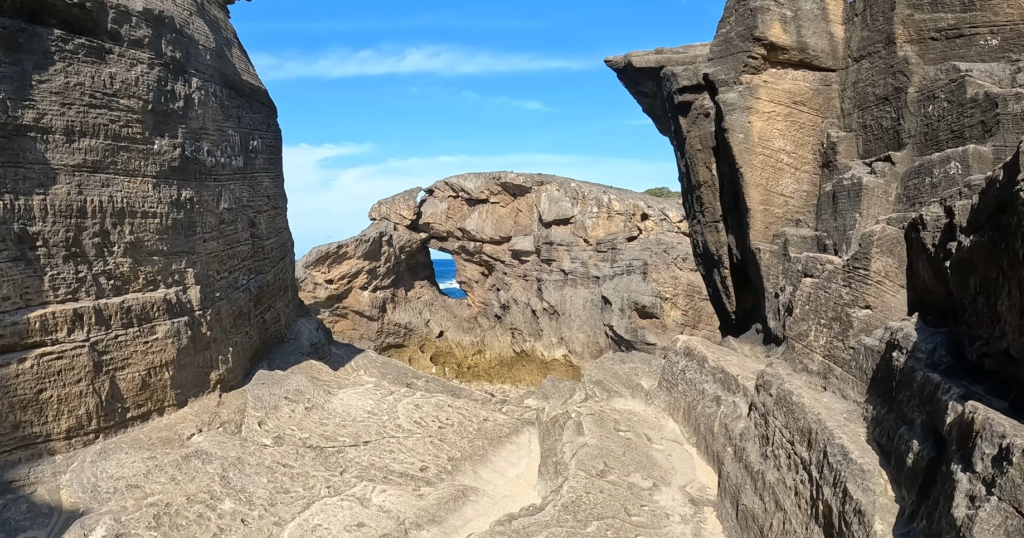
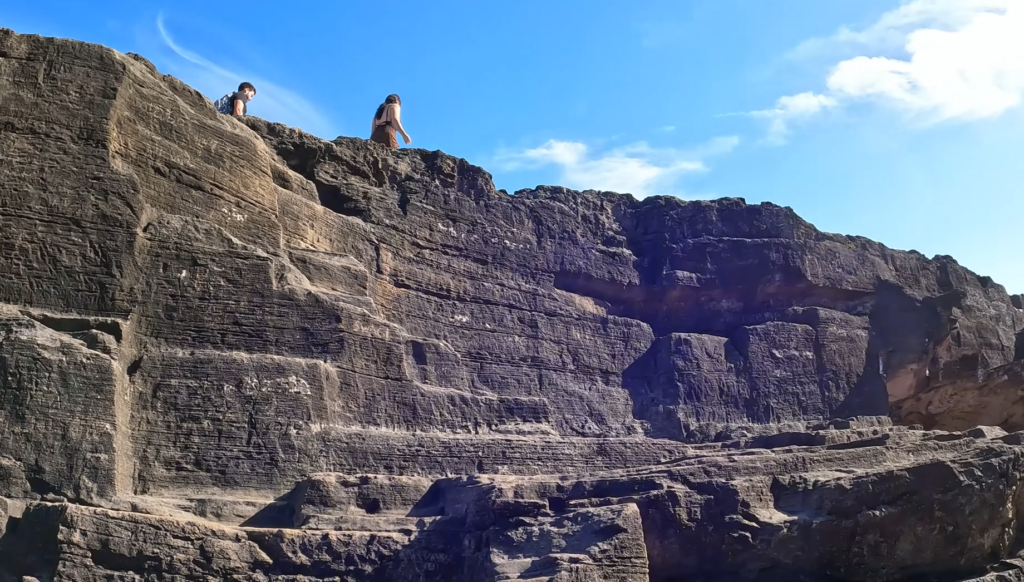

The Cueva del Indio petroglyphs are what truly set this location apart. As I carefully navigated through the cave’s chambers, my guide pointed out the ancient rock carvings that the Taíno people created hundreds of years ago. These aren’t just random markings—they’re sophisticated artistic expressions that depict faces, spiritual symbols, and scenes from daily life.
According to research from the Instituto de Cultura Puertorriqueña, the Taíno people used caves like Cueva del Indio for ceremonial purposes and as places of spiritual significance. Standing in front of these petroglyphs in Puerto Rico, I felt an overwhelming sense of reverence for the people who once considered this sacred ground.
Geological Marvel
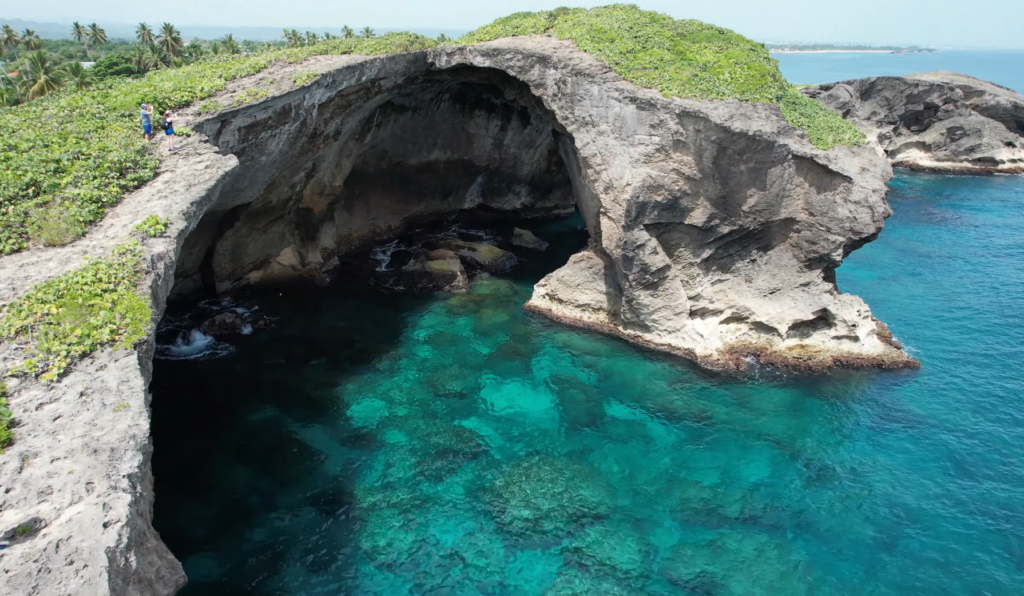
What makes the limestone caves in Arecibo particularly fascinating is their formation process. Over millions of years, water erosion carved through the limestone karst topography that characterizes northern Puerto Rico, creating the intricate cave systems we see today.
The Cueva del Indio rock formations showcase stunning examples of:
- Stalactites and stalagmites that have formed over thousands of years
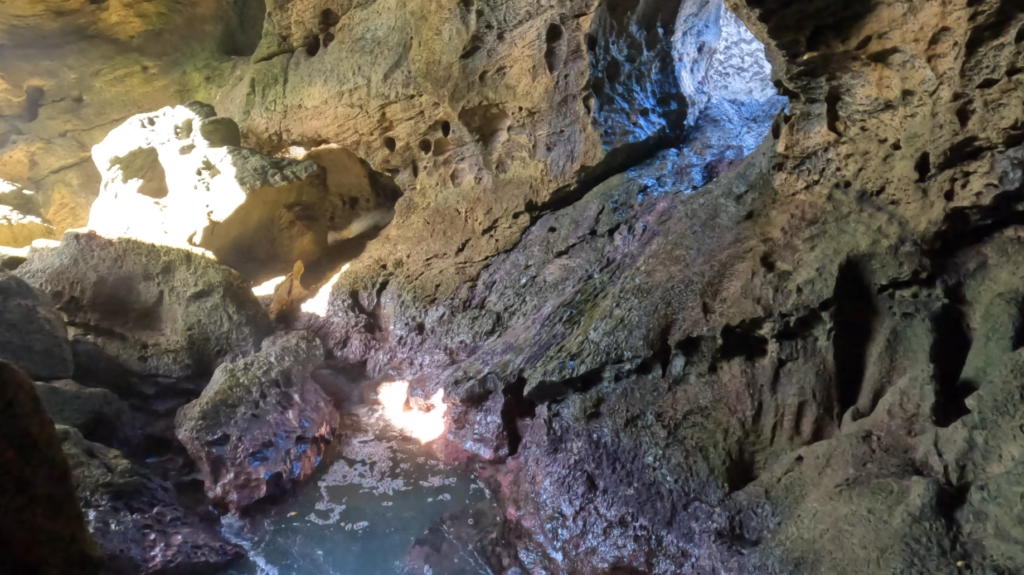
- Natural skylights where the cave roof has collapsed, allowing sunlight to illuminate the chambers
- Ocean-facing openings that provide spectacular views of the Atlantic coastline
- Underground chambers with unique acoustic properties
Planning Your Visit to Reserva Natural Cueva del Indio
Location and How to Get There
The Cueva del Indio location is approximately 50 miles west of San Juan, near the town of Arecibo. I drove from San Juan, and the journey took about an hour along Highway 22. The cave is situated in a rural area, so GPS navigation is essential.
- Address: Arecibo, 00612, Puerto Rico
The entrance can be somewhat challenging to find, as it’s not as well-marked as some of Puerto Rico’s more commercialized attractions. Look for the small parking area along the road—that’s your cue that you’ve arrived.
Best Time to Visit Cueva del Indio
Based on my experience and conversations with locals, I recommend visiting during the dry season (December through April) for the best conditions. Here’s why:
Dry Season Benefits:
- Safer cave exploration with less slippery surfaces
- Better visibility for viewing petroglyphs
- More comfortable hiking conditions
- Clearer ocean views from the cave openings
Rainy Season Considerations: During the wet months (May through November), the trails can become muddy and more challenging to navigate. However, if you do visit during this time, the vegetation is more lush, and you might have the place more to yourself.
I visited in February, and the weather was perfect—warm but not too hot, with minimal rainfall.
Cueva del Indio Entrance Fee and Hours
One of the most pleasant surprises about Reserva Natural Cueva del Indio is that admission is free. That’s right—this incredible natural and historical treasure doesn’t charge an entrance fee, making it accessible to everyone.
Operating Hours: The reserve is generally open from dawn to dusk, but I recommend arriving between 9:00 AM and 4:00 PM for optimal lighting conditions inside the cave.
What to Expect During Your Cueva del Indio Tour
The Trail to the Cave
The adventure begins before you even reach the cave entrance. The trail to Cueva del Indio takes you through a rugged coastal landscape dotted with limestone formations and native vegetation. I found the 10-15 minute walk to be moderately challenging due to uneven terrain and some rocky sections.
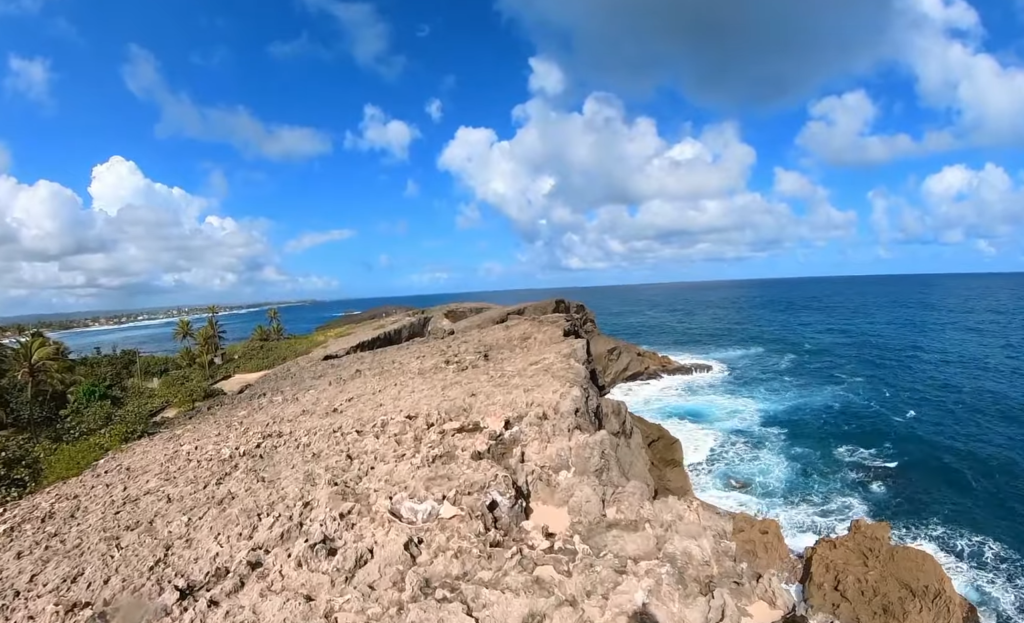
Important Trail Tips:
- Wear sturdy hiking shoes with good grip
- The path can be rocky and uneven
- Watch your step—there are some exposed roots and loose stones
- Bring water, especially on warm days
Inside the Cave System
Once inside the Cueva del Indio cave system, you’ll be transported to another world. The main chamber opens dramatically toward the ocean, creating a natural window that frames the Atlantic’s crashing waves perfectly.
What I Experienced:
The cave interior stays naturally cool, providing welcome relief from Puerto Rico’s tropical heat. As my eyes adjusted to the dimmer light, the details of the cave walls became clearer, revealing the intricate Taíno petroglyphs that make this site so culturally significant.
The acoustics inside are remarkable—the sound of waves echoing through the chambers creates an almost meditative atmosphere. I spent nearly an hour just sitting and absorbing the energy of this sacred space.
The Petroglyphs: A Window into Taíno Culture

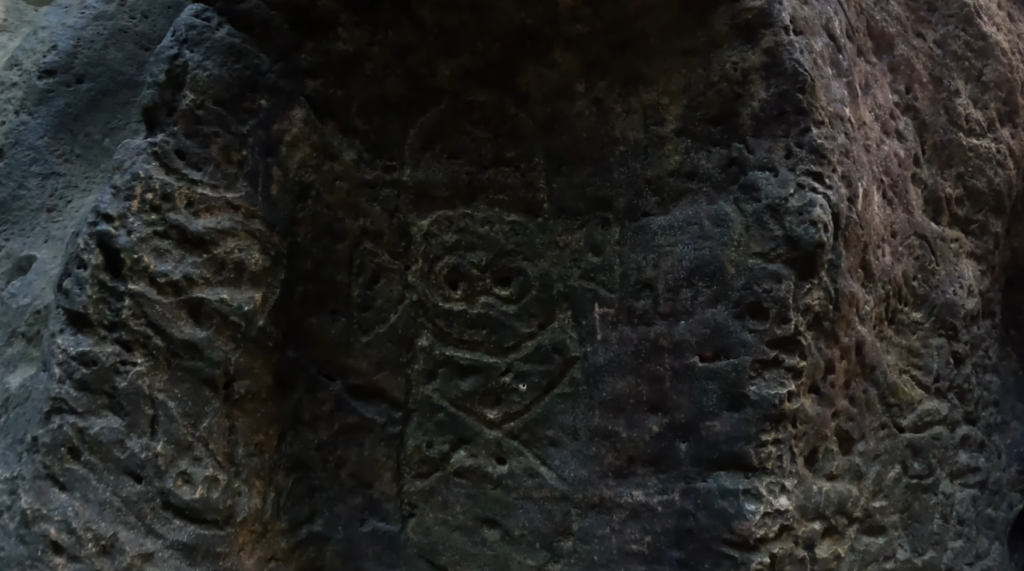
The rock art at Cueva del Indio is the highlight of any visit. These carvings, created by the indigenous Taíno people, offer insight into their beliefs, daily life, and spiritual practices.
Notable Petroglyphs I Observed:
- Faces and human figures with distinctive Taíno artistic style
- Geometric patterns that likely held ceremonial significance
- Animal representations including birds and marine creatures
- Spiritual symbols connected to Taíno cosmology
According to research published by the National Park Service, Taíno rock art sites like Cueva del Indio serve as important archaeological evidence of pre-Columbian Caribbean cultures.
The Ocean Views
Perhaps the most Instagram-worthy moment of my visit was standing at the cave’s ocean-facing opening. The dramatic limestone cliffs drop straight down to the churning Atlantic below, creating a scene that belongs on a postcard.
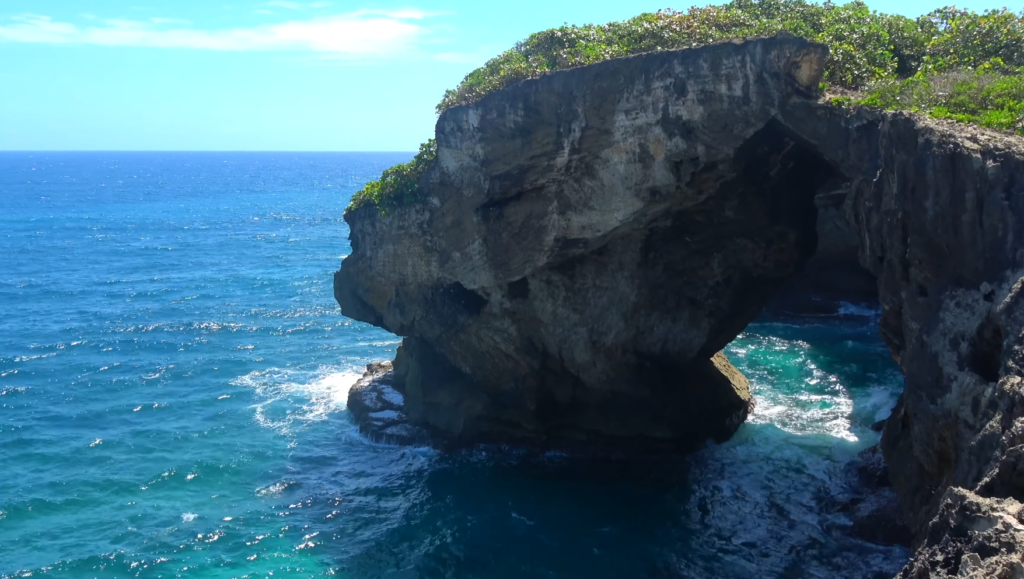
Photography Tips:
- Late afternoon provides the best lighting
- Bring a tripod for low-light interior shots
- Respect the “no flash” rule to preserve the petroglyphs
- Capture the cave framing the ocean for spectacular compositions
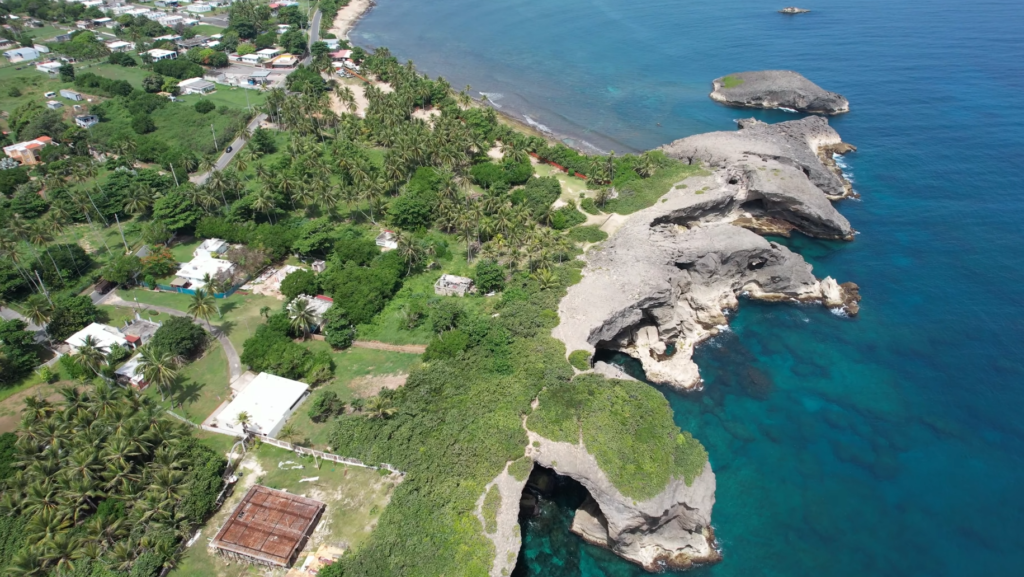
Essential Tips for Visiting Cueva del Indio
Safety Considerations
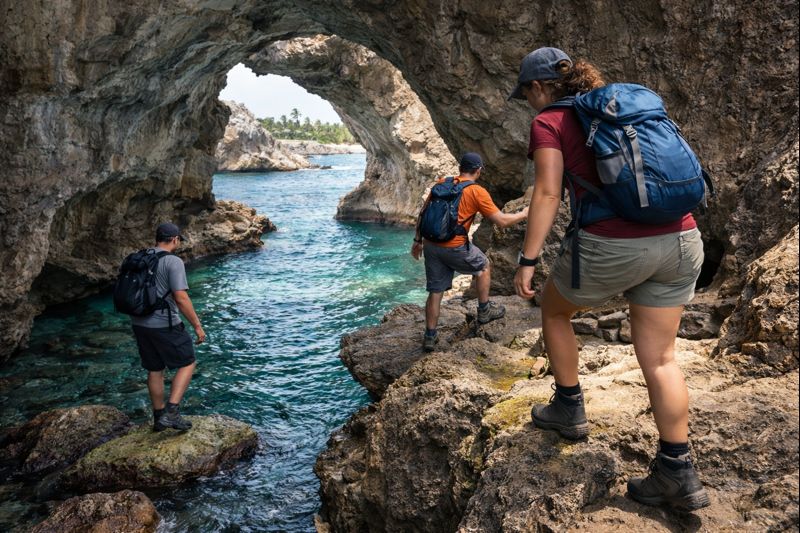
Safety should be your top priority when exploring Reserva Natural Cueva del Indio. Here are crucial safety tips based on my experience:
Stay Safe:
- Never venture too close to cliff edges—the drops are significant and unprotected
- The rocks can be slippery, especially after rain
- Keep children closely supervised at all times
- Don’t attempt to climb on or touch the petroglyphs
- Be aware of your surroundings and watch for uneven surfaces
What to Bring
Having the right gear made my Cueva del Indio experience much more enjoyable. Here’s my recommended packing list:
Essential Items:
- Sturdy hiking shoes with non-slip soles (absolutely crucial)
- Flashlight or headlamp for exploring darker cave sections
- Water (at least 1 liter per person)
- Sunscreen and hat for the coastal walk
- Insect repellent for the trail
- Camera with extra batteries
- Light backpack to carry your gear
- First aid kit for minor scrapes
Optional but Recommended:
- Binoculars for wildlife watching
- Field guide to Caribbean flora and fauna
- Snacks
- Portable phone charger
Etiquette and Conservation
As a protected natural reserve, Cueva del Indio requires visitors to follow important conservation guidelines. During my visit, I made sure to:
Respect the Reserve:
- Leave no trace—pack out everything you bring in
- Don’t touch or disturb the ancient petroglyphs
- Stay on designated paths
- Don’t remove any rocks, plants, or artifacts
- Keep noise levels down to maintain the peaceful atmosphere
- Don’t use flash photography near the petroglyphs
The Puerto Rico Department of Natural and Environmental Resources emphasizes that protecting sites like Cueva del Indio ensures future generations can enjoy them.
Combining Cueva del Indio with Other Arecibo Attractions
One of the advantages of visiting Cueva del Indio in Arecibo is the proximity to other remarkable attractions. I spent two full days exploring the area, and here’s what I recommend:
Arecibo Observatory
While the iconic radio telescope suffered damage in 2020, the Arecibo Observatory site remains a fascinating destination for science enthusiasts. The visitor center provides educational exhibits about astronomy and the observatory’s contributions to scientific research.
- Distance from Cueva del Indio: Approximately 15 minutes by car
Parque de las Cavernas del Río Camuy
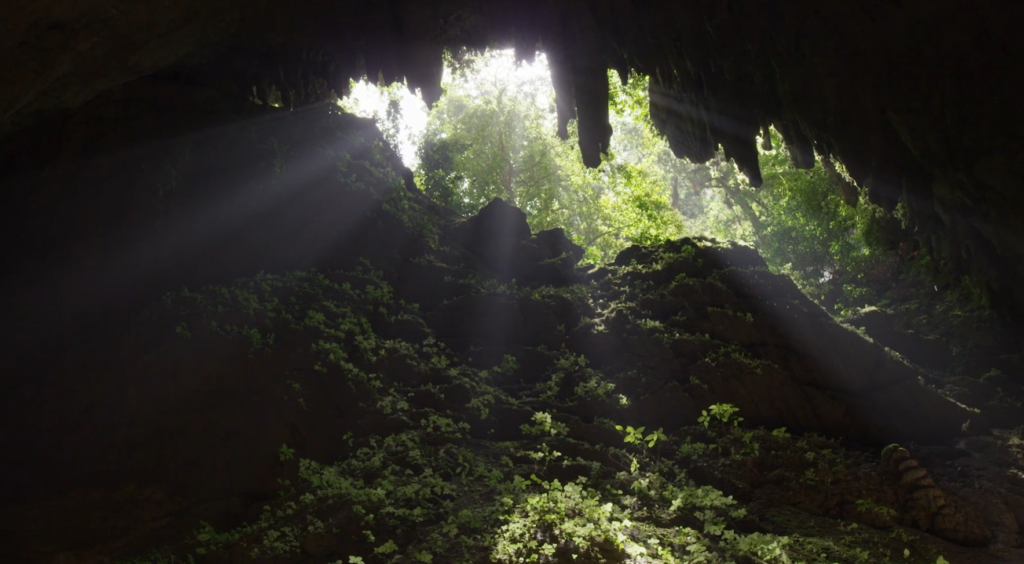
If you love caves, the Río Camuy Cave Park is a must-visit. This extensive cave system features one of the world’s largest underground rivers and offers guided tours through massive chambers.
- Distance from Cueva del Indio: About 20 minutes by car
Playa Tortuguero
After exploring caves, I cooled off at Playa Tortuguero, a beautiful beach with calm waters perfect for swimming. The beach is relatively undeveloped, offering an authentic Puerto Rican coastal experience.
- Distance from Cueva del Indio: Approximately 10 minutes by car
Local Food Recommendations
Don’t leave Arecibo without trying the local cuisine. I had an incredible lunch at a small roadside lechonera (roast pork restaurant) where I enjoyed:
- Lechón asado (roast pork)
- Mofongo with crispy pork skin
- Arroz con gandules (rice with pigeon peas)
- Fresh piña colada made with local rum
The Cultural Importance of Cueva del Indio
Understanding Taíno Heritage
The Taíno people were the indigenous inhabitants of Puerto Rico when Christopher Columbus arrived in 1493. Though Spanish colonization devastated Taíno populations, their cultural legacy lives on through sites like Cueva del Indio.
Taíno Contributions to Puerto Rican Culture:
- Language (many Puerto Rican place names and words are Taíno in origin)
- Agricultural practices
- Artistic traditions
- Spiritual connections to the land
Why Preservation Matters
Standing in Cueva del Indio, I realized that this isn’t just a tourist attraction—it’s a vital link to Puerto Rico’s indigenous past. The petroglyphs represent irreplaceable cultural heritage that requires ongoing protection.
Organizations like the Archaeological Institute of America work to preserve and study sites like Cueva del Indio, ensuring that Taíno culture isn’t lost to history.
Photography Guide for Cueva del Indio
As an amateur photographer, capturing the beauty of Reserva Natural Cueva del Indio was one of my main goals. Here’s what I learned:
Best Shots to Capture
- The Classic Cave Opening: Position yourself inside the cave looking out toward the ocean. This framing creates a dramatic contrast between the dark cave interior and the bright coastal landscape.
- Petroglyph Details: Use natural light and a wide aperture to capture the intricate details of the Taíno rock art. Remember—no flash photography!
- Coastal Landscape: The rugged limestone cliffs and crashing waves provide endless composition opportunities.
- Cave Textures: The limestone formations, stalactites, and natural rock patterns create fascinating abstract photography subjects.

Camera Settings Recommendations
Based on my experience:
- ISO: 800-1600 inside the cave, 100-400 outside
- Aperture: f/8-f/11 for landscape shots, f/2.8-f/5.6 for details
- Shutter Speed: 1/60 or faster for handheld shots, use a tripod for longer exposures
- White Balance: Auto works well, or try cloudy setting for warmer tones
Accessibility and Physical Requirements
I want to be honest about the physical demands of visiting Cueva del Indio. This isn’t a highly accessible site for everyone.
Physical Considerations:
- The trail involves uneven terrain and some climbing over rocks
- Not wheelchair accessible
- Requires moderate fitness level
- May be challenging for visitors with mobility issues
- Not recommended for very young children due to safety concerns
If you have physical limitations, consider visiting with a companion who can provide assistance, and take your time navigating the trail.
Environmental Impact and Sustainable Tourism
During my visit to Reserva Natural Cueva del Indio, I was conscious of my environmental impact. Sustainable tourism is crucial for preserving this natural treasure.
How to Be a Responsible Visitor:
Minimize Your Footprint:
- Stick to established trails to prevent erosion
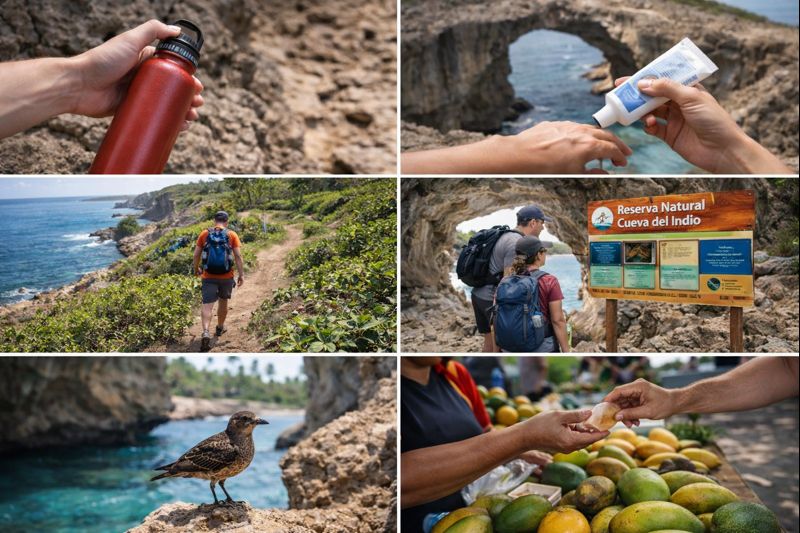
- Use reef-safe sunscreen (it can wash into the ocean)
- Bring reusable water bottles instead of disposables
- Avoid disturbing wildlife
- Support local businesses and communities
Education is Key: Take time to learn about the ecological and cultural significance of what you’re seeing. The more we understand these places, the more motivated we become to protect them.
Nearby Accommodations
If you’re planning to spend more time exploring the Arecibo area, here are accommodation options at various price points:
Budget-Friendly:
- Local guesthouses in Arecibo town
- Vacation rentals through Airbnb
Mid-Range:
- Small hotels along the northern coast
- Eco-lodges in the surrounding area
Luxury:
- Boutique hotels in nearby Dorado
- Oceanfront resorts (45-60 minutes away)
I stayed at a small guesthouse in Arecibo and found it perfect for my needs—clean, affordable, and with helpful hosts who provided excellent local recommendations.
Wildlife and Nature at Cueva del Indio
Beyond the cave itself, the Reserva Natural Cueva del Indio area supports diverse ecosystems. During my visit, I encountered:
Flora:
- Native coastal vegetation adapted to salt spray
- Cacti and drought-resistant plants
- Tropical trees providing shade along the trail
Fauna:
- Seabirds nesting in coastal cliffs
- Land crabs scurrying along the trail
- Lizards basking on sun-warmed rocks
- Occasional sightings of marine life from the cave openings
Bring binoculars if you’re interested in birdwatching—the coastal location attracts various species throughout the year.
Reserva Natural Cueva del Indio Practical Information Summary
- Location: Carretera 681, Arecibo, Puerto Rico 00612
- Cost: Free admission
- Best Time to Visit: December through April (dry season)
- Time Needed: 2-3 hours minimum
- Difficulty Level: Moderate
- Facilities: Limited (no restrooms, no food vendors)
- Parking: Small roadside parking area
- Contact: Research current conditions through Discover Puerto Rico
Making the Most of Your Visit
Here are my top recommendations for maximizing your Cueva del Indio experience:
- Arrive Early: Get there when it opens for the best lighting and fewer crowds
- Take Your Time: Don’t rush—this place deserves slow, mindful exploration
- Bring a Companion: Sharing the experience makes it even more memorable
- Research Beforehand: Learn about Taíno culture to appreciate the petroglyphs more fully
- Respect the Space: Remember that this is a sacred site and natural reserve
The Bigger Picture: Puerto Rico’s Cave Tourism
Cueva del Indio is part of Puerto Rico’s extensive network of caves, many of which feature similar Taíno petroglyphs and geological formations. The island’s karst limestone landscape creates ideal conditions for cave formation, making Puerto Rico one of the Caribbean’s premier destinations for speleology and cave tourism.
Other notable Puerto Rico caves worth exploring:
- Cueva Ventana (Cave Window) in Arecibo
- Las Cavernas del Río Camuy (Camuy River Caves)
- Cueva del Viento in Isabela
- Various smaller caves throughout the karst belt
Each offers unique features, but Cueva del Indio remains special for its combination of accessibility, historical significance, and stunning ocean views.
Conclusion: A Must-Visit Puerto Rico Destination
My journey to Reserva Natural Cueva del Indio exceeded all expectations. This remarkable site offers visitors a rare opportunity to step back in time, connect with Puerto Rico’s indigenous heritage, and witness the raw power of geological processes that have shaped our planet over millions of years.
Whether you’re planning your first trip to Puerto Rico or you’re a seasoned island explorer, Cueva del Indio deserves a spot on your itinerary. It represents everything that makes Puerto Rico special—rich history, dramatic natural beauty, and the kind of authentic experiences that create lasting memories.
As you stand in the cool darkness of the cave, looking out at the endless Atlantic Ocean, with ancient Taíno petroglyphs surrounding you, you’ll understand why this place has captured the imagination of visitors for generations. It’s not just a cave—it’s a portal to another time, a testament to human creativity, and a reminder of nature’s incredible artistry.
Plan your visit to Reserva Natural Cueva del Indio today, and prepare for an adventure that will stay with you long after you’ve returned home. This is Puerto Rico at its finest—unspoiled, authentic, and absolutely unforgettable.