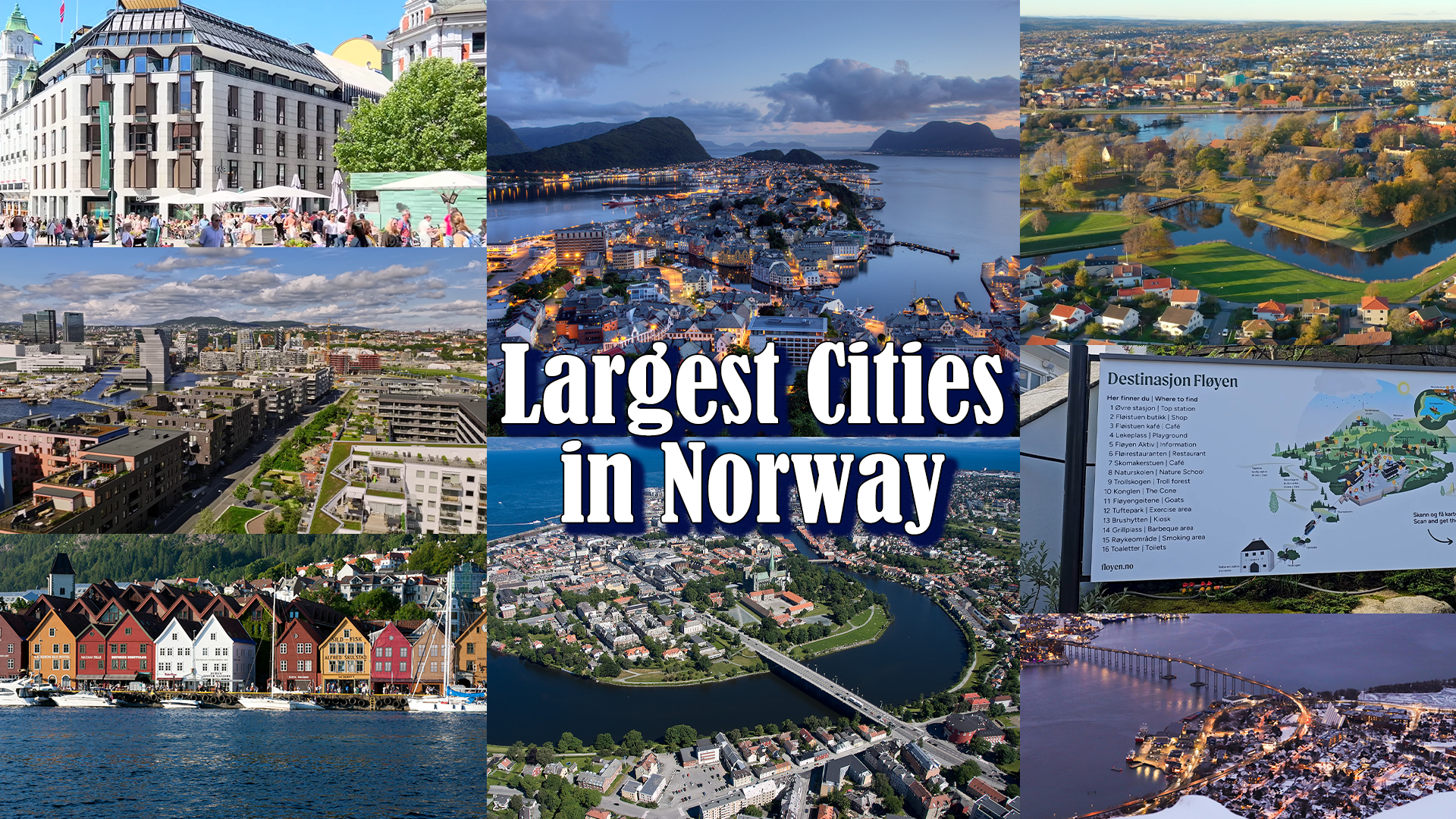
If you’re dreaming of Norway, you’re probably picturing dramatic fjords, the Northern Lights, or perhaps those iconic colorful wooden houses. But here’s what many people don’t realize: Norway’s cities are just as captivating as its natural wonders. The largest cities in Norway offer a unique blend of Scandinavian sophistication, outdoor adventure, and that famous Norwegian quality of life that consistently ranks among the world’s best.
Whether you’re planning to visit, relocate, or simply curious about Norwegian urban life, understanding the largest cities in Norway gives you insight into where the country’s heartbeat truly lies. From the cosmopolitan buzz of Oslo to the Arctic charm of Tromsø, each city tells a different story of Norwegian culture, innovation, and lifestyle.
In this comprehensive guide, we’ll explore the 10 largest cities in Norway, diving deep into what makes each one special, how they compare, and what you need to know whether you’re visiting for a weekend or considering making Norway your new home.
Table of Contents
Understanding Norway’s Urban Landscape
Why City Size Matters in Norway
Norway’s completely different from other European countries. Picture this: 5.5 million people living in a space bigger than Germany. It’s one of Europe’s emptiest places, which actually turns out to be pretty great. When you visit Norway’s big cities, the first thing you’ll notice is how much space there is – no packed streets, no endless crowds. It just feels more relaxed than other European capitals.
Now, when Norwegians say “big city,” it means something different. Oslo, the capital, has about 700,000 people – decent size, but not huge. Put it in England or France and it’d just be another regular city. But here’s the thing: Norwegian cities make up for their smaller size with amazing quality of life. You get clean air, beautiful surroundings, and everything just works properly. No endless traffic jams or broken public transport.
Population Distribution Across the Country
To really get Norwegian cities, you need to know the basic geography. Norway runs 1,750 kilometers from south to north – that’s like driving from London to southern Italy. Because it’s so long, different parts of the country feel totally different. Most people live along the south and west coasts where the weather’s better and there are more jobs. The northern areas stay mostly empty, even though they’re absolutely stunning to look at.
Here’s something surprising: 83% of Norwegians live in cities, making Norway one of the most city-focused countries in the world. But Norwegian cities aren’t like other cities. You’re never trapped in endless buildings and concrete. Got an apartment in Bergen? Mountains and fjords are 10 minutes away. Work in an office in Trondheim? Forests and trails are right there for your lunch break. This mix of city life and nature isn’t just advertising – it’s actually how people live every day, and once you’ve experienced it, regular cities feel cramped and gray.
The 10 Largest Cities in Norway: Complete Guide
Let’s explore the largest cities in Norway in detail, understanding what makes each one unique and worth your attention.
1. Oslo: The Vibrant Capital
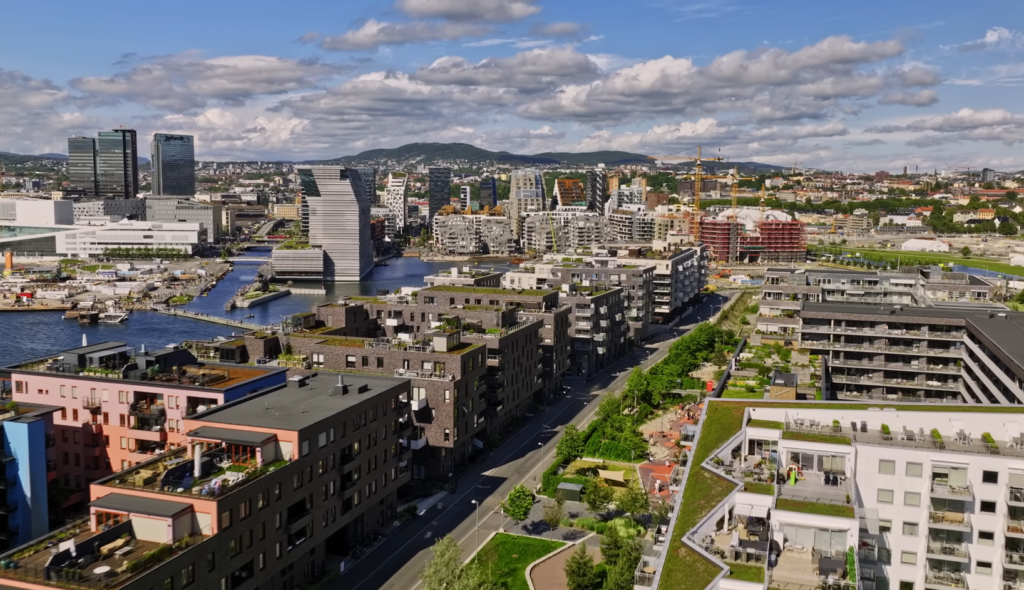
- Population: Approximately 717,000 (metropolitan area: 1.5 million)
- Explore The Oslo city Google Map Locaton
Oslo isn’t just the largest city in Norway—it’s the country’s political, economic, and cultural powerhouse. Situated at the head of the Oslofjord, surrounded by forested hills and islands, Oslo embodies the Norwegian philosophy of having nature within arm’s reach of urban life.
What Makes Oslo Special:
- World-class museums: The Viking Ship Museum, Munch Museum, and the stunning Oslo Opera House are must-visits
- Green spaces: Over 40% of Oslo is made up of forests, parks, and protected areas
- Innovation hub: Home to Norway’s most dynamic startup scene and tech companies
- Foodie destination: Michelin-starred restaurants alongside traditional Norwegian cuisine
- Excellent public transportation: Efficient metro, tram, and ferry systems
Living in Oslo: As the largest city in Norway, Oslo offers the most job opportunities, particularly in technology, finance, maritime industries, and government sectors. The cost of living is high—Oslo regularly ranks among the world’s most expensive cities—but salaries typically match. Expect to pay NOK 12,000-20,000 ($1,100-$1,850) monthly for a one-bedroom apartment in the city center.
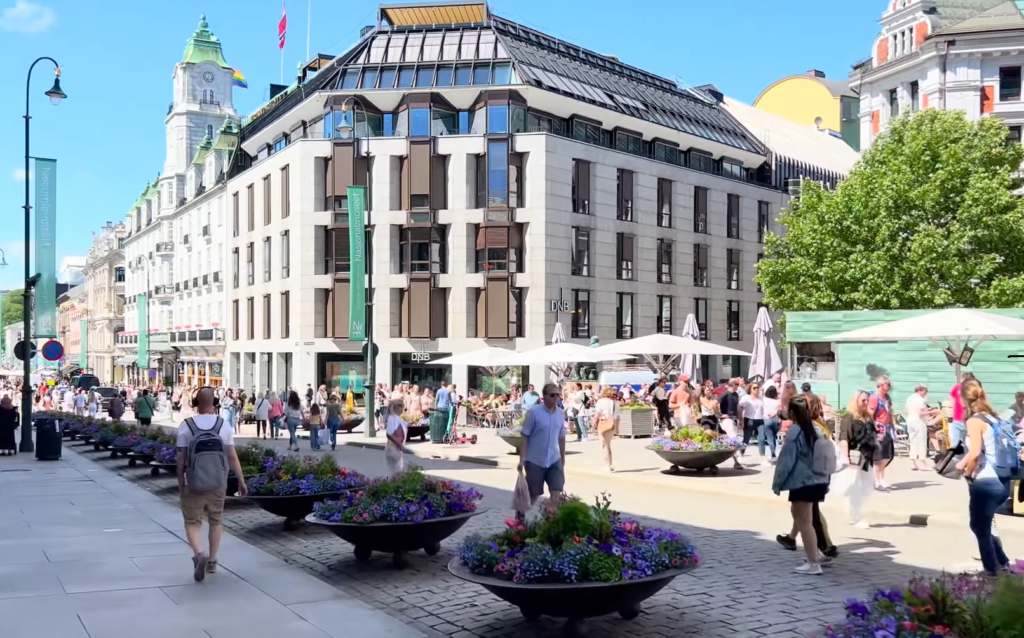
Visiting Oslo: Don’t miss walking down Karl Johans gate, exploring the trendy Grünerløkka neighborhood, or taking a ferry to the islands in the Oslofjord during summer. Winter brings ice skating at Spikersuppa and Christmas markets that’ll warm your Nordic soul.
2. Bergen: Gateway to the Fjords
- Population: Approximately 286,000
- Explore The Bergen city Google Map Locaton
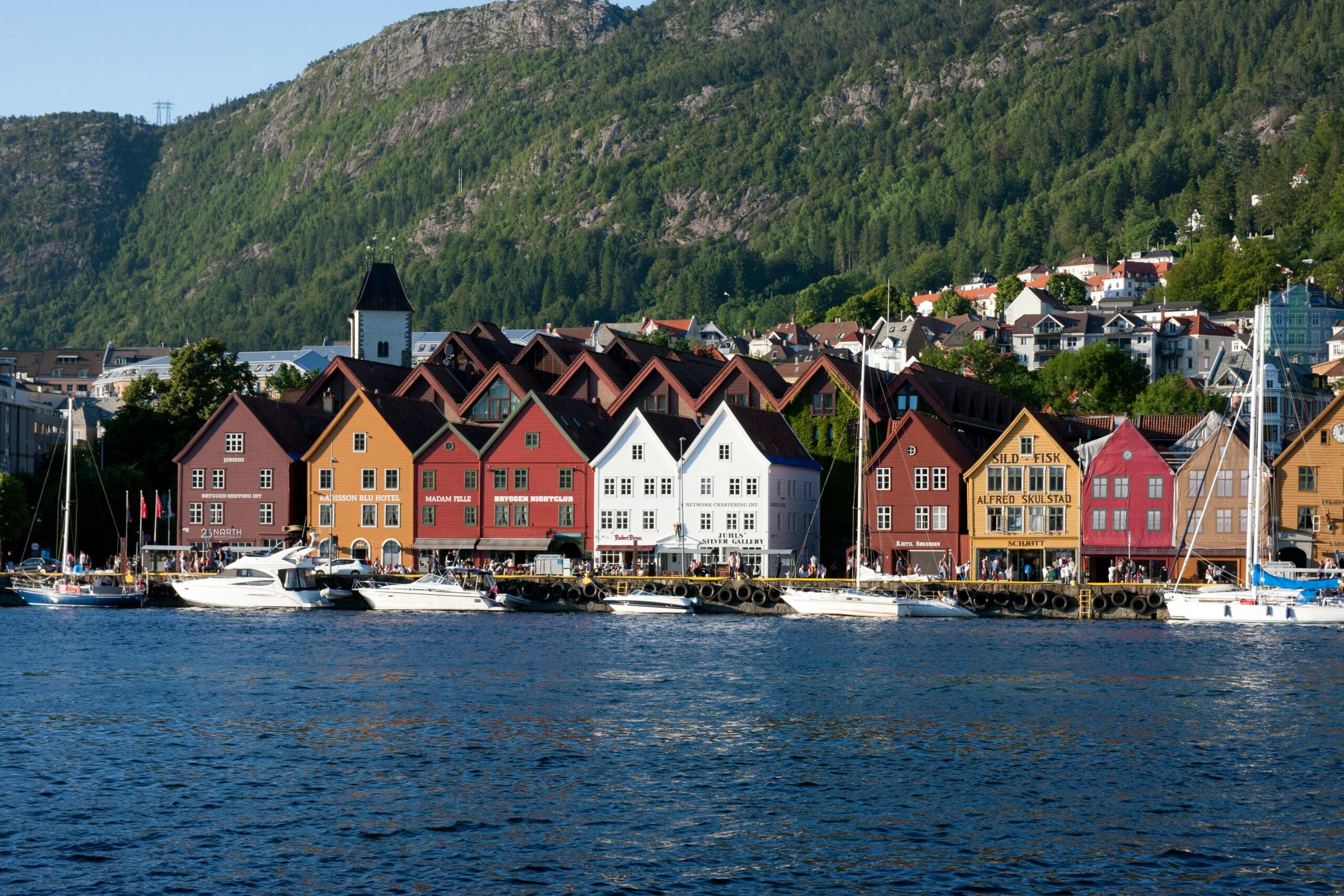
Bergen, Norway’s second-largest city, is where the country’s soul truly comes alive. Nestled between seven mountains and fjords, Bergen is the rainiest city in Europe—but don’t let that deter you. The rain creates an atmospheric charm that’s uniquely Bergen.
What Makes Bergen Special:
- UNESCO World Heritage Site: The colorful Bryggen wharf with its historic Hanseatic buildings
- Fjord access: The perfect base for exploring Hardangerfjord and Sognefjord
- Cultural capital: Home to numerous festivals, including the renowned Bergen International Festival
- Seafood paradise: The fish market offers the freshest catches you’ll ever taste
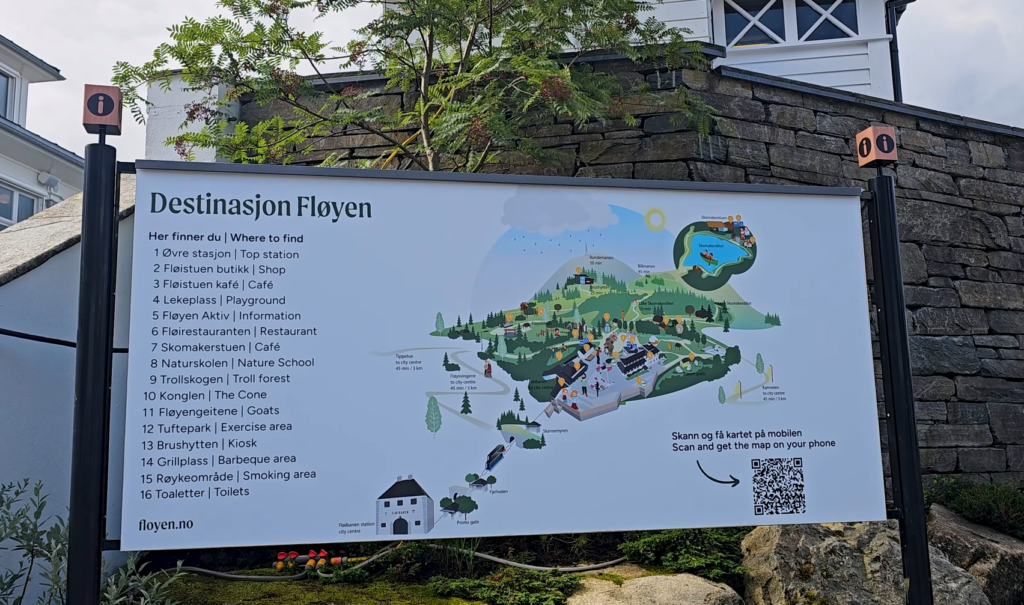
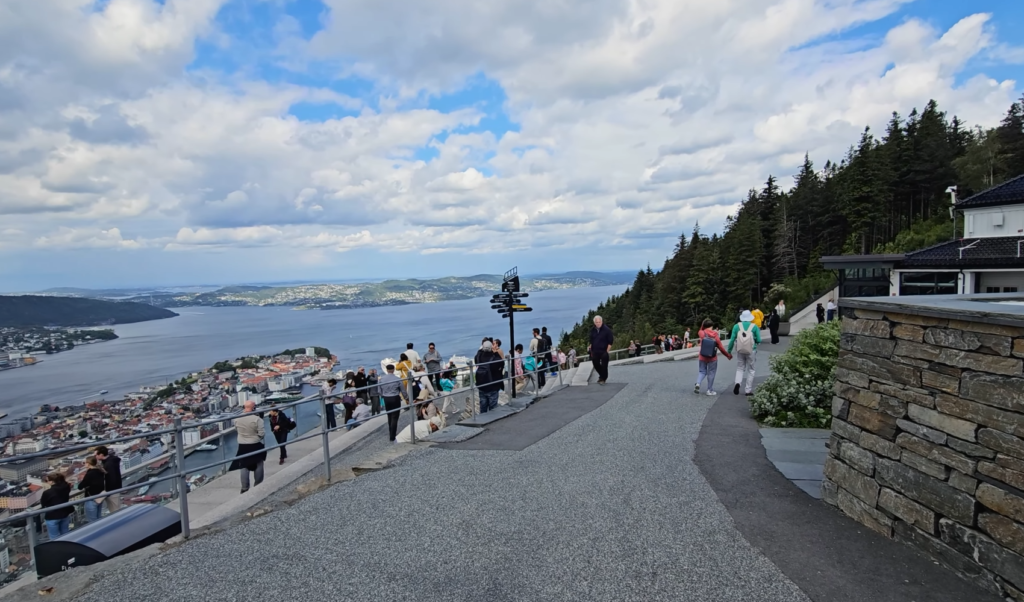
- Mountain hiking: The famous Fløyen and Ulriken mountains offer spectacular city views
Living in Bergen: Among the largest cities in Norway, Bergen has a more relaxed pace than Oslo. The economy revolves around maritime industries, aquaculture, oil and gas, and tourism. The city attracts creative types, outdoor enthusiasts, and those seeking a tighter-knit community feel. Housing costs are slightly lower than Oslo but still substantial.
Visiting Bergen: The Fløibanen funicular to Mount Fløyen is mandatory. Explore Bryggen early in the morning before crowds arrive, and if you’re brave, sample the traditional Bergen fish soup at the market. Bergen is genuinely magical, rain or shine.
3. Stavanger/Sandnes: The Oil Capital Region
- Population: Stavanger: approximately 144,000 / Sandnes: approximately 83,000
- Explore The Stavanger city Google Map Locaton
Stavanger and Sandnes form a connected urban region in southwestern Norway, often considered together as one of the largest cities in Norway by metropolitan population. Stavanger earned the nickname “Oil Capital of Norway” due to its central role in the petroleum industry.
What Makes Stavanger Special:
- Economic prosperity: High salaries and job opportunities in energy sectors
- Pulpit Rock (Preikestolen): One of Norway’s most iconic natural landmarks, just a day trip away
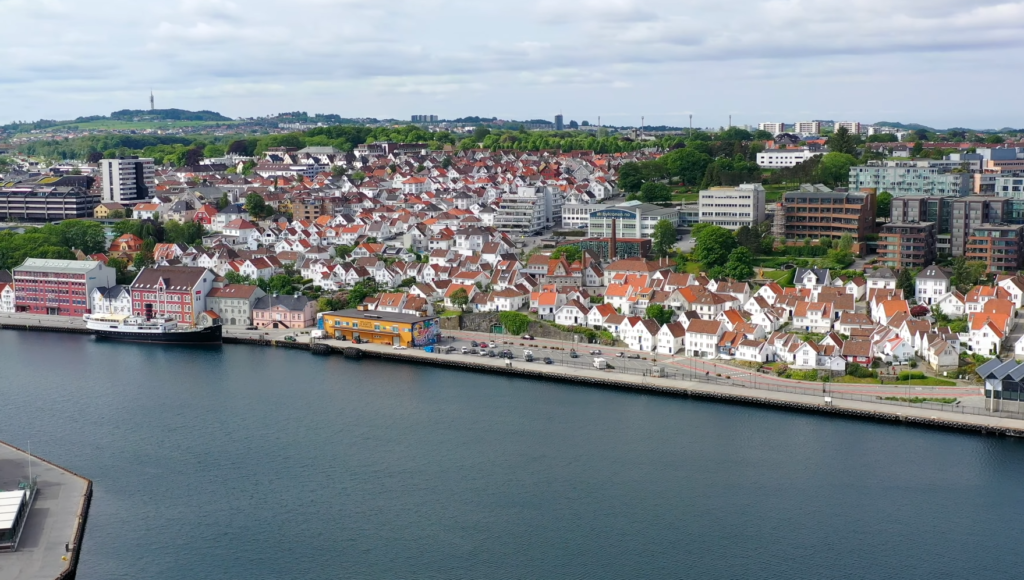
- Old Stavanger: 173 white wooden houses from the 18th century create a fairy-tale atmosphere
- Culinary scene: Surprisingly diverse restaurants and cafes for a city its size
- International community: Oil industry brings expats from around the world
Living in Stavanger: The oil and energy industries dominate employment here, offering some of Norway’s highest salaries. The city has a more international feel than other Norwegian cities outside Oslo. The cost of living is high, but the proximity to stunning nature (beaches, mountains, fjords) provides endless weekend adventures.
Visiting Stavanger: Beyond hiking to Preikestolen, explore the street art throughout the city, visit the Norwegian Petroleum Museum (more interesting than it sounds!), and take a boat trip through Lysefjord. The nearby beaches are surprisingly beautiful during summer months.
4. Trondheim: The Student City with History
- Population: Approximately 212,000
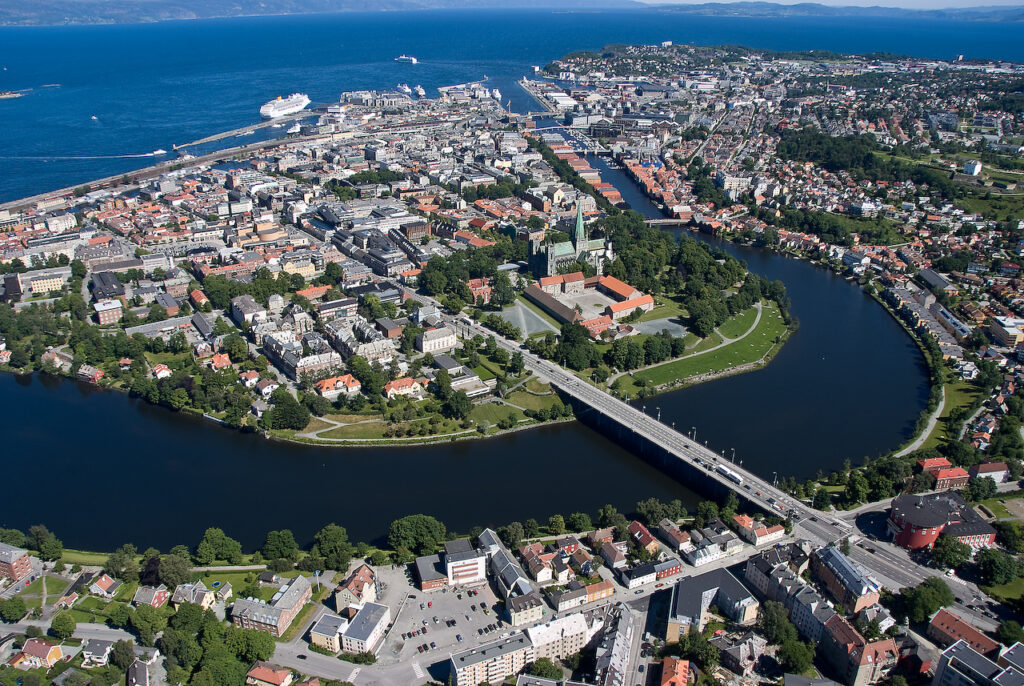
Trondheim, Norway’s third-largest city, perfectly balances medieval history with youthful energy. As a major university city (home to NTNU – Norwegian University of Science and Technology), Trondheim pulses with innovation while honoring its role as Norway’s historic capital.
What Makes Trondheim Special:
- Nidaros Cathedral: Scandinavia’s largest medieval building and Norway’s national sanctuary
- Technology hub: Known as Norway’s “Silicon Valley” with a thriving tech startup scene
- Student culture: Vibrant nightlife and cultural events year-round
- Cycling city: Exceptionally bike-friendly with the world’s first bicycle lift (Trampe/CycloCable)
- Food innovation: Surprising culinary creativity, from traditional to experimental
Living in Trondheim: Here’s the thing about Trondheim – it gives you proper city life without the amazing prices you’d pay in Oslo or Bergen. If you’re in tech, engineering, IT, or anything to do with renewable energy, there’s actually loads of work here. NTNU (the university) pulls in companies and startups, so the job market’s surprisingly strong. What I really like is that you can walk or bike pretty much everywhere – it doesn’t feel like this massive overwhelming place. But it’s not boring either, you know? There’s culture, nightlife, good restaurants – it’s got enough going on that you never feel stuck in some tiny town. It’s kind of the sweet spot, honestly.
Visiting Trondheim: Visit the stunning Nidaros Cathedral, walk along the colorful wharves by the Nidelva River, and explore the Bakklandet neighborhood with its cozy cafes. Don’t miss trying Trondheim’s craft beer scene—some of Norway’s best microbreweries call this city home.
5. Drammen: The Riverside Transformation
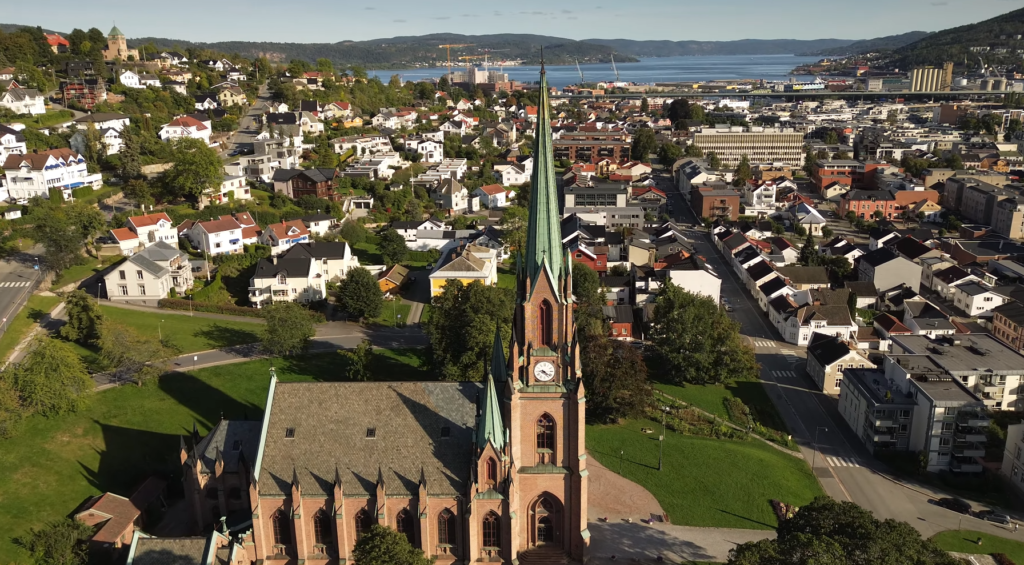
- Population: Approximately 101,000
Drammen has one of Norway’s most impressive urban transformation stories. Once known for industrial pollution, it’s now recognized as one of Europe’s most sustainable and livable cities. Located just 40 kilometers southwest of Oslo, Drammen offers big-city amenities with small-town charm.
What Makes Drammen Special:
- Sustainability leader: Won multiple European environmental awards
- Riverside development: Beautiful waterfront promenade and modern architecture
- Tunnel network: Unique spiral tunnel system carved through mountains
- Proximity to Oslo: Easy commute to the capital while enjoying lower costs
- Cultural revival: Growing arts scene and restored historic buildings
Living in Drammen: These days, you’ll find loads of young families and professionals moving to Drammen. They’re working in Oslo but honestly, who wants to pay those shocking Oslo prices? People love that they can have a peaceful life here without the big city chaos. The schools are really good, there are parks everywhere, and plenty of stuff to do with the kids. Best part? You can actually get a house with some proper space and still commute to your Oslo job. It’s a win-win situation for most people.
Visiting Drammen: You’ve got to check out the Spiral Tunnel – locals call it Spiralen. It’s this weird but amazing tunnel that spirals up inside the mountain, and when you get to the top of Bragernesåsen, the views are absolutely worth it. Grab a coffee and just take it in. The river walk along Drammenselva is perfect for an afternoon stroll, and if you’re into history at all, the Drammen Museum tells this fascinating story about how the city completely reinvented itself. Oh, and the food here? Way better than you’d expect, and your wallet will thank you compared to Oslo prices.
6. Fredrikstad: Coastal Charm and History
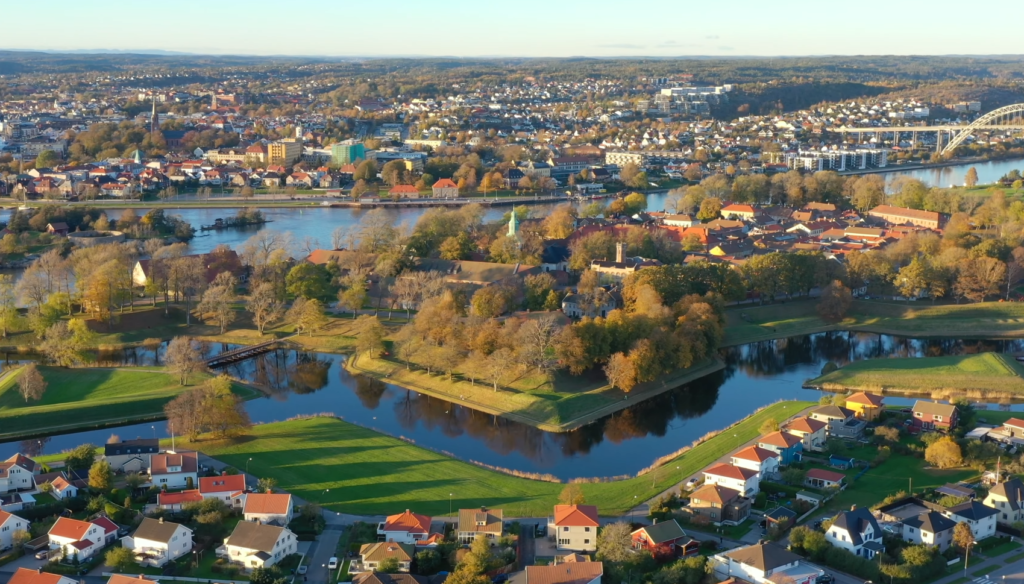
- Population: Approximately 82,000
Fredrikstad, located where the Glomma River meets the sea, is Norway’s best-preserved fortress town. Among the largest cities in Norway, Fredrikstad offers a unique blend of historical preservation and modern coastal living.
What Makes Fredrikstad Special:
- Old Town (Gamlebyen): Scandinavia’s best-preserved fortress town, complete with moats and drawbridges
- Archipelago access: Gateway to the beautiful Hvaler islands
- Artistic community: Thriving arts and crafts scene within the fortress walls
- Maritime heritage: Rich seafaring history and modern boating culture
- Affordable living: More accessible than larger Norwegian cities
Living in Fredrikstad: Look, if you want to live by the sea without spending a fortune, Fredrikstad makes sense. There’s still proper industry here – shipbuilding, factories, that sort of thing – but lately you’re seeing more cafés, design studios, small businesses setting up shop. The people moving in? Mostly families who want their kids growing up near water, older folks looking to slow down a bit, and creative types – photographers, writers, designers – who’ve figured out they can work remotely from somewhere with actual character and ocean views. Your money just goes further here.
Visiting Fredrikstad: Give yourself a full day for Gamlebyen. I’m serious – those old cobbled streets aren’t something you rush through. You’ll stumble across potters and woodworkers actually making stuff in their workshops, some genuinely decent coffee, and art galleries in buildings older than most countries. It’s the real deal, not some tourist reconstruction. Summer? Get yourself on a boat to Hvaler – the archipelago’s gorgeous. Water’s freezing but you get used to it, perfect for kayaking or just messing about between islands. Oh, and check what’s on at the fortress – they do concerts, food festivals, all sorts when the weather cooperates. Usually worth catching.
7. Kristiansand: Norway’s Summer City
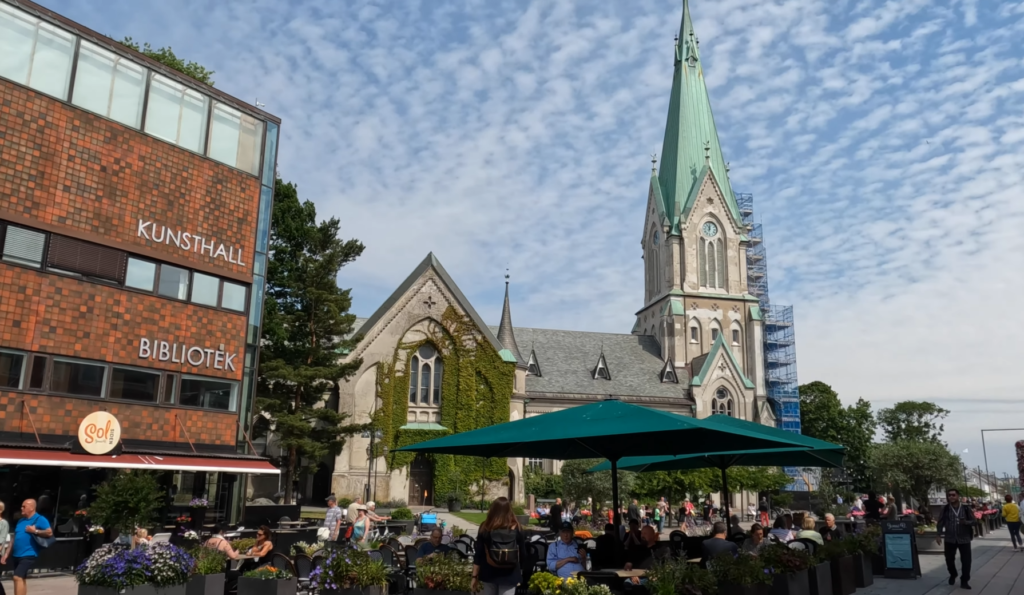
- Population: Approximately 112,000
Known as “Sommerbyen” (The Summer City), Kristiansand is Norway’s southernmost major city, enjoying the country’s warmest and sunniest climate. This makes it a favorite vacation destination for Norwegians and increasingly for international tourists.
What Makes Kristiansand Special:
- Best weather: More sunshine than anywhere else in Norway
- Beautiful beaches: Sandy beaches uncommon elsewhere in Norway
- Dyreparken: Scandinavia’s most visited attraction, combining zoo and amusement park
- Wooden houses: Charming Posebyen district with white painted houses
- Cruise port: Gateway for cruise ships exploring Scandinavian fjords
Living in Kristiansand: The city’s economy centers on education, technology, and tourism. The University of Agder attracts students from across Norway and internationally. Living costs are moderate compared to Oslo or Bergen, and the lifestyle emphasizes outdoor activities, family life, and work-life balance. The climate makes year-round outdoor living more comfortable than in northern cities.
Visiting Kristiansand: Explore the charming Posebyen neighborhood, relax on Bystranda beach right in the city center, and visit the fish market at the harbor. If traveling with children, Dyreparken is unmissable. The city comes alive during summer with festivals, concerts, and outdoor dining.
8. Tromsø: Gateway to the Arctic
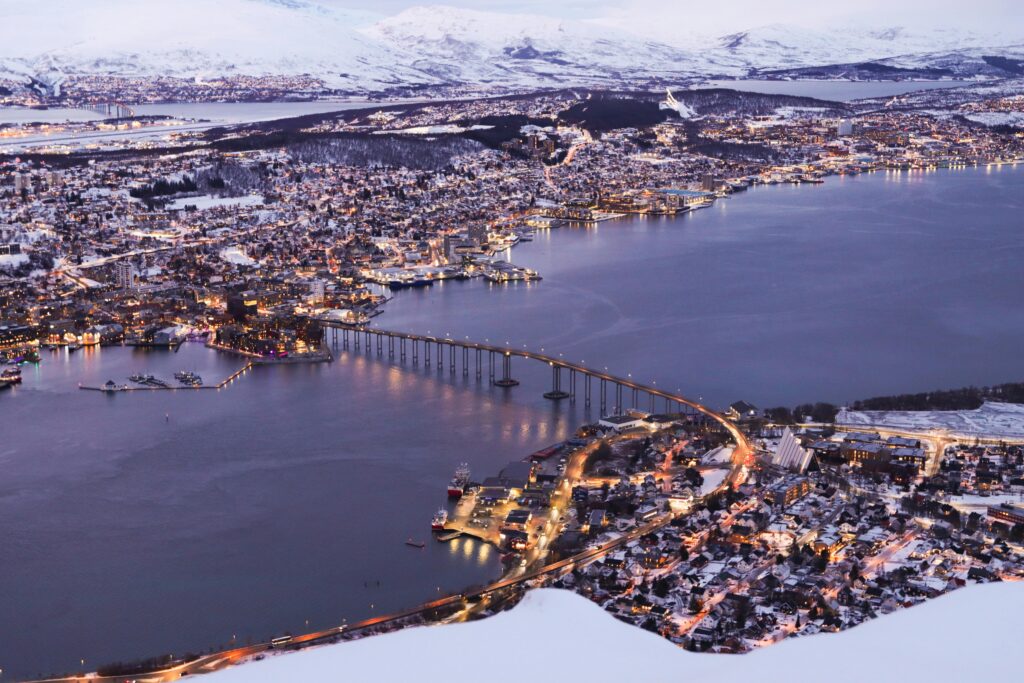
- Population: Approximately 77,000
- Explore The Tromsø city Google Map Locaton
Tromsø is the largest city in Northern Norway and often called the “Paris of the North.” Located 350 kilometers north of the Arctic Circle, Tromsø defies expectations with its vibrant culture, world-class university, and surprisingly cosmopolitan atmosphere despite its extreme location.
What Makes Tromsø Special:
- Northern Lights capital: Prime location for aurora viewing (September-April)
- Midnight Sun: 24-hour daylight from mid-May to late July
- Arctic adventures: Dog sledding, whale watching, and Arctic wilderness experiences
- Academic excellence: University of Tromsø (UiT) leads Arctic research
- Lively culture: Pubs, restaurants, and nightlife that surprise first-time visitors
Living in Tromsø: Don’t be scared off by the “Arctic” label – thanks to the Gulf Stream, it’s actually warmer than you’d think. That said, polar night from November to January takes some getting used to – weeks without proper sunlight isn’t for everyone. But the people who love it here? They’re usually adventurous types, scientists working at the university or research stations, and folks who wanted something completely different from regular city life. Work-wise, you’ve got the university, tourism companies, fishing industry, and schools – it’s more diverse than you’d expect. Housing costs less than Oslo or Bergen, which helps, and honestly, locals are genuinely friendly to newcomers. You’re not going to feel like an outsider for long.
Visiting Tromsø: Yes, everyone comes for the Northern Lights – and you should too – but there’s way more going on. The Arctic Cathedral is stunning, especially lit up at night. Ride the cable car up Mount Storsteinen for views that’ll make your Instagram followers jealous. If you want something authentic, visit a Sami reindeer camp – you’ll learn about the indigenous culture and probably get to feed reindeer, which is harder than it looks. The Polar Museum’s genuinely interesting if you’re into exploration history and how people survived up here. Winter gives you the full Arctic experience – darkness, auroras, dog sledding – while summer’s all about midnight sun and hiking. Completely different vibes, both incredible.
9. Sandnes: The Bicycle City
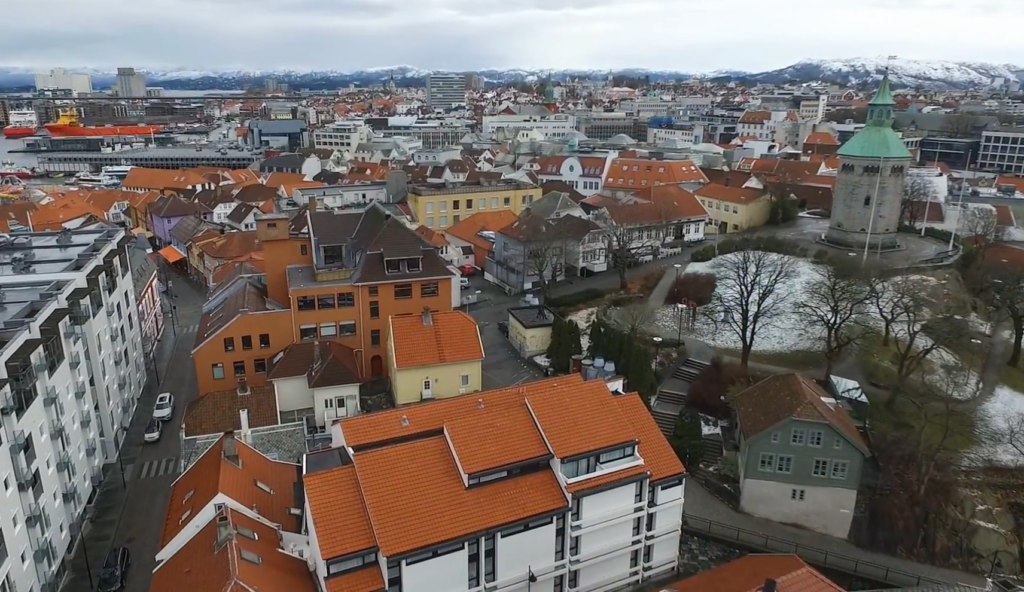
- Population: Approximately 83,000
- Explore The Sandnes city Google Map Locaton
Sandnes, located adjacent to Stavanger, has grown rapidly to become one of the largest cities in Norway. Known as the “Bicycle City” for its commitment to cycling infrastructure, Sandnes offers a more affordable alternative to Stavanger while maintaining access to the region’s opportunities.
What Makes Sandnes Special:
- Cycling culture: Extensive bike paths and infrastructure
- Beach proximity: Quick access to beautiful coastal beaches
- Affordable housing: More budget-friendly than neighboring Stavanger
- Growth city: One of Norway’s fastest-growing municipalities
- Family-friendly: Excellent schools and recreational facilities
Living in Sandnes: Many residents work in Stavanger’s oil industry while living in Sandnes for better housing value and quieter neighborhoods. The city has developed its own identity and amenities, including shopping centers, sports facilities, and cultural venues. It’s particularly popular with young families seeking space without sacrificing urban conveniences.
Visiting Sandnes: While often overshadowed by Stavanger, Sandnes offers pleasant walks along Sandvedparken, access to nearby hiking trails, and a growing food scene. The city works well as a base for exploring the greater Stavanger region at lower accommodation costs.
10. Ålesund: Art Nouveau by the Sea
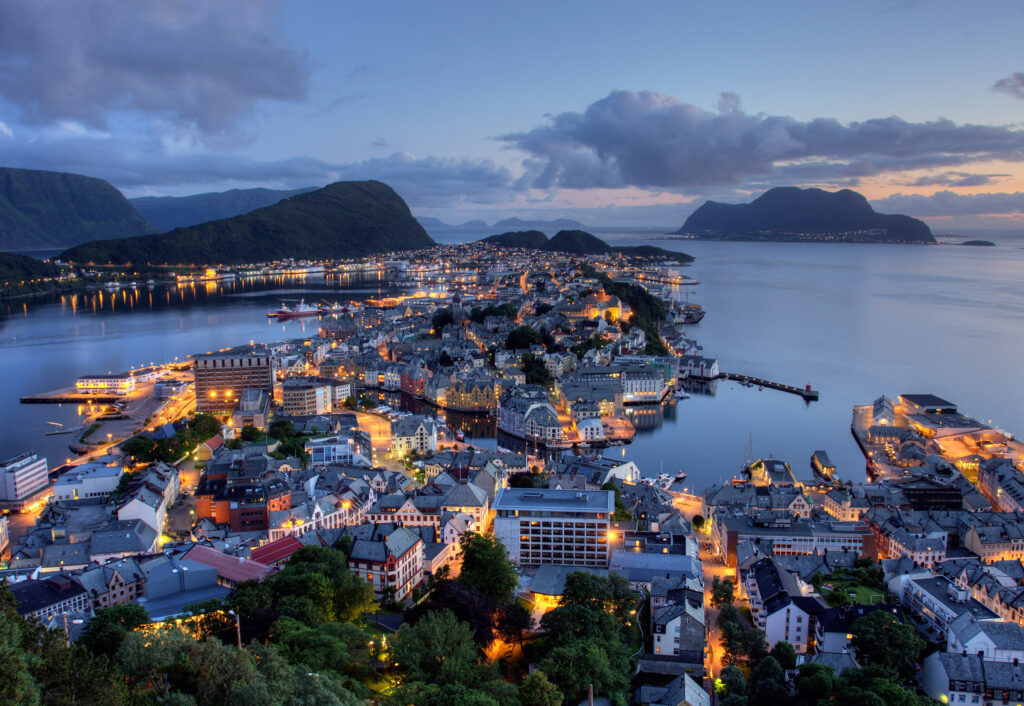
Population: Approximately 57,000
Ålesund rounds out our list of the largest cities in Norway with its unique distinction: it’s one of Europe’s most beautiful towns. After a devastating fire in 1904, the city was rebuilt entirely in Art Nouveau style, creating architectural harmony rarely found elsewhere.
What Makes Ålesund Special:
- Architectural gem: Consistent Art Nouveau buildings create a unique cityscape
- Fjord gateway: Access to Geirangerfjord and other spectacular fjords
- Atlantic Road: Near one of the world’s most scenic drives
- Fishing heritage: Major fishing and maritime industry center
- Scenic setting: Built across several islands connected by underwater tunnels
Living in Ålesund: The economy revolves around fishing, maritime industries, and tourism. The city attracts those seeking natural beauty in daily life—mountains rise directly from the city center, and the ocean is always present. Housing costs are moderate, and the community is tight-knit. The trade-off is fewer big-city amenities, but many residents consider this a benefit.
Visiting Ålesund: Climb the 418 steps to Aksla viewpoint for stunning city panoramas, explore the Art Nouveau Center to understand the city’s unique history, and use Ålesund as your base for exploring nearby fjords. The Atlantic Sea Park is one of Europe’s largest saltwater aquariums. Visit during summer when you can combine city exploration with fjord excursions.
What Makes Norway’s Largest Cities Special?
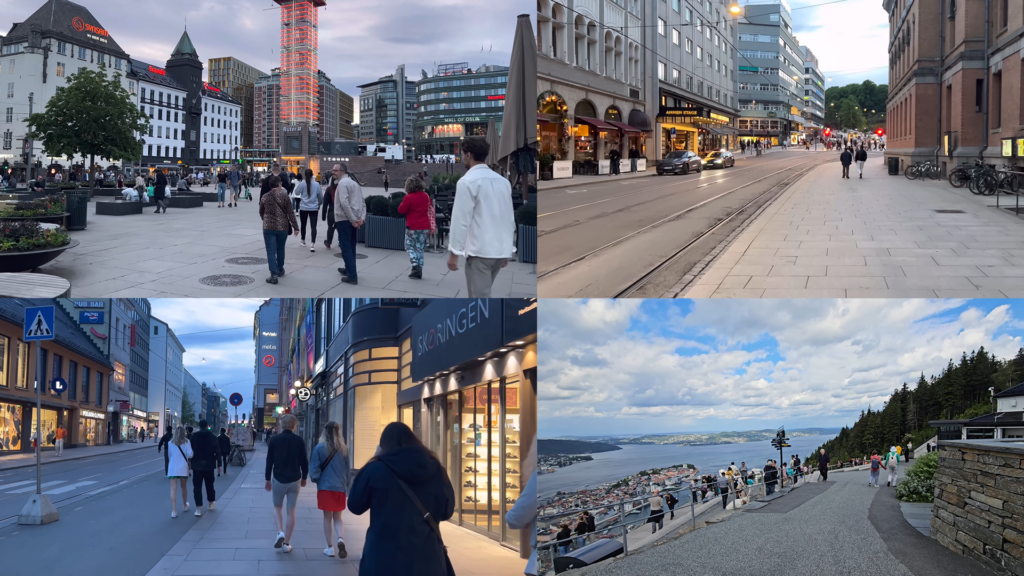
Quality of Life Rankings
The largest cities in Norway consistently dominate global quality of life rankings. But what exactly makes them special?
- Work-Life Balance: Norwegian cities embrace the national philosophy of balancing career and personal life. Expect flexible working hours, generous vacation time (minimum 25 days annually), and strong parental leave policies. Offices typically empty by 4-5 PM, as Norwegians prioritize family time and outdoor activities.
- Safety and Security: Crime rates in Norwegian cities are remarkably low by international standards. You can walk through any of the largest cities in Norway at night without significant concern. This safety contributes enormously to quality of life, especially for families.
- Nature Access: Every city on our list offers immediate access to nature. Whether it’s Oslo’s forested hills, Bergen’s mountains, or Tromsø’s Arctic wilderness, you’re never more than minutes from outdoor recreation. This integration of urban and natural environments is uniquely Norwegian.
- Clean and Organized: Norwegian cities are exceptionally clean, well-maintained, and efficiently organized. Public transportation works reliably, streets are clean, and infrastructure is modern. This reflects the Norwegian emphasis on order and public responsibility.
Economic Opportunities
The largest cities in Norway offer diverse economic opportunities:
- Oslo leads in technology, finance, government, maritime, and international business. It’s also Norway’s startup hub, attracting venture capital and entrepreneurial talent.
- Bergen specializes in maritime industries, aquaculture, energy, and tourism. The city is a global leader in ocean-related research and innovation.
- Stavanger/Sandnes dominate the oil and gas sector, though diversification into renewable energy is accelerating. High salaries attract international talent.
- Trondheim is the technology and research capital, with NTNU producing world-class engineers and researchers. Cleantech and sustainable technology startups thrive here.
- Smaller cities offer opportunities in specialized sectors: Kristiansand in education and tourism, Fredrikstad in manufacturing, Tromsø in Arctic research and tourism.
Cultural Diversity
Norway’s still pretty Norwegian, especially compared to places like London or Berlin. But the cities? They’re changing fast. Oslo’s way out front – apparently there are people from over 200 countries living there, which is wild when you think about it. You’ve got whole neighborhoods buzzing with different cultures, restaurants where you can actually get proper international food, and people from everywhere just mixing and chatting.
Bergen, Stavanger, Trondheim – same story, just on a smaller scale. Loads of international students stick around after graduating, and companies bring in workers from abroad. You notice it when you’re walking around – different accents, different faces, different energy than it used to have.
Even the smaller places are seeing this now. Immigrant families are opening shops, starting businesses, their kids are in the local schools. It’s becoming part of everyday life rather than this separate thing. And honestly? The economy needs it, the culture’s better for it – most people get that, even if change always makes some folks uncomfortable.
Living in Norway’s Largest Cities
Cost of Living Comparison of the largest cities in Norway
Let’s be direct: living in Norway is expensive, regardless of which city you choose. However, significant differences exist among the largest cities in Norway.
Most Expensive:
- Oslo: Highest costs across all categories
- Stavanger: High costs due to oil industry salaries
- Bergen: Expensive but slightly below Oslo
Moderate:
- Trondheim: More affordable than the top three
- Kristiansand: Reasonable by Norwegian standards
- Tromsø: Moderate, though some items more expensive due to location
Most Affordable:
- Drammen: Best value near major city (Oslo)
- Fredrikstad: Lower housing and living costs
- Sandnes: Cheaper alternative to Stavanger
Typical Monthly Costs (Single Person):
- Rent (1-bedroom, city center): NOK 10,000-20,000 ($930-$1,860)
- Groceries: NOK 3,000-4,500 ($280-$420)
- Transportation: NOK 700-1,000 ($65-$93)
- Utilities: NOK 1,000-1,500 ($93-$140)
- Internet/Mobile: NOK 500-800 ($46-$74)
- Dining out (meal): NOK 150-250 ($14-$23)
- Beer (pub): NOK 90-120 ($8-$11)
Job Markets and Industries
Each of the largest cities in Norway has distinct economic strengths:
Growing Sectors Across Cities:
- Technology and IT: Especially in Oslo, Trondheim, and Bergen
- Green energy: All major cities investing in renewables
- Healthcare: Aging population creates continuous demand
- Tourism and hospitality: Particularly in Bergen, Tromsø, and Kristiansand
- Education: Universities and research institutions
Skills in Demand:
- Software developers and engineers
- Healthcare professionals
- Teachers (especially with English proficiency)
- Skilled trades (electricians, plumbers, carpenters)
- Marketing and digital specialists
Working in Norway: Most professional positions require fluency in Norwegian, though tech companies and international firms often operate in English. EU/EEA citizens can work freely in Norway, while others need work permits typically arranged by employers.
Salaries are high by global standards—expect annual salaries ranging from NOK 400,000 (entry-level) to NOK 700,000+ (experienced professionals), with technology and oil/gas sectors paying premiums.
Housing and Accommodation
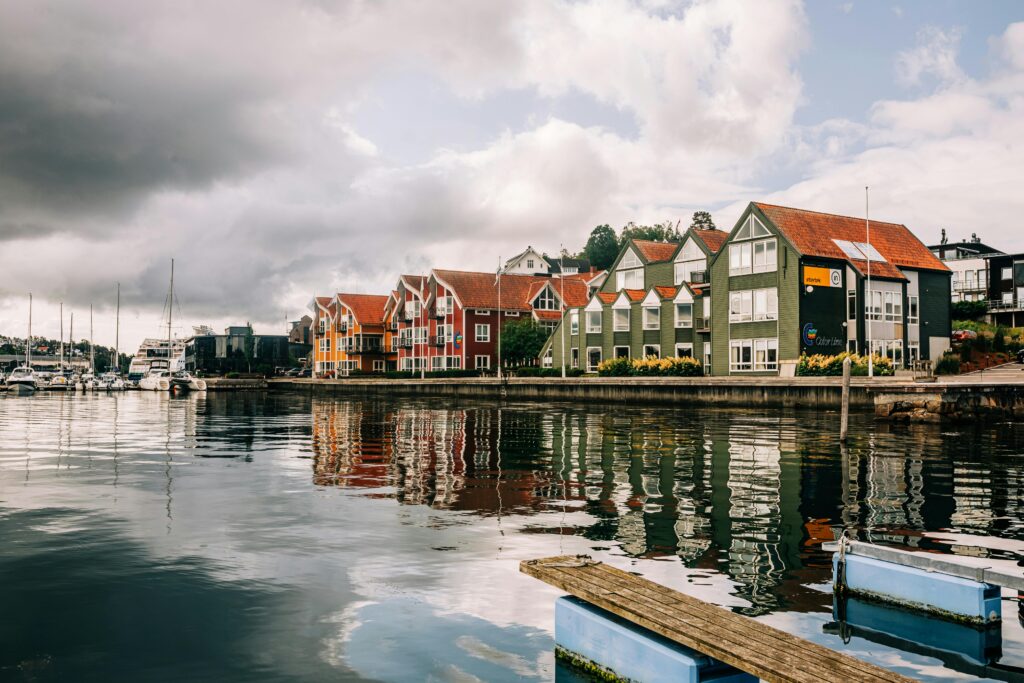
Finding housing in the largest cities in Norway requires patience and often financial resources.
Rental Market:
- High demand: Expect competition for desirable apartments
- Deposits: Typically 3 months’ rent
- Furnished vs. unfurnished: Most rentals are unfurnished
- Contracts: Usually 1-year minimum, though flexible options exist
Buying Property:
- High prices: Oslo and Bergen have Norway’s most expensive real estate
- Mortgage requirements: Typically 15% down payment minimum
- Long-term investment: Property values generally appreciate
Housing Tips:
- Start searching early—good apartments rent quickly
- Use Finn.no (Norway’s main classified site)
- Consider surrounding municipalities for better value
- Join expat and newcomer Facebook groups for advice
- Be prepared to view and apply immediately when you find something suitable
Visiting Norway’s Urban Centers
Best Times to Visit Largest Cities in Norway
The largest cities in Norway offer different experiences depending on season.
Summer (June-August):
- Pros: Longest days, warmest weather, outdoor activities, festivals
- Cons: Peak tourist season, highest prices, crowded attractions
- Best for: First-time visitors, outdoor enthusiasts, families
Winter (December-February):
- Pros: Northern Lights (especially Tromsø), winter sports, Christmas markets, cozy atmosphere
- Cons: Short days, cold weather (though cities milder than expected), some attractions closed
- Best for: Winter sports lovers, Northern Lights chasers, those seeking authentic Norwegian winter
Shoulder Seasons (April-May, September-October):
- Pros: Fewer tourists, moderate prices, beautiful autumn colors or spring blooms
- Cons: Unpredictable weather, some services reduced
- Best for: Budget travelers, photographers, those avoiding crowds
Transportation Between Cities
Traveling among the largest cities in Norway is straightforward with excellent infrastructure:
By Train:
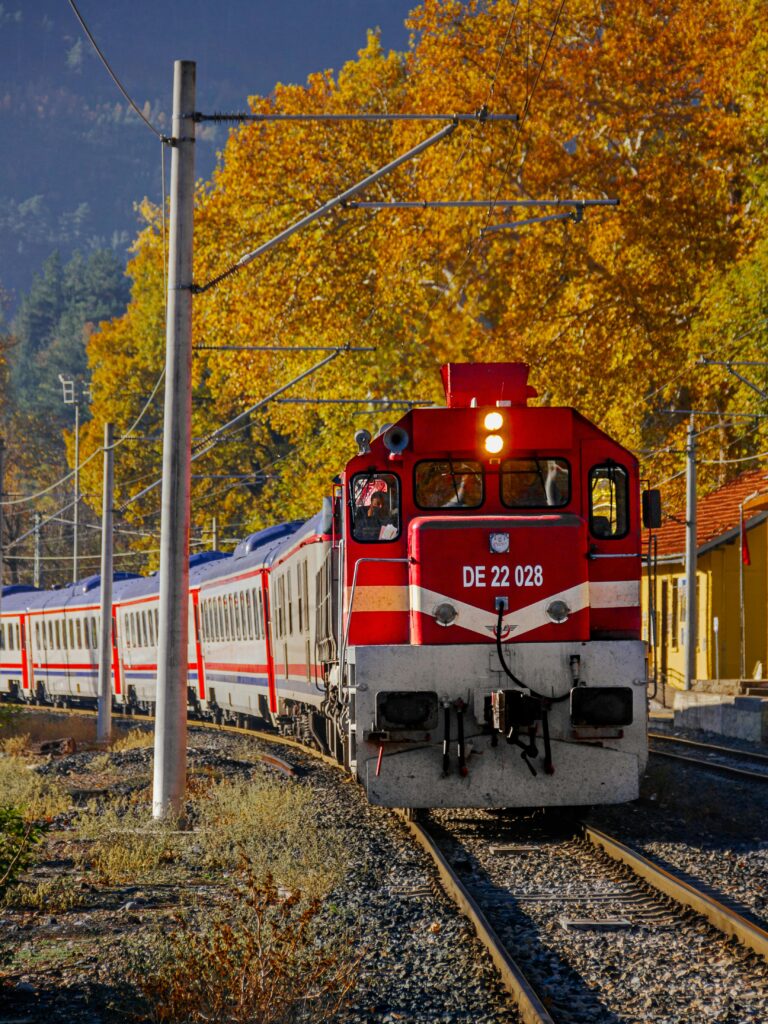
Norwegian Railways (Vy): Connects Oslo, Drammen, Stavanger, Kristiansand, Trondheim, and more
Scenic routes: Bergen Line (Oslo-Bergen) is one of world’s most beautiful train journeys
Comfort: Modern, comfortable trains with dining service
Cost: Can be expensive, but advance booking saves money
By Bus:
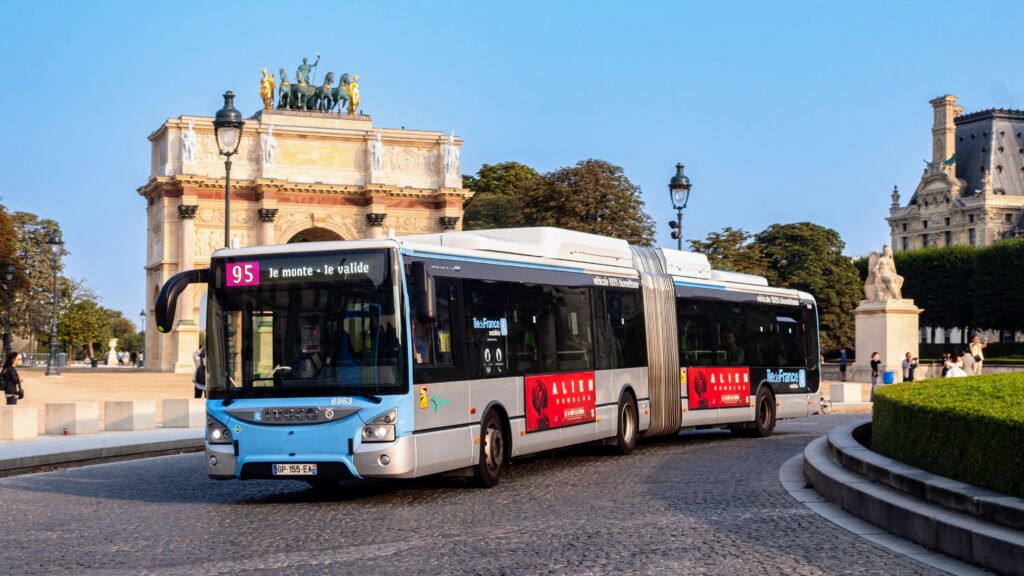
Nor-Way Bussekspress, Vy Bus: Budget-friendly alternative to trains
Extensive network: Reaches places trains don’t
Comfort: Modern buses with Wi-Fi and comfortable seating
Plane:
- Domestic flights: Efficient for long distances (Oslo-Tromsø, Oslo-Stavanger)
- Major airports: Oslo (Gardermoen), Bergen (Flesland), Trondheim (Værnes), Stavanger (Sola), Tromsø
- Airlines: SAS, Norwegian, Widerøe
- Cost: Often competitive with train for long distances
By Car:
- Scenic routes: Unmatched freedom to explore
- Considerations: Tunnels, tolls, winter driving skills required
- Rental: Available in all major cities
- Cost: Fuel expensive; tolls add up
Coastal Ferry (Hurtigruten):
- Unique experience: The original “Coastal Express” connects coastal cities from Bergen to Tromsø
- Duration: Full voyage takes 11 days round-trip
- Experience: Working ferry carrying passengers and cargo, stops at 34 ports
Must-See Attractions
While exploring the largest cities in Norway, these attractions stand out:
Oslo:
- Viking Ship Museum (currently closed for renovation, reopening 2025)
- Oslo Opera House
- Vigeland Sculpture Park
- Fram Polar Ship Museum
- Akershus Fortress
Bergen:
- Bryggen wharf
- Fløyen and Ulriken mountains
- Bergen Aquarium
- Hanseatic Museum
- Fish Market
Stavanger:
- Preikestolen (Pulpit Rock)
- Old Stavanger
- Norwegian Petroleum Museum
- Lysefjord boat tour
Trondheim:
- Nidaros Cathedral
- Kristianstad fortress
- Bakklandet neighborhood
- Rockheim music museum
Tromsø:
- Arctic Cathedral
- Polaria aquarium
- Northern Lights experiences
- Tromsø Museum
- Mount Storsteinen cable car
Other Cities:
- Ålesund Art Nouveau architecture
- Kristiansand Dyreparken (zoo and amusement park)
- Fredrikstad Old Town fortress
- Drammen Spiral Tunnel
Practical Tips for Exploring Norway’s Cities
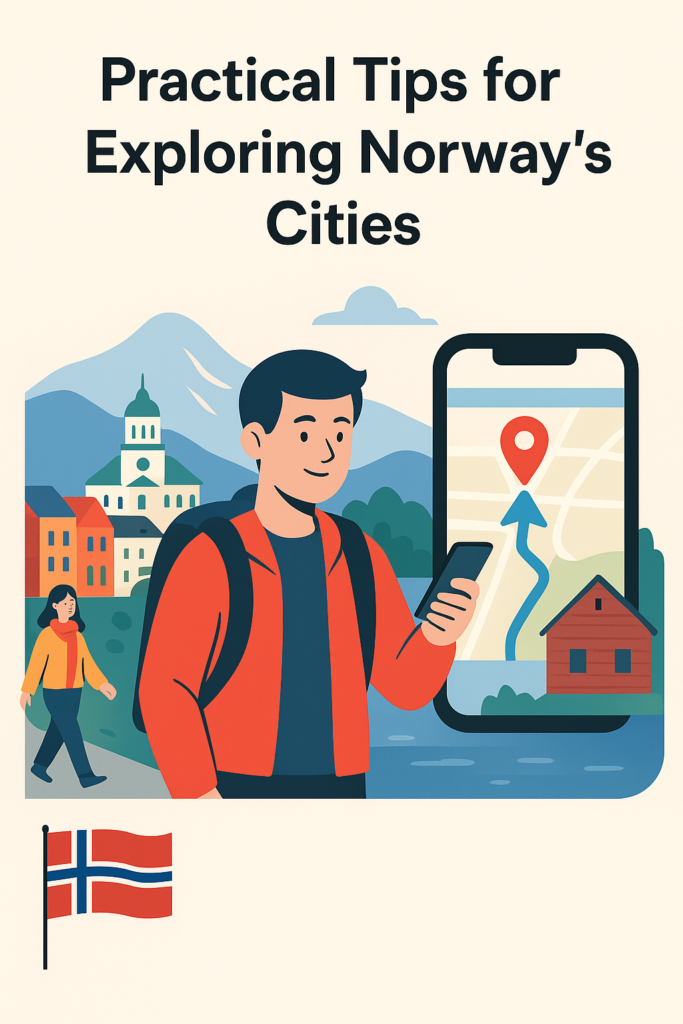
Language: Nearly everyone in the largest cities in Norway speaks excellent English, making navigation easy. However, learning basic Norwegian phrases earns appreciation and helps with daily interactions.
Money Matters:
- Currency: Norwegian Krone (NOK)
- Cash vs. card: Norway is nearly cashless—cards accepted everywhere
- Tipping: Not mandatory but 10% appreciated for excellent service
- Budgeting: Expect to spend more than anticipated; Norway is expensive
Cultural Etiquette:
- Punctuality: Norwegians value timeliness
- Personal space: Respect physical distance in public
- Quietness: Public spaces are generally quiet; loud conversations are uncommon
- Outdoor access: “Allemannsretten” (Right to Roam) allows access to nature, but respect property
Practical Apps:
- Finn.no: Housing, goods, services
- Vy/Entur: Transportation planning
- Too Good To Go: Discounted surplus food
- WeatherPro: Accurate Norwegian weather forecasts
- Google Translate: Helpful for signs and menus
Food and Dining:
- Supermarkets close early (often 8-9 PM weekdays, earlier weekends)
- Alcohol only sold in Vinmonopolet (state-owned stores, closed Sundays)
- Tap water is excellent quality everywhere—free in restaurants
- Lunch is typically light; dinner is the main meal
Social Norms:
- Norwegians can seem reserved but are friendly once you break the ice
- Small talk is less common than in some cultures
- Invitations to homes are meaningful—never refuse offered shoes/slippers
- Nature is sacred—littering is highly taboo
Climate Preparation:
- Layers: Essential year-round as weather changes quickly
- Waterproof gear: Rain happens even in summer
- Winter gear: Serious winter clothing needed November-March
- Sunscreen: Even in cooler weather, especially near snow/water
Conclusion: Which Norwegian City Is Right for You?
After exploring the largest cities in Norway, you’ve seen that each offers distinct advantages and character. Your ideal city depends on your priorities:
Choose Oslo if you want:
- Maximum career opportunities
- Cosmopolitan, international atmosphere
- Best public transportation
- Most cultural attractions and events
- Largest expat community
Choose Bergen if you want:
- Stunning natural setting
- Fjord access
- Strong maritime culture
- More manageable city size
- Artistic, creative community
You are Choose Stavanger/Sandnes if you want:
- Highest salaries (oil industry)
- Access to Pulpit Rock and beaches
- International community
- Warmer, drier climate
- Modern amenities
Choose Trondheim if you want:
- Student city energy
- Technology sector opportunities
- Medieval history
- Excellent cycling infrastructure
- More affordable than Oslo/Bergen
Choose Tromsø if you want:
- Arctic adventures
- Northern Lights
- Small-city feel with big-city culture
- Research opportunities
- Unique lifestyle experience
Are you Choose smaller cities (Drammen, Fredrikstad, Kristiansand, Ålesund) if you want:
- Lower cost of living
- Quieter lifestyle
- Tight-knit communities
- Easy nature access
- Family-friendly environments
Look, here’s what I love about Norwegian cities – even the biggest ones don’t feel overwhelming. You can grab coffee in the city center and be hiking in proper wilderness within half an hour. Oslo’s got that big city buzz if that’s your thing, Bergen sits right there on the fjord (seriously beautiful), Tromsø gives you the full Arctic experience, and then there are these smaller places that just feel… right, you know?
My advice? Go see them yourself. I mean it. Every city’s got its own thing going on, and what works for me might bore you to tears. Your friend might rave about one place while you’d rather be somewhere completely different. But the cool part is, honestly, you can’t really mess this up. These cities keep winning awards for being great places to live, and once you’re there, you’ll get why.
Whether you’re just planning a trip, thinking “maybe I could actually live here,” or lying in bed scrolling through Scandinavian city photos on Instagram – these places deliver. There’s this thing Norwegian cities do where everything feels modern and smooth, but you’ve also got nature that’ll take your breath away right on your doorstep. It’s pretty hard to beat, honestly.
Your Norwegian adventure starts here—which city will you explore first?
FAQ
Bergen is often called the nicest town in Norway, famous for its colorful waterfront, historic Bryggen district, and stunning fjord views.
Oslo, Norway’s capital, is the most developed city with advanced infrastructure, thriving businesses, and modern cultural amenities.
Trondheim ranks as one of the best cities to live in Norway, offering a high quality of life, strong education, and vibrant cultural life.
Most people in Norway live in urban areas along the south coast, especially in Oslo, Bergen, and Stavanger.
Stavanger is ideal for families, featuring excellent schools, safe neighborhoods, and plenty of outdoor activities.