Among the numerous castles I have seen in Europe Neuschwanstein Castle in Germany stands out as the most impressive. This Bavarian Alps fortress appears in the same way that a fairy tale fortress should and it actually shares that quality. Upon beholding its grand towers and turrets I knew immediately why people refer to this fortress as the actual inspiration behind Cinderella’s castle.
The Neuschwanstein Castle designed by King Ludwig II or the “Fairy Tale King” serves as more than a beautiful building because it represents symbolic meanings. Every stone contains stories about royal ambition and fantasy and solitude. The castle’s corridors led me into a dream world that united German Romanticism with Wagnerian opera and royal enigmas.
The legendary Neuschwanstein Castle attracts visitors through its famous design and panoramic mountain views and the mysterious story of King Ludwig II’s construction but it delivers an immersive exploration of European history from the past.
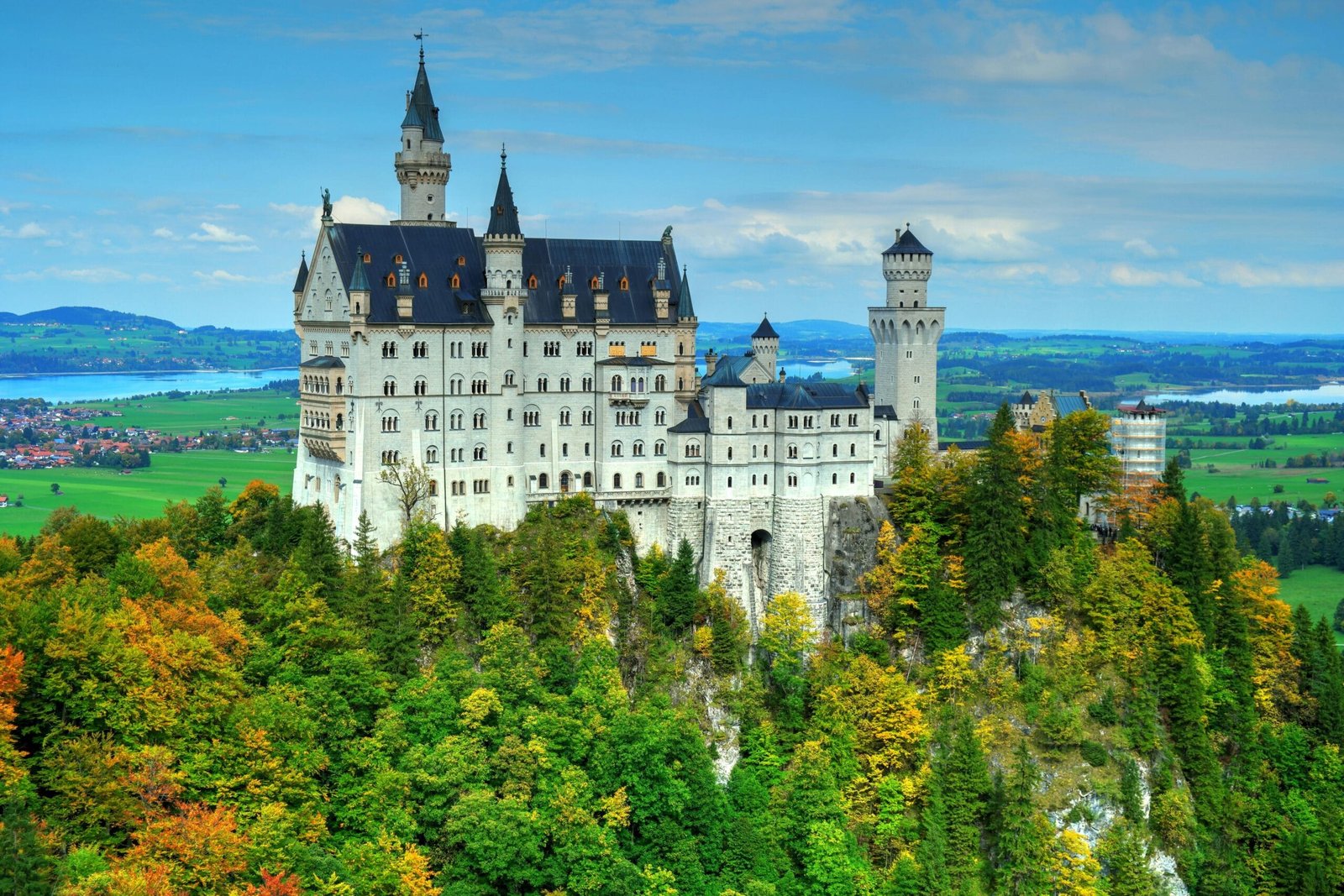
Table of Contents
History of Neuschwanstein Castle
The construction of Neuschwanstein Castle began in 1869 when King Ludwig II of Bavaria decided to build his private mountain retreat in the Bavarian Alps. The palace design of Ludwig II emerged from his love for medieval myths and Wagner’s operas while he wanted to establish a romantic distant palace that would shield him from Munich’s political demands. The structure served no defensive function since its purpose existed to express artistic and solitary aspects of fantasy.
The designers employed neo-Romanesque architecture to create Neuschwanstein while incorporating both Gothic and Byzantine architectural elements with advanced modern conveniences for the period. The building process became delayed because Ludwig kept changing his design plans and choosing expensive construction materials. Before the work stopped only fourteen rooms were finished.
Ludwig II faced mental fitness challenges that led to his removal from power and his death at Lake Starnberg in 1886 remains a mystery. His unexpected death under mysterious circumstances at Lake Starnberg created more mystery around the castle which led to its legendary status. The public gained access to Neuschwanstein Castle just a few weeks after Ludwig II’s death at Lake Starnberg despite the unfinished state of the structure.
Neuschwanstein Castle is a world-famous Bavarian landmark that inspired Disney’s Cinderella Castle and honors King Ludwig II’s creative legacy.
Exploring the Reichstag Building
Architectural Splendor of the Castle
The architecture of Neuschwanstein Castle unites Gothic and Romanesque elements with Romanticism as its main influence. The castle’s exterior appearance with its tall towers and intricate ornaments looks like it belongs in a fantasy book.
The interior design of the castle matches its exterior beauty. Wagnerian operas inspired the decorative arts which include elaborate carvings and paintings that decorate the rooms throughout the castle. The Throne Room showcases its grand staircase and celestial motifs to reflect Ludwig’s royal divinity beliefs. Each section of the castle displays narratives that unite historical elements with artistic masterpieces and mythical themes.
The Neuschwanstein Castle offers perfect pairing for people who want to visit historic royal residences with other famous European fortresses. Wawel Castle in Poland provides a captivating combination of medieval historical value and architectural grandeur which matches Neuschwanstein’s unique features. These castles enable visitors to understand their royal histories through unique perspectives while becoming essential stops for anyone interested in European heritage.
Memorial of the Berlin Wall: A Symbol of Division and Unity
Inside the Castle: A Peek into Royal Life
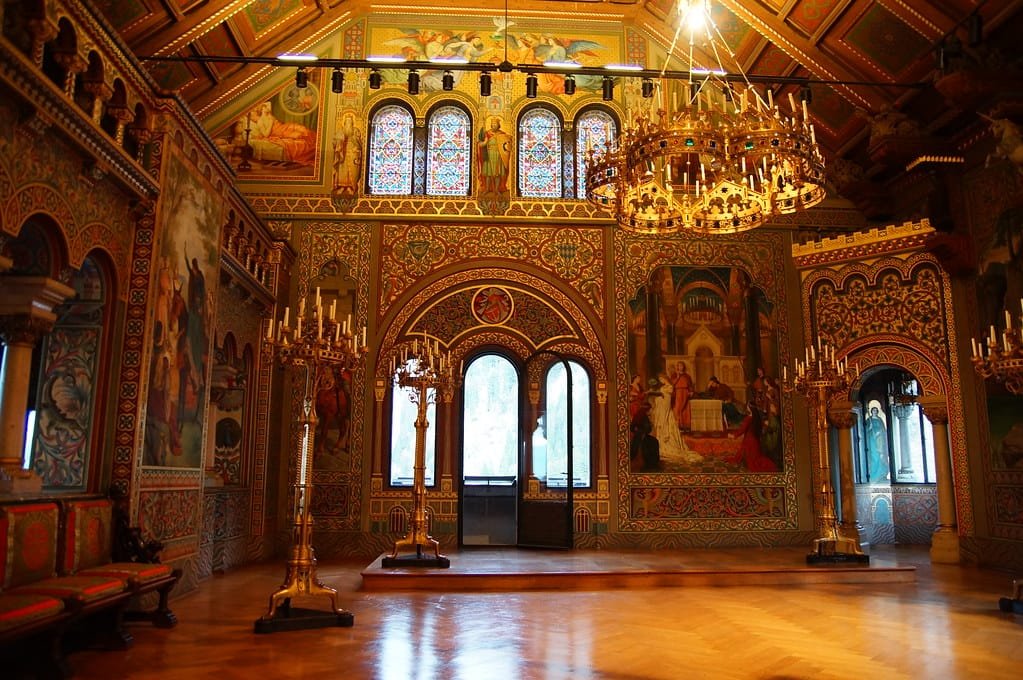
Visitors who walk through the Neuschwanstein Castle experience a time-travel effect that takes them back in history. All rooms were carefully planned by Ludwig to represent his artistic concept. The personal sleeping quarters of the king feature beautiful woodwork and paintings throughout each of his bedrooms.
The Throne Room stands out as a Byzantine-inspired masterpiece despite its throneless design while presenting a mosaic floor with animal and celestial motifs. The Singer’s Hall showcases Ludwig’s love for music through its design which celebrates Wagner’s artistic works.
Highlights of the Interior
The Throne Room: A Masterpiece of Design
The Throne Room stands as one of the most impressive rooms in the entire Neuschwanstein Castle complex. The designer aimed to create divine royal power through this two-story space which contains elaborate mosaics and a remarkable chandelier and golden ornamentation. Through this room Ludwig demonstrates his interest in medieval royal power as well as his belief that kingship stems from divine authority. The throne remains absent yet the room functions as a dominant symbol of Ludwig’s ambitions and his desire for grandeur.
The Singer’s Hall: A Tribute to Art and Music
The Singer’s Hall stands as one of the castle’s most beautiful spaces because it hosted artistic events that honored both music and mythology. The hall’s wall paintings and floor tapestries recreate the legendary stories of Tannhäuser and the Holy Grail to transport visitors into a romantic world of chivalry. Ludwig constructed this space for musical grand performances although it functioned very few times throughout his lifetime.
Other Notable Rooms
The king’s study and bedroom areas within the castle building show his preference for precise craftsmanship. The Wagnerian operatic themes appear through paintings which decorate the canopy bed in Ludwig’s bedroom. The 19th-century kitchen stands out because it possesses advanced appliances that represented the most sophisticated technology available during that time period.
The Surrounding Landscape
The Bavarian Alps provide the enchanting background to Neuschwanstein Castle. The castle stands atop a rocky outcrop which allows visitors to view extensive valleys and sparkling lakes as well as white mountain peaks. The castle’s architecture finds an equal match in its beautiful natural surroundings.
Visitors can reach excellent viewpoints by walking trails which lead to the iconic Marienbrücke (Mary’s Bridge) where they can obtain perfect photos of the castle. Visitors can stroll around the lake while enjoying its crystal-clear waters at Alpsee.
Neuschwanstein Castle in Popular Culture
The enchanting design of Neuschwanstein Castle has inspired millions of people who have created countless artistic works and media content. Disney used Neuschwanstein as the model for the Sleeping Beauty Castle at Disneyland which made it a global popular culture icon.
The castle frequently appears in movies, television shows and literary works as a fantasy symbol which represents romance. Creative minds find timelessness in the castle which makes it one of the world’s most recognized and celebrated landmarks.
Exploring the English Garden in Germany
Visiting Neuschwanstein Castle
How to Get There
Neuschwanstein Castle stands near the Bavarian town of Füssen in southern Germany just across the border from Austria. The castle stands as a top destination for day excursions from Munich.
The train service from Munich to Füssen provides the most convenient route to the castle (approximately 2 hours). The Füssen train station offers bus services 73 and 78 which lead directly to Hohenschwangau village situated at the foot of the castle hill.
The castle entrance at Hohenschwangau offers three different access methods:
- Horse-drawn carriage (a romantic and traditional option)
- Walk (around 30–40 minutes uphill through scenic forest trails)
- Shuttle bus (drops you near the famous Marienbrücke bridge for stunning views)
Map Location
Entry Fees and Ticketing Information
Visitors need to book their Neuschwanstein Castle tickets in advance because summer months bring complete ticket availability exhaustion.
- The official website at hohenschwangau.de
- The Ticket Center in Hohenschwangau village offer ticket purchase options.
The castle accepts visitors through guided tours which last between 30 to 40 minutes. The guided tours of the castle offer English and German-speaking guides who share interesting information about King Ludwig II and the construction of the castle and its connection to Cinderella’s Castle.
- The standard ticket price costs €17.50 while students and children can get discounted rates.
- The castle operates from 9 AM until 6 PM throughout different seasons but remains closed during January 1st and December 24–25 and 31st.
Tip: The recommended time for arrival is 90 minutes before your scheduled tour to obtain tickets and complete the journey to the castle.
Best Times to Visit Neuschwanstein Castle
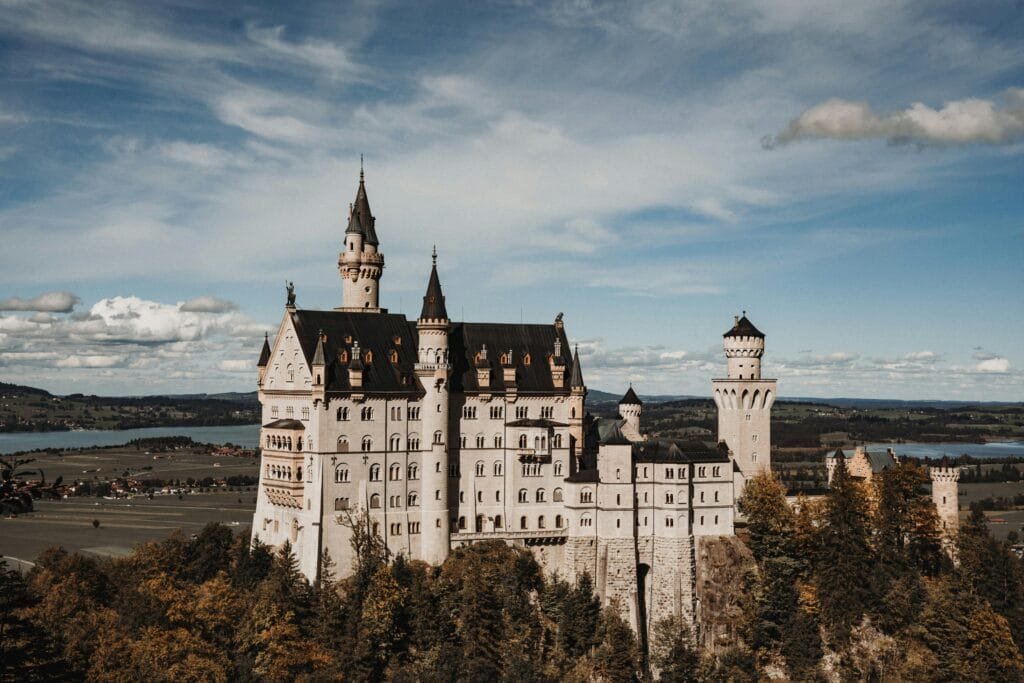
Your visit to Neuschwanstein Castle will become more enjoyable when you choose the right time for your visit. The most suitable periods to visit Neuschwanstein Castle according to both personal knowledge and professional travel guidance occur between spring (April–June) and fall (September–October). These months provide comfortable temperatures along with colorful natural settings and minimal visitor traffic that makes the scenery easier to view and photograph.
When snow covers the towers of the castle during winter it creates a perfect fairy-tale atmosphere as the trails remain empty. Neuschwanstein Castle becomes a serene winter wonderland because of its snowy towers and peaceful trails and it remains a crowdless and photogenic destination.
The summer months (July–August) attract the largest number of visitors who can enjoy extended daylight hours alongside access to surrounding sites yet they must endure prolonged wait times and excessive tourist presence. Visit the peak season during early morning or late afternoon to stay away from large crowds and harsh midday sun exposure.
Tip- The romantic charm of Neuschwanstein remains unchanged throughout the year so select your visit according to your preferred time.
Exploring Brandenburg Gate: Architecture and Significance in Berlin
Book Now
Guided Tours and Experiencesy Neuschwanstein Castle
The guided tours of Neuschwanstein Castle give visitors a detailed understanding of its history as well as its architectural features and the life story of King Ludwig II. These tours span 30 minutes and come in multiple language options. Some guided tours concentrate on Ludwig’s Wagner connection or the Bavarian cultural significance of the castle for deeper understanding.
The castle gains more charm when visitors attend seasonal events which include light shows and concerts. Visitors who want to experience the castle area can join guided hiking tours that reveal stunning views of the castle along with its natural environment.
Buda Castle Tour Discover Budapest’s Iconic Landmark
Tips for Exploring Neuschwanstein Castle
Visiting Neuschwanstein Castle offers an enchanting experience but careful preparation will enhance your visit by ensuring a smooth and pleasant journey. The following expert suggestions will maximize your experience during your visit to Neuschwanstein Castle:
- Wear comfortable shoes: The path up to the castle includes a steep hike, and inside you’ll climb narrow, winding stairs. The essential item for visiting this area includes suitable footwear which becomes vital when you plan to walk through the surrounding paths.
- Pack water and snacks because food choices are scarce near the castle while the summer heat and long climb will exhaust you.
- Photography rules: Note that photography is not permitted inside the castle to preserve its delicate interiors.
You should take pictures of the castle façade along with the breathtaking views from outside including the Marienbrücke bridge that overlooks the valley. - Arrive early: Beat the crowds by coming early in the day. Your visit will become more tranquil because you can avoid waiting in lines while having better opportunities to value the castle’s beauty.
- Explore nearby attractions: Visit the adjacent Hohenschwangau Castle which served as Ludwig II’s childhood residence along with the beautiful views from Marienbrücke suitable for taking memorable photographs.
With these tips, your visit to Neuschwanstein Castle will be a seamless and unforgettable adventure.
Nearby Attractions to Explore
Hohenschwangau Castle
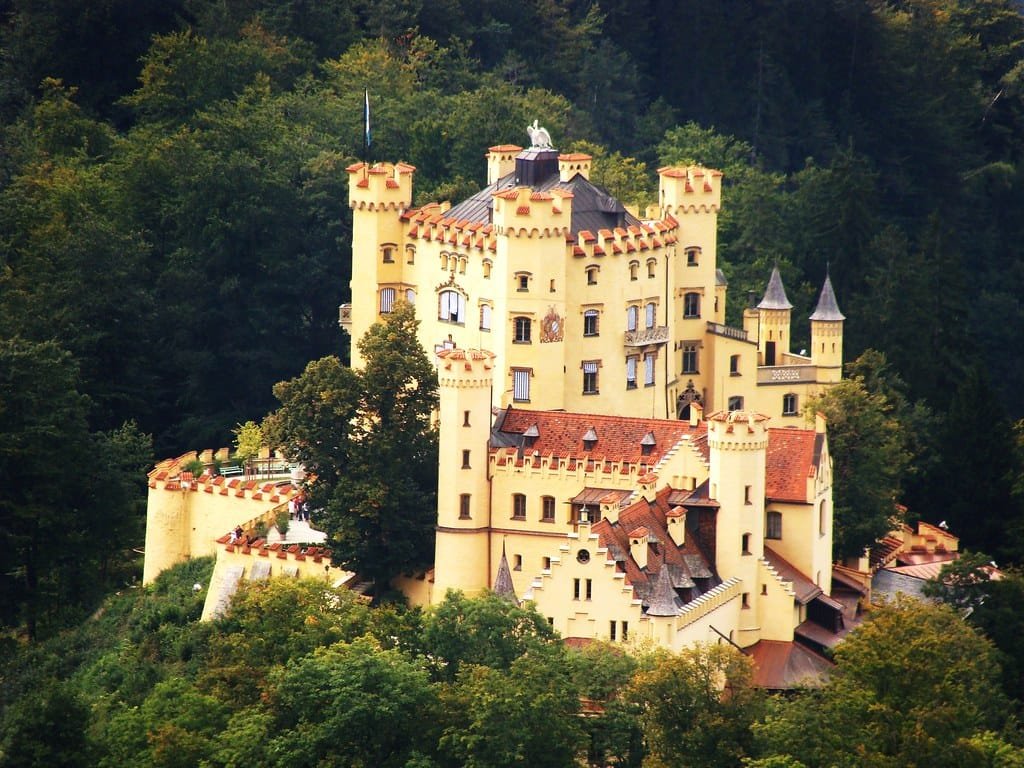
The historical castle of Hohenschwangau stands within walking distance of Neuschwanstein Castle and displays the youthful life of Bavarian King Ludwig II. Ludwig spent his childhood in this 19th-century castle which served as his home before it shaped his vision to create Neuschwanstein. The castle features beautifully decorated rooms alongside historical information about the royal family which appeals to anyone interested in Bavarian royal heritage.
Marienbrücke (Mary’s Bridge)
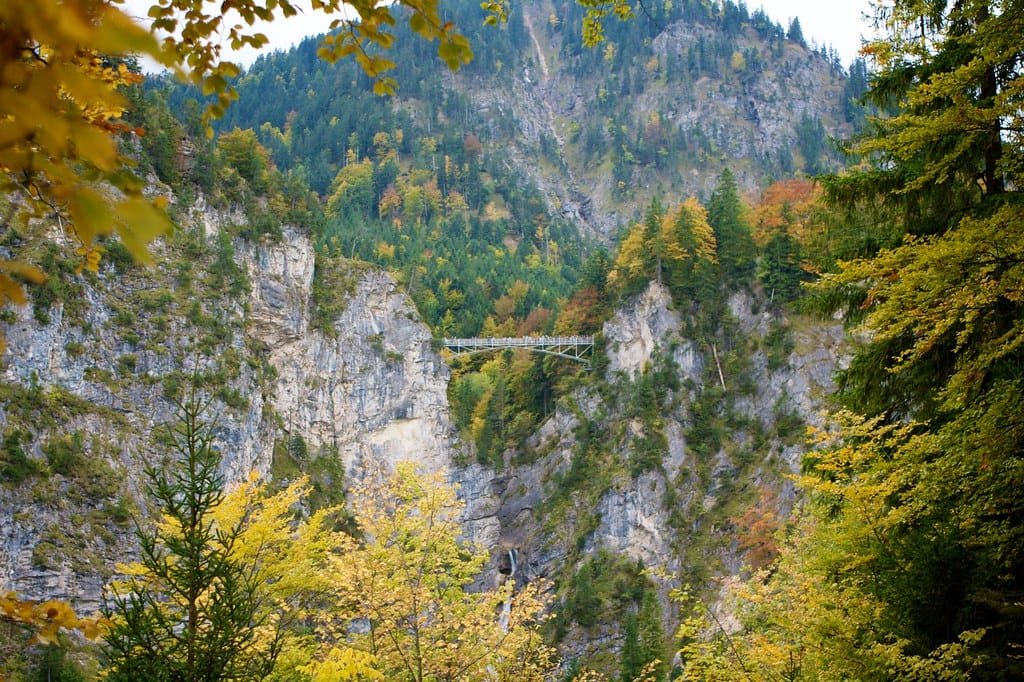
The pedestrian Marienbrücke provides visitors with stunning photography opportunities while offering breathtaking views of the surrounding landscape. A narrow pedestrian bridge leads across a deep gorge to reveal an exceptional Neuschwanstein Castle view against the Bavarian Alps. Visitors who want to capture photographs or enjoy the view from Marienbrücke will discover its iconic position as the most famous vantage point for this fairy-tale landmark.
Other Local Highlights
The natural beauty and cultural attractions in the surrounding area of the castle create a rich environment. Visitors can discover Alpsee Lake or taste traditional Bavarian food at local eateries while driving through the Alps for an extraordinary experience.
The Legacy of King Ludwig II
Through his artistic and architectural pursuits King Ludwig II created an enduring impact on Bavaria. His artistic endeavors which puzzled people in his lifetime now earn him recognition as a groundbreaking figure who designed the world’s most recognizable landmark. The unknown circumstances surrounding his death create ongoing historical fascination among scholars and castle guests who visit the site.
The fairy-tale castle dream of Ludwig continues to attract millions of annual visitors who preserve his lasting legacy.
Conclusion
Neuschwanstein Castle exists beyond being a destination since it represents the manifestation of someone’s dreams. The iconic castle presents an unforgettable experience to anyone interested in royal history or enchanted by fairy-tale architecture or seeking Germany’s most photogenic spot.
King Ludwig II constructed Neuschwanstein Castle to create a majestic structure in Bavaria which displays breathtaking views and stunning artistic features alongside an enduring aura of mystery. The castle maintains its eternal appeal because it served as the original inspiration behind Disney’s Cinderella Castle.
The experience of traveling to Füssen followed by standing on Marienbrücke where the castle stands perfectly in the valley below creates an unforgettable experience that feels like stepping into another world. Visitors of all types including solo travelers and couples and families will remember their Neuschwanstein Castle visit long after departure.
This location represents the ultimate setting from a fairy tale novel. You should visit Neuschwanstein Castle in Germany to experience its enchanting magic.
FAQs
1. Why is the Neuschwanstein Castle so famous?
Neuschwanstein Castle gained its fame through its enchanting design and spectacular mountain position and its role as the basis for Disney’s Cinderella Castle. Europe’s castles attract visitors from all over the world and Neuschwanstein Castle stands among the most popular ones.
2. What movie was filmed at Neuschwanstein Castle?
Several Disney productions along with Chitty Chitty Bang Bang used Neuschwanstein Castle as their main inspiration. The castle served as a primary design inspiration for Cinderella although it did not become part of the production.
3. Who owns the Neuschwanstein Castle today?
The Bavarian state government possesses ownership of the castle through the Bavarian Palace Department which manages its operation. The royal palace became a public monument after King Ludwig II passed away in 1886.
4. Where is the real Cinderella Castle located?
The original inspiration behind Cinderella’s Castle exists at Neuschwanstein Castle situated in Bavaria’s southern German region near the Hohenschwangau village.
5. Can you visit Neuschwanstein Castle inside?
Visitors can explore Neuschwanstein Castle through guided tours after purchasing their tickets in advance especially when traveling during peak times..
For more information about Neuschwanstein Castle, you can visit the official website here. This site provides detailed information about the castle’s history, visitor details, and available tours