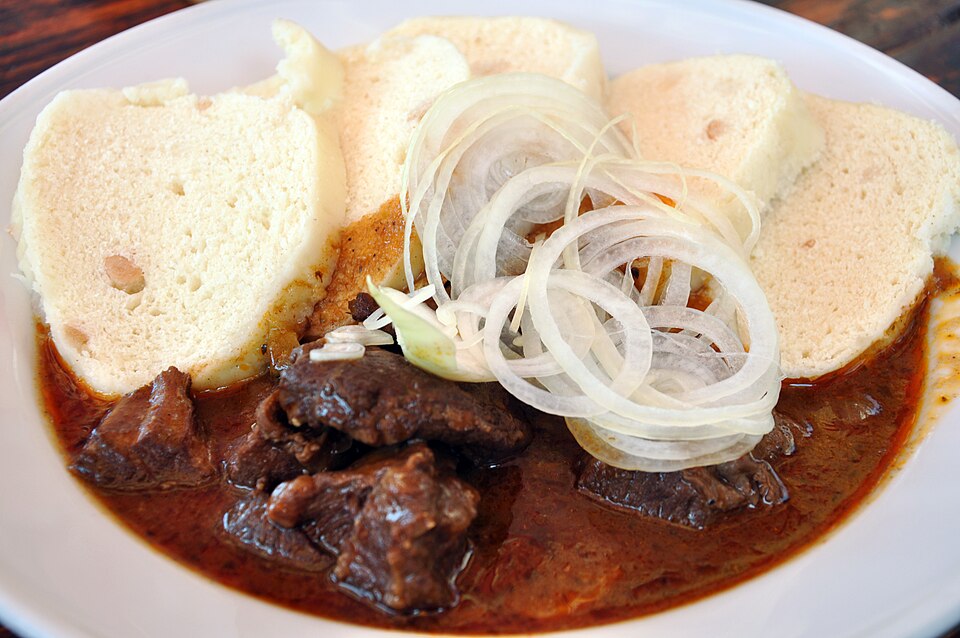
The first time I tasted authentic Czech goulash, I was sitting in a dimly lit pub in Prague’s Old Town, rain pattering against the windows. The waiter placed a steaming bowl in front of me, and the rich aroma of paprika and slow-cooked beef immediately filled my senses. One spoonful of that thick, velvety gravy with tender meat, and I understood why this dish has captured the hearts of Czechs for generations.
Czech goulash isn’t just food. It’s a window into the soul of the Czech Republic, a comfort dish that brings families together and warms travelers after long days of exploration. If you’re planning a trip to this beautiful Central European country, understanding and tasting Czech goulash should be at the top of your culinary bucket list.
Table of Contents
This Isn’t Your Average Stew
Let’s get one thing straight: Czech goulash is not just another meat stew. While tourists often confuse it with Hungarian goulash, the Czech version is something entirely different—and many would argue, even better.
Imagine the thickest, most luxurious gravy you’ve ever tasted, infused with sweet paprika and studded with melt-in-your-mouth chunks of beef. That’s goulash Czech food. Unlike the soup-like Hungarian version loaded with vegetables, Czech goulash is pure, concentrated comfort—just beef, onions (lots of them), and a symphony of spices simmered until the meat practically dissolves on your tongue.
The sauce? So thick it clings to everything it touches. So rich you’ll want to lick your bowl clean (and honestly, in the right pub, nobody would judge you).
The Secret Formula: What Makes It Unforgettable
So what’s actually in this thing: premium beef chuck, mountains of slowly caramelized onions, generous amounts of sweet paprika, earthy caraway seeds, and time. Lots and lots of time.
Czech grandmothers will tell you the secret is patience. The beef needs to braise for hours until it surrenders completely. The onions—sometimes weighing as much as the meat itself—must cook down until they disappear into the sauce, creating that signature velvety texture that makes Czech goulash legendary.
And when it arrives at your table? It comes with knedlíky, those peculiar Czech bread dumplings that look like sliced bread but taste like clouds. They’re the perfect sponge for that magnificent gravy, and eating goulash without them is like visiting Prague without seeing the castle—technically possible, but why would you?
Where the Magic Happens: Eating Like a Local
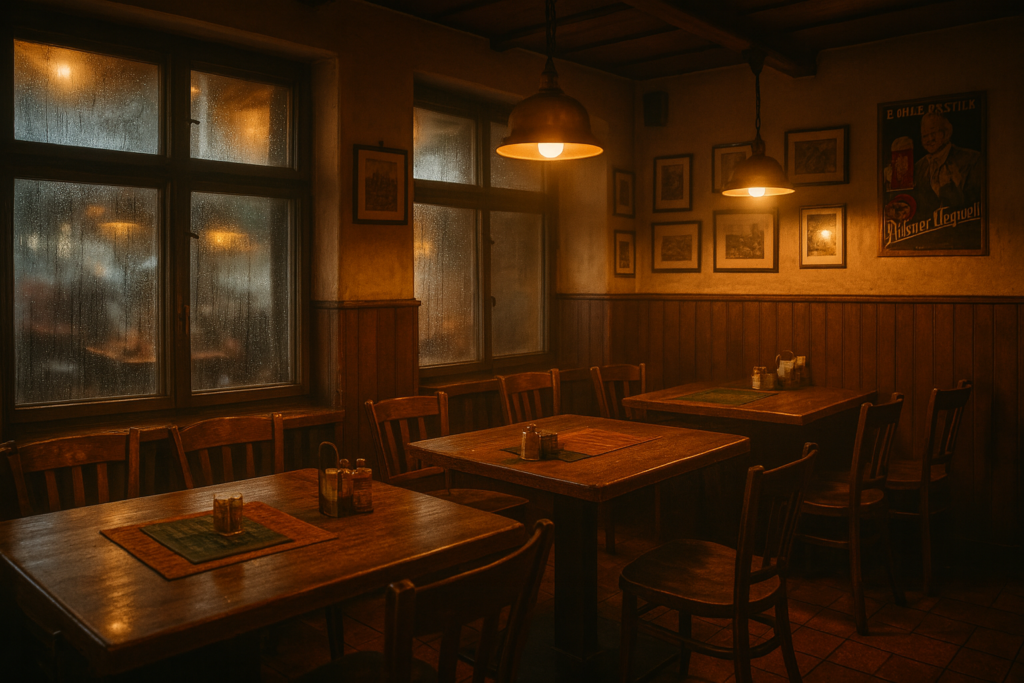
The best Czech goulash isn’t found in fancy restaurants with English menus plastered outside. It lives in hospodas—those wonderfully unpretentious neighborhood pubs where locals have been eating for decades.
Prague’s Hidden Gems
Avoid Old Town Square tourist traps. They’ll charge you €15 for goulash that honestly tastes microwaved. Not worth it.
Go to Lokál instead. I stumbled into this place following a group of students, and wow—it was packed. Office workers on lunch breaks, friends meeting up, everyone sharing long tables. Their goulash? 150 CZK (around $7). Tastes like my friend’s babička made it. That good.
U Fleků is wild. They’ve been pouring beer there since 1499. When you walk in, you get it—dark beams overhead, old copper brewing stuff everywhere, beer steins covering the walls from who knows how many decades. Getting goulash there feels less like eating out and more like eating inside a history book. Pretty cool experience.
Here’s what I learned: best Czech food isn’t in fancy places with high prices. It’s wherever you see locals actually eating. That’s your sign.
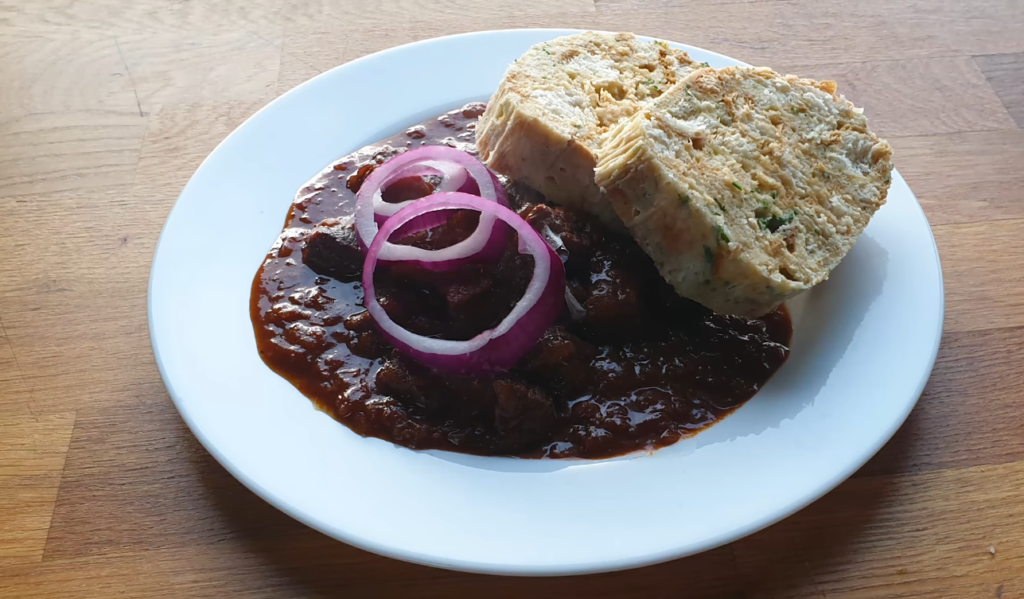
Want the real local experience? Take the metro to Žižkov or Vinohrady neighborhoods. Find any pub that’s slightly dingy with old men playing cards in the corner—that’s where you’ll find the best goulash in Prague. The kind that makes you understand why Czechs have been perfecting this recipe for generations.
Beyond the Capital
Prague isn’t the whole story. You need to get out and explore.
In Český Krumlov, after you’ve hiked up the castle tower and taken about a hundred photos of the town (it’s that pretty), do yourself a favor: find a pub by the river and order goulash. Sit there, watch the Vltava River drift past, and just enjoy. There’s something magical about eating this stew in a medieval town with water flowing beside you. It hits different.
Now, if you’re the adventurous type, head to the mountains—places like Šumava or Bohemian Switzerland. The goulash changes completely out here. Instead of regular beef, mountain pubs serve wild game: deer, wild boar, sometimes rabbit. The flavor? Deeper, earthier, almost wild-tasting. It’s like the forest ended up in your bowl. You can’t find this in Prague, no matter how fancy the restaurant.
What I love about this: goulash isn’t some rigid recipe that never changes. Czechs in every region have made it their own over the years. It shows you how much they actually care about this dish—enough to keep reinventing it while staying true to what makes it special. That’s not just food culture. That’s tradition that’s still alive.
The Complete Czech Experience: Beer, Dumplings, and Pure Joy
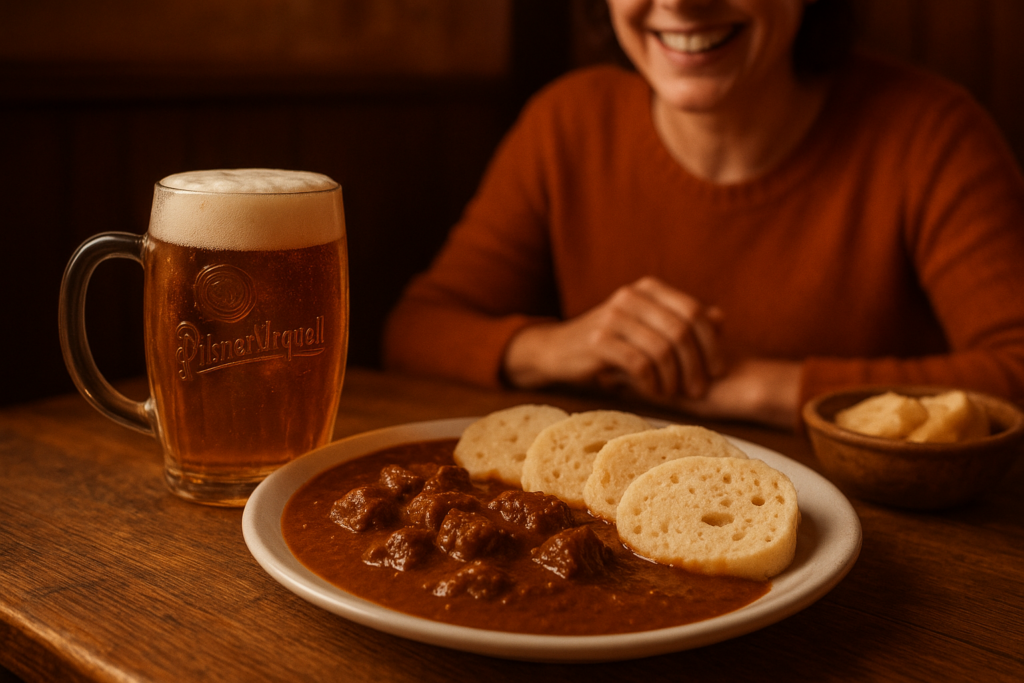
Look, eating Czech goulash isn’t just about the food. It’s about the whole experience.
First things first: you need Czech beer. Not optional. The Czech Republic drinks more beer per person than anywhere else on earth, and after one meal here, you’ll understand why. Order a cold Pilsner Urquell or Budvar—the crisp, slightly bitter taste cuts right through that rich, paprika-loaded sauce. It’s like hitting a reset button for your taste buds. Sip, bite, sip, bite. You’ll find your rhythm fast.
When your server brings the food, they’ll probably say “Dobrou chuť!” (sounds like “dob-roh khoot”). It means “enjoy your meal.” Learn it. Say it back. Trust me, locals genuinely appreciate when you try even one Czech phrase. Their faces light up.
One warning: the portions are massive. Czech food doesn’t do dainty. When you order guláš, you’re getting a bowl that could power you through an entire day of sightseeing. Maybe skip lunch before dinner. Or honestly? Just embrace it. This is comfort food at its finest—rich, filling, and absolutely worth every bite.
Come hungry. Leave happy
Hunt for the Variations: A Goulash Adventure
Here’s what makes traveling around Czech Republic exciting: goulash tastes different everywhere you go. Each region has its own twist.
In Moravia, the eastern wine region, I tasted something different right away. The goulash was richer, deeper. The cook told me their secret—a splash of local red wine goes into the pot. It’s not a huge change, but once you try it, you get why Moravians love their version so much.
Then there’s Segedínský guláš. This one adds sauerkraut and sour cream. Sounds strange, right? I thought so too. But the tangy sauerkraut cuts through the rich meat perfectly, and the sour cream makes everything creamy and smooth. You’ll see this version everywhere in winter—it’s the kind of food that warms you up after spending hours in Prague’s freezing cold weather.
Prague’s modern restaurants now make vegetarian versions using mushrooms. They actually taste great—earthy and satisfying. Traditional Czech grandmas might roll their eyes at this, but I think it’s cool. It shows the dish is staying alive and relevant. Food cultures that refuse to change eventually die out.
The lesson? Don’t just eat goulash once in Prague and call it done. Try different versions in different places. Each bowl tells you something about where you are.
Bring Prague Home: Your Kitchen, Your Czech Adventure
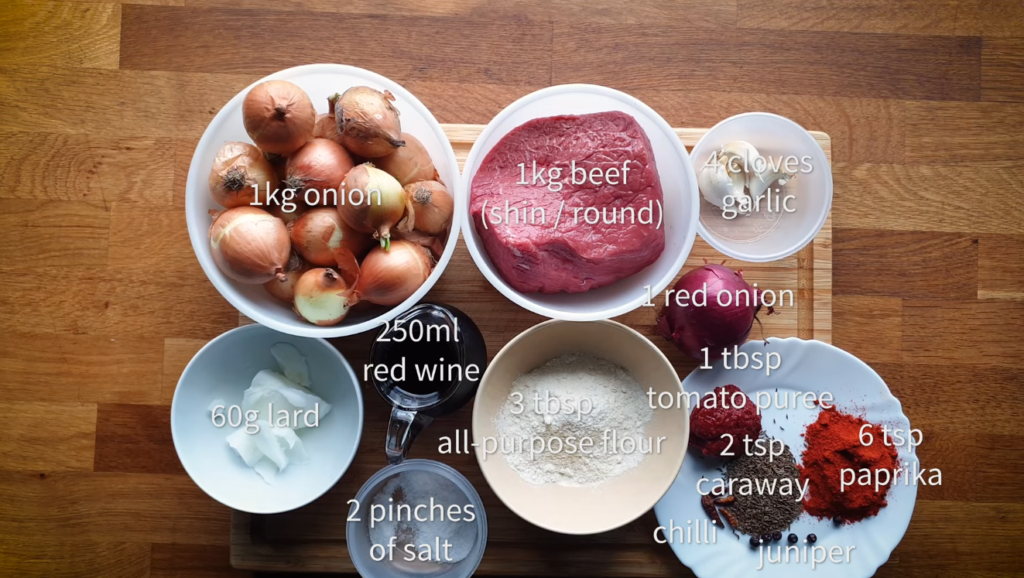
Missing Prague? Craving that soul-warming comfort? Here’s your ticket back to those cobblestone streets—a proper recipe for Czech goulash you can master in your own kitchen.
What You Need:
- 2 lbs beef chuck, cubed into hearty chunks
- 2 lbs onions, chopped (yes, that much!)
- 3 tablespoons sweet paprika (not hot!)
- 2 tablespoons vegetable oil
- 4 garlic cloves, minced
- 1 teaspoon caraway seeds
- 1 teaspoon marjoram
- 2 cups beef broth
- 2 tablespoons tomato paste
- Salt, pepper, and 1 bay leaf
How to Make Magic:
Caramelize Those Onions (20 minutes) Heat your oil in the biggest, heaviest pot you own over medium heat. Throw in those chopped onions and let them cook low and slow for 20 minutes. This is where amateurs rush and pros shine. Don’t hurry this step. Let the onions turn soft and golden, releasing their sweetness. Your kitchen will smell amazing. Stir occasionally to prevent sticking.
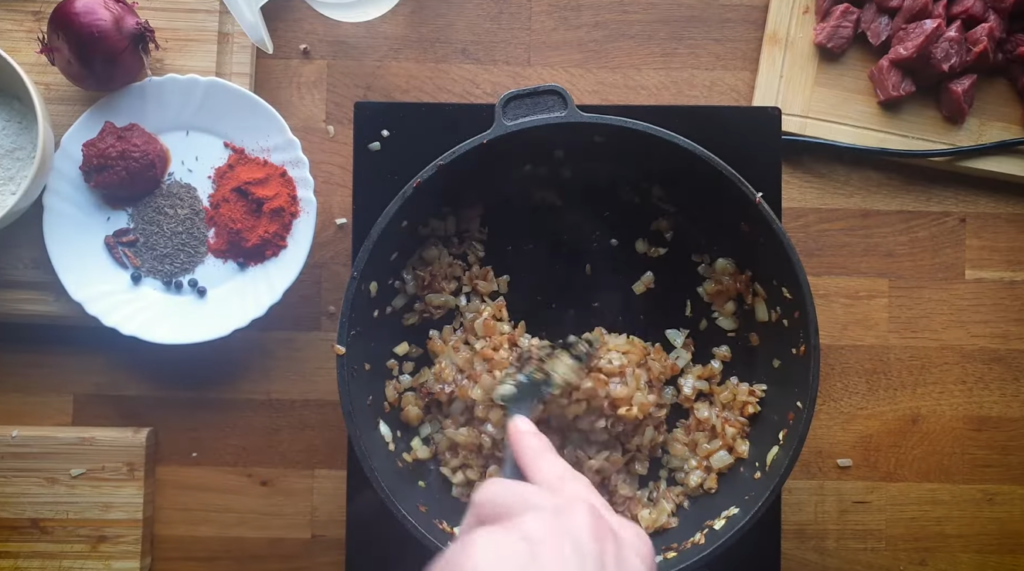
Add Aromatics (1 minute) Toss in the minced garlic and caraway seeds. Cook for just one minute until fragrant. Your kitchen should smell incredible right now.
The Paprika Trick (Critical!) Now here’s the trick: take the pot completely off the heat before adding paprika. Remove it from the burner, then stir in all 3 tablespoons of paprika while the pot is off the heat. This prevents the paprika from burning, which would make your goulash bitter instead of sweet and smoky.
Coat the Beef Add your beef chunks immediately, stirring until every single piece is coated in that gorgeous red mixture. Make sure no beef is left uncoated—this is where the flavor happens.
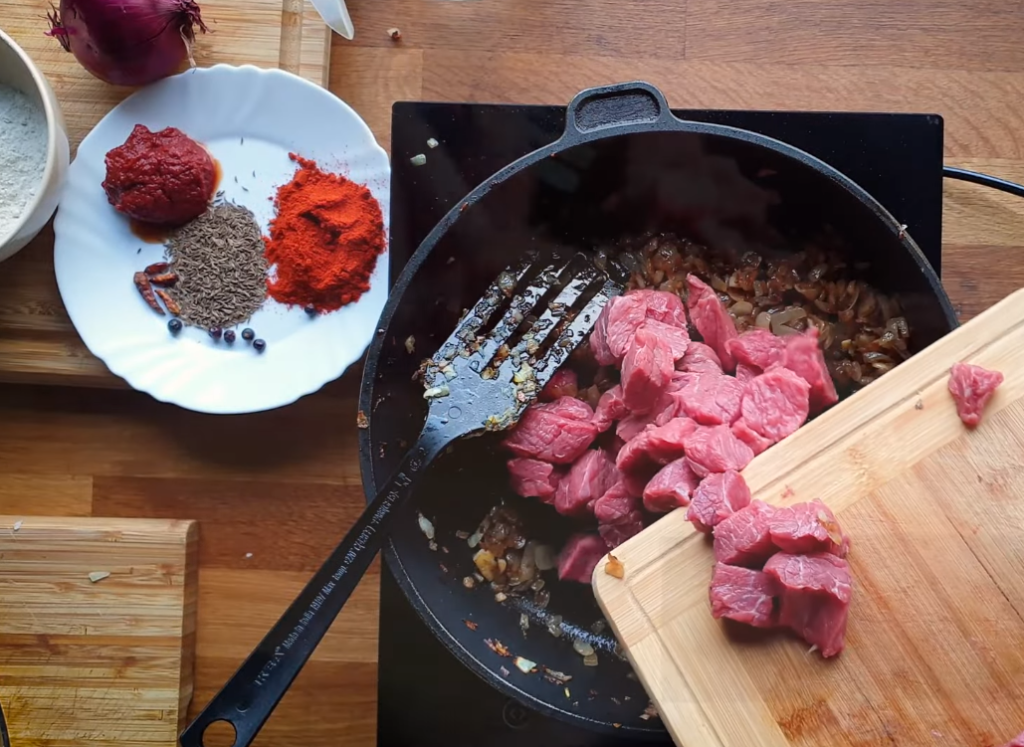
Build the Base Put the pot back on medium-high heat. Add the tomato paste, marjoram, and bay leaf. Pour in enough beef broth to barely cover everything. Stir to combine.
The Long Simmer (2-3 hours)
- Bring it to a boil, then immediately drop the heat to low. Cover it up with a lid and forget about it for 2-3 hours. Check occasionally (every 30-45 minutes), give it a stir, but mostly just let time do its magic. The meat should be getting more tender with each passing hour.
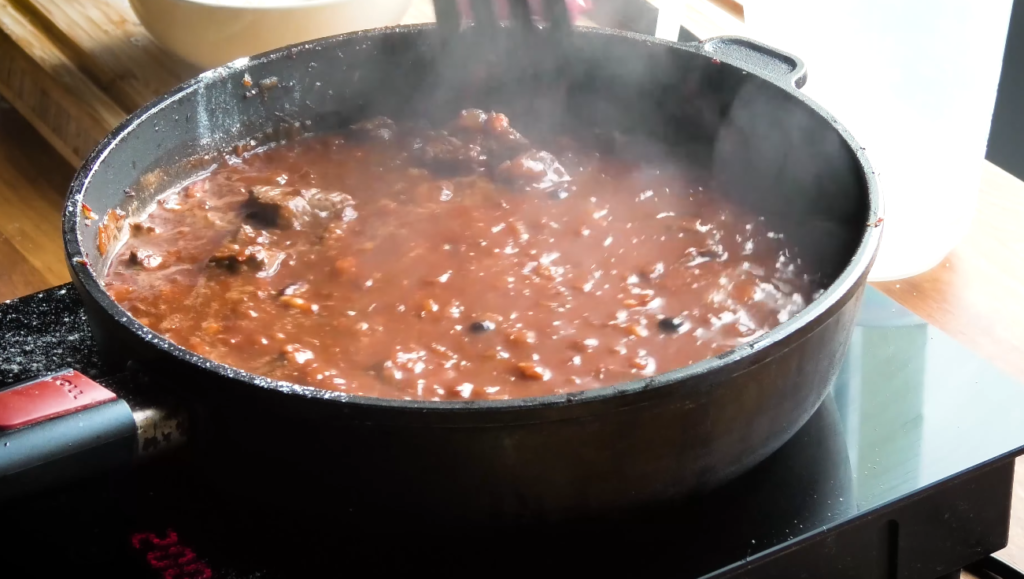
Check for Doneness
- You’ll know your czech goulash recipe is ready when the beef falls apart if you look at it funny and the sauce has transformed into thick, luscious gravy that coats the back of a spoon.
Final Adjustments
- Too thin? Simmer uncovered for 30 minutes to reduce. Too thick? Add a splash more broth. Taste and season generously with salt and pepper. Remove the bay leaf.
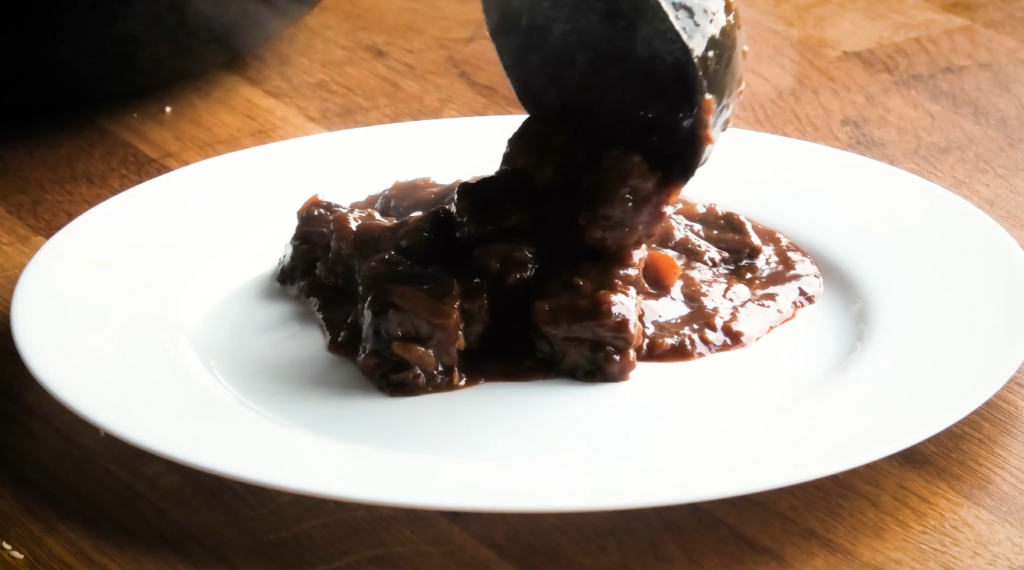
Get ready to be transported back to Prague.
Insider Secrets from a Goulash Obsessive
I’ve eaten way too much goulash researching this (no regrets), and I’ve learned a few things along the way.
Timing is everything: Goulash tastes even better the next day. Locals know this and often make huge batches. The flavors marry overnight, becoming even more harmonious.
Shop like a local: Prague’s Havelská Market sells everything you need—paprika, caraway, even pre-cut “guláš maso” (goulash meat) if you’re cooking in your Airbnb. The vendors are friendly, and even with zero Czech skills, you can point and smile your way to ingredients.
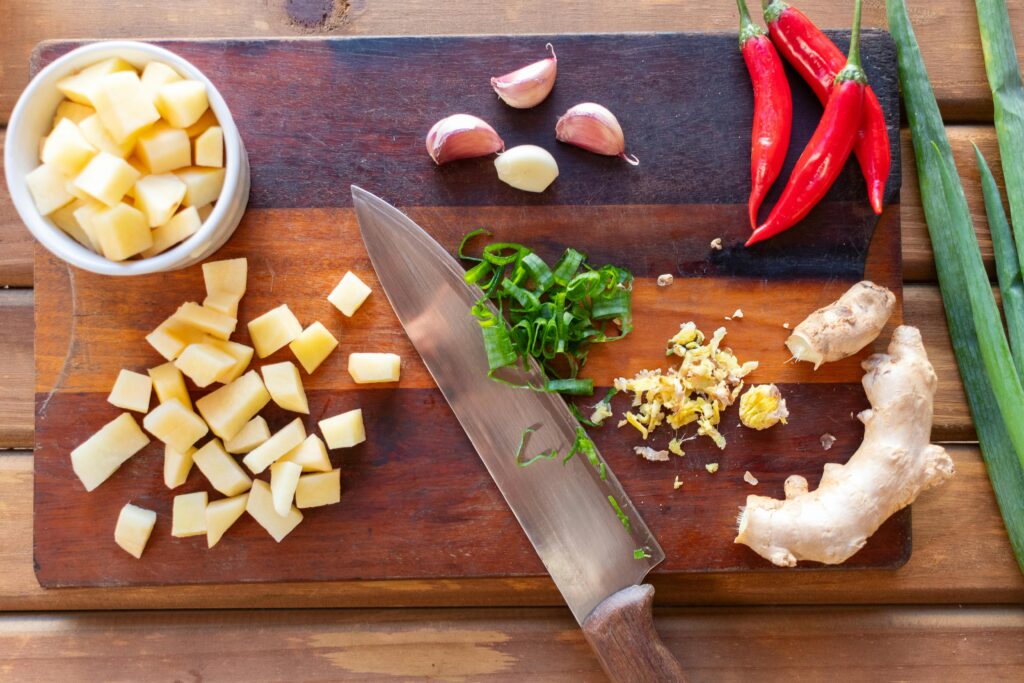
Take a class: Several cooking schools in Prague offer goulash-making workshops. It’s the perfect rainy afternoon activity, and you’ll learn tricks you’d never discover eating in restaurants.
Don’t skip the dumplings: Knedlíky are essential. Most good Czech restaurants make them fresh daily. That subtle, slightly chewy texture transforms good goulash into an unforgettable meal.
Why This Matters: More Than Just Food
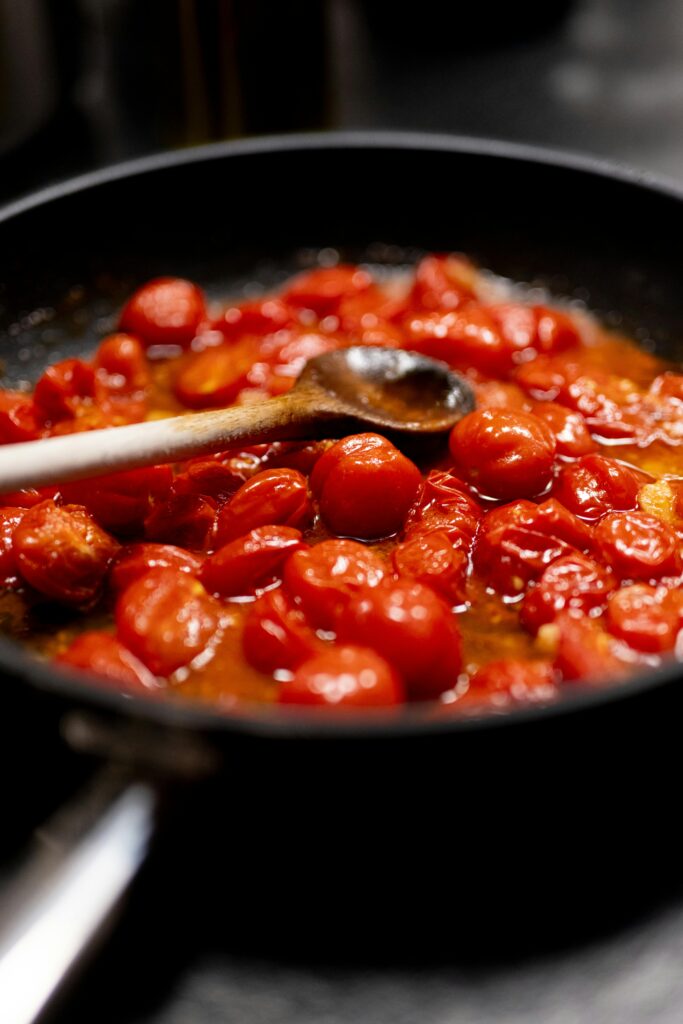
Czech goulash tells you everything about Czech culture. It’s honest, unpretentious, built on techniques passed down through families for generations. No fancy plating. No non-native ingredients trying to impress food critics. Just pure, powerful flavor and comfort that wraps around you like a warm blanket.
Every bite connects you to something bigger. Family Sunday dinners. Friends gathering in pubs, solving life’s problems over beer and goulash. This is food that builds community. It turns complete strangers into friends. It makes you feel at home 5,000 miles from home.
Picture this: You’re sitting in a cozy Czech pub. Rain tapping the windows. A bowl of goulash steaming in front of you. A cold pilsner in your hand. That moment right there? That’s why you travel. Not for Instagram photos or checking boxes. For these real, simple, perfect moments that stay with you forever.
So here’s what you do: Book that ticket. Find a neighborhood hospoda—the kind locals love. Order the guláš. Don’t overthink it.
You’re about to fall hard for goulash Czech food.
Your adventure is waiting. And trust me—it’s thick, rich, and absolutely unforgettable.